

The Short Answer: Yes, but You Engineer the Airflow
A Toyota RAV4 is a solid hot-weather car-camping vehicle, with one caveat that shapes everything: you have to engineer the ventilation, because the RAV4 does not hand it to you. Heat is the whole problem in summer, and the RAV4's airflow comes from a smaller set of openings than some rivals, so a little cleverness with how you crack the windows goes a long way.
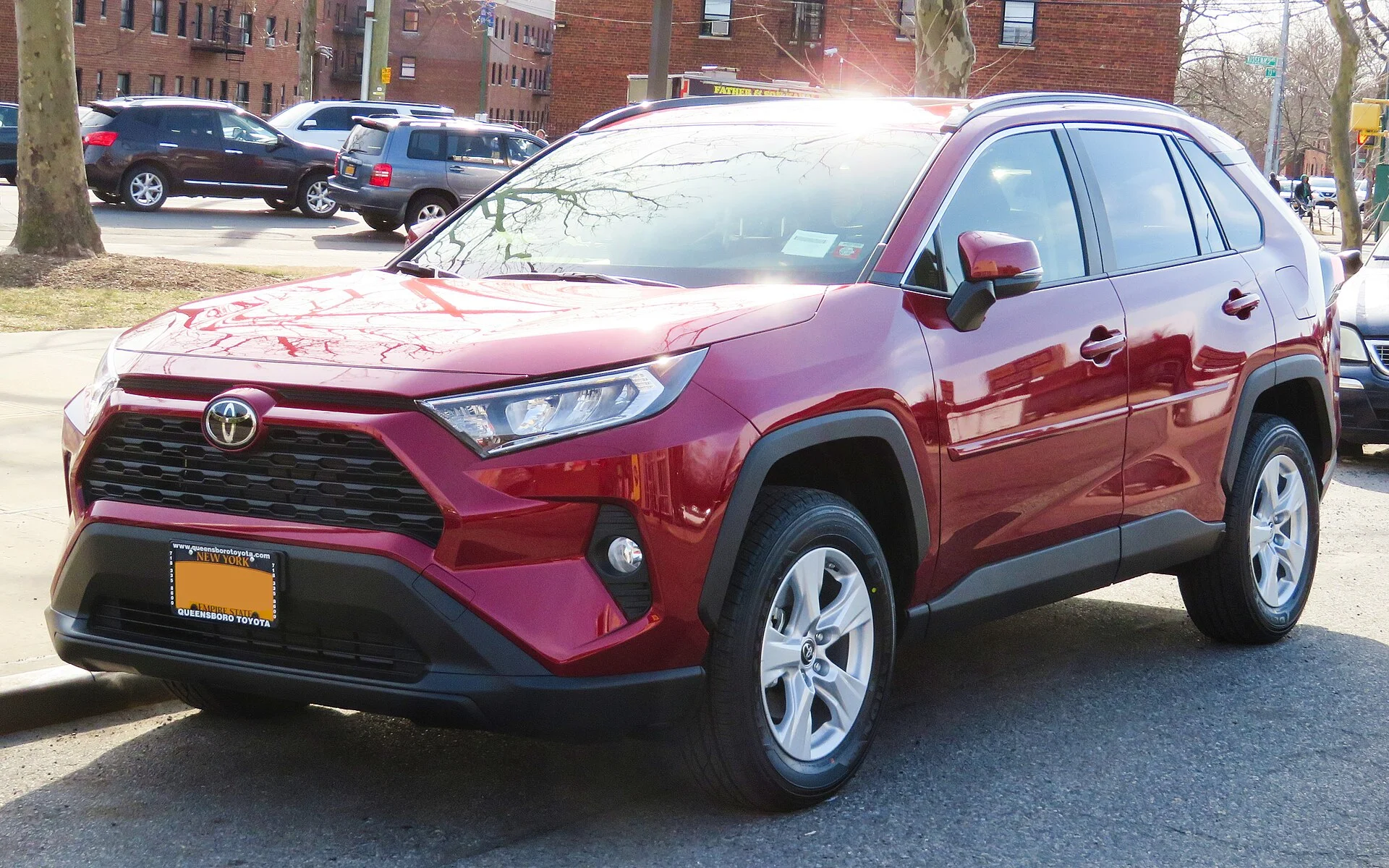
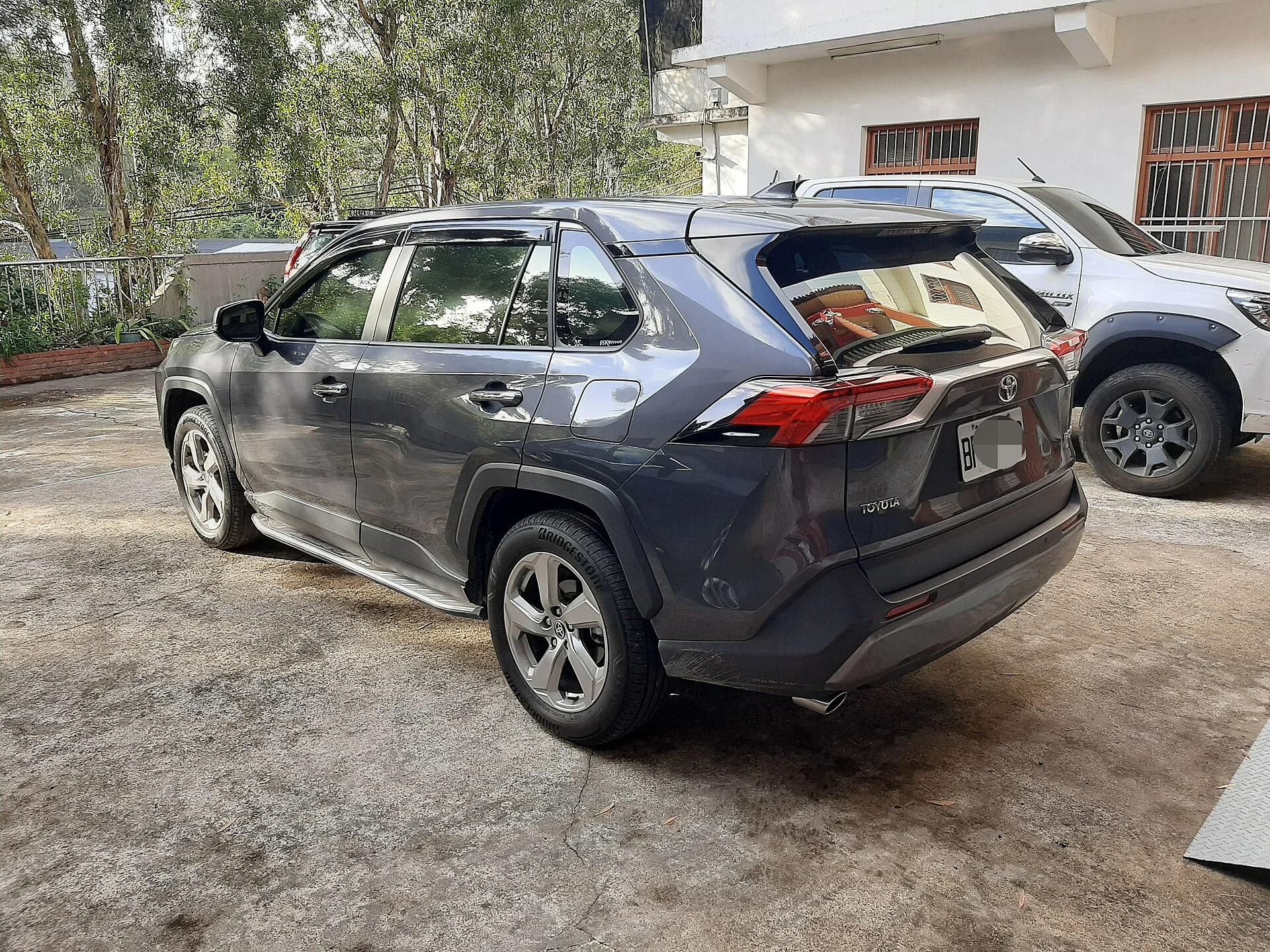
The constraint to trace is the rear glass. Unlike some SUVs, the RAV4 has fixed rear liftgate glass that does not roll down, so venting relies on the four side windows and, on equipped trims, the sunroof. That is fewer exits for hot air than a vehicle with an opening rear window, and it means your cross-draft has to be built side-to-side rather than front-to-back.
The space is there once you solve the air. Folding the rear seats opens 69.8 cubic feet of cargo volume - enough to sleep, often diagonally for taller campers. Get the side-window cross-draft dialed, add a small fan and a sunshade, and the RAV4 sleeps comfortably on most summer nights. The rest of this guide is how a tinkerer builds that airflow around the fixed rear glass.
Trace the Constraint: The Rear Glass Doesn't Open
Start by naming the exact limitation, because it changes your whole ventilation plan. The RAV4's rear liftgate glass is fixed - it does not roll down or pop open. So the classic camping move of dropping the rear window for a big low vent is off the table. Every bit of airflow has to come through the four side windows and the sunroof where fitted.
That is not a dealbreaker, but it is a real difference. A moonroof is available starting on the XLE trim, with a larger panoramic sunroof on higher trims, while the base LE has no sunroof at all. If you are shopping a RAV4 with hot-weather camping in mind, a trim with a sunroof genuinely matters - it adds the one overhead vent that lets rising hot air escape upward.
The tinkerer's response is to treat the four side windows as a system rather than four separate holes. With no rear exit, you build a cross-draft across the cabin: intake on the upwind side, exhaust on the downwind side, and the sunroof cracked to bleed off the hottest air at the top. Once you accept the rear glass is sealed, the airflow puzzle has a clean solution - it just has to be arranged, not assumed.
The Heat-Soak Baseline You're Working Against
Before optimizing airflow, respect how hot a parked RAV4 gets, because the numbers are stark. A Stanford study found a parked car's interior heats an average of 40 degrees Fahrenheit within one hour regardless of the outside temperature, with 80 percent of that rise in the first 30 minutes. The cabin bakes fast, and most of the damage is done in the first half hour.
Peak temperatures are brutal. Research from UC San Diego and Arizona State found a car parked in direct sun for one hour averages about 116 degrees Fahrenheit inside, versus roughly 100 degrees Fahrenheit in shade. Surfaces heat-soak even harder: dashboards in sun-parked cars averaged about 157 degrees Fahrenheit and steering wheels about 127 degrees Fahrenheit after an hour.
Those surface numbers matter for a camper because heat-soaked plastic and metal keep radiating warmth long after sunset. The RAV4's dash, doors, and cargo floor store the day's heat and release it into the cabin at night. A tinkerer reads that as a reason to attack heat at the source during the day, so the airflow at night is cooling a cabin that was never allowed to fully cook.
Building a Cross-Draft From Side Windows Only
Here is the core technique, since the rear glass is out of play. A cross-draft needs an intake and an exhaust on opposite sides of the cabin. Crack the front window on the side the breeze is coming from and the rear window on the opposite side, and air flows diagonally across the cabin and over your body. Diagonal beats parallel because it moves air across the whole space rather than short-circuiting.
Rain and bugs are the usual reasons people seal up and swelter, and both have fixes. Window vent visors let you leave the side windows cracked a couple of inches even in light rain without water coming in, keeping the cross-draft alive through a summer shower. A set of stick-on window rain guard vent visors is a cheap upgrade that turns a fair-weather-only setup into an all-night one.
Mesh is the other half. Fine bug netting over the cracked windows lets you run real airflow without inviting mosquitoes in, which is what actually lets you keep the windows open all night instead of closing them at dusk. With visors for weather and mesh for bugs, the RAV4's four side windows become a genuine ventilation system despite the fixed rear glass.
Force the Air: Fan Sizing for the RAV4
On a still night, cracked windows are not enough and you have to move the air mechanically. A common ventilation rule of thumb targets about 1 CFM of fan output per cubic foot of interior space, and 15 to 20 complete air exchanges per hour to stay comfortable in hot conditions. For a cabin the RAV4's size, that is a small 12-volt fan, not a heavy blower.
Direction is everything with only side-window venting. Set the fan to blow hot air out one window while the opposite window feeds fresh air in, and you create a forced cross-draft that does not depend on a natural breeze. Aiming the fan to exhaust rather than just circulate is the difference between stirring warm air and actually exchanging it for cooler night air.
Because the RAV4 lacks a big rear vent, the fan matters more here than in a vehicle with an opening tailgate window - it is doing the job the rear glass would otherwise do. A rechargeable clip fan positioned in a cracked window, aimed out, is the single most effective add-on for a RAV4 summer setup, and it runs all night on its own battery without touching the vehicle's.
Stop the Heat at the Glass During the Day
The best hot-weather sleep is set up hours earlier by not letting the cabin heat-soak. Shade is the biggest free lever: parking in shade holds the peak cabin temperature near 100 degrees Fahrenheit instead of the roughly 116 degrees a sun-parked car reaches. Sixteen degrees of head start, just from where you point the vehicle in the afternoon.
A reflective windshield sunshade is the next win and it is cheap. It can cut peak interior temperature by up to 40 degrees Fahrenheit, with an average reduction near 25 degrees Fahrenheit, by keeping the sun off the dash - the same dash that otherwise heat-soaks to about 157 degrees Fahrenheit. Since 80 percent of the heat rise happens in the first 30 minutes, deploy the shade every time you park, not just at bedtime.
Insulated covers on the side and rear glass finish the job, blocking radiant heat by day and slowing heat loss of your hard-won cool air by night. The tinkerer's routine is to shade the glass all day so that by nightfall the RAV4's four-window airflow is cooling a cabin that stayed reasonable, instead of trying to rescue one that hit 116 degrees.

The Space: 69.8 Cubic Feet and a Diagonal Bed
Airflow aside, the RAV4 gives you a workable sleeping space once you know its shape. Folding the rear seats opens 69.8 cubic feet of cargo volume, with a cargo opening up to about 59 inches wide and 36.6 inches high. That is generous width but a shorter floor than a larger SUV, so the layout, not the volume, is what you optimize.
Diagonal is the trick for taller campers. Because the straight-back load floor is short, sleeping corner-to-corner across the 59-inch-wide opening buys extra length, letting a taller adult stretch out at an angle rather than curling up parallel to the vehicle. It is a small adjustment that turns a tight fit into a comfortable one, and it is why the RAV4's width matters as much as its length. Lay a sleeping pad on the diagonal, test it before dark, and note where your head and feet land relative to the windows so you can position yourself in the draft rather than against a sealed door panel.
One person sleeps comfortably; two is snug. With 69.8 cubic feet and a 105.9-inch wheelbase, the RAV4 is firmly a solo or intimate-couple platform rather than a family bunkhouse. For hot-weather camping that is fine - fewer bodies means less heat and humidity to vent, and a single sleeper can position themselves right in the side-window cross-draft with room to spare.
Rear Vents and the Cost of Idling for AC
The RAV4 does have one climate helper worth knowing: rear-seat air vents on the back of the center console on XLE and higher trims, which push cooled air toward the rear where you sleep. Run the AC before bed and those vents help pre-cool the cargo area directly, rather than leaving the back of the cabin stagnant while the front gets all the cold air.
But idling for AC has real costs. The gas RAV4 is EPA-rated 27 mpg city and 35 mpg highway, and idling the engine to run climate burns fuel and makes noise all night. More importantly, an idling gas engine produces carbon monoxide, so AC should only run while you are awake with a clear exhaust path - never as a set-and-sleep overnight solution, because carbon monoxide is odorless and undetectable to a sleeper.
The right use is a pre-cool. Run the AC for a while before bed to drop the cabin temperature and chill the cargo area through those rear vents, then shut the engine off and switch to passive airflow - the side-window cross-draft, the fan, the sunroof. On most summer nights the RAV4's engineered airflow holds that pre-cooled air well enough that the engine stays off till morning.

The Hybrid's Quiet Hot-Weather Edge
If you are choosing a RAV4 with hot-weather camping in mind, the hybrid is worth a look for one reason: efficiency. The RAV4 Hybrid is EPA-rated 41 mpg city and 38 mpg highway, well above the gas model's 27 city and 35 highway. That efficiency means that if you do run climate at idle for a pre-cool, the hybrid sips far less fuel doing it.
The hybrid's engine also cycles rather than idling continuously to maintain the battery and climate, which can make a pre-cool quieter and thriftier than a gas engine idling steadily. It does not change the core safety rule - any running gasoline engine still produces carbon monoxide, so the hybrid is no safer to sleep with running than the gas model. The advantage is efficiency, not a license to run climate overnight.
For a tinkerer weighing trims, the calculus is simple: a sunroof-equipped hybrid gives you the best hot-weather RAV4 - an overhead vent plus the most efficient pre-cool. But the passive airflow techniques matter just as much on a hybrid as a gas model, because the smart plan on either is engine-off for the night, using the side-window cross-draft you built.
The Verdict: Capable, Once You Solve the Airflow
The Toyota RAV4 is a good hot-weather car-camping vehicle for someone willing to engineer around its one quirk. The rear glass is fixed, so you build ventilation from the four side windows and the sunroof instead of a rolling rear window - a solvable constraint, not a disqualifier. Solve it, and the RAV4's 69.8 cubic feet sleeps cool on most summer nights.
The playbook is consistent: park in shade to hold the cabin near 100 rather than 116 degrees Fahrenheit, run a reflective sunshade for up to 40 degrees of peak reduction, and shade the rest of the glass by day. At night, build a diagonal cross-draft with vent visors and mesh, force it with a small 12-volt fan, and crack the sunroof to vent rising heat. Pre-cool with the AC before bed, then run engine-off.
Choose a trim with a sunroof, and consider the hybrid for its efficiency, and you have about the best hot-weather RAV4 you can set up. It is smaller than an SUV and its rear glass does not open, but neither stops a thoughtful camper - the RAV4 rewards the person who treats airflow as something to build, and sleeps comfortably in the heat once they do. For a solo camper especially, it is a capable, efficient hot-weather home base that punches above its size once the draft is dialed.