
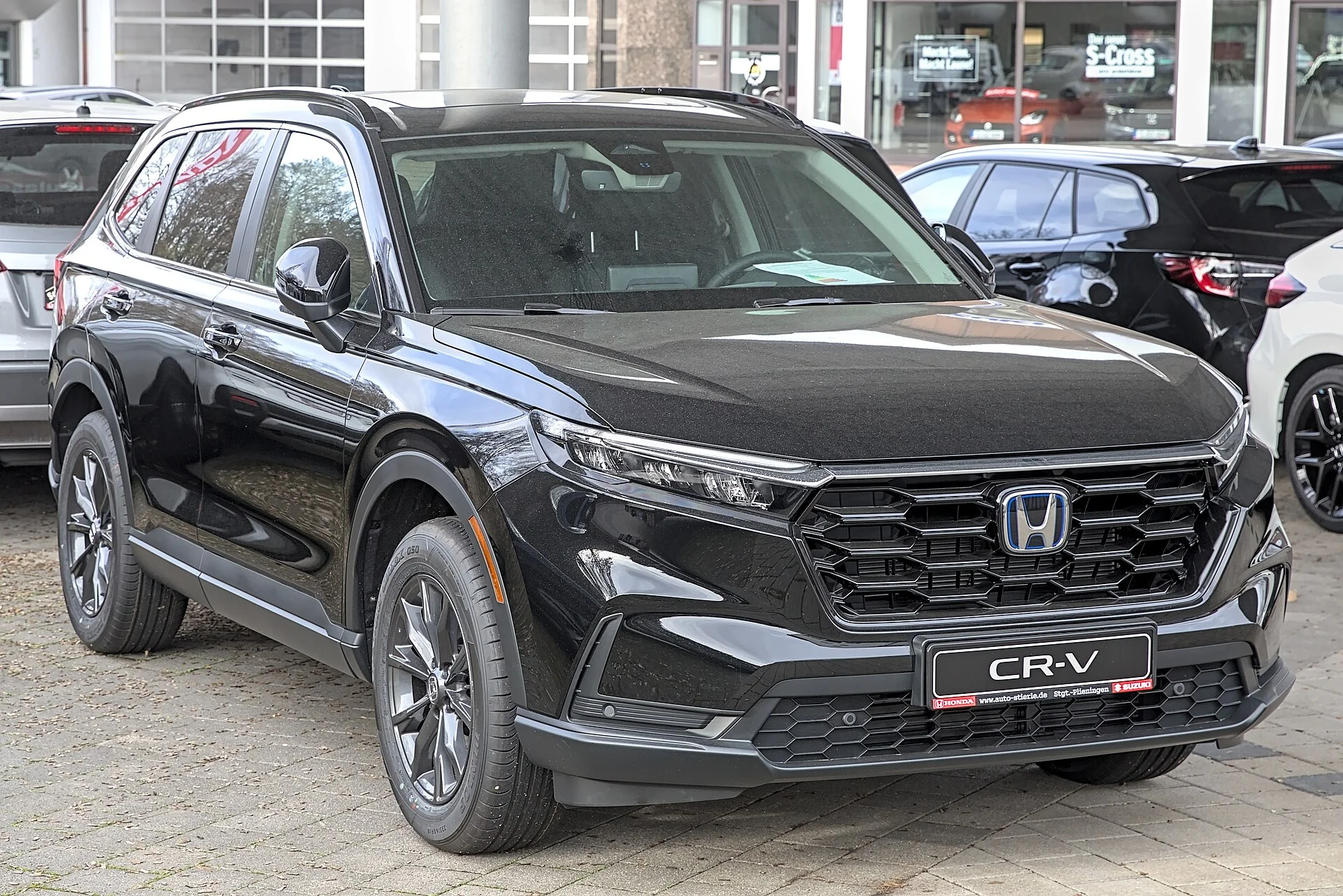
The Short Answer: A Fine Mild-Winter Camp, With Two Honest Caveats
The Honda CR-V is one of the easiest crossovers to live out of, and in mild-to-moderate winter it does the job well. The cargo bay is squared-off and usable, the powertrain is efficient, and it drives like the daily commuter it is. For a weekend of frosty-but-not-brutal camping, it asks very little of you. That's the honest headline, and it's a good one.
But two things trip up CR-V winter campers, and neither is on the window sticker in plain language. The first is the all-wheel-drive system: it's Honda's Real Time AWD, a reactive on-demand setup, not the full-time layout some rivals run. The second is the bed. With the rear seats folded, the gasoline CR-V gives you a cargo floor about 73 inches long - but the hybrid loses roughly 2 inches of that flat length to a battery packaged under the load floor.
Neither caveat is a dealbreaker. Both are things a mechanic wants you to know before you're parked on a snowy forest road at midnight, wondering why the floor feels short and the AWD felt busy on the way in. Know them, plan around them, and the CR-V is a genuinely comfortable cold-weather base.
The AWD Truth: Real Time, Not Full Time
Here's what the reps won't lead with: the CR-V's all-wheel-drive system is Honda's Real Time AWD with Intelligent Control. It's a good system, but it's reactive - it sends power to the rear wheels when it detects slip, rather than driving all four full-time the way a permanent AWD layout does. In practice that means there can be a brief moment where the fronts break loose before the rear engages.
For the kind of winter most CR-V owners see - snowy roads, a plowed campground approach, the occasional slick patch - that's completely adequate. Real Time AWD plus good winter tires will get a CR-V to most cold-weather sites without drama. The system does its job; it just isn't the always-on traction of a full-time setup, and on glare ice at a campsite entrance that difference is worth knowing.
The takeaway is to match the trip to the tool. The CR-V is a mild-winter and moderate-winter camper, not a deep-backcountry snow rig. Put real winter tires on it - that matters more than the AWD label - drive it like the reactive system it is, and it will reliably reach the kind of sites its owners actually visit.
Ground Clearance and the Unplowed Approach
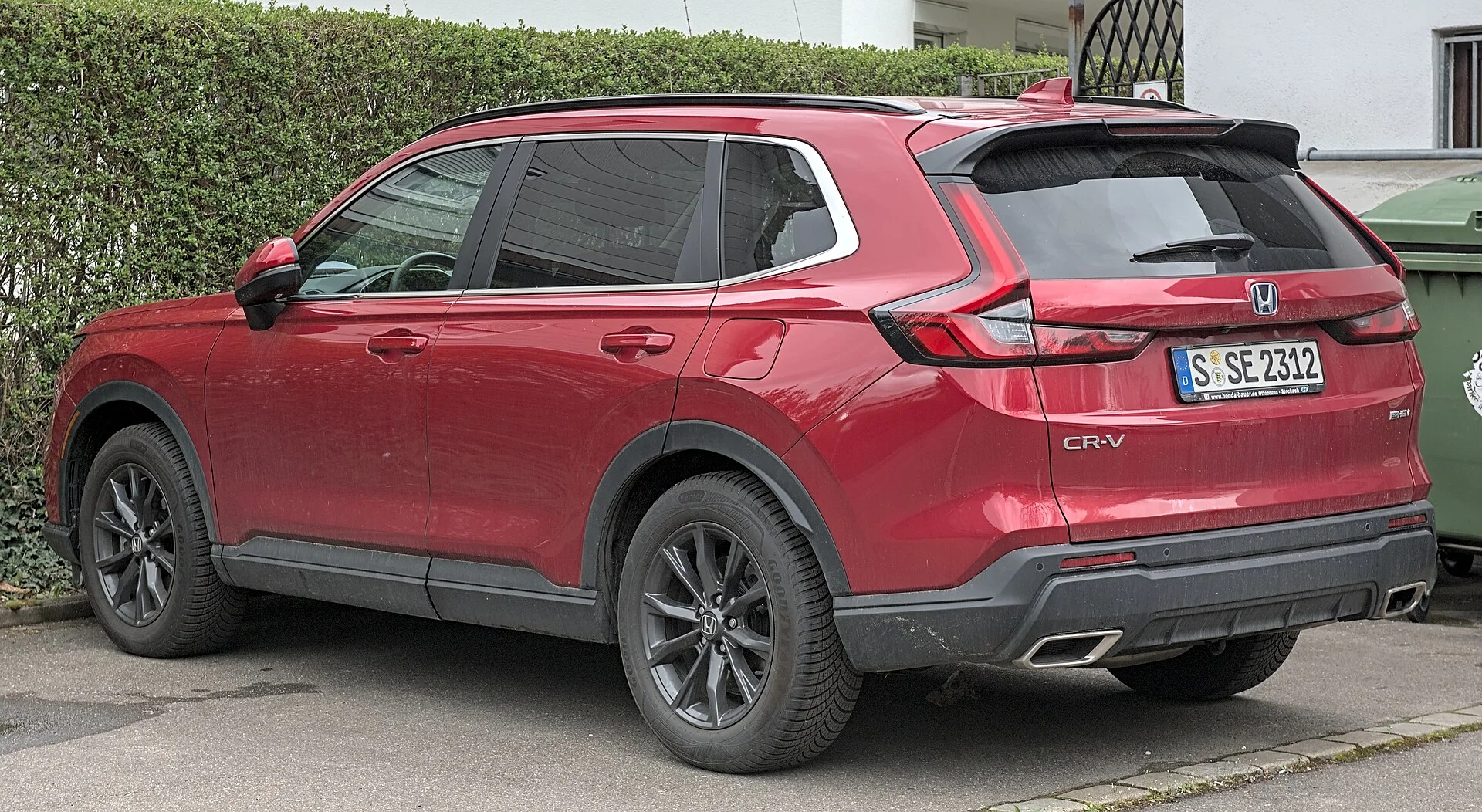
Clearance decides whether you reach the site or beach the front bumper on a plowed berm. In front-wheel-drive form the CR-V has 7.8 inches of ground clearance; with all-wheel drive that rises to 8.2 inches. That's respectable for a compact crossover and enough for packed snow and a reasonably maintained forest road.
What it isn't is a high-clearance off-roader. At 8.2 inches, the CR-V clears more than a car but less than a body-on-frame SUV, so deep, rutted, unplowed access roads are where it starts to struggle. The 184.8-inch overall length also means a fairly long body to swing around tight, snow-narrowed turns. Read the approach honestly before committing to it in the dark.
For most winter camping, though, 8.2 inches is plenty. The CR-V's strength is reaching well-traveled cold-weather spots comfortably, not conquering the worst of them. Pick sites within its clearance, and it gets you there with margin; ask it to climb a snowed-in two-track and you're testing the limits of what a crossover was built for.
One mechanic's habit worth adopting: walk the last hundred yards of an unfamiliar snowy approach on foot before you drive it. Ground clearance is only half the story - what hides under fresh snow, a frozen rut or a hidden log, is what actually strands a CR-V. The clearance number tells you the ceiling; the terrain you can't see tells you whether you're anywhere near it.

The Bed: 73 Inches and the Hybrid's 2-Inch Tax
This is the spec that decides whether you sleep well. With the rear seats folded down, the gasoline CR-V's cargo floor measures about 73.0 inches long - enough for one adult to stretch out nearly flat, using 60/40-split folding rear seatbacks to open the space. For a lot of campers up to about six feet, that's a workable single bed.
The hybrid is where the mechanic's warning comes in. In the CR-V hybrid, the cargo floor sits roughly 2 inches higher than in the gasoline model because the hybrid battery is packaged under the load floor, and it loses about 2 inches of vertical height as a result. The gasoline CR-V's flat-folding seatbacks create a longer, flatter load surface; the hybrid trades some of that away for the battery.
Why it matters: a standard twin mattress is 75 inches long, already slightly longer than the CR-V's roughly 73-inch folded floor, so a sleeper typically angles the mattress or leaves the tailgate area for their feet. Lose two more inches in the hybrid and the math gets tighter still. If sleeping length is your priority, the gasoline CR-V is the better bed - a real consideration, not a detail.
Width, Twin vs Queen, and Sleeping Honest
Length is only half the bed; width sets your mattress size. The CR-V's cargo area is about 44.0 inches wide across the load floor. That's wide enough to lay a 38-inch-wide twin mattress flat with room to spare, which makes a twin-size pad the natural fit for solo winter camping in a CR-V.
What won't work is a queen. A queen mattress is 60 inches wide, and it will not lay flat across the CR-V's roughly 44-inch-wide cargo area - the sides ride up the wheel wells and you end up sleeping in a trough. This is a one-person vehicle for flat sleeping, full stop. Two adults lying side by side flat is not what a CR-V's cargo bay is shaped to do.
The honest setup is a twin or narrower tri-fold pad, laid on the folded floor, with the front seats slid forward to reclaim length. The 6th-generation CR-V has a more squared-off cargo opening than earlier generations, which eases loading gear and gives you slightly straighter walls to work against. Plan a solo bed and the CR-V is comfortable; plan for two and you'll be disappointed.
No Factory Heat: The Gap Every CR-V Camper Meets
Now the part that separates summer camping from winter camping: the CR-V has no factory-sealed dry-heat source. Nothing in the vehicle is designed to make heat while you sleep without either running the engine or adding an aftermarket device. In mild fall weather that's a non-issue. On a genuinely cold night it's the whole problem.
That leaves the same three paths every crossover leaves you: idle the engine in short, watched cycles; add a vented heater; or go heaterless and win the night with insulation and a cold-rated bag. Each has a cost, and the failure mode is treating the choice as an afterthought and discovering the gap when it's already freezing and dark.
One piece of gear is non-negotiable the moment any heat source is involved: a battery carbon monoxide alarm. A good portable carbon monoxide detector is the cheapest insurance in the entire kit, and in a CR-V with a big glass greenhouse it's the item that lets you sleep instead of lying awake listening to the engine. Buy it first, before any heater.

Idling for Heat: What 14 Gallons Buys
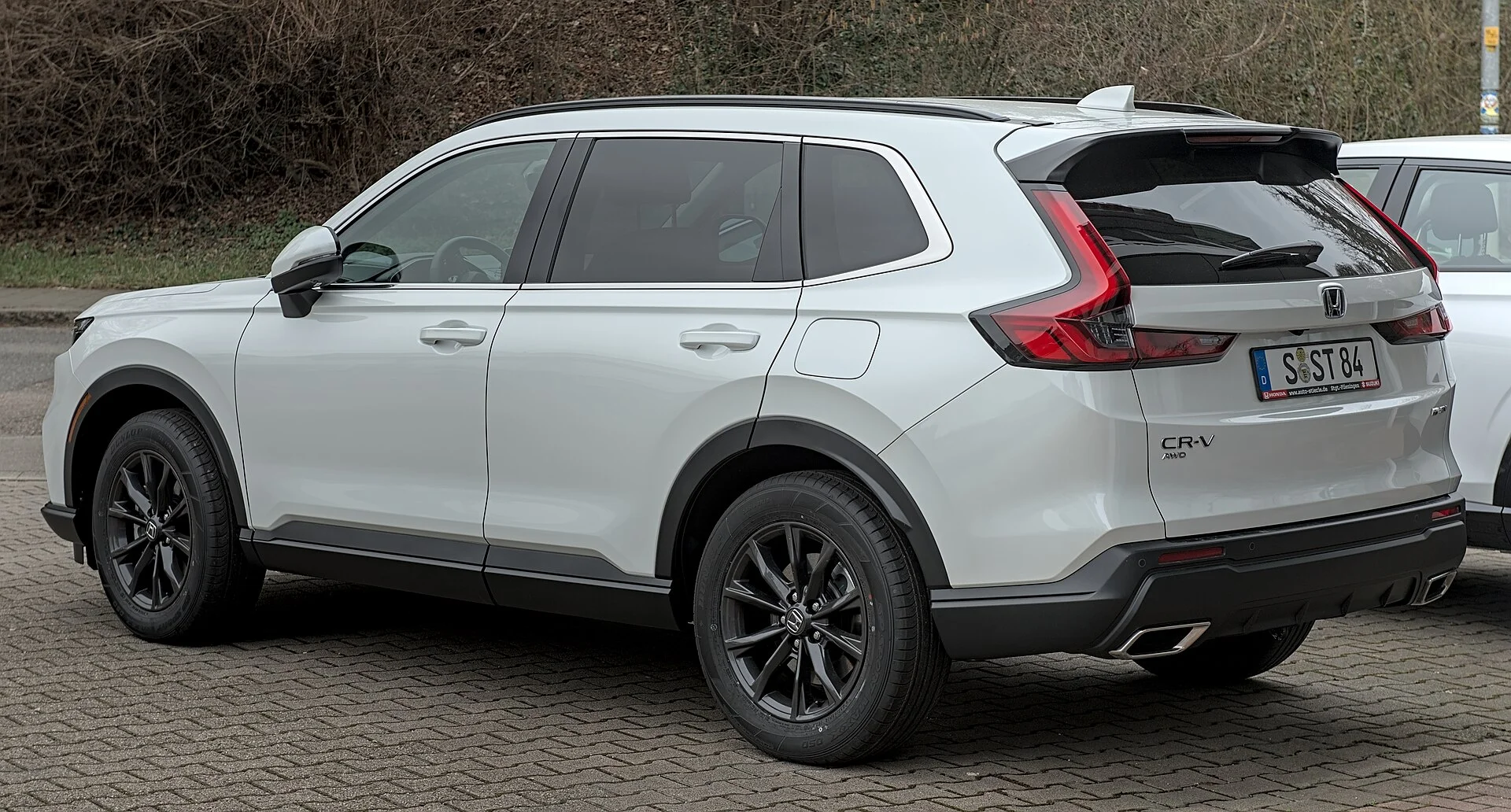
The reflex is to just run the engine for heat, and it's worth understanding the limits before you rely on it. The CR-V's turbocharged 1.5-liter four-cylinder produces 190 horsepower at 6,000 rpm, but at idle it's sipping fuel to make cabin heat, drawing from a 14-gallon tank. That tank is smaller than a big SUV's, so the fuel margin for long idle sessions is real but not generous.
The bigger issue isn't fuel, it's exhaust. Idling in snow demands a clear, unobstructed tailpipe, because a drift banked against the back of a parked vehicle can push carbon monoxide toward the cabin. That's why the idle-for-heat approach only works in short cycles while someone is awake, never as a set-it-and-sleep solution, and why the carbon monoxide alarm is mandatory the moment the engine is running.
The CR-V's efficiency helps at the margins - it's EPA-rated at 27 mpg city and 32 mpg highway on the EX-L AWD - but efficiency isn't the point overnight. A long way from a parts store, the engine you idle for heat is the same engine you need to drive home in the morning. Idling is a fallback, not a plan.
The Vented-Heater and Insulation Fix
The clean answer to the heat gap is a dedicated vented heater, and it's where campers who do real cold consistently land. A diesel heater sips far less fuel than continuous engine idling and makes heat as its only job, venting exhaust outside the sleeping space through a sealed combustion chamber. That sealed design is the difference between waking up warm and waking up in a bag damp from your own breath.
Insulation is the force multiplier that makes any heat source work harder. The CR-V's tall glass area is great for light and terrible for holding heat, so reflective panels cut to each window trap still air and bounce warmth back inside. On a crossover with this much glass, covering the windows is arguably the highest-return dollar in the winter kit - it lowers the workload on whatever heat source you run and holds warmth between idle cycles.
Condensation is the quiet enemy in any sealed cabin. Two people breathing will fog the glass and dampen a bag by morning, and in freezing weather a wet bag stops insulating, which is a safety problem, not a comfort one. Crack a window a finger's width for ventilation, pair it with dry vented heat, and you avoid the most common way a cold CR-V night goes wrong.

Remote Start and the Morning
One CR-V feature genuinely improves winter mornings: remote engine start is standard on the turbocharged 1.5-liter CR-V. It won't replace an overnight heat source, but it lets you pre-warm the cabin before you climb from the bag into the driver's seat, and it clears frost off the inside of the glass so you can actually see out. On a single-digit morning, that's a humane way to start the day.
It's worth being clear about what remote start does and doesn't do. It warms the cabin for the drive; it does not safely heat the vehicle while you sleep, because that would mean leaving the engine running unattended - exactly the carbon monoxide risk the whole heat conversation warns against. Use it as a morning tool, not a nighttime one.
The rest of the CR-V's cold-weather livability is solid. Honda's Real Time AWD with Intelligent Control, the standard remote start, the squared-off cargo bay, and the efficient turbo four add up to a crossover that's pleasant to wake up in and easy to get moving. The gaps are heat and sleeping length, and both are things you solve before you leave.
The Verdict: A Great Daily That Camps in a Pinch
Put it together and the Honda CR-V earns a solid yes for mild-to-moderate winter car camping, with the caveats stated plainly. As a daily driver that doubles as a cold-weather base, it's hard to fault: 8.2 inches of AWD ground clearance, a squared-off 73-inch folded cargo floor, standard remote start on the turbo, and 27-to-32 mpg efficiency that keeps range honest on a long, cold drive.
The two things to plan around are the reactive Real Time AWD and the bed. Run real winter tires and treat it as a moderate-winter tool, not a backcountry snow rig. Choose the gasoline CR-V if sleeping length matters, since the hybrid's under-floor battery costs you about 2 inches off an already-tight 73-inch floor. Sleep solo on a twin pad - a queen won't lay flat across the roughly 44-inch width.
For heat, buy the carbon monoxide alarm first, then decide between short watched idle cycles, a vented heater, and heaterless insulation - the CR-V has no factory dry-heat source, so warmth is on you. Handle those pieces and the CR-V is exactly what it looks like: a comfortable, efficient crossover that camps well in the kind of winter most people actually see. It won't pretend to be a snow-country expedition rig, and it doesn't need to - most winter camping happens well within what a well-tired CR-V handles, and that is precisely the trip it rewards.