
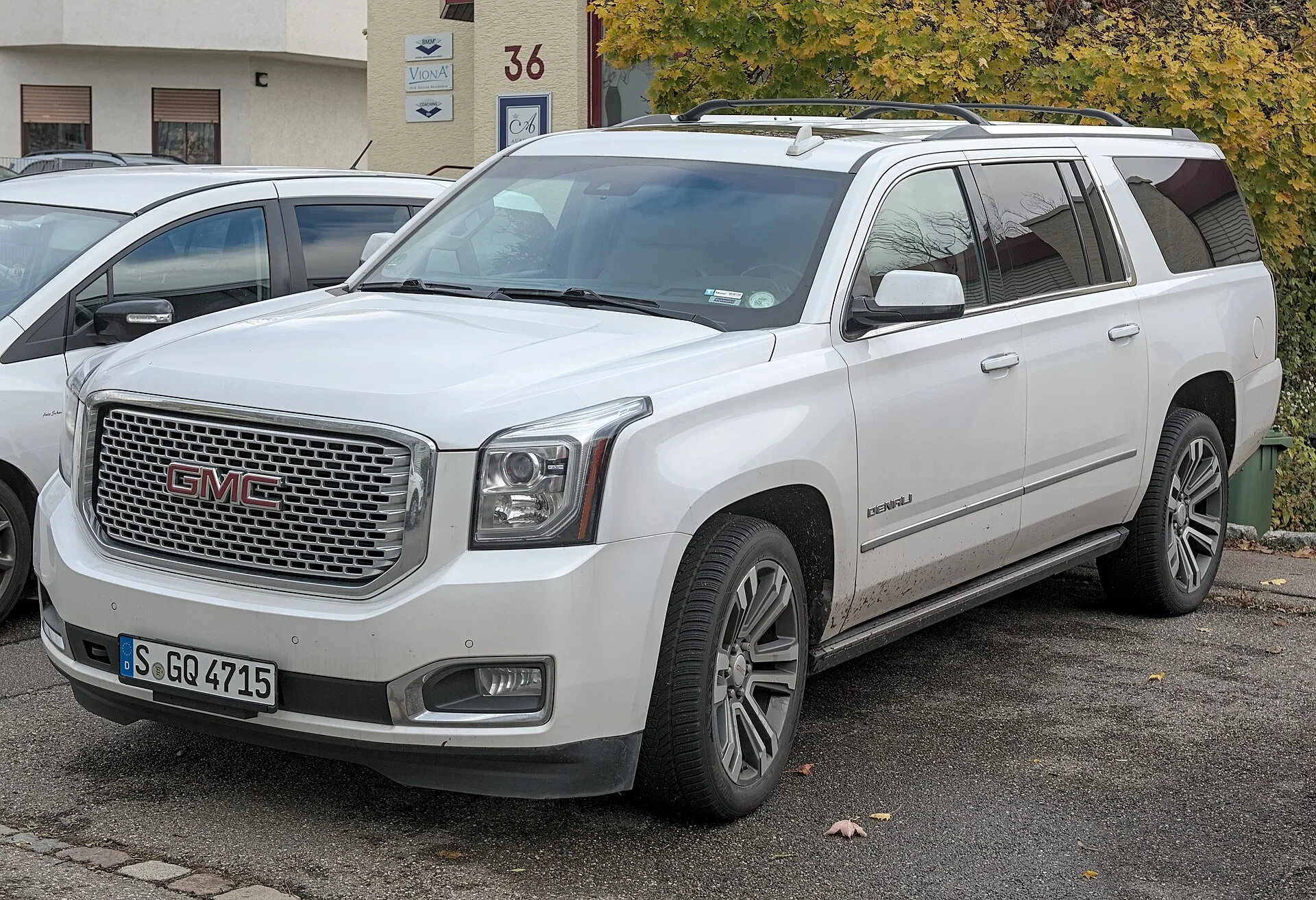
The Short Answer: Big Isn't Automatically Better
The instinct is obvious: a full-size SUV must be the ultimate summer camper. More room, more power, more everything. That is half right, and the skeptic's job is the other half. The Yukon has genuine strengths for hot-weather camping, but it also carries two things the marketing glosses over - a modest 120V outlet and a cabin so large a single fan cannot ventilate it well.
The real strength is space. The 2021-and-newer Yukon offers a cavernous 122.9 cubic feet of cargo with the second and third rows folded, and unlike smaller two-row SUVs, that floor is essentially flat because the rows power-fold. That solves the sloped-bed problem outright and swallows a queen air mattress for two adults plus gear. No argument there.
But before you plan camp power around the 120V outlet or assume the size means cool comfort, run the numbers. That outlet is smaller than people think, it is not on every trim, and the very size that makes the Yukon roomy also makes it a big volume of warm air to manage in the heat. This guide separates the real advantages from the assumptions.
The Genuine Strength: A Truly Flat Floor
Give the Yukon full credit where it earns it. With the power-folding second and third rows down, the flat load floor easily swallows a full-size or even queen air mattress, making it one of the roomiest stock car-camping SUVs for two adults plus gear. That 122.9 cubic feet is not marketing fluff - it is usable, level sleeping space.
This matters more than raw volume, because the folded floor is essentially flat, avoiding the sloped-seat problem that plagues smaller two-row SUVs. Where a compact crossover leaves you building a platform to level a tilted, gapped surface, the Yukon's power-folding rows lay down into one long, flat plane. You put a mattress on it and you are done - no fabrication required.
For context, the Yukon also offers 25.5 cubic feet behind the third row and 72.6 cubic feet with just the third row folded, so you have flexibility to keep a row up for passengers and still carry gear. But for two-person summer sleeping, the full 122.9-cubic-foot flat floor is the headline, and it is a legitimate, no-asterisk advantage over anything smaller.

Does the 120V Outlet Actually Help?
Here is where the skeptic slows the marketing down. Yes, the Yukon offers 120-volt AC household outlets when equipped - typically one on the back of the center console and one in the rear cargo area. That sounds like real camp power until you check the rating. The accessory power inverter is rated up to 150 watts, and 150 watts is a phone-charger-and-a-fan outlet, not a run-your-camp outlet.
That 150-watt inverter runs a phone charger, a small fan, or LED lights, and that is the honest ceiling. It is not enough for a rooftop AC unit or a large electric cooler, so anyone imagining they will plug a real cooling appliance into the Yukon and beat the summer heat is going to be disappointed. Plan low-wattage devices, full stop.
Does that make the outlet useless? No - for keeping devices charged and running a small fan and lights, it is handy and convenient. But it does not change the fundamental summer-camping reality, which is that you cannot run air conditioning without idling the engine. The 120V outlet is a convenience, not a solution, and treating it as more than that is exactly the assumption to avoid.
Verify Before You Trust: 120V by Trim
Now the detail that catches people who shopped on a spec sheet for the wrong trim. Availability of the 120V outlet varies by trim and model year. Base 2021-2023 configurations may have only 12V accessory outlets, meaning no 120V at all. So the household outlet you were counting on might simply not be in your Yukon.
This is a classic case of a feature being 'available' in the brochure sense - offered on the model line - versus actually present in the specific truck you own or are buying. The skeptic's move is to verify the exact truck rather than trust the model-level marketing. Check the console and cargo area for the outlet, or confirm the trim's equipment list, before you build a power plan around it.
If your Yukon has only 12V outlets, that is not a disaster for summer camping - a 12V clip fan is the main thing you need to run anyway, and it draws almost nothing. But it does mean no 120V for charging a laptop directly, so you would carry a battery pack for that. The point is to know what your truck actually has, not what the model line offers, before the first night out.

The Big-Cabin Paradox in Heat
Here is the counterintuitive part the size marketing never mentions. That huge cabin, over 120 cubic feet of cargo space alone, is a double-edged sword in heat. On the plus side, all that air mass takes longer to heat-soak, so the Yukon warms up more slowly than a compact SUV baking in the same sun. That is a genuine benefit for a parked daytime rest.
The flip side is that the same large volume holds a big mass of warm air that a single 12V fan struggles to fully turn over. In a small crossover, one fan can move the whole cabin's worth of air; in the Yukon, that same fan is trying to ventilate a room, and it simply cannot cycle it all. So the size that resists heating also resists cooling once it is warm.
The practical read: do not assume the big cabin will just stay comfortable because it is roomy. You need to cool it before it heat-soaks and then keep air genuinely moving, because recovering from a hot cabin is slow with only 12V airflow. The volume works for you on pre-cooling and against you on recovery - which is exactly why the next tool, remote-start pre-cool, is the Yukon's real summer weapon.
Remote-Start Pre-Cool: The Real Advantage
This is the feature that actually earns its keep, more than the outlet or the raw size. Activating the factory remote start runs the engine and the air conditioning so the interior is chilled before you climb in. For knocking down summer heat-soak, that is genuinely valuable - you cool the cabin down while you are still setting up camp outside.
The Yukon layers on rear automatic climate control, which lets you cool the cargo and third-row zone directly while the engine runs. That means you can chill the actual sleeping area, not just the front seats, for a fast pre-sleep cool-down. Combined with the big cabin's slow re-warming, a proper pre-cool buys you a comfortable window to fall asleep in before the heat creeps back.
The honest caveat, and the skeptic will not skip it: the play is to pre-cool with the engine on, then shut down and rely on cracked windows and a 12V fan. Idling the engine all night for AC is discouraged for safety - carbon monoxide risk - and fuel reasons. The V8 and large tank make brief pre-cooling cheap relative to trip cost, but brief is the operative word. Pre-cool, then sleep on stored coolness and airflow, not a running engine.

Venting a Full-Size SUV
Ventilation on the Yukon works the same as any car camper, with the wrinkle that you have more window to work with and a bigger volume to move. The power windows keep working for up to 10 minutes after the engine is switched off on retained accessory power, and until any door is opened, so you set the windows for venting during that window before the doors kill the circuit.
A common owner technique is fitting side-window air deflectors - a rear two-piece set runs about $54 - so the rear windows can be cracked for steady airflow and cross-ventilation even in rain. That lets you keep real airflow going through a summer thunderstorm without sealing the truck up and cooking. Add cut-to-fit magnetic or clip bug screens over the cracked front and rear windows and you can sleep with genuine airflow while keeping mosquitoes out.
The one honest limit is that big cabin again. Even with several windows cracked and a fan running, you are ventilating a large volume, so airflow management matters more here than in a compact. Position the fan to move air along the length of the cabin, use windows on opposite sides as intake and exhaust, and accept that a full-size SUV needs a more deliberate venting setup - a set of window sun shades and screens is the baseline, not an upgrade.
The Dark-Leather Greenhouse
Two more heat factors the size does not fix, and both come down to glass and upholstery. The Yukon's very large glass area - a big windshield, tall side windows, and an available panoramic sunroof - creates a strong greenhouse effect. More glass means more solar gain, so a full set of reflective window covers or sunshades is important for parked daytime cooling, not a nice-to-have.
The upholstery makes it worse. Most Yukon interiors are dark Jet Black leather on common trims, and dark leather absorbs and re-radiates significant heat during a summer heat-soak, more than a light-colored interior would. So the Yukon combines a lot of glass with a dark, heat-holding interior - a greenhouse with a radiator inside it. That is the reality behind the leather's good looks.
You can vent the hottest air by tilting the panoramic sunroof, since heat collects at the ceiling, but be aware the sunroof also adds glass area that increases solar gain when parked in sun. So it helps at night and hurts in the day. The takeaway is that the Yukon's premium glass-and-leather cabin needs aggressive sun management - covers on every pane - because its own materials work against you in the heat.
Where the Yukon Wins: Cooler Ground
Strip away the assumptions and the Yukon's best summer strategy is the same as any capable vehicle's, executed with more reach. Its size and ground clearance let it get to shaded, higher, cooler dispersed sites - the most reliable way to make air-conditioning-off sleeping comfortable in the heat. Removing yourself from the hot valley floor beats any in-cabin trick.
Here the full-size platform genuinely helps rather than hurts. The Yukon can haul a full camp kit and two adults up a rough forest road to a cooler, shaded pullout where night temperatures drop meaningfully, then use its slow-to-re-warm cabin to hold that cooler air. The combination of reach and thermal mass is a real advantage once you stop expecting the truck to cool itself.
So the winning summer sequence is honest and specific: drive to elevation and shade, pre-cool hard with remote start and rear climate control, block the glass with covers, crack the windows with screens and deflectors, and run a 12V fan to keep the cooler air moving. Done that way, the Yukon's size is an asset and its weaknesses fade. Skip the location strategy and lean on the cabin alone, and the big greenhouse fights you all night.

The Verdict: Strong, Honestly Rated
The Yukon is a strong summer car camper, but not for the reasons the badge suggests. Its real advantages are a truly flat 122.9-cubic-foot floor that needs no platform, effective remote-start pre-cool with rear climate control, and the reach to get to cooler, shaded ground. Those are legitimate, and they make it one of the roomier, more capable options for two adults.
The assumptions to drop are the ones about power and effortless comfort. The 120V outlet is a 150-watt unit, enough for a fan and chargers and nothing more, and it is not on every trim, so verify your truck. And the huge cabin, while slow to heat, is also slow to cool and hard for a single fan to fully ventilate, so airflow needs a deliberate setup of covers, screens, and deflectors.
Manage the glass, verify the outlet, pre-cool before bed, and use the Yukon's size to reach cooler elevation rather than to run an engine all night. Do that and it is a comfortable, genuinely capable summer camper. Believe the marketing that big automatically means cool, and you will spend a warm night learning otherwise. Rated honestly, the Yukon earns a yes - with homework.
The short version for a shopper: the Yukon's flat floor and pre-cool are the real reasons to choose it, the 150-watt outlet and the big cabin's slow cooling are the reasons to temper your expectations, and cooler ground is the strategy that ties it all together. Buy it for the space and the reach, verify the outlet on your specific truck, and manage the glass aggressively, and it rewards you with a roomy, comfortable summer bed for two.