What You Need to Know
Choosing the right Tire Pressure Monitoring System (TPMS) sensors for your vehicle can feel like picking a tent for a surprise blizzard. You've got two main paths: internal sensors tucked away inside your wheels, or external ones that screw onto your valve stems like little metal mushroom caps. Both aim to keep you from looking at a flat tire and wondering if you should have checked it yesterday.
Underinflated tires can feel like driving on marshmallows, especially on rough forest roads. The real move is to understand how these little gadgets work before you end up stranded. Understanding External vs. Internal TPMS is the first step to avoiding a roadside headache. It's not rocket science, but it does involve a bit of physics and knowing what you're getting into. External vs.
Internal TPMS Sensors: Which One is Right for You?
The Core Answer
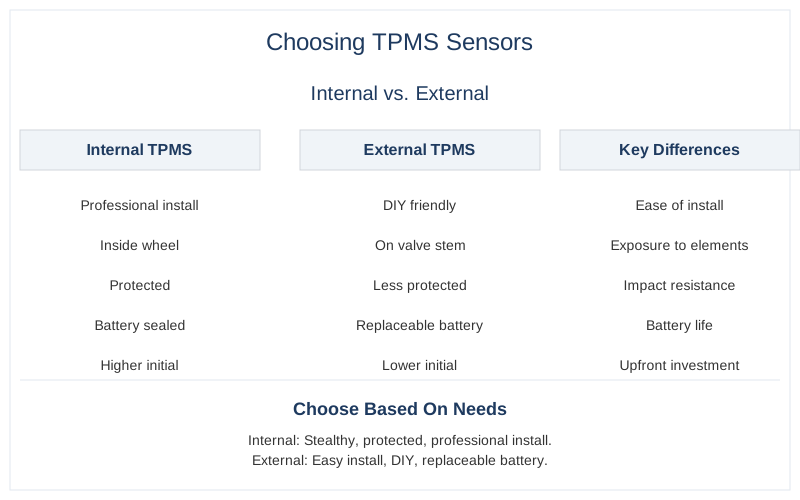
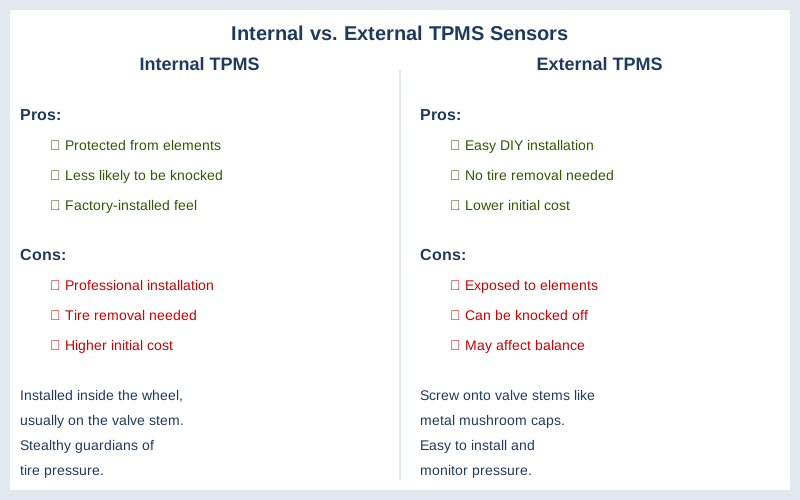
Alright, let's break down the two main kinds of TPMS sensors, because nobody wants to be that person calling for a tow truck because their tire pressure alarm was screaming for an hour. The first type, internal TPMS, are the fancy ones. They're actually installed inside your wheel, usually right on the valve stem. Think of them as the factory-installed, stealthy guardians of your tire pressure.
Internal TPMS sensors are installed inside the tire, usually on the valve stem. This means they're protected from the elements and less likely to get knocked around. Installation, however, is a whole different story. You can't just screw these on yourself while you're watching football. You're looking at needing to unmount the tire, which usually means a trip to a tire shop.
Try to DIY install these on a truck and you can easily end up with a bent valve stem and a very expensive lesson. The honest version: it's a more involved process. Choose Internal TPMS if you want a clean install...
Now, the external TPMS sensors. These are the ones you can slap on yourself in about 5 minutes. They just screw onto your existing valve stems, right over the cap. Super convenient, like adding a cup holder to your camping chair. You can swap them between vehicles or even take them off if you're getting your tires rotated. The battery on these usually lasts around 2 years, and guess what? You can often replace them. Brilliant engineering, right? The downside?
They stick out, which means they're more exposed to road grime, curb checks, and, well, people messing with them. Online forums are full of stories about people snagging them on parking blocks or having them stolen. It's a rookie mistake to think they're invincible. External Sensors win for ease of installation.
So, what's the real move here? If you want a clean, factory-like setup and don't mind paying a shop to install them, internal TPMS is your jam. They're generally more accurate and have longer battery life, often 6+ years, but when that battery dies, the whole sensor usually needs replacing.
Internal Sensors win for battery life. If you're a DIY kind of person, want to swap sensors around, or just need a quick fix, external TPMS is the way to go. Just be prepared for potential battery replacements every couple of years and keep an eye on those curbs. Choose External TPMS if you prefer convenience, easy battery replacement, and minimal installation effort.
Why This Matters for Your Setup
Think about your typical weekend setup. Are you heading out to a remote campsite where a flat tire means a serious hike back to civilization? Or are you just doing a quick trip to a state park with easy access to a mechanic? That's game-time decision making for TPMS.
If you've got a spare tire that you actually use, like on a serious off-road rig, you might want to consider sensors for that too. Some systems let you monitor the spare, which is pretty slick. There's a common forum story of someone running external sensors on their main tires but forgetting about the spare, only to find it completely flat when it was needed. Big oops.
- Ease of Install: External sensors win here. You can screw them on yourself in minutes. No special tools, no need to break the bead on your tire. It's the $50 version of not getting stranded.
- Battery Life: Internal sensors generally have longer-lasting batteries, often 6 years or more. External sensors might need new batteries every 2 years, but you can usually swap them out yourself.
A set of external sensors can die after just 18 months, so it's worth checking the battery rating before buying. External sensors... battery life of 2 years. Internal TPMS sensors... battery life of 6 or more years.
- Durability & Protection: Internal sensors are protected from the elements and physical damage. External sensors are more exposed. There are plenty of pictures of external sensors that look like they went through a war zone after just a few months off-road.
- Accuracy: While both can be accurate, internal sensors are often considered slightly more precise because they're mounted directly to the wheel. External sensors can sometimes be affected by temperature fluctuations or mounting position. accuracy is spotty.
Making the Right Choice
So, you've got the lay of the land. The decision between internal and external TPMS sensors really boils down to what kind of adventurer you are and what you prioritize for your vehicle.
- For the DIYer and Budget-Conscious: External sensors are your go-to. They're cheap, easy to install, and you can manage battery replacements yourself. Just be mindful of their exposure. External Sensors win for ease of installation.
- For the Set-and-Forget Crowd: Internal sensors offer a cleaner look and generally longer battery life. If you don't want to mess with batteries for years and prefer a factory feel, these are the ones. Just remember that installation requires professional help.
Choose Internal TPMS if you want a clean install...
- Consider Your Terrain: If you're constantly crawling over rocks or hitting rough trails, those exposed external sensors might take a beating. Internal sensors offer better protection in those gnarly conditions. We run external Safety ...
- Think Long-Term: While external sensors have replaceable batteries, internal sensors might last the life of the wheel for some. Weigh the upfront cost and installation hassle against ongoing battery replacements.
Each type has its pros and cons, and the best choice depends on your needs and driving habits.