
Where to Start
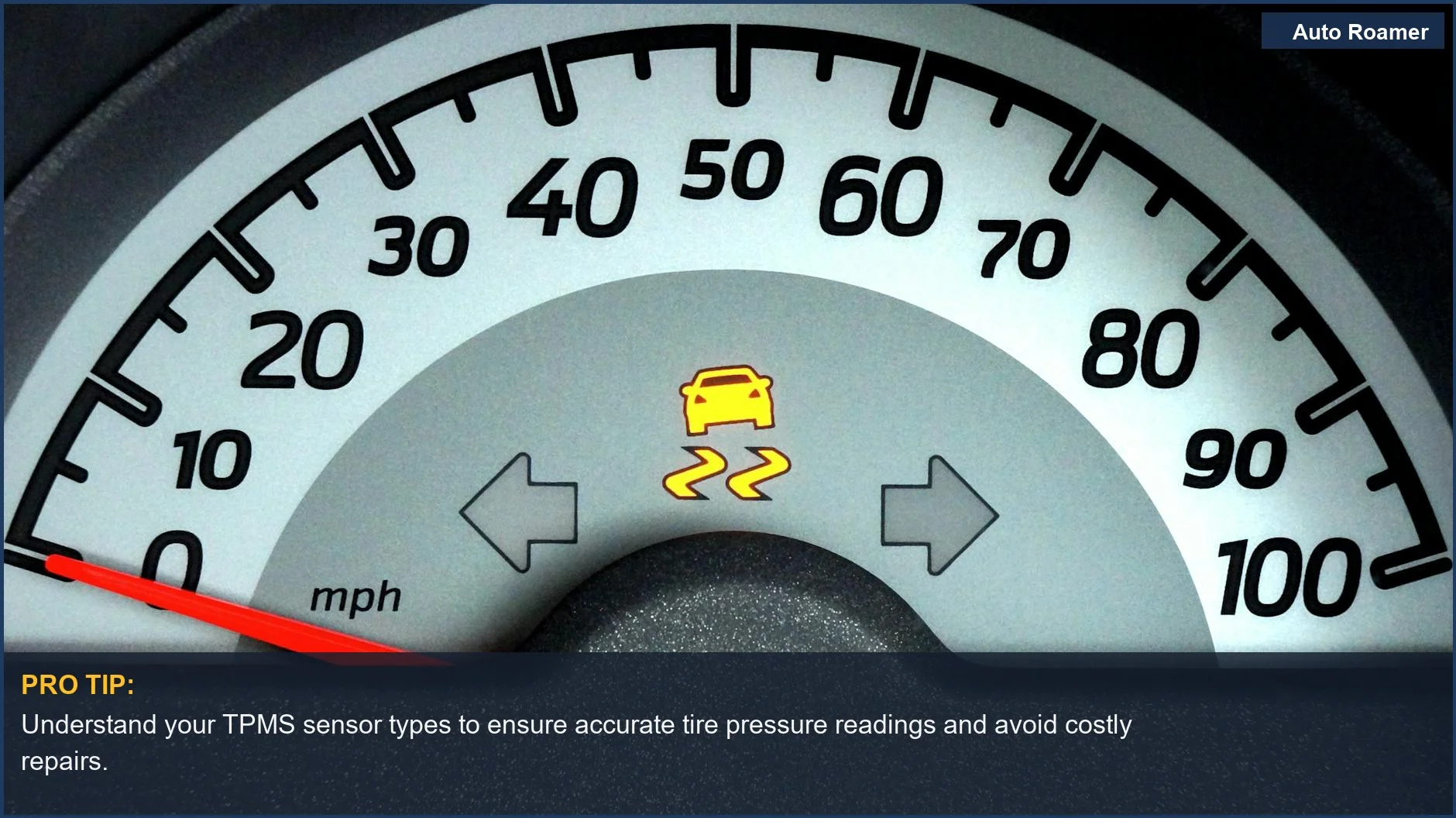
A tire pressure monitoring system, or TPMS, is basically a little electronic watchdog for your car's tires, making sure they aren't running on fumes. It's a safety feature mandated by Uncle Sam on all new cars sold in the US since 2008, thanks to something called the TREAD Act. This system keeps an eye on your tire pressure and yells at you via a dashboard light if things get too low.
Think of it as your car's way of saying, 'Hey, you might want to check those tires before we end up with a flat in the middle of nowhere.' It's not just about avoiding a tow truck; properly inflated tires save you gas money and make your tires last longer. The whole point is to keep you safe and your car running efficiently.
The Core Answer
Here's the dirt on TPMS sensor types, broken down so you don't need an engineering degree. You've got two main flavors: direct and indirect. Direct systems are the high-tech ones. They have a little sensor screwed onto the valve stem (or inside the wheel, which is way more common from the factory) that actually measures the air pressure and temperature in each tire. It then beams that info wirelessly to your car's computer.
This is the gold standard for accuracy, telling you exactly what's going on with each individual tire. With a direct system, the display can show one tire is 10 PSI lower than the others. Game-changer.
Indirect systems are the budget cousins. They don't have individual sensors in each tire. Instead, they use the car's Anti-lock Braking System (ABS) wheel speed sensors. The logic is simple: if a tire is low on air, it'll spin faster than the others. The car's computer notices this speed difference and figures out that tire is probably low.
It's clever, but not as precise. It can get confused if all your tires are equally low, or if you rotate your tires without telling the system. Plus, you usually have to reset it after adding air, which is a rookie mistake if you forget.
Now, for the direct sensors, there's a further split: internal and external. Most factory-installed direct TPMS sensors are internal. They're mounted inside the wheel, right on the valve stem. These are the ones that require tire shops to break down your wheel to replace. It's a bit more involved, and honestly, a pain in the butt if you're doing it yourself. Replacing just one of these at a shop can cost $150. Ouch.
External sensors, on the other hand, screw right onto your existing valve stem like a fancy cap. They're way easier to install - literally takes 30 seconds per wheel. No need to take the tire off the rim. You can buy a set of four for around $50 online. The downside? They're a bit more exposed to the elements and road gunk, and some people find them less aesthetically pleasing.
But for ease of use and affordability, they're hard to beat if your car didn't come with factory sensors or you need replacements. External sensors work well on older vehicles and campers without much fuss.

Why This Matters for Your Setup
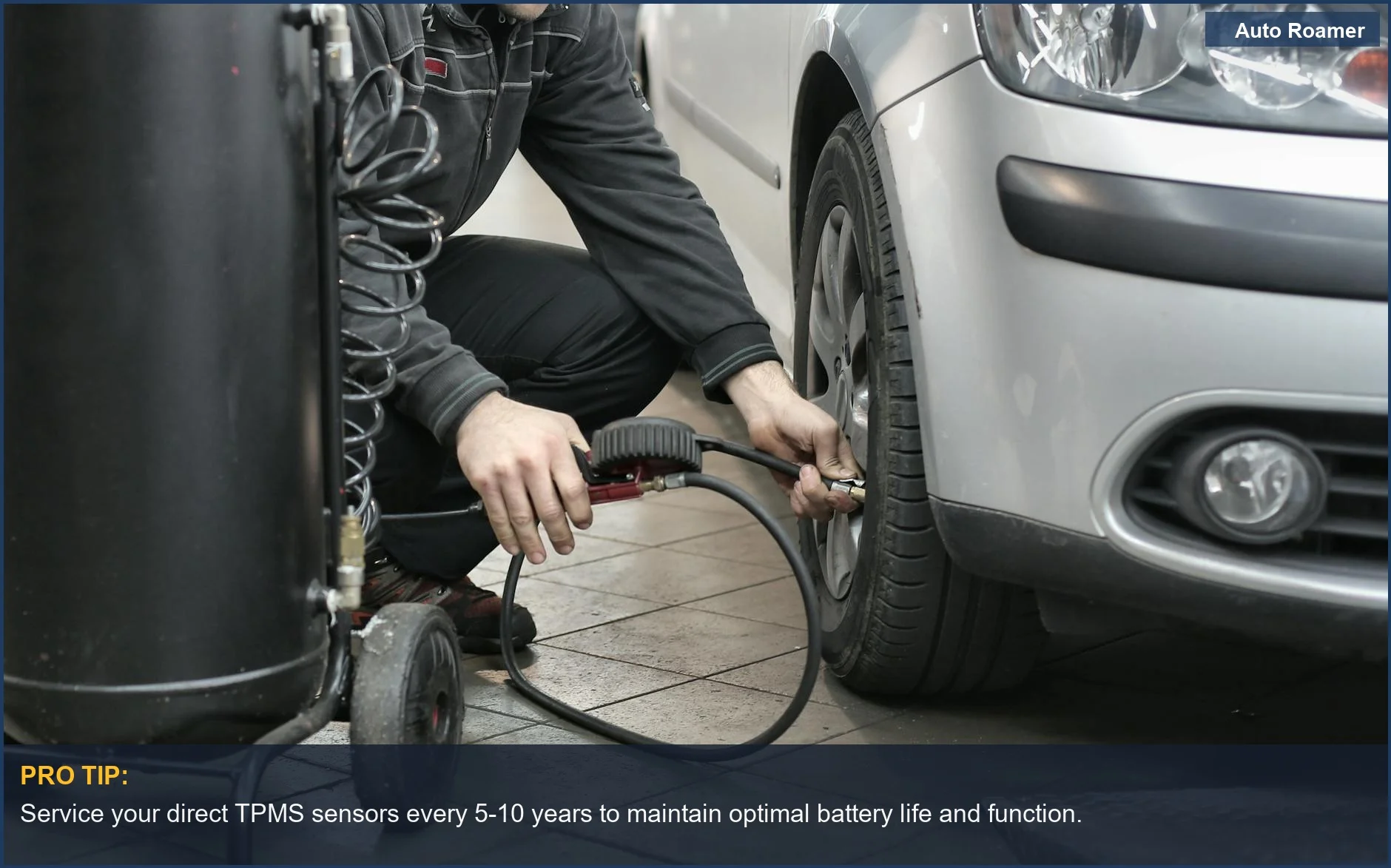
Why does any of this matter when you're just trying to get your rig ready for the weekend? Well, knowing your TPMS type helps you avoid headaches and save cash. If your car has direct TPMS, and a sensor battery dies (they usually last 5-10 years , or about 50,000 miles), you're looking at a replacement. If they're internal, that means a trip to the tire shop and paying for labor to get the tire off the rim.
- Direct TPMS (Internal): If your car came with these, and one dies, you're probably looking at a $50-$100 per sensor part cost, plus another $50-$100 for installation at a shop. That's a $200-$400 hit for a full set.
- Direct TPMS (External): These are the DIY heroes. You can grab a set for $40-$80 online. Installation? Free, if you can twist a cap. Total cost: way less than going to the dealer.
- Indirect TPMS: No sensors to replace here, but if the system is acting up, it's usually tied to your ABS or other vehicle electronics. Troubleshooting that can get pricey if you're not a mechanic.
Understanding this means you can make smarter choices. For my trailer, which didn't have TPMS from the factory, I went with external sensors. It was the $50 version of peace of mind, and I could swap them between tires easily if I needed to. No special tools, no appointment needed. Just screw 'em on and go.
Making the Right Choice
So, when it comes to TPMS sensors, the honest version is that direct systems are more accurate, but internal ones are a pain to service. External direct sensors are the budget-friendly, DIY-er's best friend if you're adding TPMS yourself. Indirect systems are clever but less precise and can be finicky.
- Know your system: Check your car's manual or look at your valve stems. If you have metal valve stems with a cap that looks like a small cylinder, that's likely a direct TPMS sensor. If it looks like a regular rubber valve stem, it might be indirect or an external sensor.
- Consider your needs: If you're a weekend warrior who just wants a basic alert, indirect might be fine. If you're hauling heavy loads or want pinpoint accuracy, direct is the way to go.
- DIY vs. Pro: External sensors are almost always a DIY job. Internal sensors? Unless you've got tire-changing gear and experience, leave that to the pros. Paying a shop for internal sensor replacement is often unavoidable.