
Cubic Feet Don't Tell You If You Fit
Every SUV spec sheet leads with a big cargo-volume number, and for a camper deciding whether to sleep in the back, that number is nearly useless on its own. Cubic feet describe a bag of space; they say nothing about whether a person can lie flat. The 2024 Hyundai Santa Fe is a strong candidate for cargo-area sleeping, but proving it takes the dimensions the headline hides.
The number that gets quoted is 79.6 cubic feet of maximum cargo volume with the second and third-row seats folded flat. That is genuinely spacious for a two-row-footprint SUV, but volume is a product of length, width, and height, and only one of those, length, decides whether an adult fits stretched out. A tall, narrow box and a long, flat one can share a cubic-foot figure and sleep completely differently.
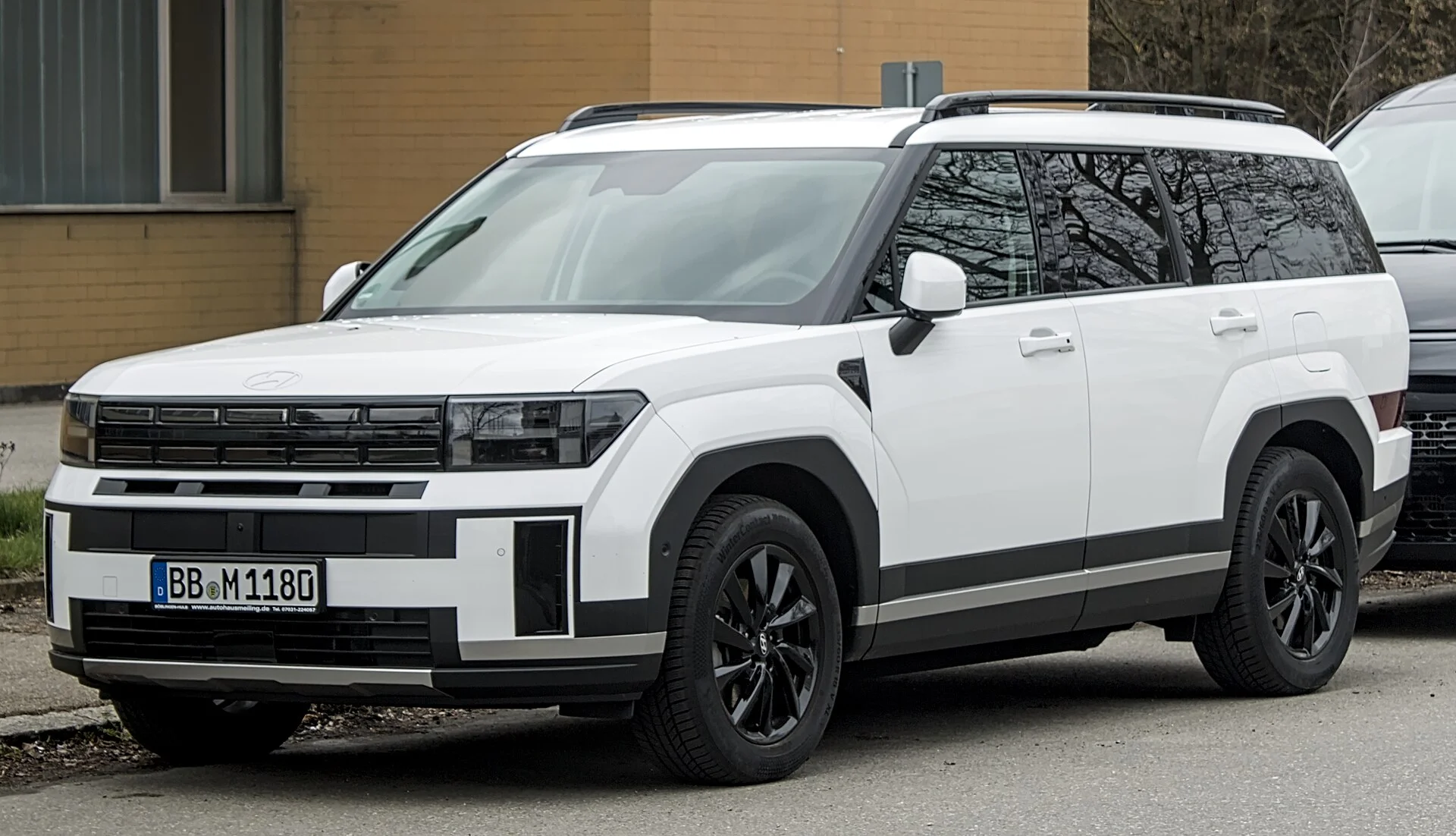
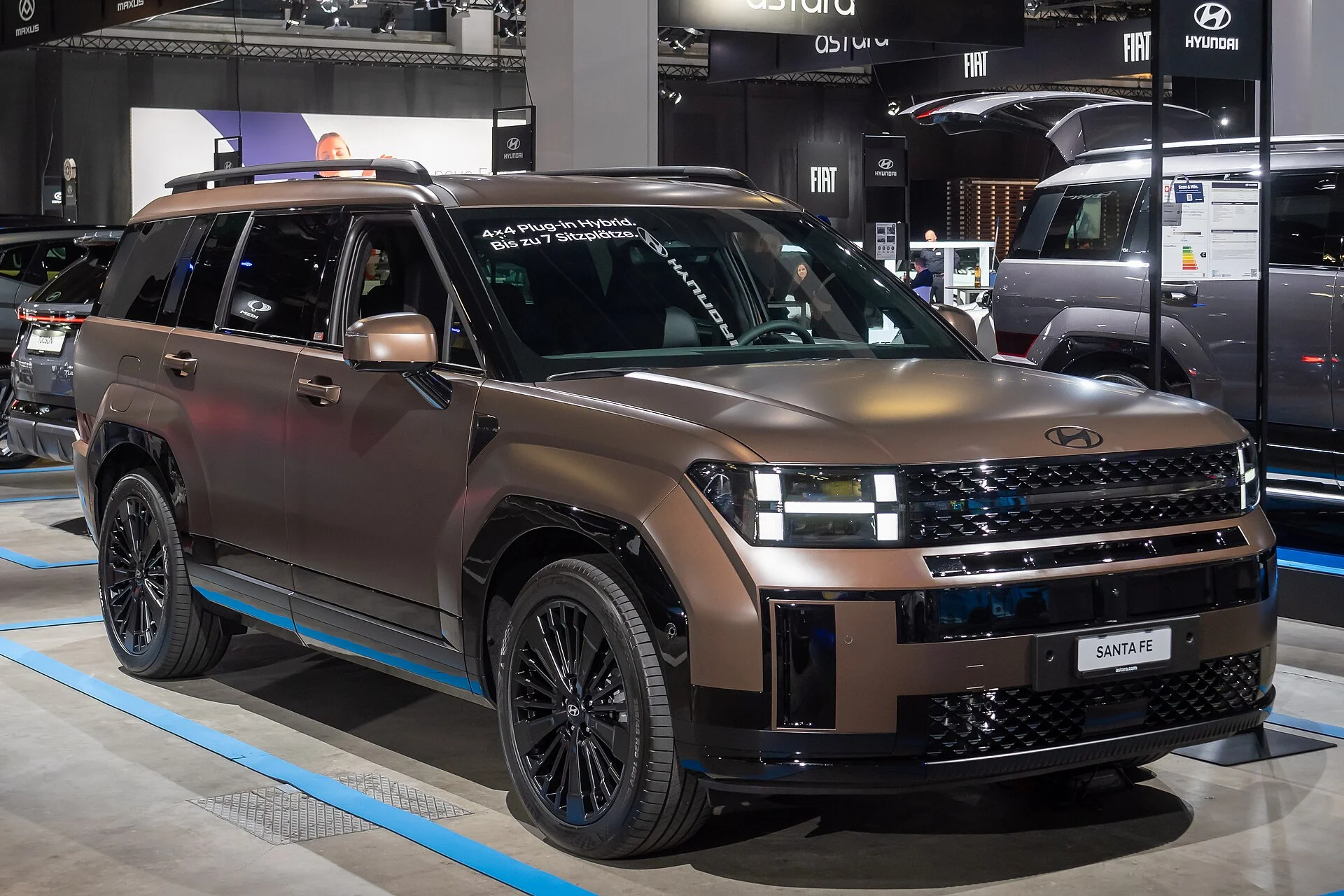
The redesigned Santa Fe helps its own case here. The 2024 redesign uses a boxier body shape than the prior generation, and boxy is exactly what a sleeping platform wants: straight walls, a flat floor, and usable length rather than a tapering, style-driven cargo area that wastes space where a body needs to lie.
This guide takes the Santa Fe apart along the dimensions that actually matter for sleeping, length first, then width and height, and answers the real question the 79.6-cubic-foot headline dodges: can you fit flat in it, and who.
The Headline: 79.6 Cubic Feet
Start with the number Hyundai leads on, because it does describe a real capability. The Santa Fe offers 79.6 cubic feet of maximum cargo volume with the second and third-row seats folded flat. Among two-row-size SUVs, that is a generous total, and it is the figure that puts the Santa Fe on a camper's shortlist in the first place.
What the 79.6 cubic feet represents is the entire cargo cavity with all the rear seats down: floor to ceiling, wheel arch to wheel arch, tailgate to front seatbacks. It is the maximum the vehicle can swallow, and it is the right number for comparing raw hauling capacity against other SUVs.
But maximum volume is a hauling number, not a sleeping number. It tells you the Santa Fe can carry a lot of gear, which matters, without telling you whether the cavity is shaped to let a person lie flat in it. Two SUVs both rated near 79.6 cubic feet can offer very different sleeping lengths depending on how that volume is distributed.
So the 79.6-cubic-foot figure is where the evaluation starts, not where it ends. It qualifies the Santa Fe as spacious and confirms it hauls well, and the next step is to break that volume into the length, width, and height that decide whether the space is sleepable, not just large.
The Seat-Fold Ladder
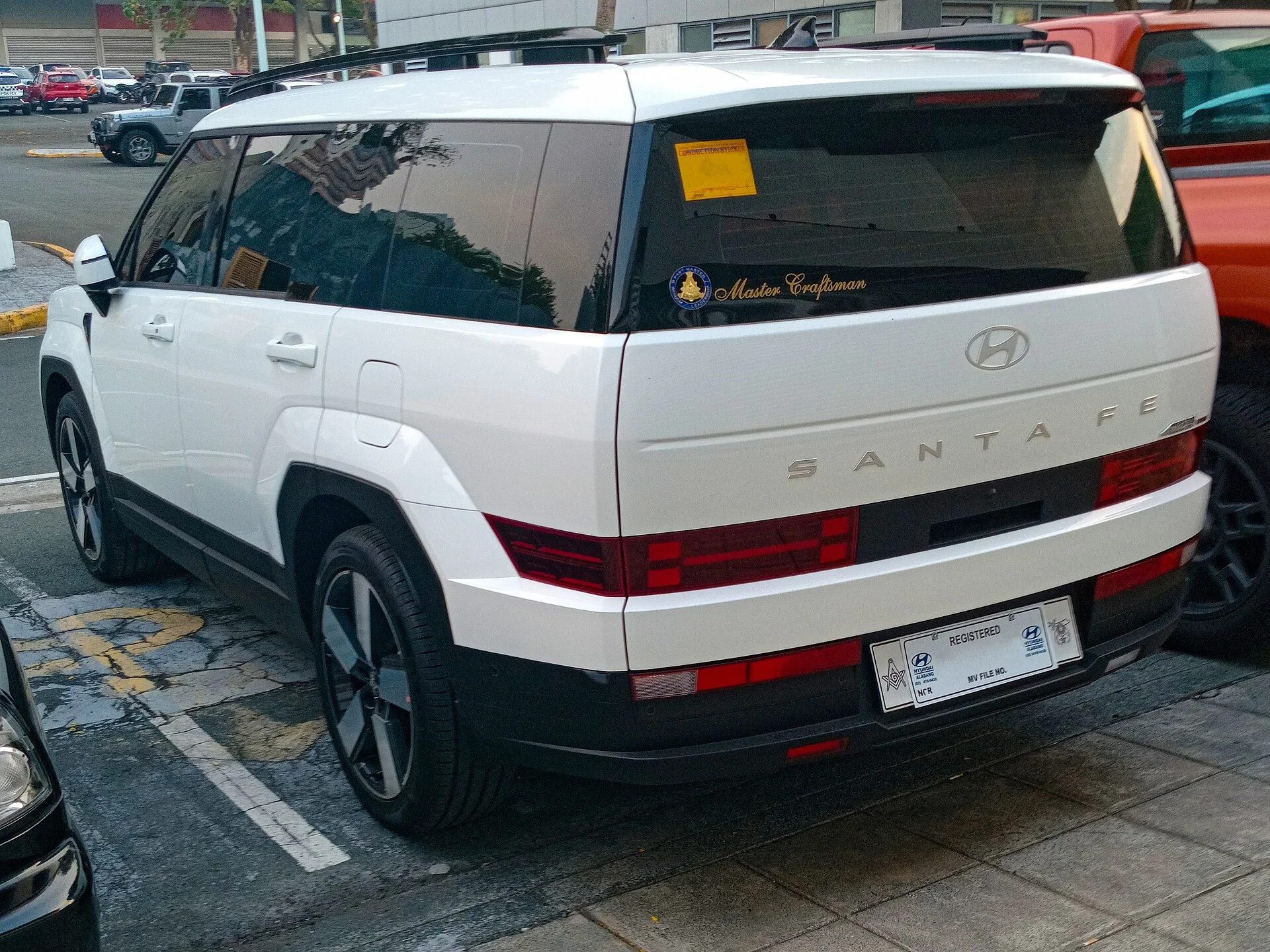
Cargo volume in the Santa Fe is not one number but a ladder that depends on which seats are folded, and understanding it clarifies what configuration a camper actually sleeps in. With all rear seats in use, cargo space behind the third row is 14.6 cubic feet, a modest trunk suited to daily gear, not sleeping.
Fold only the third-row seats and cargo volume measures 40.5 cubic feet, opening the area substantially. This is the configuration for a family that keeps the second row up for passengers while gaining a large cargo hold behind them, useful for hauling but still not a sleeping length.
Fold both rows and the space reaches the full 79.6 cubic feet, which is the configuration a solo or paired camper sleeps in. The step from 40.5 to 79.6 cubic feet is the second row going flat, and that is precisely the fold that creates the long, level floor a body needs, which is why it is the sleeping configuration.
The ladder, 14.6, then 40.5, then 79.6 cubic feet, maps directly to use. Passengers-and-gear lives at 14.6, hauling with passengers at 40.5, and sleeping at the full 79.6 with both rows down. A camper is almost always operating at the top of the ladder, which is the only rung with the length to lie flat.
Length Is What Decides Sleeping
Of the three dimensions inside the volume, length is the one that determines whether a person fits, and the Santa Fe's is the number worth memorizing. The cargo floor extends to roughly 72 inches long with the rear seats folded down. That 72 inches is the flat runway a body has to work with, and it is the make-or-break dimension for cargo-area sleeping.
Seventy-two inches is six feet, which is why the Santa Fe is a credible sleeping platform rather than just a roomy trunk. A cargo floor that reaches 72 inches with the seats down gives an adult a genuine chance to stretch out flat, something a shorter cargo area simply cannot offer regardless of how many cubic feet it claims.
Length, not volume, is the sleeping spec. A 72-inch flat floor is what lets an adult lie down; the 79.6-cubic-foot headline could describe a tall box you cannot stretch out in, so the length is the number to check first.
The reason length matters more than the volume figure is that a person is essentially one long dimension. Width and height add comfort and gear room, but if the floor is not long enough, no amount of volume makes it sleepable. The Santa Fe's roughly 72-inch floor is what earns it a place on a camper's list.
The Six-Foot Reality
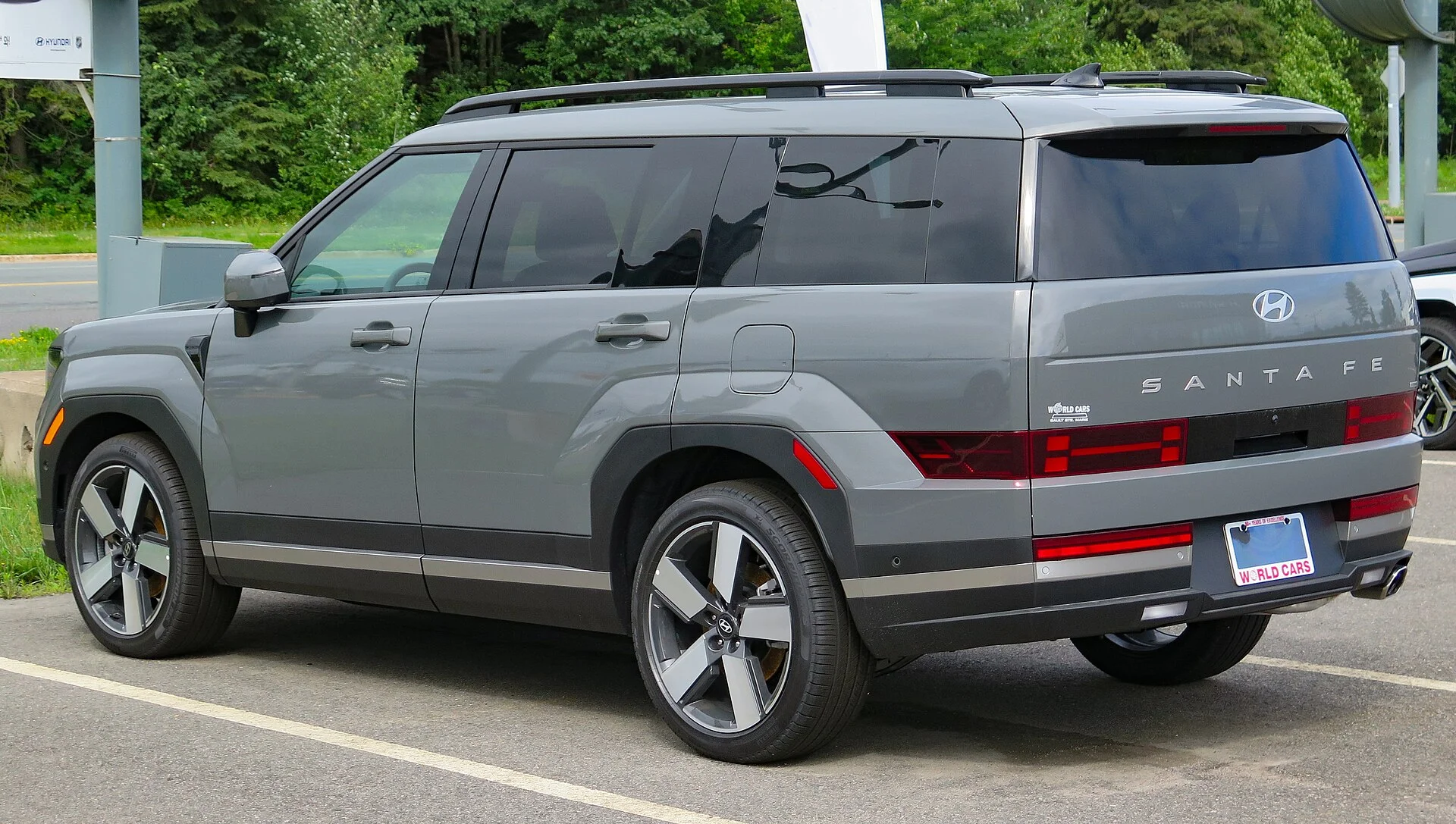
The honest question every taller camper asks is whether they personally fit, and the Santa Fe's length gives a clear answer. With the second-row seats folded, the roughly 72-inch flat load floor is commonly cited as enough usable length for one adult up to about six feet tall to lie flat in the cargo area. That is a specific, useful claim, not a vague one.
The six-foot figure follows directly from the 72-inch floor, since 72 inches is six feet. An adult up to about that height can stretch out on the flat floor, which covers a large share of campers. Those taller than six feet will find it snug and may need to sleep slightly diagonally or with feet toward a footwell, a common workaround in cargo-area setups.
The word usable matters in that claim. The floor is long enough for the person, but a sleep system, a pad and bedding, takes up a little of the length and height, so the practical fit is for someone up to about six feet with a thin, well-fitted pad rather than a bulky mattress that eats into the run.
For a camper deciding on the Santa Fe, the six-foot reality is the bottom line: solo sleepers up to about six feet fit flat, taller sleepers manage with minor compromises, and the roughly 72-inch floor is what makes either possible. It is one of the few two-row-size SUVs that can honestly make that claim.
Width: Room for One, Snug for Two
Width decides how many can sleep and how much gear shares the space, and the Santa Fe's is a solo-comfortable, two-person-snug figure. The rear cargo area measures about 45 inches wide between the wheel arches. That 45 inches is the usable flat width, since the wheel arches are the pinch points that bound a sleeping surface.
For one person, 45 inches is comfortable, roughly the width of a generous single sleeping pad with room to spare for a bag or gear alongside. A solo camper has the whole width to themselves and can keep essentials within reach without crowding, which is the ideal Santa Fe sleeping scenario.
For two, 45 inches between the wheel arches is snug. Two adults can share it, but only with narrow pads and a cooperative attitude, closer to a tight double than a comfortable one. The Santa Fe sleeps two in a pinch rather than in comfort, which is honest to expect from a two-row-size cargo area.
The practical read is that the Santa Fe is best understood as a one-person sleeper with room for gear, or a two-person sleeper for those who do not mind close quarters. The 45-inch width between the arches is the number that sets that expectation, and it is why solo campers find it roomy and pairs find it cozy.
Height and the Boxy Advantage
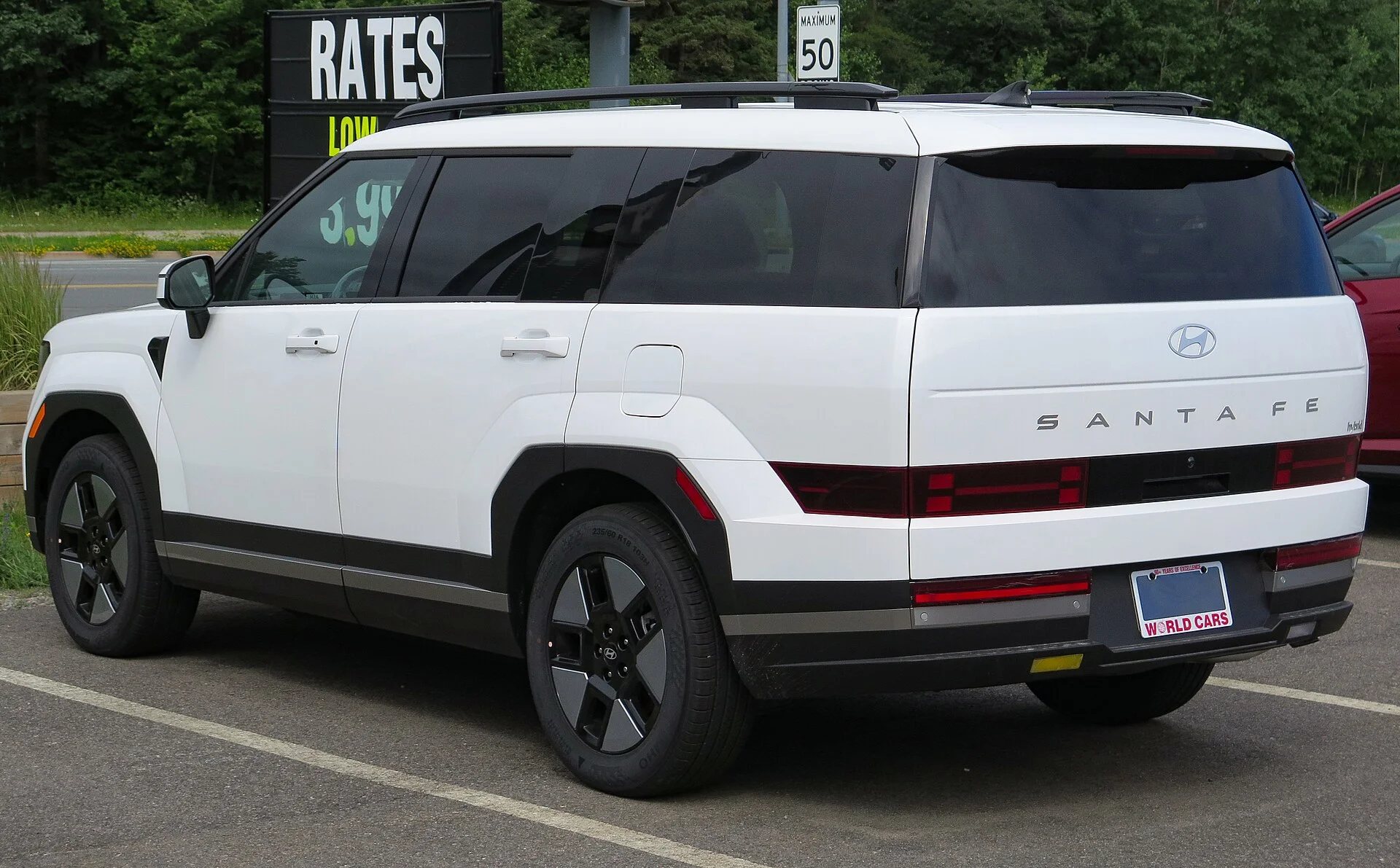
The third dimension, height, governs sitting up and gear stacking rather than lying down, and here the redesign pays off. The rear cargo area is roughly 30 inches high with the seats folded flat. That 30 inches of floor-to-ceiling height is enough to sit up partially, change clothes, and organize gear without crawling, which adds real livability to the space.
The 30-inch height is a direct benefit of the boxier 2024 body. A tapering, style-driven roofline steals headroom exactly where a sleeper wants to sit up; the Santa Fe's straighter walls preserve the height across more of the floor, so the 30 inches is usable over the sleeping area rather than only at one point.
Height also enables gear management overnight. Thirty inches leaves room to keep bags, a cooler, and clothing organized above or beside the sleeping surface rather than in the way, and it makes the difference between a cargo area you sleep in and one you merely fit in. The boxy shape is what keeps that height honest across the space.
For a camper, the 30-inch height rounds out a sleepable, not just spacious, cargo area. Combined with the 72-inch length and 45-inch width, it describes a genuinely usable box, and the boxy redesign is the reason those three numbers hold up across the floor rather than only at the tape's most flattering point.
The 50.2-Inch Liftgate and Loading
Getting a sleeping setup and gear in and out matters as much as the interior dimensions, and Hyundai addressed it directly. The liftgate opening was widened to 50.2 inches on the redesigned 2024 Santa Fe body to ease loading of long cargo. A wide 50.2-inch opening is a real convenience for a camper loading pads, boxes, and bikes.
The wider opening matters because a narrow tailgate can undo a spacious interior, forcing gear to be angled and wrestled through a pinched aperture. At 50.2 inches, the Santa Fe accepts wide and long items squarely, which speeds setup and teardown and reduces the frustration of loading a full camp kit.
For sleeping specifically, the wide opening eases getting a platform or a bulky mattress in and out, and it makes the cargo area more accessible for climbing in once camp is set. A generous 50.2-inch aperture turns the boxy interior into a space that is easy to use, not just roomy once you are inside.
The liftgate width is the kind of detail that separates a thoughtfully designed cargo area from a merely large one. Paired with the flat 72-inch floor and 45-inch width, the 50.2-inch opening means the Santa Fe is straightforward to load for camping, which matters on every trip, not just the first.
Two-Row or Three-Row for Sleeping
The Santa Fe comes in two seating layouts, and the choice affects sleeping. The 2024 Santa Fe is offered in both 2-row 5-seat and 3-row 6/7-seat configurations, with the third row folding into the maximum cargo figure. Both can reach the full 79.6 cubic feet and the roughly 72-inch floor when all rear seats are down.
The two-row, five-seat version is the simpler sleeping platform. With no third row to fold, the cargo floor is the most straightforward to flatten, and the layout is aimed at buyers prioritizing cargo and passenger comfort over maximum seating, which aligns well with a camping use.
The three-row, six or seven-seat version trades a little sleeping simplicity for occasional extra seats. Its third row folds into the same 79.6-cubic-foot maximum, so it sleeps the same once folded, but the folding is an extra step and the folded third row can leave a slightly less seamless floor than the two-row layout, depending on how flat it stows.
For a camper choosing between them, the decision is about how often the extra seats are needed versus sleeping simplicity. Both deliver the roughly 72-inch flat floor for sleeping, so a buyer who rarely needs seven seats gains the cleanest platform with the two-row layout, while one who occasionally needs the seats loses little in sleeping capability by choosing three rows.
The Verdict: A Genuinely Sleepable Box
The 2024 Hyundai Santa Fe backs up its spacious headline with the dimensions that actually decide sleeping, which many roomy-looking SUVs do not. The 79.6 cubic feet of maximum cargo volume is real, but it is the roughly 72-inch flat floor that makes the Santa Fe a genuine cargo-area sleeper rather than just a large trunk.
The numbers that matter line up well. A 72-inch floor lets an adult up to about six feet lie flat, 45 inches of width between the wheel arches is comfortable for one and snug for two, and 30 inches of height allows sitting up and organizing gear. The boxy 2024 redesign is what keeps those figures usable across the space.
The volume ladder confirms the sleeping configuration: 14.6 cubic feet behind the third row, 40.5 with it folded, and the full 79.6 with both rows down, which is the only rung with the length to lie flat. Loading is eased by the widened 50.2-inch liftgate, and both the two-row and three-row layouts reach the same sleeping floor.
For a solo camper up to about six feet, the Santa Fe is a genuinely sleepable box; for two, it is a snug but workable one. A well-fitted cargo-area sleeping pad sized to the roughly 72-by-45-inch floor is what turns the dimensions into a comfortable night, and it is the one accessory the setup genuinely needs.