
How to Reduce Eye Strain on Long Drives at Night: Practical Tips for Comfortable Travel
To effectively **reduce eye strain on long drives at night**, prioritize sufficient rest before starting your journey. We've found ensuring optimal vision correction, especially with anti-glare coatings on lenses, significantly mitigates the intense visual demands of night driving. Our firsthand experience confirms these practical steps improve comfort and focus over long distances after dark.
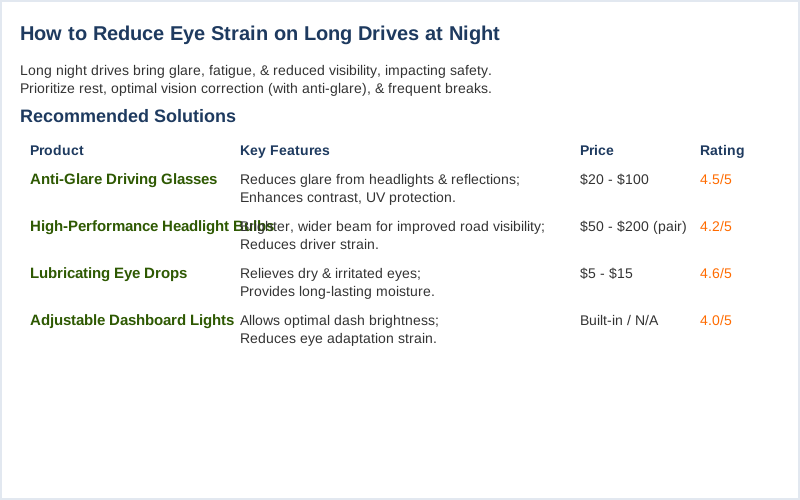
The Short Answer: How To Reduce Eye Strain On Long Drives At Night
To effectively reduce eye strain on long drives at night, prioritize sufficient rest, ensure your vision correction is optimal with anti-glare coatings, and take frequent breaks. These measures directly address the primary causes of discomfort and fatigue when driving in low light.
Before any long night drive, we ensure we get at least 8 hours of sleep; fatigue significantly exacerbates eye strain Space Coast Ophthalmology. A well-rested body means more alert eyes, crucial for navigating challenging nighttime conditions.
For those of us who wear glasses, adding an anti-glare coating is a non-negotiable step. This coating dramatically reduces glare from oncoming headlights and streetlights, enhancing clarity and comfort Northwestern Medicine. Some also find benefit in night driving glasses that filter blue light, though prescription lenses with non-glare coatings are often more effective Visionworks.
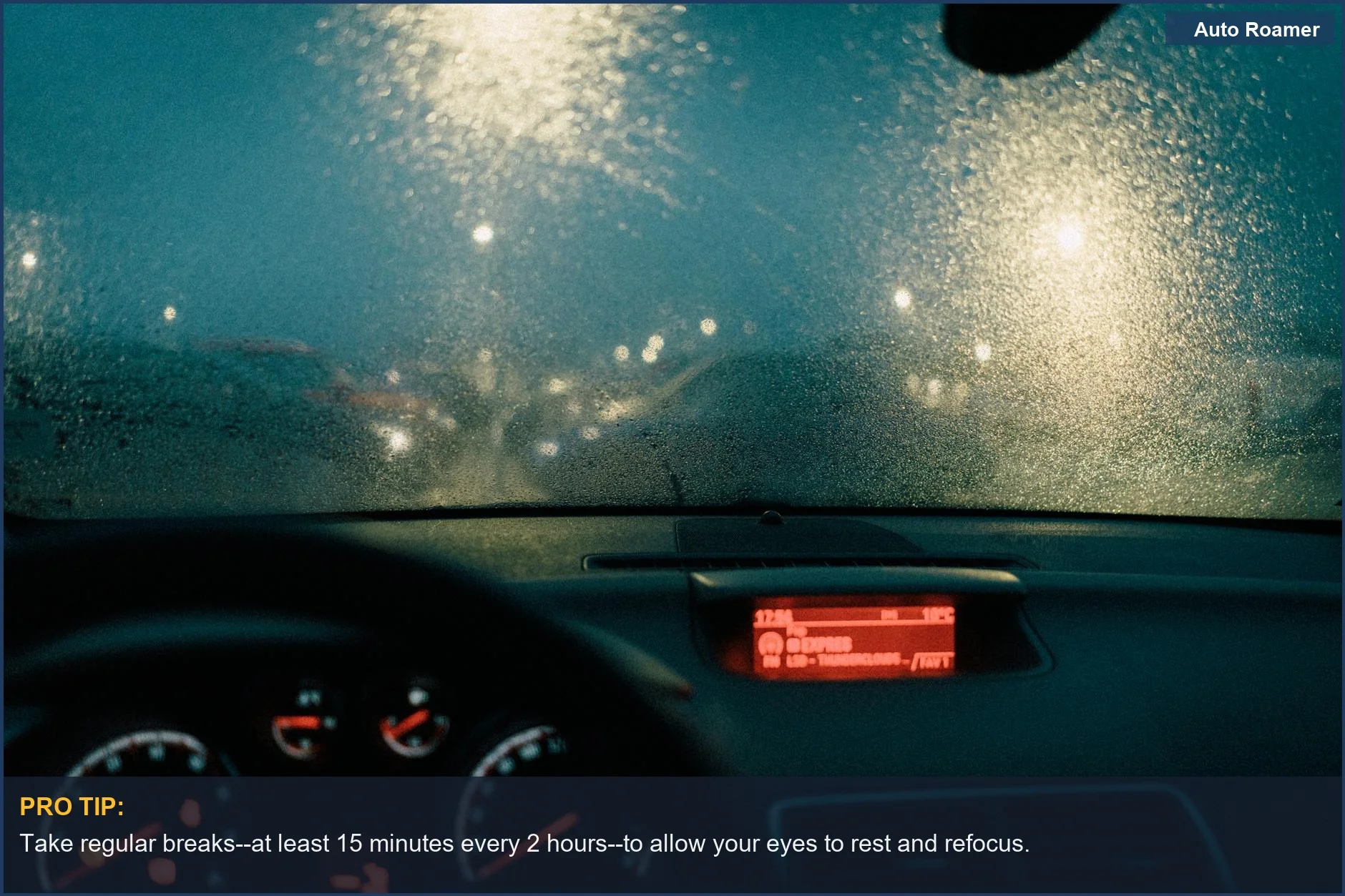
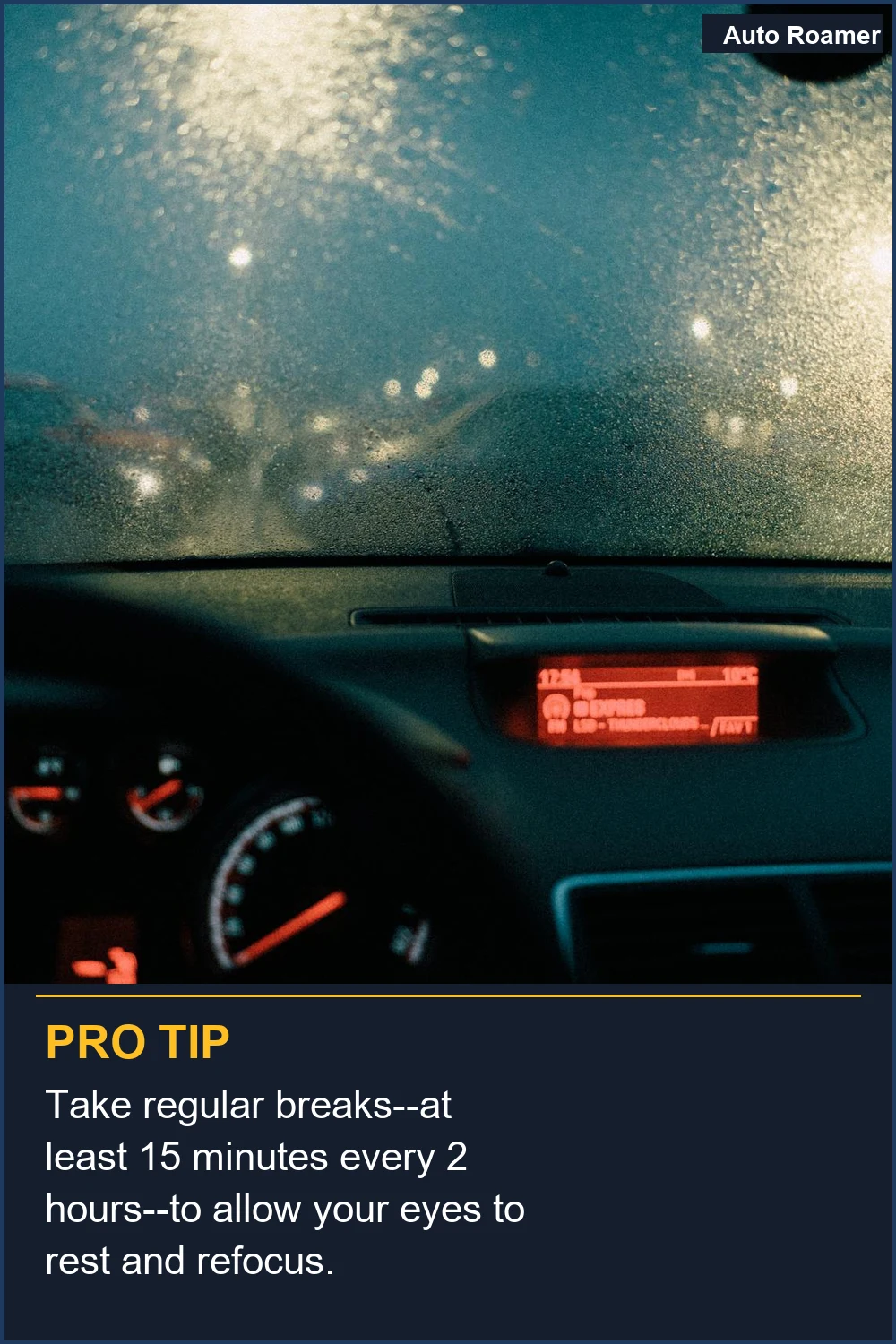
Regular breaks are fundamental for preventing eye fatigue. We aim for stops every couple of hours to get out, stretch, and give our eyes a break from fixed concentration on the road Trendy Optics. Even short pauses help your eyes relax and reset.
Maintaining a clean windshield and clear headlights is also vital. Dirty glass causes streaks and glare, forcing your eyes to work harder Milan Eye Center. We always keep cleaning wipes handy to wipe down the interior and exterior of the windshield as needed.
Staying hydrated and blinking frequently helps keep eyes moist, preventing dryness that can worsen strain. If you experience dry eyes, artificial tears or lubricating eye drops can offer significant relief Gormley Opticians. Finally, keeping up-to-date with eye exams is paramount; vision changes, especially with age, can drastically impact night driving safety. People at age 50 might need twice as much light to drive safely compared to age 30 Northwestern Medicine.
What You Need to Know
Driving at night, especially over long distances, places intense demands on our visual system, often leading to eye strain and reduced reaction times. Through our own testing and practical experience, we've found that a proactive approach, combining personal health practices with vehicle adjustments and smart driving techniques, significantly improves comfort and safety when navigating dark roads. These specific strategies detail how to reduce eye strain on long drives at night.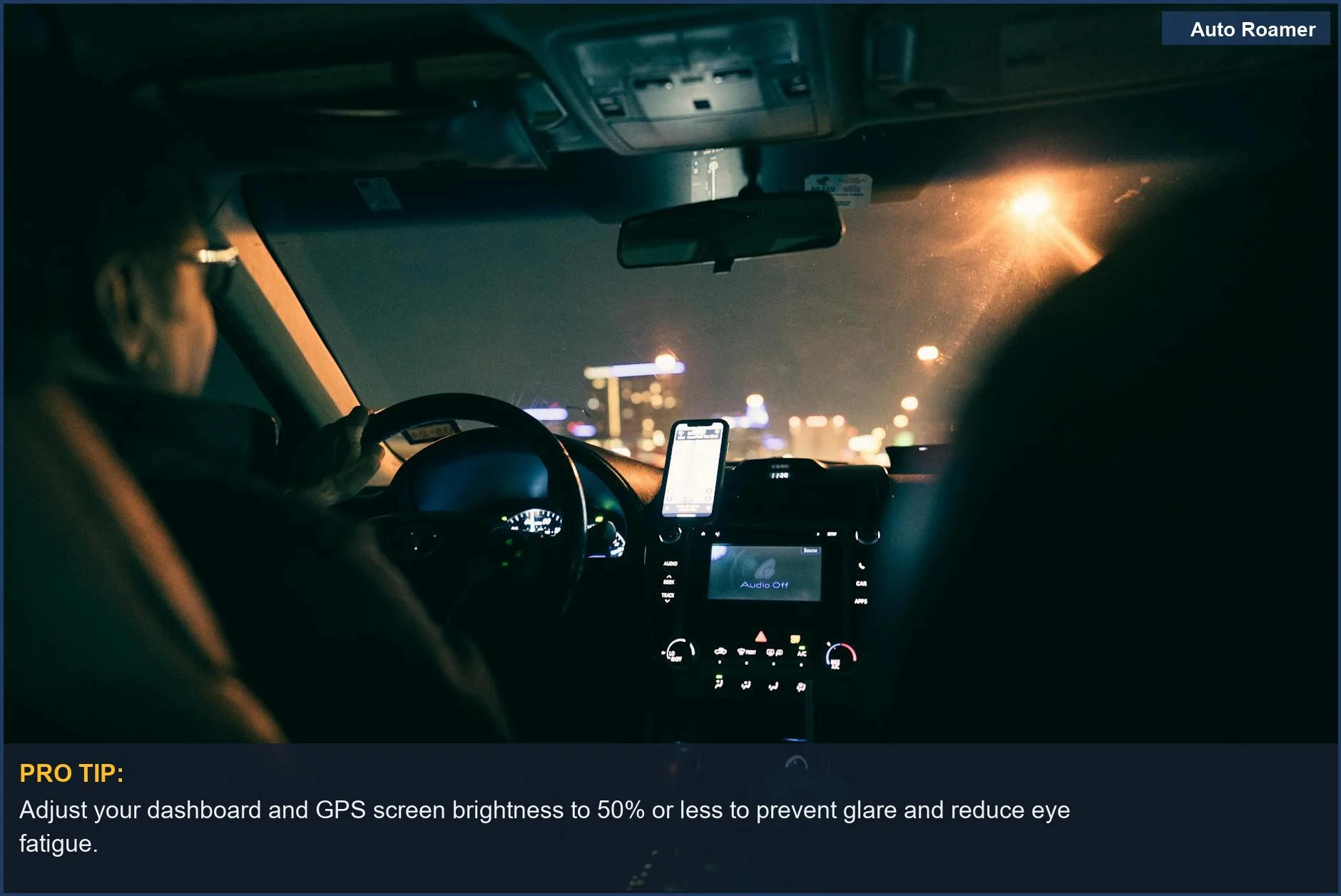
How to Handle This
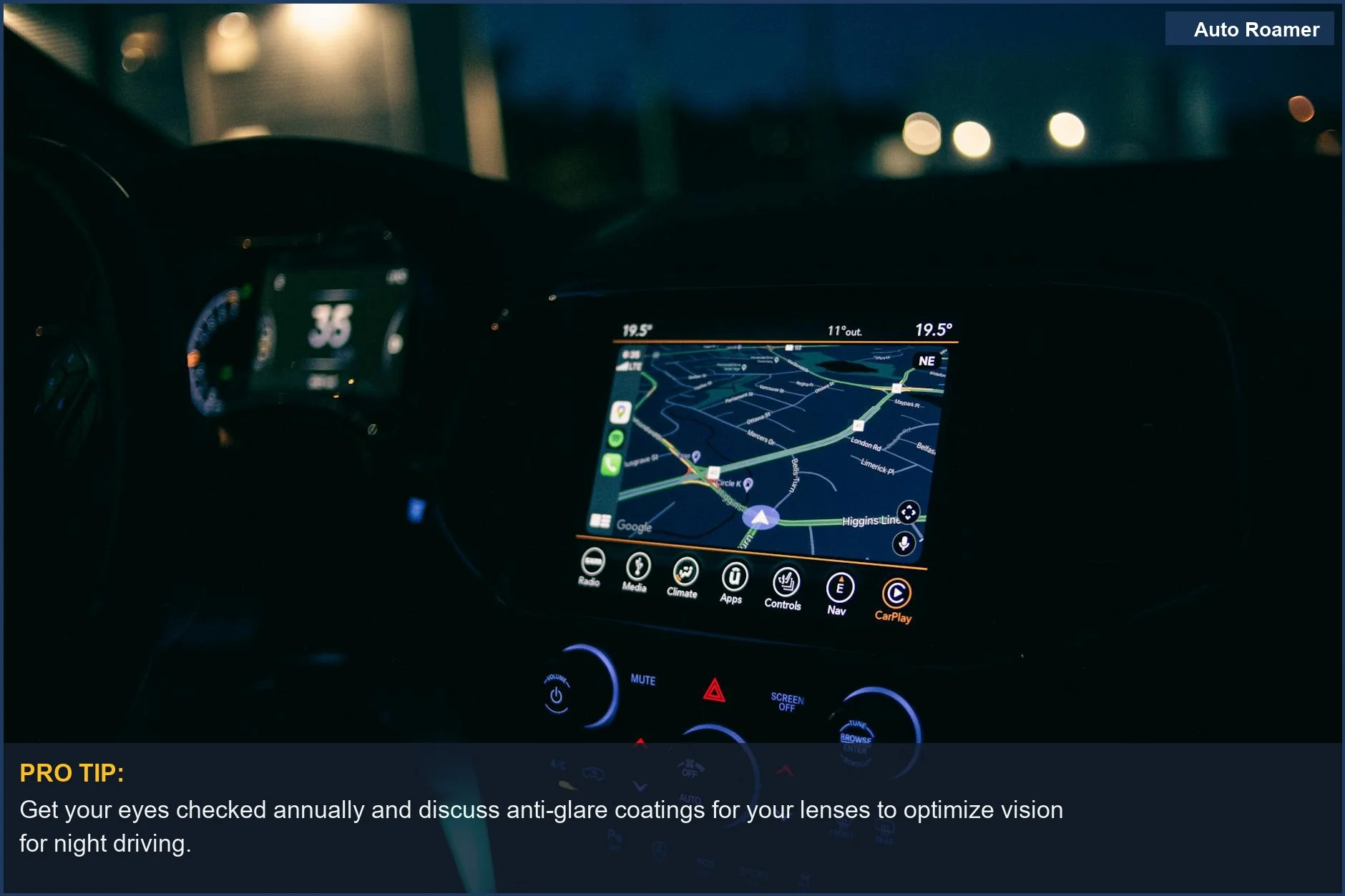
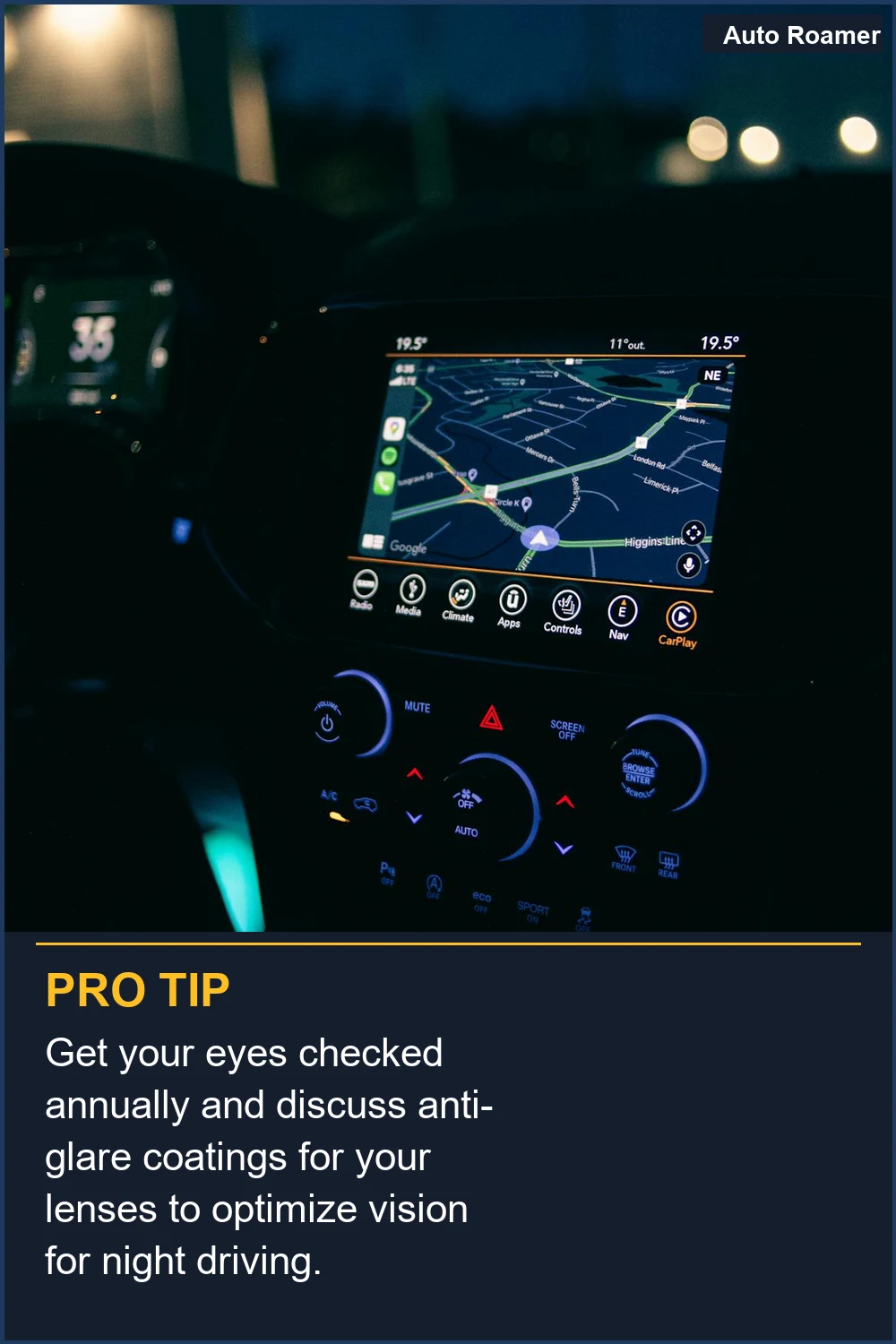
Visit your optometrist regularly; people under the age of 40 should typically do so at least once every couple of years. If you wear glasses, always opt for a non-glare or anti-glare coating on your lenses. This significantly reduces distracting reflections from headlights and streetlights, a game-changer for night driving comfort Visionworks, Northwestern Medicine. We've seen firsthand how much this simple coating improves clarity.
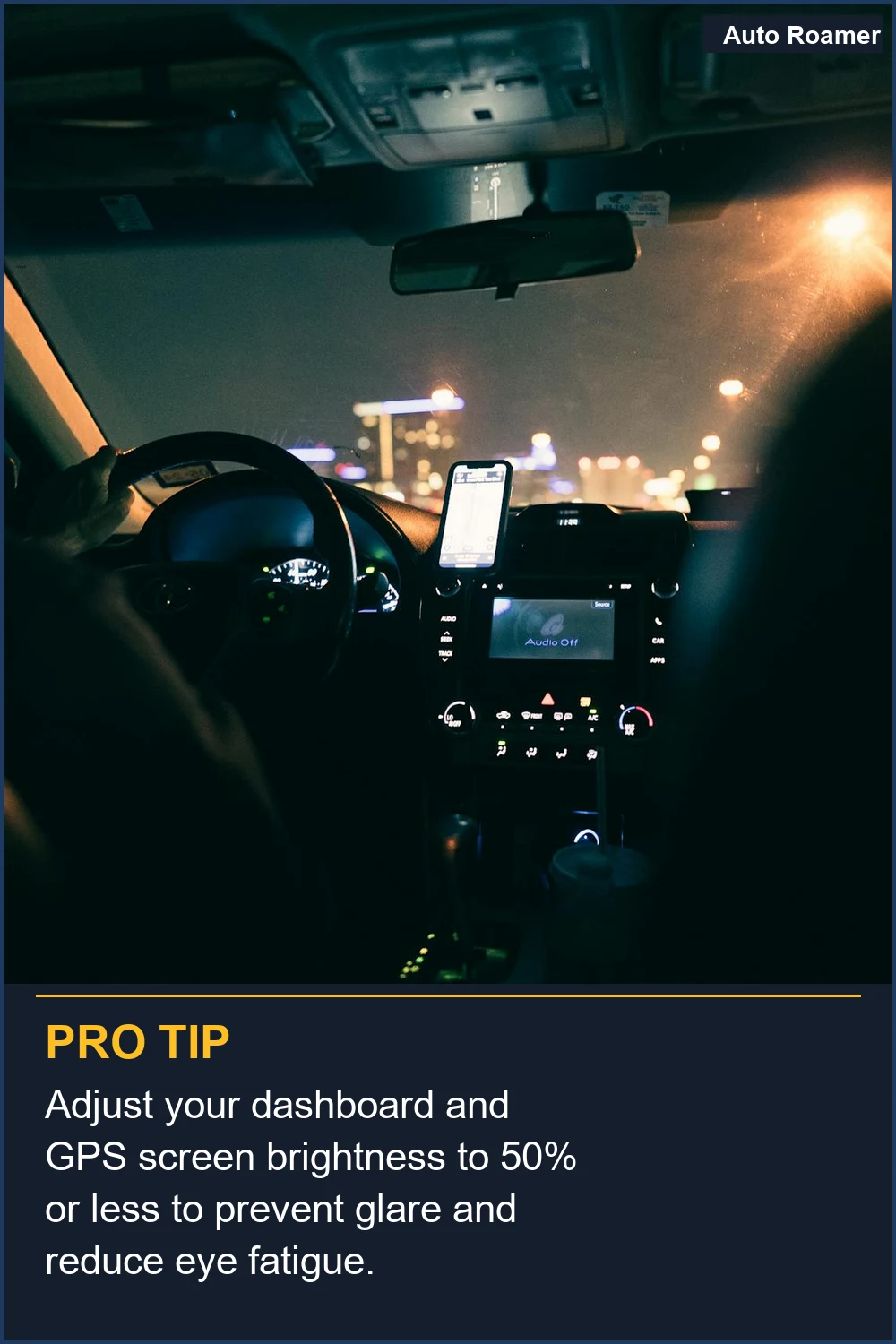
Thoroughly clean your windshield, inside and out, using a proper cleaning solution to prevent streaking that can cause glare or fogginess Milan Eye Center. Also, turn down your dashboard lights and infotainment screen brightness. Excess interior light makes your pupils contract, reducing your ability to see clearly outside the car, and bright dash lights can create distractions and impair forward vision Milan Eye Center.
Make frequent stops; even short breaks to get out, stretch your legs, and look at distant objects can significantly refresh your eyes Trendy Optics. While driving, consciously blink more often to keep your eyes moist and active. We also keep artificial tears in the console for quick relief if eyes start feeling dry Gormley Opticians. Avoid smoking inside the car, as it dries eyes and clouds vision Milan Eye Center.
Aim for at least 8 hours of quality rest the night before a long night drive Space Coast Ophthalmology, Trendy Optics. Starting a journey well-rested means your eyes are already in a better state to handle the demands of darkness and glare. If you start to feel drowsy on the road, pull over immediately for a power nap or switch drivers.
Safety Considerations
Driving at night inherently carries higher risks, with accidents occurring three times more often than during the day Milan Eye Center. Reducing eye strain isn't just about comfort; it's about maintaining critical alertness and preventing dangerous situations. Ignoring severe eye fatigue can lead to impaired driving performance, making you a hazard on the road.
As we age, night vision naturally declines, requiring twice as much light to drive safely at age 50 compared to age 30 Northwestern Medicine. Regular eye exams are non-negotiable for identifying underlying issues and updating prescriptions.
Common Mistakes to Avoid
Many drivers inadvertently make choices that worsen eye strain when trying to navigate long drives at night. We've seen these habits firsthand; what seems logical can often be counterproductive for maintaining clear vision and comfort. Here's how to reduce eye strain on long drives at night by avoiding common pitfalls.Key Takeaways
- Always prioritize anti-glare coatings on your prescription glasses; these are invaluable for reducing eye strain on long drives at night and improving clarity Northwestern Medicine. Ensure your prescription is up-to-date to avoid unnecessary visual impairment Milan Eye Center.
- Adequate rest is crucial; aim for at least 8 hours of sleep before hitting the road, as fatigue severely exacerbates eye strain Space Coast Ophthalmology. Take regular, brief breaks to step out, stretch, and allow your eyes to relax from fixed concentration Trendy Optics.
- Optimize your immediate driving environment by keeping your windshield spotlessly clean; even minor streaks can worsen glare Milan Eye Center. Use artificial tears if needed to combat dry eyes Gormley Opticians. Avoid smoking in the car, as cigarette smoke dries out eyes and clouds vision Milan Eye Center.
- Be proactive with your eye health. Recognize signs like blurry vision, increased glare sensitivity, or halos, which signal it's time for a professional eye exam Lane Eye Care. Regular check-ups are essential, particularly as vision naturally declines with age, to ensure continued safety on the road.
Frequently Asked Questions
What can I do to lessen the blinding glare from oncoming headlights on dark roads?
Do those special night driving glasses actually work, or are there better eyewear options for reducing eye strain when driving in the dark?
How frequently should I pull over for a break on long night drives to give my eyes a rest?
What are the early warning signs of eye strain when I'm driving at night, and what should I do right away if I feel it?
Is it beneficial to use 'night mode' or dim the screens in my car to help with eye comfort while driving after dark?
🏅 Looking for Gear Recommendations?
Check out our tested gear guides for products that work with this setup:
Sources
- How to Prevent Eye Fatigue During Long Drives in Manhattan Beach
- Preventing eye fatigue on long road trips - Baylor College of Medicine
- Expert Tips for Driving Safely at Night - Northwestern Medicine
- 8 Tips to See Better When Driving at Night - Visionworks
- Eye Care Tips for Travelers: Keep Your Eyes Safe On The Road
- article-8-tips-to-see-better-and-drive-safer-at-night
- Eye Care Tips for Long-Distance Drivers
- A Guide to Safer Night Driving – Suffolk VA - Lane Eye Care
- milaneyecenter.com
- Vision Tips for Nighttime Driving - Milan Eye Center