
How to Choose the Right Size Windshield Sun Shade for Your Car
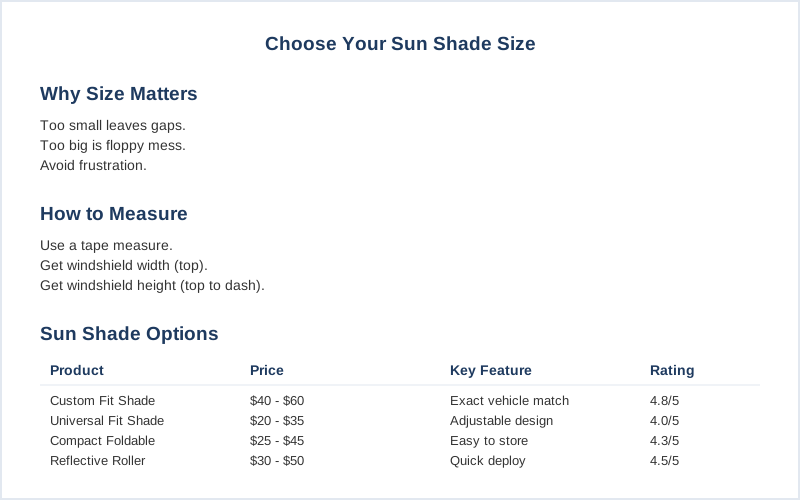
Choosing the right size for your car's windshield sun shade is less about guesswork and more about a quick measurement. Think of it like buying a suit - you wouldn't just grab the first one off the rack and hope for the best, right?
Choosing the right size for your car's windshield sun shade is less about guesswork and more about a quick measurement. Think of it like buying a suit - you wouldn't just grab the first one off the rack and hope for the best, right? A shade that's too small leaves gaps for the sun to sneak through, and one that's too big is a floppy mess that's a pain to put up and take down.
My first attempt at a universal shade for my old Honda Civic looked like a sad, wrinkled blanket trying to escape. It was a $20 lesson in why size matters. Getting it right means knowing your car's dimensions, not just its make and model. This isn't rocket science, but it does require a tape measure and a few minutes of your time to avoid future frustration. Accurate measurements are key to choosing the right sunshade size for your car.
The Core Answer
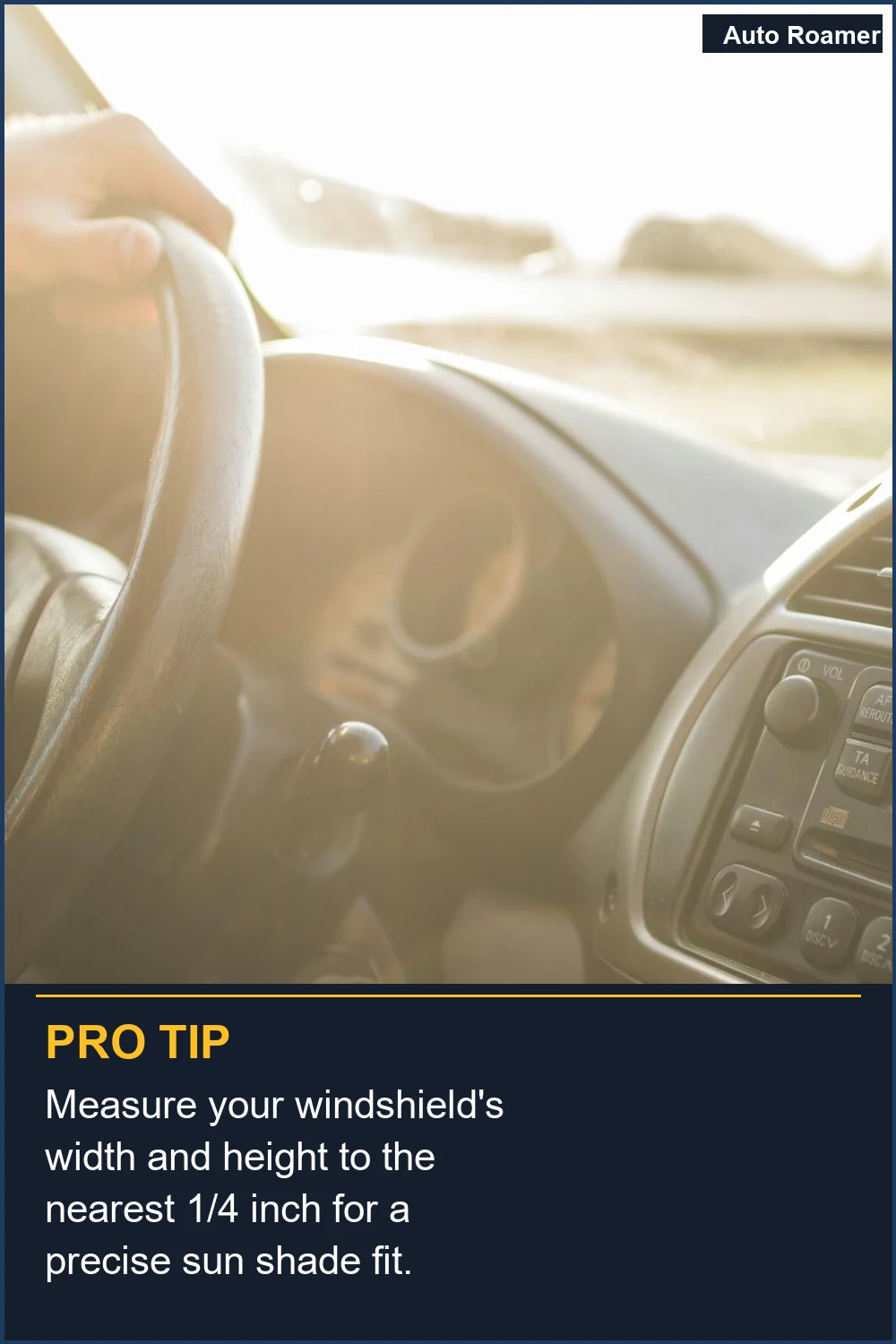
The real move for picking a sunshade size is to measure your windshield. Don't rely on generic 'fits most cars' claims; those are often just wishful thinking. Your car's windshield isn't a standard rectangle. It has curves, different heights, and varying widths. Use a tape measure to get two key numbers: the width across the top of your windshield and the height from the top edge down to the dashboard. This is your game-time measurement. Once you have those numbers, you can compare them to the dimensions listed by sunshade manufacturers. Some brands even offer size charts based on vehicle year, make, and model, which is a solid starting point. Check your vehicle's year, make, model, and trim level when ordering. I learned this the hard way with my first truck; the universal shade bunched up around the rearview mirror like a deflated balloon. Think about how the shade is designed to fit. Some are a single piece that folds up like an accordion or rolls up. Others are a two-piece design. For those, you'll need to ensure both pieces will cover the necessary area without leaving too much overlap or too much gap. I once bought a two-piece shade that was so wide, the two sections overlapped by about 6 inches in the middle. Brilliant engineering, that. If you have a very large windshield, like on an SUV or a van, you might need to look for 'jumbo' or 'extra-large' sizes. Conversely, smaller cars might fit into 'standard' or 'compact' categories. Please review our fit guides to determine if you need a Jumbo or Standard sized shade. Don't just guess; a little precision saves you from a floppy, ineffective piece of fabric. Some sites offer custom-fit shades. These are usually more expensive, but they're designed specifically for your car's make and model. For my current sedan, I splurged a bit on one of these, and the difference is night and day. It hugs the windshield perfectly, no gaps, no fuss. It was about $50, but it's so much better than the $15 universal ones I used to wrestle with. A sunshade that fits tight against your windshield is usually a good choice. Remember, the goal is to block as much sun as possible. Any gaps mean heat is still getting in. So, measure twice, buy once. It's the simplest way to ensure your sunshade actually does its job and keeps your car cooler. Specific fit may vary depending on the exact dimensions of the car, so always double-check your measurements against the product specs.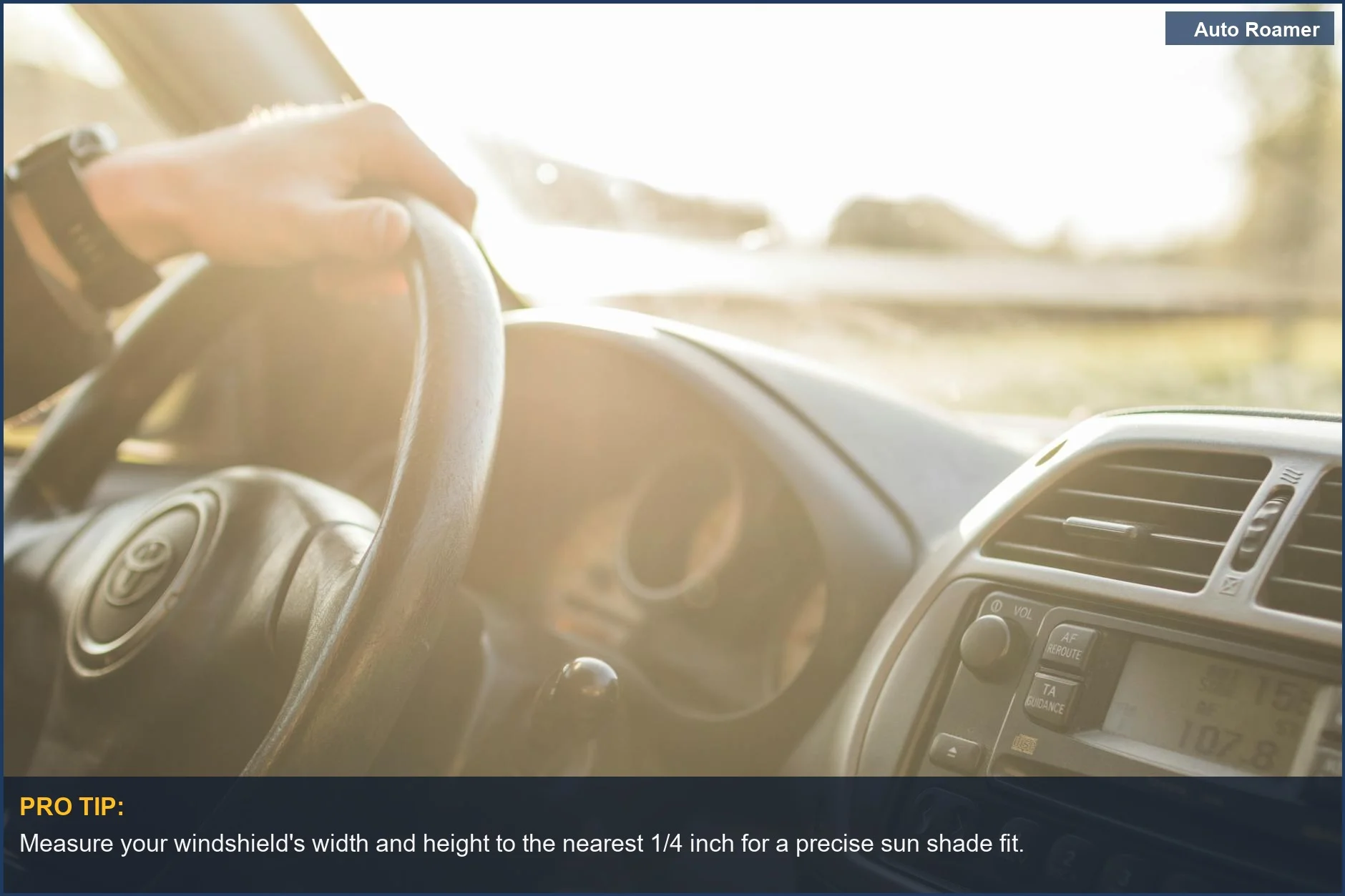
The Bottom Line
The honest version is that a sunshade that fits well is worth the effort. Trying to cram a shade that's too big into your windshield is a rookie mistake that leads to frustration and reduced effectiveness. Conversely, a shade that's too small won't do much to keep your car cool. Choose the right size, material, storage method, and functionality when selecting a sunshade. My first few attempts were with cheap, generic shades that were a pain to use and didn't really work. I ended up spending more money on replacements than if I'd just measured correctly the first time. So, before you click 'buy', grab a tape measure. It takes about 5 minutes. For most cars, you'll need the width and height of your windshield. Don't overthink it; just get the numbers. This simple step will save you time, money, and the annoyance of a poorly fitting sunshade. Basically can't find the size that matches their car's windshield without doing some digging. Your digging involves a tape measure.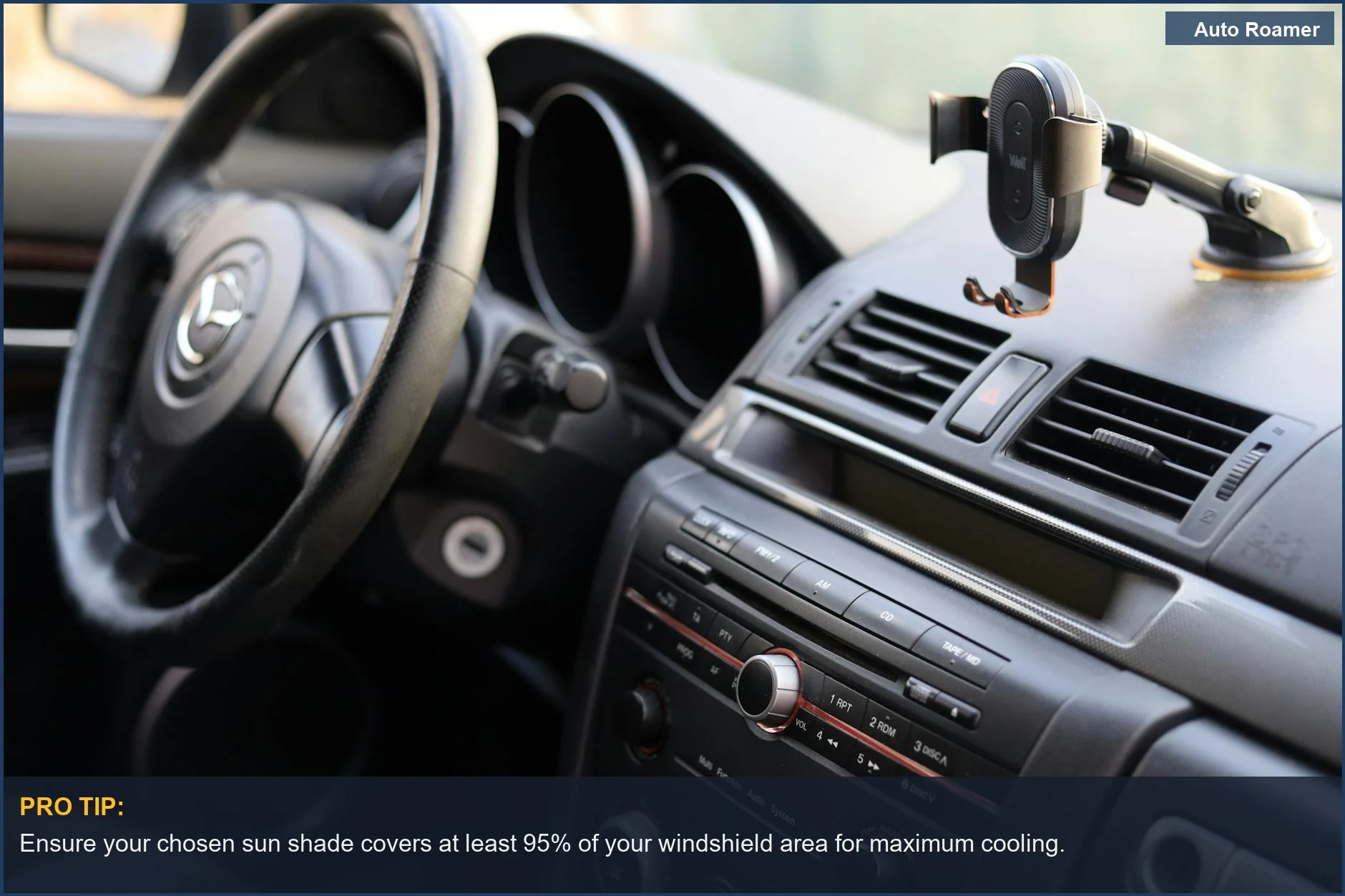
Frequently Asked Questions
I saw a custom-fit sunshade for my exact car model for $75, but there are universal ones for $15. Is spending that much extra really worth it?
Do I really need a fancy tape measure, or will a regular ruler work for measuring my windshield?
What if I measure my windshield, order the shade that *should* fit, and it still doesn't fit quite right?
Can having a sunshade that's too big or too small permanently damage my windshield or car interior?
I heard that reflective sunshades can actually make your car *hotter* by bouncing heat back into the car. Is that true?
🏅 Looking for Gear Recommendations?
Check out our tested gear guides for products that work with this setup:
Sources
- How do I look for the best windshield sunshade? - Reddit
- Car window shades with specific measurements needed - Facebook
- reddit.com
- How do I know what size shade will fit my vehicle? - TYPE S
- How to Choose a Windshield Sunshade for Your Car-Pigenius
- Which Type of Sunshade is Best for Car? - EcoNour
- How do I know if the Sun Shade will fit my vehicle? - Covercraft