
How to Choose the Right Cordless Car Vacuum for Your Needs
Choosing a cordless car vacuum can feel like picking a tent for a weekend trip when all you need is a place to crash for the night. You see all these fancy models with more attachments than a Swiss Army knife, and it's easy to get lost.
Choosing a cordless car vacuum can feel like picking a tent for a weekend trip when all you need is a place to crash for the night. You see all these fancy models with more attachments than a Swiss Army knife, and it's easy to get lost. The real move is to figure out what actually cleans your car without turning it into a gear expedition. These things are meant for quick fixes, not deep-cleaning your entire garage.
Think about what kind of messes you actually make. Are we talking dropped fries or full-on sand dunes from a beach trip? The honest version: most people just need something simple that sucks up crumbs and pet hair. Don't overthink it, or you'll end up with a dust collector instead of a car cleaner.
The Core Answer
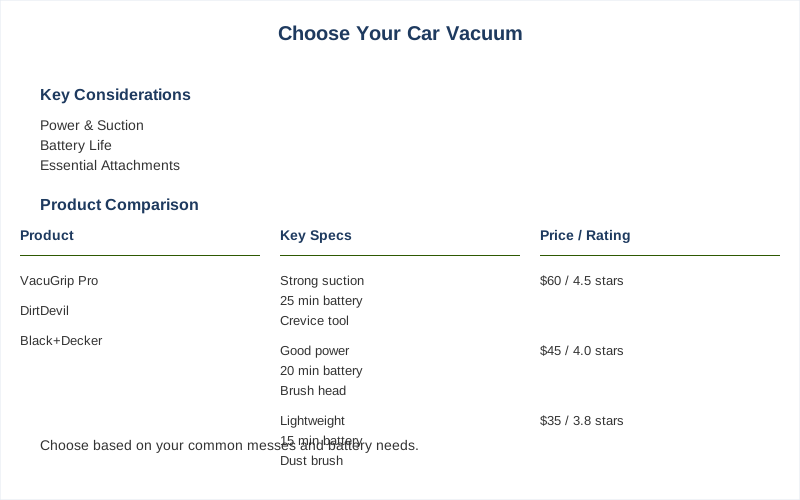
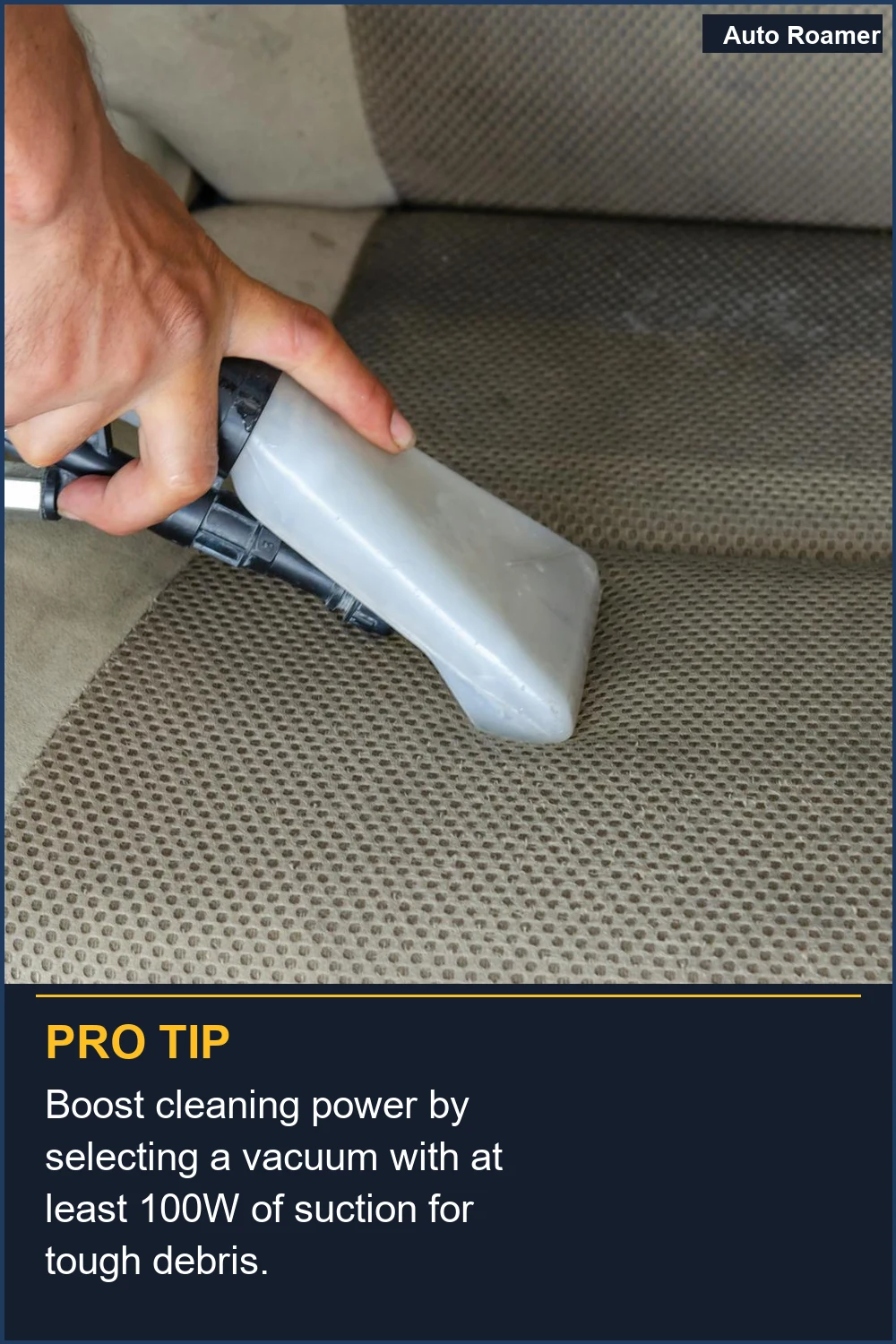
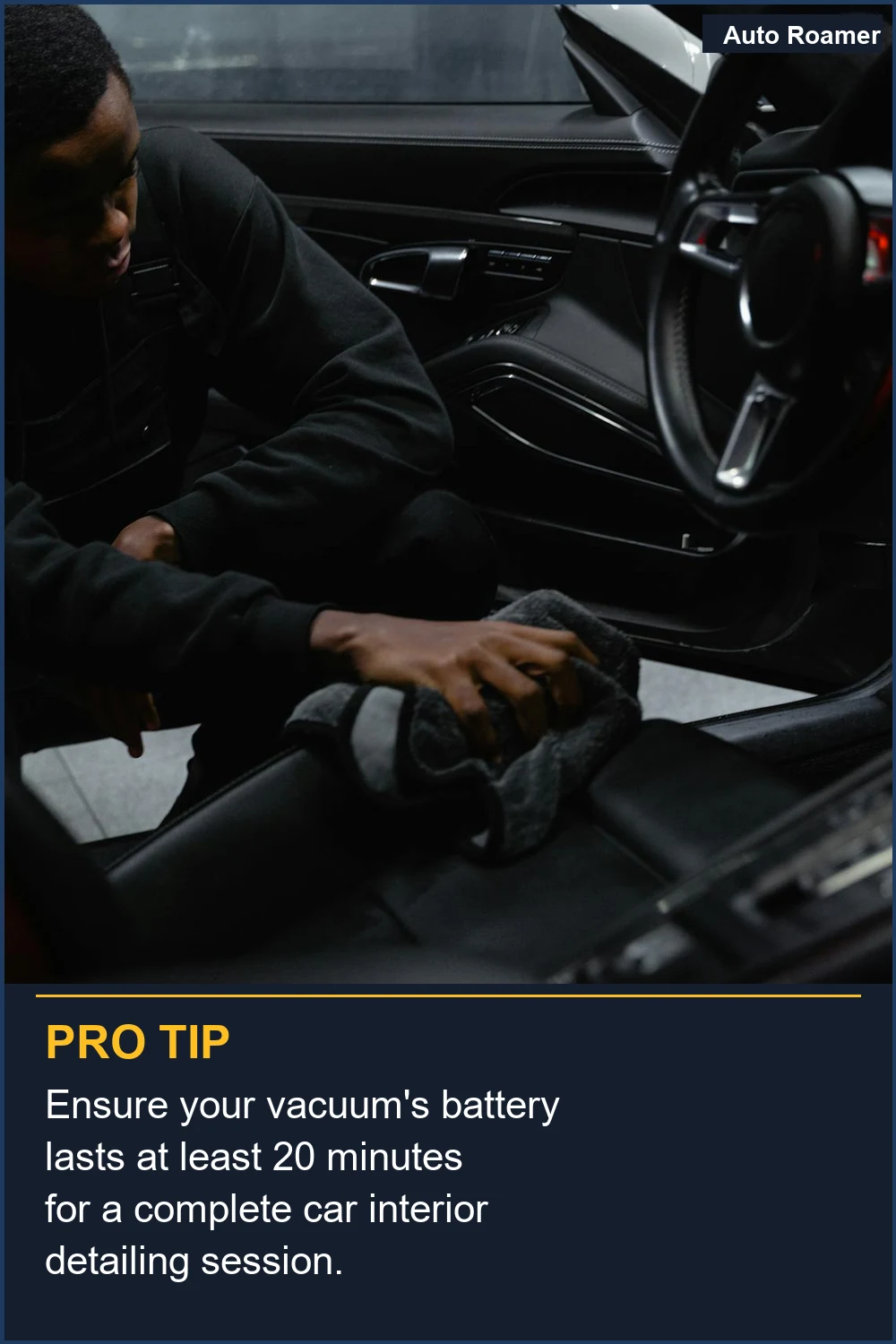
When you're looking at a cordless car vacuum, the first thing to consider is how much power it actually has. I learned this the hard way trying to suck up dried mud from my hiking boots in my old Civic. My first cheap one just pushed the dirt around. You need decent suction to pull that stuff out of the carpet fibers without a fight. It's not about the marketing jargon; it's about what happens when you point it at a mess. Battery life is another big one. I once tried to clean out my car after a road trip to the coast, and the battery died halfway through the passenger seat. That was a rookie mistake. Look for something that gives you at least 15 to 20 minutes of real-world use. You're not scrubbing a whole house, but you don't want to be hunting for an outlet mid-clean either. Attachments are where things get ridiculous. Every guide tells you about crevice tools and brush heads. The real move is to think about where the dirt actually lives in your car. Do you have deep seats? Do you spill coffee in the center console? A good crevice tool is key for getting into those tight spots where crumbs hide. Anything more is usually overkill for a quick clean. Filtration is something nobody talks about for car vacuums. You don't want to suck up dust and then blow it back into your car's air system. Look for something with decent filtration, maybe even a HEPA filter if you're sensitive to dust. It's not just about sucking; it's about what comes out the other side. Think about the weight and ergonomics. You're going to be contorting yourself to get under seats and into corners. If the vacuum feels like a brick in your hand, you'll dread using it. The $50 version might be tempting, but if it's too heavy or awkward, it's just junk you'll leave in the trunk. Finally, consider how easy it is to empty. If you have to wrestle with a dustbin that's glued shut, you'll just end up leaving the dirt in there. A simple, one-button release is game-time. I've spent way too long trying to pry open dustbins covered in pet hair. It's not pretty. So, in the honest version, you need power, enough battery, a tool for tight spaces, decent filtration, and something that doesn't feel like you're wielding a sledgehammer. Everything else is just extra fluff that adds to the price.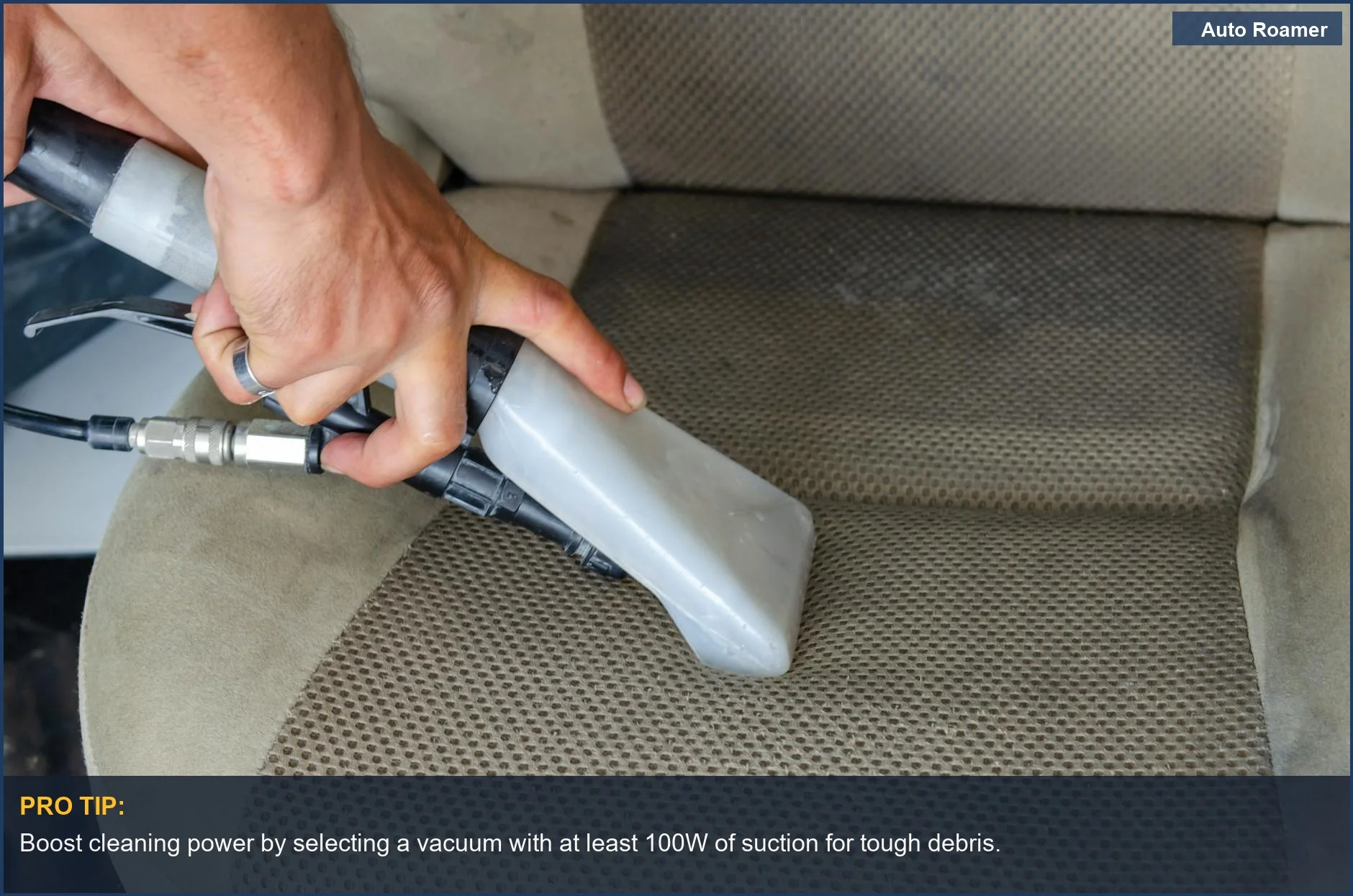
The Bottom Line
The bottom line is you don't need a spaceship to clean your car. Most of the time, you're dealing with spilled snacks, sand from your shoes, or that ever-present layer of dust. The real move is to pick a cordless vacuum that has enough power to actually pick things up, a battery that lasts longer than your favorite song, and a tool or two to get into the nooks and crannies where dirt loves to live. Don't get swayed by a million attachments you'll never use. Focus on the core function: sucking up dirt. And for the love of all that is clean, make sure it's easy to empty. I've seen people treat their car vacuums like a science experiment trying to get the dust out. That's not the weekend warrior way. Think of it as your car's personal grooming tool, not a demolition crew. Simple, effective, and not a hassle to use. That's the goal for any car owner.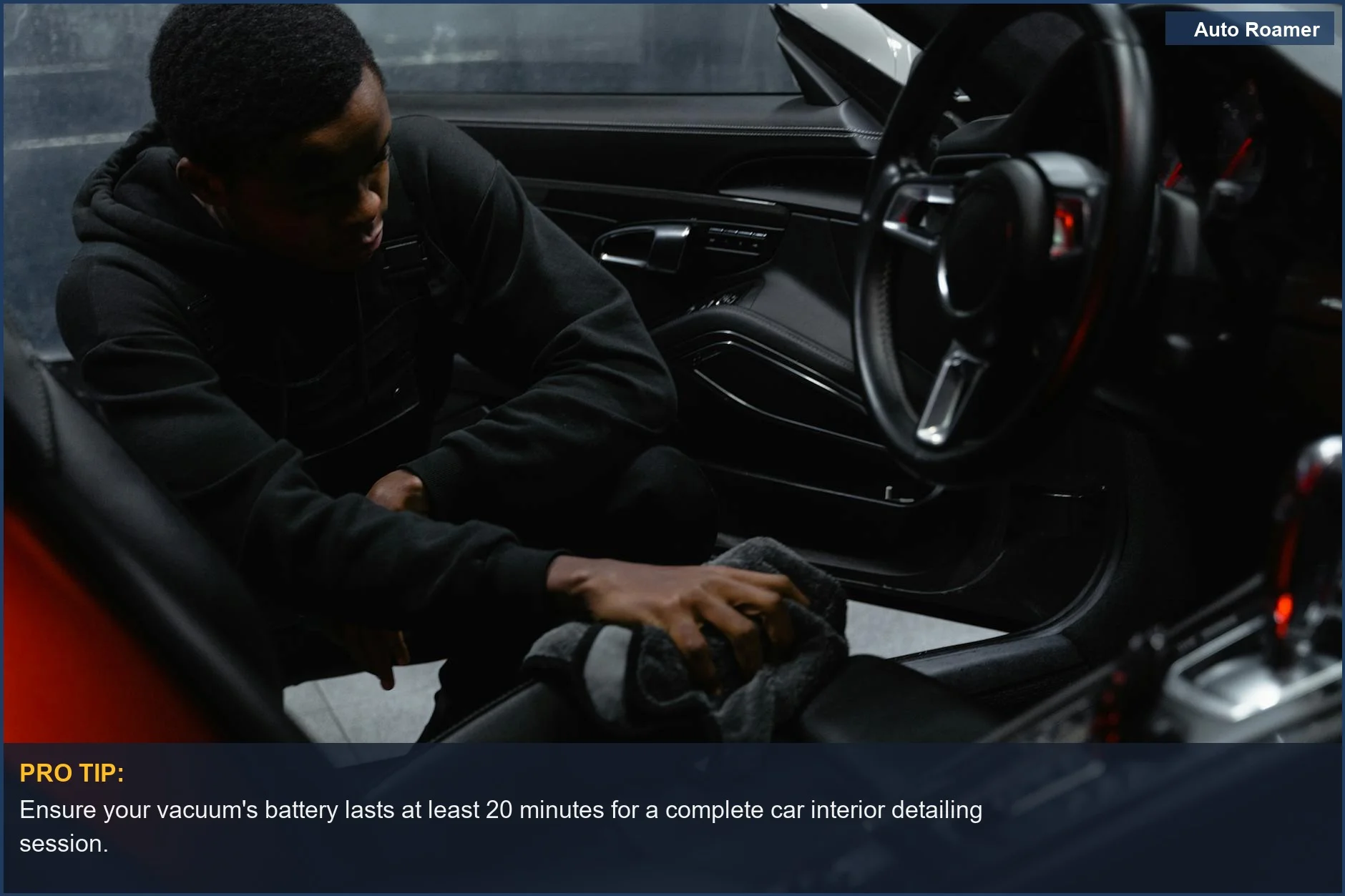
Frequently Asked Questions
Okay, so if I just buy a decent cordless car vacuum, how much money am I saving compared to paying a detailer to do it?
Do I really need a vacuum with a 'HEPA filter' for my car, or is that just overkill?
What if I buy a cordless car vacuum and it still doesn't seem to pick up pet hair very well, even with the brush attachment?
Can using a cheap, underpowered car vacuum actually damage my car's upholstery over time?
I heard that some car vacuums lose suction power as the battery drains. Is that true, or just a rumor?
🏅 Looking for Gear Recommendations?
Check out our tested gear guides for products that work with this setup: