What You Need to Know
Picking a cordless car vacuum feels like staring down a wall of confusing specs. You see numbers like '120 Air Watts' and '20V Max' and your brain just checks out. My first car vacuum was a cheap thing I grabbed on impulse for $25, and it lasted about 3 minutes before dying. It barely picked up dust bunnies, let alone the crushed Cheetos my nephew leaves in the back seat.
The trick is understanding what actually matters, not just the marketing hype. Car vacuum tests show that real-world performance beats fancy numbers. You need something that can handle actual car gunk, not just a lab-tested dust sample. Let's cut through the noise and figure out what you actually need to get your car clean without breaking the bank or your spirit.
The Core Answer
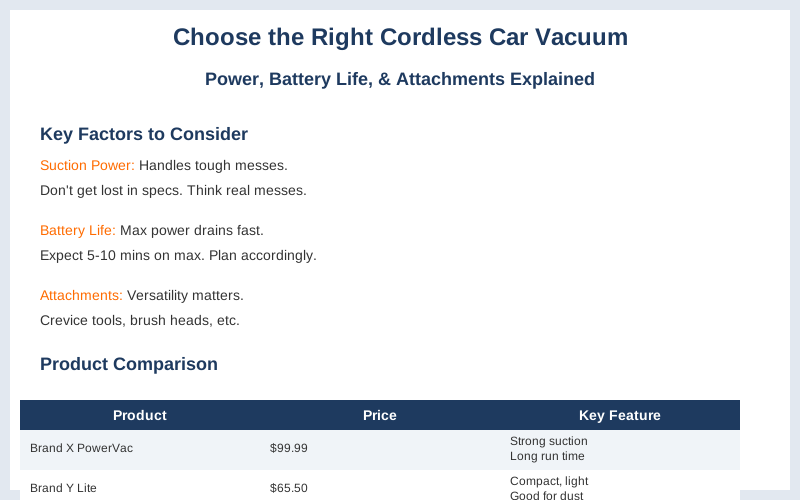
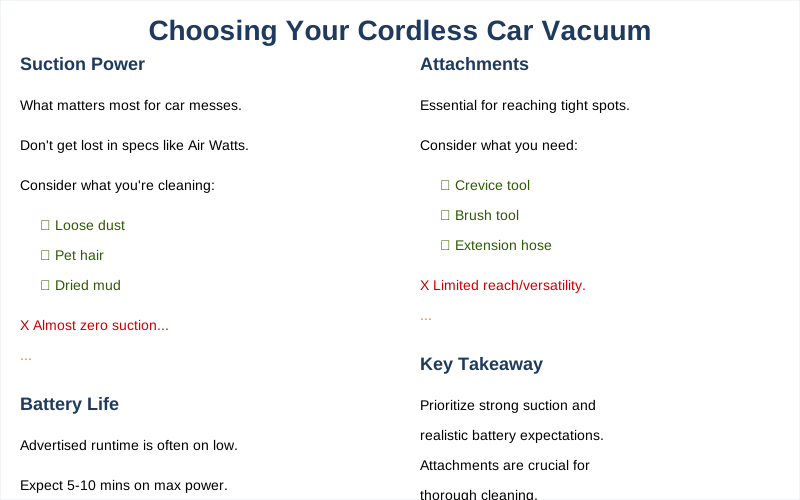
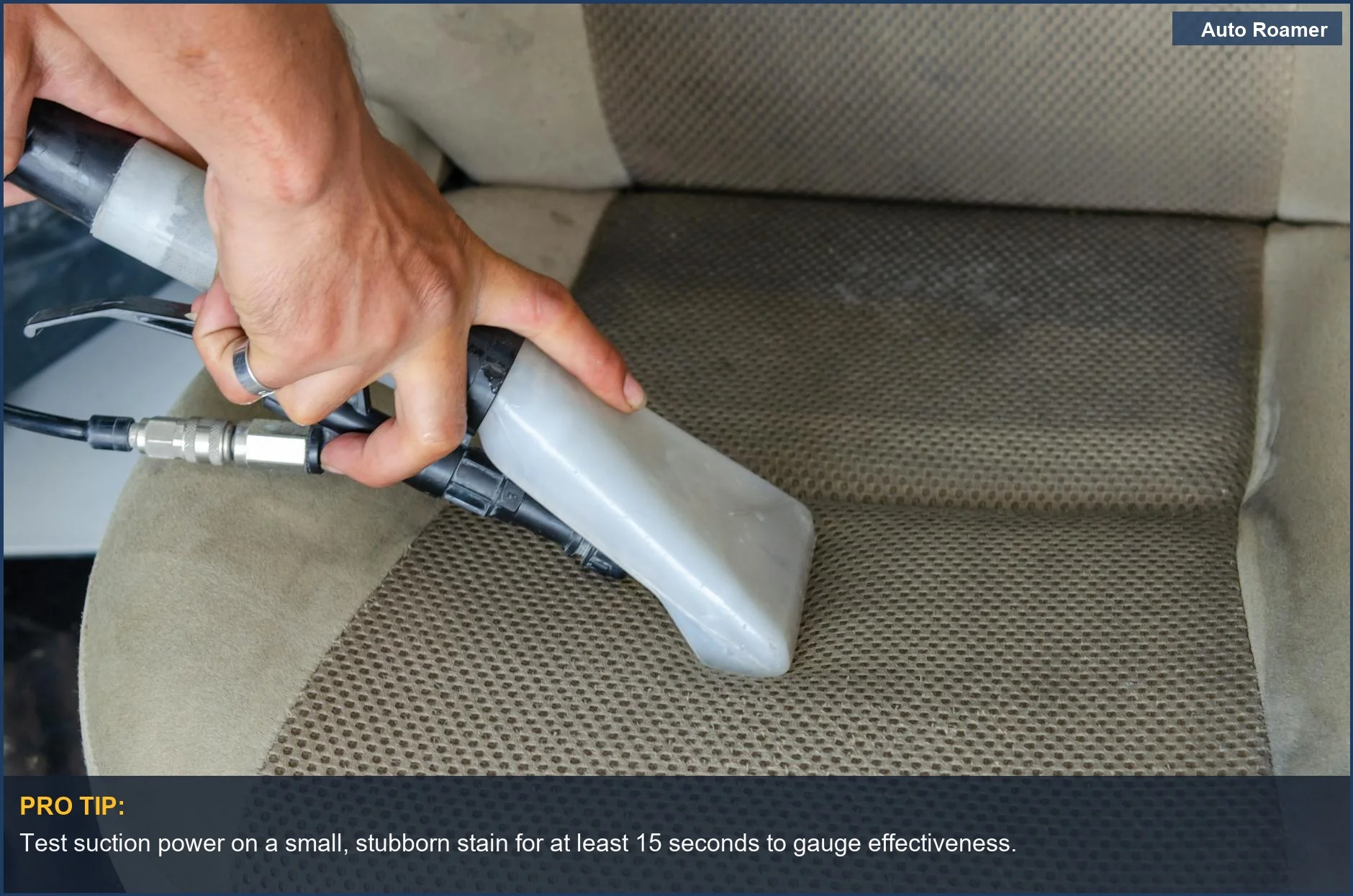
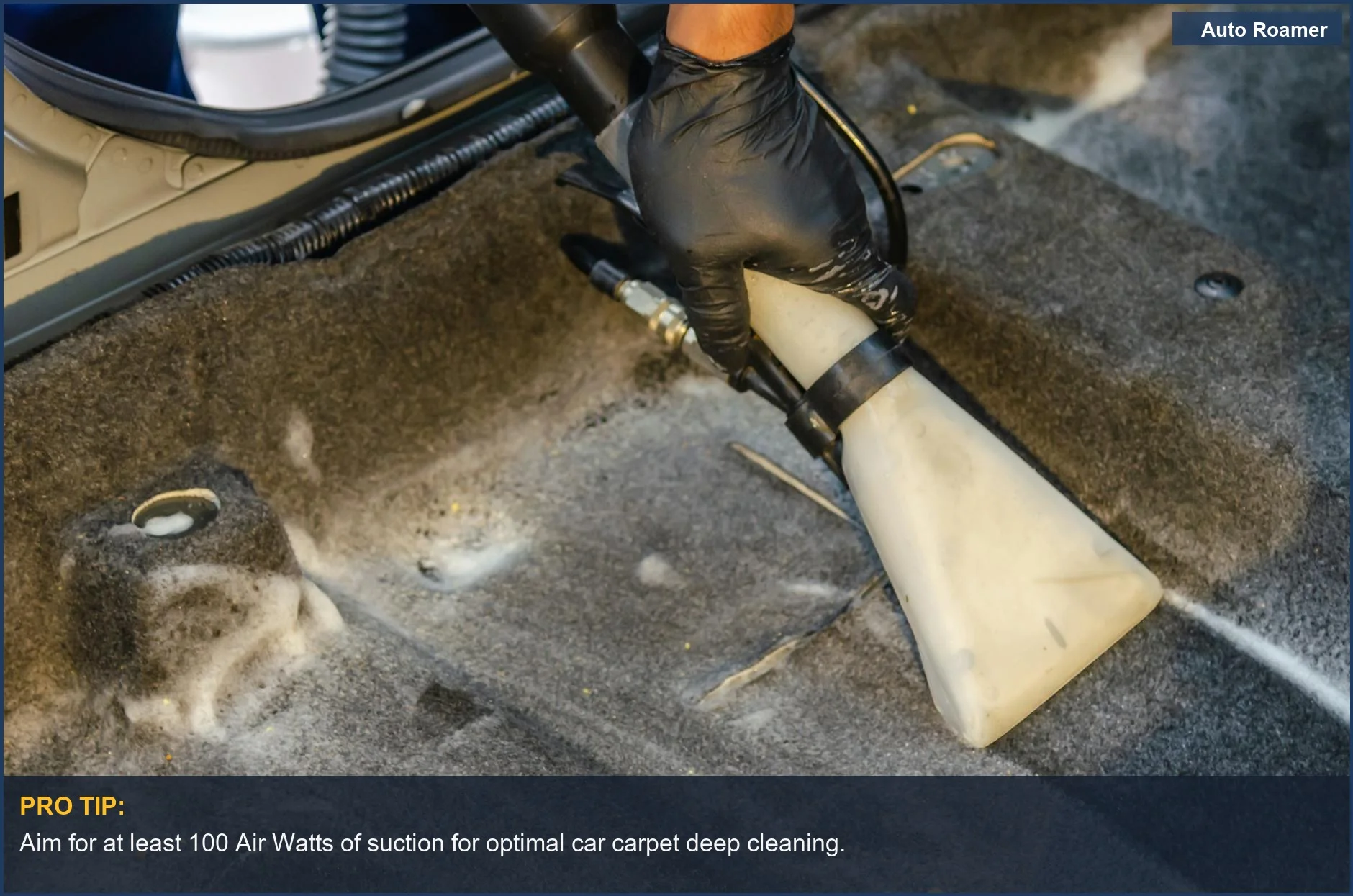
The first thing you need to wrap your head around is suction power. Don't get bogged down in 'Air Watts' or 'Pascals' right away. Think about what you're actually sucking up. Is it just loose dust, or are we talking about embedded pet hair and dried-on mud? Suction power is king for car messes. My first cheap vacuum had almost zero suction. It was like trying to clean with a leaf blower set to 'gentle breeze'.
Then there's battery life. This is where most rookie mistakes happen. You see a vacuum advertised with 'up to 60 minutes of runtime.' Sounds great, right? The honest version: that's usually on the lowest setting, barely enough to suck up a single crumb. Real-world battery tests show that high power settings drain batteries fast. Expect maybe 5 to 10 minutes on max power.
If you have a big SUV or a family that treats your car like a snack dispenser, you'll need to plan around this. My second vacuum had a battery that lasted 15 minutes, and I had to stop mid-clean to recharge. Annoying.
Attachments are where things get interesting. You don't need a dozen fancy brushes. Usually, a crevice tool is the most important. It gets into those tight spots between seats and in the door pockets where all the lost fries end up. Some vacuums come with a small brush attachment, which is good for agitating upholstery to lift embedded dirt or pet hair. Attachment utility is key for car interiors.
I once bought a vacuum with like six attachments and only ever used the crevice tool. What a waste of money.
Consider the dustbin size. A tiny bin means you'll be emptying it every two minutes. It's not the end of the world, but it interrupts your flow. My current one has a decent-sized bin, and it makes a big difference. It's the small things that make a trip less frustrating. You don't want to be mid-crumb-removal and suddenly have to stop and empty a thimble-sized container. Bin capacity matters for convenience.
It's the difference between a quick touch-up and a full-on cleaning session.
Why This Matters for Your Setup
Why does all this matter for your car? Because your car is a unique cleaning environment. It's full of tight corners, fabric seats that trap debris, and usually, a surprising amount of crumbs.
- Power for the grit: You need enough power to pull out dirt that's been ground into the carpet fibers. My first $25 vacuum just couldn't do it; it just pushed the dirt around. Suction power is essential for car interiors.
- Battery for the long haul: A quick 5-minute blast might be enough for a daily commute, but what about after a weekend camping trip or a messy beach day? You don't want the battery to die halfway through cleaning out the sandy floor mats. Battery runtime is crucial for thorough cleaning.
- Attachments for the nooks: Those little crevices between the seats are magnets for lost change, snack wrappers, and who knows what else. A good crevice tool is your best friend here. Don't underestimate its importance. Essential attachments make a big difference.
- Bin size for efficiency: Constantly emptying a small bin breaks your momentum. It's like trying to fill a leaky bucket - frustrating and inefficient. A larger bin means fewer interruptions. Dustbin capacity impacts your cleaning efficiency.
Making the Right Choice
Choosing the right cordless car vacuum isn't rocket science, but it does require a bit of common sense. Don't get sucked into the marketing jargon. Focus on what actually gets the job done.
- Power matters: Look for something with real suction. My $25 disaster taught me that lesson the hard way. Sufficient suction is non-negotiable.
- Battery smarts: Understand that advertised runtimes are almost always on the lowest setting. Plan your cleaning around that. Realistic battery life is key for convenience.
- Attachment basics: You don't need a Swiss Army knife of vacuum tools. A good crevice tool is usually all you really need. Practical attachments save you hassle.
- Bin capacity: A slightly larger bin means fewer trips to the trash can, making the whole process smoother. Convenient bin size makes a difference.
Ultimately, the goal is to have a tool that makes cleaning your car less of a chore and more of a quick fix. You want something that works when you need it, without a ton of fuss. Choosing the right car vacuum saves you time and frustration.