
How Smart Car Tech Impacts Vehicle History Reports
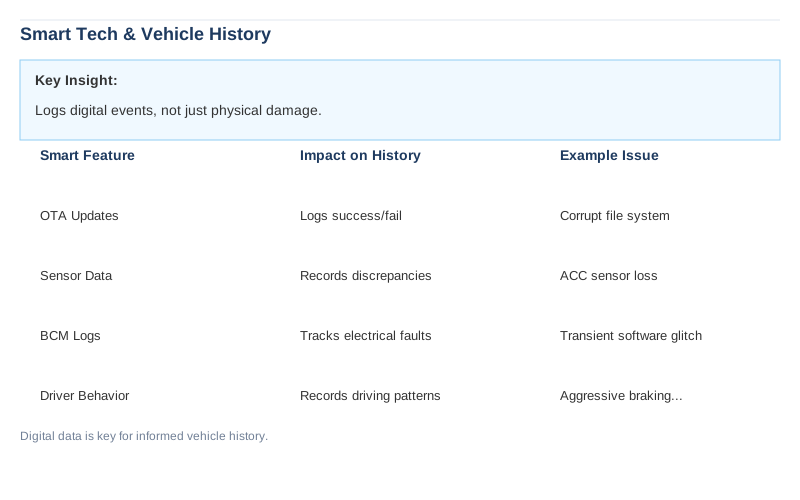
The dealer wanted $200 to 'diagnose' why my 2021 F-150's infotainment kept freezing. Turns out, the OTA software update failed to fully write, leaving a corrupt file system. That's not a hardware failure, it's a data integrity issue. Smart car tech is supposed to make things easier, but it just means more digital garbage for a vehicle history report to track, or completely miss.
The dealer wanted $200 to 'diagnose' why my 2021 F-150's infotainment kept freezing. Turns out, the OTA software update failed to fully write, leaving a corrupt file system. That's not a hardware failure, it's a data integrity issue. Smart car tech is supposed to make things easier, but it just means more digital garbage for a vehicle history report to track, or completely miss.
A smart buyer's guide to avoiding pitfalls needs to cover the ones you can't see with a flashlight. Modern car buyers want digital architecture as much as reliable hardware. That's a whole new failure mode.
The Short Answer
The Reality Check
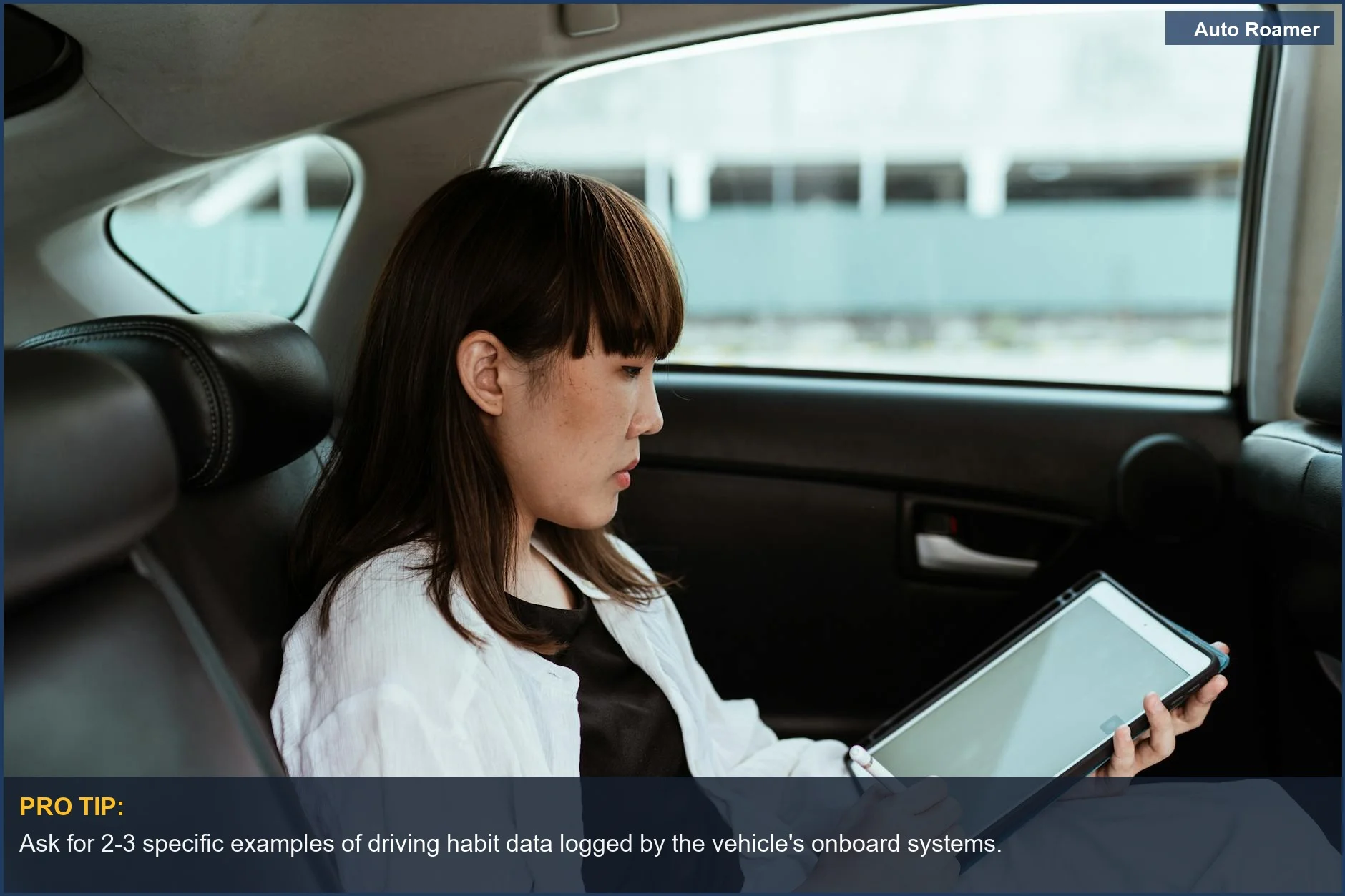
The reality is, your 'smart' car is a data sponge. It's constantly logging operational parameters, diagnostic codes, and even your driving habits. Consumer Reports found nearly every automaker collects driver behavior data. This data can indirectly affect a vehicle's perceived history, especially when it points to recurring electronic issues. For instance, frequent check engine lights for an O2 sensor, even if cleared, might be logged. If it's due to thermal cycling fatigue on the sensor's ceramic element, it's a mechanical failure. But the report just sees 'O2 sensor fault' repeated. Understanding vehicle history reports now means understanding these digital breadcrumbs. Some manufacturers log over-the-air (OTA) update success/failure rates. A car that consistently fails to update its infotainment system might have a faulty flash memory module, leading to system instability. That's a circuit integrity issue, but it'll show up as 'software problems' on a report.| Component | How It Fails | Symptoms | Fix Cost |
|---|---|---|---|
| ADAS Radar Sensor | Moisture ingress, thermal expansion fatigue on solder joints | Intermittent 'ADAS Unavailable' warnings, false positives | $800 - $2,500 (calibration included) |
| Infotainment Unit | Corrupt firmware, flash memory degradation, cold solder joints | Freezing, black screens, random reboots, haptic feedback loss | $500 - $2,000 (new unit/reflash) |
| Telematics Control Unit (TCU) | Power supply ripple, antenna impedance mismatch, outgassing from plastic | Loss of GPS, SOS functionality, remote start failure | $400 - $1,500 |
| Battery Management System (BMS) | Cell voltage drift, thermal runaway detection errors, shunt resistor fatigue | Reduced EV range, slow charging, 'Service EV System' light | $1,000 - $8,000 (pack dependent) |

How to Handle This
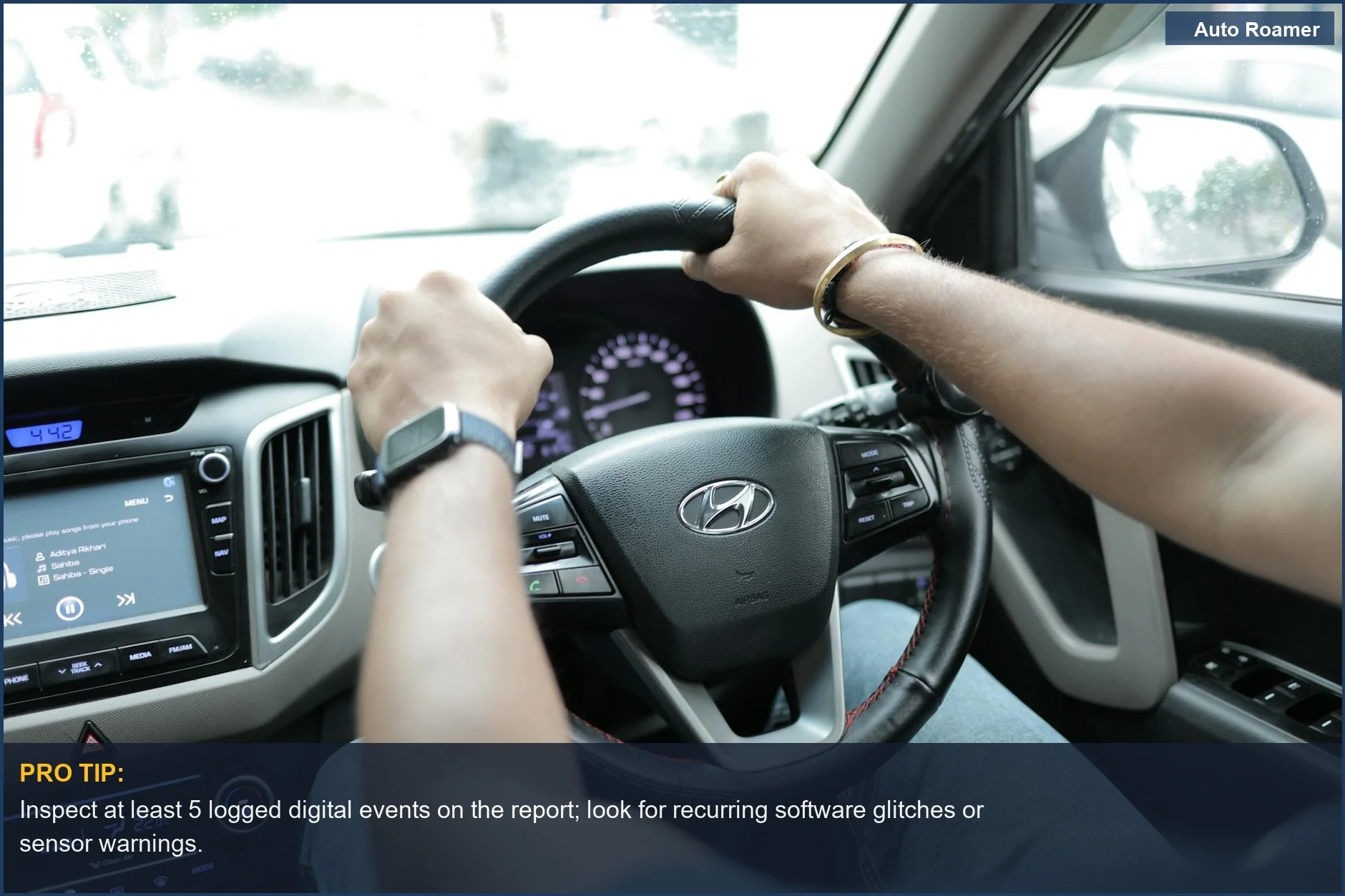
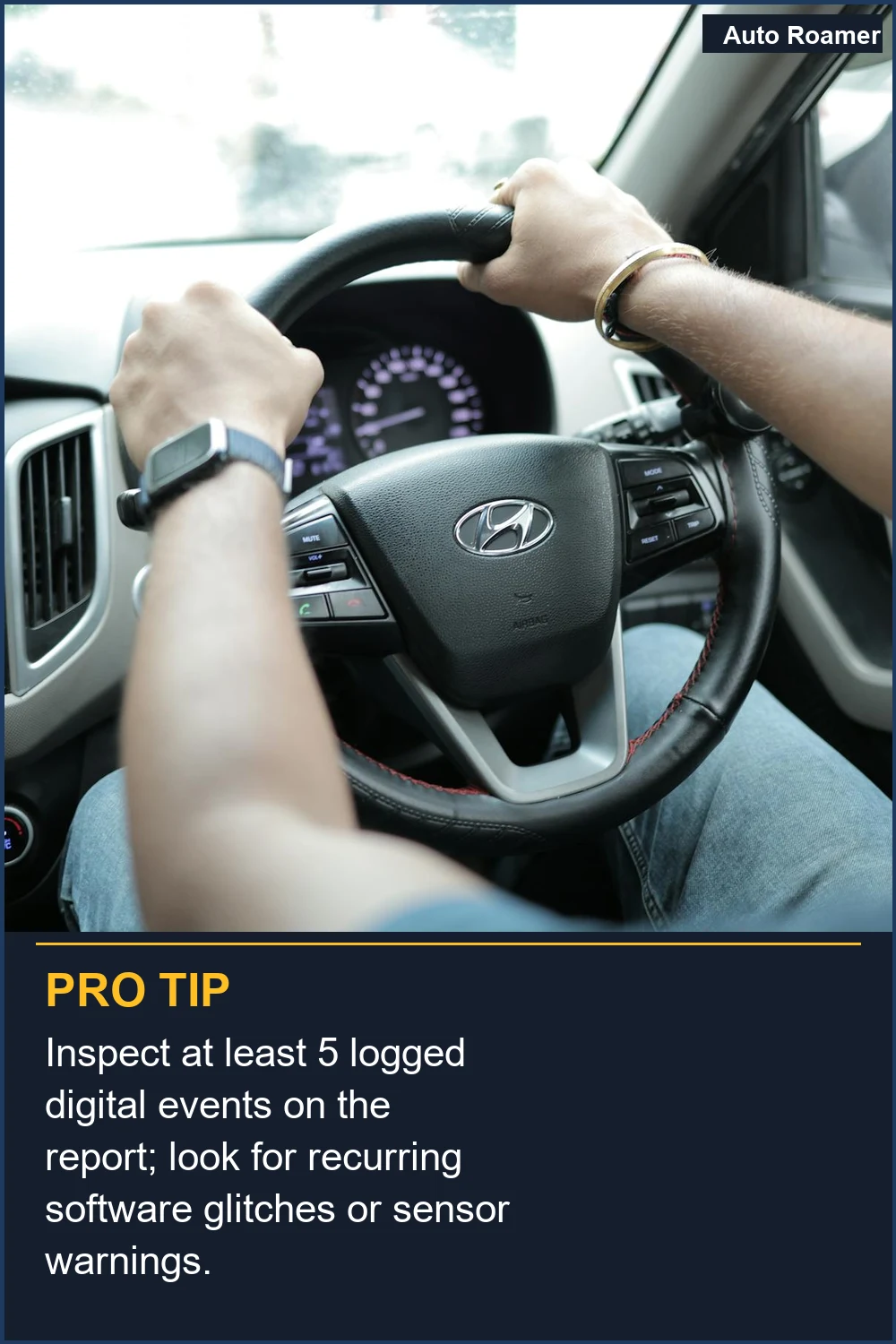
Alright, so you're looking at a used car and the latest tech trends mean more digital history to sift through. Here's how I approach it. 1. Run a Standard VIN Check (First Pass, $30-50): Get a CarFax or AutoCheck report. This is your baseline for obvious physical damage, title issues, and reported mileage discrepancies. It's a quick filter. Don't cheap out on this. This catches the big stuff like flood damage or salvage titles. 2. Request Service Records (Deep Dive, 0 Cost): Ask the seller for *all* service records, not just what's on the report. Look for patterns in diagnostic trouble codes (DTCs). If the same 'P0420 - Catalyst System Efficiency Below Threshold' code pops up every 15,000 miles, it's not a fluke. It's a failing catalytic converter or an O2 sensor with thermal cycling fatigue. The dealer might just clear it and send it out. 3. Perform an OBD-II Scan (DIY, $20-100): Buy a cheap OBD-II scanner. Connect it to the car's diagnostic port. Check for *pending* codes that haven't triggered the check engine light yet. Also, look at 'readiness monitors.' If they're all 'not ready,' the seller might have just cleared codes to hide an issue. That's a red flag for circuit integrity. 4. Inspect for Aftermarket Modifications (Visual, 0 Cost): Look for spliced wires, aftermarket alarm systems, or hardwired dashcams. These can introduce parasitic draws, ground loops, or interfere with CAN bus communication. Sketchy wiring can lead to intermittent electrical faults that will log on a report. Your smart car could be sharing information on these modifications if they cause system errors. 5. Test Drive with a Focus on ADAS (Tactile, 0 Cost): Engage adaptive cruise control, lane-keeping assist, and automatic emergency braking (if safe). Are the interventions smooth or jerky? Erratic behavior indicates sensor fusion issues, perhaps due to a misaligned radar unit (mechanical stress) or a software calibration problem (data integrity). I've seen misaligned sensors cause intermittent system failures.
What This Looks Like in Practice
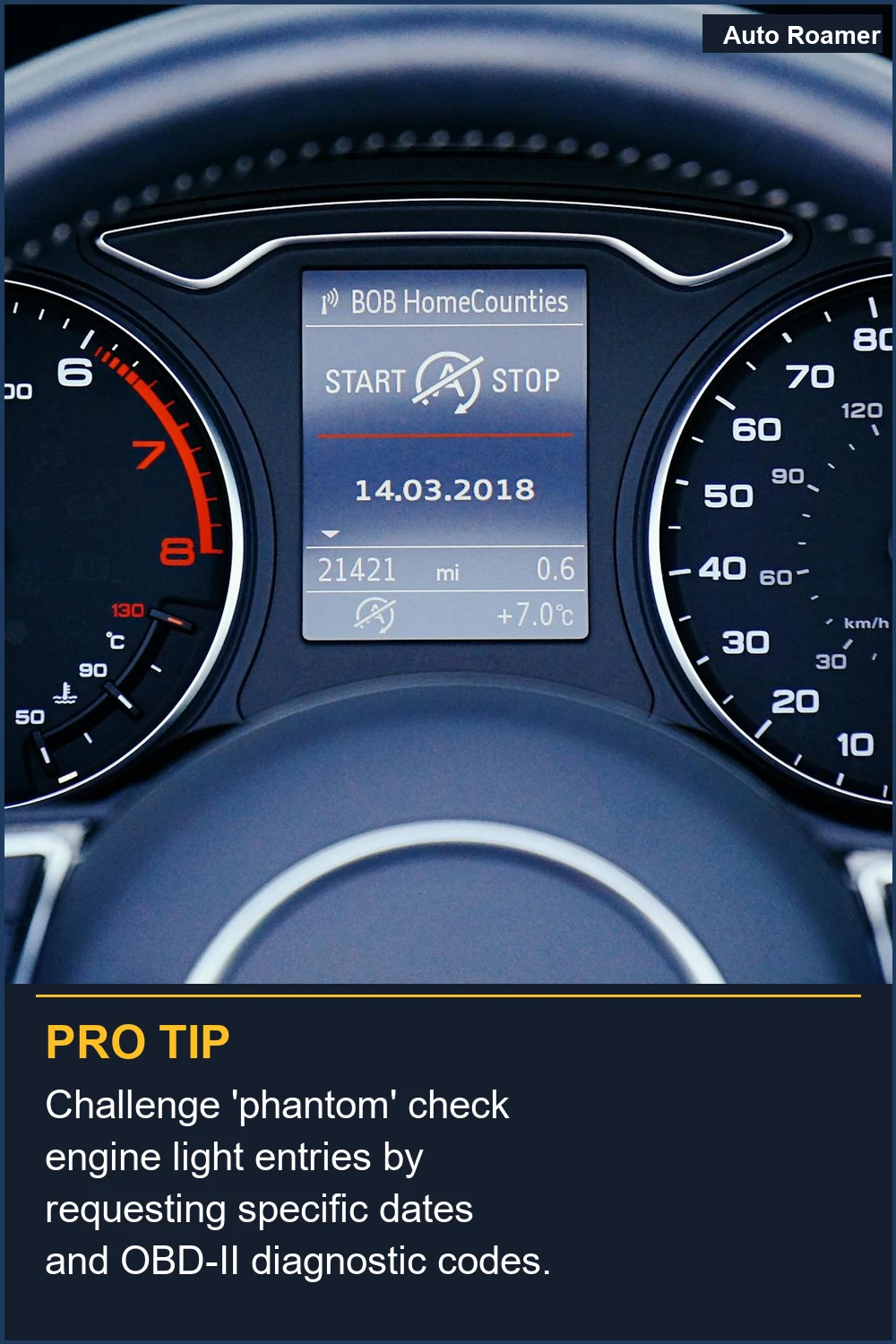
I've seen some real junk pass for 'clean' with these new reports. Here's what that smart car tech logging looks like in practice. 1. The Phantom Check Engine Light: A 2020 Subaru Outback has 3 entries for 'P0301 - Cylinder 1 Misfire' on its report. The seller says it was 'just bad gas.' My OBD-II scan shows the misfire counter for cylinder 1 is still ticking up, but the light's off. This indicates an intermittent ignition coil failure due to thermal cycling, not bad fuel. The report only shows the cleared code. Smartcar empowers businesses with reliable data, but it's still about interpretation. The mechanical stress is ongoing. 2. ADAS System Glitches: A 2022 Honda CR-V's report mentions 'Forward Collision Warning System Service' twice. The dealer 'recalibrated' it. Turns out, the windshield was replaced with an aftermarket unit, and the camera wasn't properly aligned. The report just logs the service event, not the underlying mechanical misalignment causing sensor data integrity issues. 3. EV Battery Degradation: A used 2019 Tesla Model 3 report shows 'Battery System Fault' logged at 60,000 miles, cleared after 'software update.' This could mask cell imbalance issues or early signs of anode degradation. The report doesn't detail the thermal management system's performance or individual cell voltage drift. That's critical fluid dynamics and circuit integrity data. 4. Infotainment Freezes: A 2021 Ford F-150's report has multiple entries for 'Infotainment System Malfunction.' The dealer 'reflashed' the software. This often points to a failing eMMC flash memory module, a circuit integrity problem, which will just keep freezing. The report won't show the component failure rate. A vehicle history report is the first step, but it's not the last.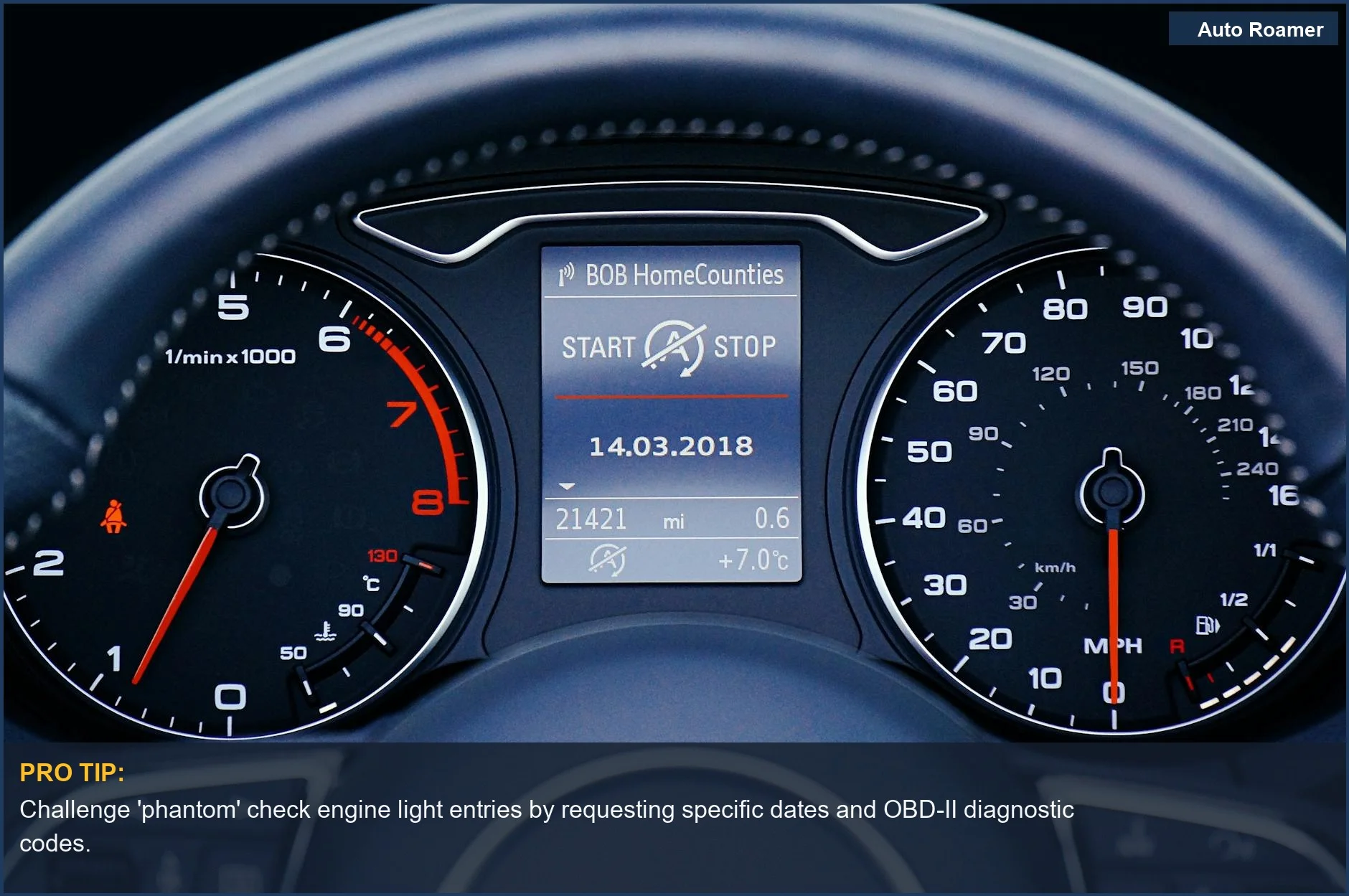
Mistakes That Cost People
People make plenty of bonehead mistakes relying solely on these reports. Don't be one of them. Here's what I see. 1. Ignoring Pending Codes: Only looking for active check engine lights on the dash. An OBD-II scan can show *pending* codes that the ECU hasn't fully confirmed yet. These are early warnings of circuit integrity issues before they become full-blown failures. Dealers use these reports to make the sale, they're not always looking out for *your* future repair bills. 2. Trusting 'Dealer Fixed' Notes: A report says 'ADAS system serviced.' What does 'serviced' mean? A simple reset? A full component replacement? If it was a misaligned radar sensor due to a minor fender bender, a 'recalibration' might not last. The mechanical stress could still be present, leading to future signal loss. 3. Overlooking Software Version Discrepancies: Not checking the current software version against manufacturer updates. If a car is several versions behind, it might have unaddressed bugs or security vulnerabilities. This suggests neglect of the digital architecture, not just the physical. It's a data integrity issue waiting to happen. 4. Assuming No Accidents Means No Damage: A report might show 'no accidents.' But what about parking lot dings, curb checks, or minor impacts that weren't reported to insurance? These can cause subtle mechanical stress to suspension components, wheel bearings, or sensor mounts. A visual inspection is still critical. 5. Ignoring Discrepancies in Service Intervals: The report shows oil changes every 15,000 miles on a car that recommends 7,500 miles. This indicates neglect of fluid dynamics and lubrication, leading to accelerated engine wear. The report doesn't spell out 'premature engine failure' but the data is there. 6. Not Verifying Odometer Readings: While reports log mileage, digital odometers can be tampered with, especially on older or less secure systems. Always compare the reported mileage with physical wear and tear inside the cabin. A 50,000-mile car shouldn't have a shredded driver's seat. That's a simple tactile check.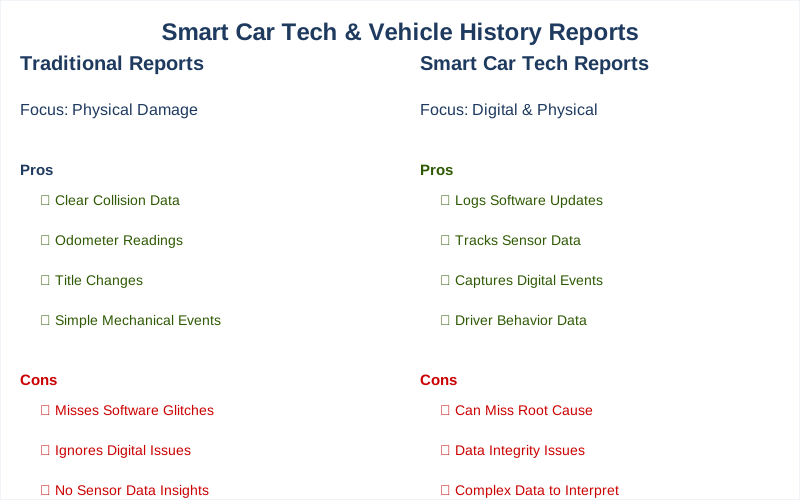
Key Takeaways
Smart car tech dumps a ton of data into vehicle history reports, but it's not a magic bullet. You're still relying on someone else's interpretation of circuit integrity, mechanical stress, and fluid dynamics.Frequently Asked Questions
My smart car's report shows 'Infotainment System Malfunction' twice. The dealer says it's a $120 reflash. Can I DIY it for less?
Do I really need an expensive OBD-II scanner, or will a $15 Bluetooth dongle work for checking codes?
What if the history report shows 'ADAS system serviced' but the system still feels jerky during adaptive cruise control?
Can frequent 'soft' electrical faults logged on a history report, even if cleared, indicate long-term damage?
Is it true that a car with a 'clean' title and no reported accidents is always a safe bet?
🏅 Looking for Gear Recommendations?
Check out our tested gear guides for products that work with this setup:
Sources
- Bumper.com Introduces AI-Powered Smart Insights for Vehicle ...
- Vehicle History Reports · Solutions - Smartcar
- Understanding Vehicle History Reports for Smart Car Purchases
- How dealers can use vehicle history reports to make the sale
- Top 5 Technology Trends Shaping Automotive Manufacturing In 2026
- Understanding Vehicle History Reports - Team Kia of Bend
- Your smart car could be sharing information about you
- Vehicle History Report – The Smart Buyer's Guide to Avoiding ...
- Consumer Reports Releases Its 2026 Automotive Brand Report ...
- Vehicle History Reports 2026: The AI Revolution - VinPassed
- Your Car May Be Spying On You. Here's How to Get It to Stop.
- 10 Tech Features Smart Car Buyers Look For in 2026 - AOL.com