
The Real Question: Which Bed Actually Sleeps Flat
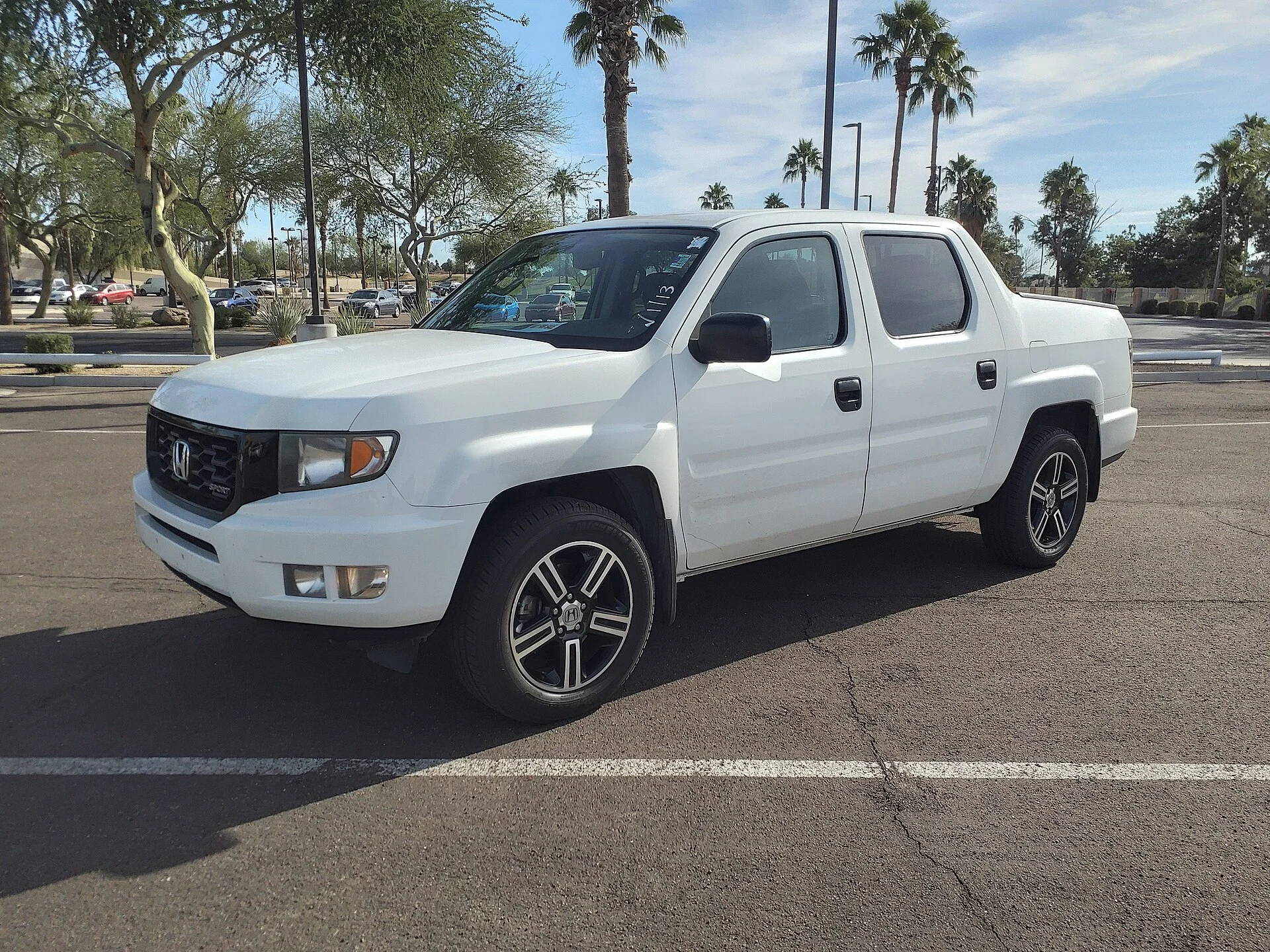
Two compact unibody pickups, two very different beds once you stop reading the badge and start reading the tape measure. Open both tailgates and the honest answer arrives fast: the Honda Ridgeline gives you more room to lie down, and it wins on the two axes that decide a flat sleep rather than the one number a brochure likes to quote.
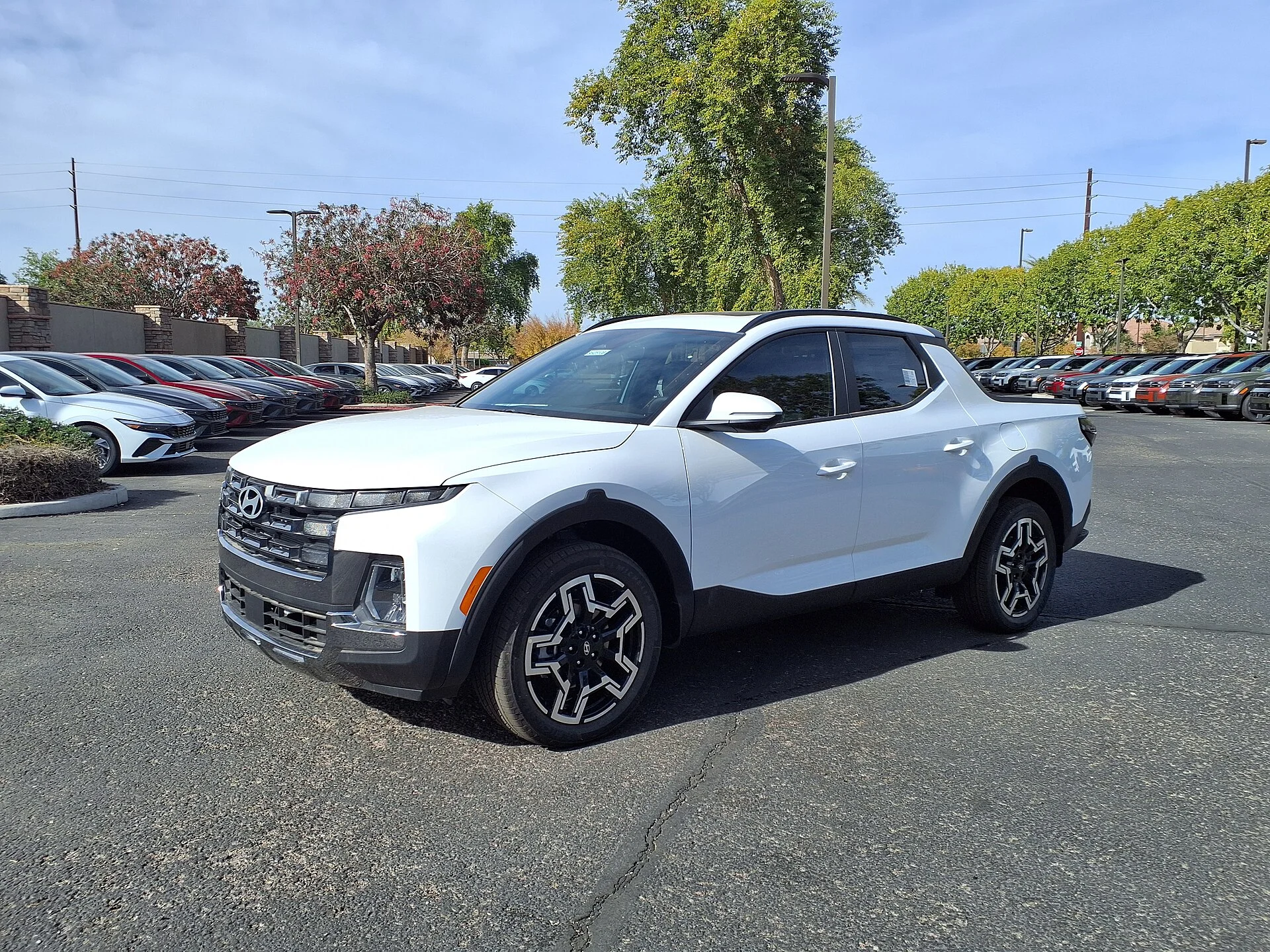
The Ridgeline bed is 64.0 inches long with the tailgate closed and 50.0 inches wide between the wheel wells. The Hyundai Santa Cruz bed is 52.1 inches long and 42.7 inches between the wheel wells. Both of those gaps favor the Honda, and both are gaps you feel with your shoulders and your feet, not gaps you have to squint at a spec sheet to notice.
That does not make the Santa Cruz a bad platform. It is shorter, but its tub is a touch deeper, and it carries clever sidewall storage that the Ridgeline answers with a locking box under the floor. The point of this comparison is to separate the numbers that change how you sleep from the numbers that just sound impressive, so you buy the bed that fits your body and your kit instead of the one with the louder marketing.
Bed Length: 64.0 Inches vs 52.1 Inches
Length is where the two trucks separate first, and it is the number a bed-camper should weigh before any other. The Ridgeline measures 64.0 inches from the cab wall to the closed tailgate; the Santa Cruz measures 52.1 inches. That is roughly 11.9 inches of extra bed on the Honda, and 11.9 inches is not a rounding error when your body is the cargo.
Neither number is long enough to stretch a tall adult fully flat with the tailgate up. A common frame of reference is a 4-foot sleeping pad at 48 inches, which both beds swallow lengthwise with room to spare, but a full-length pad pushes past the closed-tailgate figure on either truck. On the Ridgeline you are closer to fitting a compact sleeper diagonally or curling comfortably; on the Santa Cruz the closed bed is genuinely short and most owners plan to drop the tailgate.
The practical read: if you sleep on the shorter side or build a platform that uses the tailgate, either works. If you are tall and want the most bed you can get without a tailgate extension, the Ridgeline's 64.0 inches is the clear structural advantage, and it is consistent across trims rather than a feature you have to option up to. It also means less reliance on a tailgate extender or a cantilevered platform, both of which add weight and complication to a build that could stay simple. The shorter Santa Cruz can reach the same sleeping length, but only by hanging more of your body past the gate, and that is exactly where a cheap build starts to sag.
The Number That Decides It: Between the Wheel Wells
Here is the measurement most bed-camping shoppers miss, and the one this tinkerer checks first. Overall bed width sounds generous on both trucks, but you do not sleep on the overall width. Once the wheel wells intrude, the flat floor narrows, and that pinch is what your shoulders actually rest between.
The Ridgeline is 60.0 inches wide overall but 50.0 inches between the wheel wells. The Santa Cruz is 53.9 inches overall and 42.7 inches between the wheel wells. So the real, sleep-relevant gap is 50.0 versus 42.7 inches, about 7.3 inches in the Honda's favor. That is the difference between laying a 48-inch-wide sheet flat on the floor and having it ride up over the arches.
On the Ridgeline, a 4-foot-wide pad drops onto the flat floor between the wells. On the Santa Cruz, at 42.7 inches, that same 48-inch width cannot sit flat; it perches on the wheel housings or you go narrower. This is exactly the sort of spec that never makes a headline yet governs whether two people can sleep side by side. It is not a tie, and it is the single strongest reason to favor the Ridgeline for two-up bed camping.
Bed Depth: The Santa Cruz's One Structural Edge
Give the Santa Cruz its due, because it does own one dimension. Its bed is deeper. Hyundai's tub measures 19.2 inches from floor to rail, while the Ridgeline's sits at 17.0 inches. That is about 2.2 inches of extra sidewall on the shorter truck.
Depth matters less for the sleeper's body and more for what rides beside them. Taller walls contain loose gear better, hold more before a bin peeks over the rail, and give a cap or topper a hair more interior volume. If your plan is to stack totes along one side and sleep on the other, the Santa Cruz's deeper 19.2-inch walls do real work.
It is worth being honest about the trade, though. The Santa Cruz buys that depth in a bed that is both shorter and narrower where it counts. Deeper walls are a nice-to-have; length and wheel-well width are the have-to-haves for lying flat. So the Santa Cruz's edge here is real but secondary: it improves the truck as a gear hauler more than it improves it as a bedroom.
Storage Under the Floor: Two Different Answers
Both trucks try to solve the same problem, which is where camp gear goes when the bed is full of sleeper. They just solve it in opposite ways, and opening each one up tells you how much the engineers cared.
The Ridgeline's answer is the In-Bed Trunk, a lockable box molded beneath the bed floor with 7.3 cubic feet of volume and a drain plug so you can fill it with ice or hose it out. It is separate from the 33.9 cubic feet of open bed above it, which means muddy boots, a cooler, or valuables live below deck while your sleeping surface stays clear. The dual-action tailgate that drops or swings sideways is what gets you into it.
The Santa Cruz counters with a lockable under-bed compartment plus sidewall cubbies, a genuinely clever use of a small bed. Hyundai does not publish a cubic-foot figure for that tub, so treat its capacity as unstated rather than guess at it. The open Santa Cruz bed itself is rated at 27 cubic feet. Functionally both give you hidden, lockable space; the Ridgeline's is the one with a published volume and a drain, which is the kind of detail a camper notices on night three.
Power in the Bed: 400 Watts vs a 115V Trickle
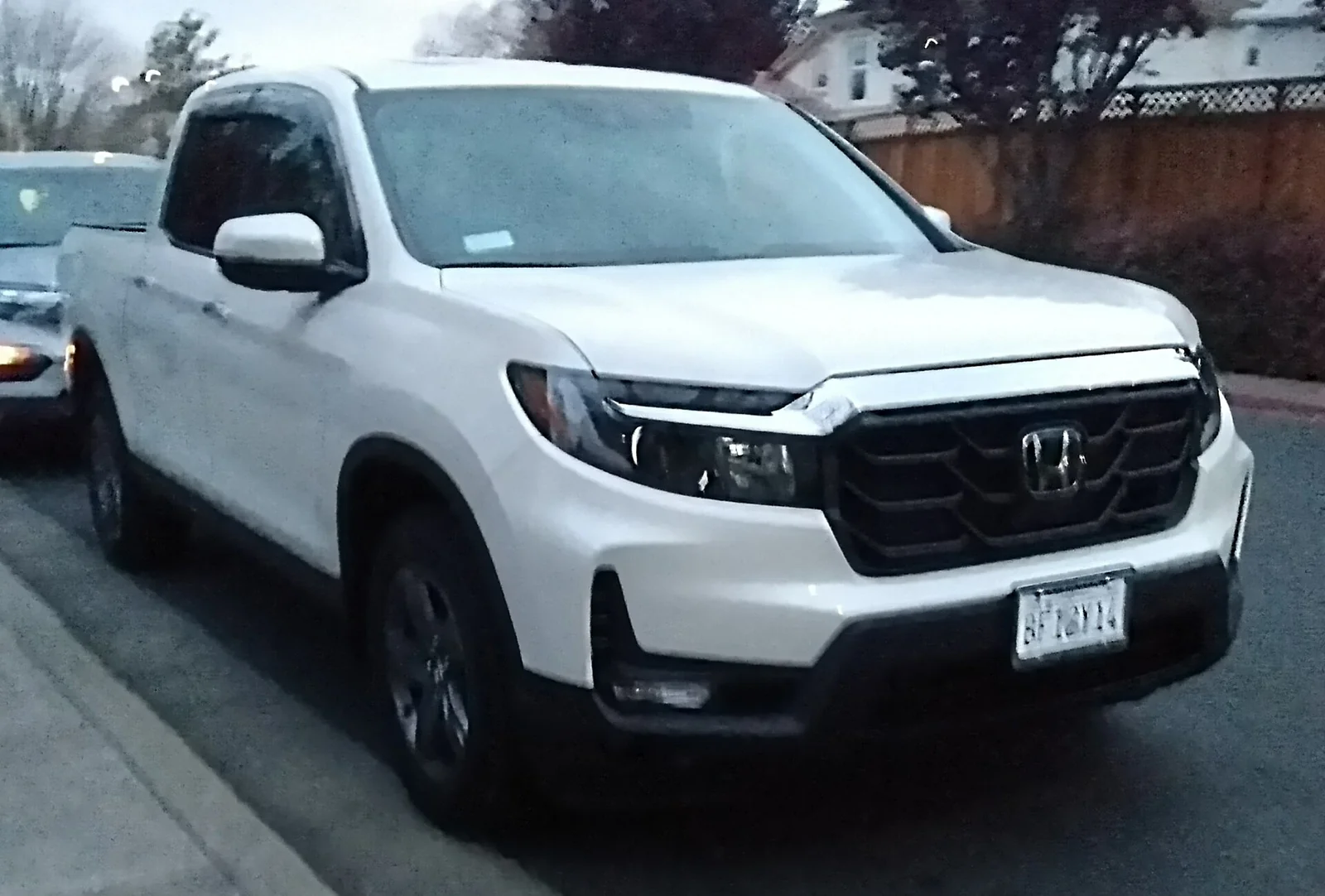
If you run any electronics at camp, the outlet spec separates these two more than their looks suggest. The Ridgeline offers an in-bed 110V/115V outlet rated at 150 watts standard, with up to 400 watts available depending on configuration. That upper figure is enough to run small tools, charge a laptop bank, or drive campsite accessories directly from the truck.
The Santa Cruz also puts a 115V AC outlet in the bed, tucked into the sidewall storage, but Hyundai publishes only the voltage. Owner reports on the Santa Cruz forums put usable output closer to 172 watts, around 1.5 amps, which is a phone-and-lights class outlet rather than a tool-running one. Treat that 172-watt figure as owner-grade, not an official rating, but the gap in class is clear enough.
For a camper the read is simple: the Ridgeline's available 400 watts is a real power source, while the Santa Cruz's outlet is a convenience for small draws. Either way you will likely add a battery pack for a fridge or a long weekend, and something like a portable power station takes the whole question off the truck. But if you want to lean on the bed outlet itself, the Honda is the one built to be leaned on.
Tie-Downs and Tailgate: Anchoring the Sleep Setup
A bed platform is only as good as what you can strap it to, and both trucks give you honest anchoring, just with different philosophies. The tinkerer's eye goes straight to how adjustable each system is, because a fixed point you cannot move is a point in the wrong place half the time.
The Santa Cruz uses a dual C-channel utility track with a rail-and-cleat system plus heavy-duty D-rings, so you can slide anchors to where your platform legs actually land. That adjustability is a genuine advantage for a custom sleep build; you tune the tie-down positions to the frame instead of the other way around.
The Ridgeline leans on integrated bed cleats and its dual-action tailgate, which drops down conventionally or swings out sideways to open the In-Bed Trunk. The swing mode is a small luxury when you are climbing in and out at night or accessing gear without dropping the whole gate. Neither system will let you down; the Santa Cruz wins on strap flexibility, the Ridgeline on getting in, out, and under.
Payload: What You Can Actually Load
Payload is the number people forget until the truck is full of two adults, a platform, water, and a week of food. Both of these are compact pickups, so their ratings are respectable rather than heavy-duty, and both land in the same broad neighborhood.
The Ridgeline carries roughly 1,509 pounds in typical trim, though the exact figure varies with drivetrain and options. The Santa Cruz ranges from about 1,411 pounds in its front-drive configuration up to around 1,609 pounds on a 2022 Limited all-wheel-drive build. So depending on which trims you compare, the Santa Cruz can actually edge ahead or fall behind. The honest takeaway is that neither wins payload by a margin a camper would feel.
Whichever you choose, the door-jamb sticker is the only number that counts for your specific truck, because a heavier trim eats into the rating. For most bed-camping loads, a sleeper, bedding, a cooler, water, and gear sit well under either figure. Payload is a tie you should verify on the sticker, not a deciding factor between these two.
Which One Fits Your Camp
Match the truck to how you actually sleep and haul, and the choice gets simple. If you camp two-up, or you are tall, or you want to lay a full-width pad flat without it climbing the wheel wells, the Ridgeline is the answer. Its 64.0-inch length and 50.0-inch wheel-well width are the two specs that make a bed a bedroom, and it backs them with a published 7.3-cubic-foot locking trunk and a real 400-watt outlet.
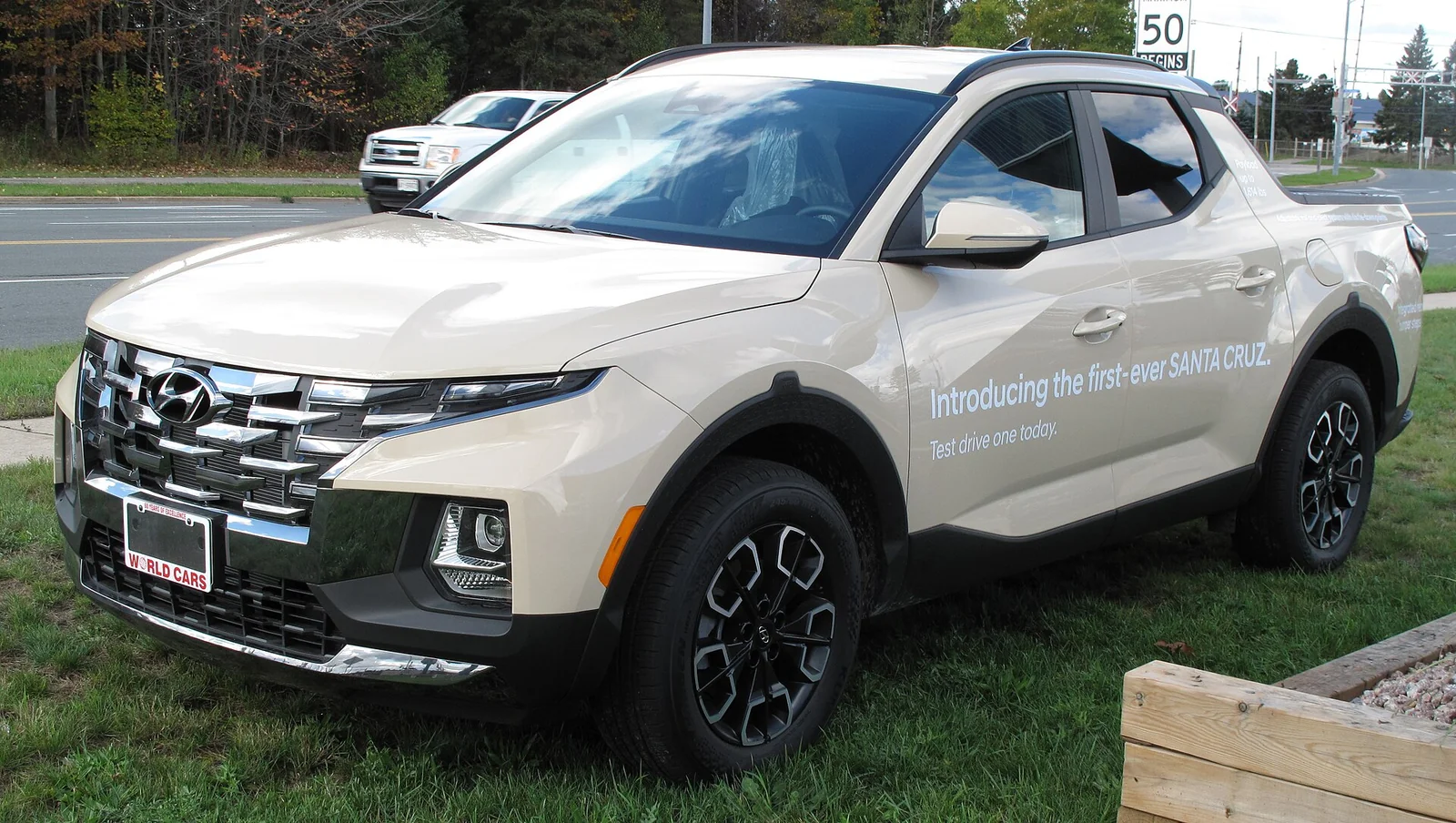
If you camp solo, value a tighter footprint for daily driving, and want the deeper 19.2-inch walls and adjustable C-channel tie-downs for a tidy custom build, the Santa Cruz makes a strong case. It is the more maneuverable truck and the more clever small bed, and for one sleeper the shorter length matters less.
The pattern is the one you find whenever you open something up instead of trusting the label: the truck that measures better where your body goes is the Ridgeline, and the truck that packs more thought into a smaller box is the Santa Cruz. Pick the priority that describes your trips, and the spec sheet stops being a wall of numbers and becomes a clear recommendation.
The Verdict: Ridgeline for Flat Sleep
Strip the two beds down to what a sleeper feels and the Ridgeline wins the head-to-head for truck-bed camping. It is longer at 64.0 inches versus 52.1, and wider where it counts at 50.0 inches between the wheel wells versus 42.7 - the two measurements that decide whether you lie flat and whether a second person fits beside you. It adds a published 7.3-cubic-foot locking In-Bed Trunk and an available 400-watt outlet on top.
The Santa Cruz is not beaten so much as different. Its bed is deeper at 19.2 inches, its C-channel tie-downs are more adjustable, and its under-bed storage is genuinely smart, all wrapped in a smaller, easier-to-live-with truck. For a solo camper who prizes maneuverability and a deeper tub, it is a fair pick.
But the question was which one sleeps better, and on the numbers that govern sleep, the Ridgeline is the honest choice. Buy the Santa Cruz because you love the package and camp light; buy the Ridgeline because you want the most flat, side-by-side bed space a compact truck will give you. Either way, measure your own pad against the wheel-well width before you build - that is the number that will surprise you.