
The Roof Number Almost Everyone Gets Wrong
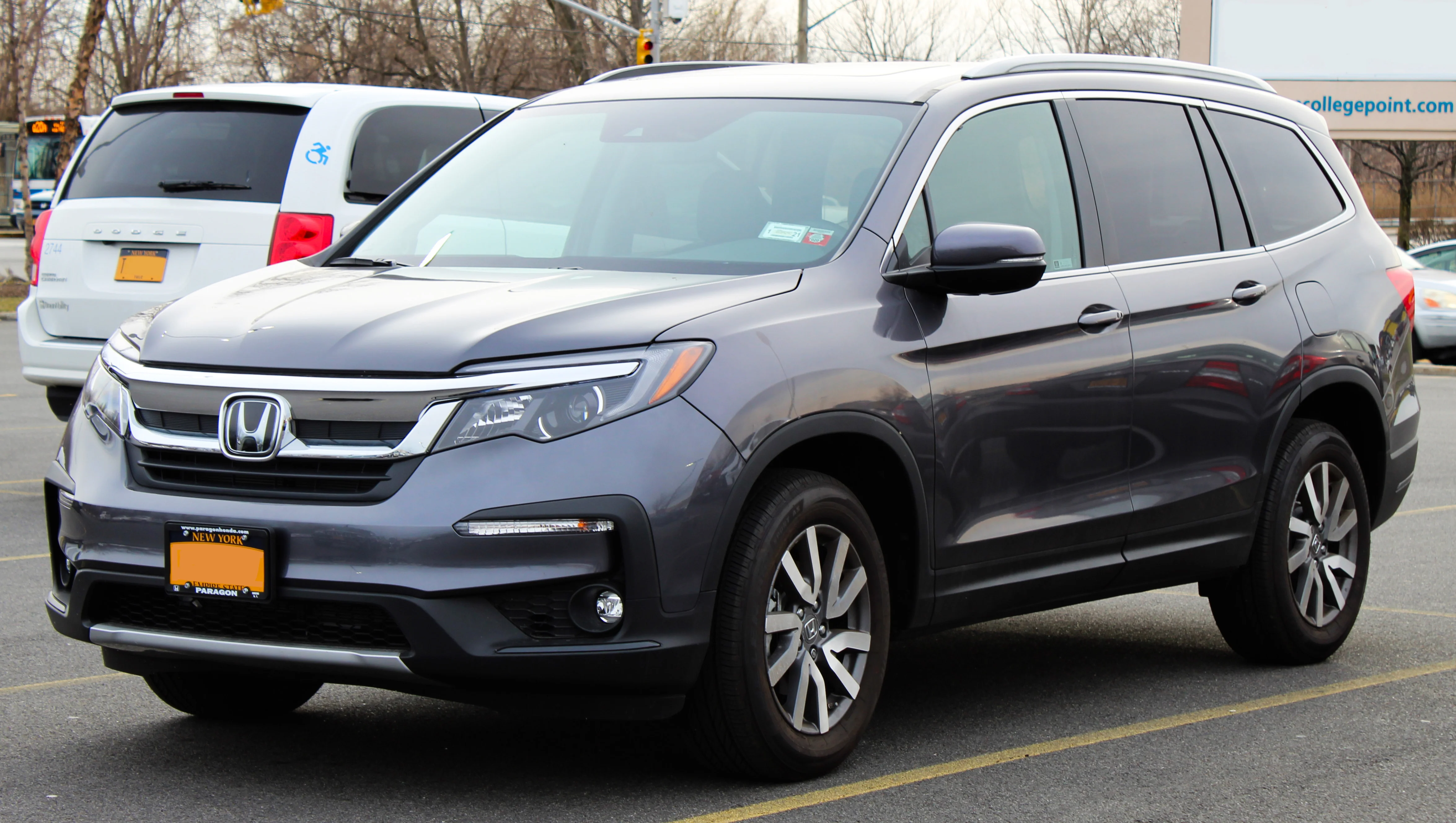
Two hundred miles from the nearest parts store, the last thing you want to learn is that the rooftop tent you have been driving on was never rated for the road. The Honda Pilot's OEM roof rails and crossbars carry a maximum dynamic load of 165 lb — the weight allowed while the vehicle is moving — and that single number governs more than most owners realize.
It is a smaller figure than people expect from a big three-row SUV, and it is the one that actually matters when you bolt a rooftop tent or a loaded cargo box up top. The mistake I see again and again is treating the roof like it will hold whatever fits. It will not, at least not while you are driving down the interstate at speed.
The confusion comes from a real distinction: a roof can support far more weight parked than it can safely carry in motion. Those are two different numbers, and conflating them is how people end up over the dynamic limit without knowing it — the failure mode that matters when you are far from help and moving fast.
Everything here traces to Honda's stated roof-load figure and the published owner discussion, described impersonally and honestly labeled where a number is an owner estimate rather than a factory spec. I have not load-tested a specific Pilot roof; I am reading the rating the way you should read it before you trust your gear to it a long way from a shop.
Dynamic vs Static Load: The Distinction That Strands People
Here is the single most important concept for anyone putting weight on a roof, and it is why the Pilot's 165-lb figure confuses people. Dynamic load is the weight the roof can carry while the vehicle is in motion. Static load is the weight it can hold while parked and still. They are not the same, and the gap between them is enormous.
The 165-lb Pilot rating is the dynamic limit — the driving limit. It is conservative on purpose, because a moving vehicle subjects the roof to far more than the dead weight of the load: braking throws it forward, cornering loads it sideways, and every bump multiplies the force through the crossbars. The rating accounts for those dynamic forces, which is why it is lower than the raw strength of the roof.
Static capacity is much higher, because a parked roof only carries the steady weight sitting on it. Honda does not publicly specify an official static limit for the Pilot separate from the dynamic number, and owner discussion estimates it at roughly 600 lb — but I want to be honest that this 600-lb figure is an unofficial owner estimate, not a Honda specification. Treat it as a rough sense of scale, not gospel.
Why does the distinction strand people? Because rooftop-tent makers advertise a static, sleeping-in-it capacity, and buyers assume that means they can drive with the same weight. They cannot. What you can sleep on parked and what you can legally, safely drive with are two different numbers, and the driving one — 165 lb on the Pilot — is the one that governs the highway.
What the 165-lb Dynamic Limit Actually Covers
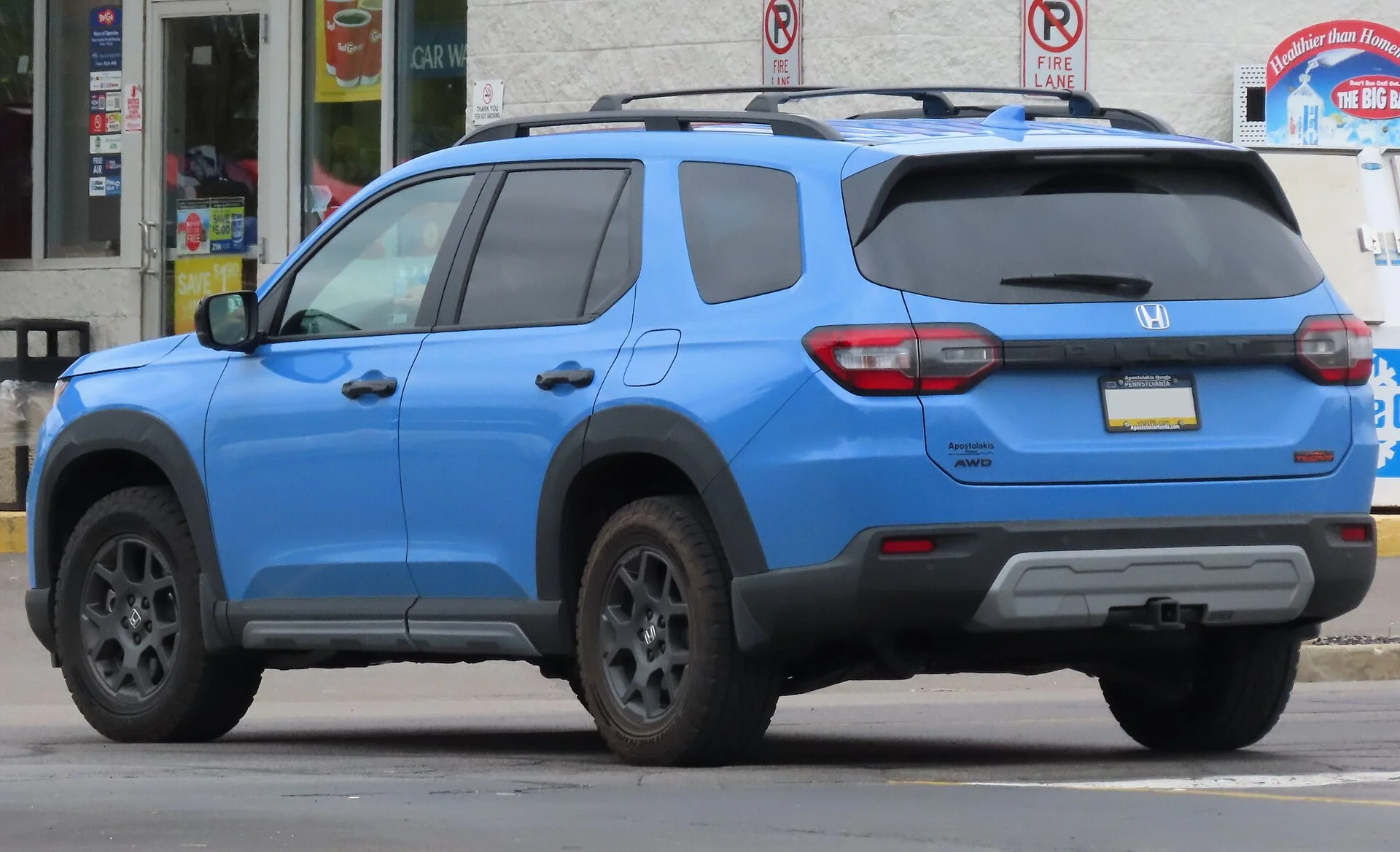
Let's be precise about what the 165-lb dynamic rating includes, because it is everything on the roof, not just the fun part. The limit covers the combined weight of the crossbars, the mounting hardware, and whatever you strap on top — cargo box, tent, kayak, or bag. The rack itself is part of the budget, not separate from it.
That framing changes the math immediately. If your crossbars and mounting feet weigh a meaningful amount, that weight comes off the 165 lb before you add any gear. Aftermarket bars in particular can be heavier than the factory rails, and every pound of hardware is a pound you cannot spend on your tent or cargo.
The rating is also a moving-load rating, which means it assumes highway speeds, wind, and road inputs. A load that sits fine at 165 lb on a smooth road is being asked to handle real dynamic forces the moment you brake hard or take a mountain curve. That is exactly why Honda keeps the number conservative — it is protecting against the worst moment, not the average one.
The overlander's read is to treat 165 lb as a hard ceiling for everything up top combined, and to leave margin below it rather than loading to the edge. Weight on the roof behaves worse than weight anywhere else on the vehicle, so the smart move is to keep the roof for light, bulky items and put your heavy gear down low where it belongs.
Rooftop Tents: Why the Empty Tent Eats Your Budget
This is where the 165-lb dynamic limit collides hardest with reality, because rooftop tents are heavy before anyone climbs in. A hard-shell rooftop tent can weigh a substantial fraction of the Pilot's entire dynamic budget empty, and softshell tents are not light either. The tent alone can consume most of your 165 lb before you add a mattress, bedding, or gear stored inside.
Do the honest accounting the way an overlander should. Subtract the crossbars from 165 lb, then subtract the empty tent weight, and see what is left. On many hard-shell tents, what remains is little to no margin for the extra items people assume they can drive with in the tent. You do not carry your bedding and gear up top while driving; you load them once parked.
Here is the crucial safety point: the tent's advertised capacity — often quoting how many adults can sleep in it — is a static, parked figure. That capacity applies when you are camped, not when you are driving. While driving, only the tent's empty weight plus the crossbars counts against the 165-lb dynamic limit, and occupants never ride up there. Confusing the sleeping capacity with the driving limit is the classic and dangerous mistake.
So before you buy a rooftop tent for a Pilot, weigh the decision against the dynamic budget, not the sleeping capacity. A lighter softshell or a compact hard-shell that leaves margin under 165 lb with your crossbars installed is the safe choice. The failure mode of ignoring this is a roof loaded past its driving rating on the very highway miles where dynamic forces are highest.
Static Load: Why You Can Still Sleep Up There
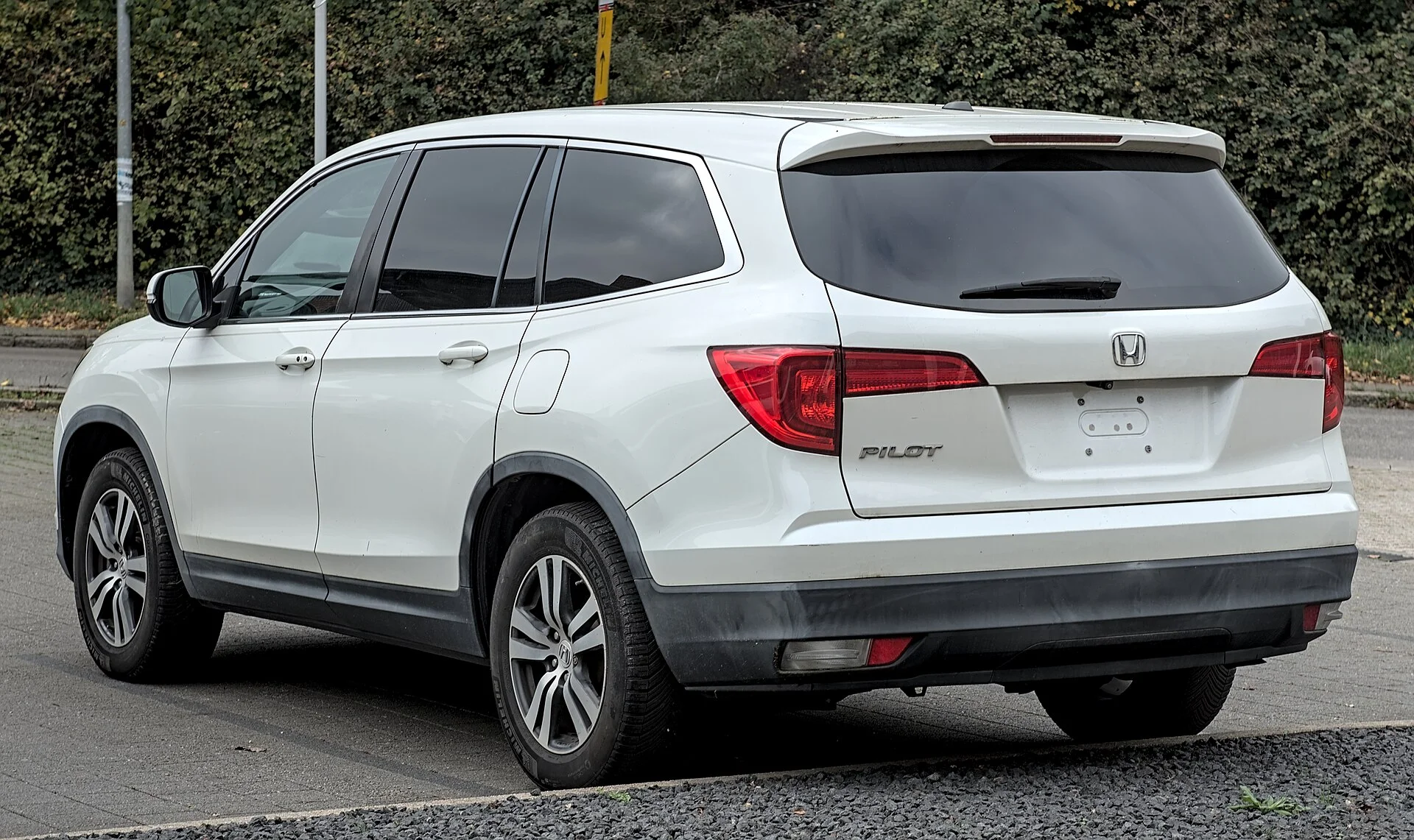
Given how tight the 165-lb dynamic limit is, new rooftop-tent owners sometimes panic that the roof cannot hold them while they sleep. It can, and this is where the static-versus-dynamic distinction works in your favor. Parked, the roof carries far more than 165 lb, which is why two adults can sleep in a rooftop tent that would be over the driving limit if it were moving.
The reason is the same physics in reverse. A parked roof only supports the steady, downward weight of the tent and its occupants, with none of the braking, cornering, and bump forces that a moving vehicle adds. Owner estimates put the Pilot's static capacity in the neighborhood of 600 lb — again, an unofficial figure, not a Honda spec, so treat it as a rough scale rather than a target to load to.
What this means practically is that the sequence matters. You drive with only the empty tent and crossbars against the 165-lb dynamic limit, then park, set up, and load the tent with people and bedding under the much higher static capacity. The heavy occupation happens at rest, never in motion, which is exactly how rooftop tents are designed to be used.
The honest caveat is that static capacity is not officially published, so you should not push it toward any specific number. Use the roof for sleeping within sensible limits — the tent's own occupant rating is your practical guide when parked — and never assume the parked capacity gives you room to drive with more. The dynamic limit still owns every mile you travel.
OEM vs Aftermarket Crossbars: The Lower Number Wins
The Pilot's 165-lb figure applies to the OEM roof rails and crossbars, and the moment you change the hardware, you have to think about two ratings at once. Aftermarket crossbar systems carry their own load ratings, and the weight you can safely carry is the lower of the two — the vehicle's roof rating and the crossbar's rating.
This trips people up because a beefy aftermarket bar advertised with a high capacity does not raise the Pilot's roof limit. The vehicle's structure still governs. A crossbar rated for far more than 165 lb mounted on a Pilot still leaves you at the vehicle's dynamic ceiling, because the roof and its mounting points, not the bar, are the constraint.
It can also cut the other way. A lightweight or lower-rated aftermarket bar can have a capacity below 165 lb, in which case the bar becomes the limit and you must respect its lower number. Always find both ratings and obey the smaller one, exactly the way you would honor the lower of a vehicle and a hitch rating when towing.
The overlander's discipline here is to read the fine print on any rack system before trusting it with a tent. Match the crossbar's dynamic rating to your intended load, confirm it is compatible with the Pilot's rails, and remember that heavier bars eat into the same 165-lb budget. Good hardware is worth it, but no hardware raises the number the vehicle's own roof can carry down the road.
How Weight Up High Changes the Way the Pilot Drives
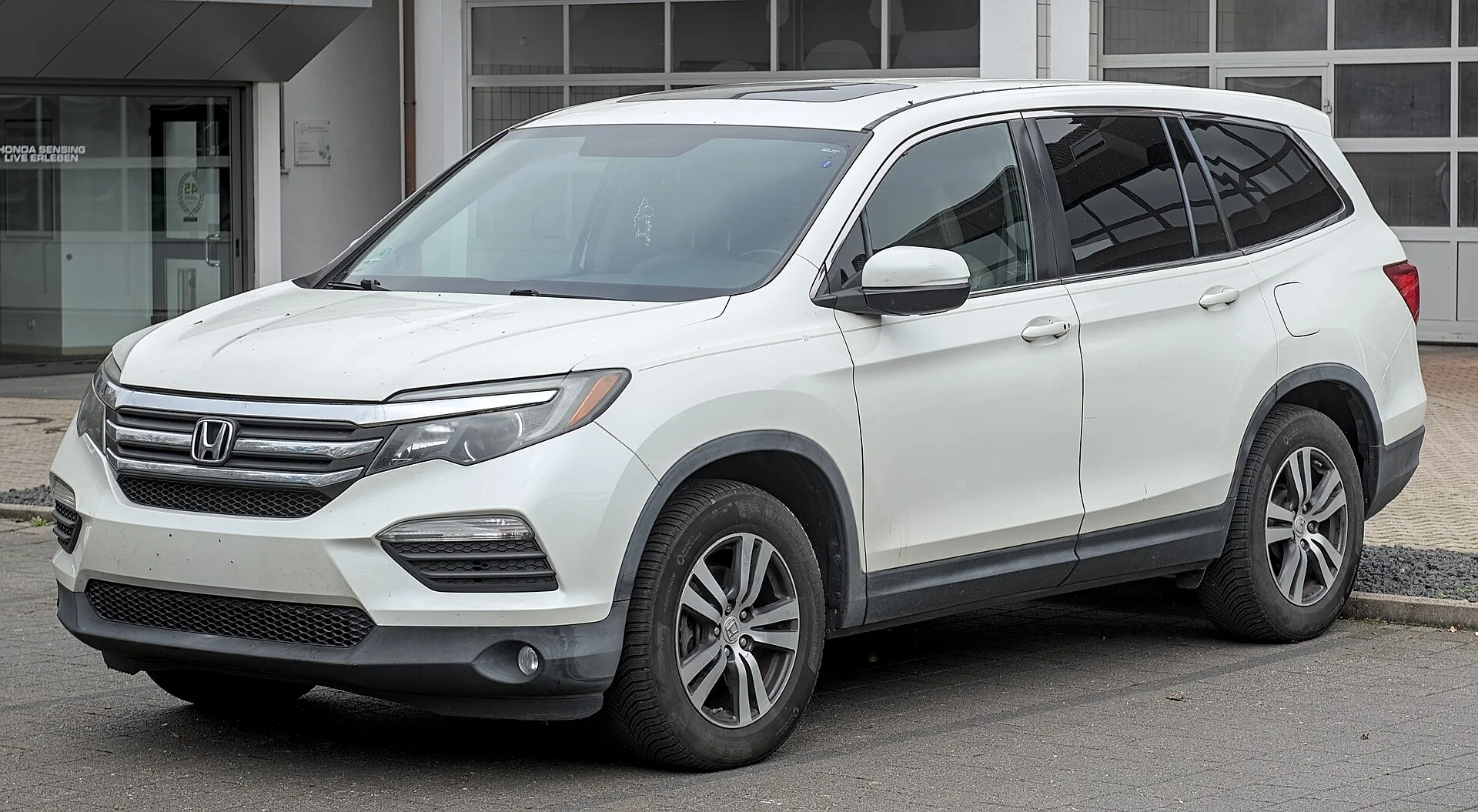
Beyond the raw limit, there is a reason to keep the roof light that has nothing to do with the number: weight up high changes how the vehicle handles, and not for the better. Even a legal load within the 165-lb dynamic limit raises the Pilot's center of gravity, and that shows up in every corner and crosswind.
The effects are real on a long trip. A loaded roof makes the vehicle lean more in curves, feel less settled in crosswinds, and require more distance to react in an emergency maneuver. A tall rooftop tent acts like a sail, catching wind that tugs the steering, and it noticeably raises fuel consumption from the added drag. None of that is dangerous within limits, but all of it asks for a calmer driving style.
This is why the overlander's rule is to put heavy gear low and keep the roof for light, bulky items. Water, batteries, tools, and food belong in the cargo area near the floor, where their weight barely affects handling. The roof is for the tent, sleeping bags, and light bulky things — not the heavy stuff that would both blow the budget and raise the center of gravity.
Drive a roof-loaded Pilot accordingly: slower in crosswinds, gentler in corners, and with more following distance. The 165-lb limit keeps you structurally safe, but the way you drive keeps you actually safe. Respect both the number and the physics of weight up high, and a rooftop setup on the Pilot is a genuine pleasure rather than a white-knuckle liability.
Sizing a Cargo Box or Kayak Instead of a Tent
Not everyone wants a rooftop tent, and the 165-lb dynamic limit shapes the other roof loads too. A rooftop cargo box is a popular choice, and here the accounting is friendlier: an empty cargo box weighs far less than a hard-shell tent, so more of your 165 lb is available for the gear inside it.
Still, the same combined-weight rule applies. The box, the crossbars, and the contents together must stay under 165 lb while driving. It is easy to overload a big cargo box, because it swallows bulky gear that quietly adds up, so weigh what you load rather than filling it until it is full. A box that fits the gear is not the same as a box that stays under the limit.
Kayaks, bikes, and other long items are usually light enough that the dynamic limit is not the binding constraint, but the crossbar rating and secure attachment become the priority instead. A kayak that is well within the weight limit still has to be strapped so it cannot shift under braking or lift in the wind, because a loose roof load is a hazard regardless of its weight.
The overlander's approach is to match the roof accessory to the trip and always weigh the loaded total. For gear hauling, a cargo box within the 165-lb budget is efficient and keeps the cabin clear. A quality rooftop cargo box sized for an SUV pays off on long trips, as long as you respect that everything up top shares the same conservative driving limit.
The Verdict: Respect the Driving Limit, Sleep on the Static
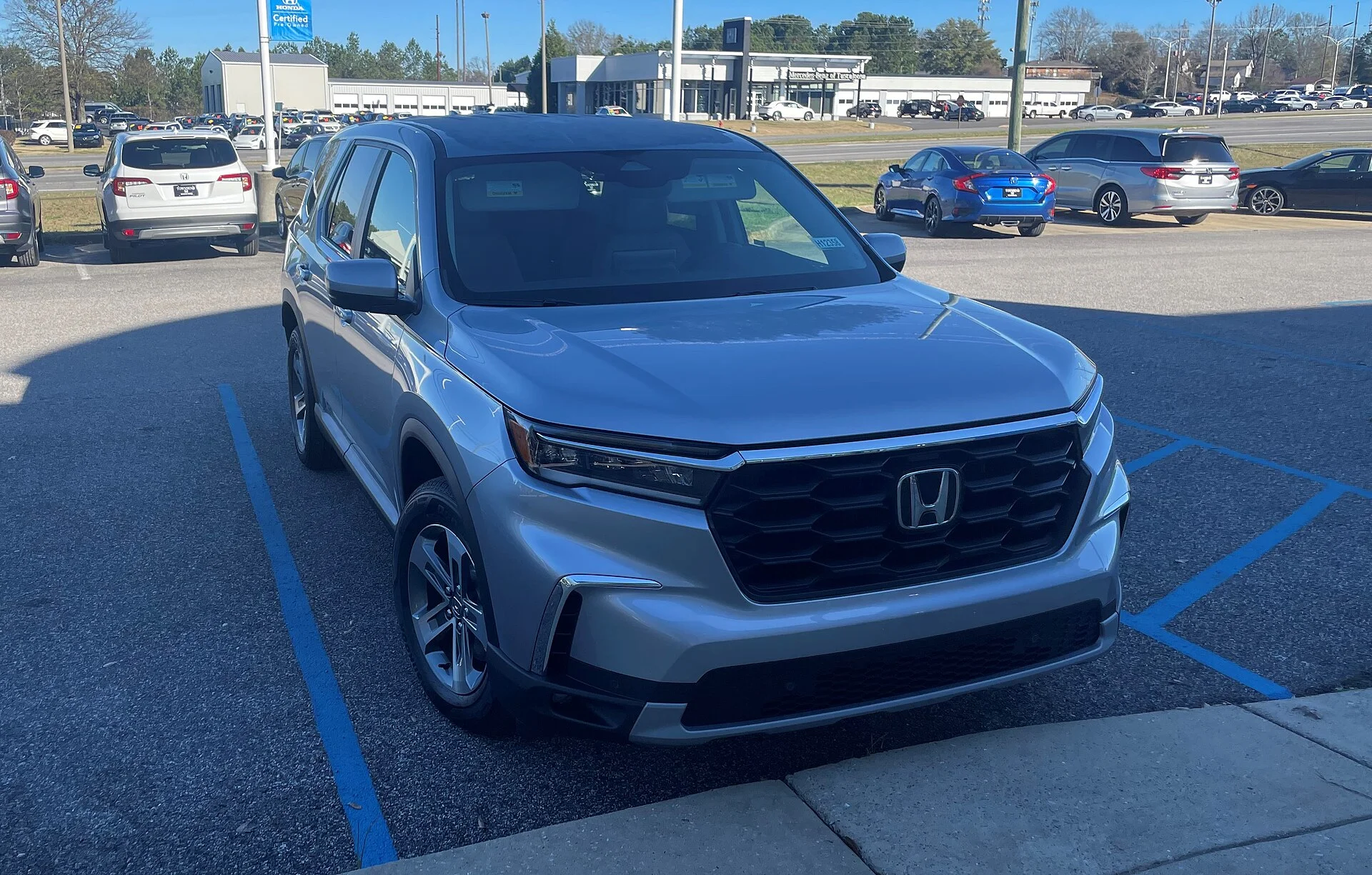
The Honda Pilot makes a capable rooftop platform once you understand the one number that governs it: the 165-lb dynamic load limit for the OEM rails and crossbars. That is the weight allowed while driving, it includes the bars and hardware, and it is conservative on purpose because a moving roof faces forces a parked one never does.
The distinction to carry with you is dynamic versus static. You drive within the 165-lb dynamic limit — empty tent plus crossbars, or a cargo box and its contents — and you sleep or load under the much higher static capacity once parked, which owners estimate around 600 lb but Honda does not officially publish. Never confuse a rooftop tent's sleeping capacity with the weight you can drive with; they are different numbers.
Practically, that means choosing a rooftop tent light enough to leave margin under 165 lb with your crossbars installed, keeping heavy gear low in the cargo area, honoring the lower of the vehicle and crossbar ratings, and driving gently with any load up high. Do that and the Pilot carries a tent or a box safely for years. Ignore the dynamic limit and you are gambling with a loaded roof on the exact highway miles where the forces are highest — a long way, usually, from anyone who can help.