

The two cargo numbers that decide whether you sleep flat in an Element
The Honda Element is one of the rare small SUVs that was practically designed to be slept in, and the reason lives in two published numbers and one quirk most guides skip. Honda lists 25.1 cubic feet of cargo space behind the upright rear seats and 74.6 cubic feet with the rear seats folded and the front seats slid forward — numbers that punch far above a vehicle only 169.3 inches long, because the Element is a tall, square box rather than a sloped crossover. That boxiness is the whole point: where most SUVs fight you with a curved roofline and a humped floor, the Element gives you near-vertical walls and a floor that sits low and flat.
The quirk is that the Element has TWO very different sleeping floors. With the rear seats folded down you get roughly 67 inches of length — short for a tall adult. But the Element's rear seats fully REMOVE in a couple of minutes, and with them out and the front seats forward the floor opens to about 80 inches, long enough for a six-footer to stretch out flat. Knowing which configuration you are measuring is the difference between “I curl up” and “I sleep like I'm home.” This guide gives every published Element figure, flags the one you should still confirm with a tape, and walks the full sleeping setup that turns the boxy hold into a flat bed.
Honda Element cargo and interior figures, from the spec sheet
Here is what Honda and the major spec databases publish for the Element (2003–2011; final-generation figures), with the configuration spelled out so you don't compare the wrong floor:
| Spec | Figure | Configuration / note |
|---|---|---|
| Cargo volume, rear seats up | 25.1 cu ft | behind the second-row seats (AWD trims ~26.0) |
| Cargo volume, rear seats folded | 74.6 cu ft | to the front seats (AWD trims ~77.1) |
| Floor length, rear seats folded | ~67 in | tailgate to folded seatbacks — short for a tall adult |
| Floor length, rear seats removed | ~80 in | seats out, front seats forward — the real sleeping floor |
| Width, widest point | ~52 in | at the beltline / mid-cargo |
| Width between the wheel wells | ~39–46 in | narrows at the wheel housings — the limit for a wide pad |
| Overall length / width / height | 169.3 / 71.5 / 70.4 in | tall, square body — lots of headroom over the floor |
| Seating / configurations | 4 seats / 64 layouts | Honda's count; rear seats fold, flip up, or fully remove |
Two figures matter most to a sleeper. The 70.4-inch overall height is unusually tall for a small SUV, so there is real sit-up headroom over the load floor — you are not slithering in. And the rear seats are removable, not just foldable, which is the Element's signature trick: pull them and the floor goes from cramped to genuinely flat and long. The catch is width. The body is wide overall, but the usable bed pinches to roughly 39–46 inches between the rear wheel housings, so two adults sleep cozy rather than spacious; measure that narrow point before you buy a wide pad.
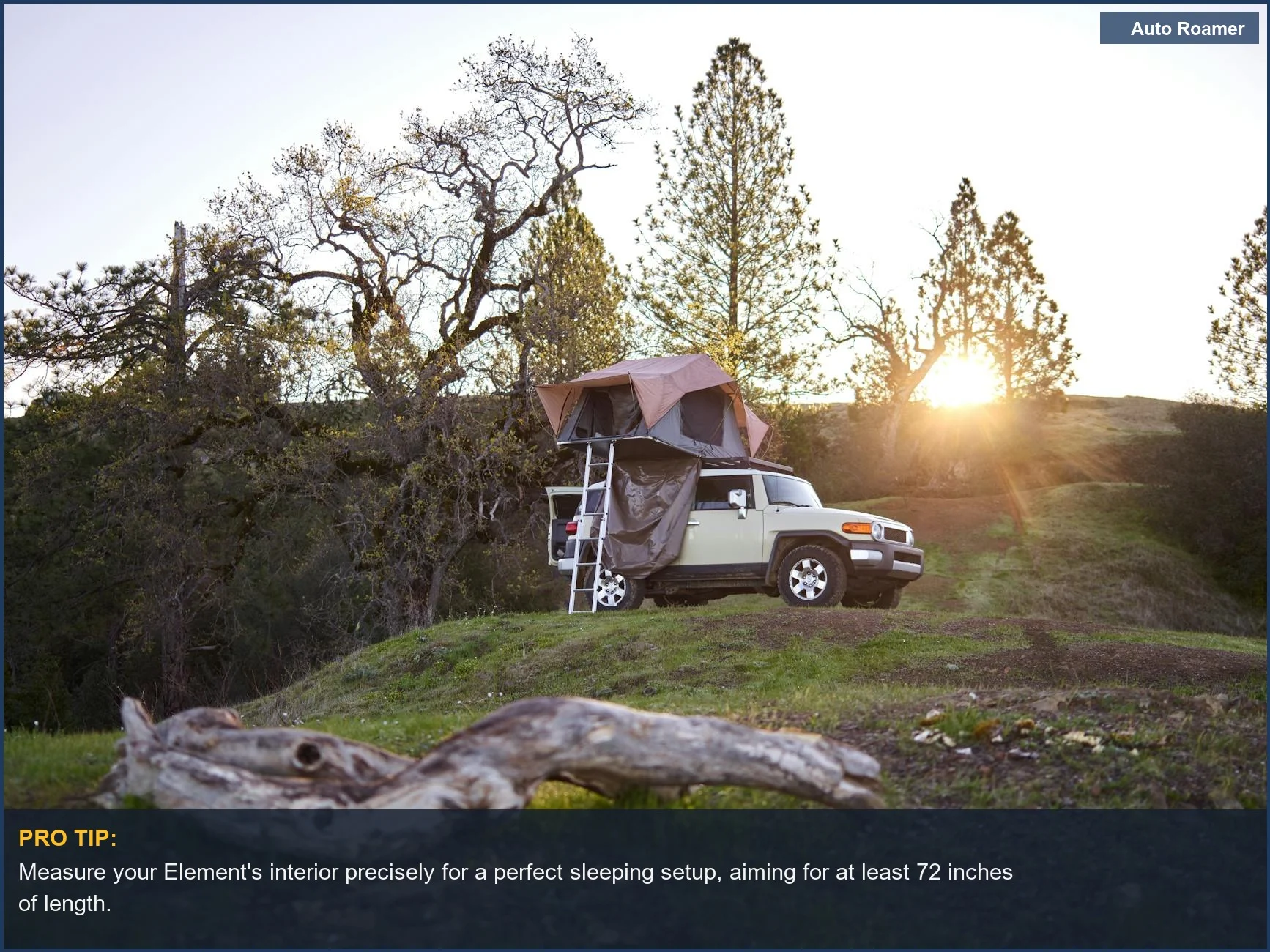
Does a twin, full, or queen mattress fit in a Honda Element?
This is the question that brings most people here, so here are the real numbers against standard mattress sizes. A standard twin is 38 by 75 inches, a full (double) is 54 by 75, and a queen is 60 by 80. The Element's sleeping floor is about 80 inches long with the rear seats removed and roughly 39–46 inches wide at the narrow point between the wheel wells.
That means a twin fits length-wise and width-wise once the rear seats are out — 38 inches of width clears the wheel-well pinch and the 75-inch length sits comfortably inside the ~80-inch floor. A full or queen does NOT lie flat: at 54 to 60 inches wide, both are far too wide for the 39–46-inch usable width and will ride up the wheel wells into a taco shape. The honest move for two people is a pair of narrow pads (two 20–25-inch sleeping pads side by side) or a cut-to-fit foam mattress sized to the actual floor, not a rectangular queen forced into a non-rectangular space.
One more honest caveat: with the rear seats FOLDED rather than removed, the floor drops to about 67 inches — shorter than a 75-inch twin. So if you want to sleep full-length you almost always have to take the rear seats out, which on the Element is a genuine two-minute job, not a wrestling match. The owner community's long-standing figure of roughly 78 inches of usable sleeping length (rear seats out, front seats forward) is the number to plan around — enough for a six-footer, confirmed by owners who camp in theirs regularly. Run a tape from the closed tailgate to the front seatbacks on the specific car you are buying, because seat wear and floor mats shave an inch here and there.
Computed fit: every dimension this page states, run against the page's own ceiling on the same axis. Nothing here is a spec-sheet import — it is arithmetic on figures this page already states (80 inches, 39–46-inch, 78 inches, 75-inch, 67 inches, 60 inches, 52 in, 46 inches). The formula is the plain one: margin = the page’s stated ceiling on that axis − the figure. Each row subtracts on ONE axis only, and a figure the page never labels by axis is left out rather than guessed at.
| What the page states | Figure | Axis | Ceiling this page states | Margin |
|---|---|---|---|---|
| The owner community's long-standing figure of roughly 78 inches of usable sleeping length… | 78 inches | long | 80 inches | 2 in spare |
| …inches of width clears the wheel-well pinch and the 75-inch length sits comfortably inside the ~80-inch floor | 75-inch | long | 80 inches | 5 in spare |
| With the rear seats folded down you get roughly 67 inches of length… | 67 inches | long | 80 inches | 13 in spare |
| …at 54 to 60 inches wide… | 60 inches | wide | 39–46-inch | over by 21 in |
| …widest point ~52 in at the beltline / mid-cargo Width between the wheel wells ~39–46 in narrows at the wheel… | 52 in | wide | 39–46-inch | over by 13 in |
| …80 inches long with the rear seats removed and roughly 39–46 inches wide at the narrow point between the wheel… | 46 inches | wide | 39–46-inch | over by 7 in |
Read the last column first, because it settles the question before anything else does: 5 clear the ceiling this page states (most room to spare: 13 in) and 3 go over it (worst overage 21 in). Each row is measured only against the ceiling on its own axis (80 inches long, 39–46-inch wide).
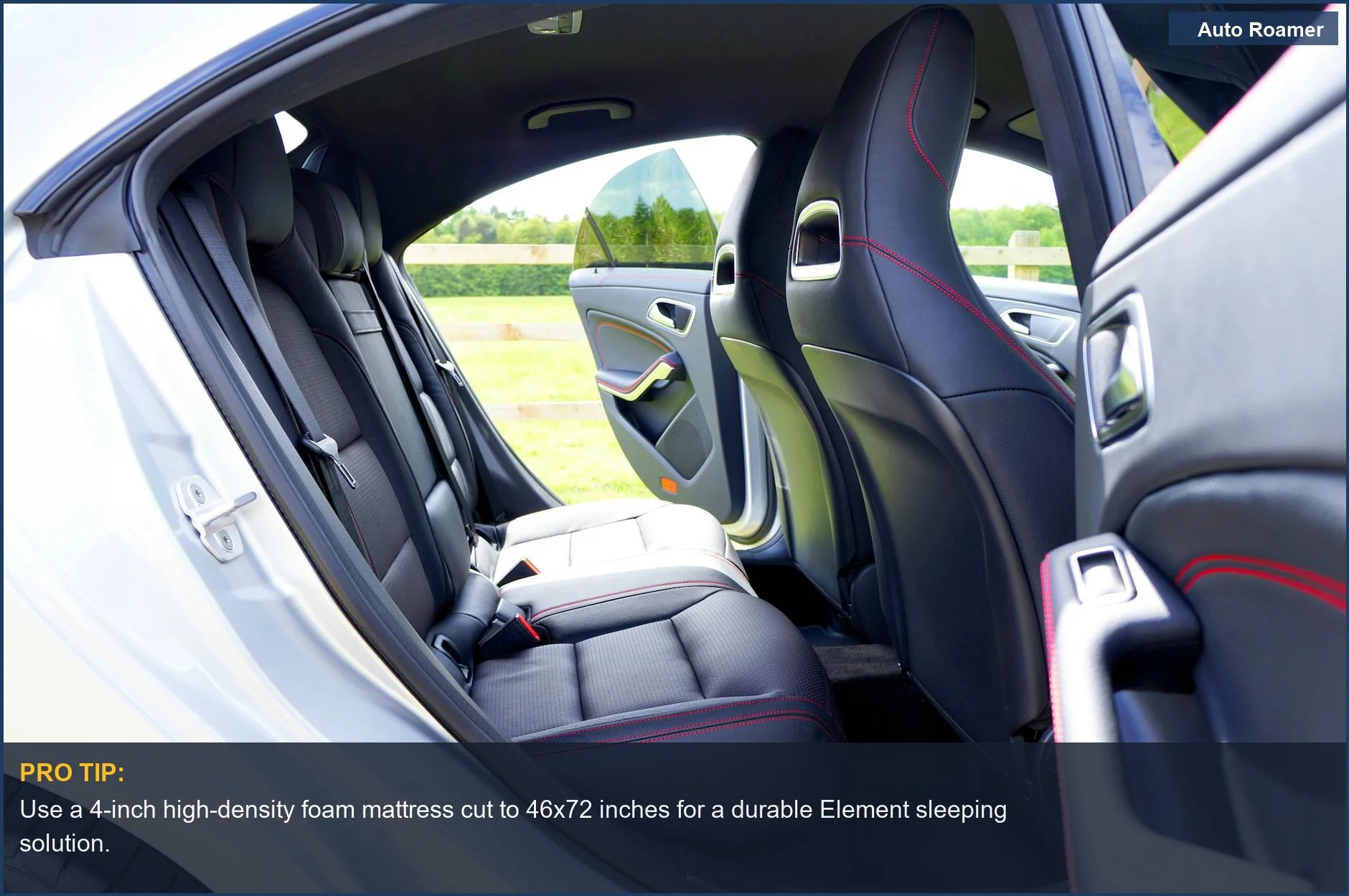
Seats folded vs seats removed: the Element's signature trick
Almost every other SUV gives you exactly one sleeping floor: seats down. The Element gives you two, and choosing right is most of the comfort. Here is how the two configurations actually compare for a night in the back:
- Rear seats FOLDED (the quick option). Flip the rear seats down or up against the side walls and you keep them in the car — fast, no parts to store. But the folded seatbacks leave a stepped, slightly wavy floor only about 67 inches long. Fine for a shorter person or a kid; cramped for a tall adult who wants to lie straight.
- Rear seats REMOVED (the flat-bed option). The Element's rear seats unlatch and lift out in roughly two minutes each. With them gone and the front seats slid forward, the floor opens to about 80 inches of nearly flat, low, wide-walled space — the configuration that makes the Element famous as a micro-camper. The cost is that you have to stash two seats at home for the trip.
The practical playbook: for a quick overnight with a passenger riding back there earlier in the day, fold and accept the shorter floor. For a real camping trip where you want to stretch out, pull the rear seats before you leave and build a proper flat bed on the long floor. The waterproof, wipe-clean cabin (Honda's utility-first interior) means you can do either without babying the upholstery — a big part of why owners keep these boxy things on the road well past 200,000 miles just to sleep in them.
How to measure your own Element before you build a bed
Published specs get you close, but the Element you are actually buying has its own quirks — worn seat foam, an aftermarket floor mat, a previous owner's tie-down hardware — so the only number you should trust for a sleeping platform is the one off your own tape. I do this on every fitment job, and it takes five minutes. Here is the order that catches the gotchas:
- Measure length in the configuration you'll actually sleep in. If you plan to remove the rear seats, pull them first, then run the tape along the floor from the closed tailgate to the back of the front seats slid fully forward. Expect roughly 78 to 80 inches. If you plan to leave the seats folded, measure to the folded seatbacks instead — you'll see about 67 inches, and now you know whether your height fits.
- Measure width at the narrow point, not the wide one. The number that limits your pad is the gap between the rear wheel housings, not the beltline width. Lay the tape across the floor right at the wheel wells; plan for 39 to 46 inches. A pad wider than that rides up the arches and you sleep in a valley.
- Check the height to the ceiling over the bed. Measure from the load floor straight up. The Element's tall roof usually leaves well over three feet, which is what lets you sit up to change or cook — confirm it if you're stacking a thick platform and a lofty mattress.
- Note the bumps. With the seats out, feel along the floor for the exposed seat-mount latches. Mark where they sit so your platform legs or foam layer span them instead of resting on them.
Write those four numbers on your phone before you shop. A platform or pad bought to your measured floor beats one bought to a spec-sheet floor every time, because the spec sheet doesn't know about the mat the last owner left in.
The accessories that turn the Element floor into a flat bed
A removed-seat Element floor is flatter than most SUVs to begin with, but it still has a low ridge where the seat mounts sit and a faint slope toward the tailgate. Erasing both is the whole job, and it is cheap. Work this checklist before your first night out:
- Bridge the seat-mount bumps. The exposed floor latches leave small humps once the seats are out — lay a low plywood deck or a thick foam layer across them so you are not sleeping on hardware. A simple DIY sleeping platform on short legs solves this and adds a storage basement underneath.
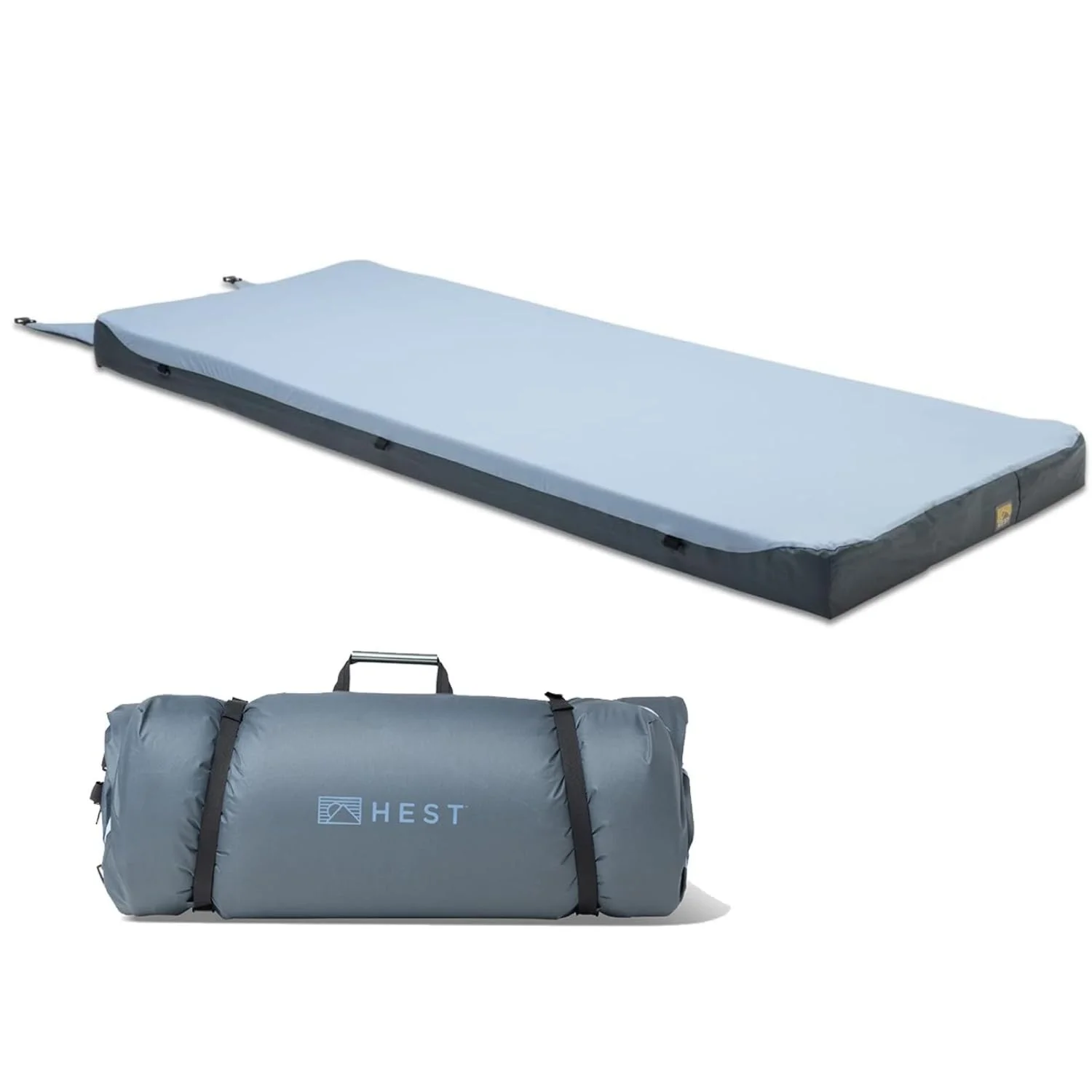
- Match the pad to the narrow point. Measure the 39–46-inch width between the wheel wells before buying; a plush 30-inch-wide memory-foam pad like the HEST Foamy Wide Camping Mattress Pad bridges the seat-mount bumps and gives an even surface, where a rigid rectangular queen just rides up the arches. Or run two narrow pads side by side. See what mattress size actually fits an SUV.
- Level the slight slope. A thin wedge of foam at the tailgate end takes the gentle tilt out so your head isn't lower than your feet.
- Protect the (already washable) floor anyway. A fitted cargo liner keeps condensation and trail mud off the factory utility floor and is easier to hose out than the original.
Weekenders do fine with a fold-flat pad they deflate by Monday; frequent campers build a low platform and leave the rear seats at home for the season. Either way, the Element's tall roof means you can stack a thick leveling layer and still sit up — a luxury you do not get in a low-roofed crossover.
Power, ventilation, and staying dry overnight in an Element
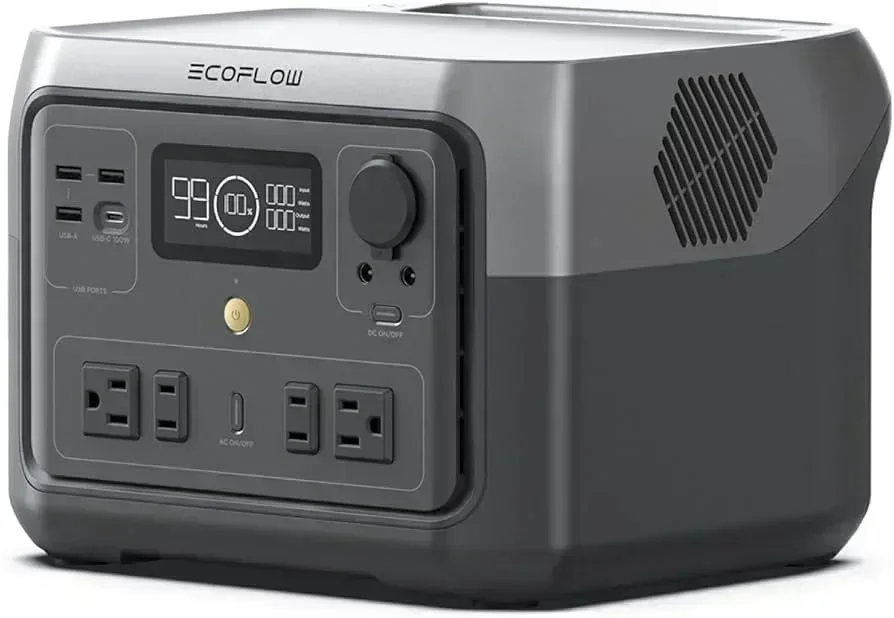
Size the power station to your real draw, not the biggest number on the shelf. A 12V fridge sips power, so a 256-to-500 watt-hour LiFePO4 unit covers a fridge, a fan, and LED lights for a weekend with margin; only step up if you plan to charge a laptop or run a heated blanket. The reason this matters in an Element specifically is that it has no high-output hybrid inverter to fall back on — the station IS the electrical plan, not a nice-to-have. Get the one decision right and the rest of the night is just lights and comfort.
At the bottom of that band the EcoFlow River 2 Portable Power Station is the shape of unit this describes — a 256Wh LiFePO4 station sized for lights, a fan and a small 12V fridge overnight, so the Element's starter battery is never the thing you are drawing down.
Why the boxy Element beats sleeker SUVs for sleeping
On raw cargo VOLUME the Element's 74.6 folded cubic feet sits right in the small-SUV pack — about even with a modern CR-V (~76.5) and well ahead of a RAV4 (~69.8). But cubic feet is the wrong metric for a sleeper. What matters is whether the floor is FLAT, LONG, and SQUARE, and that is where the Element wins against vehicles with bigger numbers.
Sleeker crossovers waste their cubic feet on a sloped roofline and a curved cargo floor that fights a rectangular pad. The Element's near-vertical walls, low flat floor, and removable seats give you usable rectangular space instead of impressive-but-awkward volume. The other quiet advantage is the 70.4-inch overall height: more sit-up headroom over the bed than almost any compact crossover, so you can sit up to change clothes or cook at the open tailgate without stooping. If you are cross-shopping, compare on the FLOOR — flat length, width between the wheel wells, and headroom — not the brochure's cargo-volume headline. By that test the Element, despite being out of production since 2011, still out-sleeps most new small SUVs, which is exactly why used clean ones hold their value. For a broader look at squeezing a bed out of any SUV, see how to maximize SUV cargo space.
A night in the Element, start to finish
Before you leave, you pull the two rear seats — a couple of latches each — and leave them in the garage. That one move is the whole secret: it turns a 67-inch folded floor into an 80-inch flat one. You drop a low plywood deck across the seat-mount bumps, lay a trimmed foam pad on top, and slide a couple of bins of food and a charged power station along the wall.
At the site you crack two windows behind bug screens, clip a fan to a grab handle, and black out the big side glass with cut reflective panels for privacy. You cook at the open rear tailgate — the Element's near-vertical hatch gives real standing-height shelter from a drizzle — run the 12V fridge off the power station, and read by an LED lantern. The square cabin means you sit straight up to change, not hunched against a sloped roof. In the morning you wipe the glass, fold the bed away, and drop the rear seats back in if you need passenger space again.
The detail that makes the Element special is how little it asks. No pop-top to raise, no awning to crank, no trailer to back in — pull two seats, roll out a pad, and you are home for the night in a vehicle famous for shrugging off mud, wet dogs, and 200,000 miles. That low friction, plus a floor that actually lies flat, is why a discontinued boxy Honda is still one of the best small vehicles you can sleep in.
The fitment mistakes that ruin a first night in an Element
Most bad first nights in an Element trace back to a measurement skipped or a configuration misread, not to the vehicle. After enough of these builds I can name the ones that bite, and every one is avoidable for free:
- Buying for the folded floor, sleeping on the removed floor (or vice versa). The 13-inch gap between 67 and 80 inches is the whole ballgame. People order a pad to the wrong length because they never decided which configuration they'd run. Decide first, measure that one, then buy.
- Trusting the 52-inch widest number. The body is wide, but you don't sleep at the beltline — you sleep on the floor, where the wheel wells pinch it to 39–46 inches. A pad bought to the wide number rides up the arches. Always buy to the narrow point.
- Forgetting the seat-mount bumps. Pull the rear seats and you expose hard latches in the floor. Lie straight on them and you'll feel every one. Span them with a deck or a thick foam layer; don't sleep on hardware.
- Running the fridge off the 12V socket overnight. The fastest way to a dead Element in the morning. The 12V outlets feed the starter battery — use a separate power station and leave the car's battery alone.
- Sealing the cabin against the cold. A tightly shut Element fogs solid by 2 a.m. Crack two windows behind visors and run a fan; the boxy cabin's extra air volume helps, but it isn't a substitute for airflow.
None of these costs a dollar to avoid. They cost a tape measure and a decision made in the driveway instead of at the campsite.
A flatter, longer bed than its cargo numbers suggest
The Honda Element is one of the easiest small SUVs to sleep in — not because of its cargo volume (25.1 cu ft seats up, 74.6 folded, mid-pack for the class) but because of its SHAPE. Remove the rear seats and the floor opens to about 80 inches of flat, low, square space with real sit-up headroom under a 70.4-inch roof; that is what lets a six-footer stretch out where sleeker SUVs with bigger numbers can't.
Plan around the right configuration. A twin pad fits with the rear seats out; a full or queen does not (the floor pinches to 39–46 inches between the wheel wells). Folded-only gives you about 67 inches — short for a tall adult, so take the seats out for any real trip. Spend on three cheap things and the back is transformed: a low platform or trimmed pad to level the seat-mount bumps, a LiFePO4 power station so you never touch the starter battery, and reflective covers plus a fan to keep the air dry and the cabin private. Measure the floor on the specific Element you are buying, do those three things, and a discontinued boxy Honda gives you a flatter, longer bed than almost anything new in its size.