
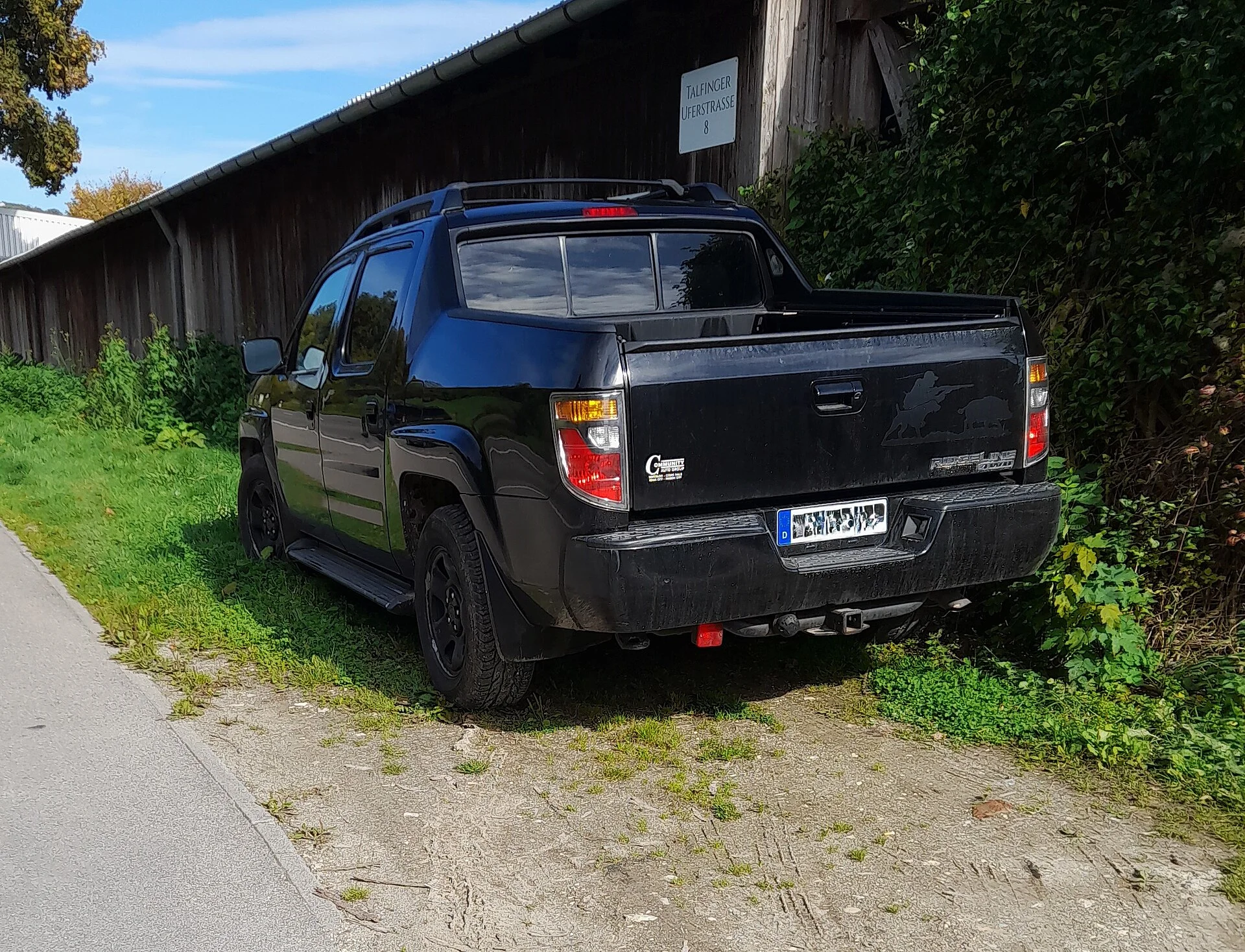
The honest verdict: two comfy unibody trucks, split by price and bed
The Ford Maverick and Honda Ridgeline share a philosophy that sets them apart from the Tacomas and Gladiators of the world: both are unibody, car-based trucks built for on-road comfort, not rock crawling. If you are cross-shopping these two, you have already decided you want a truck that rides like a car and camps at maintained sites — so this comparison is about value and livability, not trail hardware.
The short version: buy the Maverick to camp for less and sip fuel doing it; buy the Ridgeline for the longer bed, the smoother miles, and a lockable in-bed trunk that quietly solves camping's storage problem.
On that axis they split cleanly. The Maverick is the value and efficiency champion: a hybrid returning roughly 37-38 mpg, the lowest price in the class, and a genuinely useful 54.4-inch bed. The Ridgeline is the comfort and utility champion: a longer 63.6-inch bed, standard all-wheel drive, one of the smoothest rides of any truck, and that clever weatherproof trunk built into the bed floor.
Both are pavement-friendly, and both — like every truck — need a tent or topper to sleep flat. It helps to name what you are really trading. The Maverick is built around a small, efficient hybrid heart and a price that undercuts everything, so it wins the head-versus-heart argument on math alone. The Ridgeline is built around comfort and clever packaging — the ride, the longer bed, the trunk — so it wins on the days you actually use the truck rather than the days you fuel it. Both are honest, mature designs with years of owner feedback behind them; there is no wrong answer here, only a better-fit one.
The sections below break down the bed numbers, how each one sleeps, the ride and efficiency trade-off, power, weather, packing for two, and a clear buy recommendation — all grounded in published specs rather than a single test drive, so you can weigh them against your own trips.
Bed dimensions and the in-bed trunk that changes camping
The Maverick's single bed measures 54.4 inches long, 42.6 inches between the wheel wells, and 20.3 inches deep, for 33.3 cubic feet. It is the shortest bed in the segment, so you will always sleep with the tailgate down and a mattress that overhangs, or in a bed tent that borrows that length. It is workable, but it is a compact footprint you plan carefully around.
The Ridgeline gives you two advantages worth spelling out:
- A longer bed: a 5-foot-4-inch box about 63.6 inches long (33.9 cu ft) — roughly nine inches more than the Maverick, which matters when you lay out a pad.
- A lockable in-bed trunk: a 7.3-cubic-foot well built into the bed floor, with a drain plug so it doubles as a cooler.
- A dual-action tailgate: it swings out or folds down, easing loading and climbing in.
That trunk reframes how you pack: instead of cramming gear around your sleeping surface, you drop it below the floor, keeping the bed clear for the bed. For sizing a pad to either truck's footprint, our guide on how to choose a car camping mattress size keeps you from buying one that folds up the sides, and a shaped truck bed air mattress fits the wheel wells better than a plain rectangle in both.
Sleeping in the Maverick: the cheapest way into truck camping
The Maverick's whole appeal is that it removes the excuses. It costs the least of any truck here, its hybrid drivetrain makes the drive to camp almost an afterthought on fuel, and it is small and easy enough to be a genuine daily driver. For someone who wants to try truck camping without a five-figure premium over an SUV, the Maverick is the on-ramp.
You plan around the 54.4-inch bed. Most Maverick campers run a bed tent or a simple platform and sleep with the tailgate down, letting the pad overhang; the aftermarket now sells tents and racks sized to it. The available 110-volt bed outlet is a real camping perk at this price, running a fan or charging a battery bank without a separate inverter, and a portable power station for car camping covers anything heavier like a 12-volt fridge.
The compromises are the short bed, lower payload and towing than the Ridgeline, and no lockable in-bed storage. But none of those stop it from being a capable, comfortable, efficient basecamp for maintained-road adventures — and it does that job for thousands less than anything else, which is why it sells as fast as Ford can build it.
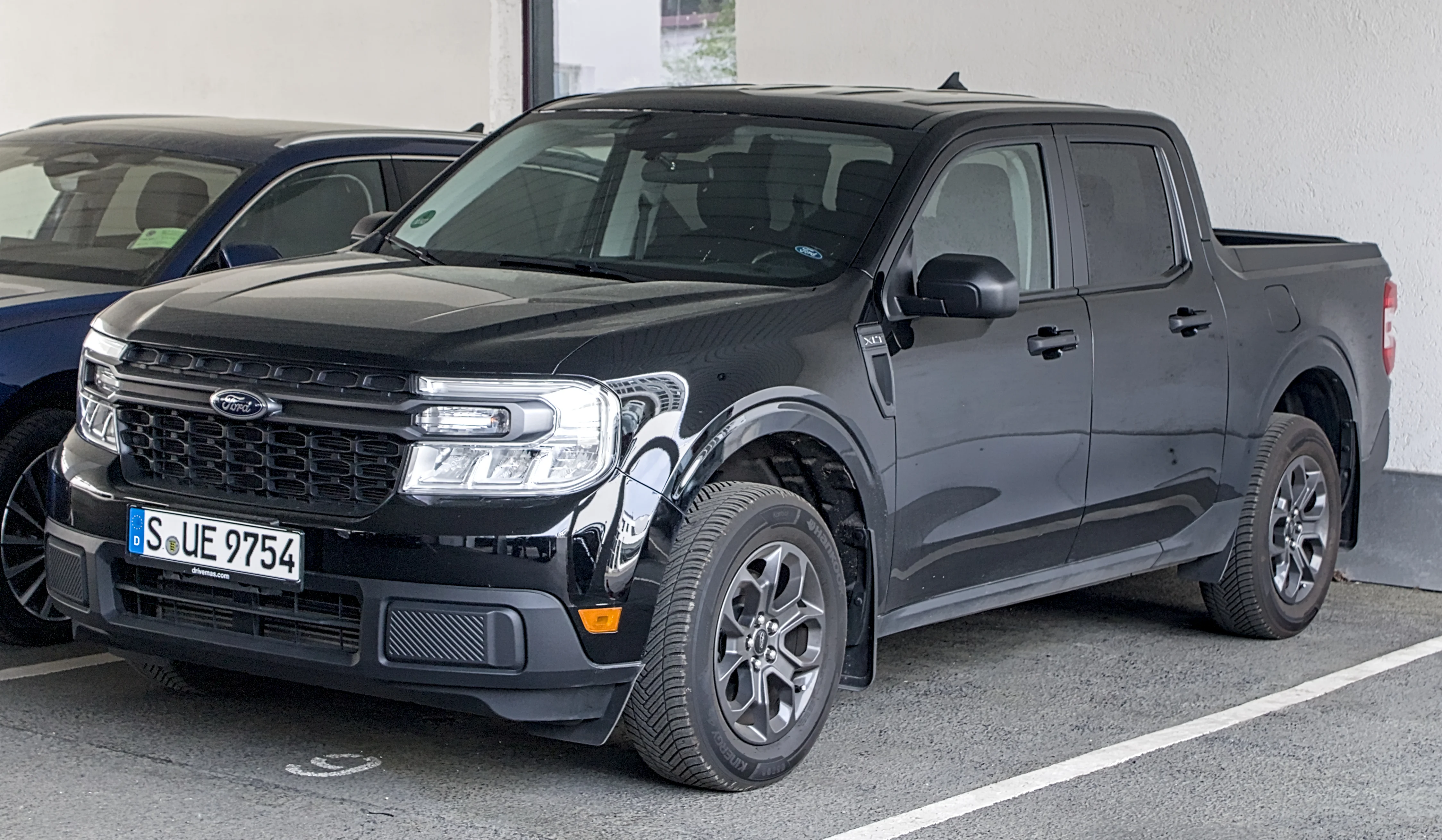
Sleeping in the Ridgeline: the smooth-riding, gear-swallowing basecamp
The Ridgeline is the truck for campers who prize comfort and organization. Its unibody with independent rear suspension delivers a ride closer to a well-sorted crossover than a pickup, so the long haul to a trailhead is genuinely relaxing, and standard all-wheel drive plus decent clearance handle the gravel and dirt that lead to most campsites. You are not crawling boulders, but you are not meant to be.
In camp, the longer 63.6-inch bed and the in-bed trunk are the difference. The extra length gives a taller sleeper more usable room with the tailgate down, and the dual-action tailgate makes loading and climbing in easier. The lockable, drainable trunk keeps food, valuables, and wet gear out of your sleeping space — exactly the storage problem car camping usually forces you to solve with bins and bungees. Lock the trunk and your camp is tidier and more secure.
The trade-offs are fuel and price: the V6 Ridgeline drinks more than the hybrid Maverick and costs more up front. If your priority is the most comfortable, best-organized camping truck that still drives like a car, though, the Ridgeline earns the premium.
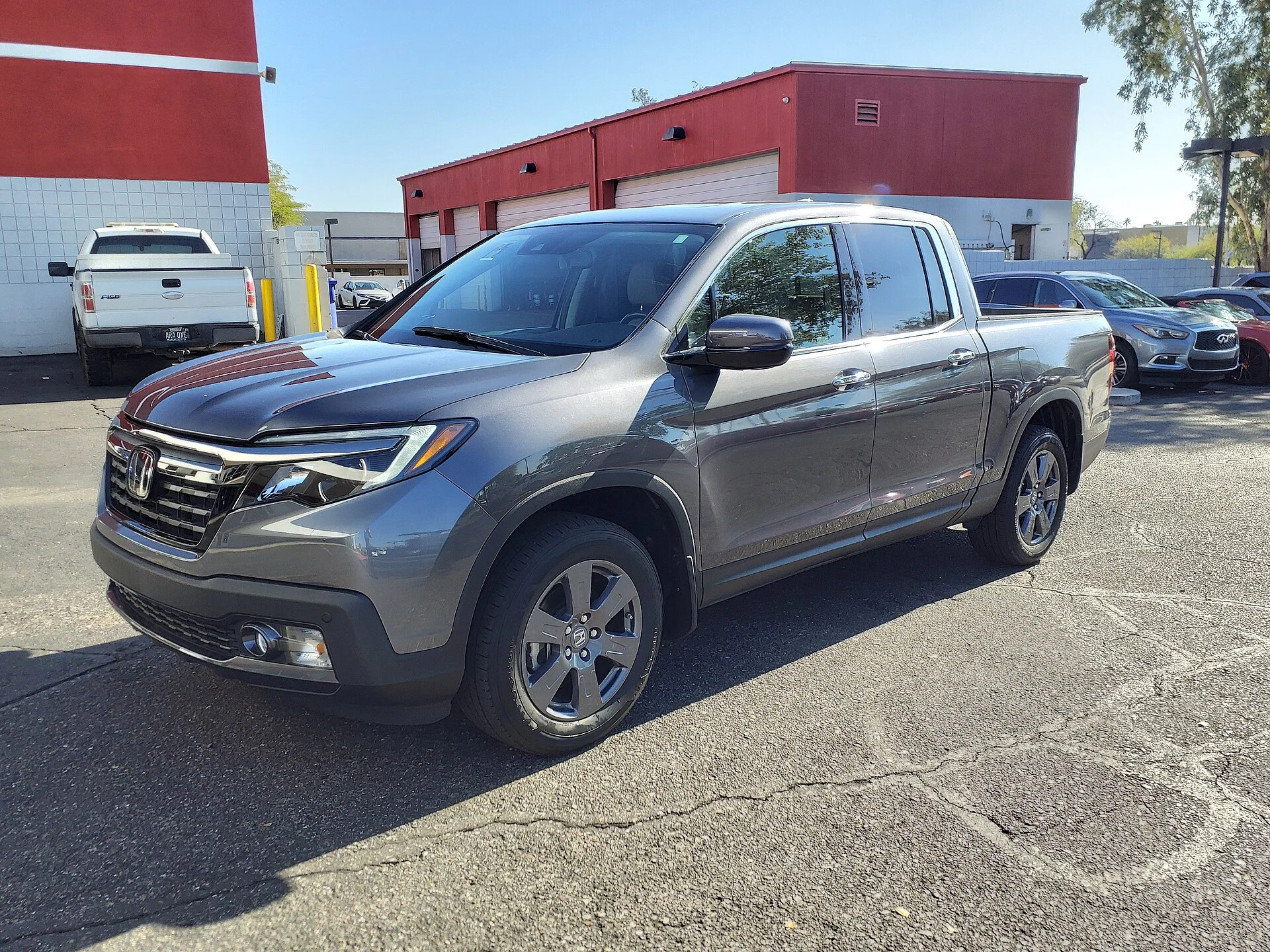
Getting to camp: ride, drivetrain, and efficiency
Neither truck is a trail crawler, so the drive comparison is about comfort and cost rather than clearance. The Ridgeline's unibody and independent rear suspension give it what is arguably the smoothest ride of any pickup sold, plus standard all-wheel drive with a terrain-mode system that handles snow, sand, and muddy access roads with confidence. It is the more capable of the two on a slick or rutted forest road.
The Maverick counters with efficiency and size. Its hybrid roughly doubles the Ridgeline's fuel economy — about 37-38 mpg combined versus the low 20s — so a season of trailhead runs costs far less, and its smaller footprint is easier to park, maneuver, and daily-drive. Available all-wheel drive covers most gravel and light dirt, though it lacks the Ridgeline's clearance and refinement on rougher surfaces.
Choose by your access roads and your wallet. If you regularly reach camp on slick or rough dirt and value a plush ride, the Ridgeline is worth its thirst. If your roads are mostly paved with the odd gravel spur and fuel cost matters, the Maverick's efficiency makes it the smarter daily-and-weekend companion. Remember too that the drive home, after a poor night's sleep, is when ride comfort matters most — the Ridgeline's cushioned, quiet cabin is a genuine morning-after luxury, while the Maverick answers with a smaller, nimbler footprint that shrugs off tight forest-road turnarounds and crowded trailhead lots. Neither is punishing; they simply reward different kinds of trips.
Power and electrical: keeping camp running
Like any vehicle, neither truck should run climate control all night, so overnight power is about lights, a fan, charging, and maybe a fridge. Both offer 12-volt sources and an available 110-volt bed outlet — standard-ish on the Maverick, higher-trim on the Ridgeline — enough for the basics without a separate inverter.
The Ridgeline's in-bed trunk quietly helps here too: it is a clean, protected place to stash a portable power station or battery box out of the weather and out of sight, wired to run a fridge overnight. The Maverick's FLEXBED and cab cubbies give you tidy spots for the same gear, just without the lockable weatherproofing.
For anything past charging and a fan, the right tool in either truck is a dedicated portable power station rather than the vehicle's outlet. Size it to your overnight draw — a 12-volt fridge plus lights and a fan is a modest load a mid-size unit handles for a couple of nights — and top it up on the drive so your camp power is independent of the truck.
Weather and overnight comfort: cold, heat, and condensation
Both trucks put you in an open bed under a tent, so they share weather behavior: better natural airflow than a sealed SUV, but more exposure to the night's temperature. That airflow helps with moisture, but a cold, damp night still fogs a bed tent, and the venting habits in our guide on how to reduce condensation when sleeping in a car apply to both — crack a vent and never cook inside.
For cold, the fix is your sleep system, not the truck: a season-rated bag, an insulated pad with real R-value, and a 12V heated blanket for car camping. Cold from below is what wakes people, so prioritize the pad. The Ridgeline's lockable trunk is a handy place to keep spare layers and a dry change of clothes protected overnight, a small but real comfort edge.
In summer, a breathable bed tent beats a sealed cabin, and the shade-and-fan tactics for staying cool sleeping in a car carry over unchanged. Between the two trucks there is no meaningful overnight climate advantage, so put the money into bedding and a fan and both sleep comfortably across the seasons you camp in.
Which truck should you buy?
Buy the Maverick if price and fuel economy lead your list. It is the cheapest, most efficient way into truck camping, its bed outlet is a genuine perk, and its compact size makes it the easiest to daily-drive. Accept the shortest bed and no lockable storage, and you get most of the truck-camping experience for the least money and the least fuel.
Buy the Ridgeline if comfort and utility matter more than the sticker. The longer bed, the car-smooth ride, standard all-wheel drive, and especially that lockable, drainable in-bed trunk make it the better-organized, more relaxing camper. You pay more up front and at the pump, but you get a truck that solves camping's storage headache out of the box.
Whichever you choose, decide early how you want to sleep — a bed setup versus a rooftop tent versus a ground tent shapes your whole kit, and both of these unibody trucks handle a bed tent or a rooftop tent within their modest payload limits.
Spec snapshot: the camping numbers at a glance
Keep these attributed figures in front of you when you size a pad or plan storage. Every number here comes from manufacturer and dealer spec pages:
- Maverick bed: 54.4 in long, 42.6 in between the wheel wells, 20.3 in deep, 33.3 cu ft — the shortest in the class.
- Ridgeline bed: ~63.6 in long (5-foot-4), 33.9 cu ft, plus a lockable 7.3 cu ft in-bed trunk with a drain plug.
- Fuel economy: Maverick hybrid ~37-38 mpg combined vs. Ridgeline V6 in the low 20s mpg.
- Drivetrain: Ridgeline standard AWD with terrain modes; Maverick FWD or available AWD.
- Camp power: both offer an available 110V bed outlet plus 12V sources.
- Tailgate: Ridgeline dual-action (swing-out or fold-down); Maverick standard fold-down.
The numbers that decide it are the Ridgeline's ~9-inch-longer bed and its unique in-bed trunk versus the Maverick's class-leading efficiency and lowest price. Neither bed reaches a six-footer's full length inside the box, so a tent or topper is part of both plans. Where they truly separate is organization and ride comfort — the Ridgeline's strengths — against running cost and daily ease, which belong to the Maverick. Read your own priorities off this list and the winner is usually obvious.
Five setup mistakes that ruin the first night
Both of these unibody trucks camp beautifully once you avoid the usual first-timer errors. Here are the five that cause the most rough nights:
- Skipping the tent or topper. The Maverick's 54.4-inch and the Ridgeline's 63.6-inch beds both need a bed tent, topper, or rooftop tent for a flat sleep — plan it before the trip.
- A thin, cold pad. The bed floor saps heat; use a thick, insulated pad, and in the Ridgeline stash spare layers in the lockable trunk.
- Wasting the Ridgeline's trunk. If you own one, use that in-bed trunk for food, valuables, or ice instead of piling gear on your bed.
- Parking on a grade. Level with blocks so you don't slide into the tailgate all night.
- Sealing the tent tight. Crack a vent to shed breath moisture, and never cook inside the sleeping space.
Get these right and the choice between the two comes down to what you value: the Maverick's efficiency and price, or the Ridgeline's longer bed, smoother ride, and clever lockable storage. Neither truck will let you down when the fundamentals — a good pad, a vented tent, level ground, and the right bag — are handled first.
The bottom line
The Maverick and the Ridgeline are the two smart choices for campers who want a truck that behaves like a car, and the decision between them is refreshingly clear. The Maverick is the value and efficiency pick — the least expensive, most fuel-sipping way to camp out of a pickup. The Ridgeline is the comfort and utility pick — a longer bed, a smoother ride, and a lockable in-bed trunk that makes it the best-organized camper here.
Neither is a rock crawler, and neither pretends to be; both shine on the maintained roads where most camping actually happens. Match the truck to your budget and your priorities — dollars and MPG lean Maverick, comfort and storage lean Ridgeline — and add the tent or topper both need to become a bed. Do that, and either one will serve you well for years.