
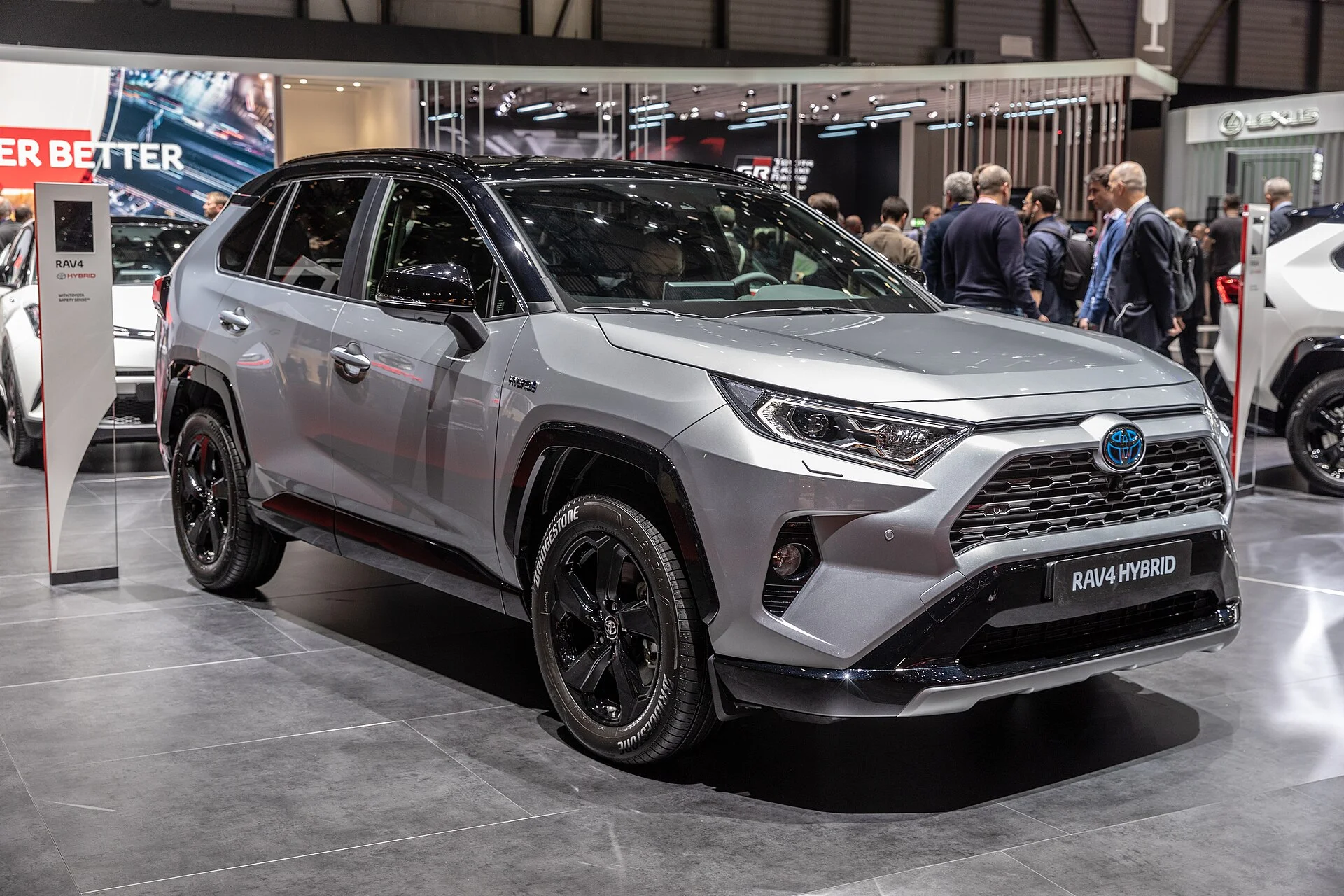
The Verdict, and Why the Trim Decides It
Engineer a winter camper like a system and you weigh two costs: what it takes to reach the site, and what it takes to stay warm once you park. On the first cost the RAV4 is a strong, unglamorous yes. On the second, the gas and hybrid versions give genuinely different answers, and that fork is the reason the trim you buy matters more here than on most crossovers.
Every AWD RAV4 reaches a snowy site well. Ground clearance runs from about 8.1 inches on standard trims to 8.6 on the Adventure and up to 8.6 on the TRD Off-Road, and the AWD systems range from Dynamic Torque Control to the more capable Dynamic Torque Vectoring with rear-driveline disconnect on Adventure and TRD. That is enough to clear packed snow and unplowed forest-road ruts without high-centering.
The heat cost is where the fork opens. A gas RAV4 makes overnight warmth by idling continuously; the hybrid cycles its gas engine on and off to hold cabin heat and battery charge, burning far less fuel to do it. The rest of this is the math behind that fork - and the platform you need before either matters.
Getting There: AWD, Clearance, and the Off-Road Trims
The RAV4's reach-the-trailhead case is about drivetrain and stance, not marketing. AWD is standard on the Adventure, TRD Off-Road, and Limited and available on most other trims, so getting all four wheels driven is a checkbox, not a gamble. The Adventure and TRD step up to Dynamic Torque Vectoring AWD, which can shove torque to an individual rear wheel - the trick that claws a crossover out of a rutted, off-camber campsite pull-in.
Clearance scales with intent. The base sits around 8.1 inches, the Adventure at 8.6, and the TRD Off-Road at up to 8.6 inches on its all-terrain tires and off-road-tuned suspension. Even the base number matches or beats many compact SUVs, so no RAV4 is the reason you turned around - but the TRD's extra clearance and tires are the margin on a genuinely bad approach.
Size keeps it manageable. At about 180.9 inches long on a 105.9-inch wheelbase, the RAV4 threads a tight snow-lined forest road better than a three-row would. The spec that matters for access is the clearance-and-AWD pair; the spec that just sells is the badge on the tailgate. Buy the trim for how remote you actually go.
The Sleeping Platform: One Adult, With a Build
Inside, the RAV4 is a one-person winter bed once you accept that the folded floor is not flat out of the box. With the 60/40 seats down it opens up to 69.8 cubic feet from 37.6 behind the rear seats, but owners report the folded floor slopes slightly rather than lying dead level, so a taller camper needs a leveling platform or foam to build a real sleeping surface.
The usable numbers are honest and a little tight. Flat sleeping length lands around 66 to 72 inches once a platform bridges the gap between the seatbacks and the front seats - best for one adult under six feet, or diagonally for a bit more. Width runs from about 59 inches at the widest down to roughly 39.4 inches between the wheel wells, which is the number that caps the mattress.
That wheel-well pinch is why a twin pad at about 38 by 75 inches is the practical fit; a full at 54 by 75 fights the 39.4-inch narrow point and rides up on the wells. Cargo height of roughly 34.5 to 36.6 inches is fine for gear but too low to sit fully upright. Measure tailgate-to-seatbacks before building, because your length depends on where the front seats end up.
The Heat Fork, Part One: The Gas RAV4
Here is the trade-off the brochure skips. A gas RAV4 has no factory-sealed dry-heat source, so overnight warmth comes from running the 2.5-liter engine's climate system - and that means continuous idling. As a working estimate, a 2.5-liter gas four idling for heat burns roughly 0.2 to 0.5 gallons of fuel per hour. That is not a Toyota-published figure; it is an engineering rule of thumb, and it is enough to run down a tank across a long, cold night if you let it.
Fuel is the smaller worry. The real problem with continuous idling is exhaust: a tailpipe banked in snow can push carbon monoxide toward the cabin, which is why idling for heat is only ever a short, watched cycle, never a sleep-through solution. The gas EPA rating of about 27 mpg city and 33 highway tells you the engine is efficient, not that idling it all night is safe.
So on a gas RAV4 the honest heat plan is the same as any unibody crossover: short idle cycles while awake, a cold-rated bag, insulation, and a vented aftermarket heater if you camp cold often. The engine is a fallback heat source with a real exhaust risk - treat it that way and it is fine; rely on it unattended and it is the thing that hurts you.
The Heat Fork, Part Two: Why the Hybrid Changes the Math
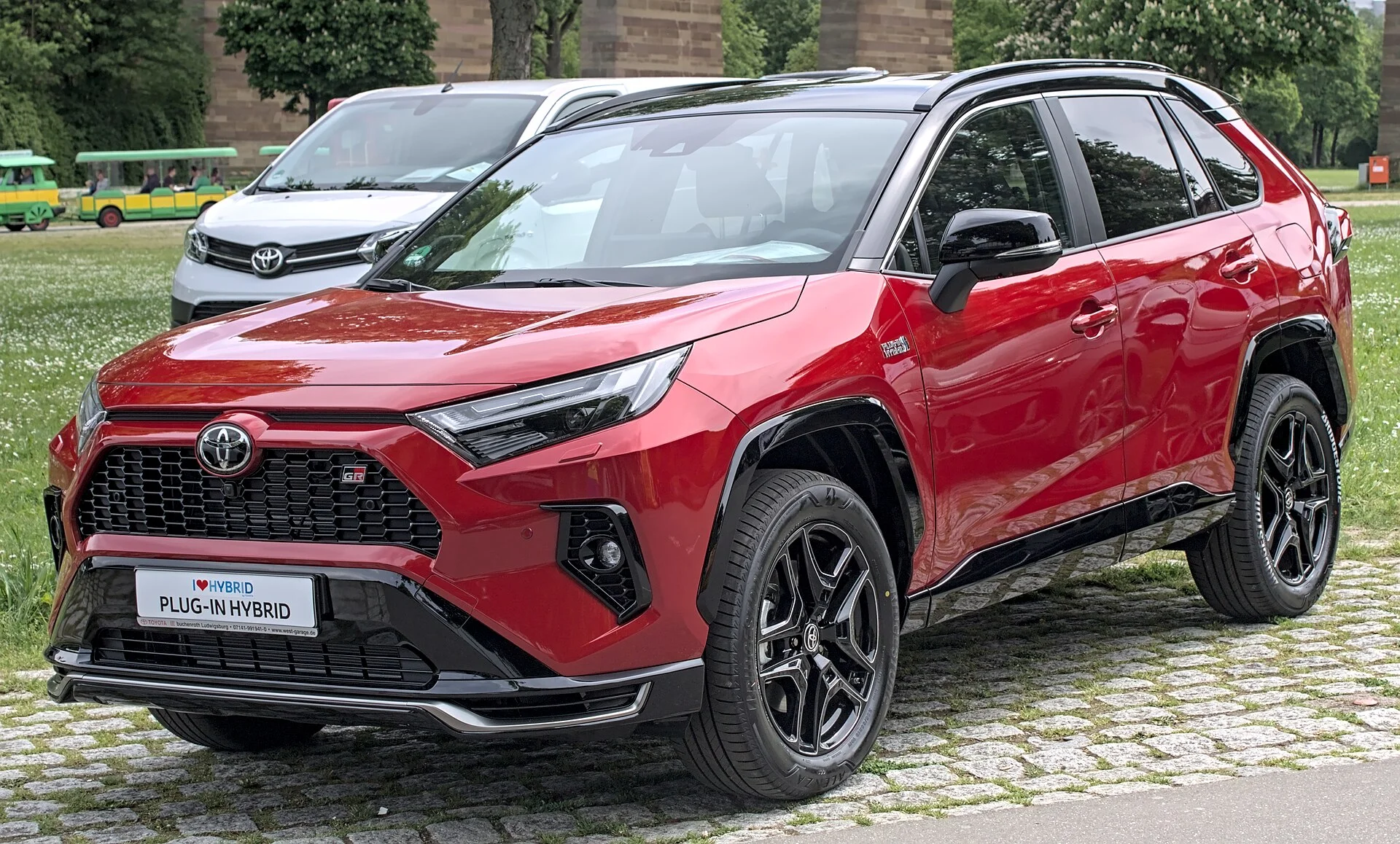
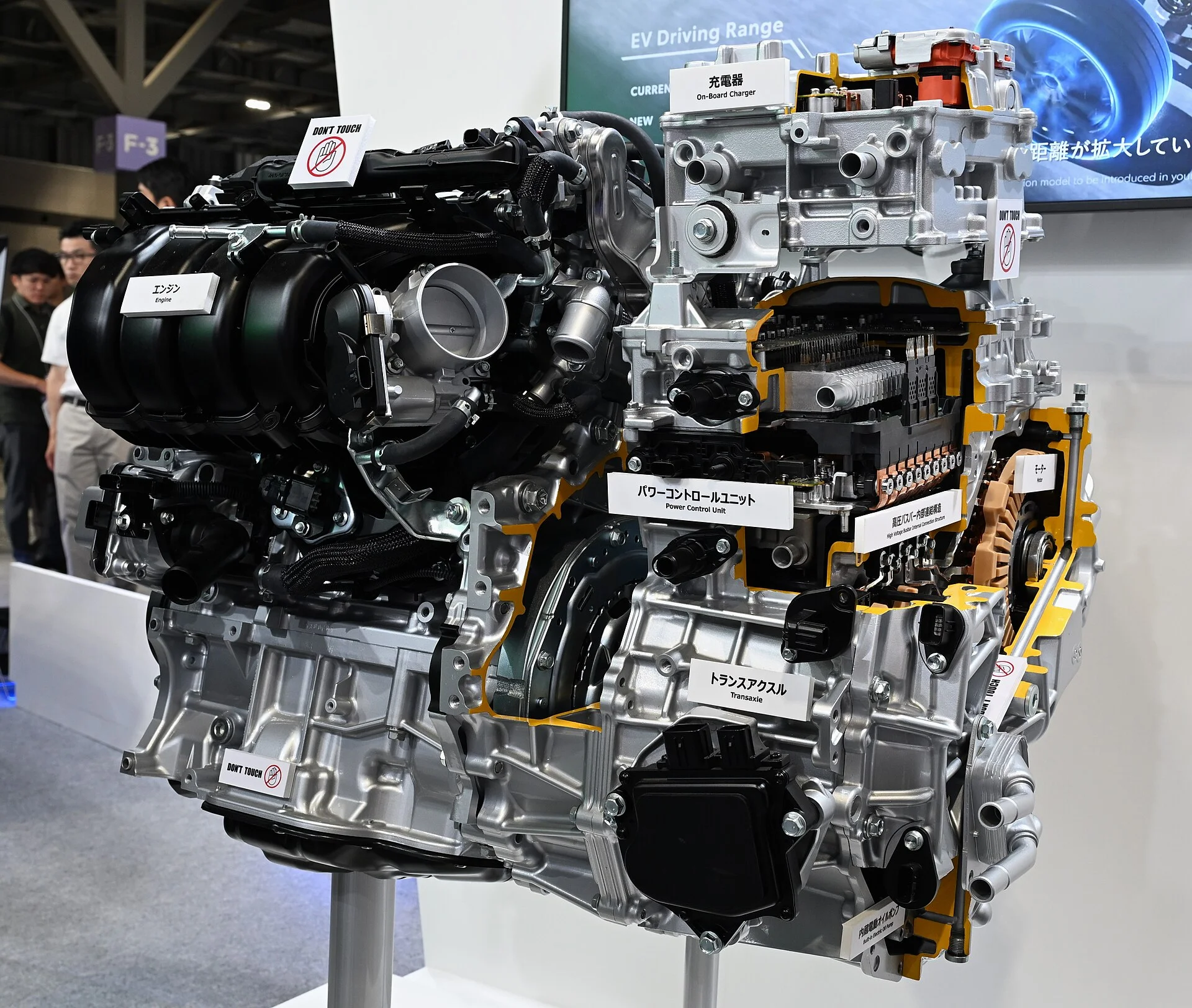
The RAV4 Hybrid is the version that genuinely rewrites the winter-heat equation, and the reason is mechanical, not marketing. Instead of idling continuously, the hybrid cycles its gas engine on and off to maintain cabin heat and keep the traction battery charged, then shuts the engine down between cycles. That duty-cycling uses far less fuel than an engine running nonstop for the same warmth.
The efficiency gap is visible in the ratings: the hybrid is EPA-rated around 41 mpg city and 38 highway versus the gas model's 27 and 33. That gap is a proxy for how much less the hybrid works to make the same heat overnight, which stretches a tank and cuts how often the engine is actually running while you sleep. Combined output is 219 horsepower, and the hybrid's rear electric motor gives it standard on-demand AWD as a bonus.
The caveat is the one that keeps people honest: the hybrid still burns gasoline in a combustion engine, so it produces carbon monoxide when the engine cycles on, and the tailpipe-in-snow risk does not disappear. The hybrid runs its engine less, but a battery carbon monoxide alarm is still mandatory. It is the smarter winter-heat platform, not a zero-emissions one.
Condensation: The Water You Breathe Out
Whichever RAV4 you sleep in, the cabin fights the moisture you exhale all night. One or two people breathing in a sealed crossover will fog every window and leave the bag damp by morning, and in freezing weather a wet bag stops insulating - which turns a comfort problem into a safety one fast.
The fix is airflow you would not expect to want in the cold: crack at least one window a finger's width so humid air escapes instead of condensing back onto you. It costs a little heat and it doubles as carbon-monoxide insurance any time the engine is cycling or a heater is running. On a multi-night trip that trade always pays.
The heat source matters here too. A vented dry-heat source does not add moisture the way an unvented burner or a boiling pot does, so pairing dry heat with a cracked window is the combination that keeps the RAV4's interior from raining on you. Manage the water and you have solved the least-discussed way a cold night in a small SUV goes wrong.
Insulating the Glass and Holding the Heat
The RAV4's cabin loses most of its warmth through the glass, so the highest-return dollar in the winter kit is window insulation. Reflective panels cut to each window trap still air and bounce radiant heat back inside, which lowers the workload on whatever heat source you run - and on a hybrid, less workload means fewer engine-on cycles and less fuel across the night.
The logic is the same for both powertrains but pays the hybrid a little more. Every idle cycle or heater run you avoid because the cabin is holding heat is fuel and noise you did not spend. Covering the windows is cheap, reversible, and the one upgrade that makes every other part of the heat plan work harder for you.
Do not stop at the side glass. The windshield and rear hatch are large, cold surfaces, and an uninsulated hatch over your feet undoes a lot of a good bag. Insulate the whole greenhouse, not just the doors, and the RAV4 holds a night's warmth like a far more expensive setup.
Remote Start and the Morning Routine
Remote engine start, available on the RAV4 by key fob or the Toyota app on connected models, is the small feature that makes a frozen morning bearable. It pre-warms the cabin and clears frost off the inside of the glass before you climb out of the bag, which is worth more in practice than any single spec on the window sticker.
It is not an overnight heat source and should not be used as one - it is the same continuous idle with the same exhaust caveat, just on a timer. Its job is the transition: five minutes of warmth so getting dressed and driving out is not an exercise in misery. On the hybrid, the engine-cycling behavior applies here too, so the warm-up is quick and quiet.
Pair remote start with a platform that stays built and a bag rated below the coldest night you expect, and the RAV4's morning routine stops being the part of winter camping people dread. The vehicle does the reach-and-shelter job; you supply the heat plan and the bed.
Who Should Buy Which RAV4 for Winter
The buying advice falls out of the fork. If winter camping is an occasional add-on to a daily driver and you want the lowest sticker, an AWD gas RAV4 is completely capable - you just accept that overnight heat is short idle cycles plus insulation and a good bag, with a vented heater if the habit sticks. The gas model reaches the site as well as the hybrid; the difference is entirely in how it makes heat.
If you plan to camp cold regularly, the hybrid is the smarter engineering buy. Its engine-cycling burns far less fuel for the same warmth, its standard AWD is one less option to check, and its 41-mpg-city efficiency means a tank stretches across more nights between fill-ups a long way from a gas station. You pay more up front and get back fuel, quiet, and less engine runtime while you sleep.
If access is the priority - deep snow, rough approaches - the TRD Off-Road's up-to-8.6-inch clearance and all-terrain tires are the trim to want, gas or not. Match the RAV4 to your real use: gas for occasional and cheap, hybrid for frequent and efficient, TRD for remote and rough. All three sleep one adult on a platform and all three need a heat plan you bring yourself.
The Bottom Line: A Smart Small-SUV Base
The RAV4 is a genuinely good winter car-camping base, and the honest version of that verdict comes with the trim fork attached. It clears snow on 8.1 to 8.6 inches of ground clearance with real AWD, it threads tight forest roads better than a big SUV, and it turns into a flat one-adult bed once a platform bridges the slightly sloped folded floor to about 66 to 72 inches of usable length.
The part that separates it from the pack is the heat math. A gas RAV4 idles continuously for warmth at roughly 0.2 to 0.5 gallons an hour with a real exhaust caveat; the hybrid cycles its engine on and off, burns far less, and rates 41 mpg city against the gas model's 27 - the number that shows how much less it works to keep you warm. Neither is CO-free, so the carbon monoxide alarm stays mandatory.
Buy the gas model to save money on an occasional trip, the hybrid to camp cold efficiently and often, and the TRD Off-Road if the approach is the hard part. Add a platform, a cold-rated bag, window insulation, and a heater if you go regularly, and the RAV4 rewards the person who engineered the trip before they left.