
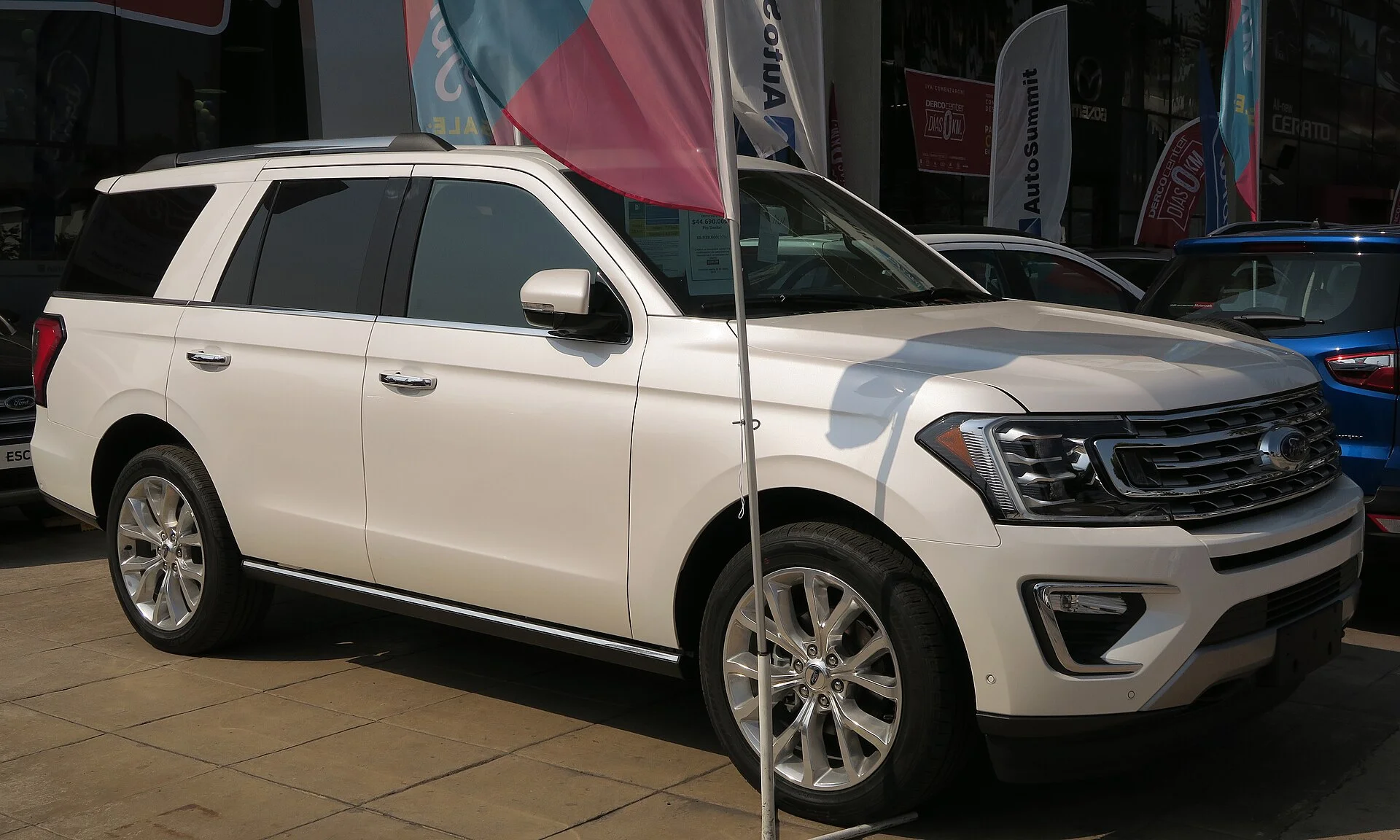
Cubic Feet Sells the SUV. Flat Length Decides the Bed
Here's what the window sticker brags about: the Ford Expedition swallows 104.6 cubic feet of cargo behind the first row, and the long-wheelbase Expedition MAX stretches that to 121.5 cubic feet. Impressive numbers. Neither one tells you whether you can actually sleep flat in the back, and that is the whole game for a car camper.
The spec that matters for sleeping is the flat-load length — how many inches of level floor you get from the tailgate forward with the seats down. Ford publishes the volume in cubic feet and, conveniently, not the flat length in inches. That is the number that decides whether a six-foot adult stretches out or sleeps folded, and you have to go find it yourself.
This is the classic gap between the marketing number and the useful number. Cubic feet is a bucket measurement; it counts space up near the ceiling you will never sleep in. Sleeping happens on the floor, in a rectangle as long as you are tall and as wide as your shoulders, and volume tells you almost nothing about that rectangle.
Everything below traces to Ford's published cargo figures and dimensions, compared impersonally, plus honest guidance on the measurements the brochure omits. I have not laid a tape measure inside a specific Expedition; I am reading the spec sheet the way a mechanic reads a capability chart — for the number that actually decides the job, and flagging where Ford leaves it blank.
Standard vs MAX: The Wheelbase Decides Your Bed
The single most important choice for sleeping is standard Expedition versus Expedition MAX, and it comes down to length. The MAX rides a longer wheelbase, stretches to an overall 221.9 inches, and turns that extra length into cargo floor: 121.5 cubic feet behind the first row versus the standard truck's 104.6 cubic feet.
That volume gap is really a length gap, and length is exactly what a sleeper needs. The standard Expedition is already a big SUV, but the flat floor behind its folded seats may leave a taller adult just short of stretching fully out. The MAX's added inches go straight into the dimension that decides whether you lie flat or angle a diagonal.
Here's what the reps won't tell you: they will happily sell you the standard Expedition on its 104.6 cubic feet as if that is plenty for camping, and for gear it is. For sleeping two adults head-to-toe down the length of the truck, those missing inches between standard and MAX are the difference between comfortable and compromised. The number that reads like a small percentage on the spec sheet is a big deal at 2 a.m.
So if sleeping in the vehicle is a real priority, the MAX is the version to shop, and it is worth the length penalty in parking lots. If you mostly haul gear and sleep in a tent, the standard truck's 104.6 cubic feet is genuinely spacious. Decide what the back of the truck is actually for before you pick the wheelbase, because you cannot add length later.
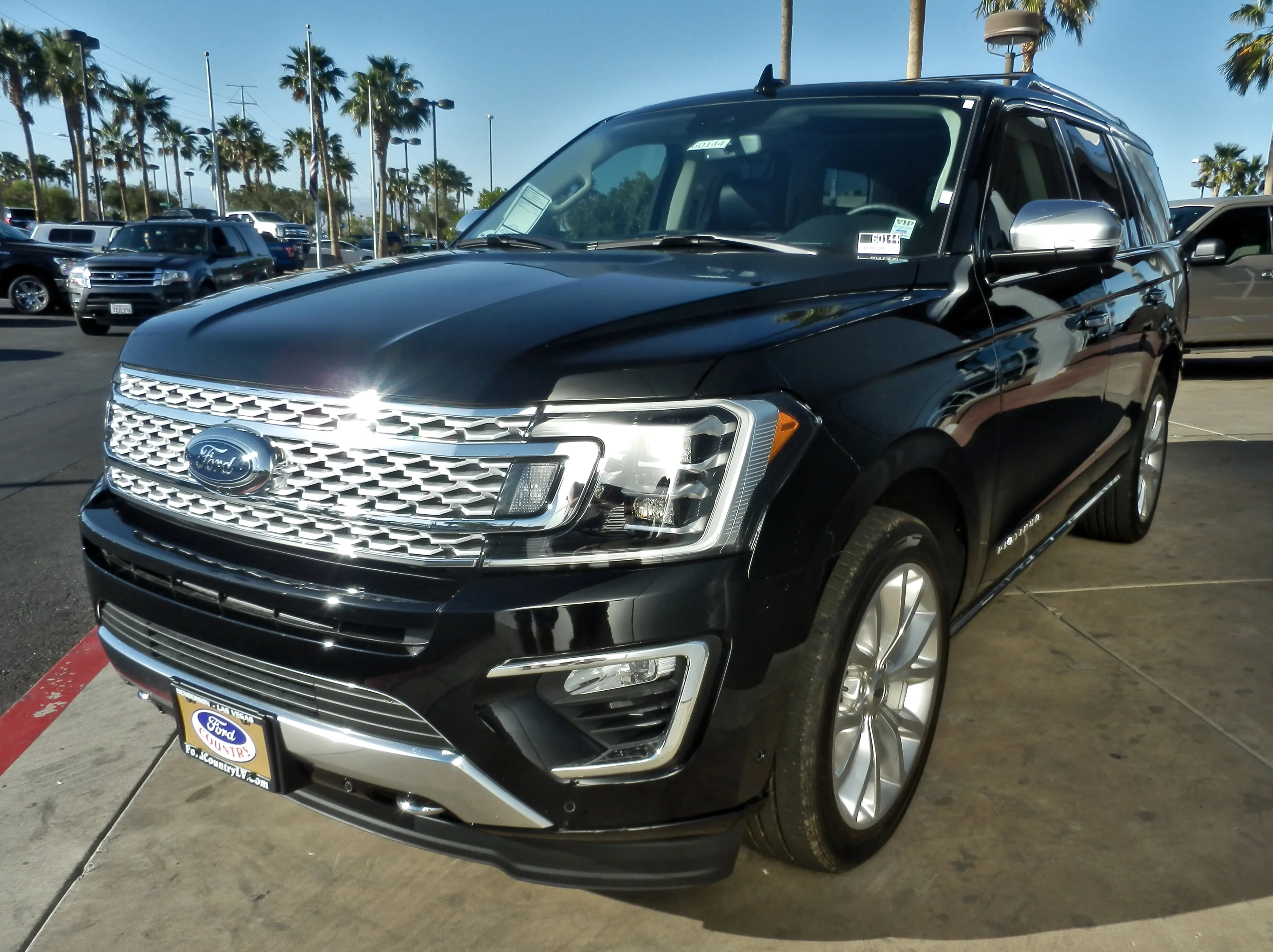
What Cargo Volume Tells You, and What It Hides
Cubic feet is an honest measurement of the wrong thing for a sleeper. The Expedition's 104.6 cubic feet and the MAX's 121.5 cubic feet measure total enclosed space behind the first row, floor to ceiling, wall to wall. That is perfect for knowing how many bins and coolers fit. It is nearly useless for knowing whether your body fits.
The reason is that sleeping is a two-dimensional problem living on the floor. You need a flat rectangle long enough and wide enough for your body, and the cubic-foot figure lumps in all the volume up near the headliner that you will never use lying down. Two SUVs with identical cubic feet can offer very different flat-floor lengths depending on roofline and seatback shape.
The stepped figures tell a more useful story than the headline. Behind the second row the Expedition drops to 63.6 cubic feet, and behind the third row to just 20.9 cubic feet. Those numbers show how much of the total volume depends on folding seats flat — and folding seats is exactly what creates the sleeping platform, so the relationship between the seats and the floor matters more than the top-line bucket number.
The takeaway a mechanic would give you: use cubic feet to plan your gear, not your bed. For the bed, ignore the bucket and think in the flat rectangle you actually occupy. The rest of this guide is about finding and building that rectangle, because Ford's brochure will not hand it to you.
The Flat-Floor Question: Does a Six-Footer Lie Flat?
This is the question every Expedition car camper actually asks, and answering it takes a tape measure, not a brochure. With the second and third rows folded, the Expedition forms a flat load surface with a smooth cargo floor extending forward — Ford confirms the flatness, which is the good news, because a genuinely flat floor is the foundation of sleeping in a vehicle.
But flat is not the same as long enough. Whether a six-foot adult stretches out depends on the exact distance from the tailgate to the back of the folded front seats, and that number is not in the published specs. You have to measure it in the specific truck, ideally with the front seats slid to where you would actually leave them. An inch or two of seatback intrusion is the difference between flat-out and knees-bent.
The honest complication is that folded seatbacks are rarely a perfectly level plane. Even on a truck that folds flat, there can be a slight step, angle, or gap where the seats meet the cargo floor. This is why a sleeping platform or a good mattress topper matters: it bridges the small imperfections that a bare folded seatback leaves, turning technically-flat into actually-comfortable.
My rule before anyone builds or buys a mattress for an Expedition: go measure the flat length and note any steps or gaps, in that exact truck, with your seats where you drive them. The published cubic feet cannot answer the lie-flat question, and guessing wrong means a mattress that does not fit or a body that does not straighten. Thirty seconds with a tape saves the whole build.
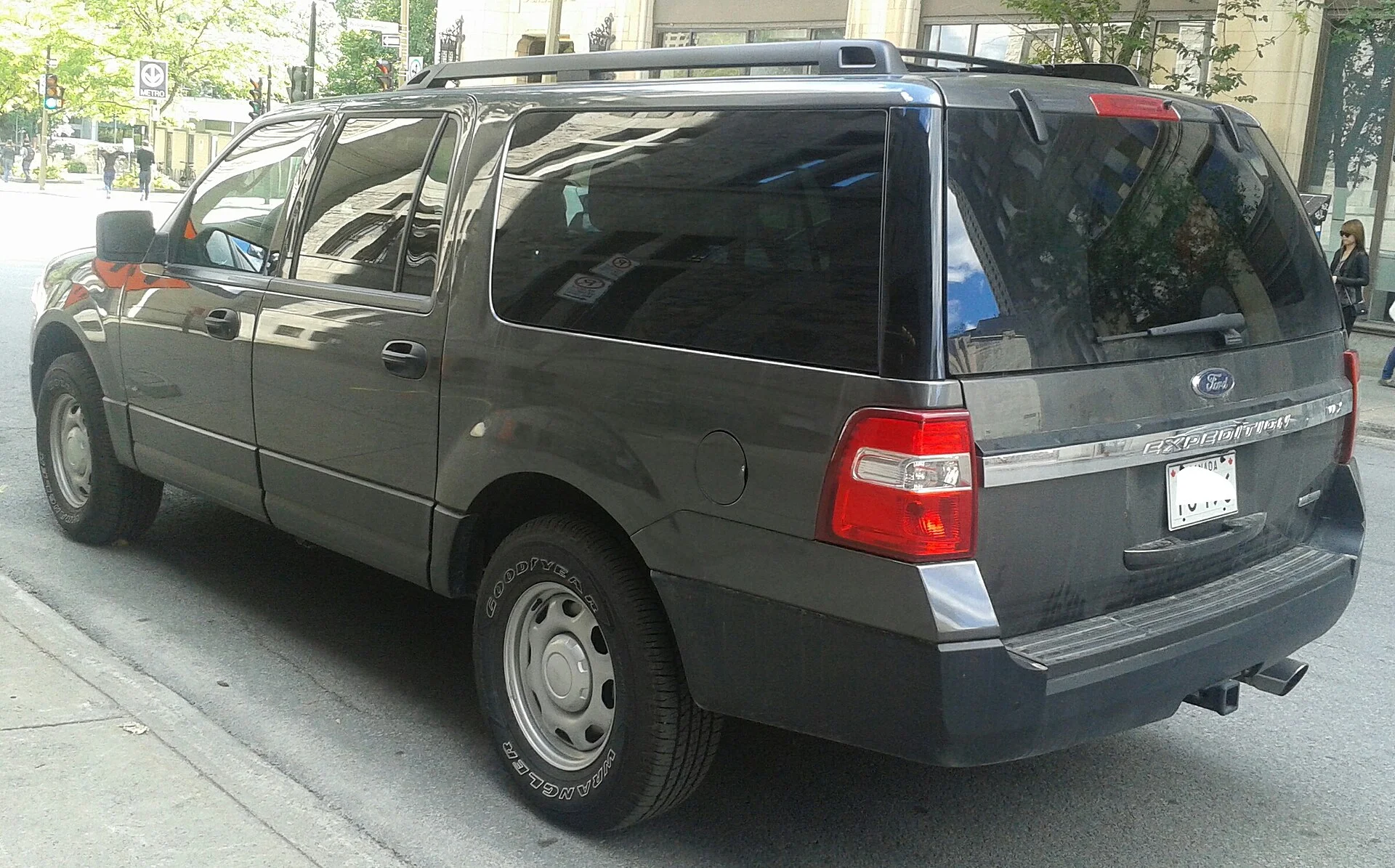
Width: Sleeping Lengthwise vs Crossways
Length gets the attention, but width decides your sleeping layout. The Expedition is 79.9 inches wide on the outside excluding mirrors, and the usable interior width between the trim panels is naturally less than that. Still, this is a genuinely wide vehicle, which opens up a layout a smaller SUV cannot offer.
The lengthwise layout is the default: you sleep head-to-tailgate, running the length of the truck, which is why the standard-versus-MAX length discussion matters so much. It comfortably fits one adult stretched out, and two adults head-to-toe on the MAX's longer floor if the flat length measures up.
The crossways option is where the Expedition's width earns its keep. Because the interior is broad, some campers sleep side-to-side across the vehicle, which can let two people lie shoulder-to-shoulder without needing the full body length down the truck. The limit here is the interior width at the sleeping height and the intrusion of the wheel wells, which narrow the perfectly rectangular space — another dimension the brochure will not give you and you should measure.
The practical guidance: measure both the flat length and the usable width at floor level, including how far the wheel wells pinch in, before you decide on a layout. A wide SUV like the Expedition gives you options a narrow one does not, but only a tape measure tells you which layout your body and your passengers actually fit. Plan the orientation first, then size the mattress to it.
Second Row vs Third Row Folded: Your Sleeping Configurations
The Expedition gives you more than one sleeping configuration because the seats fold in stages, and each stage trades passenger space for floor. Understanding the stages helps you match the truck to your trip. Folding just the third row opens the floor behind the second row; folding both rows opens the full-length platform.
The full-fold platform is the sleeping setup: both second and third rows down, yielding the flat floor from the tailgate to the front seatbacks and the full 104.6 or 121.5 cubic feet of the standard or MAX. This is the configuration for one or two people sleeping in the vehicle with gear tucked around them or up front.
The partial-fold keeps the second row up for passengers and uses the space behind it — 63.6 cubic feet on the standard truck — for gear or a shorter sleeper. This is the family compromise: kids or passengers in the second row, a sleeping or storage zone behind. It is a real advantage of a three-row SUV that a two-row cannot match, because you can carry people and still keep a usable cargo zone.
The mechanic's read: decide your sleeping-versus-passenger split before the trip and know which fold you will run. If it is two adults sleeping in the truck, plan the full fold and stow gear on a roof rack or up front. If it is a family with a sleeper, the partial fold behind the second row is your zone. The Expedition flexes both ways; just know which one you are using before you pack.
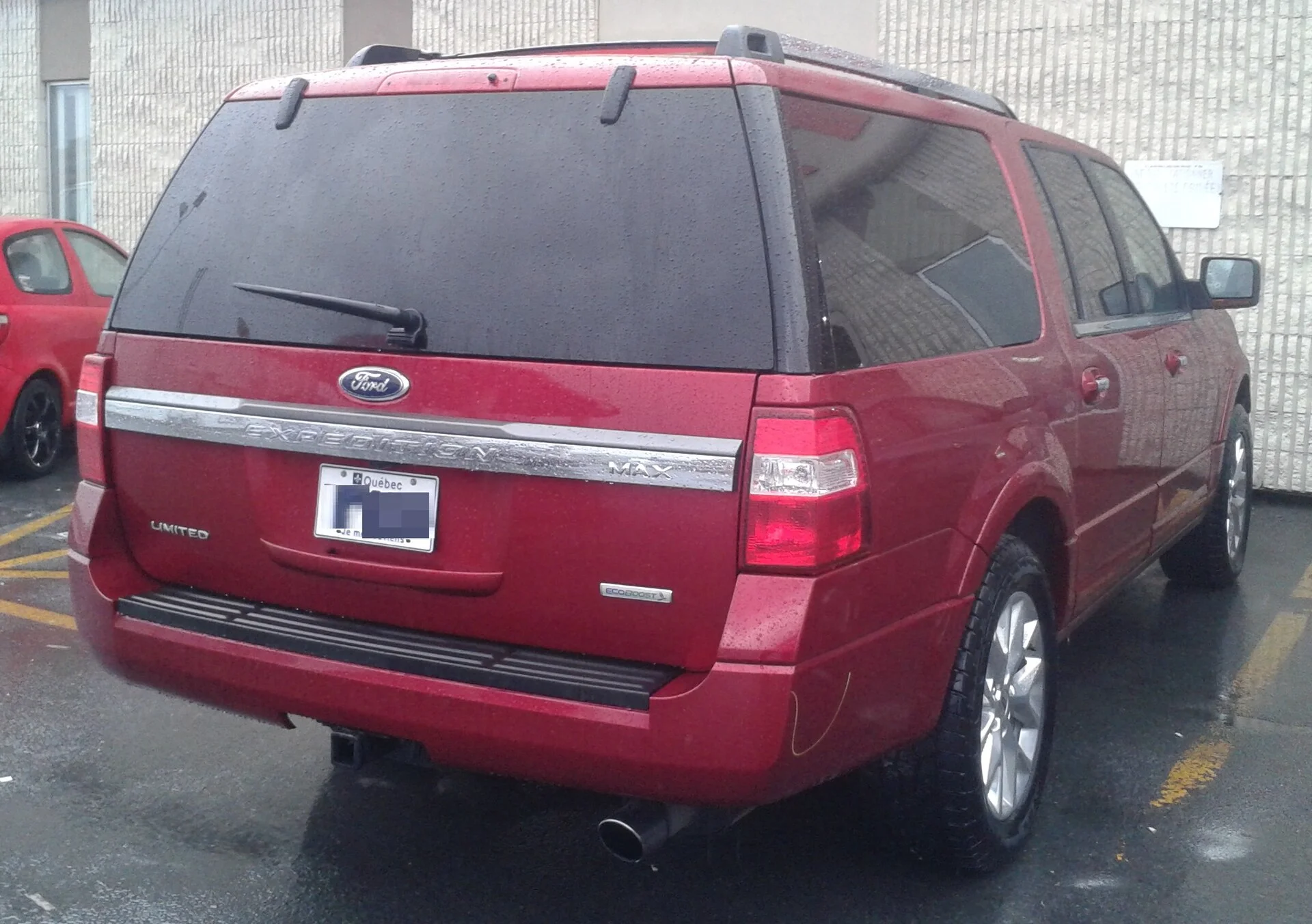
Building a Sleeping Platform That Fits the Real Floor
A sleeping platform turns the Expedition's technically-flat floor into a genuinely comfortable bed, and building one right starts with the measurements the brochure omits. The platform's job is to create a perfectly level surface at a height that leaves storage underneath, bridging the small steps and gaps where folded seatbacks meet the cargo floor.
Measure first, always. You need the flat length from the tailgate to the front seatbacks in your driving position, the usable width at platform height, and the pinch of the wheel wells, plus the height available before you lose too much headroom. Those numbers, not the 121.5 cubic feet on the sticker, are what your cut list is built from. A platform sized off the volume number instead of a tape measure never fits right.
The under-platform space is the Expedition's payoff. Because the truck is large, a platform tall enough to slide bins underneath still leaves sitting-up headroom in a full-size SUV, which a compact crossover cannot offer. That storage-plus-bed combination is exactly why big three-row SUVs make good camp rigs when you plan the build around the real floor. A simple modular kit or a sleeping platform and drawer system for full-size SUVs can save you the plywood math if you would rather buy than build.
The habit that separates a clean build from a rattly one is fitment: cut to the measured floor, account for the wheel wells, and leave the front-seat clearance you actually use. A platform that is a hair too long fights the seats; one that ignores the wheel wells wastes width. Measure the real truck, build to those numbers, and the Expedition becomes a proper bedroom on wheels.
The Honest Limits Before You Commit
Before you count on the Expedition as a sleeper, respect a few honest limits. First and biggest: the flat-load length is not published, so every claim about lying flat depends on a measurement you have to take. Do not assume a six-foot adult fits until you have run a tape from the tailgate to the folded front seats in that specific truck.
Second, flat is approximate. Ford's own description is a flat load surface, and in practice folded seatbacks can leave a slight angle, step, or gap. The 104.6 or 121.5 cubic feet of volume says nothing about how level that floor really is, which is why a topper or platform is usually necessary rather than optional for a good night's sleep.
Third, cubic feet includes space you cannot sleep in. The impressive volume numbers count height near the ceiling; your body uses the floor rectangle, narrowed by the wheel wells below the 79.9-inch exterior width. Judge sleeping by that rectangle, not the bucket.
Fourth, the standard truck is not the MAX. If you shop on the standard Expedition's 104.6 cubic feet expecting MAX-length sleeping, you will come up short by exactly the inches that matter. Match the version to the job. Respect these four limits and the Expedition is an excellent platform; ignore them and the brochure numbers will quietly mislead you.
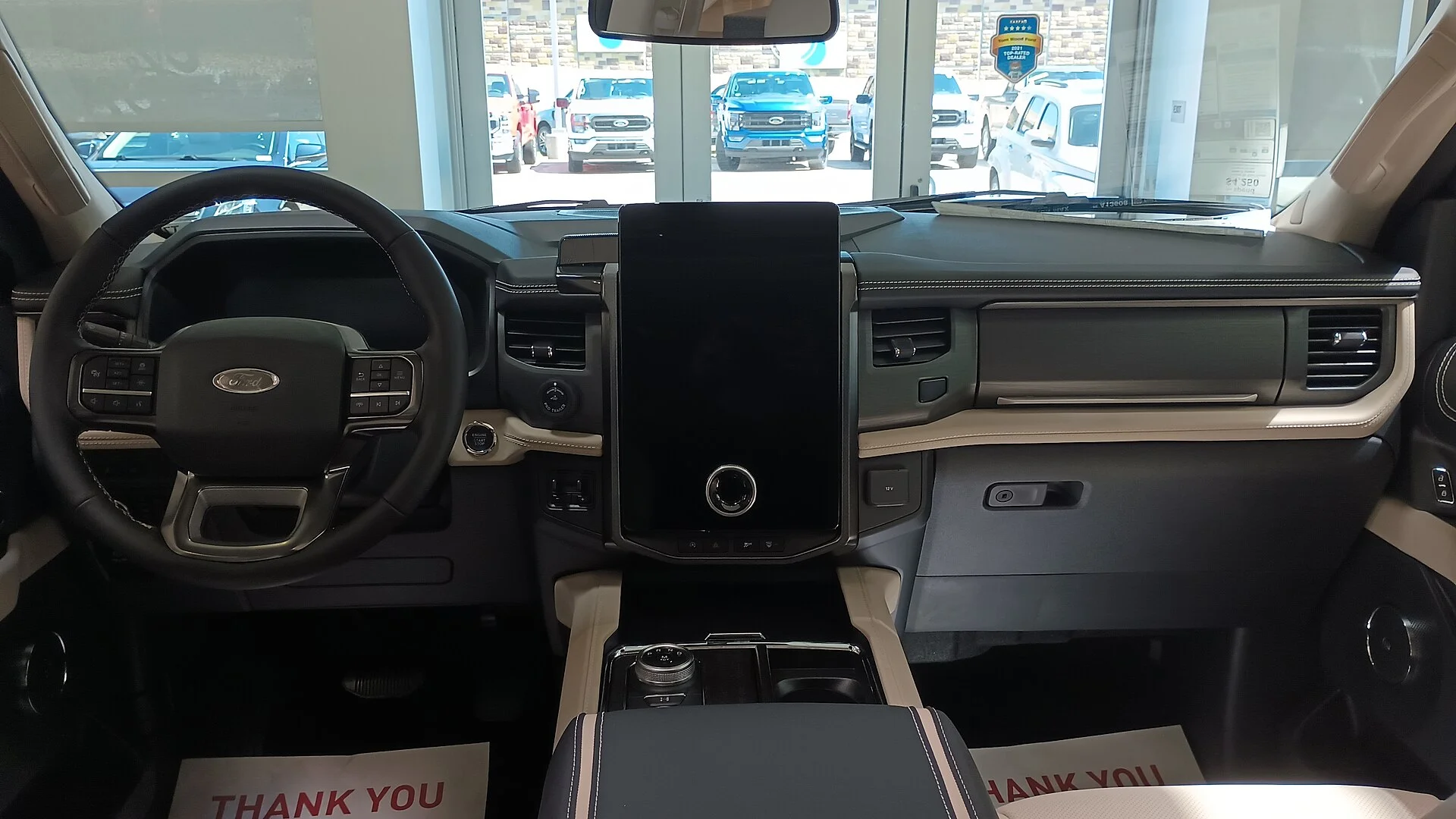
The Verdict: Buy the MAX for Sleeping, and Measure Before You Build
The Ford Expedition is one of the better full-size SUVs to sleep in, but the decision runs on the number Ford will not print. The 104.6 cubic feet in the standard and 121.5 cubic feet in the MAX describe space, not the flat-load length that actually decides whether you stretch out. Read the volume as a proxy for length, and the MAX's edge is the inches a tall sleeper needs.
If sleeping in the vehicle is a real priority, buy the Expedition MAX and its longer floor; the 221.9-inch body is a fair trade for the extra bed length. If you mostly haul gear and camp in a tent, the standard truck's 104.6 cubic feet is plenty, and you save the length in every parking lot.
Whichever you choose, do the thing the brochure cannot do for you: measure the flat length, the usable width, and the wheel-well pinch in your actual truck, then build or buy your sleeping setup to those numbers. Cubic feet sells the Expedition; a tape measure is what turns it into a bed you can actually stretch out in. Measure first, and the big Ford delivers exactly the room its size promises.