First, the Basics
The question of whether to use a cordless car vacuum or a traditional, corded one comes down to a battle between convenience and consistent power. A cheap corded model plugged into the cigarette lighter is a common first car vacuum. It worked okay for small spills, but the cord always got tangled and I once tripped over it, nearly taking my side mirror off. That taught me a lot about the real-world trade-offs.
Car vacuum experts also note that different types excel at different tasks, so it's not a one-size-fits-all situation. Think about your car's typical mess level and how much you want to wrestle with cords versus battery life.
The Core Answer
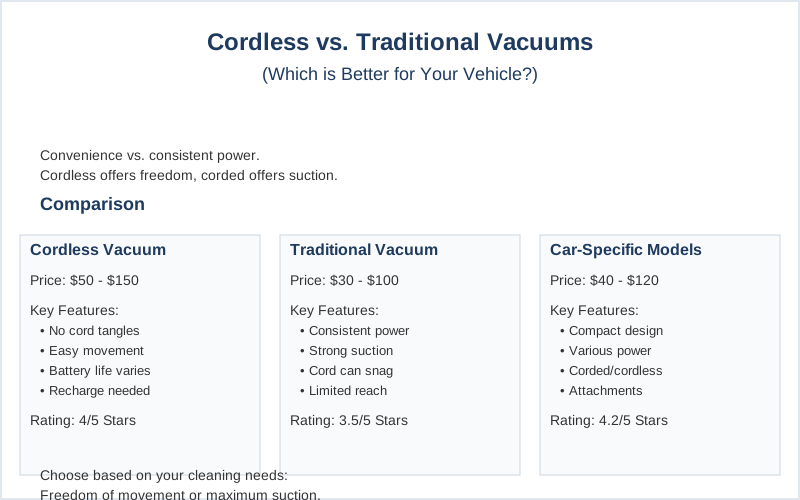
The core answer to whether a cordless car vacuum is better than a traditional one boils down to what you prioritize: freedom of movement or relentless suction. Cleaning out a hatchback after a muddy camping trip exposes a weak vacuum fast. My old corded vacuum had decent pull, but maneuvering it around the seats and cargo area was a nightmare. The cord kept snagging on things, and I ended up just giving up.
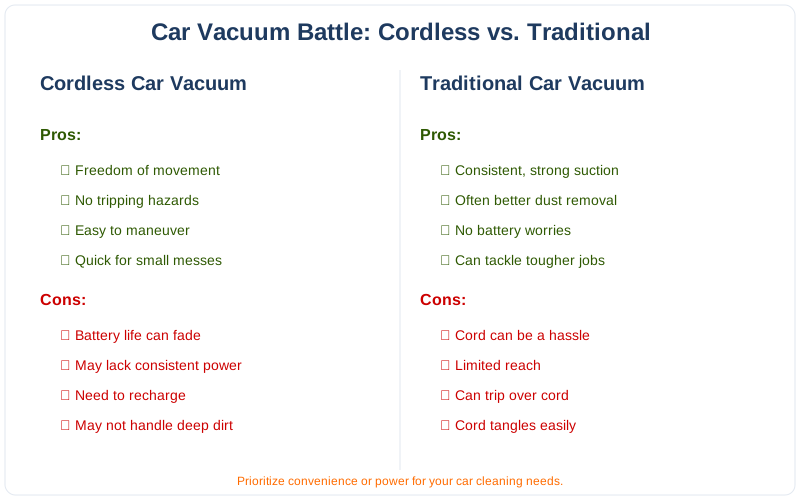
Some tests show that corded models often achieve better dust removal rates than cordless ones, which makes sense. The battery in a cordless unit can fade, and that's a rookie mistake to overlook. You might be halfway through cleaning your trunk when suddenly, your vacuum just... stops. Brilliant engineering. On the flip side, a cordless unit means no cord to trip over or untangle.
I've seen people spend 10 minutes just trying to get the cord to reach the back seat. That's time you could spend actually cleaning. The real move with cordless is to make sure you have enough juice for the job. Some of the better cordless options have batteries that last for a solid 20 minutes, which is usually enough for a decent car clean.
But if you have a big SUV or you're dealing with major crumbs from a family road trip, that might not cut it. Portable hand vacuums can be powerful, but it really depends on the model. The honest version is, if you need serious power for deep cleaning or you have a large vehicle, a corded unit or a more powerful cordless option might be the way to go.
For quick touch-ups or small spills, the convenience of cordless is hard to beat. It's like choosing between a full steak dinner and a really good sandwich; both are food, but one is more involved.
Why This Matters for Your Setup
Why this matters for your setup is all about how you actually use your car. A full-blown shop vac for a sedan is overkill. The real move is to match your tools to your mess.
- Spills and Crumbs: For everyday messes, like dropped snacks or tracked-in dirt, a cordless handheld vacuum is usually game-time. They're easy to grab and use without fuss. Many users find these powerful enough for regular car cleaning.
- Deep Cleaning: If you're dealing with pet hair embedded in carpets or significant dirt from outdoor adventures, you might need more sustained power.
This is where a corded unit, or a high-end cordless model with a robust battery, shines.
- Reach: Think about the nooks and crannies. Some cordless vacuums come with specialized attachments that make them super versatile for getting into tight spots. My first camping trip taught me that reaching under seats is a whole other ballgame. Good attachments can make a huge difference.
- Power Source: Corded vacuums rely on your car's 12-volt outlet, which is usually stable.
Cordless ones depend on battery charge. I've had batteries die mid-clean, which is frustrating. You need to know your battery life versus your cleaning needs.
Making the Right Choice
Making the right choice between cordless and corded car vacuums is about understanding your personal car cleaning habits. Don't overthink it like I did with my first camping gear haul.
- Consider Your Mess: Are you dealing with daily dust and crumbs, or are you tackling post-adventure mud? Testing shows different vacuums handle different messes.
- Power Needs: Corded vacuums generally offer consistent, strong suction. Cordless models vary wildly in power and battery life; some are great, others are glorified dust collectors.
- Convenience Factor: Cordless wins for ease of use and portability.
No cords mean no tangles and faster grab-and-go cleaning sessions.
- Budget: The $50 version of a cordless vacuum might not perform like a $150 one. Be realistic about what you can afford and what you expect. Price and performance often go hand-in-hand.