
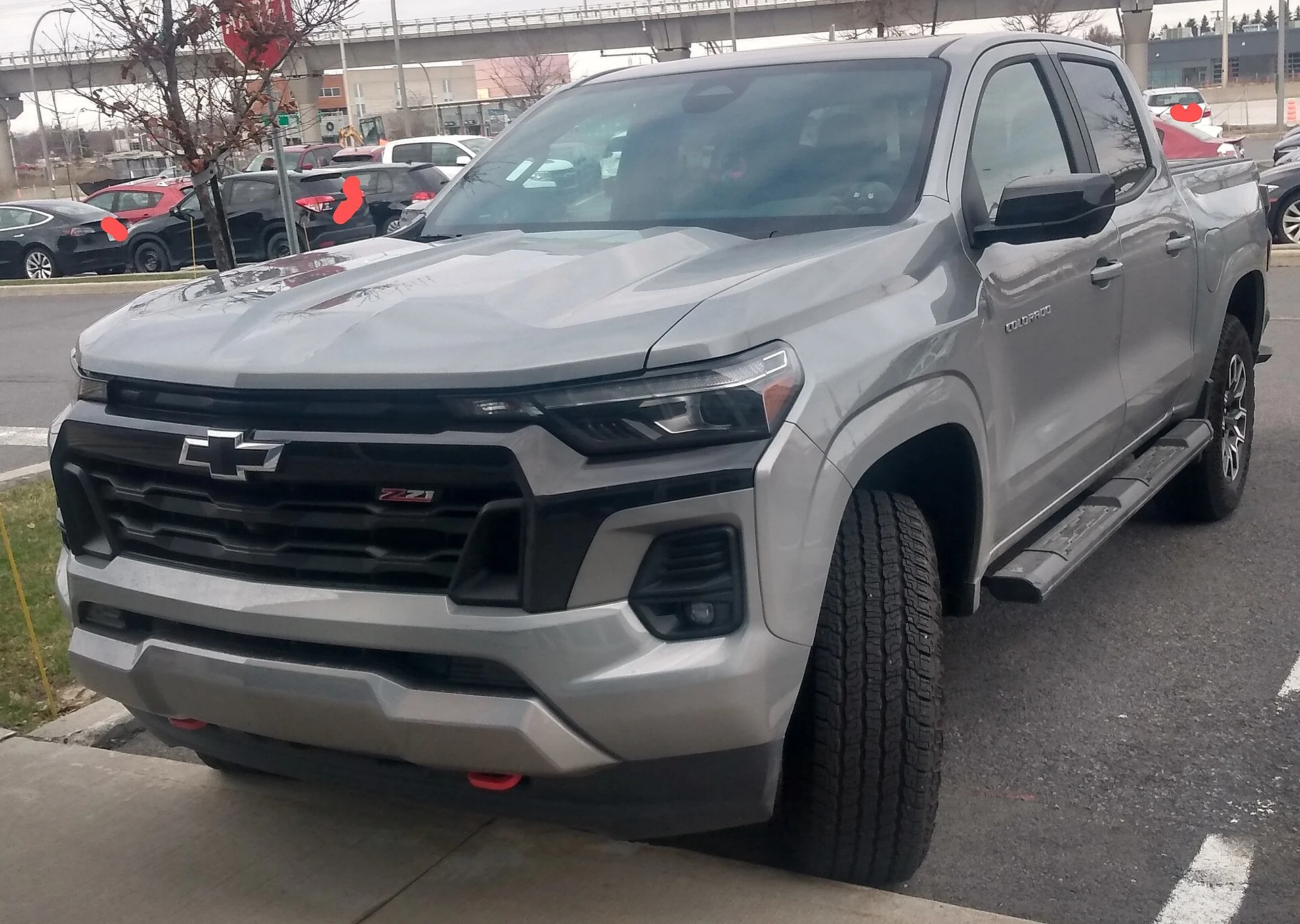
The 7,700-Pound Number Has a Recipe
The Chevy Colorado's headline is a strong one for a midsize truck: a max towing capacity of 7,700 lb on the WT, LT, Trail Boss, and Z71 trims. That number lands the Colorado near the top of its class and makes it a legitimate travel-trailer tow rig. Here is what the ad copy skips, though: that 7,700-pound figure only shows up when the truck has the TurboMax engine and the available Trailering Package.
That is a recipe, not a baseline. Order a Colorado without the high-output TurboMax engine and the tow rating drops hard, all the way to 3,500 lb on the base 2.7L Turbo. Two identical-looking Colorados in a dealer lot can have tow ratings more than double apart depending on what is under the hood and whether the trailering hardware is bolted on.
The spec that matters is the one on the specific truck's paperwork, not the brochure's best case. A camper who buys expecting 7,700 pounds and then discovers the truck left the factory with the base engine is not towing a heavy travel trailer, no matter what the marketing implied. The recipe has to be complete.
This guide reads the Colorado's towing the way a shop invoice reads it: what the max rating actually requires, the engine ladder that governs it, the tongue-weight limit that governs real loading, and why the loaded weight of a trailer, not its dry weight, is the only number worth matching against the rating.
What the Max Rating Actually Requires
Reaching 7,700 pounds takes two boxes checked, and both matter. The first is the engine: the max rating requires the 2.7L TurboMax high-output engine, which produces 310 hp and 430 lb-ft of torque. That torque figure is the one that pulls a loaded trailer up a grade without the truck gasping, and it is standard on the ZR2 and available on the Trail Boss and Z71.
The second box is the available Trailering Package, which adds the hitch, wiring, and a locking rear differential. Skip it and the truck loses the hardware it needs to reach and sustain the rating, regardless of engine. The reps do not always volunteer that the headline number assumes both, so a buyer shopping on the tow figure alone can end up with a truck that cannot legally or safely tow what they planned.
The 7,700-pound rating is an engine-plus-package achievement. A Colorado with the base 2.7L Turbo tows 3,500 lb, less than half the headline, and no trailering package fixes an engine deficit.
The base engine is not weak, to be clear. The standard 2.7L Turbo produces 237 hp and 260 lb-ft of torque and tows a respectable 3,500 lb, which covers a small trailer or a light teardrop. But it is a different truck for towing than the TurboMax, and the two share a badge, not a capability. Knowing which engine a specific Colorado has is the first thing to check when the tow number matters.
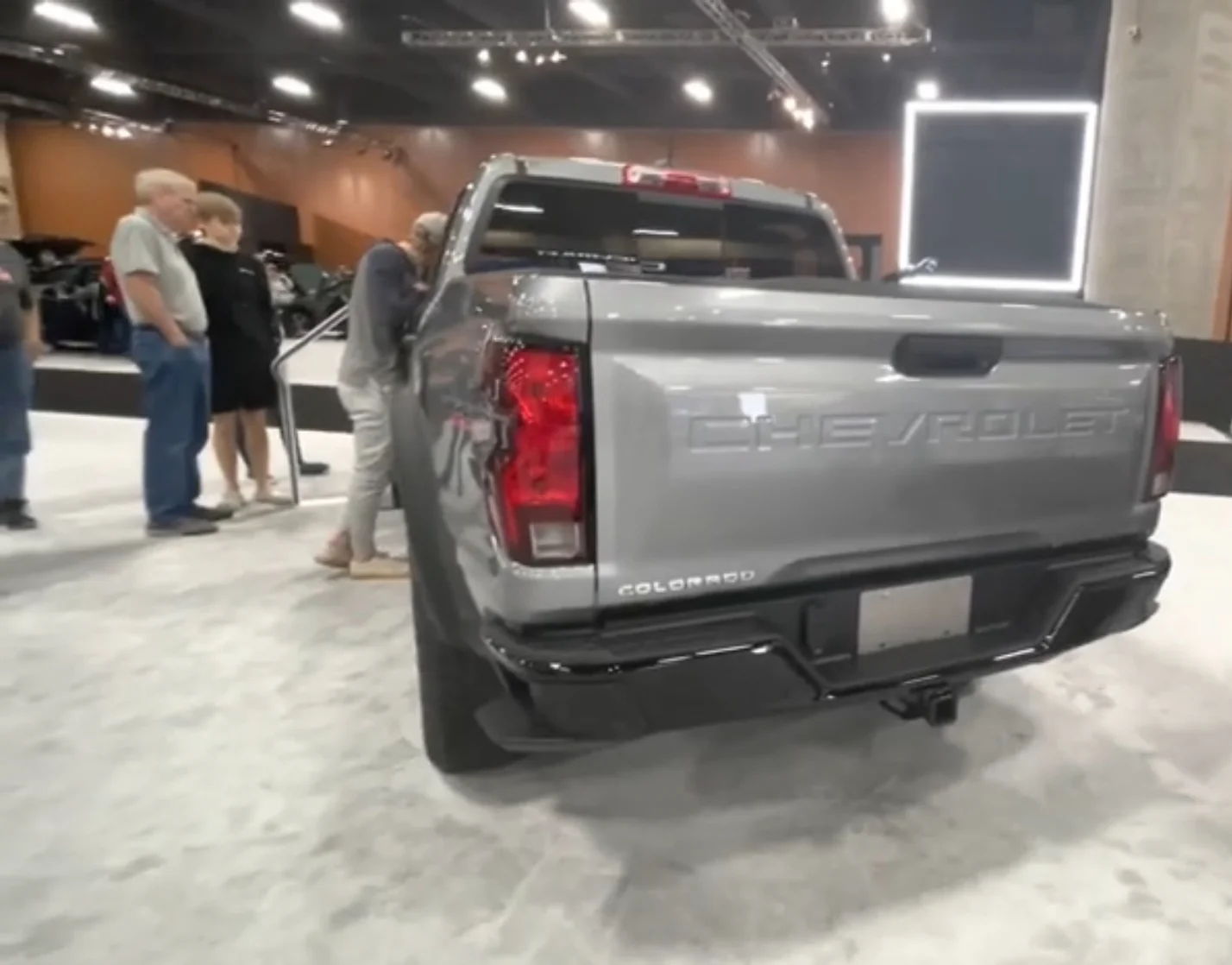
The Engine Ladder: Torque Is What Tows
The Colorado's engine story is really a torque story, because torque, not horsepower, is what moves a heavy trailer. The base 2.7L Turbo makes 260 lb-ft; the TurboMax high-output version makes 430 lb-ft. That is a large gap, and it is felt exactly where towing is hard, on the launch from a stop and on the long uphill pull.
Some dealer listings note a middle output for the Trail Boss's standard 2.7 Turbo Plus tune at 310 hp and 390 lb-ft of torque, a step between the base and the full TurboMax. The point for a camper is that the badge on the tailgate does not tell you the tune under the hood; the window sticker and the engine callout do. A Trail Boss and a ZR2 can carry different torque figures depending on the exact engine fitted.
Torque is why the TurboMax truck feels effortless with a trailer that would have the base engine downshifting and revving. On a spec sheet the difference is a number; on a mountain pass it is the difference between holding speed and crawling with the hazards on. For anyone towing near the top of the range regularly, the high-output engine is not an upgrade, it is the requirement.
The honest read is that the Colorado's towing capability is defined by its engine first and its trim second. A ZR2, despite being the most off-road-focused trim, carries the strong TurboMax engine, which is why its lower tow rating comes from geometry and gearing, not from a weak motor. Match the engine to the towing mission before falling in love with a trim.
Tongue Weight: The 770-Pound Ceiling
Tow rating gets the headline, but tongue weight is what actually governs how a trailer loads, and it is where a lot of well-meaning setups go sideways. Tongue weight is the downward force the trailer puts on the hitch, and the standard guidance is that it should equal 10% to 15% of the trailer's total loaded weight. Too little and the trailer sways; too much and it squats the rear axle.
The Colorado's own ceiling on that number is roughly 770 lb, per the factory trailering guide. That limit interacts directly with the tow rating: a trailer loaded near the truck's 7,700-pound capacity, set to a proper tongue weight in the 10-to-15-percent band, produces a tongue load that must stay under 770 pounds. Run the math and a heavy trailer at 15 percent tongue weight gets close to that ceiling fast.
This is the number the sales floor almost never mentions, and it is the one that quietly caps real-world towing. A camper can be under the 7,700-pound tow rating and still be over the 770-pound tongue limit if the trailer is loaded nose-heavy. Both have to be satisfied at once, which means loading the trailer with an eye on where the weight sits relative to its axle, not just the total.
The practical discipline is to weigh the tongue, not guess it. A tongue-weight scale or a trip across a truck scale tells you the real number, and adjusting cargo forward or back inside the trailer moves it into the correct band. Getting tongue weight right is what turns the tow rating from a spec into a stable, controllable trailer at highway speed.
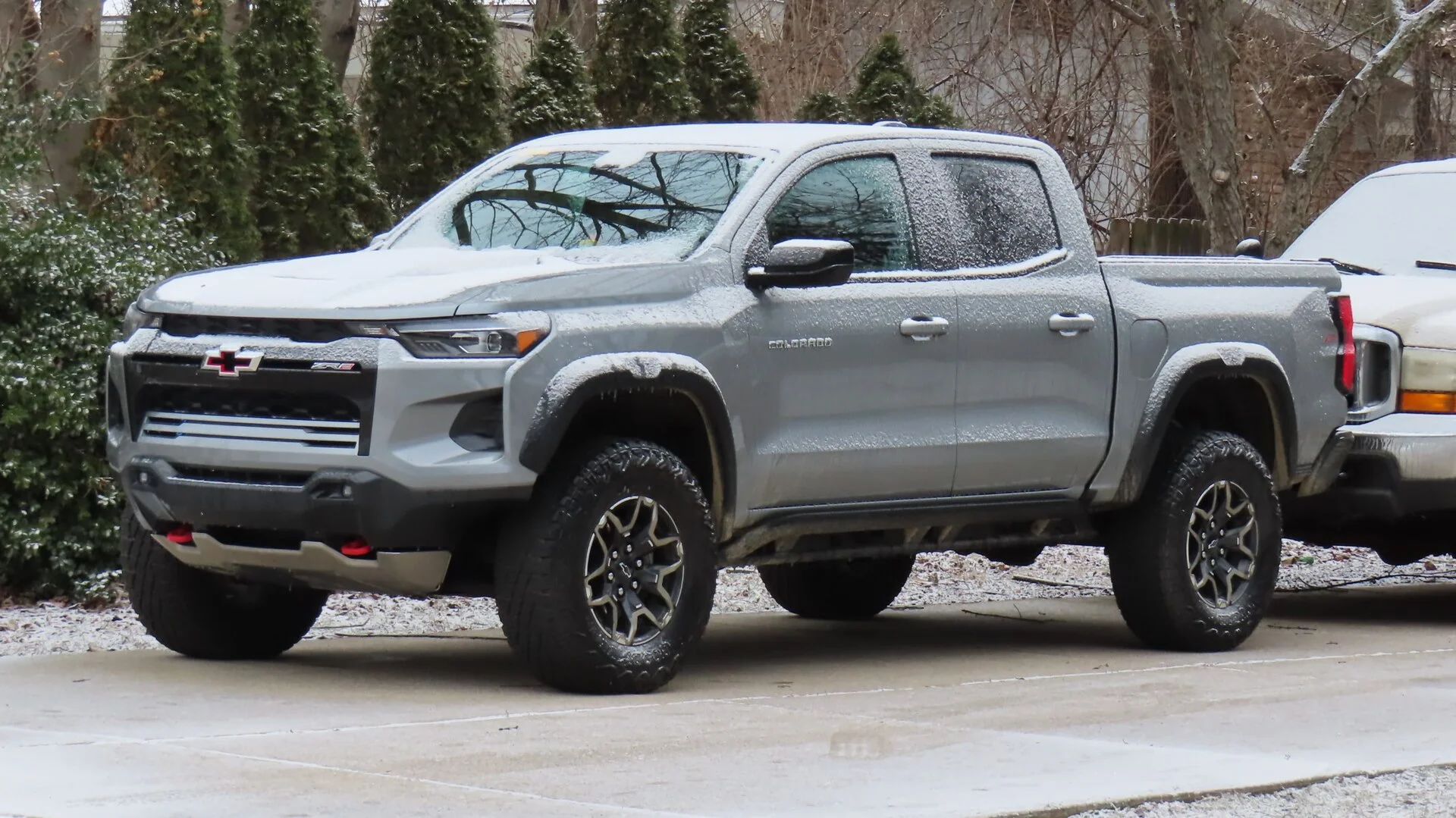
Loaded Weight, Not Dry Weight, Is the Number to Match
Here is the mistake that puts more camper-tow rigs over their limit than any engine choice: matching a trailer's dry weight to the truck's tow rating. Dry weight is what the trailer weighs empty on the manufacturer's floor, before a single thing is added. It is not what you tow.
A travel trailer fills up fast. Fresh water at roughly eight pounds a gallon, propane, batteries, a full pantry, camp chairs, tools, and gear can add hundreds of pounds over dry weight, and that loaded number, the gross trailer weight, is what the Colorado's 7,700-pound rating has to cover. A trailer advertised at a dry weight comfortably under the rating can cross it once it is packed for a real trip.
The honest way to shop a trailer against the Colorado is to take its gross vehicle weight rating, the most it is allowed to weigh loaded, and confirm that number stays under the truck's real tow rating with margin. That approach builds in the water, gear, and supplies a camper actually carries, instead of pretending the trailer stays showroom-empty.
Margin matters here because towing at the exact limit leaves nothing for grades, wind, or a heavier-than-expected load. A truck rated at 7,700 pounds towing a trailer that grosses 7,600 is technically legal and practically miserable and slow. Leaving a cushion between the loaded trailer weight and the rating is what keeps the Colorado composed rather than maxed out.
Towing and Payload Share One Budget
A subtlety that traps midsize-truck buyers is that towing eats payload, so the Colorado's tow and payload numbers are linked, not separate. Every pound of trailer tongue weight lands in the bed as payload, right alongside passengers, gear, and anything in the cargo box.
The Colorado's payload varies by trim and drivetrain. On the 2024 trucks it runs from about 1,636 lb on the WT 2WD up to 1,836 lb on the WT 4WD, with the Trail Boss 4WD at 1,725 lb and the Z71 4WD at 1,719 lb. Those are healthy numbers, but a tongue weight near the 770-pound limit consumes a big share of them before a single passenger climbs in.
The arithmetic gets tight on a family trip. Four people, a bed full of camp gear, and a trailer's tongue weight can push a Colorado against its payload ceiling even while the trailer itself stays under the tow rating. The GVWR, 6,250 lb on most 2024 trims, is the cap that both loads share, and the Z71's gross combined weight rating of 13,250 lb caps the truck-plus-trailer total.
So the real budgeting exercise is to add passengers plus cargo plus tongue weight and keep the total under the truck's payload figure, while separately keeping the loaded trailer under the tow rating. A Colorado can be under its tow rating and over its payload, or the reverse, and both are overloaded. Reading the two budgets together is how the setup stays safe.
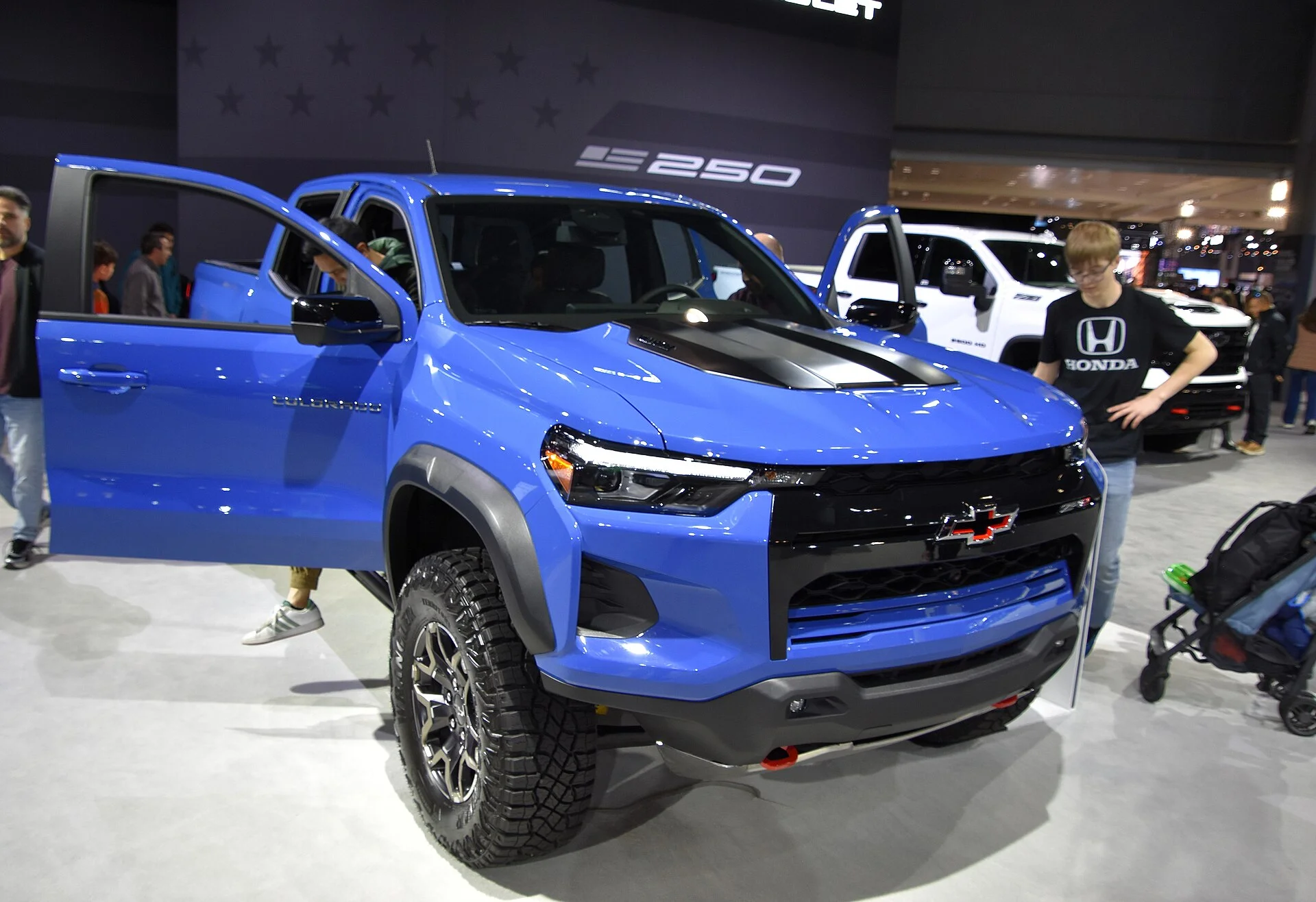
What the Trailering Package Actually Adds
The Trailering Package shows up as a line item, but it earns its place with hardware that towing genuinely needs. It adds a 2-inch receiver hitch rated Class III, the mounting foundation for a real trailer, plus the wiring that connects the trailer's lights and brakes to the truck.
That wiring is more than a convenience. The package includes a 7-wire electrical harness with a 7-pin sealed connector for trailers with lights and electric brakes, plus a 4-way sealed connector for lighter trailers without brakes. A camper towing anything with its own brakes needs the 7-pin connection, and retrofitting it later is a job most buyers would rather have from the factory.
The package also adds an automatic locking rear differential for added stability while towing. On a slick boat ramp or a loose campground pull-through, a locking diff keeps both rear wheels driving instead of one spinning, which is exactly the traction a loaded trailer asks for at low speed. It is the kind of hardware that does nothing on dry pavement and everything the one time it is needed.
The lesson a mechanic draws from this is that the tow rating assumes the truck is properly equipped, and the Trailering Package is a large part of what properly equipped means. Shopping a used Colorado for towing means confirming the truck actually has the package, the hitch, the 7-pin connector, and the locking diff, because a truck missing that hardware carries the engine's capability without the system to use it safely.
Why the ZR2 Tows Less, and When That's Fine
One number surprises Colorado shoppers: the off-road-flagship ZR2 tows 6,000 lb, less than the 7,700-pound rating of the tamer trims, despite carrying the strong TurboMax engine as standard. That is not an engine weakness; it is a deliberate trade.
The ZR2 is built for the trail, with more suspension travel, more aggressive geometry, and the heaviest curb weight in the lineup at 5,298 lb versus 4,716 lb on the WT and LT. Heavier truck plus off-road gearing plus a GVWR of 6,200 lb, slightly lower than the 6,250 lb of the other trims, all pull the tow rating down. The truck spends its capability on rock crawling instead of trailer pulling.
For a camper, that trade is fine or a dealbreaker depending on the mission. Someone whose camping is remote, trail-access dispersed sites with a light trailer or no trailer at all is exactly who the ZR2 is for, and its 6,000-pound rating covers plenty of small trailers. Someone towing a heavy travel trailer to developed campgrounds is better served by a Trail Boss or Z71 with the same engine and the full 7,700-pound rating.
The honest framing is that the ZR2's lower tow number is a feature of what it is, not a flaw. It tells you the truck is optimized for terrain, not tonnage. Matching the trim to whether the trip is about where you can go or how much you can pull is the decision the tow rating is quietly asking you to make.
Matching a Trailer to the Real Colorado
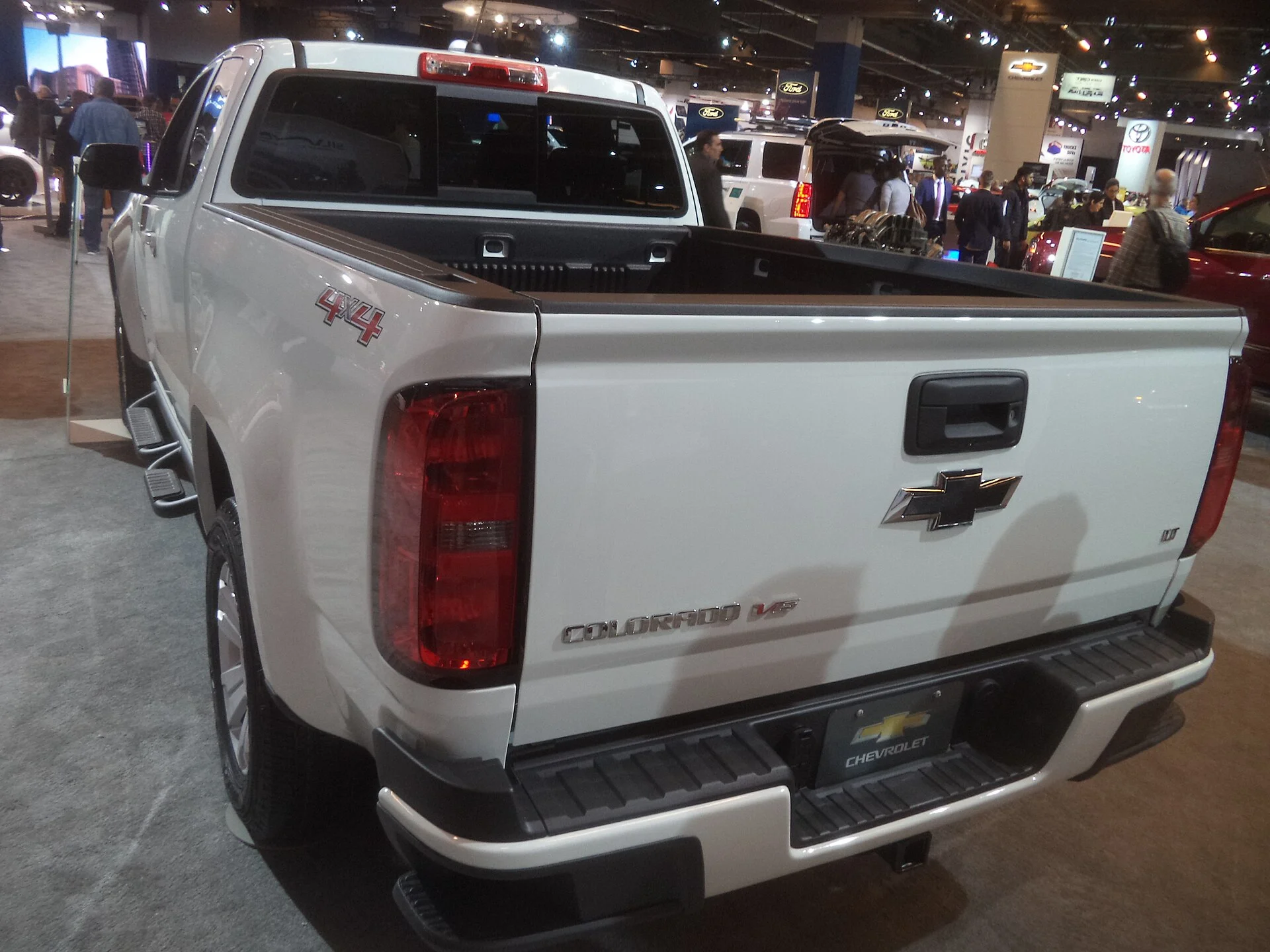
Putting it together, matching a trailer to a Colorado starts with identifying the specific truck's real capability, not the class-topping headline. Confirm the engine, TurboMax for the full rating or base 2.7L Turbo for 3,500 pounds, confirm the Trailering Package and its hardware are present, and read the tow rating for that exact configuration.
Then work the trailer from its loaded weight. Take the trailer's gross weight rating, confirm it stays under the truck's real tow number with margin, and check that its properly set tongue weight lands in the 10-to-15-percent band and under the roughly 770-pound hitch limit. All three conditions, tow rating, tongue weight, and payload budget, have to hold together.
A weight-distribution hitch is worth considering for trailers in the upper half of the range, because it spreads the tongue load across both axles and keeps the truck level and stable. A quality weight-distribution hitch turns a heavy trailer that squats the rear into one that tows composed and level within the truck's limits.
Done that way, the Colorado is one of the more capable midsize tow rigs a camper can buy, strong enough for real travel trailers with the right engine and honest about its limits. Skip the engine check or match against dry weight, and the class-leading 7,700-pound number becomes an overloaded truck that the spec sheet never promised.
The Verdict: Check the Engine, Then Load to the Real Number
The Colorado tows up to 7,700 pounds, but that figure is a recipe: it needs the 2.7L TurboMax engine and the Trailering Package. A base 2.7L Turbo truck tows 3,500 lb, and the off-road ZR2 tows 6,000, so the first job is always confirming what a specific Colorado actually is under the hood.
Torque is what tows, and the TurboMax's 430 lb-ft versus the base engine's 260 is the difference a camper feels on every grade. The trim matters less than the engine; a Trail Boss or Z71 with the TurboMax reaches the full rating, while the ZR2 trades tow capacity for trail capability by design.
Tongue weight and payload are the numbers that govern real loading. Keep the tongue in the 10-to-15-percent band and under roughly 770 pounds, and remember that tongue weight counts against the truck's payload alongside passengers and cargo. Match the trailer's loaded weight, not its dry weight, and leave margin.
Do that and the Colorado is a genuinely strong midsize tow rig that punches at the top of its class. The right truck is a TurboMax with the Trailering Package, its 430 lb-ft of torque holding speed on grades, its locking rear differential steady on loose ramps, and its 7,700-pound rating covering real travel trailers with margin to spare. That is a lot of capability for a midsize footprint, and it is the version of the Colorado worth seeking out when towing is the mission.
Trust the 7,700-pound headline on a base-engine truck, or match it against a trailer's empty dry weight, and the fine print becomes a slow, overloaded, unstable tow. Confirm the engine, confirm the package, respect the roughly 770-pound tongue limit, and load to the trailer's real gross weight. The number is real; the recipe is what makes it real.