
"Colorado Ground Clearance" Is a Lie of Omission
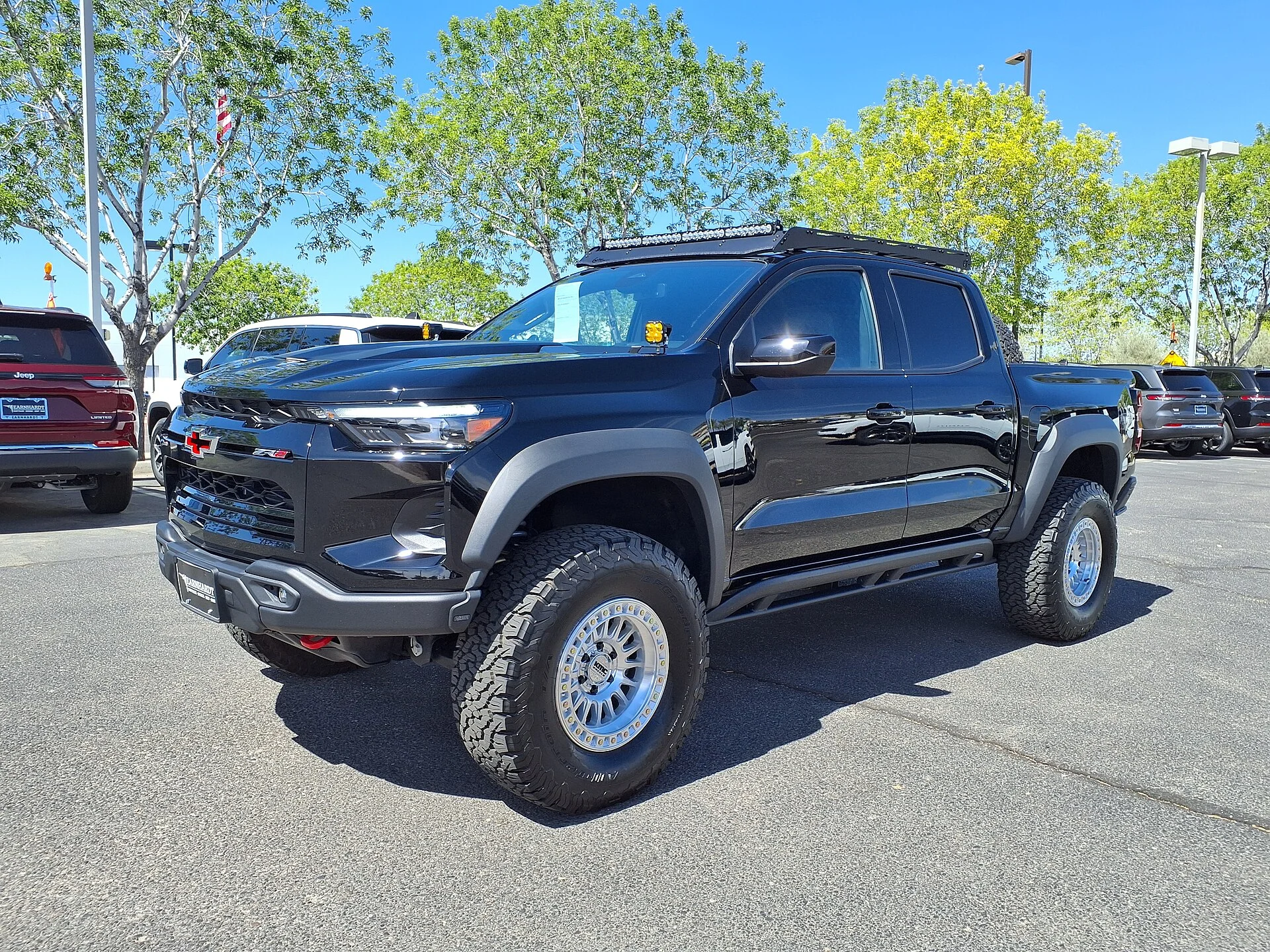
Search "Chevy Colorado ground clearance" and you will get a single confident number, and that number is close to meaningless. I do not take a spec sheet's word for anything, and this is a perfect example of why: there is no such thing as the Colorado's ground clearance, because the off-road versions are effectively three different trucks wearing the same name, and they are separated by nearly three inches of belly height.
The Trail Boss sits at 9.5 inches, the ZR2 at 10.7 inches, and the ZR2 Bison at 12.2 inches. Those are not trim-level rounding differences; they are the gap between a mild all-terrain truck and a genuine rock crawler. Quote one figure for "the Colorado" and you have told the reader almost nothing useful.
This matters because the internet is full of people who bought the wrong one. Some overpaid for capability they will never use on a fire road; others bought the entry off-road trim expecting rock-crawler numbers and found the belly dragging on obstacles a Bison would float over. Both mistakes come from treating "Colorado" as one truck, and both are avoidable the moment you look at the geometry trim by trim instead of trusting a single search-result number.
So this guide does the thing the single-number articles will not: it separates the three off-road Colorados by their real geometry, tells you what each one actually clears, and helps you buy the version that matches your terrain instead of the badge that matches your ego. Every number here is Chevy's published figure for that specific trim.
The Three Off-Road Colorados
Before the numbers mean anything, you have to know which truck you are looking at, because Chevy's off-road ladder is easy to blur. From mildest to wildest, the relevant trims are the Trail Boss, the ZR2, and the ZR2 Bison, and each is a real step up in hardware, not just trim and badges.
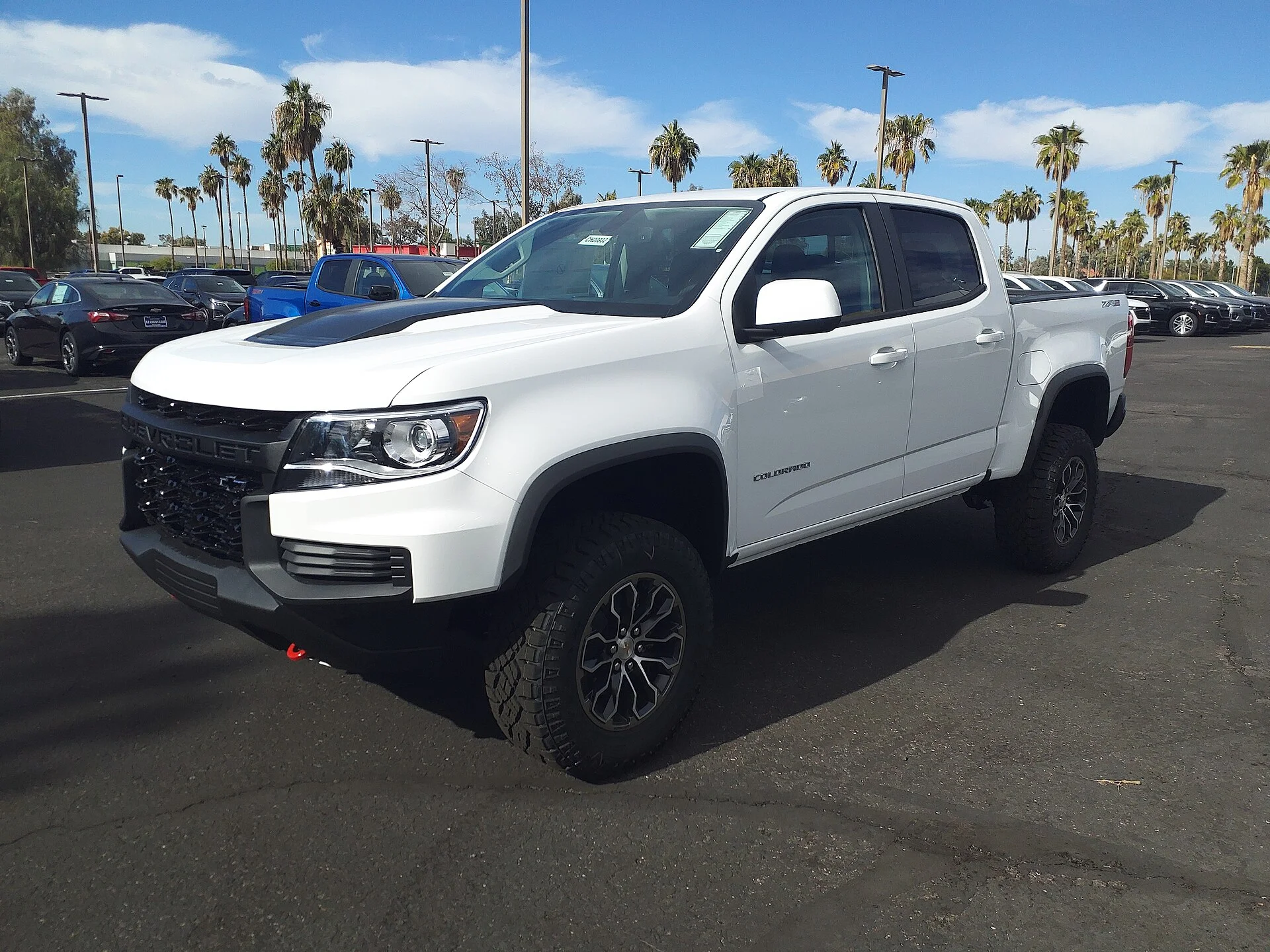
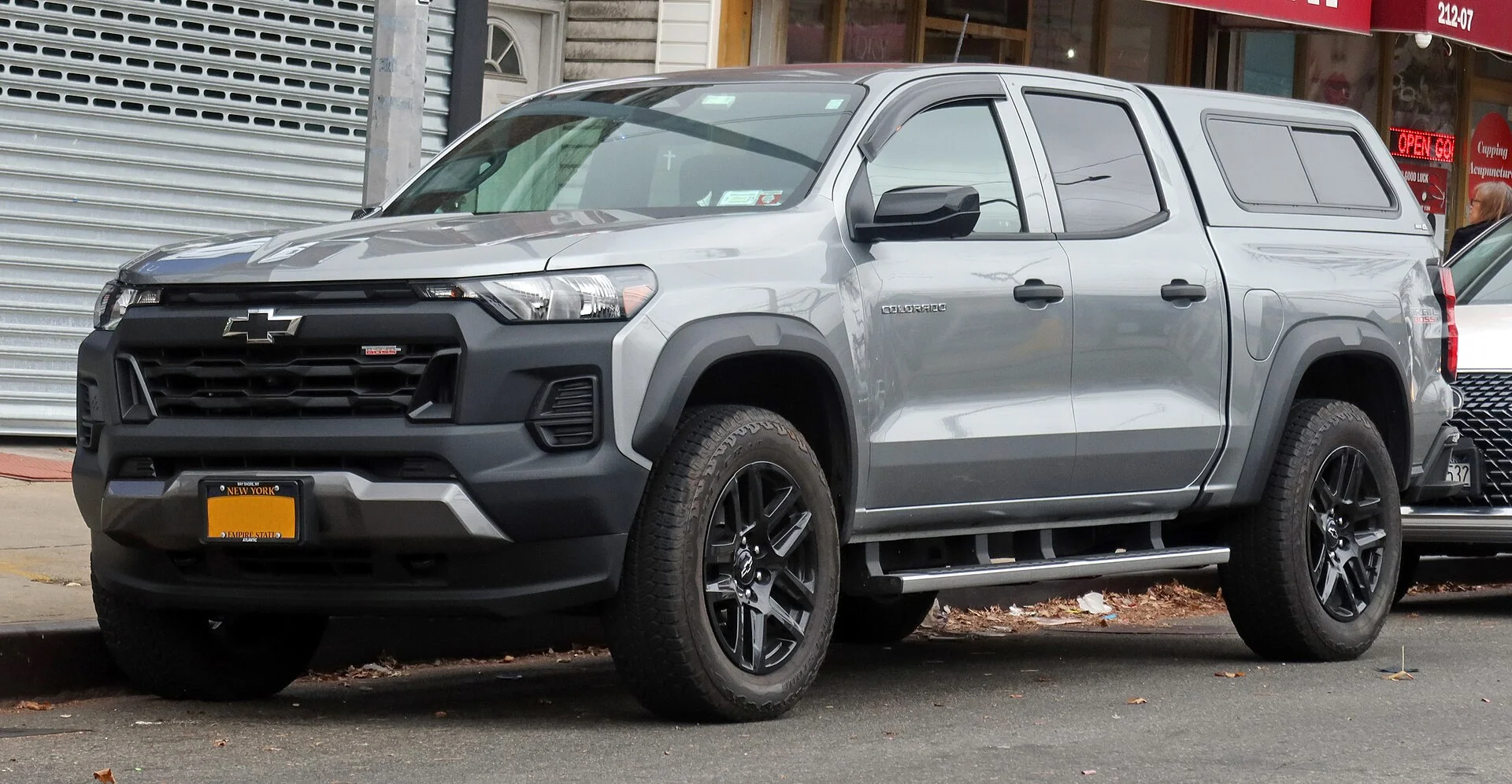
The Trail Boss is the accessible off-road package: a 2-inch factory lift, all-terrain tires, Rancho monotube shocks, and skid plates on an otherwise mainstream Colorado. It is aimed at the buyer who wants dirt-road and light-trail capability without the price or ride penalty of the serious stuff.
The ZR2 is the real off-road truck, with genuinely different suspension geometry and a clearance jump to match. The ZR2 Bison takes the ZR2 and adds the hardware that pushes it into rock-crawler territory, most visibly the 35-inch tires that are a big part of why its belly sits so much higher.
The skeptic's point is that these are not interchangeable, and the marketing wants you to feel like buying any of them makes you an off-roader. What actually makes you capable on a specific trail is whether that specific truck's geometry clears that specific terrain — and that is a numbers question, trim by trim, which is what the rest of this breakdown is about. The names blur together on a dealer lot and in a search result; the geometry does not blur at all, and it is the only thing the trail responds to.
Trail Boss: 9.5 Inches and What the Lift Really Does
The Trail Boss is where most of the internet confusion lives, because people assume its 2-inch lift makes it a serious off-roader. It has 9.5 inches of ground clearance, a 30.5-degree approach angle, a 22.4-degree departure angle, and a 21-degree breakover angle — and those are respectable numbers for a mild truck, not rock-crawler figures.
What the lift, all-terrain tires, Rancho monotube shocks, and skid plates actually buy is confidence on dirt roads, forest service two-tracks, gravel, and light trail — the terrain most owners genuinely drive. For that use, 9.5 inches and a 30.5-degree approach are plenty, and the skid plates mean the occasional scrape hits armor instead of something expensive.
What it does not buy is the ability to keep up with a ZR2 on real rock. The 21-degree breakover and 22.4-degree departure are the numbers that will catch the Trail Boss on ledges, crested ridges, and steep exits where the more capable trims simply clear. That is not a defect; it is the honest limit of a mild package.
The skeptic's read on the Trail Boss is that it is the right truck for the buyer who is honest about driving mostly graded roads and light trail. It looks tougher than its numbers, which is exactly why people overestimate it — and why the ones who take it somewhere it was never meant to go come home with a story about scraping.
ZR2: 10.7 Inches and the Real Off-Road Jump
The ZR2 is where the Colorado becomes a genuine off-road truck, and the numbers show it. Ground clearance climbs to 10.7 inches, the approach angle jumps to 38.6 degrees, and the departure angle improves to 25.2 degrees. That approach-angle leap from the Trail Boss's 30.5 degrees up to 38.6 degrees is the single most telling difference between the two.
That big gain in approach angle is not marketing fluff; it is the difference between stopping at the base of a ledge and driving up it. The ZR2's suspension is built for articulation and impact, not just a taller ride height, which is why the whole geometry improves together rather than just the clearance number. Chevy did not simply lift the truck; it re-engineered how the front end meets an obstacle, and the angle is where you feel it.
For a buyer, the ZR2 is the trim that actually delivers on the off-road promise the Trail Boss only hints at. Its 10.7 inches and 38.6-degree approach handle real rock, deep ruts, and steep technical climbs, and the 25.2-degree departure keeps the tail from dragging on the exits that catch milder trucks.
The skeptic's caveat is that all this capability is wasted if your trail is a fire road. The ZR2 rides firmer and costs more precisely because of the hardware that makes those numbers, so buying it to drive gravel is paying a real premium for headroom you never touch. It is the right truck for genuine trail use and an expensive way to drive dirt roads.
ZR2 Bison: 12.2 Inches, Best-in-Class, and the Catch
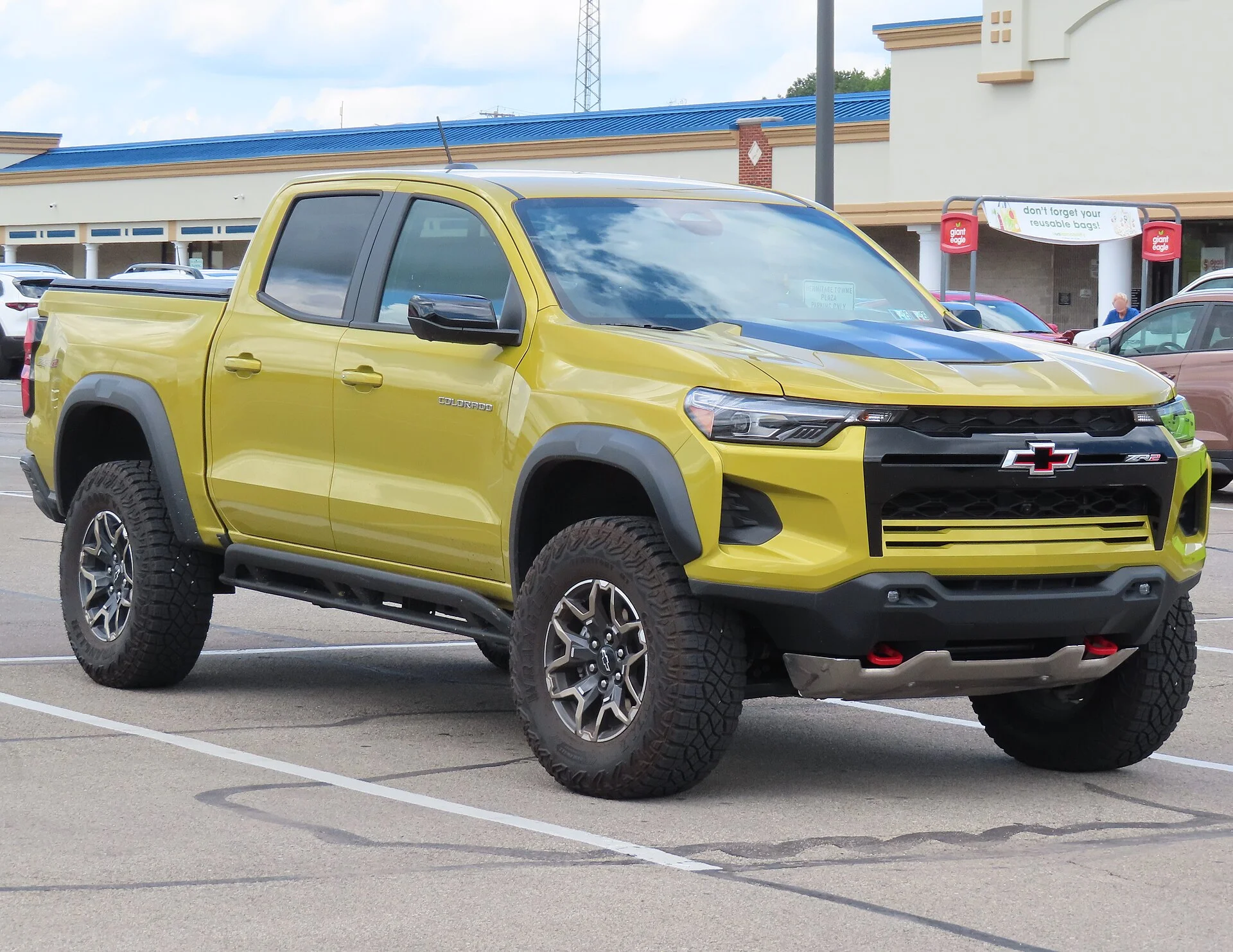
The ZR2 Bison is the headline number: 12.2 inches of ground clearance, described as best-in-class, plus a 38.2-degree approach angle, a 26-degree departure angle, and a 26.9-degree breakover angle. On paper it is the most capable Colorado by a clear margin, and the numbers are real.
A big part of that 12.2-inch clearance and the strong 26.9-degree breakover comes from the 35-inch tires, which physically lift the whole truck and improve every angle at once. The Bison also adds heavier armor and hardware aimed squarely at rock crawling, and it is genuinely in a different class from the Trail Boss it shares a nameplate with.
Here is the catch the marketing skips: bigger tires and rock-crawler hardware are not free anywhere else. They add weight, cost, and unsprung mass, they can dull on-road manners, and the 35-inch tires are more expensive to replace. The capability is real, but so is the everyday tax you pay for numbers you may rarely use.
The skeptic's verdict on the Bison is that it is the right truck for a small group of buyers who actually crawl rocks, and an ego purchase for everyone else. If your terrain genuinely demands 12.2 inches and 35-inch tires, nothing else in the lineup will do. If it does not, you are buying a very capable truck to under-use it, and that is a choice worth making with open eyes.
Approach and Departure: Where the Trims Really Split
Ground clearance gets the headlines, but the approach and departure angles are where these three trucks actually separate on a trail. The Trail Boss's 30.5-degree approach versus the ZR2's 38.6 degrees and the Bison's 38.2 degrees is a bigger real-world gap than the clearance numbers suggest.
Approach angle decides whether you can climb into an obstacle nose-first without the bumper catching, and the wide spread between the Trail Boss's 30.5 degrees and the ZR2 pair's much steeper figures of 38.6 and 38.2 degrees is the difference between a truck that stalls at ledges and one that drives up them. This is the number that most separates the mild trim from the serious ones, and it is the one to weigh first if your trails have abrupt entries.
Departure tells the same story at the back. The Trail Boss's 22.4 degrees versus the ZR2's 25.2 degrees and the Bison's 26 degrees governs whether the rear bumper drags as you exit a steep obstacle. It is a smaller spread than approach, but it is the number that decides the back half of every climb.
The skeptic's framing is that if you only compare ground clearance, you will conclude the trims are closer than they are. The angles reveal that the ZR2 and Bison are a real tier above the Trail Boss on technical terrain, while the Trail Boss's numbers are perfectly matched to the easier trails most people actually drive. Read all the numbers, not just the tall one.
What the Marketing Won't Tell You About Breakover
Breakover angle is the number the brochures bury, and it is the one that strands trucks. It measures the sharpest ridge a truck can crest before high-centering on its belly, and on the Colorado it runs from the Trail Boss's 21 degrees to the Bison's 26.9 degrees. That spread matters more than the clearance figures on crowned and ridged trails.
The reason breakover gets downplayed is that it is unflattering and hard to market. A tall clearance number sounds impressive; admitting the belly can high-center on a ridge does not. But breakover is exactly the failure that leaves a truck perched with its wheels off the ground, and it is worth knowing which trim protects you from it.
The Trail Boss's 21-degree breakover is the weakest of the three, which means crowned two-tracks and sharp ridge crossings are where it will hang up first. The Bison's 26.9 degrees, lifted by those 35-inch tires, is the most forgiving, and the ZR2 sits between the practical realities of its stablemates.
The practical takeaway is to match breakover to your terrain, not to ignore it because the marketing did. If you drive crowned roads and ridge trails, the breakover number is the one to weigh most, and a set of off-road recovery boards is the cheap insurance for the day the belly finds a ridge the spec sheet did not warn you about.
Which One You Actually Need
Now the honest part the dealer will not push, because it usually points at a cheaper truck. Most Colorado buyers do not need a ZR2 Bison, and a good number do not even need a ZR2. What you need is the trim whose geometry clears the terrain you actually drive, and for most people that terrain is milder than their self-image.
If your reality is graded dirt roads, gravel, forest service two-tracks, and light trail, the Trail Boss's 9.5 inches and 30.5-degree approach genuinely cover it, and the skid plates handle the occasional scrape. Buying up from there is paying for headroom you will not touch, plus a firmer ride and a bigger tire bill every few years.
If you run real rock, technical climbs, and steep obstacles regularly, the ZR2's 10.7 inches and 38.6-degree approach are the sweet spot — genuine capability without the Bison's everyday penalties. The ZR2 is the trim I would point most serious trail drivers toward.
The Bison earns its keep only if you crawl rocks that demand 12.2 inches and 35-inch tires. That is a small group, and the skeptic's advice is to be honest about whether you are in it. Buying the Bison to drive fire roads is the most common Colorado mistake, and it is an expensive one.
The Verdict: Buy the Clearance You'll Use, Not the Badge
The Colorado's off-road lineup is genuinely good, but there is no single "Colorado ground clearance," and pretending otherwise is how people buy the wrong truck. The real numbers are 9.5 inches for the Trail Boss, 10.7 inches for the ZR2, and 12.2 inches for the ZR2 Bison, and each is matched to a different kind of terrain.
Read all the numbers, not just clearance. The approach angles — 30.5 degrees on the Trail Boss versus 38.6 and 38.2 degrees on the ZR2 and Bison — and the breakover figures from 21 to 26.9 degrees tell you where the trims actually split on a trail. The tall clearance figure alone hides the real story.
The skeptic's bottom line is to buy for the terrain you drive, not the truck you want to be seen in. The Trail Boss is the right call for dirt roads and light trail, the ZR2 for genuine technical off-roading, and the Bison for the few who truly crawl rock. Match the geometry to the trail and every one of them is a good truck.
Do that honestly and you will neither overpay for capability you never use nor drag your belly on obstacles a taller trim would clear. The badge does not off-road; the geometry does. Buy the numbers that fit your trail, and the Colorado will earn its keep without lying to you about what it is. The lineup's real strength is that there is a right answer in it for almost everyone — you just have to be honest enough about your terrain to pick it, instead of letting the tallest number pick you.