
Essential Accessories for Your Car Camping Portable Power Station
A portable power station is your campsite's new best friend, but without the right companions, it's just a heavy brick. Think of it like bringing a phone but forgetting the charger. These aren't just fancy battery packs; they're the heart of your modern outdoor setup, keeping everything from your phone alive to your air mattress inflated.
A portable power station is your campsite's new best friend, but without the right companions, it's just a heavy brick. Think of it like bringing a phone but forgetting the charger. These aren't just fancy battery packs; they're the heart of your modern outdoor setup, keeping everything from your phone alive to your air mattress inflated. Accessories are what turn that brick into a Swiss Army knife for your campsite.
They boost efficiency, add safety, and honestly, just make life way less frustrating when you're miles from an outlet. My first trip, I just had the station and a phone charger. By day two, I was staring longingly at my car's cigarette lighter like it was the last oasis on Earth. The real move is to think about what you actually need power for, beyond just your phone.
Solar panels are obvious for staying juiced, but what about the little things that make camping bearable? A good set of accessories means you can actually enjoy the quiet, not stress about your battery dying before sunset. It's the difference between feeling prepared and feeling like you forgot something crucial, which, trust me, I have. My trunk looked like a disaster zone on that first trip because I overpacked the wrong things and underpacked the essentials.
The Core Answer
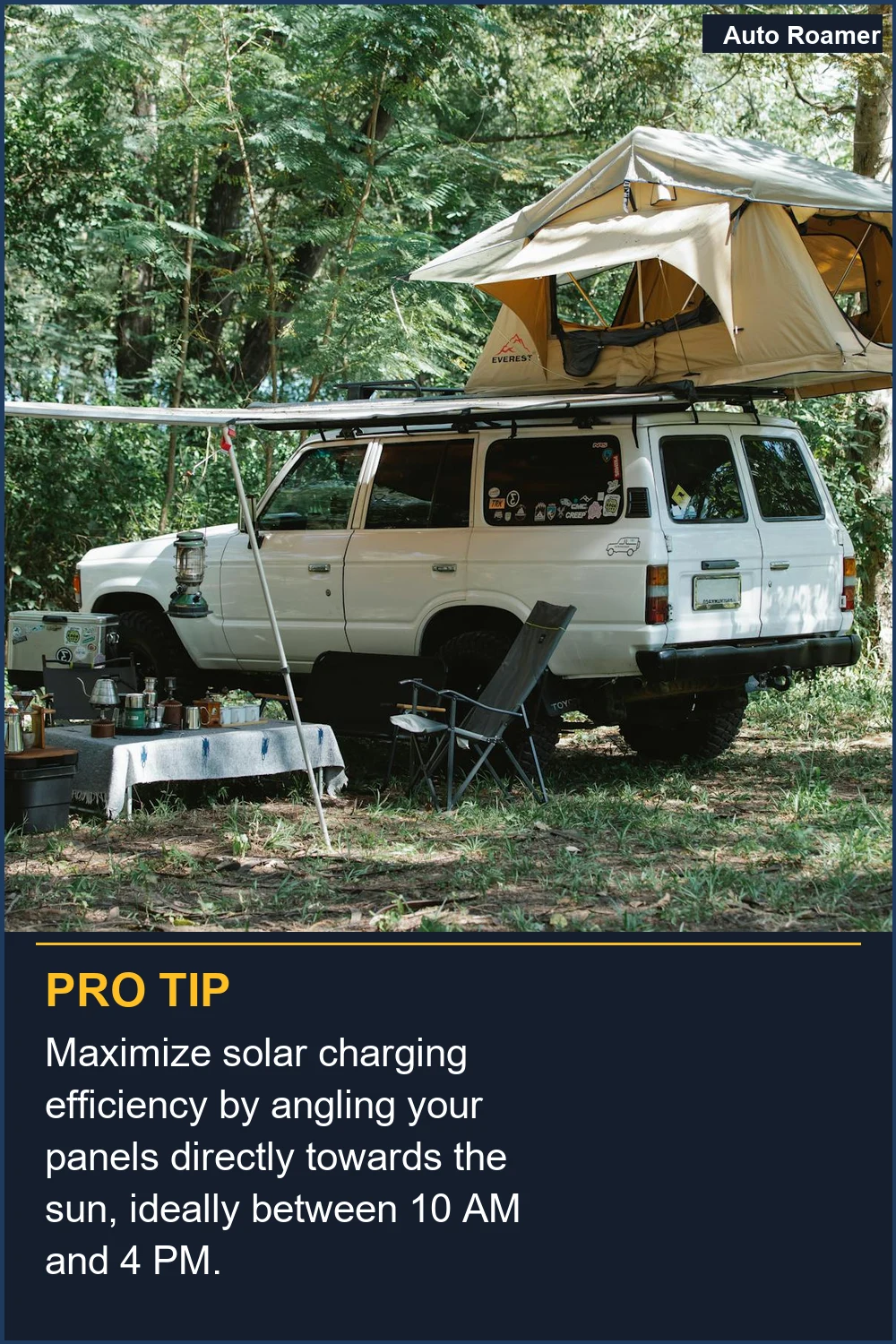
Okay, let's talk about what actually matters when you're trying to keep your power station humming at the campsite. First up, and this is non-negotiable: solar panels. I learned this the hard way at Joshua Tree National Park. It was blazing hot, and my power station was draining faster than I could blink running a small fan. I had no way to recharge it besides my car, and I didn't want to idle the engine for hours. That's when I realized a foldable solar panel, maybe around 100-200 watts, is your lifeline. It's not about getting a full charge in an hour, but about topping it off throughout the day so you don't hit zero. The real move is to have it angled towards the sun, not just lying flat in the shade. I saw a guy at that same campsite with a huge panel array, looking like he was setting up a small solar farm. Mine was way smaller, but it kept my phone and headlamp alive. It's the $50 version of not worrying about power. Another thing: cables. You need the right ones. Don't assume your phone's USB-C cable will work for everything. You'll want specific charging cables for your power station itself, and maybe some longer ones so you can charge your phone from the station without sleeping with it in your hand. My rookie mistake was bringing only short cables. Trying to charge my phone while it was on the dashboard and the power station was on the ground felt like performing surgery. You also need to consider what you're powering. A small LED light or an air pump for your mattress? Easy. Trying to run a coffee maker? That's a different beast. For that, you might need something that converts the battery's DC power to AC power, often called an inverter. But for most beginners, focusing on keeping your communication devices and lights going is the priority. Think about a carrying case too. My first power station was just rolling around in the trunk. It got banged up. A padded case not only protects it but also keeps all your cables and chargers organized. It's like putting a little bodyguard on your expensive battery. Clean voltage is also something to think about if you're powering sensitive electronics like laptops, but for most basic camping needs, it's not the first thing you need to stress about. The honest version is, you need to be able to recharge it, and you need the right connections to do it. Everything else is gravy. People use these for everything from charging phones to running air pumps. Don't overcomplicate it. Start with solar and good cables. The rest you'll figure out on game-time.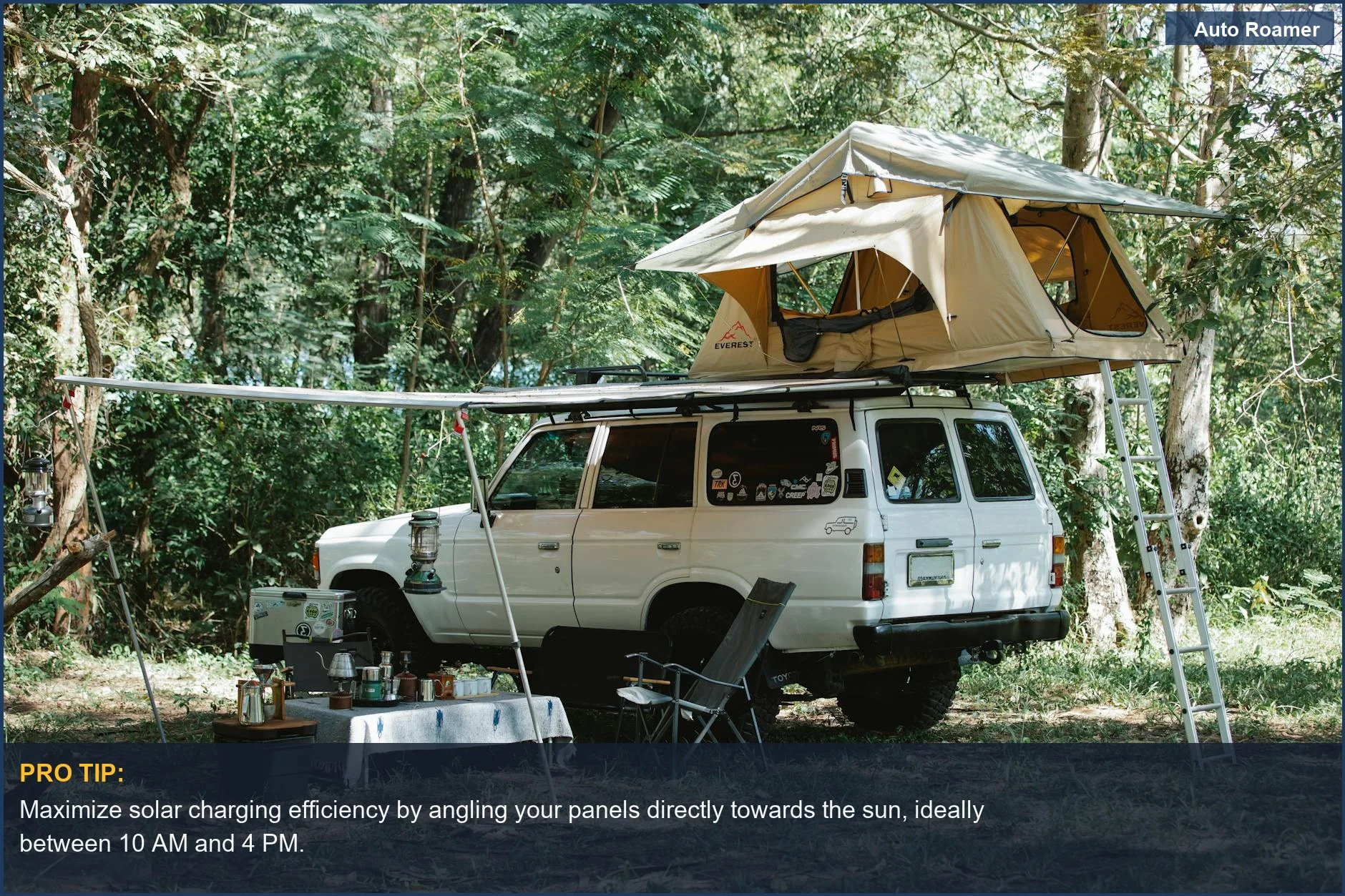
The Bottom Line
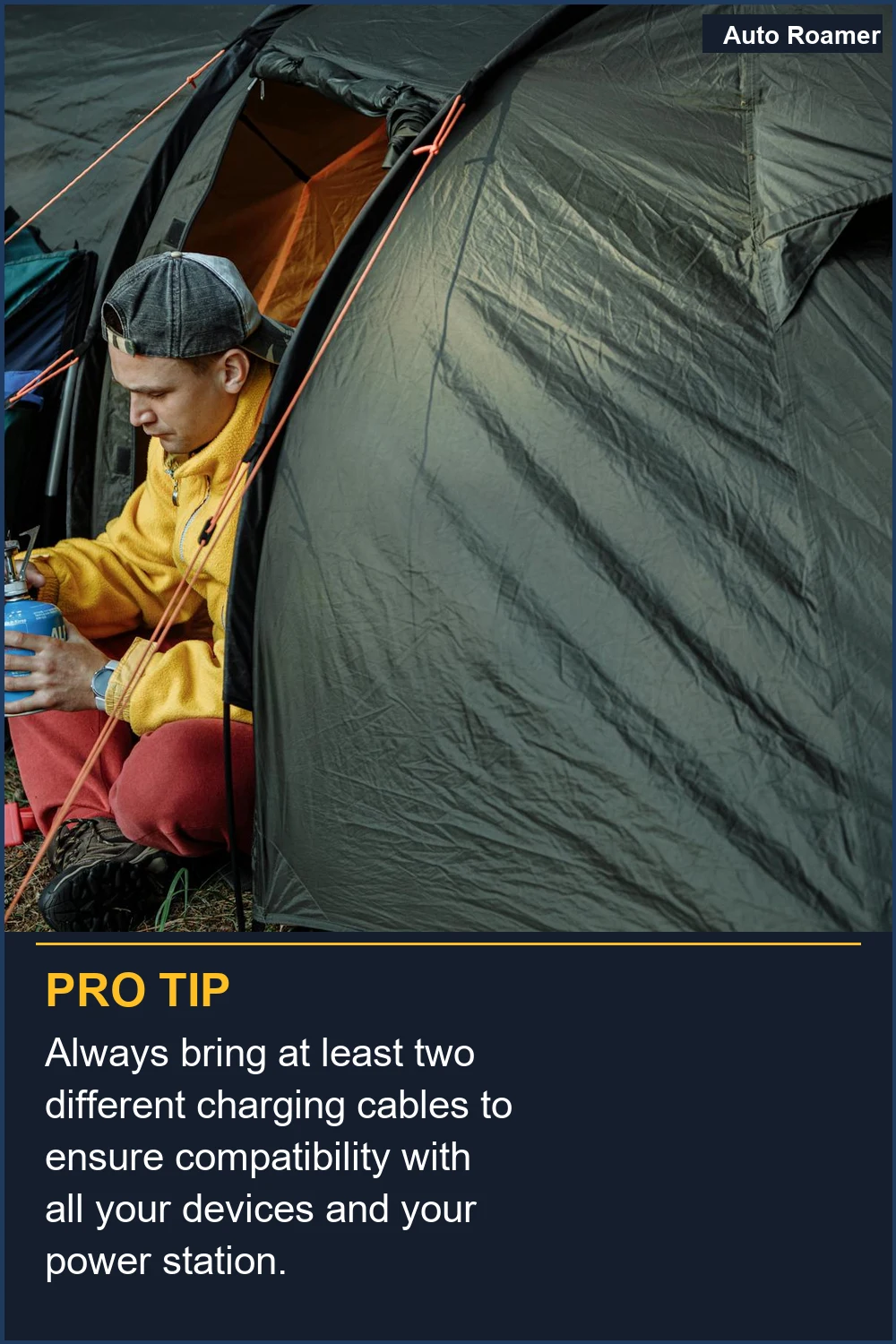
Look, nobody needs to be an electrical engineer to enjoy car camping. The core accessories for your power station boil down to two things: keeping it charged and connecting your gear. Solar panels are your best bet for off-grid recharging, even if they just slow the drain. I learned that lesson the hard way when my phone died on day three of a trip to Big Bend, and I had to rely on my car's alternator for a day. Brilliant engineering, that. The right cables and adapters are also crucial. They're cheap, small, and make a world of difference in not fumbling around with the wrong connector. Think of them as the language your devices speak to the power station. You don't need a $500 solar setup for your first few trips. A basic 100W panel and a decent set of cables will get you way further than you think. The goal is comfort and convenience, not powering a small city. Focus on what you'll actually use, and you'll be golden.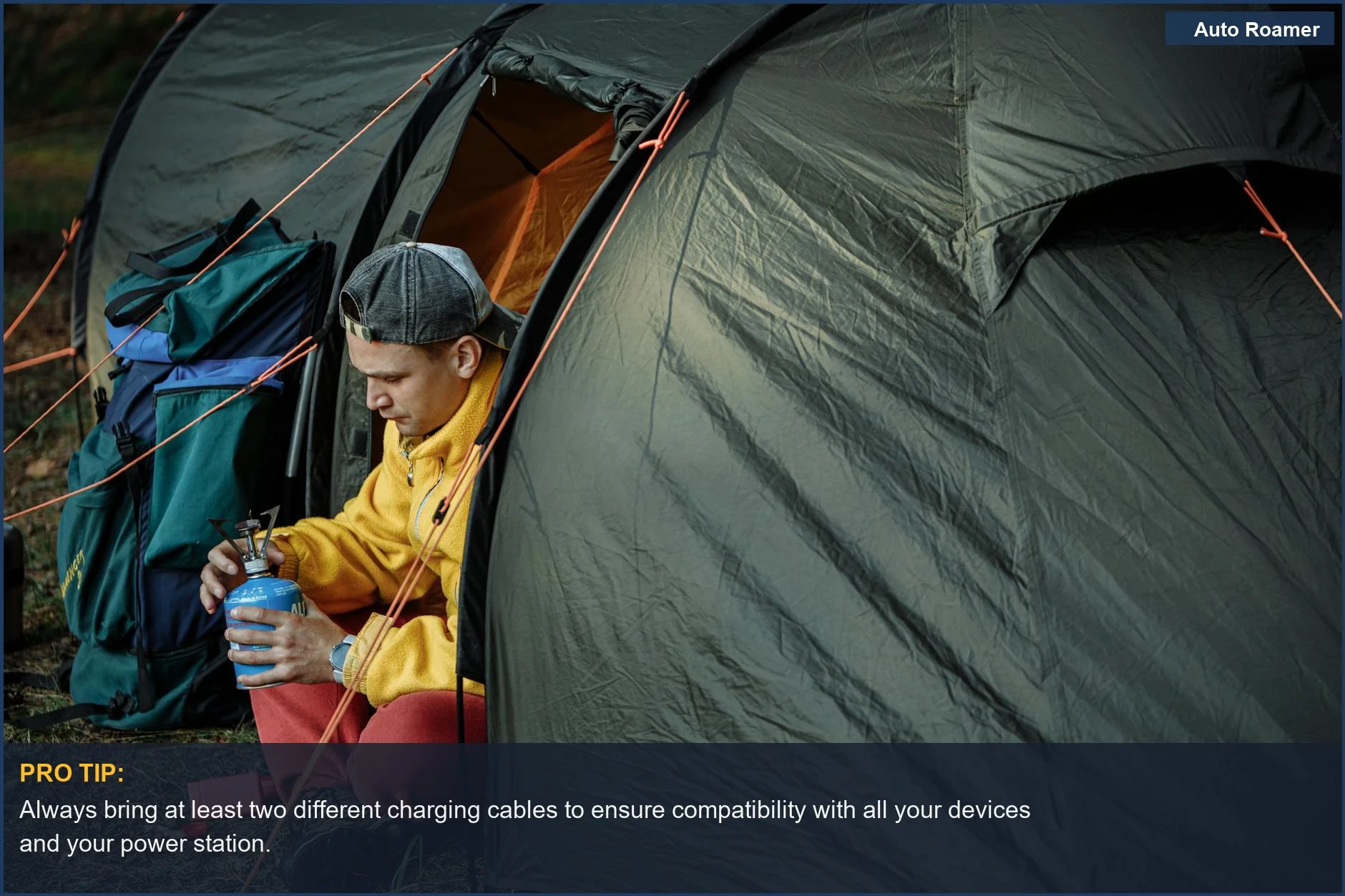
Frequently Asked Questions
My power station came with a charger, so why do I need a separate solar panel? Isn't that just an unnecessary expense?
Do I really need a fancy power meter to see how much juice I have left?
What if I bring a solar panel and it's cloudy all weekend? Will my power station be useless?
Can I permanently damage my power station by using cheap, off-brand charging cables?
I heard you can charge a power station directly from your car's 12V outlet, so solar panels are a waste of money.
🏅 Looking for Gear Recommendations?
Check out our tested gear guides for products that work with this setup:
Sources
- Must-Have Accessories for Your Portable Power Station - njoynook
- What do you use your portable power station for? : r/camping - Reddit
- power-station-accessories
- What accessories enhance the functionality of portable power stations
- Best Overlanding Power Accessories - Goal Zero
- Electric Car Camping Accessories: Best Gear for 2025 | Recharged
- Essential Power Gadgets for Car Camping