The Short Version
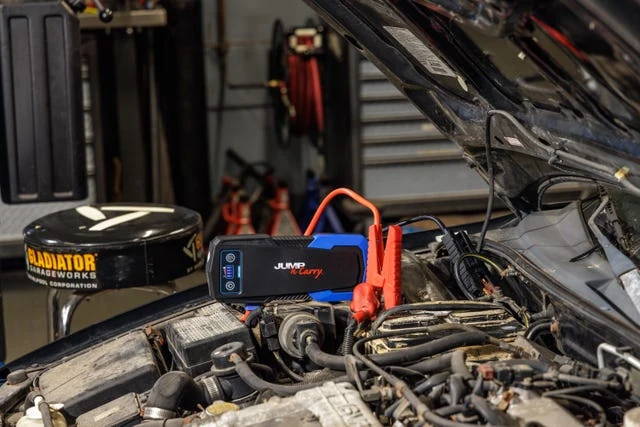
A dealer may quote $180 for a battery test on a truck like a 2017 F-150. Often the battery is fine, just discharged. A cheap portable jump starter can save that cash and the hassle of waiting for a tow truck. These things aren't just for mechanics anymore; they're essential gear for anyone with a vehicle, from daily commuters to weekend adventurers.
Car and Driver even tests them on dead-as-doornails clunkers, pushing them to their limits to see which ones can reliably bring a completely flat battery back to life. Their rigorous testing often involves vehicles with batteries so drained they won't even light up the dashboard.
Most dead batteries aren't actually 'dead.' They're just below the minimum voltage threshold for the starter solenoid to engage. A 12V lead-acid battery needs to maintain about 12.4V to reliably crank an engine. Drop below 10.5V under load, and you're clicking, not cranking. This often happens when headlights are left on or a door is ajar, or from extreme cold sapping the battery's charge. That's a thermal cycling issue, not a hard failure. A quick boost from a portable jump starter can often get you back on the road without needing a costly replacement or a service call.
The old heavy lead-acid jump boxes were decent, but they had a self-discharge rate that made them useless after a month in the trunk. You'd pull it out in an emergency only to find it as dead as your car battery. Now, compact lithium-ion packs offer massive peak amperage in a unit the size of a brick, often weighing less than two pounds. They hold a charge for months, sometimes even a year, due to lower internal resistance and better cell chemistry. Many modern units even feature USB ports to charge your phone or tablet, adding another layer of utility.
POD-X explains the difference between peak amps and cranking amps - cranking amps are what really matter. Peak amps are the instantaneous maximum current a unit can deliver, while cranking amps (or starting current) represent the sustained power needed to turn over an engine. For most passenger vehicles, a unit offering 400-600 cranking amps is more than sufficient, even for larger V6 or smaller V8 engines. Some budget-friendly options even boast 800-1000 peak amps, translating to reliable starting power for a wide range of vehicles.
This isn't about getting 'rescued' by some roadside assistance outfit that takes 45 minutes to show up, leaving you stranded in a parking lot or on the side of the road. This is about bypassing the whole charade. This is about a tool that gets your voltage back up so you can get on with your day, whether you're late for work or trying to make it to a weekend camping trip. Imagine the peace of mind knowing you can handle a dead battery yourself in minutes, without waiting for help or paying for an unnecessary tow.
The target here is under $100, because anything more is usually just paying for a fancy label, excessive capacity you don't need for a standard car, or extra features like air compressors that might be better purchased as separate, dedicated tools. You can find highly capable, reliable jump starters with safety features like reverse polarity protection and spark-proof clamps well within this budget. It's smart to keep a car escape tool alongside a jump starter.
Top Picks
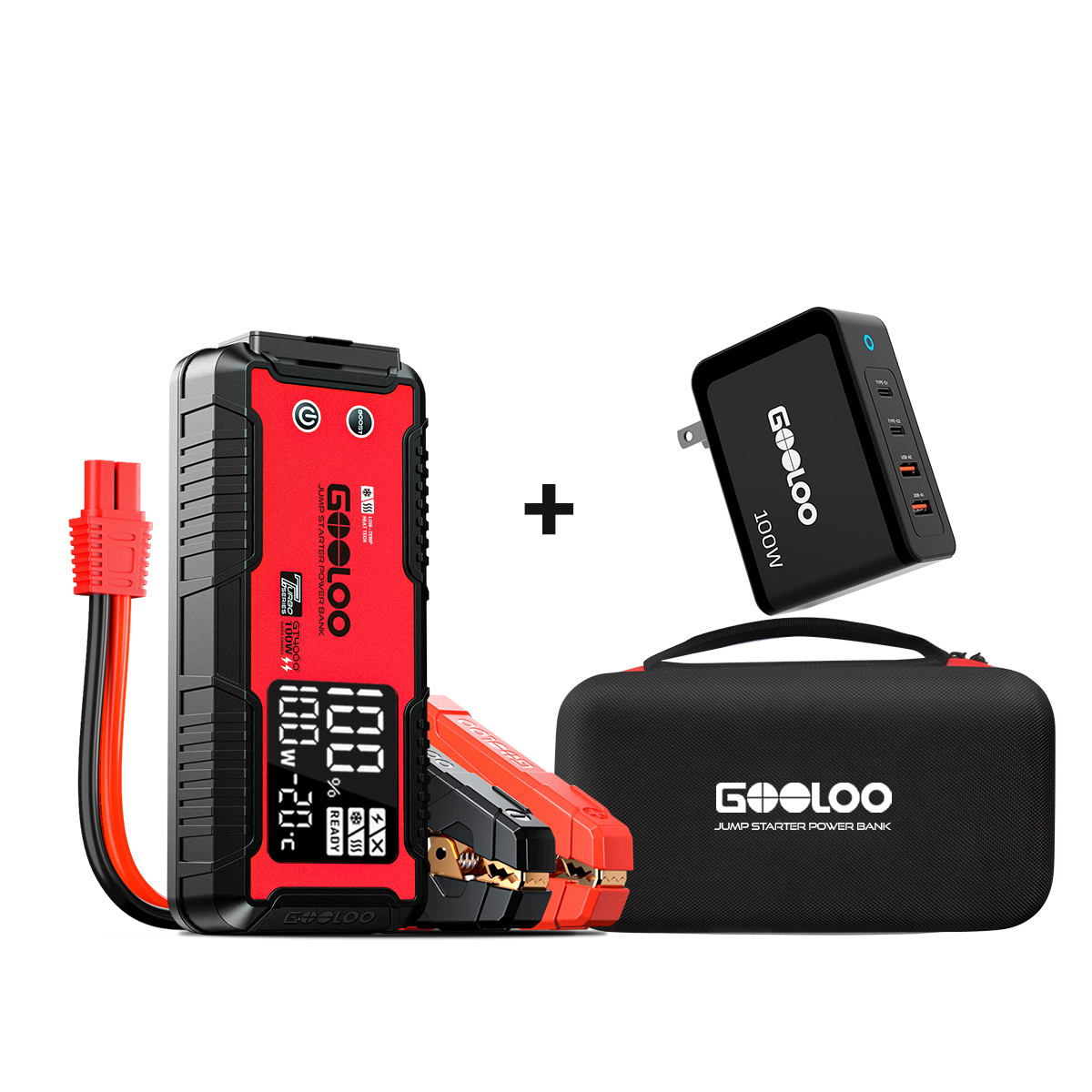
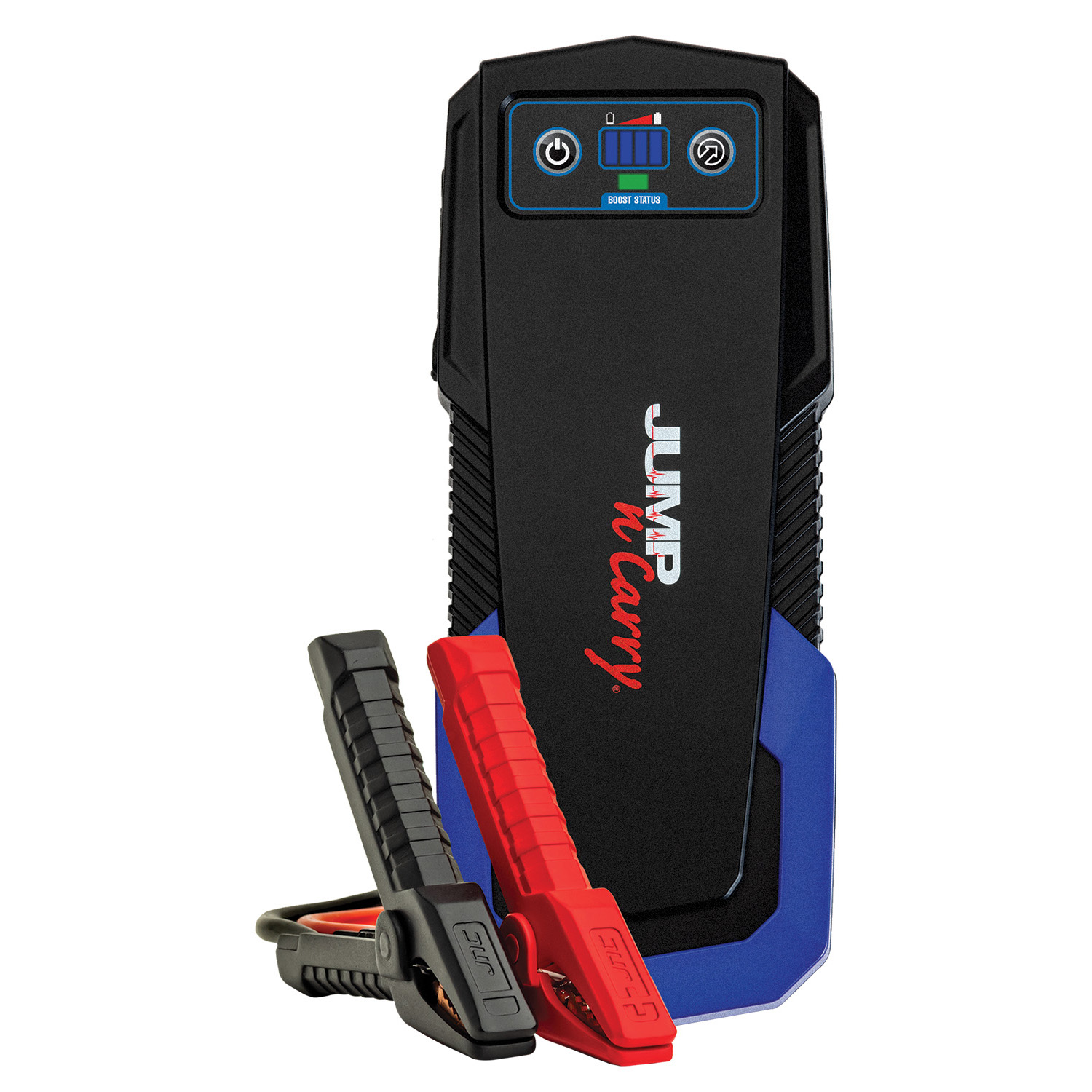
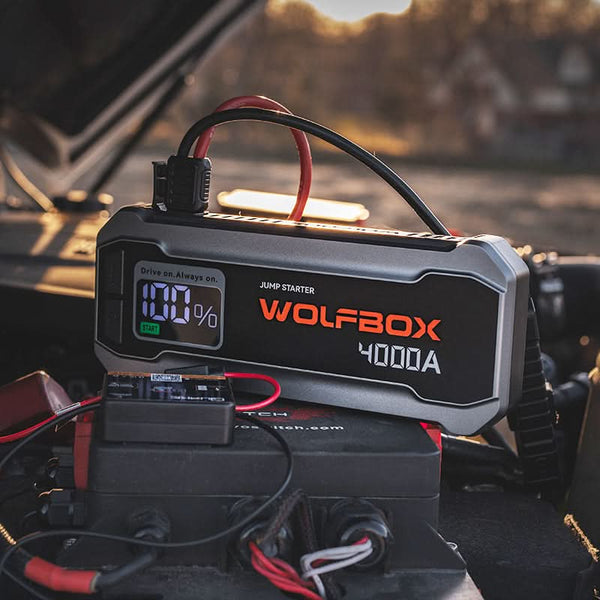
Finding a jump starter that doesn't blow your budget but still delivers actual cranking power is the goal. Sifting through the noise surfaces units that prioritize robust current delivery and essential safety features over flashy marketing. Remember, peak amps are often inflated; look for solid sustained output.
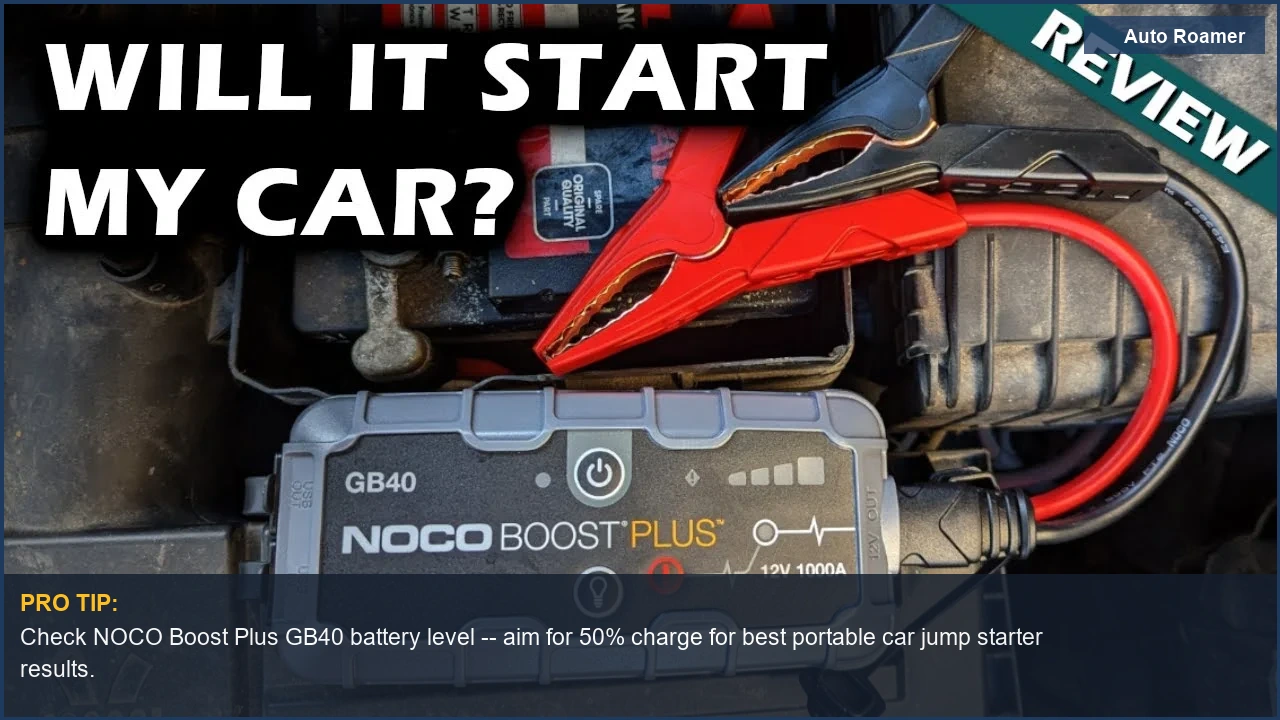
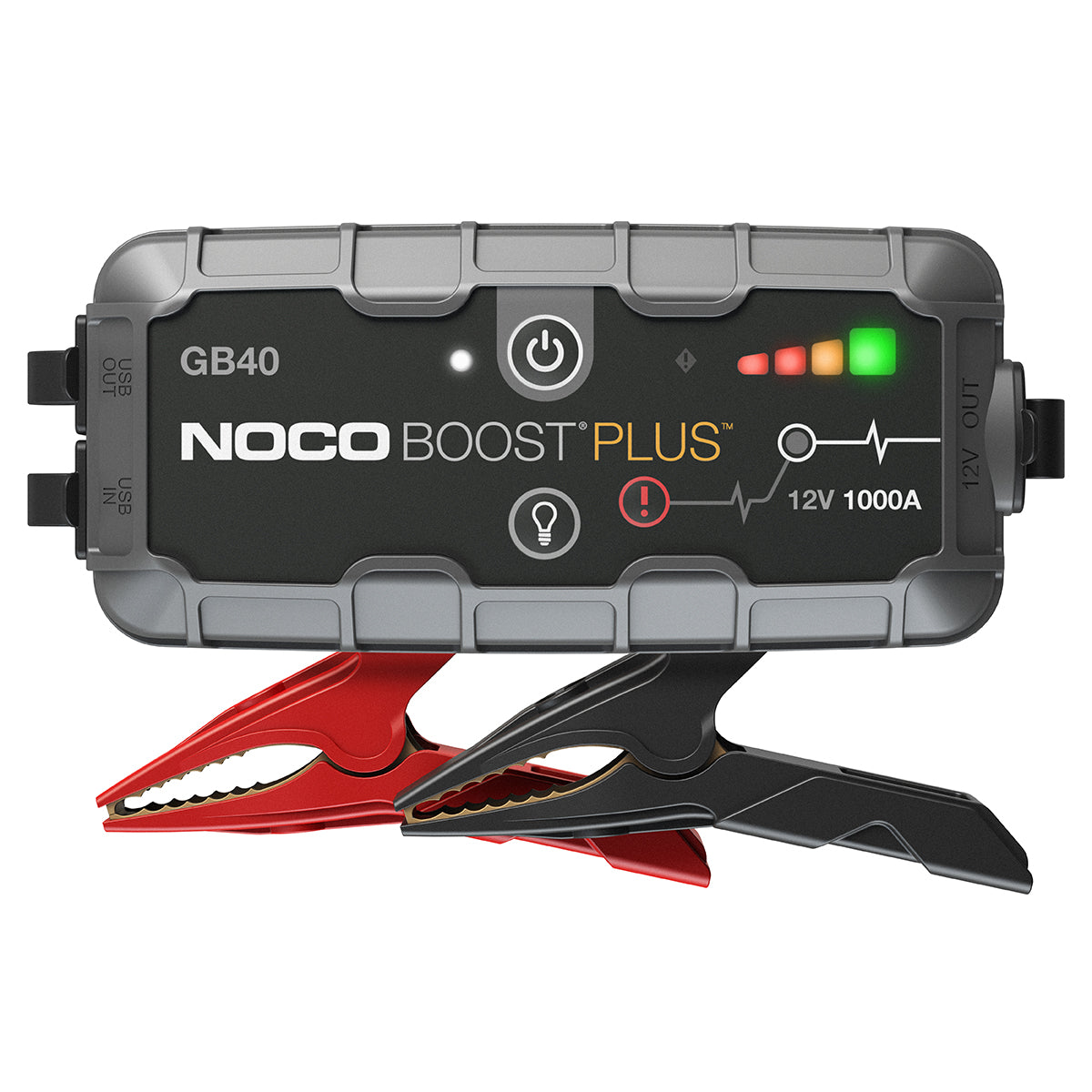
NOCO Boost Plus GB40 (~$99)
Capacity: 1000A Peak, up to 6.0L Gas, 3.0L Diesel
Pros: Compact, spark-proof, reverse polarity protection. Holds charge for a long time. AutoGuide.com calls it the best for most people. The clamp design is solid, minimizing contact resistance.
Cons: Might struggle with very large diesel engines on cold starts. The charging port is micro-USB, which is a bit dated.
Best-for: Everyday sedans, small SUVs, and light trucks. Reliable for intermittent use.
GOOLOO GT4000 (~$109)
Capacity: 4000A Peak, up to 10.0L Gas, 8.0L Diesel
Pros: Over-engineered for its price point, capable of starting much larger engines than typical budget units. Includes USB-C fast charging. A Facebook group recommends it highly.
Cons: Slightly above the $100 mark, but often on sale. The unit itself is a bit bulkier than the NOCO GB40.
Best-for: Larger SUVs, trucks, and even some diesel applications where you need extra grunt.
Clore Automotive JNC325 (~$90)
Capacity: 450A Cranking, 1100A Peak
Pros: Clore is a known brand in professional shops. This unit focuses on actual cranking amps, not just peak. Good build quality, less plastic flex than some cheaper options. Car and Driver lists it as a best overall pick.
Cons: Heavier than lithium-ion competitors due to lead-acid cells. Bulkier form factor.
Best-for: Those who prefer the proven, sustained power delivery of a traditional lead-acid unit and don't mind the weight.
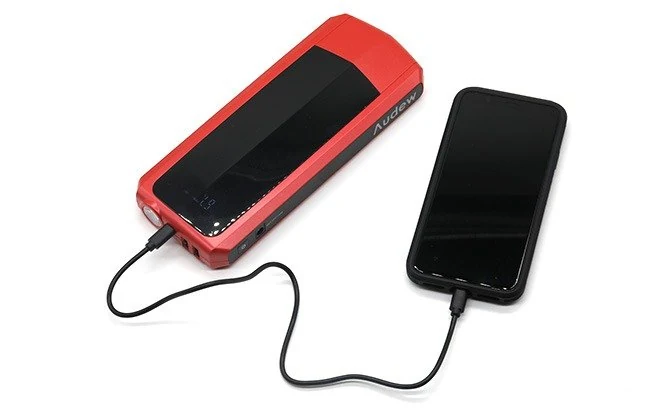
Audew 2000A Jump Starter (~$75)
Capacity: 2000A Peak, up to 8.0L Gas, 6.0L Diesel
Pros: Excellent value for the peak current rating. Often includes a decent case and a range of charging adapters. The clamps have a satisfying tactile feel.
Cons: Build quality can be inconsistent; check reviews for specific batches. Some reports of faster self-discharge than premium brands.
Best-for: Budget-conscious buyers needing a high-amp option for occasional use on larger engines.
Wolfbox 4000A Jump Starter (~$99)
Capacity: 4000A Peak, up to 10.0L Gas, 8.0L Diesel
Pros: Massive peak amperage for tough starts. Includes a robust set of safety features like reverse polarity and overcharge protection. Wired considers it a top pick for overall performance.
Cons: Can be harder to find under $100 consistently. The cables can be a bit stiff in cold weather, affecting strain relief.
Best-for: Anyone with a demanding application, like a heavily modified vehicle or frequent cold starts.
DBPOWER 2000A Portable Car Jump Starter (~$70)
Capacity: 2000A Peak, up to 8.0L Gas, 6.0L Diesel
Pros: Extremely popular on Amazon for its low price and decent performance. Often includes a flashlight and USB charging ports. The display is clear and functional.
Cons: Longevity can be a hit or miss due to internal cell quality. The plastic housing feels less robust than higher-end units, prone to stress fractures from drops.
Best-for: Someone who needs an emergency jump starter for a standard vehicle and wants to spend as little as possible. Just don't expect it to last a decade.
View on Amazon — NOCO Boost Plus GB40
View on Amazon — GOOLOO GT4000
View on Amazon — Clore Automotive JNC325
Quick Verdict
If you're under the $100 gun, you're trading off some long-term durability and absolute peak performance for immediate utility. The NOCO Boost Plus GB40 (~$99) remains the gold standard for reliability and compact size. Rated at 1000 peak amps, it's capable of starting gasoline engines up to 6.0 liters and diesel engines up to 3.0 liters. It consistently delivers its rated output, and the safety features, including spark-proof technology and reverse polarity protection, actually work, preventing costly damage to your vehicle's electronics. Its ultra-compact design, weighing just 2.4 pounds, makes it incredibly easy to store in a glove compartment or under a seat. Road & Track agrees it's a top performer, praising its user-friendliness and robust build quality.
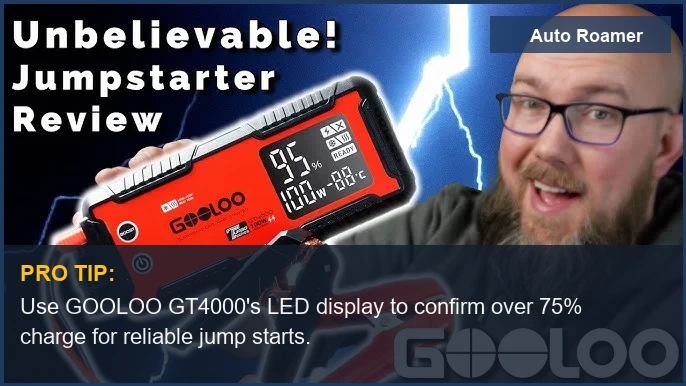
For raw power that punches above its weight class, the GOOLOO GT4000 (~$109) is worth the slight overage. While technically just over the $100 mark, its 4000 peak amps and 26800mAh capacity make it a formidable contender. It's built with enough internal capacity to handle larger displacement engines, up to 10.0L gas and 8.0L diesel, without immediately losing voltage under load. This minimizes thermal stress on the battery and cables, ensuring a more efficient and safer jump start. In real-world scenarios, this means fewer failed attempts and less strain on the jump starter itself, extending its lifespan even with frequent use. It also boasts a robust construction, often featuring a more durable casing than its cheaper counterparts.
Don't fall for the 'massive peak amps' numbers on no-name brands that cost $40 or less. Those numbers are often marketing fluff, not actual sustained cranking power. A unit claiming 2000 amps for $35 is almost certainly exaggerating its capabilities. The internal resistance of cheap cells will drop voltage significantly the moment current draw spikes, making them useless for a dead battery, especially in cold weather. You might get a flicker of life, but not enough sustained power to turn over a stubborn engine. POD-X emphasizes the importance of cranking amps over peak, highlighting that consistent delivery of power is what truly matters when your battery is completely flat.
The better units have robust, thick-gauge cables and solid clamp springs. A weak spring means poor electrical contact, leading to arcing and localized thermal damage at the battery terminal. That's a failure mode waiting to happen, potentially damaging your battery terminals or even the jump starter itself. Look for clamps with a strong, positive grip that feel substantial in your hand. The cable length also matters; ideally, you want enough slack to comfortably connect to terminals without stretching or straining the unit. While the Reddit askcarguys forum often points to heavy lead-acid units like the JNC660 for pure power, known for their 1700 peak amps and heavy-duty construction, those are out of the budget and weight class, often costing upwards of $150 and weighing over 20 pounds. For under $100, the focus shifts to compact lithium-ion units that prioritize portability and essential functionality.
View on Amazon — NOCO Boost Plus GB40