Why Most Cars Don't Carry One (and Why Yours Should)
Almost nobody carries a fire extinguisher in their car, and the reason is the same reason nobody carries one until they need it: car fires feel like something that happens to other people. They don't. Tens of thousands of vehicle fires happen every year, and the common causes — a fuel or oil leak onto a hot exhaust, an electrical short in aging wiring, an overheating battery — aren't freak events. They're wear-and-tear failures that build up in any older car.
Here's the part that makes an extinguisher worth the trunk space: a car fire is small and beatable for about the first thirty to sixty seconds, and then it isn't. Once it reaches the fuel or the cabin plastics, it goes from a flare-up you could have knocked down with a two-pound can to a total loss you stand back and watch. The whole value of carrying one is being able to act in that narrow window instead of waiting for a fire truck that's ten minutes out.
I'm a value guy — I won't spend money on gear that sits unused. But a fire extinguisher is the rare cheap purchase where the downside of not having it is catastrophic and the cost of having it is twenty-something dollars. That math is lopsided enough that it's the one piece of safety gear I tell everyone to buy. Below I'll break down the types, what size and rating actually matters, where the money is worth spending and where it's wasted, how to use one, and the unit I keep strapped in my own trunk.
Dry Chemical vs. Clean Agent: What Each Puts Out
There are two real categories for a car, and they trade cost against what they leave behind. Get this distinction right and the rest of the decision is easy.
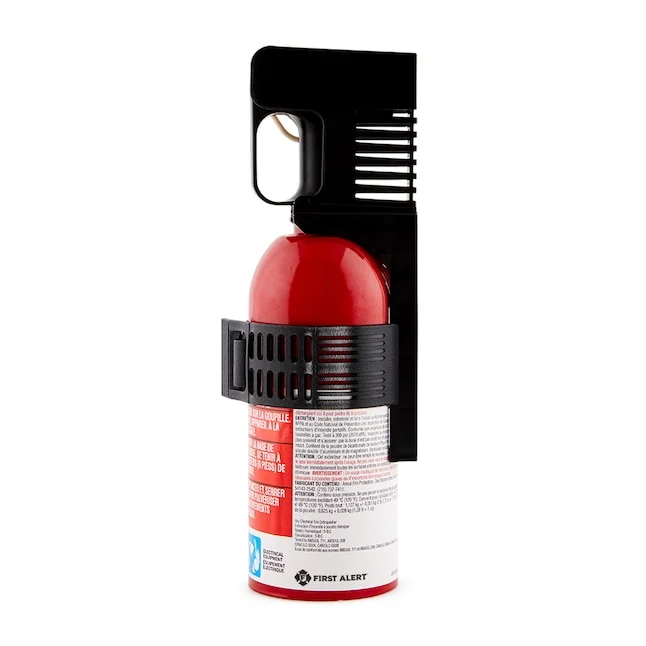
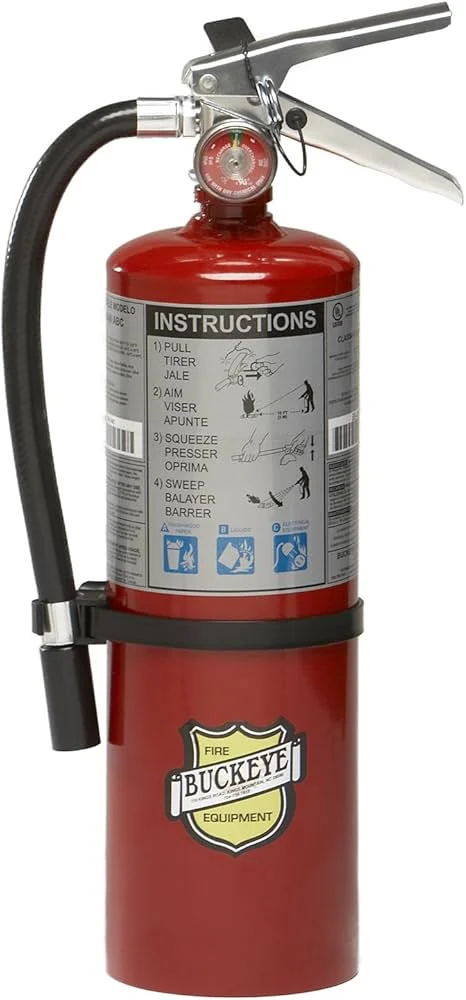
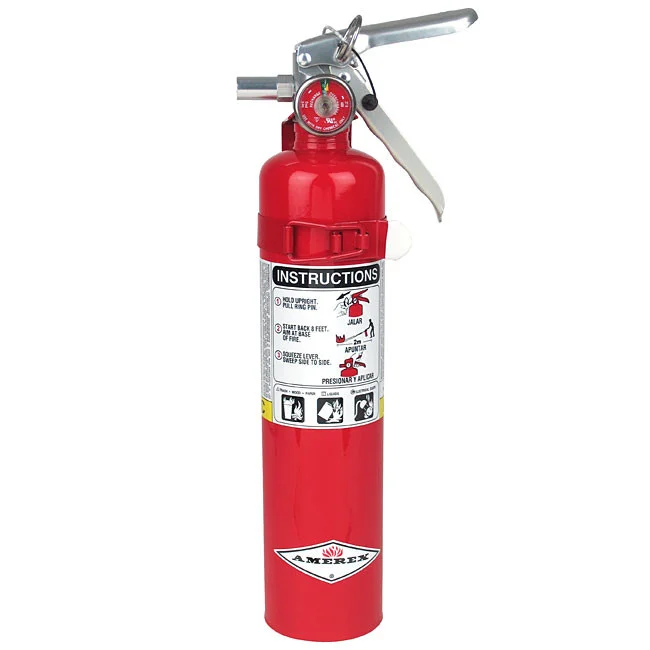
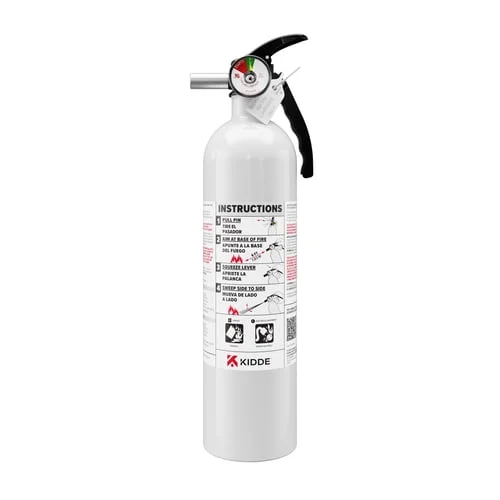
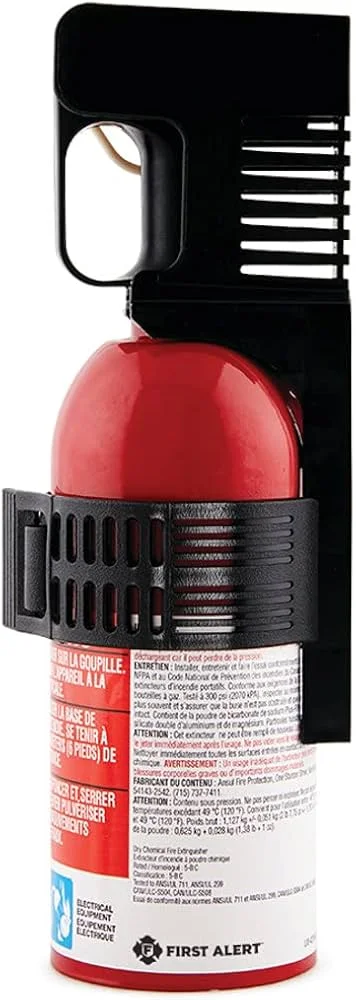
The first is the ABC dry-chemical extinguisher — the kind the Kidde Auto, First Alert AUTO5, Buckeye 10914, and Amerex B417T all are. It sprays a mono-ammonium phosphate powder that smothers the fire and works on all three classes a car produces: ordinary materials (A), flammable liquids like fuel and oil (B), and electrical fires (C). It's cheap, it's proven, and it's what nearly every guide from Hagerty to The Prepared recommends as the default. The one downside owners on the car forums mention constantly: the powder is corrosive and gets everywhere, so if you discharge it in an engine bay, you've traded a fire for a serious cleanup.
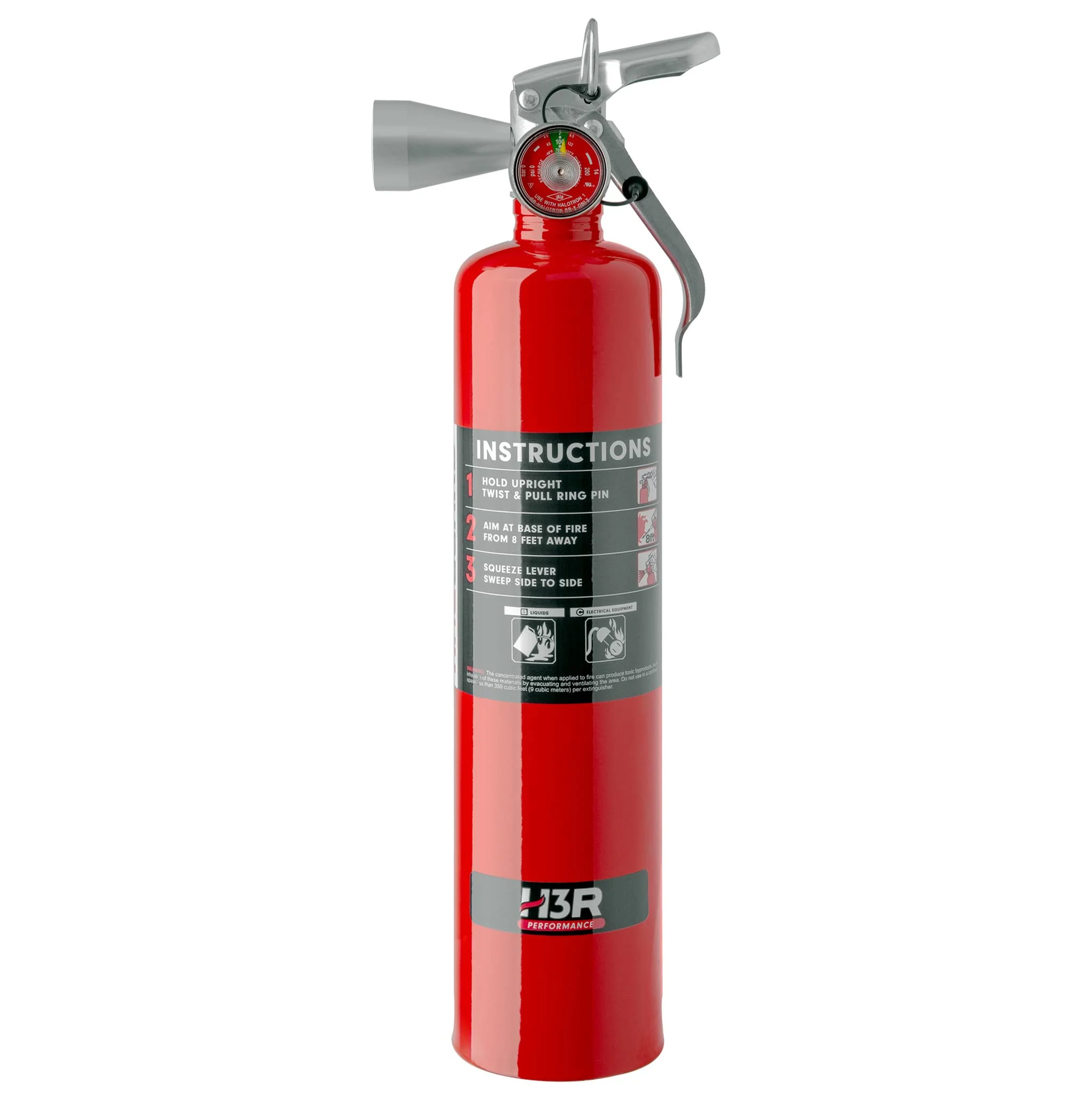
The second is the clean-agent (Halotron) extinguisher — the H3R HalGuard is the popular one. It discharges a gas that interrupts the fire chemically and then evaporates, leaving zero residue. It's rated for B and C fires (the ones that matter most in a car), it won't ruin electronics or paint, and it's what collectors and shop owners buy to protect a valuable engine bay. The catch is price: a clean-agent unit runs four to six times what a dry-chemical one does.
The honest read: for a normal daily driver, dry chemical is the right tool — it works, it's cheap, and a messy cleanup beats a burned car every time. Clean agent is only worth the premium if the car itself is worth protecting from powder, which is a real reason for an enthusiast and a waste of money for a commuter.
Where to Mount It So It's There When You Need It
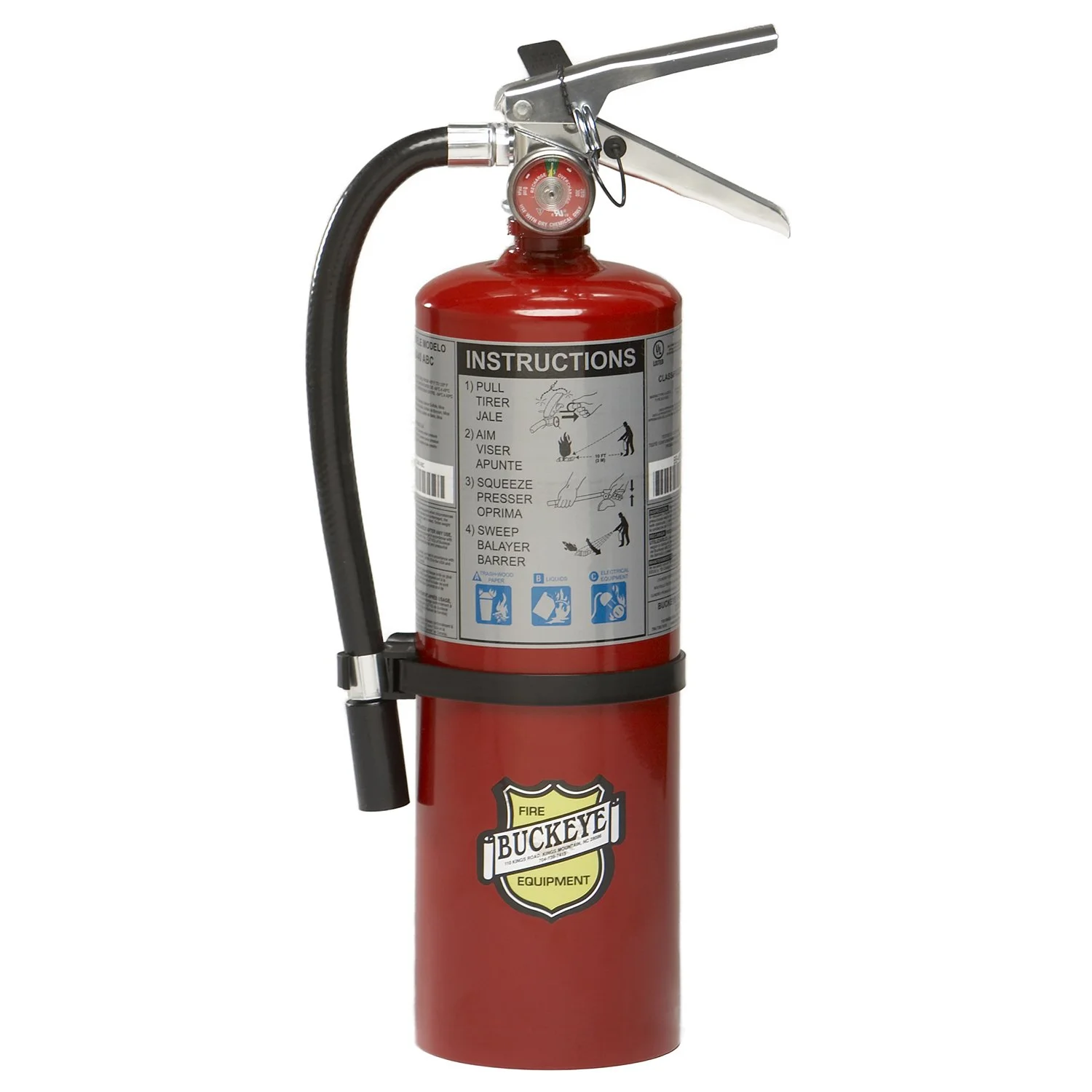
This is the part people get wrong, and it's the difference between a tool and a paperweight. An extinguisher does nothing if you can't reach it in the ten seconds you have. The single most common mistake is tossing it in the trunk, where in an actual fire — engine smoking, adrenaline up — you cannot get to it. Mount it in the cabin, within arm's reach of the driver's seat.
The proven spots, in order of how much owners actually like them:
- Passenger-side footwell or under the passenger seat: reachable from the driver's seat, out of the way, and easy to grab. The most common real-world mount.
- Seat-rail or seat-bolt bracket: bolts to the floor seat mount so the unit is secured and visible. The cleanest install for a 2.5 lb unit.
- Roll bar or cargo-area bracket (trucks/SUVs): fine if it's still reachable from the cabin, not buried under gear.
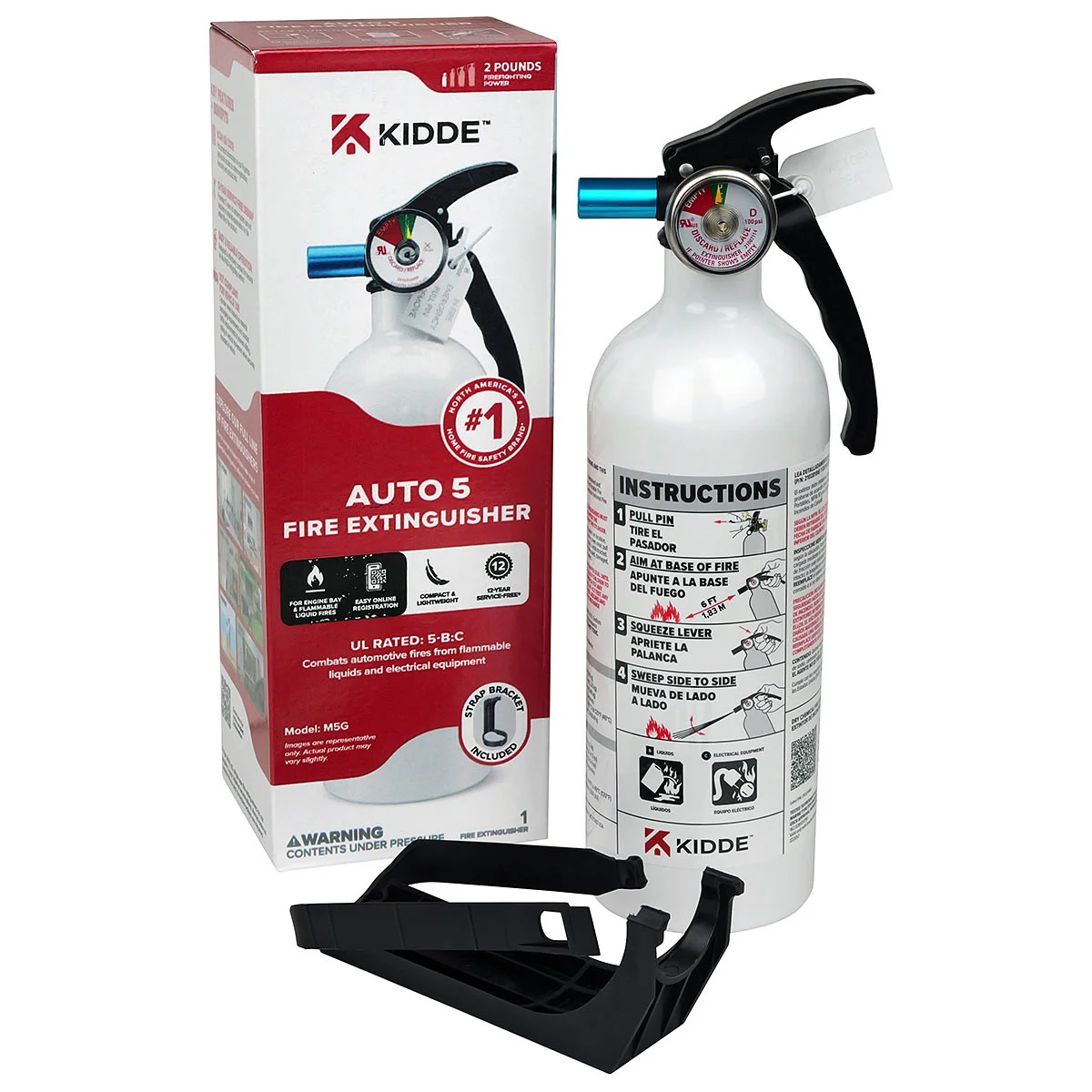
Whatever spot you pick, use a real bracket. A loose two-pound steel cylinder becomes a dangerous projectile in a crash or even a hard stop, and a unit rolling around the footwell can jam under a pedal. Most quality extinguishers either include a mount or have one available; the Kidde Auto and First Alert AUTO5 ship with a strap bracket sized for a car, which is part of why they're the easy default — you're not hunting for a separate mount.
One DIY note: dry-fit the bracket before you drill anything, and check that the release clip lets you pull the extinguisher one-handed. If you have to fight the bracket to free it, that's a half-second you don't have. Mount it so it comes out clean on the first pull.
Sizing and the Ratings That Actually Matter
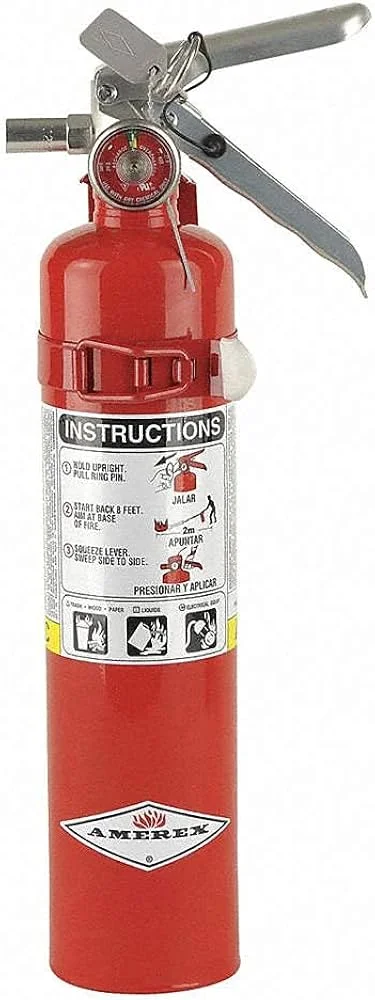
The numbers on the label look like alphabet soup, but two of them decide whether the extinguisher is right for a car. Knowing what they mean keeps you from over- or under-buying.
The first is the size in pounds of agent. For a car, a 2.5 lb unit is the sweet spot, and it's what the vehicle-specific guides converge on. A 1 lb mini empties in three or four seconds — barely enough for a flare-up — while a 5 lb unit is heavy and awkward to aim in the confines of a car and hard to mount where you can reach it. The 2.5 lb gives you eight to ten seconds of discharge, which is the realistic amount of fighting time a car fire allows.
The second is the UL rating, the code like 1A:10B:C. The letters are the fire classes it's rated for (you want all three for a car), and the numbers are the relative capacity — a higher B number means more square footage of flammable-liquid fire it can knock down. For a car, look for at least 1A:10B:C; the Amerex B417T's 1A:10B:C and the Kidde Auto's comparable rating are both solid here. Don't be dazzled by a big number on a tiny can — a 1 lb unit claiming a high rating still runs out of agent in seconds.
Skip two things: the unrated novelty 'fire suppression' sprays that aren't UL-listed at all, and the oversized 5 lb shop extinguisher you can't mount within reach. Rated, mountable, 2.5 lb, ABC — that's the spec that actually fits a car.
When a Pricier Extinguisher Isn't Worth It
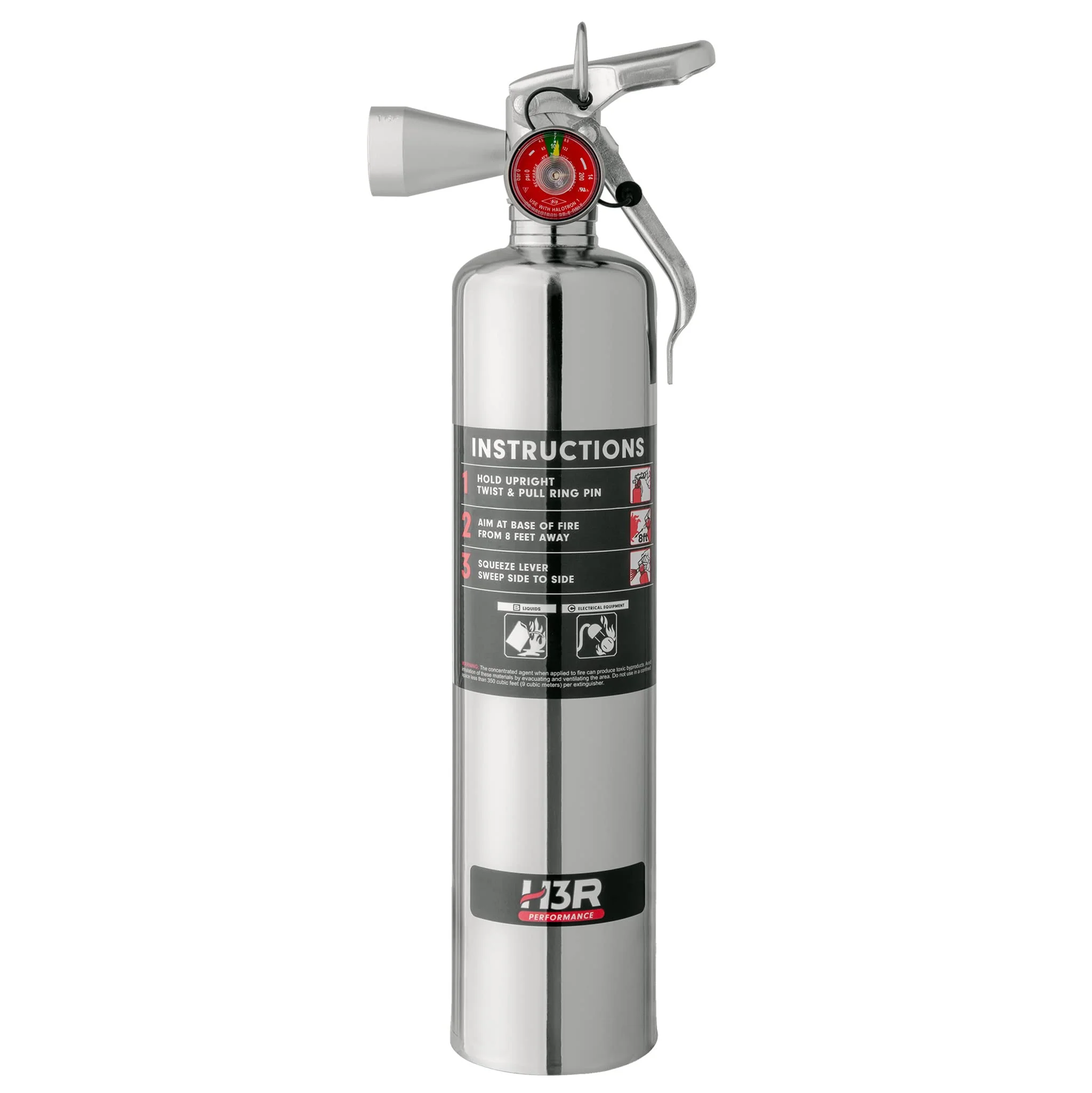
Here's where I earn my keep as the cheap guy: most people don't need to spend more than thirty dollars, and the upsells are mostly not worth it for a daily driver. The clean-agent Halotron units like the H3R HalGuard are genuinely excellent and genuinely four to six times the price — and for a commuter car, that premium buys you a cleaner cleanup after a fire you hope never happens. If your car is a fifteen-thousand-dollar daily, a powder mess in the engine bay is a fine trade for not burning the car down. Save the money.
The premium is worth it in exactly one situation: when the car is worth protecting from the extinguisher itself. A collector car, a built engine bay, a vehicle where dry-chemical powder corroding the electronics and aluminum would be its own expensive disaster — that's when the H3R clean agent earns its price. For that owner it's cheap insurance on an expensive asset. For everyone else it's paying Halotron money to protect a Camry.
The other false economy runs the opposite way: the no-name unrated 'fire suppressant' can for nine dollars. It isn't UL-listed, the capacity is a mystery, and the owner reports are full of units that sputtered or didn't discharge at all. That's the one place being cheap actually costs you — a fire extinguisher that doesn't work is worse than none, because you'll reach for it and lose your window. Spend the twenty-five dollars on a rated Kidde or First Alert and stop there.
The middle is where the value lives: a rated 2.5 lb ABC unit from Kidde or First Alert for twenty to twenty-five dollars, or step up to the rechargeable metal-valve Amerex B417T or Buckeye 10914 if you want a unit you can service and refill instead of toss. That's the whole spend most people should make.
How to Actually Use One on a Car Fire
Owning the extinguisher is half of it; knowing how to use it in the ten seconds that count is the other half. The technique is the standard PASS method, and it's worth running through in your head now so it's automatic later: Pull the pin, Aim at the base of the fire, Squeeze the handle, Sweep side to side. Aim at the base, not the flames — you're cutting off the fuel, not chasing the fire.
But a car fire has rules a kitchen fire doesn't, and getting them wrong gets people hurt. First: don't open the hood all the way. If the fire is in the engine bay, popping the hood floods it with oxygen and can flare the fire into your face. Release the latch and discharge through the gap, aiming underneath. Second: stay low and upwind, and have an exit behind you — never put the fire between you and your way out.
The most important rule isn't on any label: know when to walk away. If the fire has reached the fuel tank area, the cabin, or it's bigger than your extinguisher can handle in one discharge, get everyone away from the car and let it go. A car is replaceable. The whole point of the extinguisher is the small early fire — past that, your job is distance, not heroics.
Get everyone out of the car first, call for help, then fight the fire if it's small and you have a clear exit. A 2.5 lb unit gives you one real attempt — make it count by aiming at the base from the start, and be ready to back off the instant it's winning.
Keeping It Charged and Road-Ready
A fire extinguisher is the definition of buy-it-and-forget-it gear, which is exactly the problem — the forgotten ones are dead when you need them. Keeping it road-ready takes about thirty seconds every few months, and it's the cheapest reliability you'll ever buy.
Check the pressure gauge first. Almost every unit has a dial with a green band; the needle should sit in the green. If it's drifted into the red, the extinguisher has lost pressure and won't discharge properly — replace a disposable one, or have a rechargeable Amerex or H3R unit serviced. This is the single check that matters most, and it takes one glance.
For dry-chemical units, there's a quirk owners learn the hard way: the powder can settle and cake in a unit that sits in one position through years of vibration and heat. Once every few months, pop it out of the bracket and give it a firm shake or a few taps with the base on the floor to loosen the powder. A caked extinguisher can clog on discharge — a few seconds of shaking prevents it.
Mind the heat, too. A car interior bakes in summer, and sustained extreme heat shortens an extinguisher's life and can affect the charge. Mounting it in the cabin rather than the trunk helps, and so does checking the gauge after a brutal summer. Finally, watch the expiration or service date on the label — disposables run five to twelve years, and past that the unit is trunk weight, not safety gear. Set a phone reminder so a dead date doesn't sneak up on you.
The Verdict: What I Keep Strapped in My Own Trunk
For most drivers, the Kidde Auto is the one I'd buy and the one strapped in my own car. It's a rated ABC dry-chemical unit in the right 2.5 lb-class size, it ships with a mount sized for a car, and it costs around twenty-five dollars — which is the whole point of carrying one without overthinking it. The First Alert AUTO5 is the equally good alternative at a similar price if it's what's on the shelf; both are the proven, mountable, rated default the guides keep recommending.
If you want a unit you can refill instead of replace, step up to the rechargeable metal-valve Amerex B417T or the commercial-grade Buckeye 10914 — both are built to be serviced and last for years, which makes the higher price pay back over time. And if you're protecting a collector car or a built engine bay where powder residue would be its own disaster, the H3R HalGuard clean-agent unit is the one worth the premium, leaving no residue behind. For a normal daily driver, that's money you don't need to spend.
Whatever you choose, the rules that actually matter are the cheap ones: get a rated ABC unit at least 1A:10B:C, mount it within arm's reach instead of the trunk, and check the gauge a few times a year. Do that and a twenty-five-dollar can sits quietly in your car until the one minute it saves you from a total loss — which is the best return on twenty-five dollars in your whole vehicle. — Ray Ortiz
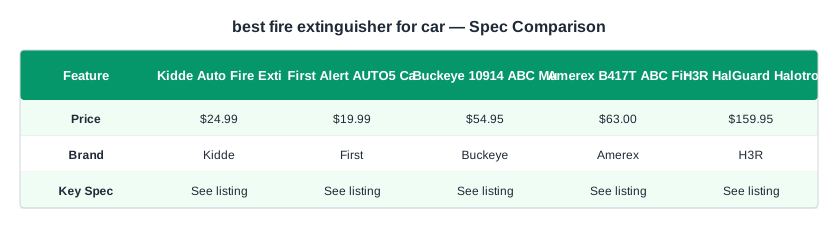
The complete lineup also includes Kidde Auto Fire Extinguisher ($24.99), Buckeye 10914 ABC Multipurpose Dry Chemical Fire ($54.95), Amerex B417T ABC Fire Extinguisher ($63.00), H3R HalGuard Halotron Clean-Agent Fire Extinguishe ($159.95) — each compared on the same specs and reviewer consensus.