
Best Dual Zone Portable Fridge for Overlanding (2026 Complete Guide)
Forget hauling 40 pounds of melting ice that turns your food into a soggy mess. My last cooler, a cheap plastic bin, leaked 2 liters of water directly into the back of my rig after 12 hours. That's a failure rate of 100% for keeping anything dry.
Forget hauling 40 pounds of melting ice that turns your food into a soggy mess. My last cooler, a cheap plastic bin, leaked 2 liters of water directly into the back of my rig after 12 hours. That's a failure rate of 100% for keeping anything dry. Portable fridges fix this fundamental problem.
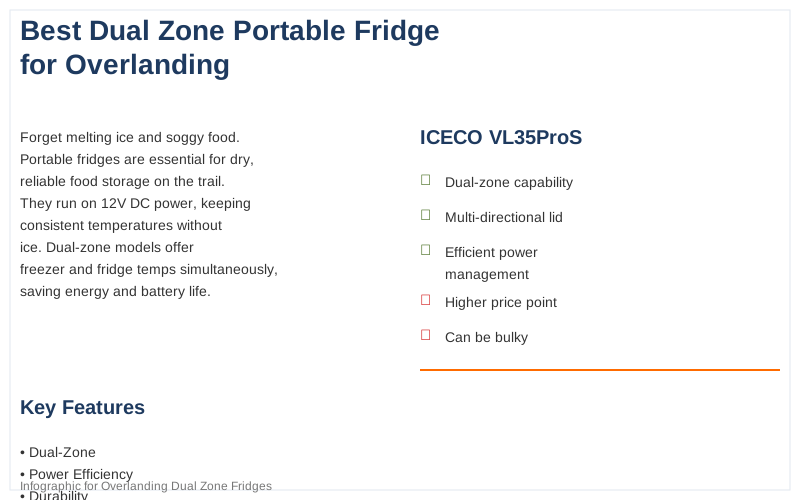
These aren't glorified ice chests; they're proper refrigeration units. They run on 12V DC power from your vehicle or a portable battery bank, maintaining a consistent temperature.
No more hunting for ice, no more draining lukewarm water.
I've abused enough of these units in the field to know what matters. Some models, like the ICECO VL35ProS, boast a multi-directional lid for easier access. That's a nice feature when your rig is packed tighter than a sardine can.
The real win is the dual-zone capability. One compartment can be a freezer at 0 degrees F, the other a fridge at 38 degrees F.
This means ice cream and fresh veggies on the same trip. A single-zone unit forces compromises.
A good dual-zone fridge eliminates the thermal cycling of opening one large compartment for both frozen and refrigerated items. Less temperature fluctuation means less energy draw and less stress on the compressor. This translates directly to longer battery life and fewer spoiled provisions.
I'm not talking about 'camping luxury.' This is about food safety and mechanical integrity miles from civilization.
A unit with poor power management will drain a 100Ah battery overnight, leaving you with spoiled provisions. That's a logistical breakdown, not an inconvenience Source Name. This guide cuts through the marketing BS to explain what actually works.
⭐ Quick Picks
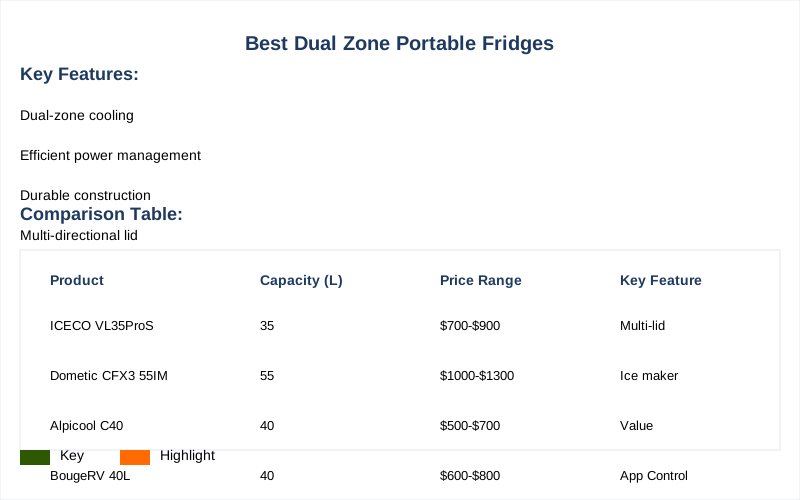
Key Features to Consider
What to Look for in a Field-Ready Fridge
Picking a dual-zone fridge isn't about shiny features; it's about avoiding failure modes when you're 200 miles from a grocery store. Here's what actually matters:
| Feature | Why It Matters (Dirtbag Engineer's View) |
|---|---|
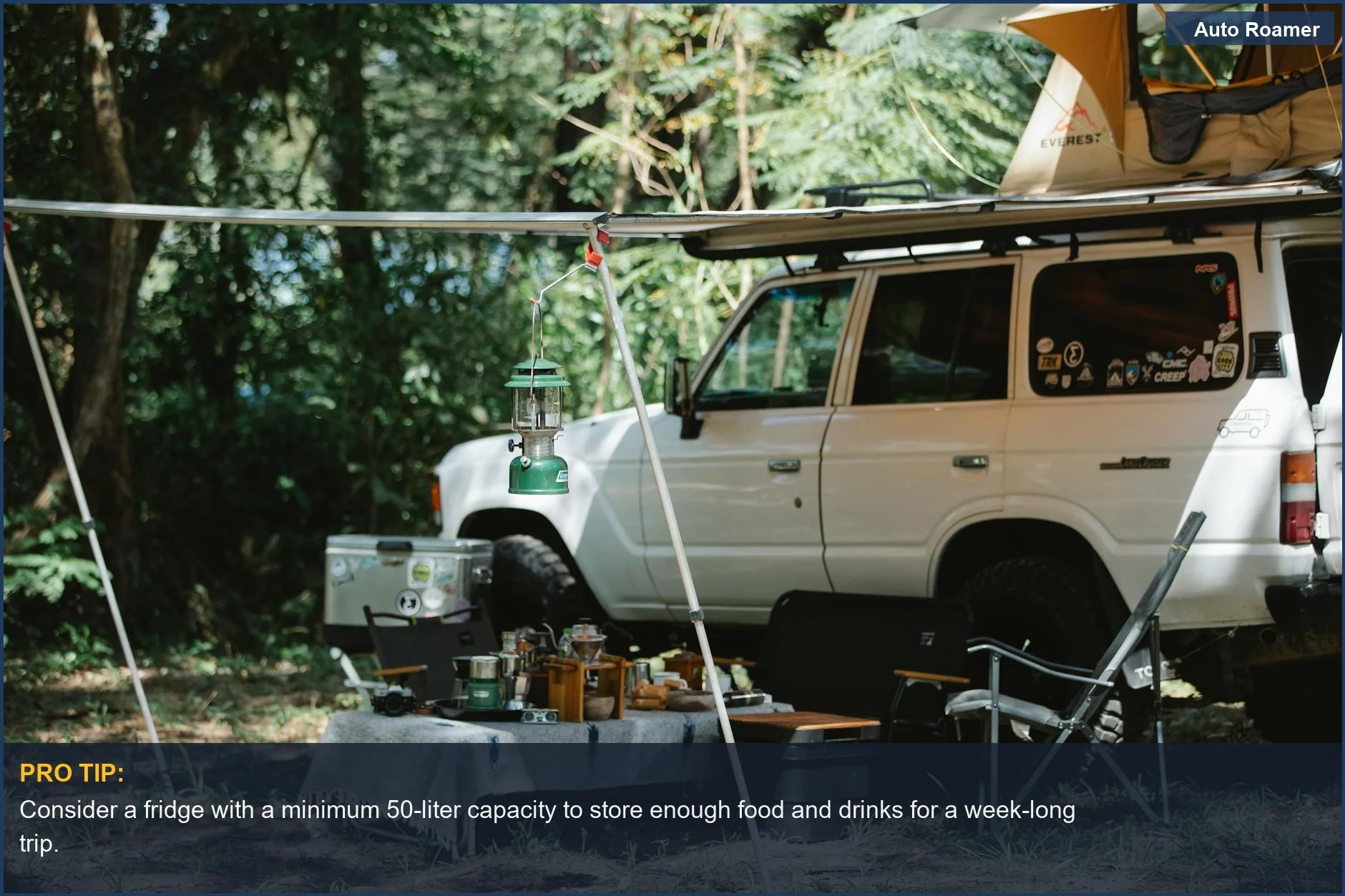
| Capacity | A 50-liter unit is a sweet spot for most overlanders, balancing storage volume with power consumption Source Name. Too small, you're rationing. Too big, it's a power hog and eats up valuable cargo space. My 2018 Tacoma short bed barely fits a 60L unit with a drawer system. |
| Compressor Type | Secop (formerly Danfoss) and LG are the industry standards. These are rotary compressors, designed for low vibration and high efficiency. Off-brand units often use cheaper reciprocating compressors that fail under continuous vibration from rough roads. |
| Power Draw (Amp-Hours) | This is your lifeline. A fridge drawing 3.5 amps per hour on a hot day will kill a 100Ah battery in under 30 hours if the compressor runs continuously OutdoorX4. Look for an average draw between 1.0 and 2.0 amps per hour in ECO mode. Anything higher means you're buying a battery drainer. |
| Construction Material | Rotomolded plastic offers excellent impact resistance and insulation. Metal (steel or aluminum) is more puncture-resistant but can dent. My plastic unit once took a 30 PSI impact from a loose propane tank and barely scratched. A metal one would have been a crumpled mess. |
| Insulation Thickness | Thicker insulation, especially vacuum-insulated panels, reduces thermal transfer, meaning the compressor runs less frequently. This directly impacts power efficiency GearJunkie. A poorly insulated unit is like trying to cool a sieve. |
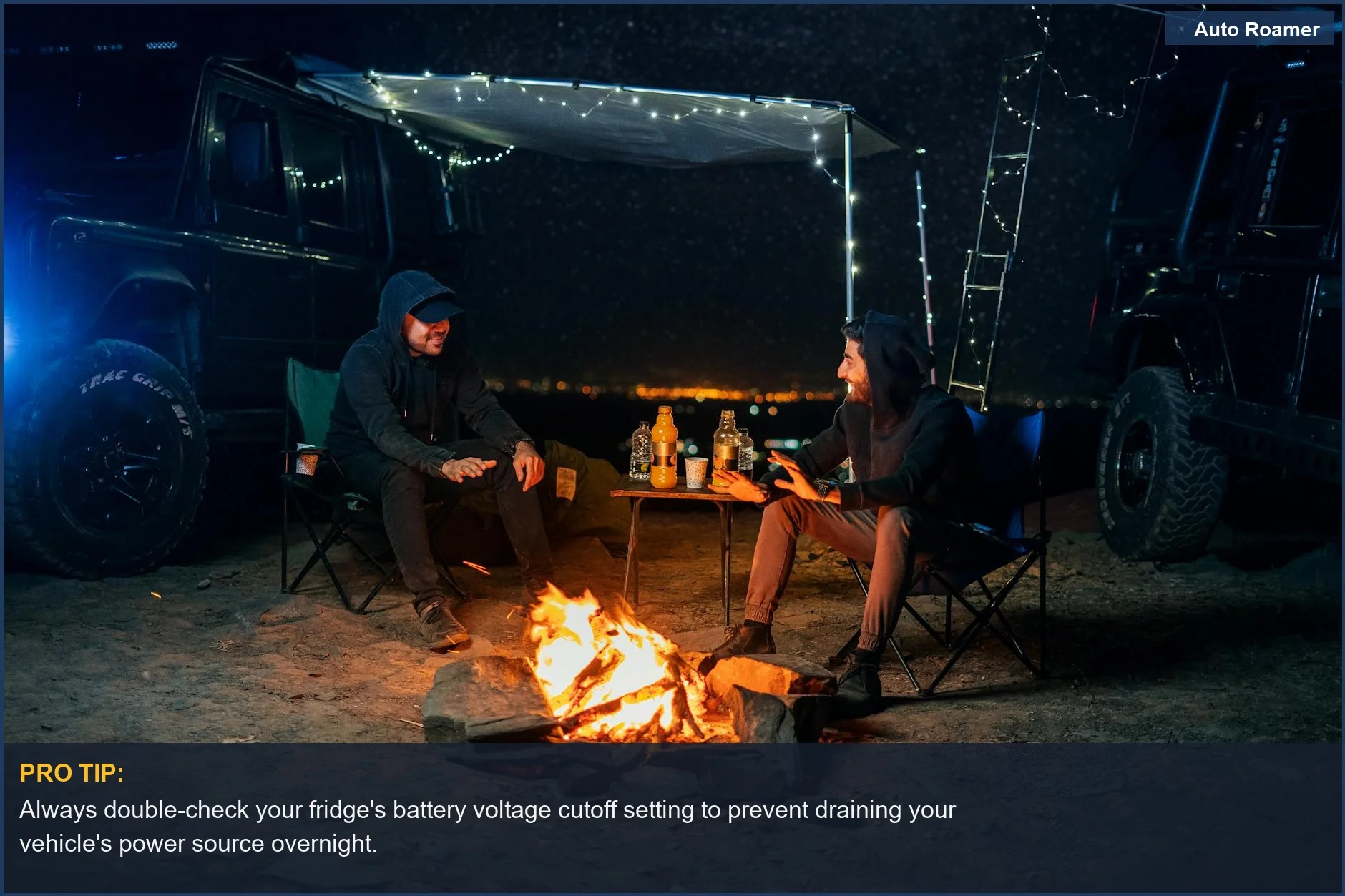
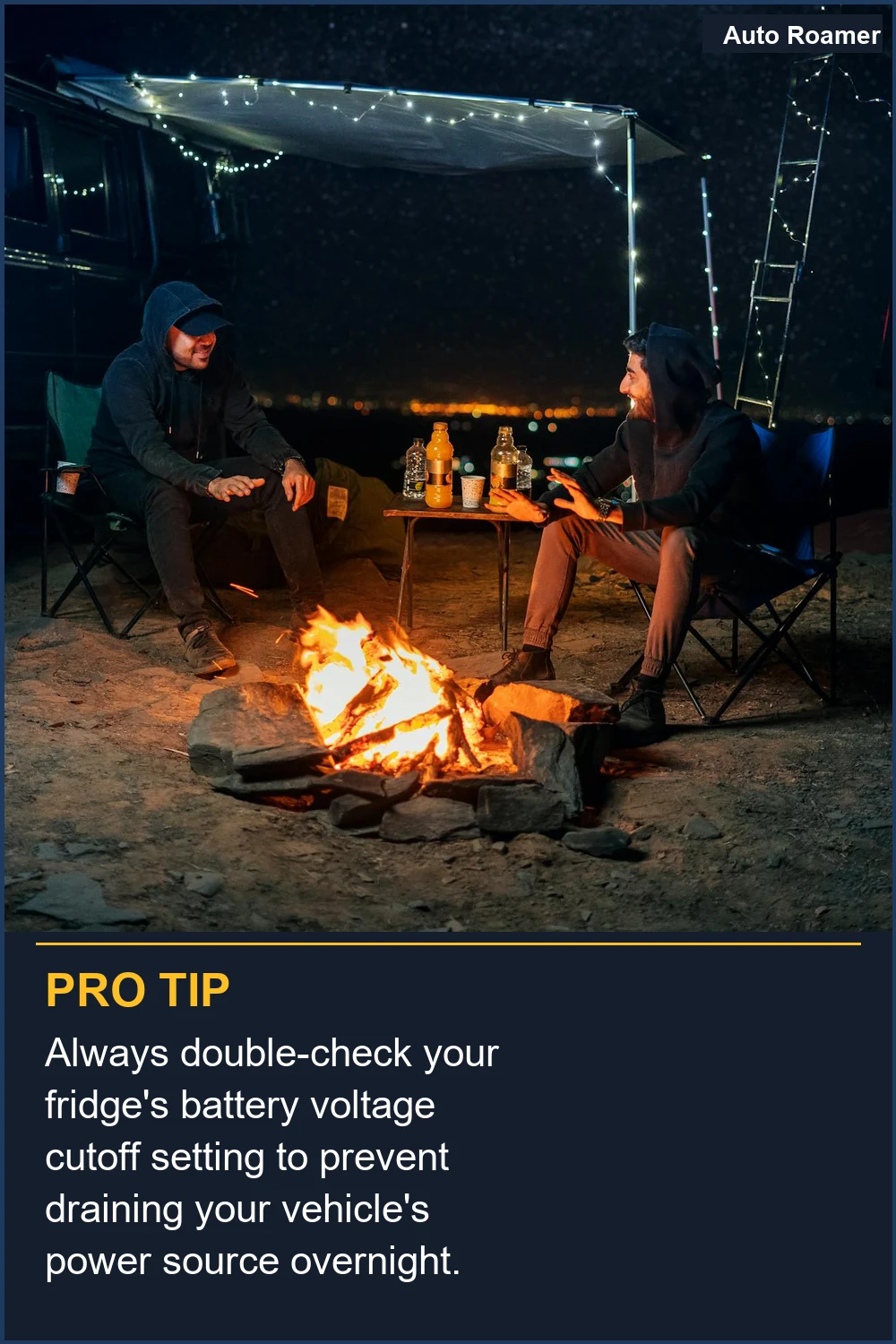
| Battery Protection | Most units have low-voltage cut-offs (e.g., 10.4V, 11.1V, 11.8V). This prevents your vehicle's starting battery from draining completely. Set it to 'high' if you're running off your starter battery. Otherwise, you'll be asking for a jump start. |
| Temperature Control Accuracy | Digital controls with 1-degree F increments are ideal. Some cheap units have 5-degree F swings, which can freeze your lettuce or spoil your meat. That's a food safety issue, not just an inconvenience. |
| Door Seals | Look for thick, magnetic gaskets. A poor seal allows warm air ingress, forcing the compressor to work harder. Check for any gaps around the lid. A simple paper test - if it pulls out easily when the lid is closed - indicates a bad seal. |
Our Top Picks
Field-Tested Refrigeration Units
I've seen enough cheap coolers fail in the middle of nowhere to know what works. Here are the units that actually hold up to mechanical stress and maintain circuit integrity.
ICECO VL65 Dual Zone
- Capacity: 65 Liters (38L fridge/27L freezer)
- Compressor: Secop (Danfoss)
- Power Draw: ~1.0-1.5 Amps/hour (Eco mode, 38F ambient)
- Construction: Steel cabinet, plastic lid
The ICECO VL65 has been rock solid for me for four years, living in a trailer tongue box. That's continuous vibration and thermal cycling.
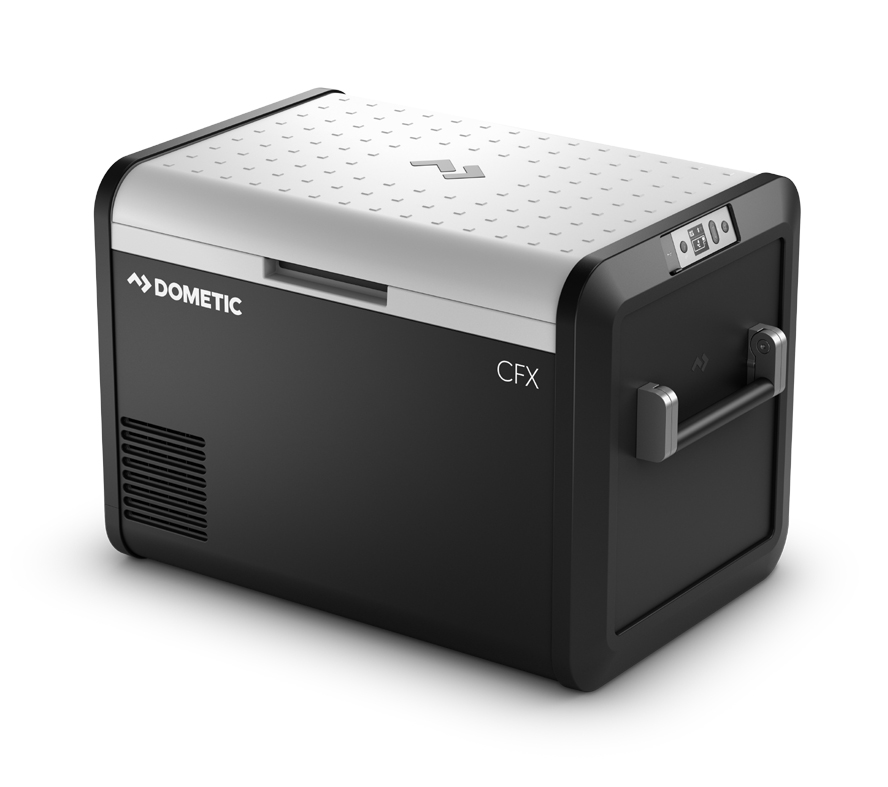
The Secop compressor is bulletproof. My unit pulls about 1.2 amps on average, which is excellent for its capacity. The latches are robust, no plastic flex. This is a workhorse, not a show pony.Dometic CFX3 55IM
- Capacity: 55 Liters
- Compressor: Dometic (proprietary)
- Power Draw: ~1.1-1.8 Amps/hour (Eco mode, 38F ambient)
- Construction: Heavy-duty plastic, reinforced corners
National Luna 50 Legacy Smart Refrigerator & Freezer
- Capacity: 50 Liters
- Compressor: National Luna (proprietary)
- Power Draw: ~0.8-1.3 Amps/hour (Eco mode, 38F ambient)
- Construction: Stainless steel, heavy-duty latches
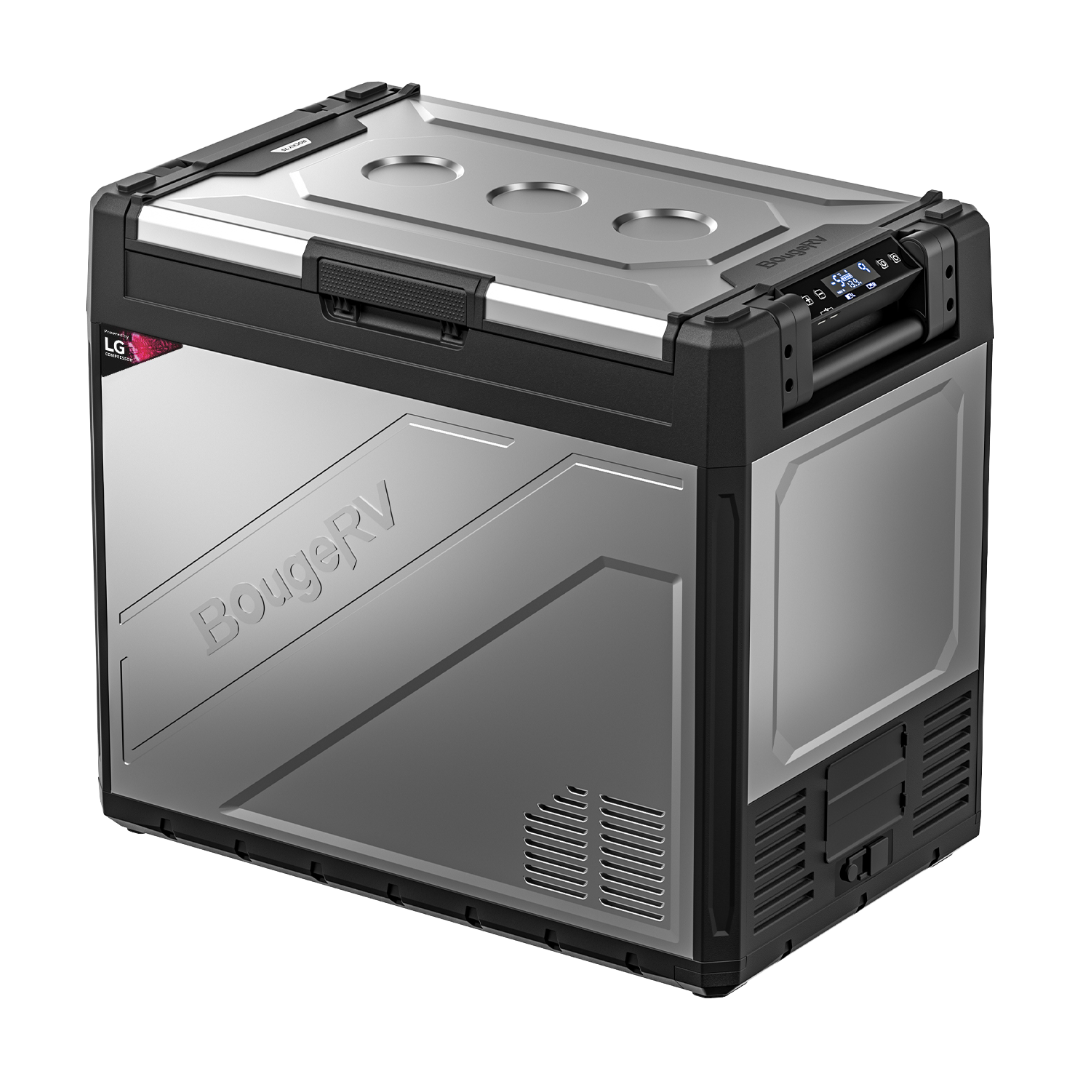
BougeRV 41QT Dual-Zone Portable Fridge
- Capacity: 41 Quarts (approx. 38 Liters)
- Compressor: Generic (often LG-derived)
- Power Draw: ~1.5-2.2 Amps/hour (Eco mode, 38F ambient)
- Construction: Plastic
Budget vs Premium Options
The Cost-Benefit Analysis of Cold Food
You get what you pay for. This isn't just about brand names; it's about material science and manufacturing tolerances. Cheap fridges cut corners, and those corners are where failures start.
| Feature | Budget Option (e.g., BougeRV) | Premium Option (e.g., Dometic, National Luna) |
|---|---|---|
| Compressor | Generic, often Chinese-made LG knock-offs. Higher vibration, shorter lifespan. | Secop (Danfoss), Dometic, National Luna. Engineered for continuous duty, low thermal output. |
| Insulation | Thinner PU foam. Higher thermal transfer rate, meaning compressor runs more often. My cheap fridge would gain 8 degrees F overnight in 70F ambient. | Thicker PU foam, sometimes vacuum-insulated panels. Lower thermal transfer, compressor cycles less. A Dometic might only gain 2 degrees F. |
| Power Draw | Typically 1.5-3.0 amps/hour average. Higher load on your battery system. You'll need more solar or a bigger battery. | Typically 0.8-1.8 amps/hour average. More efficient, less stress on your power system. GearJunkie notes Dometic's impressive efficiency. |
| Construction | Plastic body, thin metal hinges, basic latches. Prone to cracking from UV exposure and impact. | Rotomolded plastic or stainless steel, heavy-duty cast hinges, robust latches. Designed for high mechanical stress and vibration. |
| Temperature Control | Basic digital display, +/- 3-5 degrees F accuracy. Can lead to freezing or warming of sensitive items. | Precise digital control, +/- 1 degree F accuracy, often app-controlled. Better food preservation. |
| Warranty | 1-2 years on unit, 3 years on compressor. Customer service can be hit or miss. | 3-5 years on unit, 5 years on compressor. Better support, parts availability. |
| Price Range | $300-$600. Seems like a deal until it fails after two seasons. | $800-$1500+. Higher upfront cost, but lower cost-per-fix over its lifespan. |
The cheap fridge might save you $500 initially, but if it spoils $200 worth of food on a trip, or drains your battery leaving you stranded, that 'saving' evaporates quickly. My rule: buy once, cry once. The structural integrity of a premium unit is worth it.
Setup and Installation Tips
Getting Your Fridge Running Right
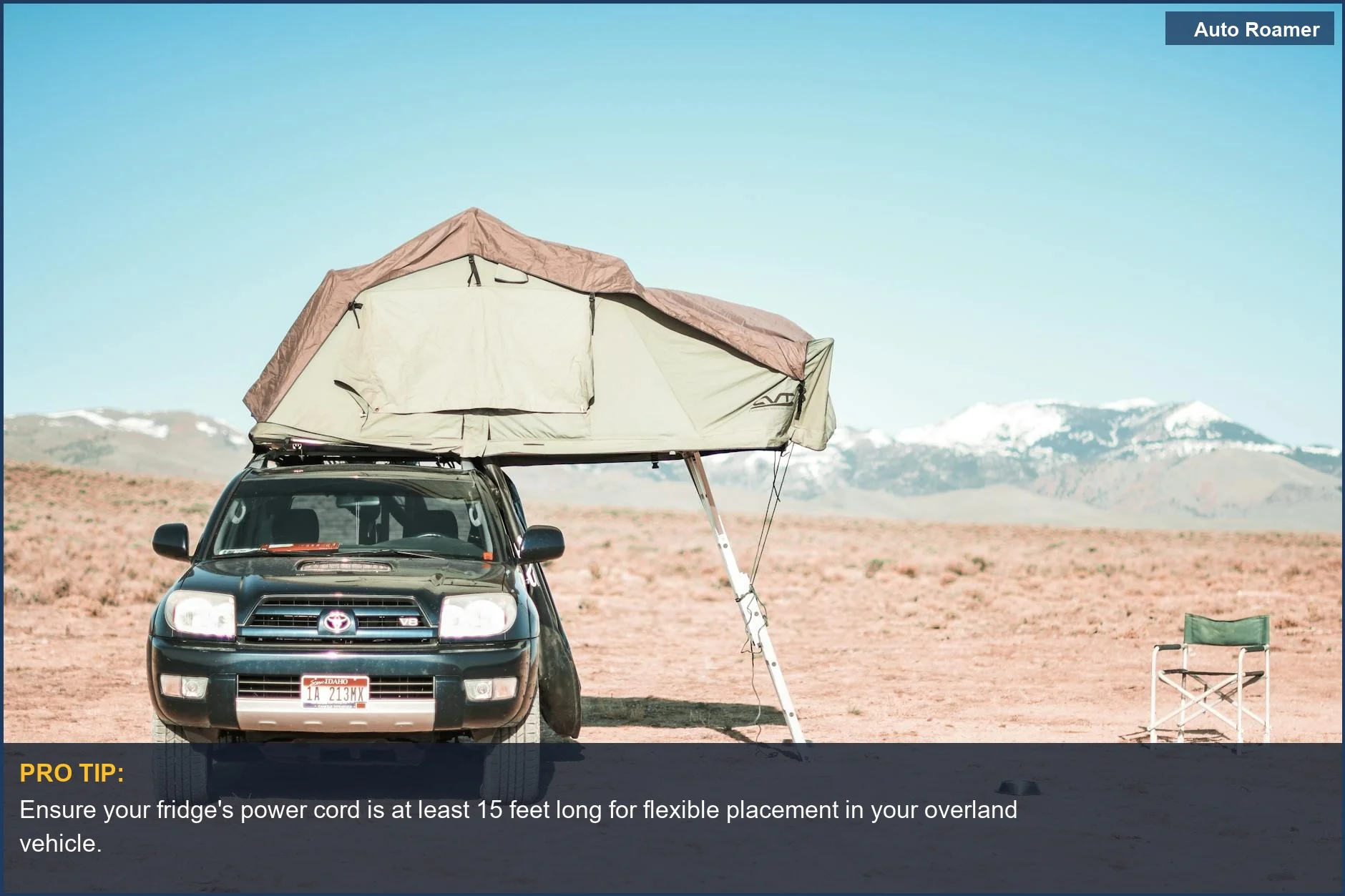
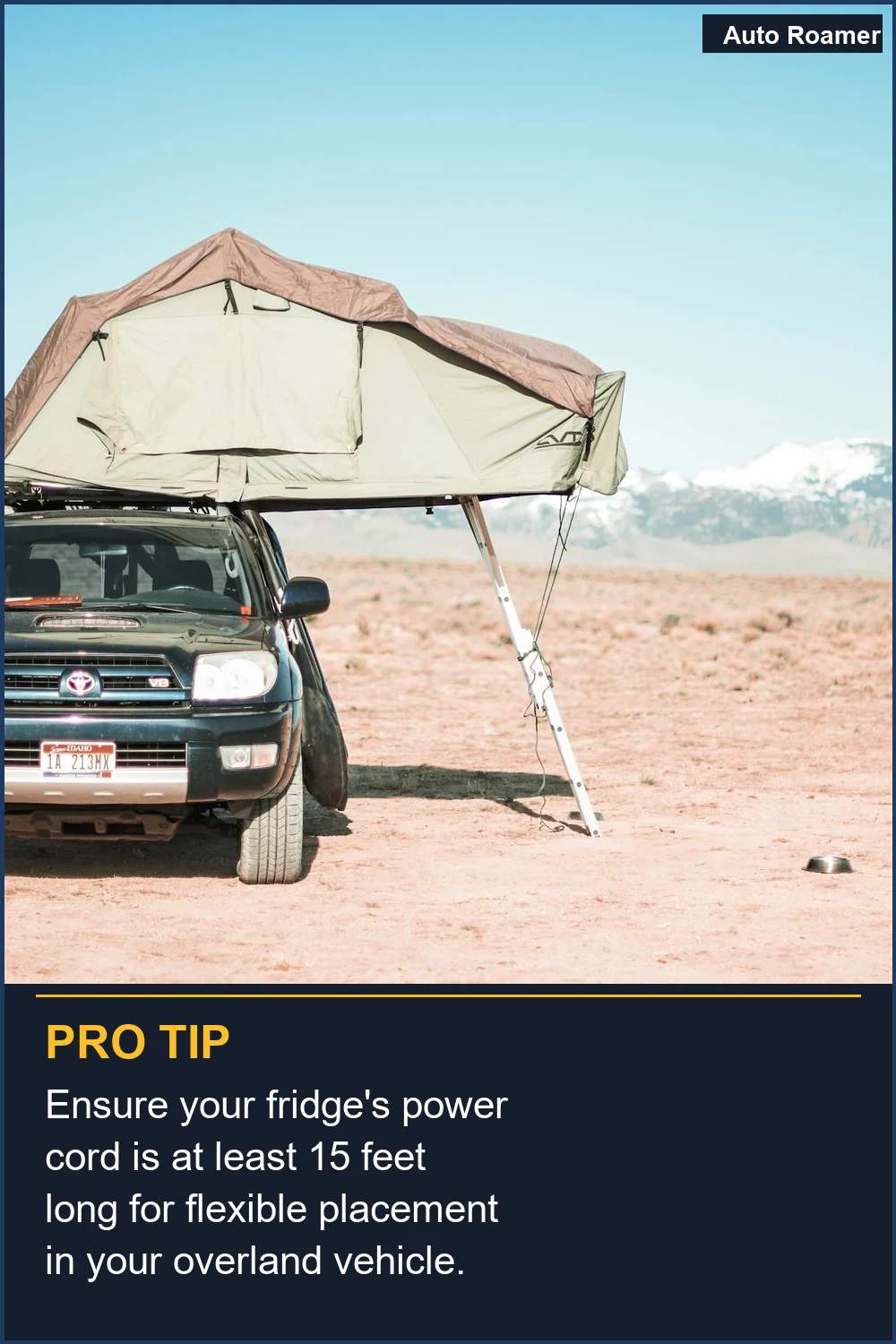
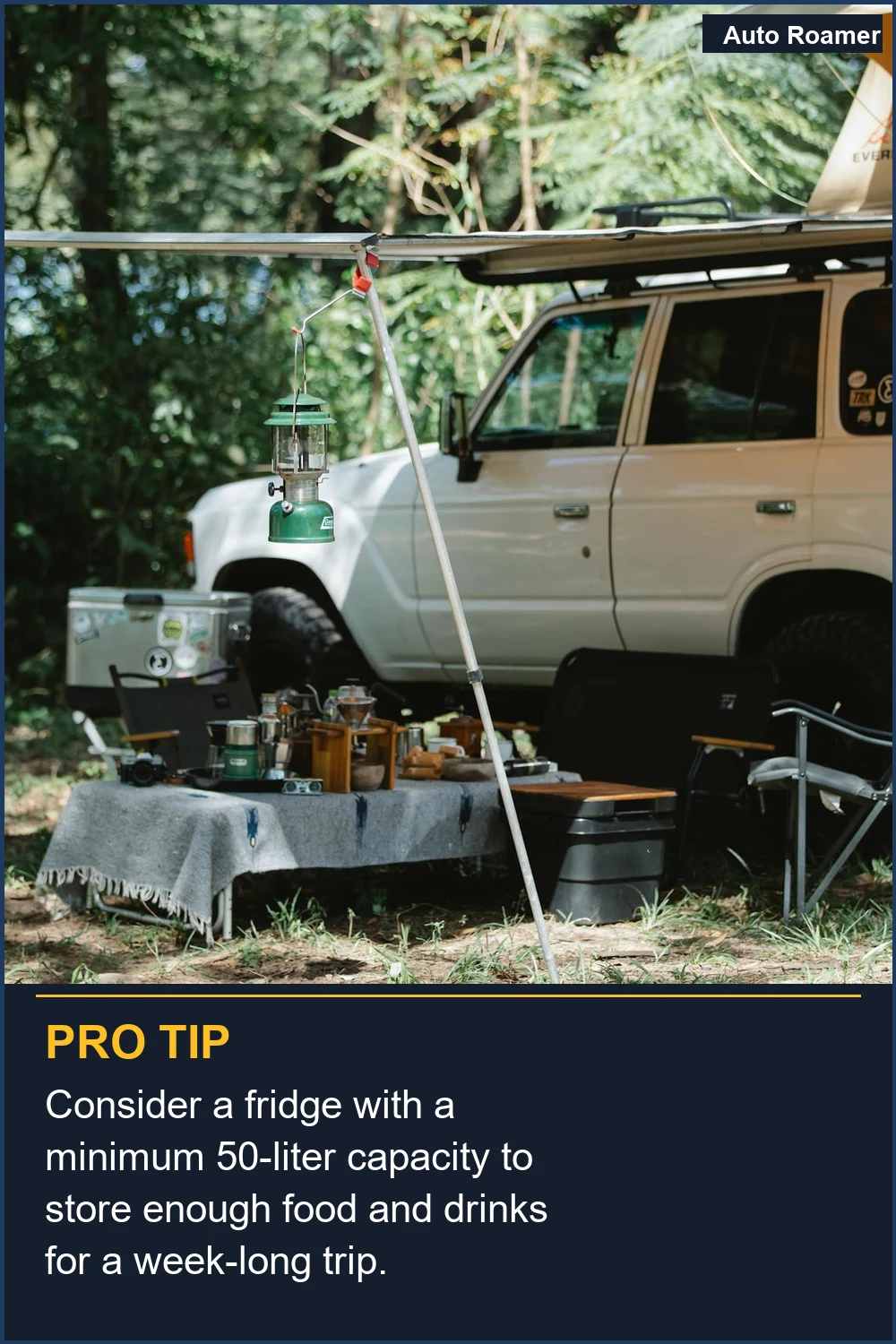
Don't just toss it in the back and plug it in. Proper setup reduces mechanical stress and ensures circuit integrity. Skimp here, and you'll pay for it later.
1. Secure the Unit (Critical)
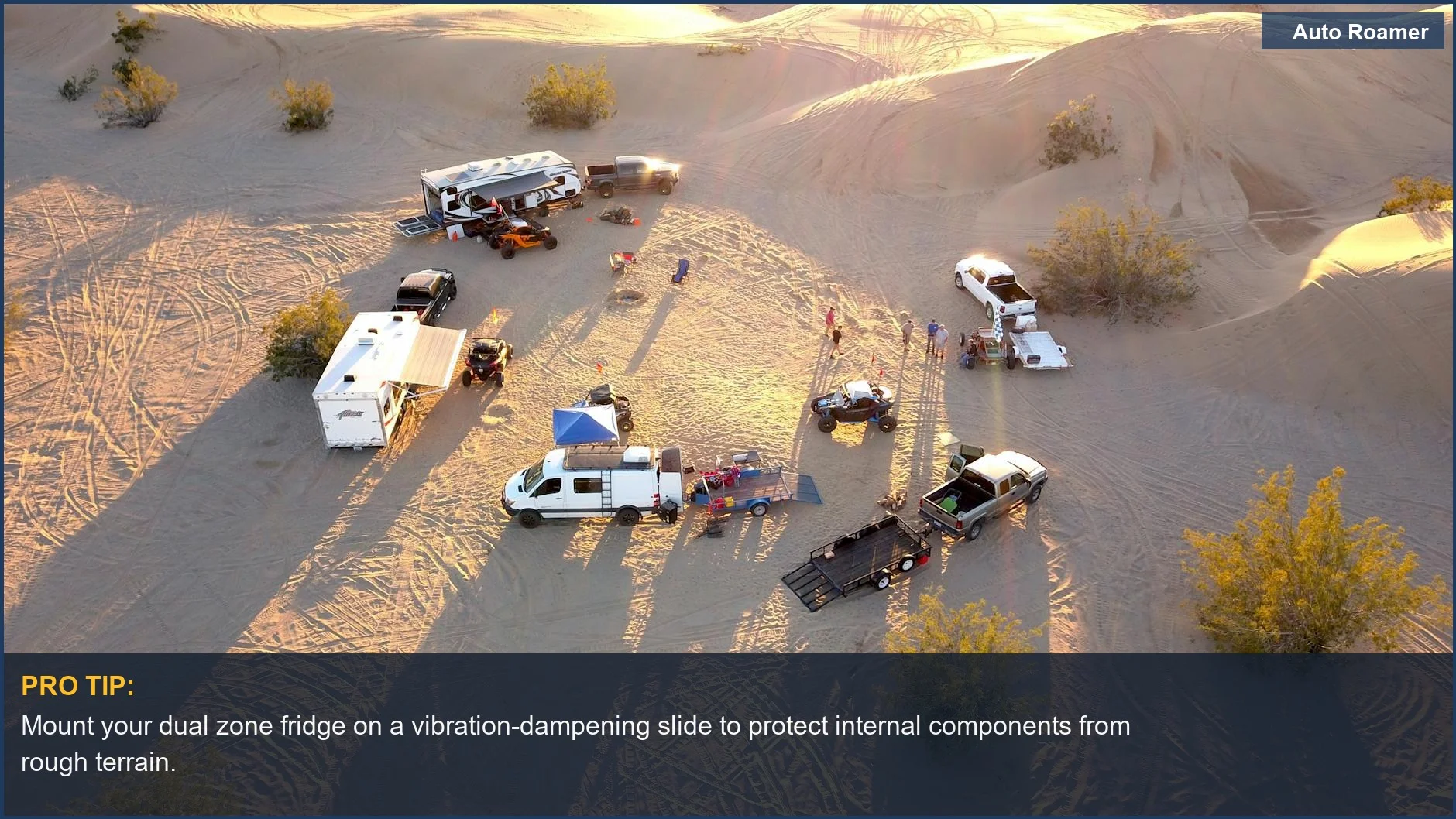
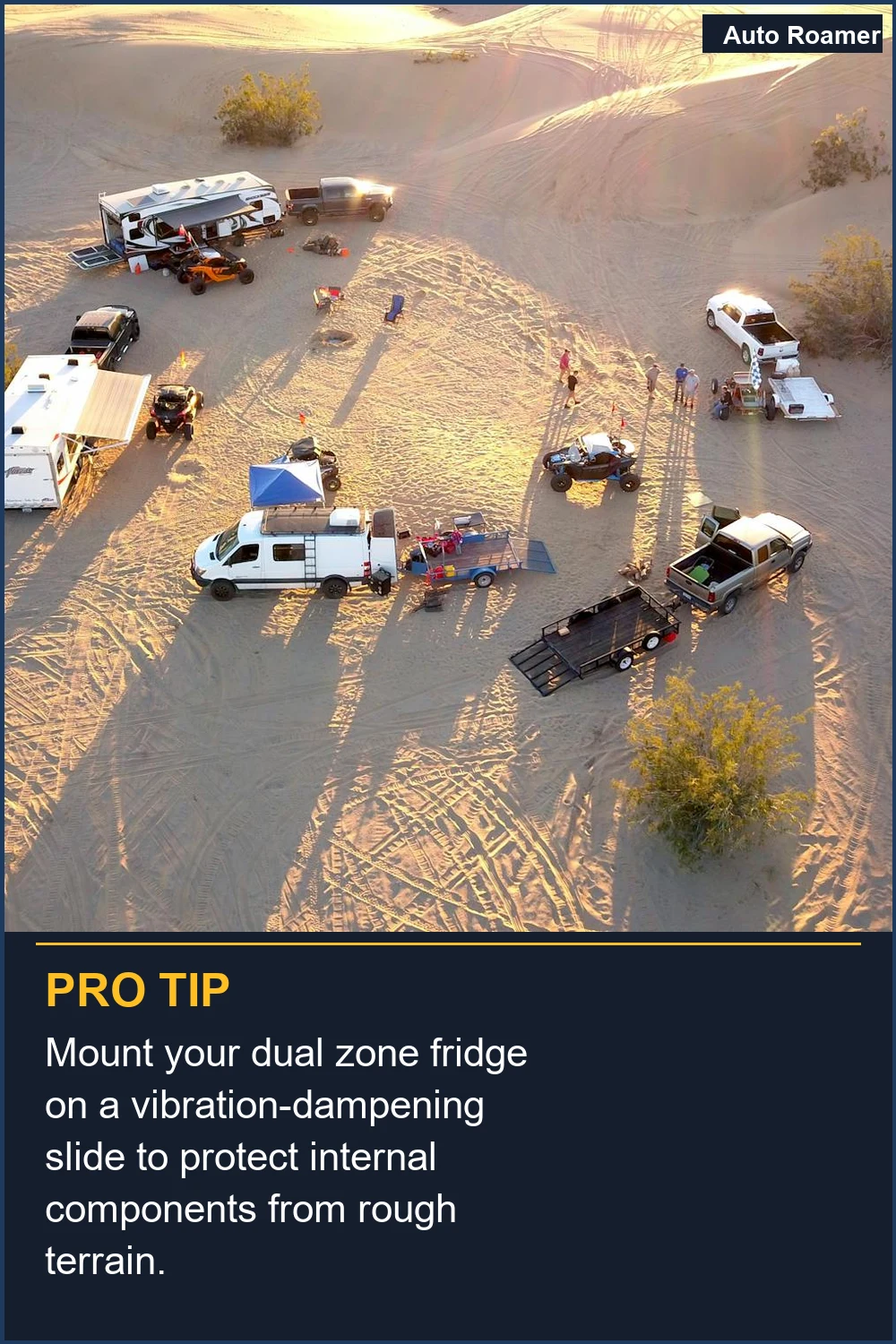
Use a fridge slide or heavy-duty tie-downs. A 50-pound fridge bouncing around adds significant kinetic energy to your cargo area. This constant impact loading can damage the compressor mounts or internal wiring.
My fridge is bolted to a custom platform with M8 bolts and fender washers, preventing any movement.2. Power Connection (12V DC)
Run a dedicated 10-gauge wire from your auxiliary battery to a high-quality 12V socket near the fridge. Cheap cigarette lighter sockets often have poor contact resistance, leading to voltage drop and heat generation. This causes the fridge to draw more current, stressing your wiring and potentially popping fuses. A direct connection minimizes resistance.
3. Pre-Chill at Home (Energy Saver)
Plug your fridge into AC power 12-24 hours before your trip. Get it down to temp (e.g., 35 degrees F for fridge, 0 degrees F for freezer) before loading it with warm food. This significantly reduces the initial power draw from your vehicle's battery. Thermal inertia is your friend.
4. Load Strategically (Efficiency)
Pack denser, frozen items at the bottom of the freezer section. Keep frequently accessed items in the fridge section, closer to the lid. Minimize air pockets; a full fridge cools more efficiently than an empty one due to reduced air circulation and thermal mass. This lowers the compressor duty cycle.
5. Ventilation (Compressor Life)
Ensure at least 2 inches of clearance around the compressor vents. If airflow is restricted, the compressor overheats, reducing its efficiency and lifespan. This thermal stress can lead to premature mechanical failure. I once saw a fridge fail because it was crammed against a seat, blocking all airflow.
Care and Maintenance Tips
Keeping Your Fridge from Becoming a Paperweight
These things aren't set-it-and-forget-it. Neglect leads to reduced efficiency and eventual mechanical failure. A little preventative maintenance goes a long way.
1. Clean the Interior (Odor Prevention)
Empty and wipe down the interior with a mild soap solution after every trip. Food particles and condensation create a breeding ground for bacteria and mold, leading to foul odors and potential contamination. Rinse with clean water and leave the lid ajar to air dry fully.
My fridge once smelled like a swamp after a forgotten piece of cheese.2. Inspect Door Seals (Thermal Integrity)
Regularly check the rubber door seals for cracks, tears, or debris. A compromised seal allows warm air ingress, forcing the compressor to work harder and increasing power consumption. Clean the seals with a damp cloth and apply a silicone lubricant to maintain pliability. This prevents cold air from escaping Source Name.
3. Clear Compressor Vents (Thermal Management)
Dust and debris accumulate on the condenser fins, reducing heat exchange efficiency. Use a soft brush or compressed air to clear the vents and fins. Restricted airflow causes the compressor to run hotter and longer, leading to increased wear and tear. This is a common failure point for units in dusty environments.
4. Check Power Cables (Circuit Integrity)
Examine all power cables and connectors for fraying, corrosion, or loose connections. High resistance at connection points generates heat, which can melt insulation or cause voltage drops. A loose 12V plug can arc, damaging the socket and the fridge's power input. I've had to replace more cheap cigarette lighter plugs than I can count.
5. Drain Plug Inspection (Fluid Dynamics)
Ensure the drain plug (if present) is clear and not clogged with debris. This prevents water from pooling inside the unit, which can lead to mold growth or even short circuits if water gets into the electrical components. Some units don't have a drain, so be extra careful with spills.
Final Recommendations
The Final Word on Keeping it Cool
Choosing the right dual-zone portable fridge isn't about marketing hype; it's about mechanical integrity, thermal efficiency, and reliable circuit performance. Don't skimp on these factors unless you enjoy spoiled food and dead batteries.
- Prioritize Compressor Quality: Secop or Dometic are proven workhorses. They'll handle the vibration and continuous duty cycle of overlanding without premature failure. A cheap compressor is a ticking time bomb.
- Monitor Power Draw: Always check the actual amp-hour draw.
Anything over 2.0 amps average is inefficient and will tax your auxiliary power system. This is a critical metric for off-grid sustainability Source Name.My recommendation remains the ICECO VL65 or any Dometic CFX3 model. They're built for the abuse and will keep your beer cold and your food safe, mile after mile. Anything less is a gamble.
Frequently Asked Questions
Can I just run my fridge off my vehicle's main starting battery?
Do I really need a dedicated wiring harness, or can I just use the cigarette lighter adapter?
What if my fridge isn't cooling efficiently even with good power?
Can a portable fridge permanently damage my vehicle's electrical system?
Some people say a cheap cooler with ice is just as good. Are they right?
🏅 Looking for Gear Recommendations?
Check out our tested gear guides for products that work with this setup:
Sources
- Sourcing Top Dual Zone Portable Fridges: The Overlander's Choice
- Overland Fridge Buyer's Guide - OutdoorX4
- BUDGET OVERLAND DUAL ZONE FRIDGE THAT PACKS A PUNCH
- test : portable fridges and freezers for 4wd and offroading
- The Best Overland Fridge Freezers - Expedition Portal
- What are good portable refrigerators and freezers for camping?
- Best Portable Camping Fridge, 12V & Dual Zone Picks
- The Best Electric Coolers of 2026 | GearJunkie Tested