Why a cordless impact wrench belongs in your car
A cordless impact wrench isn't just a convenience for tire changes; it's a safety device. It removes the brute physical effort of fighting a seized lug nut with a breaker bar on the shoulder of a highway — less exertion means less fatigue and fewer injuries in an already stressful situation — and on reinstall it lets you snug nuts evenly before a final torque-wrench pass. The catch is that the term 'impact driver' gets used loosely: for lug nuts you want an impact WRENCH with a 1/2-inch drive, not a hex-chuck driver built for screws.
This guide cuts through the spec-sheet noise to what actually matters for tire work: real nut-busting torque, the anvil (friction ring versus detent pin), and the battery ecosystem you're buying into. The picks below span from a budget passenger-car tool to a 1,000-ft-lb no-excuses wrench, all from major brands with real battery platforms — because a roadside tire change is exactly when a no-name tool's slop and weak hammer mechanism let you down.
What actually matters: the spec breakdown
Start with nut-busting torque, not the fastening number brands love to headline. Removal torque is the spec that breaks a corroded, over-torqued nut loose, and it's always higher than the tightening figure. Roughly 400-500 ft-lbs handles passenger cars; 700+ ft-lbs handles trucks, SUVs and stubborn rusted nuts without drama. Buy headroom — the extra torque costs little and is exactly what rescues you when a nut won't move.
Next, the anvil and socket retention. A friction ring lets you swap sockets by hand, which is what you want changing sockets in the cold; a detent pin holds more positively but needs a tool to change. For tire changes, a friction ring wins. Then weigh battery platform: a bare tool is a bargain only if you already own that brand's batteries, so factor a battery and charger if you're starting fresh.
Finally, the small things that separate a tool you trust from one you don't. A multi-speed trigger gives control so you can snug without over-driving. A sealed brushless motor resists the grit and moisture of roadside work and runs longer per charge. And tactile quality matters: a cheap tool has play in the hammer mechanism, trigger and battery connection, and that slop wastes energy and breeds vibration that cracks housings over time. Pay for a tight, sealed tool — it's the one still working in five years.
- Nut-busting torque: ~400-500 ft-lbs for cars, 700+ for trucks and rusted/over-torqued nuts.
- Anvil: friction ring (swap sockets by hand) beats a detent pin for tire work.
- Battery platform: buy the bare tool only if you already own that brand's batteries.
- Motor & build: sealed brushless, multi-speed trigger, minimal mechanical slop.
Our top picks
Four picks, each the right answer for a different buyer. All are from major brands with real battery ecosystems, so the tool you choose is also a vote for the platform you'll build on.
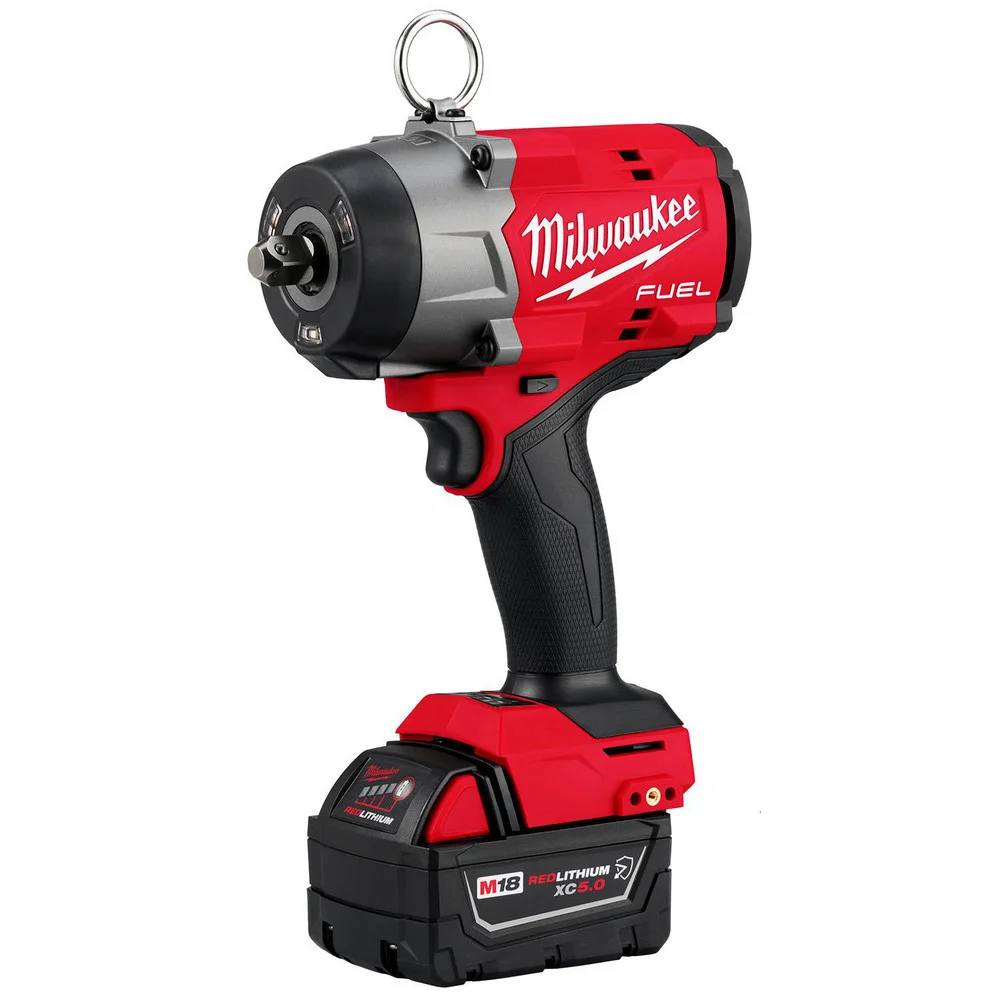
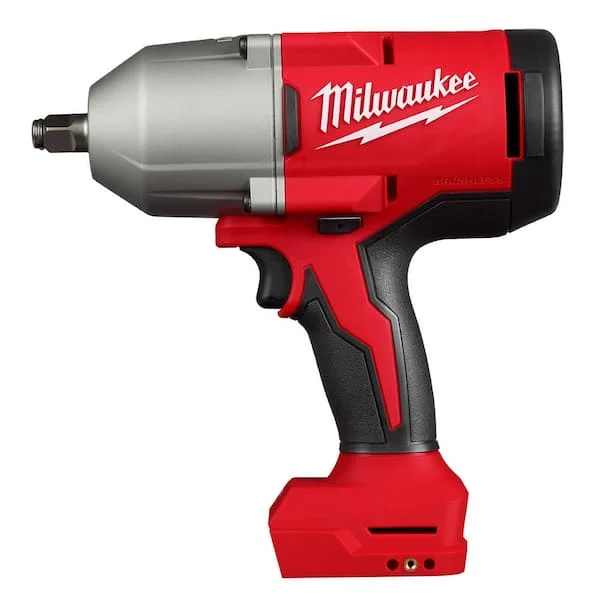
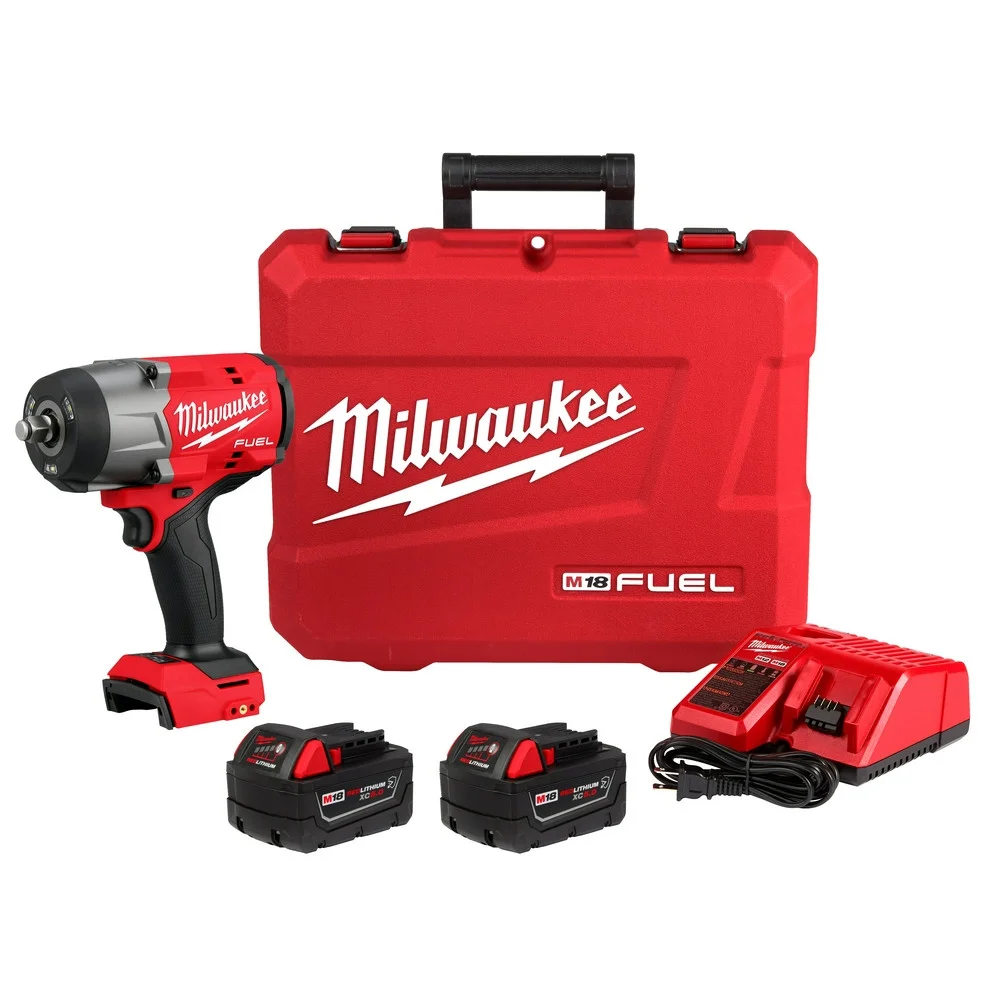
Best overall: Milwaukee M18 FUEL 1/2" High-Torque Impact Wrench (2767-20). This is the no-excuses pick. With 1,000+ ft-lbs of nut-busting torque, a friction-ring anvil and a sealed brushless motor, it breaks loose any lug nut a shop's gun or a decade of rust can throw at it, then has the control to reinstall. It's a bare tool — best value if you're already on Milwaukee M18 — and it's the one to buy if you tow, drive a truck, or simply never want to wonder whether the tool is up to it.
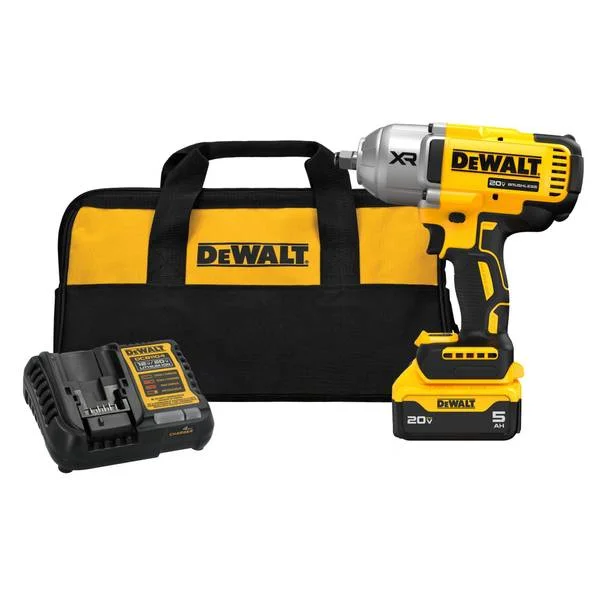
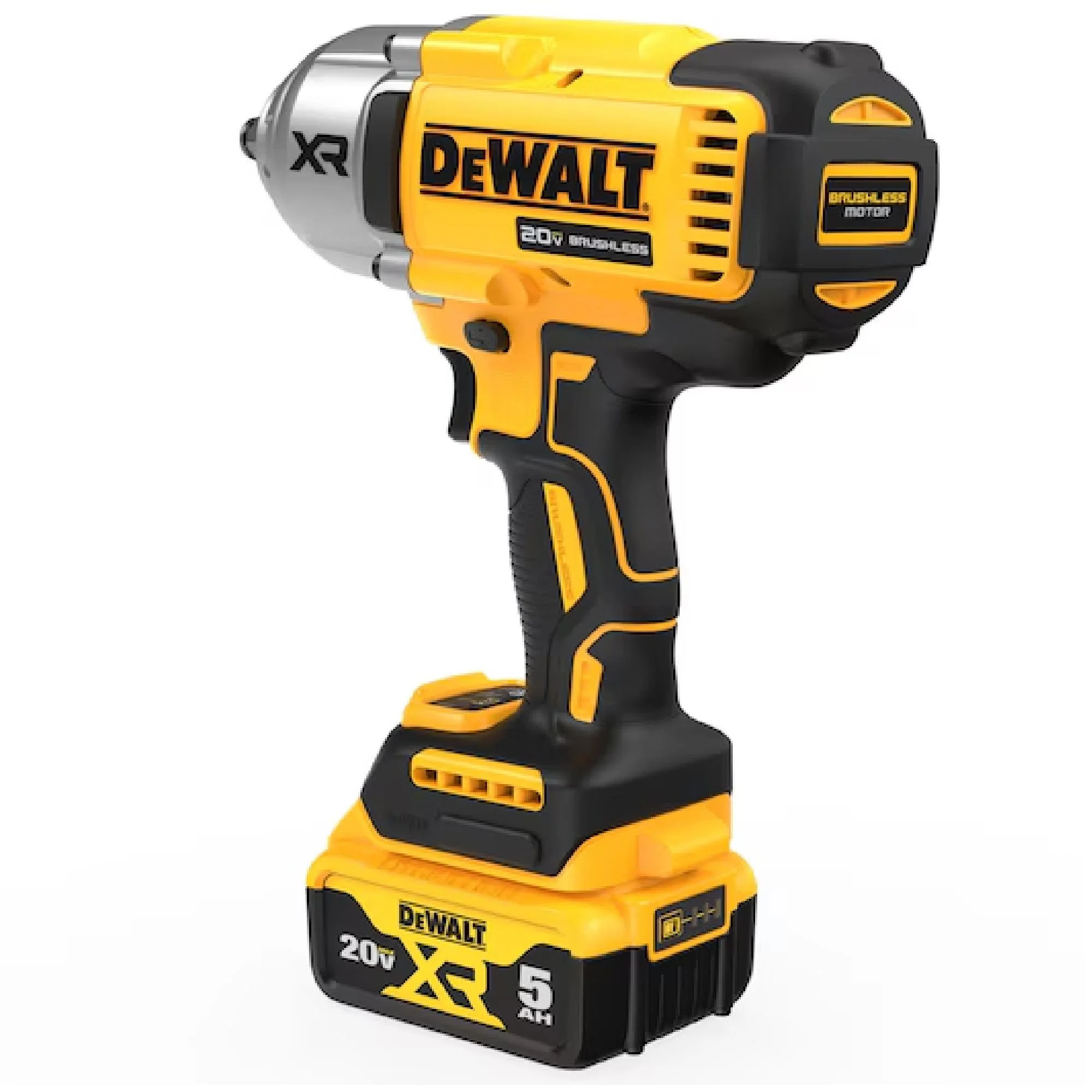
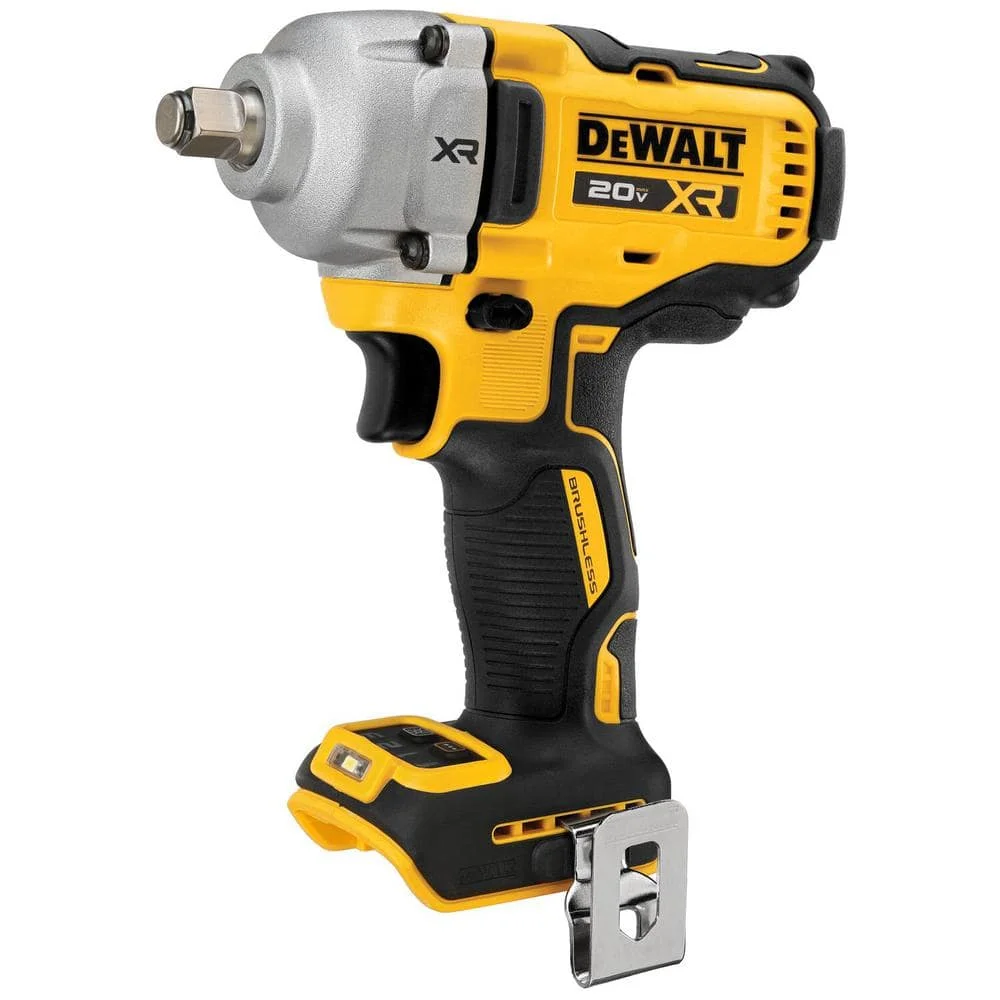
Best balanced: DeWalt 20V MAX XR 1/2" Impact Wrench (DCF899). Roughly 700 ft-lbs with a 3-speed trigger for control covers trucks and stubborn car nuts while staying lighter and cheaper than the Milwaukee. If you already own DeWalt 20V MAX batteries, the bare tool is the smart middle ground — plenty of torque, excellent control, and a platform you can share with the rest of your tools.
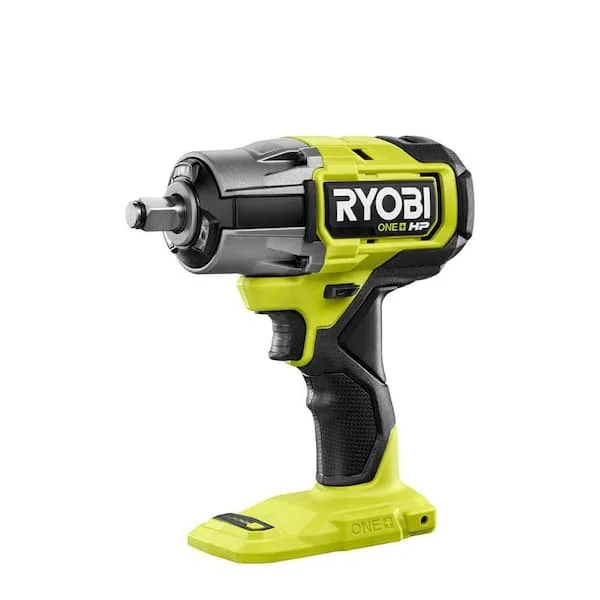
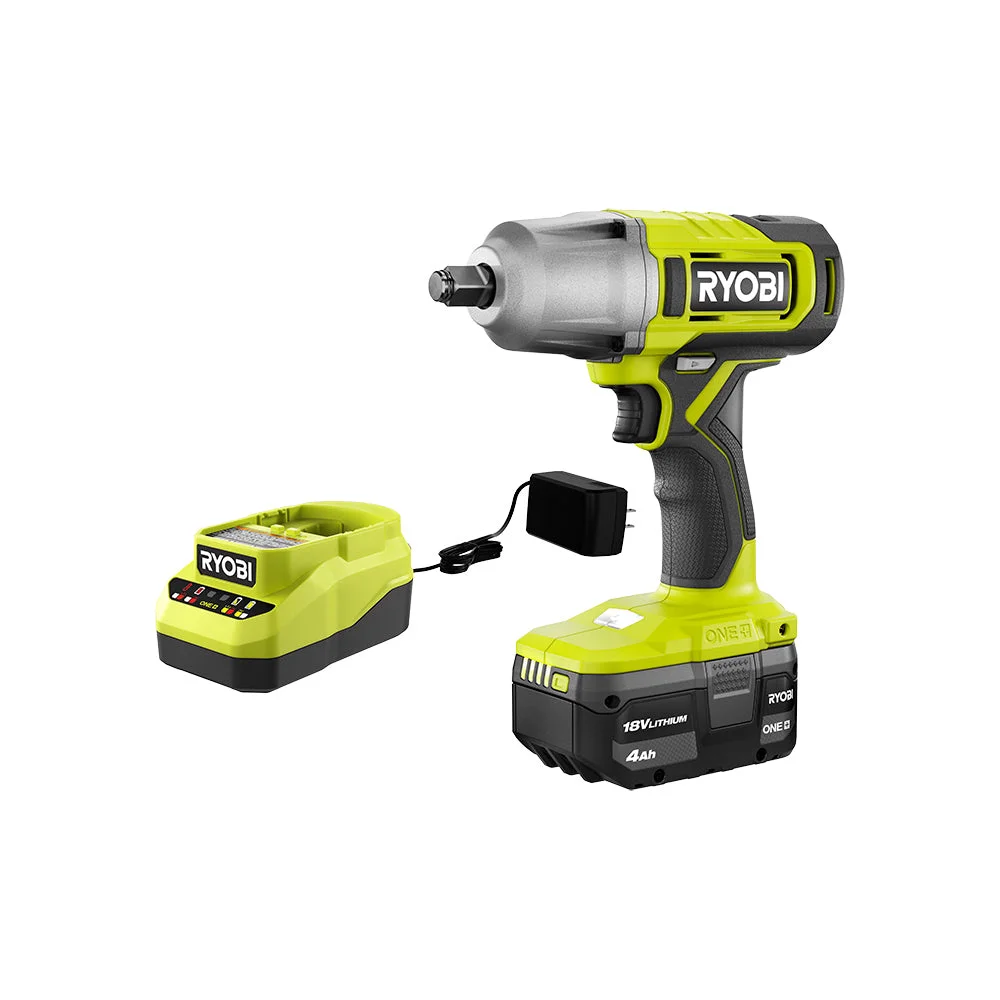
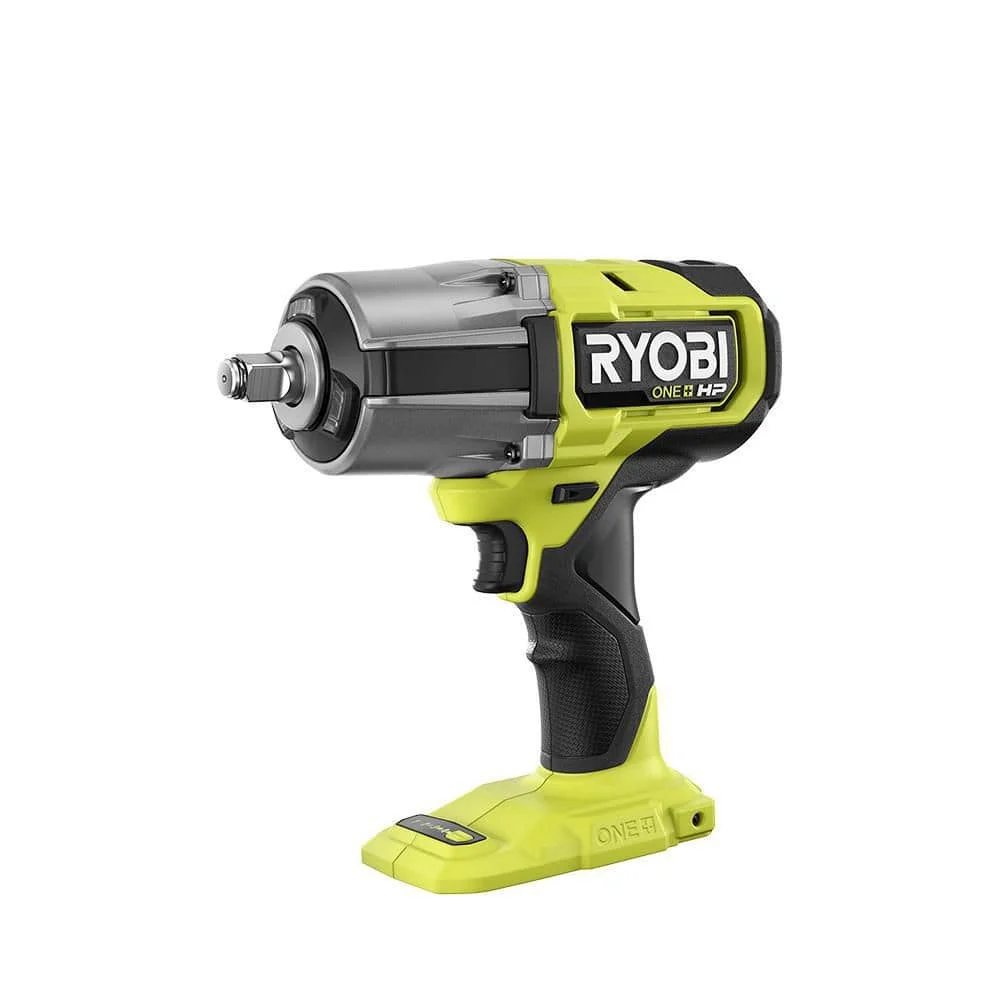
Best budget: Ryobi ONE+ HP 18V 1/2" Impact Wrench (PBLIW01). At about 450 ft-lbs of fastening torque for a fraction of the price, the Ryobi ONE+ HP handles passenger-car lug nuts and lives happily in a trunk kit. It's the honest budget answer for someone who drives a car (not a lifted truck) and wants the safety of cordless removal without spending pro money — especially if you're already in the affordable ONE+ ecosystem.
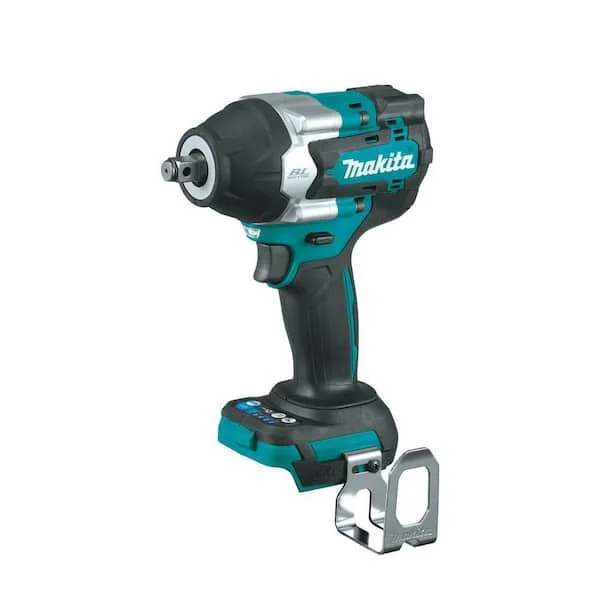
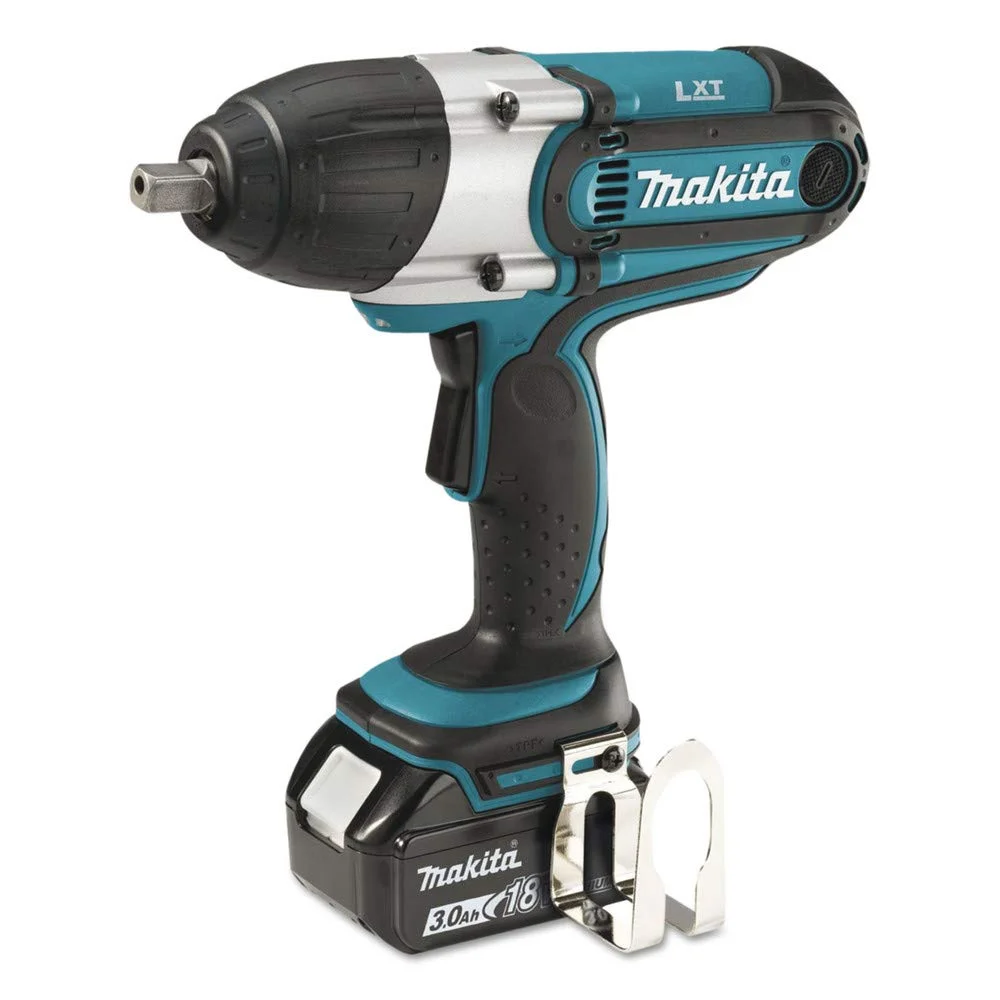
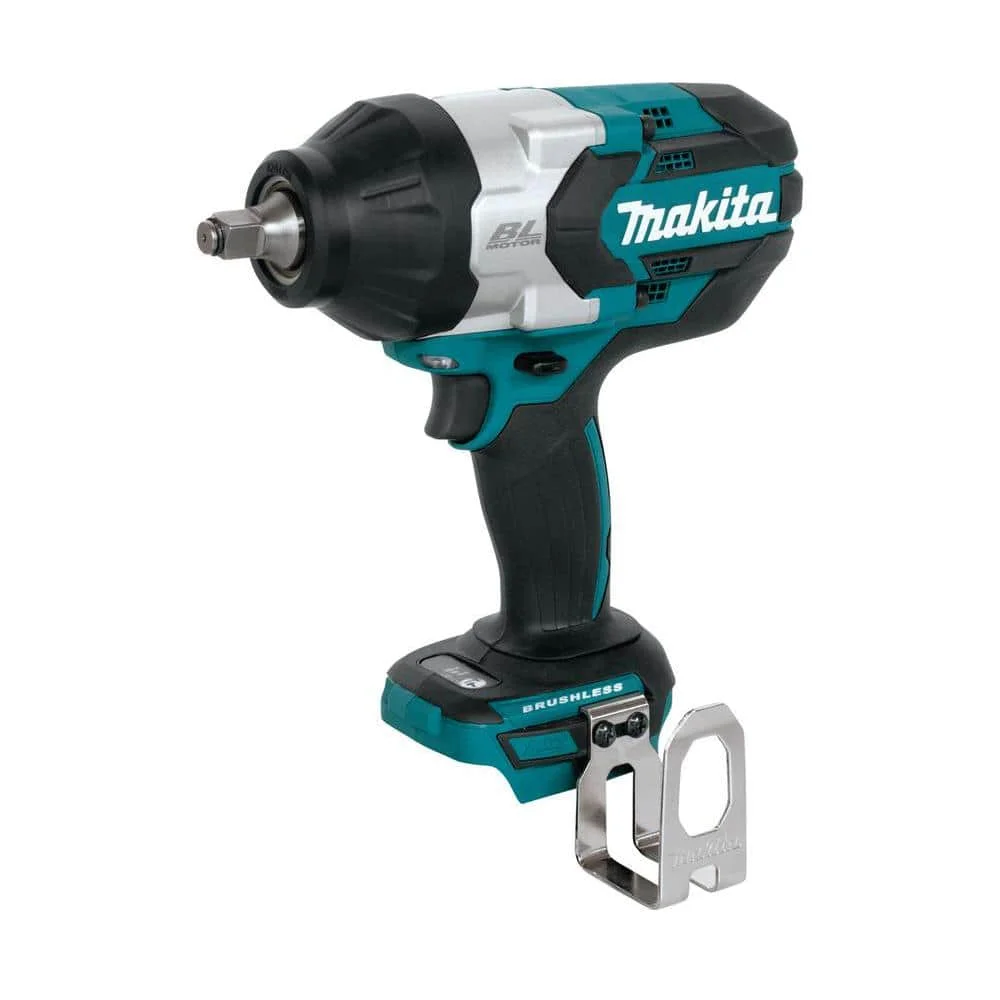
Best for durability: Makita 18V LXT 1/2" Impact Wrench (XWT08Z). With 740 ft-lbs, a friction ring and Makita's long-standing reputation for tools that survive job sites, the Makita LXT is the long-haul pick if you're in the LXT battery family. It splits the difference between the DeWalt's balance and the Milwaukee's grunt, and it's the one to choose if you value a tool outlasting the car you bought it for.
What $130 vs $300 actually buys you
The price gap between the budget Ryobi and the flagship Milwaukee isn't marketing — it buys measurable things. The obvious one is torque headroom: 450 ft-lbs versus 1,000+ is the difference between a tool that handles your car and one that handles anything, including the rusted truck nut a tire shop air-gunned to oblivion. If you only ever rotate passenger-car tires in a mild climate, you may never touch that headroom; if you live where roads are salted, you'll be glad you paid for it.
Less obvious is build tolerance. A premium tool has minimal play in its hammer mechanism, trigger and battery interface. That tightness transfers more of the motor's energy into the fastener and less into vibration that, over years, stress-fractures the housing and internal parts. The cheaper tool works, but it wears faster and rattles more, and its weaker hammer can stall on the exact seized nut you bought it to remove.
The right spend isn't about the badge — it's about matching torque headroom and build durability to the rusted, over-torqued nuts you'll actually meet, and to the battery platform you already own.
The middle ground — the DeWalt and Makita around $220-250 — is where most people should land. You get 700-740 ft-lbs (enough for trucks and any rusted car nut), durable sealed motors, and multi-speed control, without the flagship premium. The right spend is less about the badge and more about matching torque and durability to the mechanical stresses you actually face — and to the battery platform you already own or want to grow into.
Using it right: removal, reinstall and battery care
For removal, seat a proper impact socket (never a chrome hand socket, which can shatter) fully on the nut, brace the tool square to the stud, and let the hammer mechanism do the work in short bursts. If a nut won't budge even at full torque, a shot of penetrating oil and a few minutes of patience beats forcing it and shearing a stud — and a sheared stud turns a ten-minute job into a repair bill.
For reinstall, this is the step people get wrong: use the impact wrench to SNUG the nuts in a star (criss-cross) pattern, then finish by hand with a calibrated torque wrench to the manufacturer's spec. Impacts can easily over-tighten, which warps rotors and stretches studs and makes the next removal miserable. The wrench gets them on fast and even; the torque wrench makes them right.
Finally, treat the battery as the consumable it is. Store packs in a cool, dry place — heat accelerates the chemical degradation that quietly kills capacity — and don't leave a battery flat-discharged or baking in a hot trunk for months. Lithium cells don't like thermal cycling or sitting at the extremes of charge. A pack you keep cool, charged around half for long storage, and cycled occasionally will still crank lug nuts loose years from now, which is the whole point of buying a tool from a real ecosystem.
Head-to-head: the picks side by side
Comparing these four isn't about which 'feels' better; it's about matching quantifiable torque and platform cost to your real needs. The Milwaukee M18 FUEL leads on raw capability (1,000+ ft-lbs) and is the only one you never have to think twice about on a seized truck nut — at the highest price and weight. The DeWalt 20V MAX XR trades a chunk of that torque (~700 ft-lbs) for lighter weight, finer trigger control and a lower price, the best all-rounder for most drivers already on DeWalt.
The Makita 18V LXT sits right beside the DeWalt on torque (740 ft-lbs) and pulls ahead on long-term durability reputation, the pick for LXT owners who want a tool to outlast the car. The Ryobi ONE+ HP is the clear budget choice (~450 ft-lbs): enough for passenger cars, cheapest to buy into, and honest about its limits — just don't ask it to break loose a rusted, over-torqued truck nut it was never built for.
The trap to avoid across all of them is the off-brand 'compatible' wrench. Advertised as working with a major battery, it relies on you already owning that platform, and if you don't, the true cost skyrockets once you add a battery and charger — often erasing the savings while giving you a tool with more slop and a weaker hammer than any of these four.
The verdict: pick by use case
Match the tool to the mechanical stress you actually face. Drive a truck or SUV, tow, or live where road salt rusts everything? Buy the Milwaukee M18 FUEL and never wonder if the tool is up to it. Already own DeWalt 20V MAX batteries and drive a normal mix of vehicles? The DeWalt 20V MAX XR is the balanced, controllable, well-priced answer. In the Makita LXT family and want maximum longevity? The Makita 18V LXT is built to outlast the car.
And if you drive a passenger car, rotate your own tires, and don't want to spend pro money, the Ryobi ONE+ HP does the job safely for a fraction of the price. Whatever you pick, pair it with proper impact sockets and a hand torque wrench for the final pass — that combination, not the tool alone, is what makes a roadside or driveway tire change fast, safe and done right.