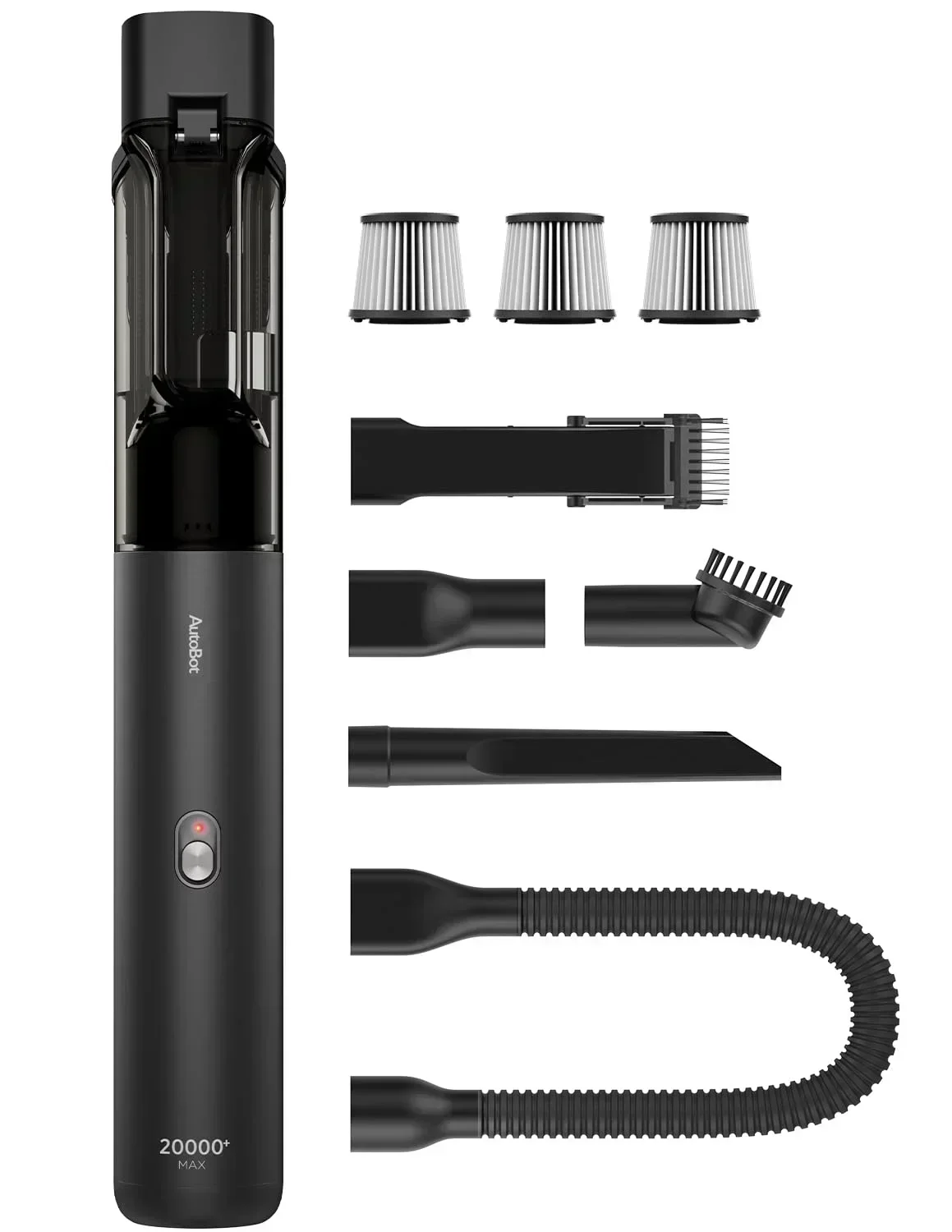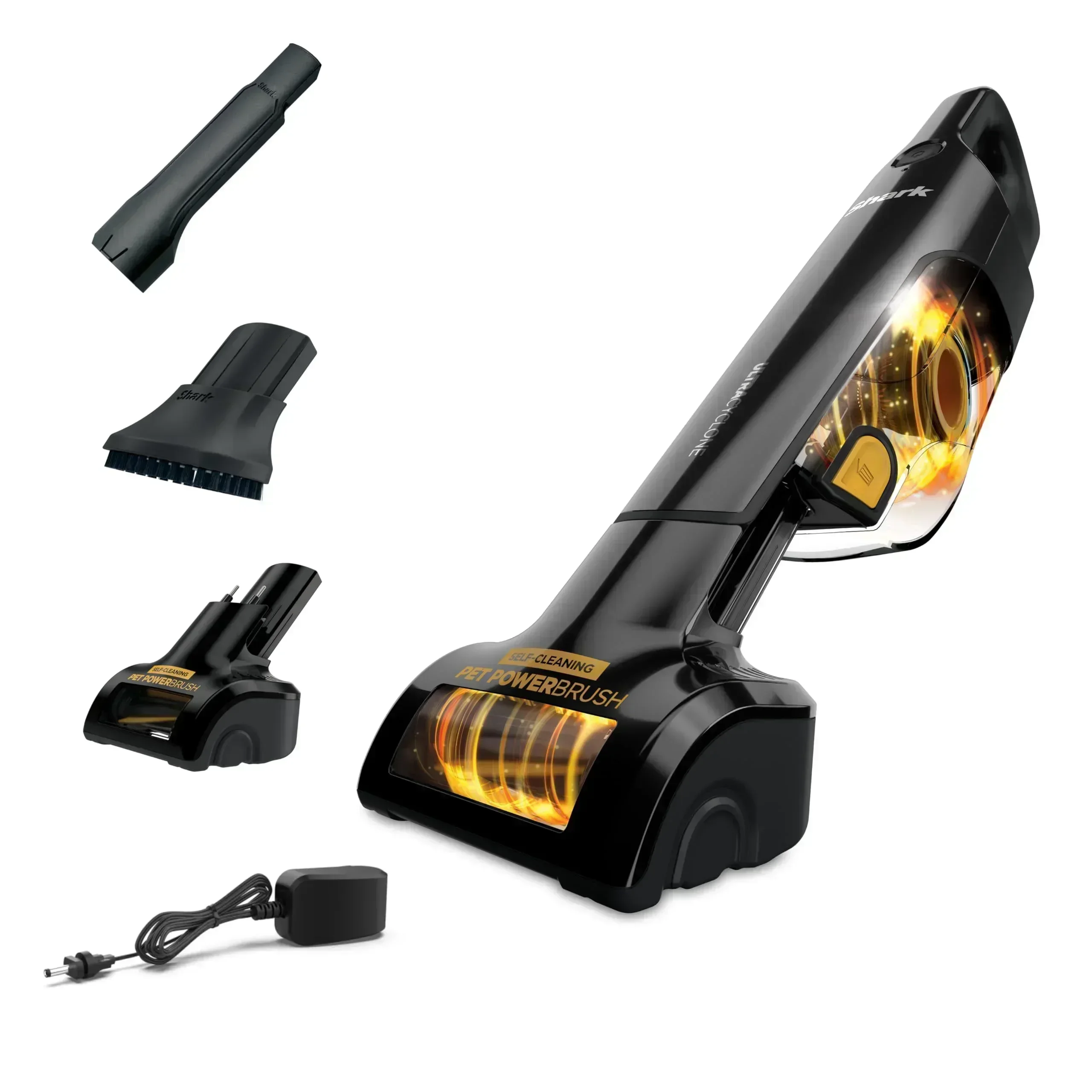
Why Most Car Vacuums Lose to Pet Hair
I do all my own work in the garage because I won't pay shop rates, and I've bought the $19 car vacuum. Twice. The second one was tuition. Pet hair doesn't care about a suction rating printed in a font that big — woven seat fabric grabs fur and holds it, and raw suction just slides over the top while the hair stays exactly where the dog left it.
The thing that actually lifts embedded fur is a motorized brushroll — a spinning brush that agitates the weave so the suction has something to grab. Cheap handhelds skip it to hit a price, then quietly admit they were never alive. That's the whole reason most car vacuums lose to a shedding dog: they're built to pick up crumbs, and fur is a different sport.
So the real split isn't cordless-versus-corded or expensive-versus-cheap. It's brushroll versus no brushroll, and almost everything else — runtime, filter, the bin you have to empty — follows from getting that one decision right. Spend on the brush, and the rest is negotiable.
How I'd Choose One for a Dog and Cloth Seats
If you've got a shedding dog and cloth seats — the hardest combination there is — I'd pick on these criteria in this order, because spending on the wrong one is exactly how the budget gets wasted.
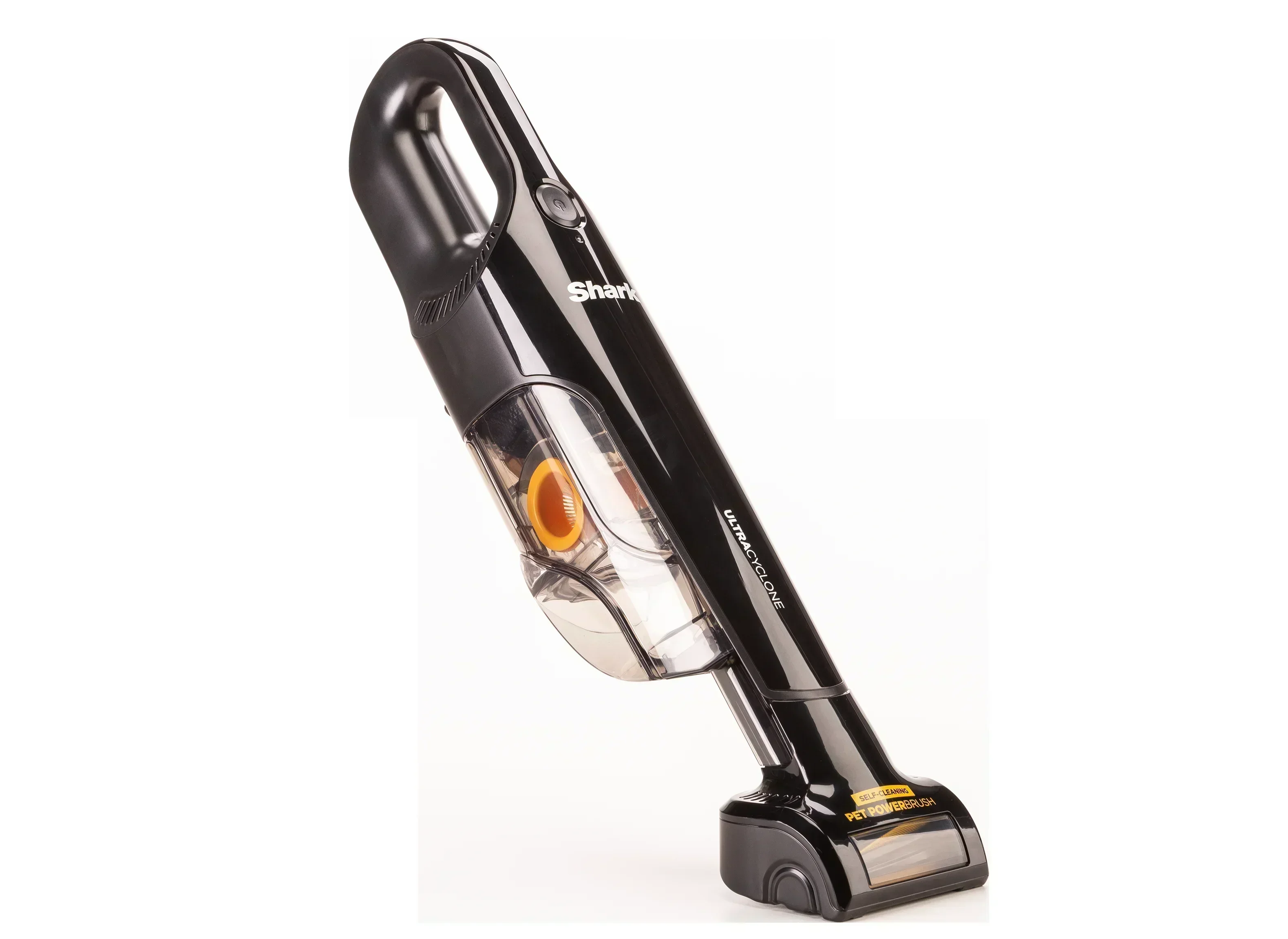
Brushroll, first and non-negotiable. The Shark UltraCyclone's motorized pet tool is the reason it clears woven fabric that the others polish. Suction sealing second: a vacuum that leaks air at the seams wastes half its motor, and owners consistently report the cheap ones lose pull within a season. Filter type third: fur clogs a thin foam filter fast, and a washable filter you can actually rinse is the difference between a vacuum that lasts and a $30 disappointment.
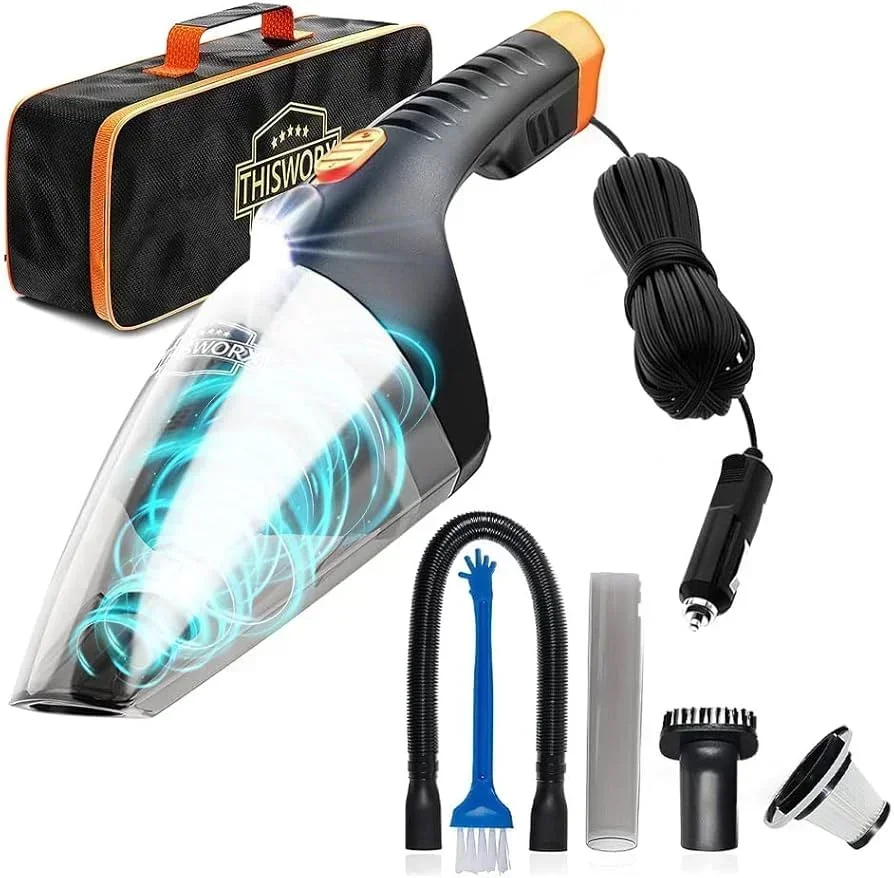
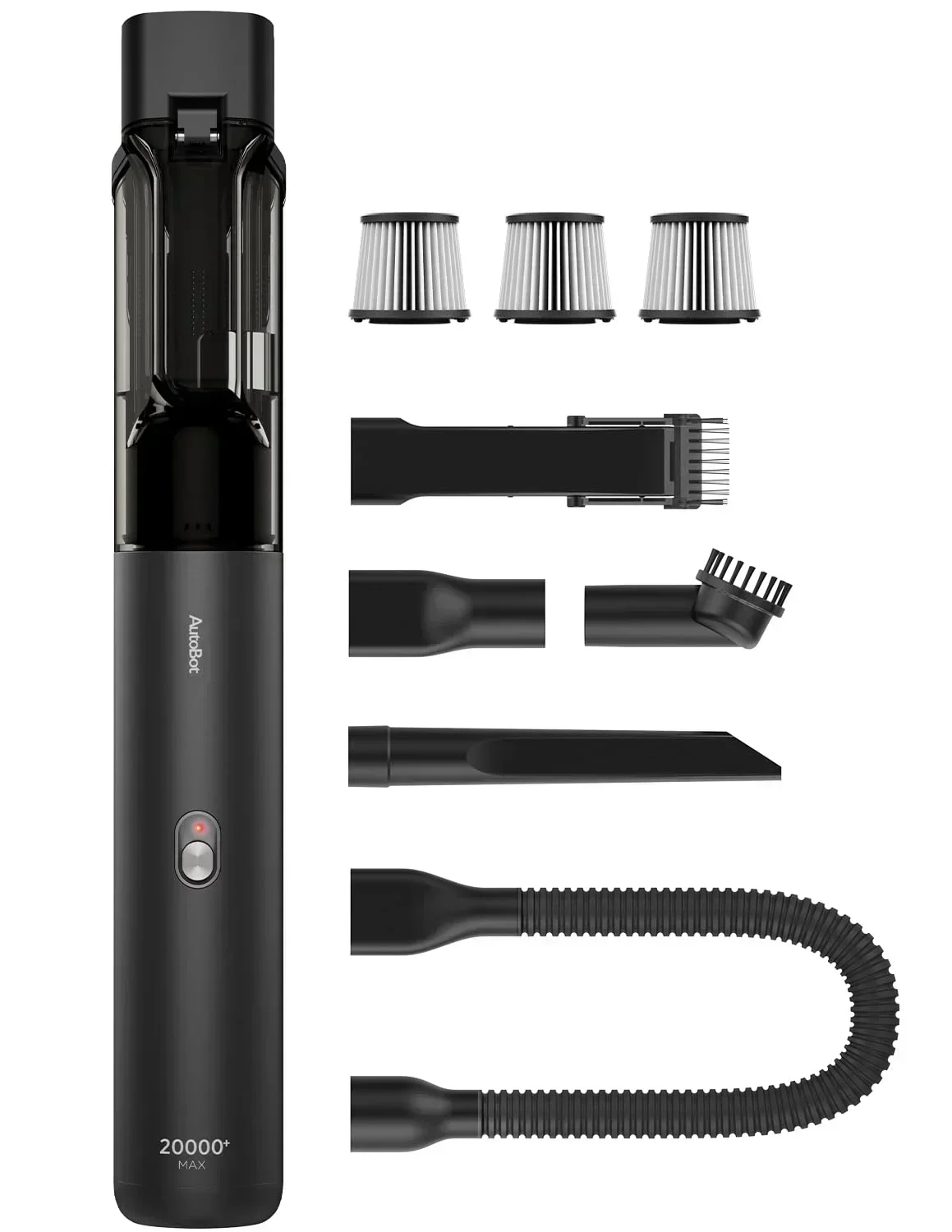
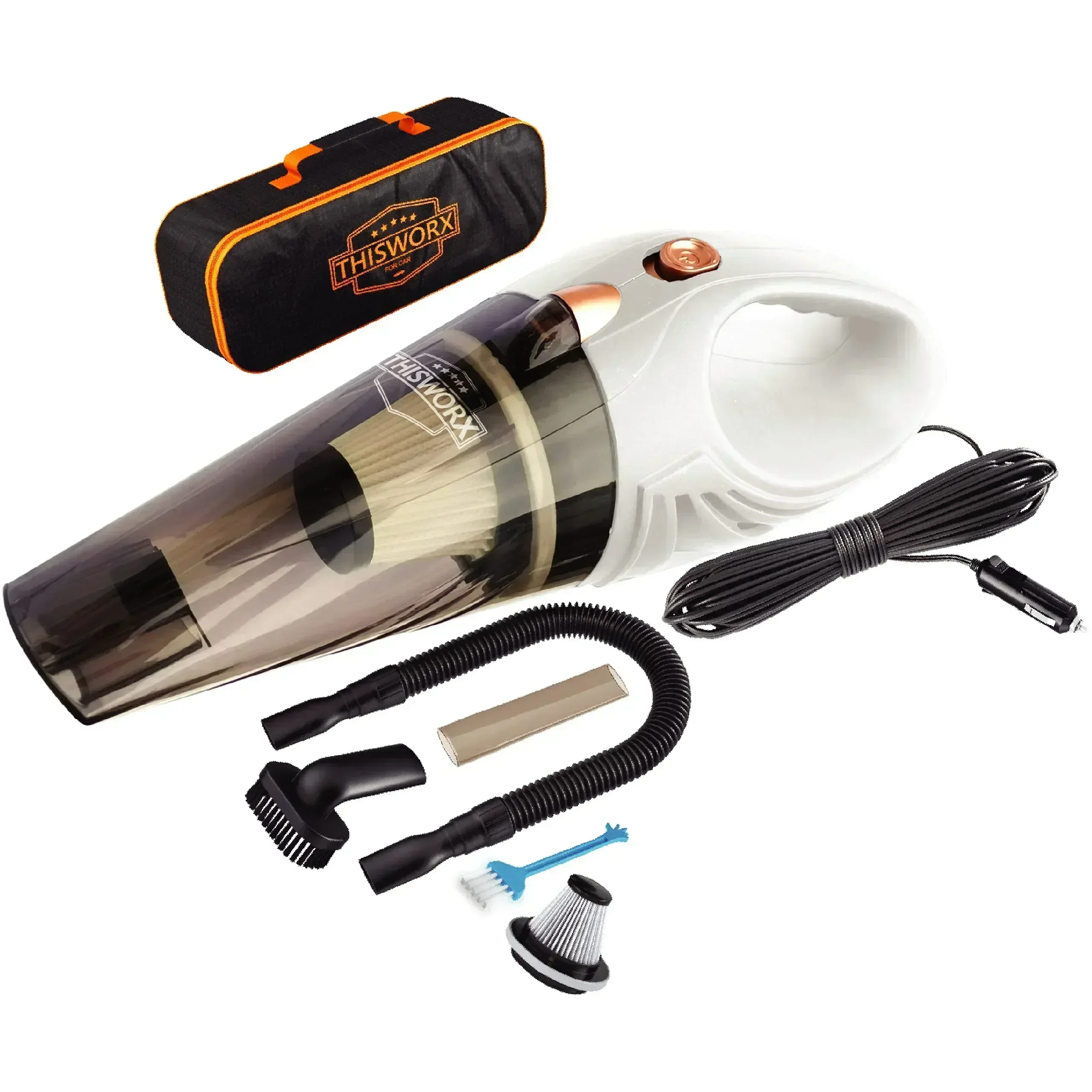
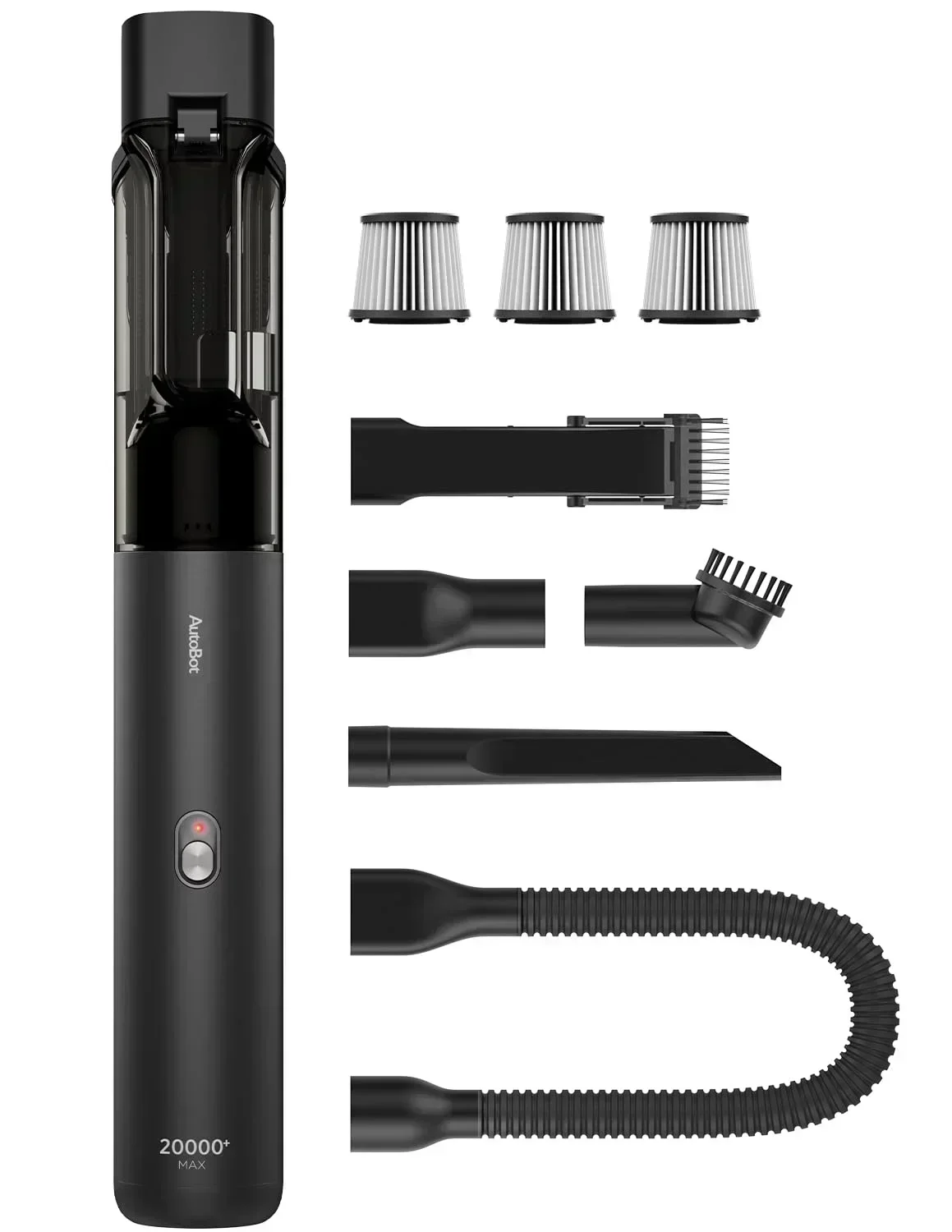
Power source last, because it's the one people pick first and regret: the corded THISWORX never dies mid-job but tethers you to the 12-volt outlet; the AutoBot Cordless goes where you point it until the battery taps out.
Get those four in that order and the choice makes itself. Get them backwards — buy on cordless convenience and a big suction number — and you've bought the vacuum I bought twice.
Owners who rank brushroll first almost never write the angry review.
How Long These Actually Last
A car vacuum lives a hard life — dropped, jammed with grit, stored in a hot trunk — and the parts that wear out first tell you where to spend. The motor and the filter decide the lifespan, and on pet-hair duty the filter is usually what kills it: fur packs a thin filter into a felt mat, airflow drops, and the motor works harder to do less until it gives up.
The manufacturer-rated washable filters on the better units are the quiet reason they outlast the bargain handhelds — owners say a filter you can rinse and dry buys years, while a sealed foam filter buys a season. The brushroll bearing is the other wear point; on the Shark, owners report it survives the abuse that cracks the plastic gears in the cheaper pet tools.
Heat finishes off the rest. A vacuum cooked in a summer trunk loses battery health if it's cordless and warps plastic latches either way. Store it in the cabin, rinse the filter monthly, and clear the brushroll of wound-up hair, and a $55 vacuum outlives three $19 ones. Which is the entire point.
There's a second wear point nobody mentions until it bites: the on-off switch and the bin latch. They're the cheapest parts in the tool and the ones your hands touch most, and on the bargain units they're the first to crack — a $30 vacuum with a snapped latch is a dustpan with a motor. Owners report the better-built units use a metal-reinforced latch and a switch rated for real cycles, which is the unglamorous reason they're still running when the cheap one is in the bin it used to empty.
When you're comparing two vacuums on paper, work the latch and the switch in your head: the spec sheet won't list them, but they decide more of the lifespan than the suction number ever will. The same goes for the hose and the attachments on a handheld: a cracked nozzle clip or a hose that won't stay seated turns a working motor into a tool you fight, and those are the parts the cost-cutting hits first.
What Your Money Buys at Each Price Tier
Car vacuums split into three honest price tiers, and knowing which one you're in saves you from both overspending and the false economy that costs more in the end.
Under $30 (the THISWORX bracket): a corded 12-volt handheld, decent for crumbs and dust, no real brushroll. For a car without pets it's genuinely enough; for a shedding dog it's the tuition I already paid. $40 to $70 (the Shark UltraCyclone sweet spot): this is where the motorized pet brushroll shows up, and it's the only tier I'd recommend for cloth seats and fur. $80 and up (the cordless premium, where the AutoBot lives): you're paying for portability and battery, not more cleaning power — worth it if a cord genuinely can't reach, a waste if you're just chasing a spec.
The math isn't a mystery; it's just inconvenient. Spend $25 three times or $55 once. The middle tier exists precisely so you can stop rebuying the bottom one, and for pet hair on cloth it's the only tier that actually does the job.
The Real Jobs It Handles Around the Car
Pet hair hides in three places a car vacuum has to reach, and matching the tool to the spot is most of the battle. Woven seat fabric traps fur that only a motorized brushroll lifts — this is the job the Shark is built for and the one the cheap handhelds fail. Without the brush you're just rearranging the hair into a slightly different pattern.
The crevices between seat and console are the second spot, and here a strong nozzle and a skinny crevice tool beat brute suction; owners say the THISWORX's long cord and slim nozzle earn their keep in exactly these gaps. The third is the carpet and floor mats, where grit lives alongside the fur and a sealed bin you can empty without wearing it matters more than any rated airflow number.
The AutoBot Cordless is the one I reach for when the job is a quick between-washes touch-up and dragging a cord is the only thing standing between me and doing it at all.
The honest truth about car vacuuming is that the best tool is the one you'll actually pick up, and convenience is why the cordless gets used and the corded one stays in the trunk.
The Five-Minute Care That Doubles Its Life
The cheapest way to make any car vacuum last is the maintenance nobody does, and for pet-hair duty it isn't optional — fur is brutal on the moving parts. The routine is short, and skipping it is how a perfectly good vacuum turns into a weak one in a single season.
First, clear the brushroll. Wound-up hair chokes the bearing and stalls the motor, and thirty seconds with the bristle cleaner most units include — or a pair of scissors — restores the pull people assume they lost forever. Second, rinse the washable filter and let it dry completely; owners who run a damp filter are the ones writing the review about lost suction. A wet filter doesn't filter. It just sits there being optimistic.
Third, empty the bin before it's full, not after — a packed bin kills airflow long before it's visibly stuffed. Five minutes a month, and the Shark's washable filter and clearable brushroll mean it'll outlast the car. Skip it, and you've built your own false economy out of a vacuum that was perfectly capable of lasting.
The Lineup, Vacuum by Vacuum
I won't pretend I've owned all three for years — but I've chased dog hair with enough of their kind to know which claims survive the cloth-seat test. Here's the value-engineer's read on each, owner reports and price tags included.
Owners consistently report the Shark UltraCyclone is the one that actually clears woven fabric, and they credit the motorized pet brushroll — the feature the bargain handhelds skip to hit a price. Buyers say the washable filter rinses clean and re-seats without losing suction, and reviewer consensus across buyer reviews points to the brushroll bearing surviving the abuse that cracks the plastic gears in cheaper pet tools. It's the cheapest vacuum that does the job, which is the only kind of 'premium' I pay for.
Owners consistently report the THISWORX corded handheld is honest value for a pet-free car — buyers credit the long 16-foot cord and the slim nozzle for reaching the seat-console gaps that defeat bulkier units. The manufacturer-rated 12-volt motor means it never dies mid-job, with the tether to the outlet as the trade. It's the one I'd hand someone fighting crumbs and dust, and the exact one I'd warn off a shedding lab — no brushroll, no chance against embedded fur.
Owners consistently report the AutoBot Cordless gets used precisely because it's cordless — the between-washes touch-up gets done when dragging a cord is the only thing standing between you and doing it. Buyers note the manufacturer-rated battery is sized for quick jobs, not a deep clean, and reviewer consensus credits the portability while flagging runtime as the ceiling. Three honest tools at three honest jobs: the Shark for fur, the THISWORX for crumbs on a cord, the AutoBot for the quick reach a cord would talk you out of.
The Jobs a Car Vacuum Handles Outside the Cabin
A car vacuum that earns its spot does more than the seats, and a little versatility is how a $55 tool quietly justifies itself over a year. The trunk and cargo liner collect the same fur plus the grit that rides in on shoes and paws, and a sealed bin you can empty without wearing it matters more here than any airflow number on the box.
Floor mats are the second job, and they're where a brushroll and a firm nozzle beat raw suction every time — pressed-in grit laughs at a handheld that just hovers. Owners say the Shark's pet tool pulls double duty here, lifting the sand a weak vacuum polishes around. The garage bench is the third, unglamorous one: the same tool clears sawdust, the drill-bit tray, and the gap under the workbench where small parts go to retire.
Stretch a little further and a decent car vacuum handles the entryway, the pet bed, and the stairs the upright won't corner on. None of that is the headline use, but it's the reason the tool stays within reach instead of in a closet — and a tool within reach is a tool that gets used, which is the whole game.
The cheap handheld that can't do any of it isn't a bargain; it's a single-use gadget you'll replace before the year's out.
What I Wish I'd Known Before the First One
If I could hand my younger, cheaper self one note before he bought that first $19 vacuum, it'd be this: the suction number on the box is the least useful spec in the building. Pet hair is a mechanical problem, not a suction problem — without a brushroll to agitate the weave, all the airflow in the world just slides over the top while the fur stays put. Buy the brush first; everything else is negotiable.
The second note is about the filter, because that's what actually kills these. A thin foam filter packs into a felt mat of fur in a season, airflow drops, and the motor works harder to do less until it quits — and the owner blames the motor. A washable filter you can rinse buys years; reviewer consensus is clear that it's the single best predictor of which vacuum is still working next summer. The third note is the false economy itself: $25 three times is $75 and three trips to the store, against $55 once. The math was never hard. It was just inconvenient to admit while a cheaper price tag was looking at me.
Last one: convenience decides everything you didn't plan for. The best vacuum is the one you'll actually pick up, which is why the cordless gets used for the quick jobs and the corded workhorse handles the deep clean. Match the tool to the job and the habit, not to the spec sheet, and you'll buy one vacuum that lasts instead of funding the bargain bin one regret at a time.
Where I'd Put the Money
After all the math, my pick for pet hair on cloth seats is the Shark UltraCyclone, and the reasoning is pure value engineering. It sits in the $40-to-$70 sweet spot, it has the one feature that actually matters — a motorized pet brushroll — and owners consistently report the washable filter and the brushroll bearing outlast the bargain handhelds. It is the cheapest vacuum that does the job, which is exactly how I like to spend money.
If your car is pet-free and you mostly fight crumbs and dust, save the cash: the corded THISWORX is honest value under $30, with a long cord and a slim nozzle that owners credit for the between-seat gaps. There's no shame in the cheap one when the cheap one is enough — the mistake is buying it for a job it was never built to do.
The AutoBot Cordless is the pick if a cord genuinely can't reach your cleaning spot, or if cordless is the only way you'll actually use it. Just know you're paying for the convenience, not extra cleaning power. Spend where the work is — the brush for fur, the cord for crumbs, the battery only if it changes whether you bother. That's the whole guide.
The complete lineup also includes THISWORX Car Vacuum ($18.99) — each compared on the same specs and reviewer consensus.