How This Battery-Life Ranking Was Put Together
As an Amazon Associate I earn from qualifying purchases.
The battery number that matters on an action camera is not the headline mAh figure on the box. It is the rated runtime at the resolution you actually shoot, how fast the camera recharges between clips, and how much endurance it loses when the temperature drops. This guide compares four current top models on exactly those points, based on published manufacturer specs and named published reviews rather than first-hand testing.
Every runtime figure below is the manufacturer-rated number or a figure attributed to a named publication, so you can see where the claim comes from. We ranked the four on rated endurance at 4K, charge time, the realistic cold-weather drop reviewers report, and whether you can keep shooting on a spare battery or external USB-C power. The picks span a 349-dollar flagship down to a 150-dollar budget pick, so there is a sensible answer whether you film all-day road trips or short clips.
If you want the background on how chemistry and resolution interact, our companion explainer on action camera battery life covers why a 4K/60 clip drains a pack roughly twice as fast as 1080p/30 on the same hardware.
The Five Battery Specs That Actually Decide It
Manufacturers quote battery life in whichever mode flatters the number, so compare like for like. These are the five specs worth reading off the published spec sheet before you buy:
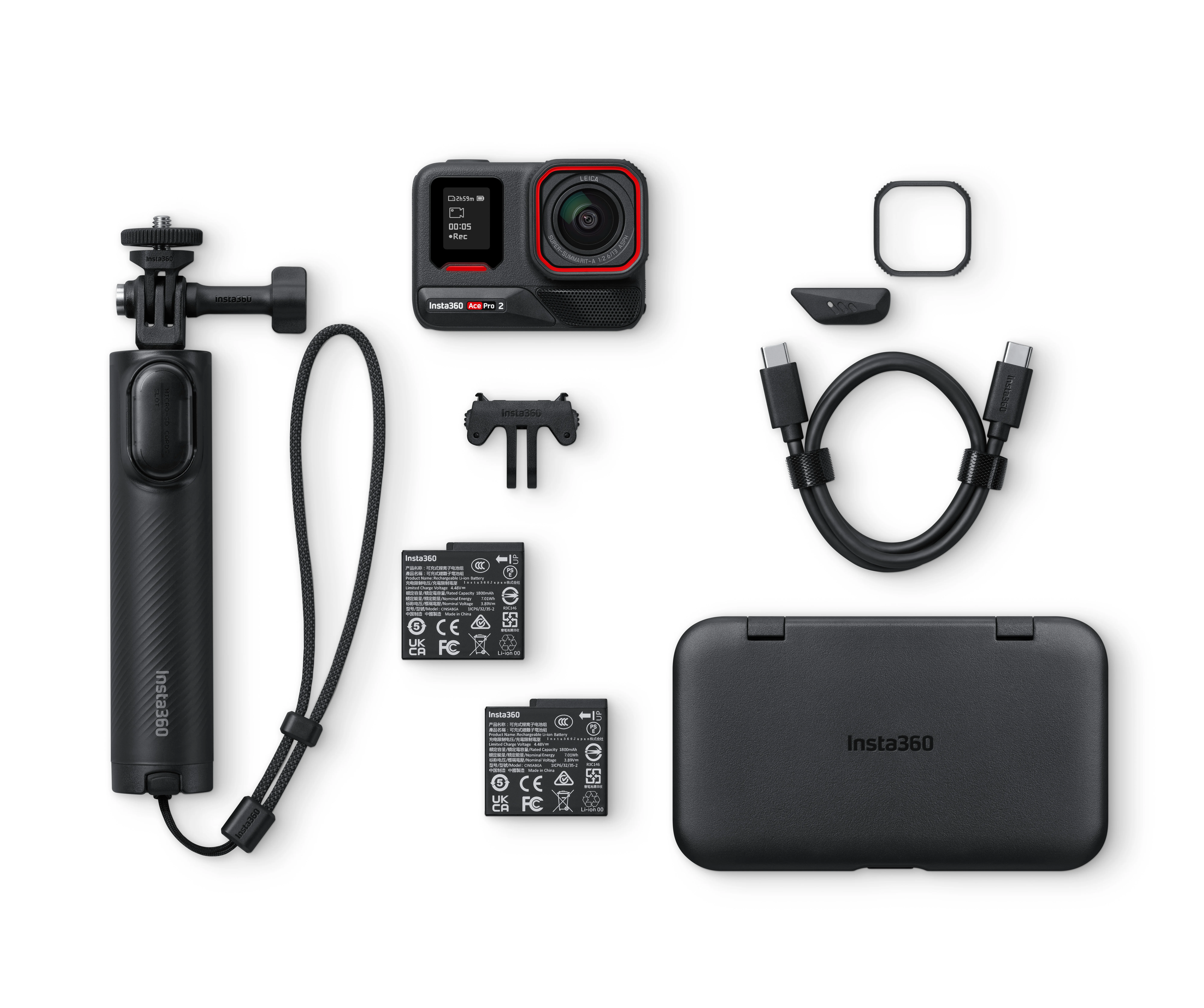
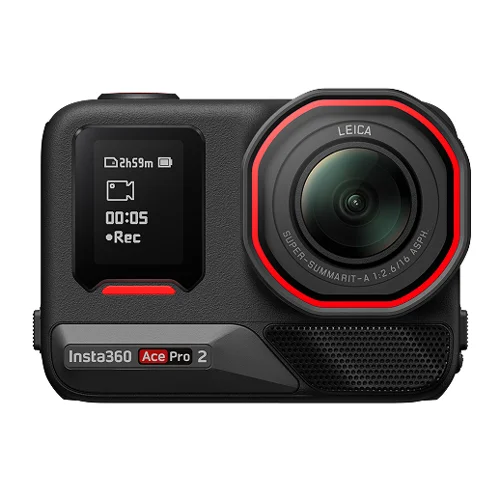
- Battery capacity (mAh). The DJI Osmo Action 5 Pro ships a 1,950 mAh pack, the largest of this group per DJI's published spec; the GoPro HERO13 Black uses a 1,900 mAh Enduro cell, and the Insta360 Ace Pro 2 a 1,800 mAh battery, all per their manufacturer spec sheets.
- Rated runtime at 4K/30 vs 1080p. Capacity only matters relative to draw. DJI rates the Action 5 Pro at up to 240 minutes in its power-saving 1080p/24 mode, far longer than its 4K figure — always check which mode the headline number describes.
- Charge time. Fast USB-C charging is what turns one battery into all-day coverage. DJI rates the Action 5 Pro to roughly 80 percent in about 20 minutes per its spec sheet.
- Cold-weather drop. Lithium cells lose capacity in the cold; reviewers and owner reports consistently note meaningful runtime loss below freezing across every model here.
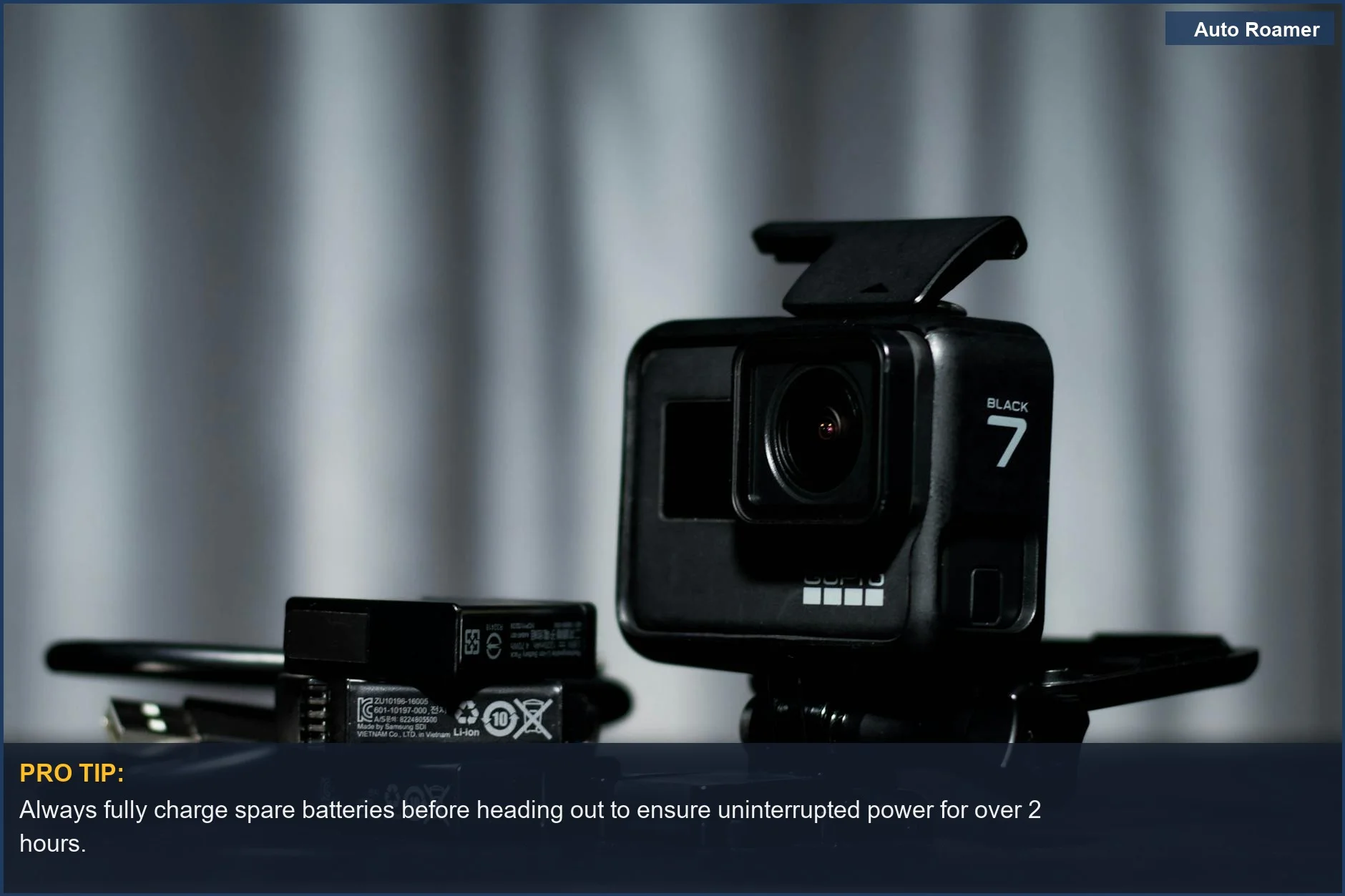
- Spares and external power. A removable battery and the ability to record while charging over USB-C matter more for endurance than any single rated figure. A second battery or a small power bank turns any of these cameras into an all-day shooter regardless of the rated number.
Read those five together rather than fixating on the biggest mAh figure. A camera with a smaller cell but faster charging and a bundled spare can out-last a bigger battery you can never top up, which is exactly why the budget pick below stays competitive on real-world endurance.
With those five in mind, here is how the four cameras compare, starting with the rated endurance leader, the DJI Osmo Action 5 Pro.
DJI Osmo Action 5 Pro: The Rated Endurance Leader
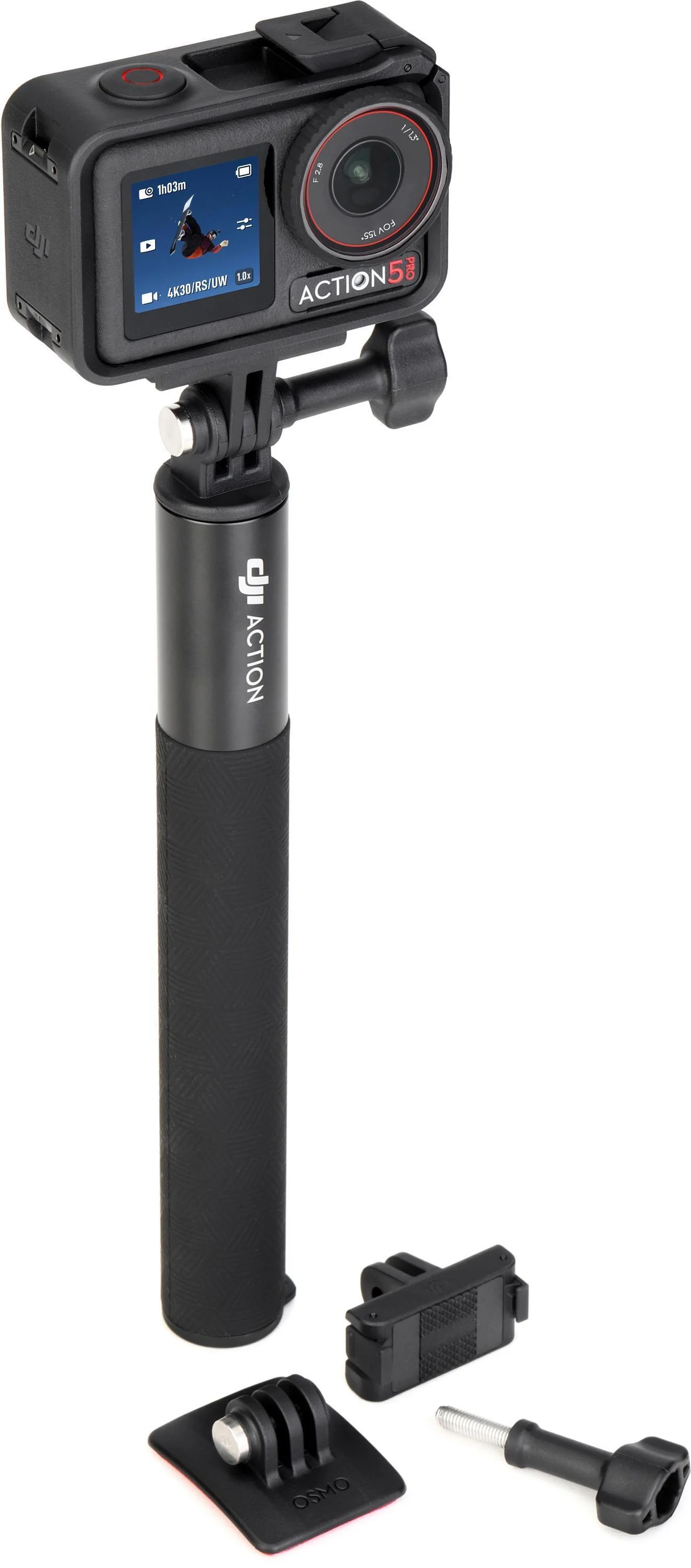
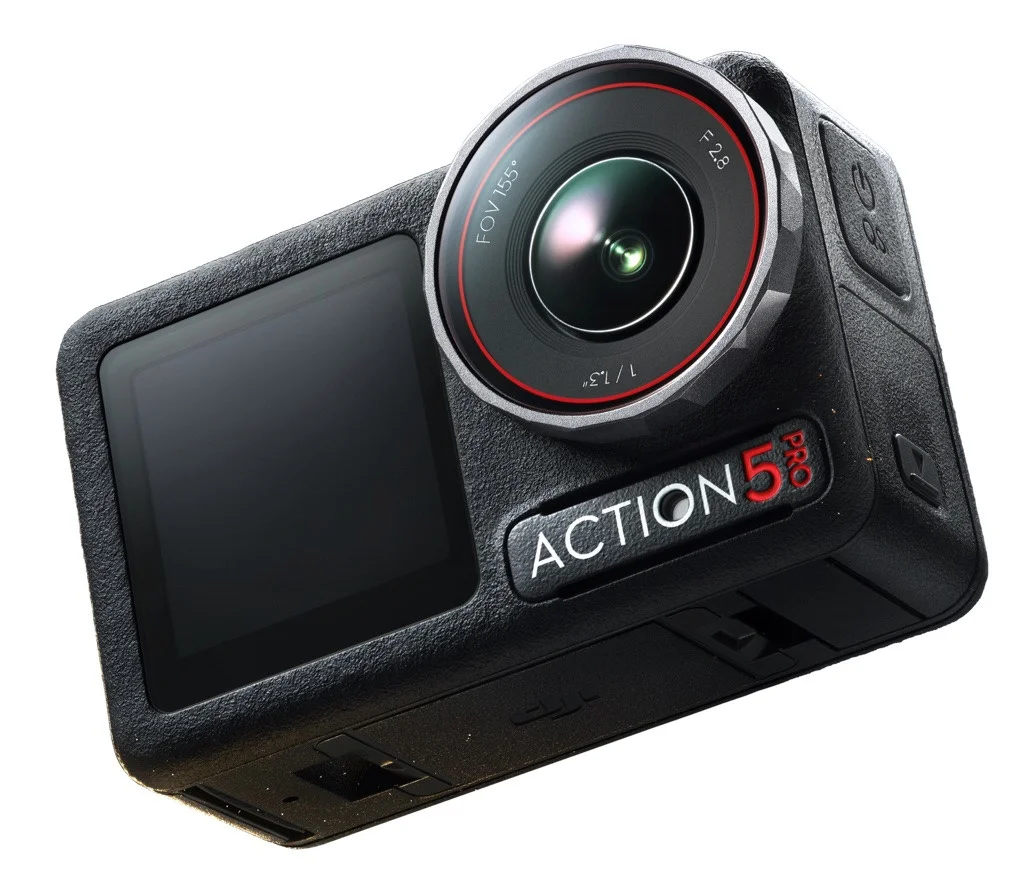
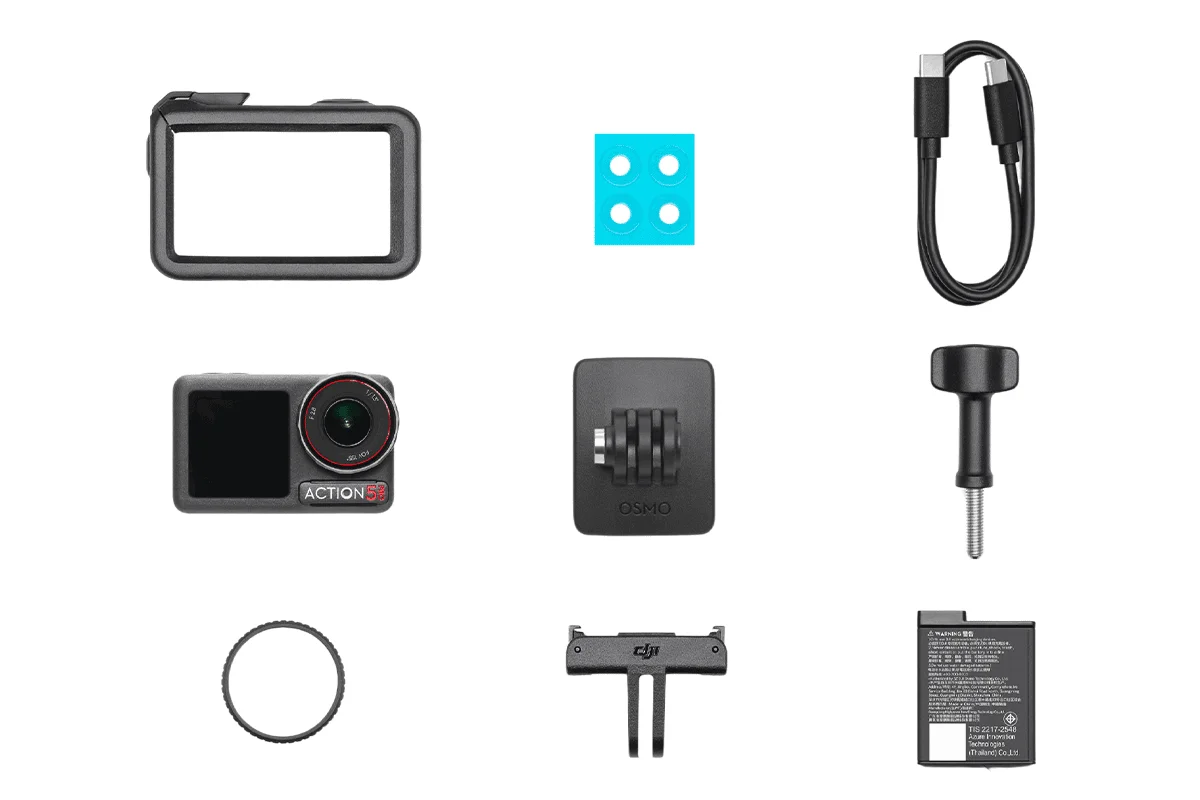
The DJI Osmo Action 5 Pro is the pick for longest battery life because it pairs the biggest cell in this group, a manufacturer-rated 1,950 mAh, with the most aggressive power-saving modes. DJI rates it for up to 240 minutes of recording in 1080p/24 and markets it on endurance, and PCMag describes its battery life as class-leading among action cameras while noting it resists the overheating shutdowns that cut other cameras short on long clips.
For a road trip where you want the camera rolling through a whole scenic drive, that combination of a large rated capacity, roughly 20-minute fast charging per DJI's spec, and a swappable battery is the reason it tops this list. Charge time is the underrated half of endurance: a camera that refills to 80 percent in a 20-minute coffee stop effectively gives you two long sessions out of one battery, which is why DJI's rated charging figure matters as much as the headline capacity. At around 349 dollars it is also the cheapest of the three flagships.
The honest caveats are worth stating plainly. The 240-minute rated figure is a 1080p/24 power-saving number, not a 4K spec, so expect meaningfully less when you shoot in 4K, and like every lithium-cell camera here it will shed runtime in the cold. The trade-off is also DJI's ecosystem rather than GoPro's deeper mount catalogue. But for pure rated endurance per the published spec, the Osmo Action 5 Pro is the one to beat.
GoPro HERO13 Black and Insta360 Ace Pro 2: Ecosystem vs Image
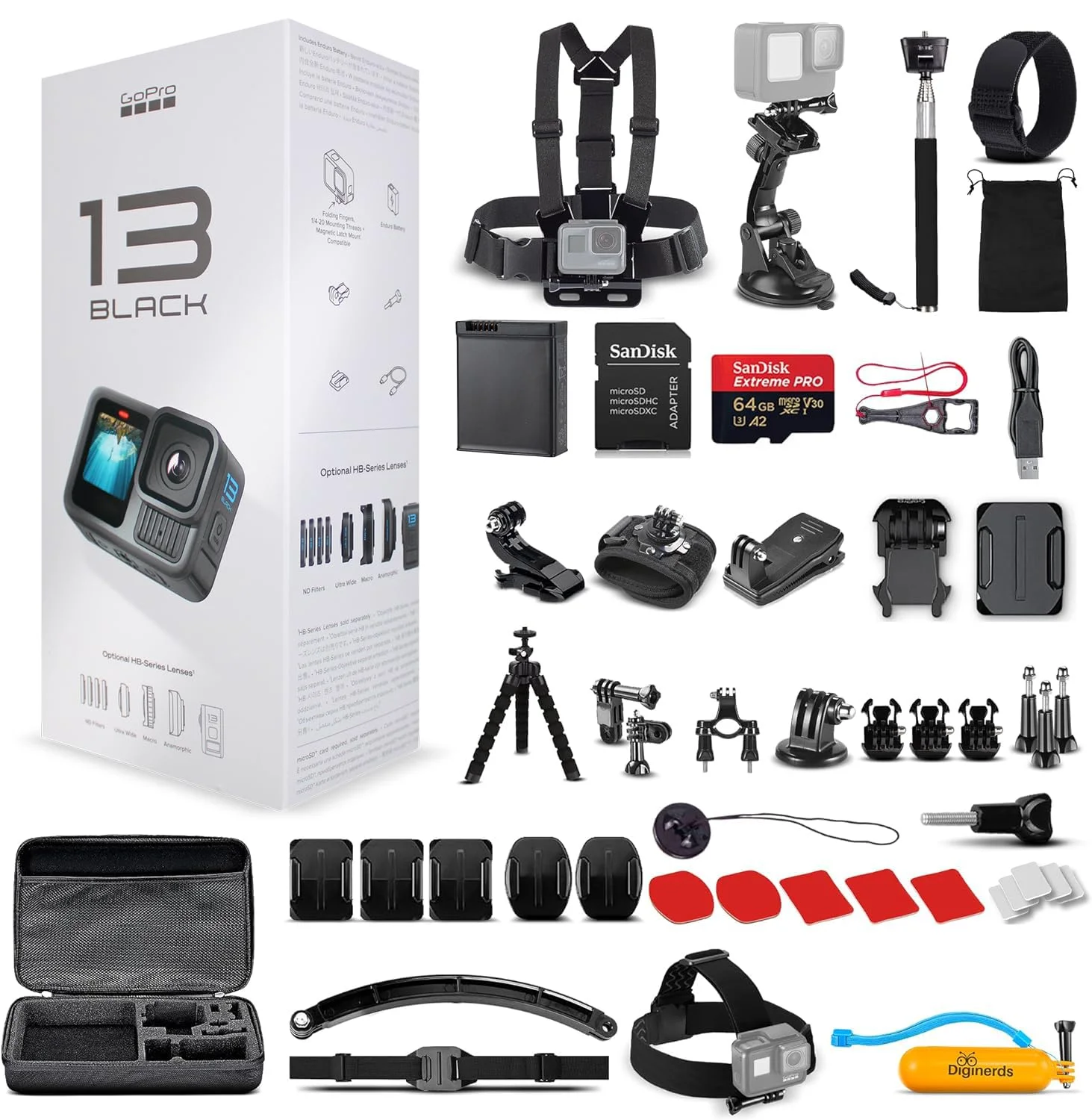
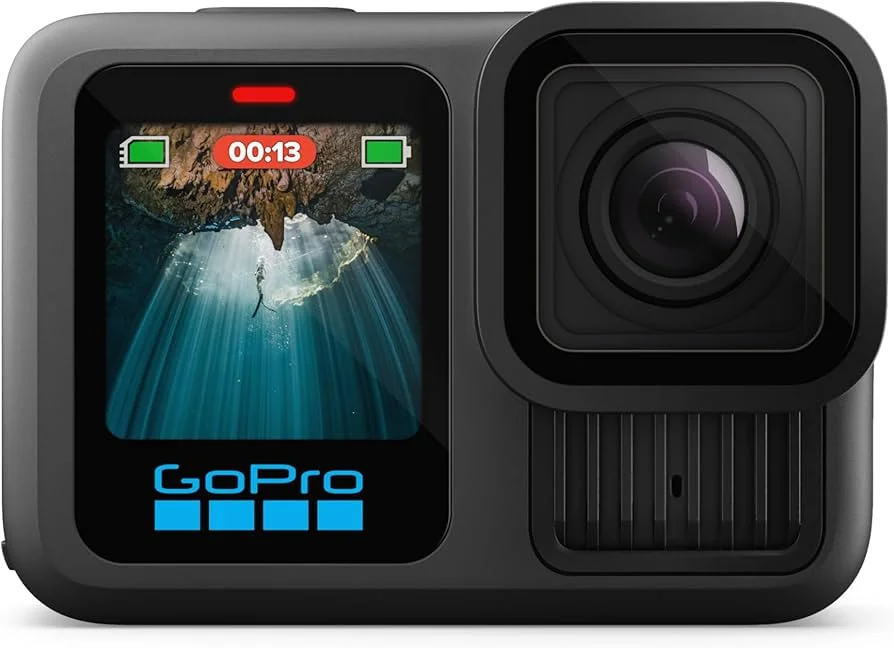
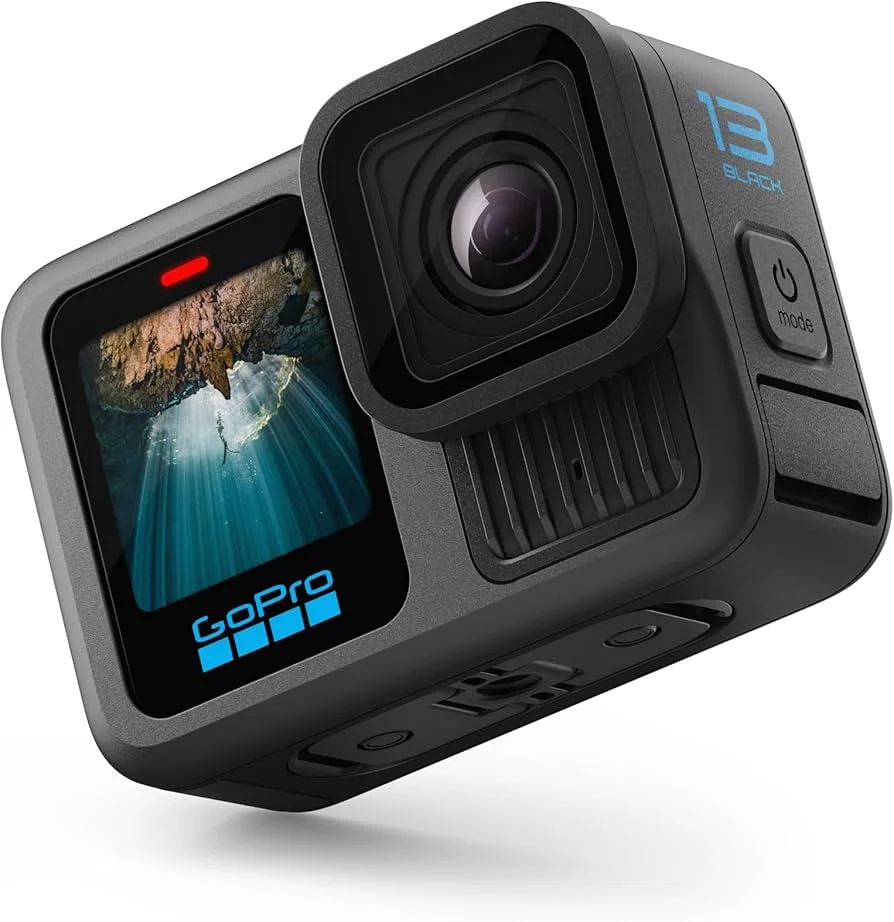
If you are already invested in GoPro mounts and the Quik app, the GoPro HERO13 Black is the sensible endurance pick. It carries a 1,900 mAh Enduro battery, and GoPro rates it for up to 79 minutes of continuous recording at 5.3K/60 — a figure Wirecutter reports as roughly a 13 percent gain over the prior generation thanks to the larger cell. That is shorter than DJI's rated headline, but it buys you GoPro's stabilization and the widest mount ecosystem on the market.
The honest read: the HERO13 Black wins on accessories and image polish, the Osmo Action 5 Pro wins on rated runtime. Pick the one whose strength matches how you shoot.
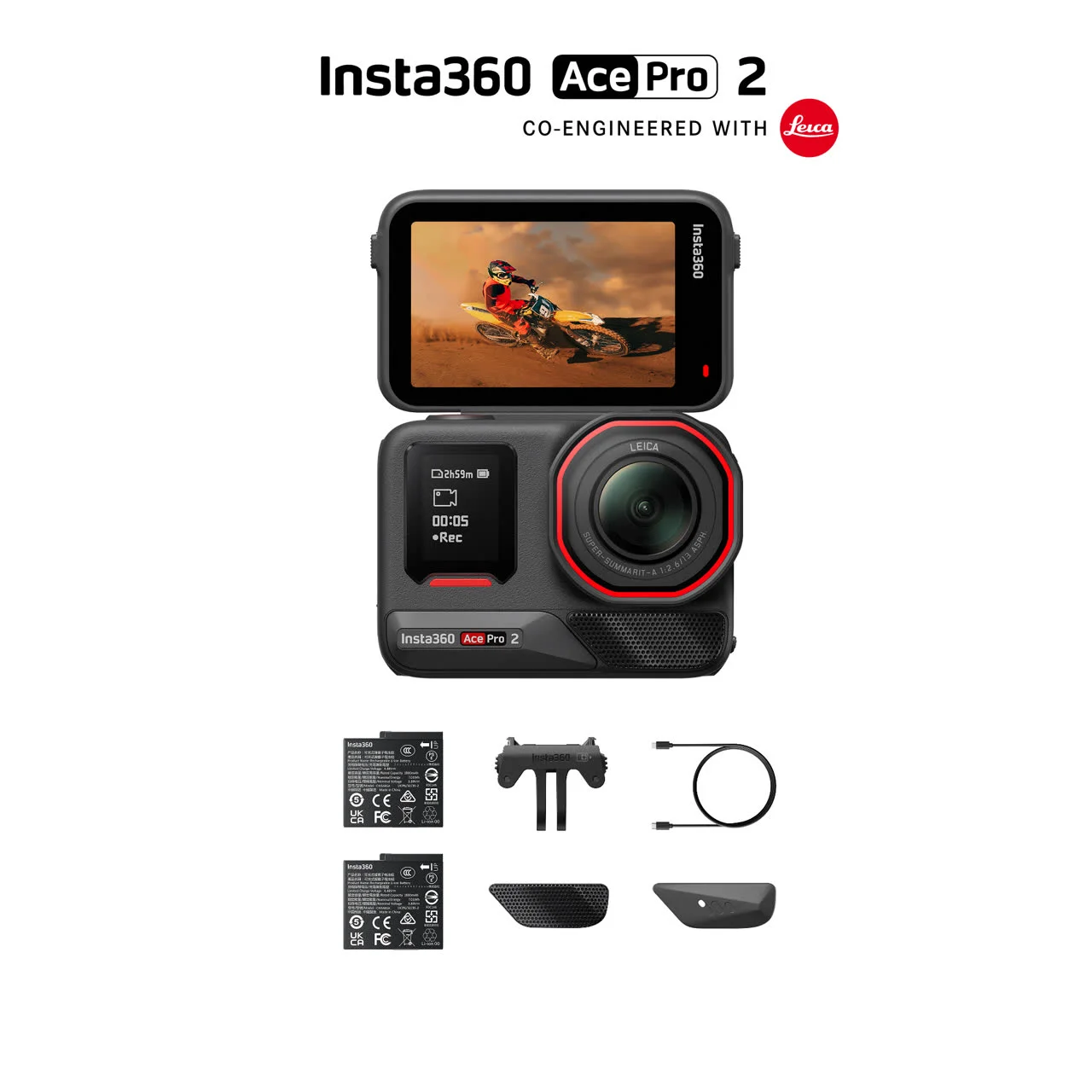
The Insta360 Ace Pro 2 splits the difference. WIRED highlights its strong battery life alongside a co-engineered Leica sensor and a flip-up screen, and Insta360's spec sheet rates it around 100-plus minutes in efficient modes. If low-light image quality matters as much as endurance to you, the Ace Pro 2 is the most balanced of the flagships.
AKASO Brave 8: The Budget Endurance Pick
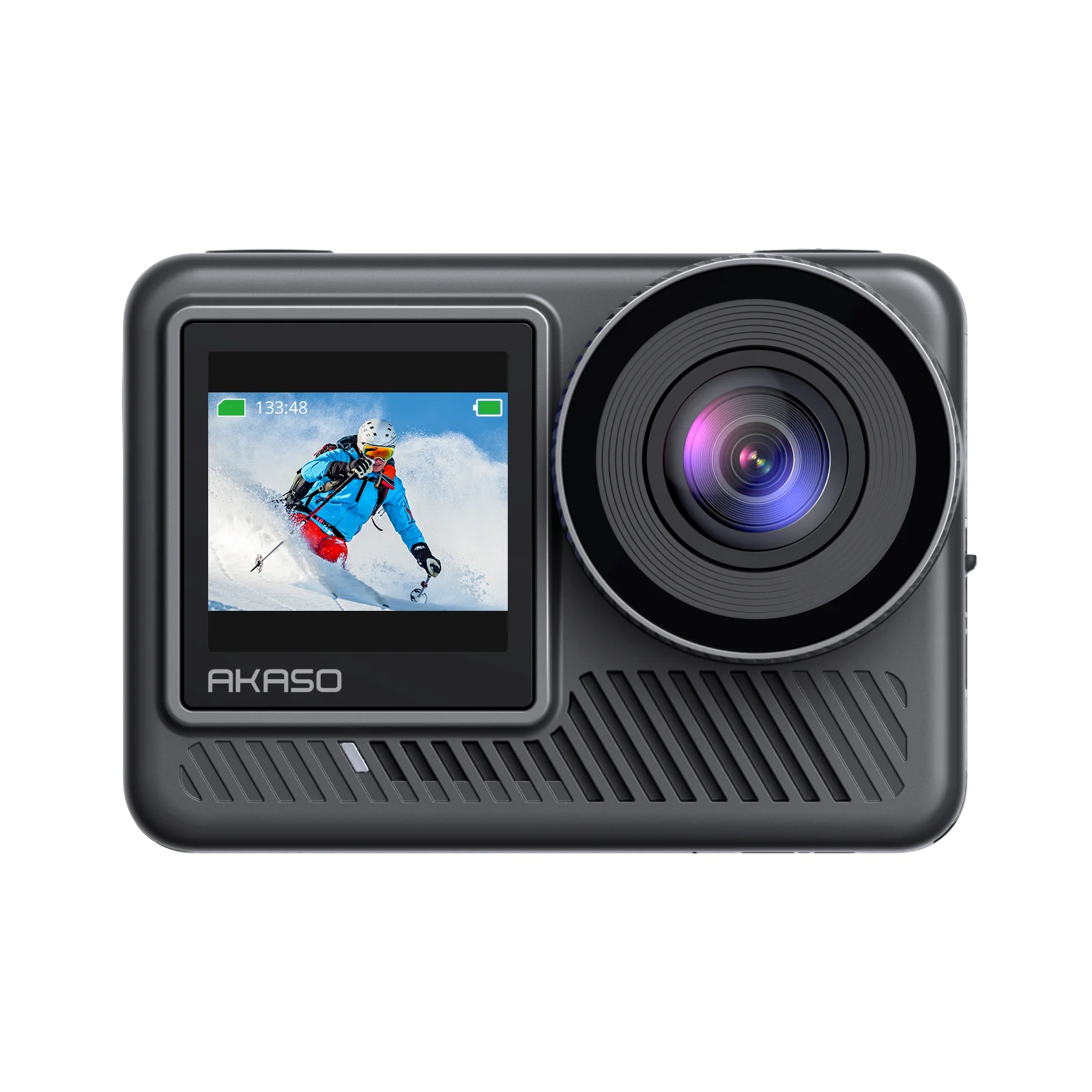
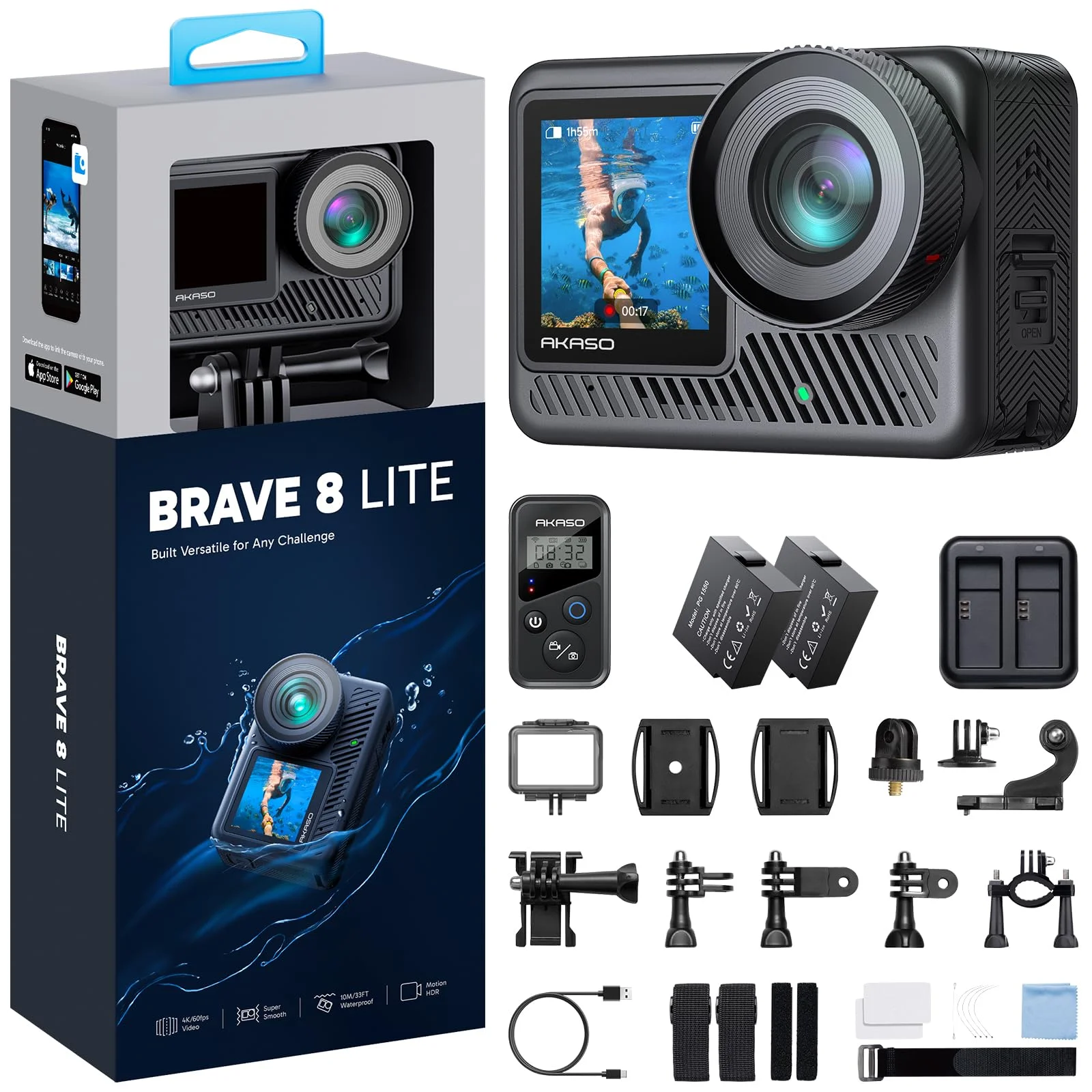
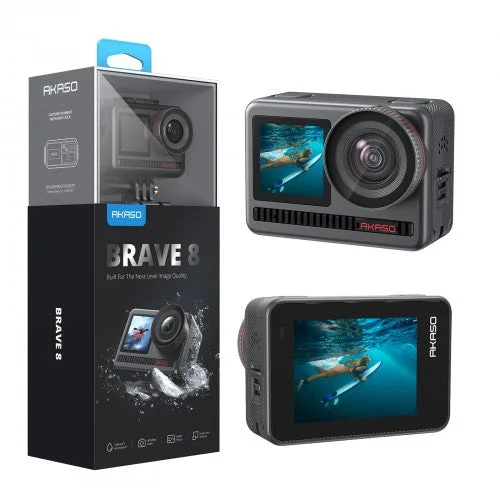
At about 150 dollars the AKASO Brave 8 is the value answer, and its endurance trick is in the box: it ships with two removable 1,550 mAh batteries. AKASO's published spec rates the pair for roughly 150 minutes of combined recording, so a fast swap gets you most of a flagship's all-day coverage for under half the price.
Tom's Guide notes that budget action cameras in this class deliver decent 4K footage and good battery life with the expected trade-offs in stabilization and low-light performance. The two-battery approach is genuinely the smart way to buy endurance cheaply: instead of paying a premium for one larger cell, you carry a second and swap it in seconds, which also sidesteps the cold-weather problem because the spare can ride warm in a pocket until you need it.
If you shoot mostly in good light and want spare-battery endurance without spending flagship money, the Brave 8 is the practical choice. If image quality in tough conditions, top-tier stabilization, or a deep accessory ecosystem matters to you, step up to one of the three flagships above; the gap shows up in low light and on rough mounts, not in raw recording time.
Who Each Camera Is For, and the Verdict
Matching the camera to how you actually shoot matters more than chasing the single highest rated number. Here is the short version of who each pick suits:
- Longest rated endurance, best value flagship: the DJI Osmo Action 5 Pro — biggest rated capacity, fast charging, class-leading endurance per PCMag.
- Deep mount ecosystem and polish: the GoPro HERO13 Black — shorter rated runtime, unmatched accessories and stabilization.
- Best balance of battery and image: the Insta360 Ace Pro 2 — strong endurance plus a Leica-tuned sensor.
- Budget endurance: the AKASO Brave 8 — two batteries in the box for about a third of the flagship price.
For the longest battery life specifically, the DJI Osmo Action 5 Pro is the pick: it carries the largest manufacturer-rated cell here, charges fast over USB-C, and is the cheapest flagship of the three. Whichever you choose, a spare battery and a USB-C power bank do more for real-world endurance than any spec on the box — see our guide to external power for car cameras for the pack that keeps the camera rolling past a single charge.