
Best 12v Car Camping Stove
Forget those fancy propane grills that take up half your trunk. When I'm talking about a 12V car camping stove, I'm talking about running it off your vehicle's electrical system, or a portable power station. We're looking at low-amperage draws, minimal thermal cycling on your vehicle's wiring, and avoiding the hassle of lugging around separate fuel canisters.
Forget those fancy propane grills that take up half your trunk. When I'm talking about a 12V car camping stove, I'm talking about running it off your vehicle's electrical system, or a portable power station. We're looking at low-amperage draws, minimal thermal cycling on your vehicle's wiring, and avoiding the hassle of lugging around separate fuel canisters.
CleverHiker points out that the best stove is the one that fits your style, and for me, that's minimal fuss.
Most folks think 'stove' and picture a roaring flame. For 12V, think 'heater' or 'slow cooker.' The physics of heating elements means you're not going to get 20,000 BTUs from a 12V socket without melting some insulation or blowing a 30A fuse every five minutes.
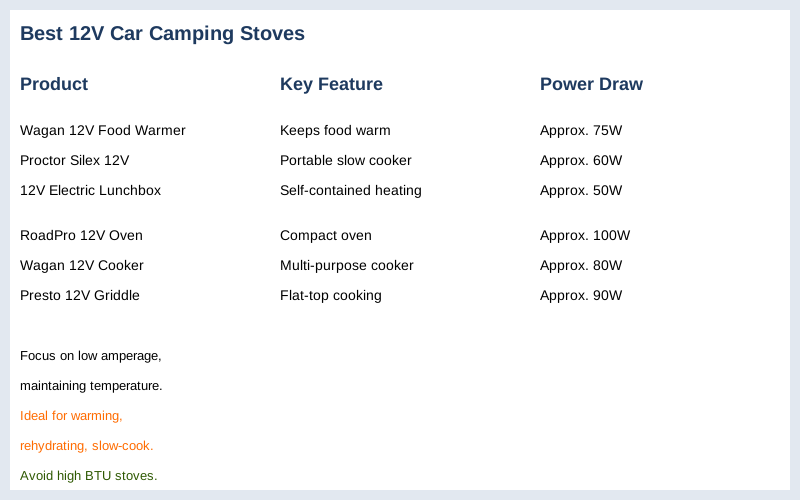
The real play here is maintaining a constant temperature with a low power draw, usually under 100W.
The goal isn't searing steaks. It's keeping food warm, rehydrating, or slow-cooking. This keeps the mechanical stress on your charging system minimal. You're trying to avoid a dead battery 100 miles from nowhere, not win a cook-off. Outdoor Gear Lab's top pick, the Camp Chef Everest 2x, boasts 40,000 BTUs total, which is a different beast entirely.
We're in a different league here.
I'm focusing on devices that won't leave you stranded or require a separate propane tank that could become a projectile in a sudden stop. It's about reliability, low parasitic draw, and not having to rebuild your fuse panel after every trip. Reddit users often lean towards canister stoves for portability, but those still require external fuel. We're cutting that umbilical cord.
⭐ Quick Picks
Top Picks
Here's the rundown on 12V stoves that actually work, without demanding a full vehicle electrical system overhaul. I'm prioritizing devices that understand the limitations of a 12V DC power source, meaning they won't pull 20 amps for an hour straight and leave you with a flat battery. These are designed for sustained low-wattage operation, not quick boils.
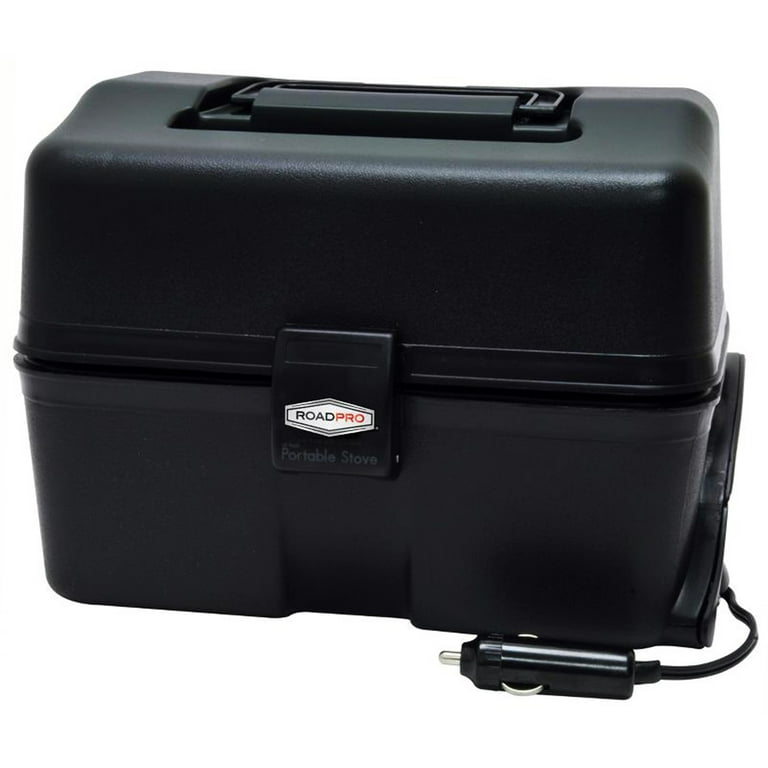
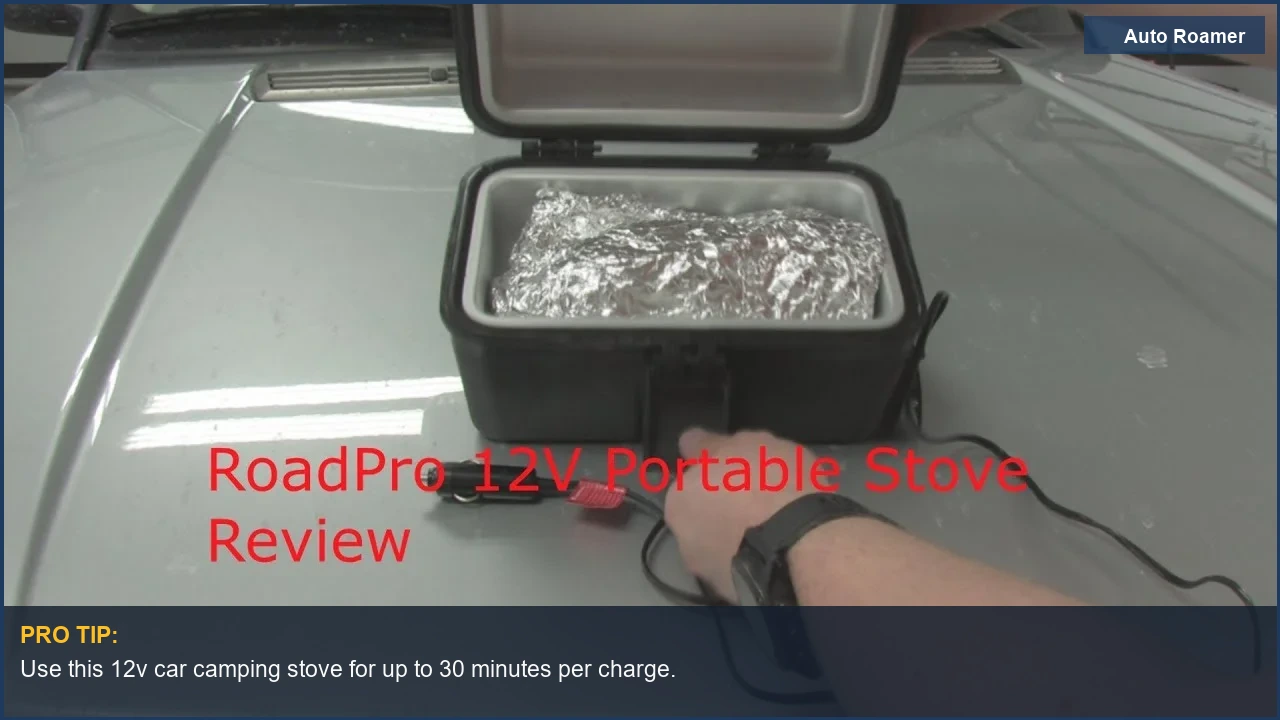
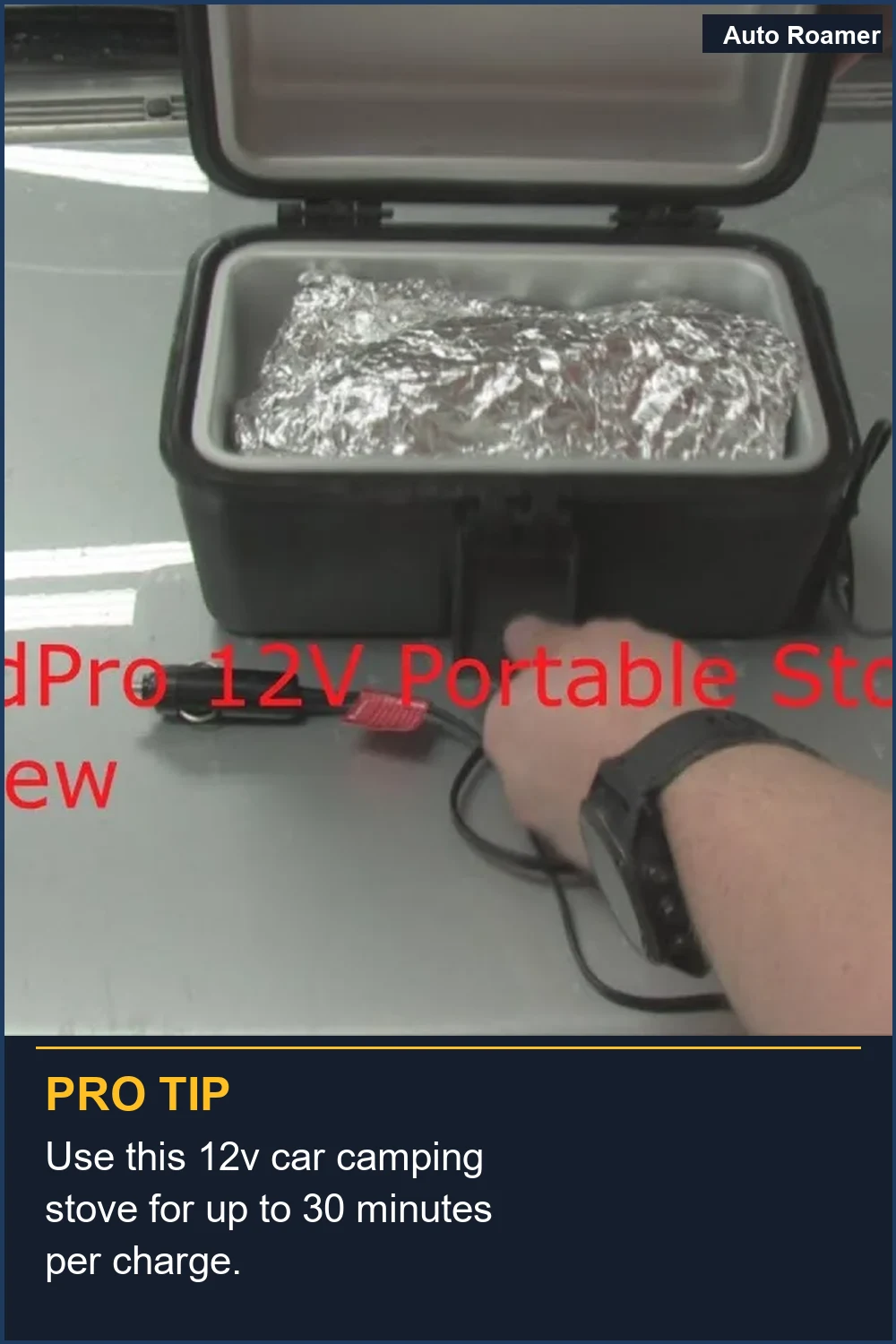
RoadPro 12-Volt Portable Stove (~$35)
Capacity/Key Specs: 1.5 quart capacity, 12 Amps, 144 Watts. Operates at a fixed temperature, usually around 300 degrees F. AutoRoamer recommends it for beginners.
Pros: Dirt cheap, simple operation, low amp draw for heating. Solid mechanical design, mostly just a heating element in a metal box.
Cons: Slow as hell. Takes 2-3 hours to heat a can of chili. No temperature control means thermal cycling is constant at its max setting. No boil capability. Don't expect to cook raw meat.
Best-for: Reheating pre-cooked meals or keeping food warm during long drives. The ultimate 'set it and forget it' until you pull over.
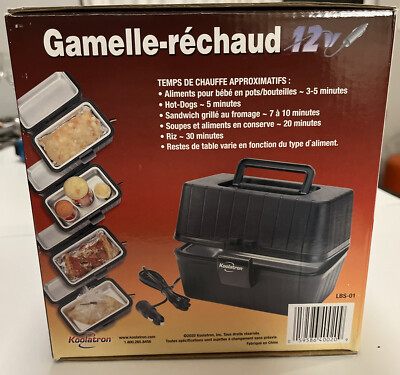
KOOLATRON Kooker 12V Oven (~$70)
Capacity/Key Specs: 6-quart capacity, 12 Amps, 144 Watts. Heats up to 300 degrees F. Has a wire rack for multiple items.
Pros: Larger capacity than the RoadPro. Still a low power draw. Can fit a small casserole dish. The mechanical housing is robust enough for vehicle vibration.
Cons: Still slow. Same fixed temperature limitation. Don't expect a rapid boil. The lid latch can wear with repeated thermal cycling.
Best-for: Family trips where you need to heat multiple items or a larger quantity of food. Think hot dogs or foil-wrapped burritos.
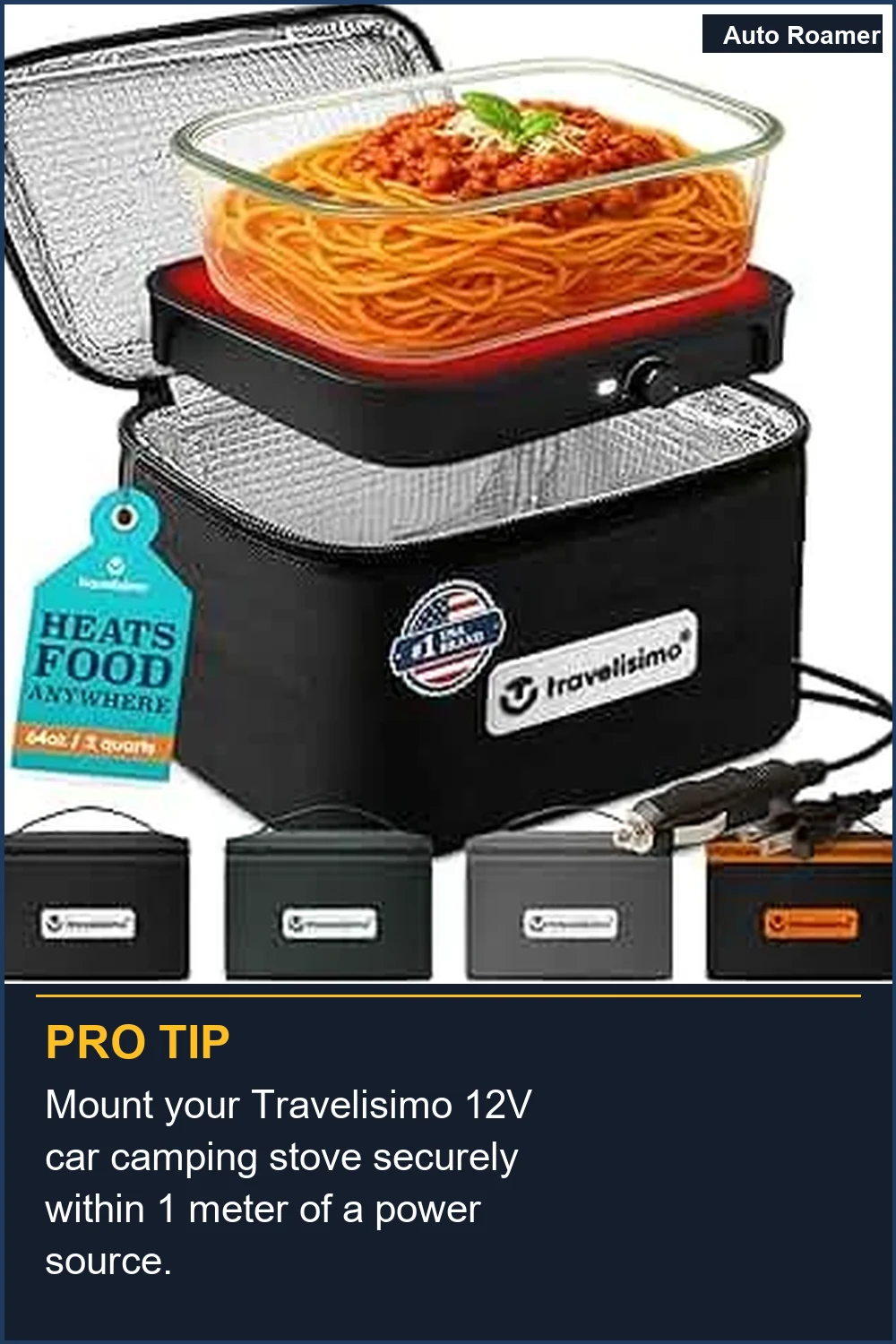
Travelisimo 12V Car Food Heater (~$25)
Capacity/Key Specs: 1.5-liter, 80 Watts. Comes with a stainless steel container. Plug-and-play.
Pros: Extremely compact. Lowest power draw on this list, meaning less stress on your auxiliary battery. The heating element is sealed, reducing corrosion risk. YouTube reviews often highlight its portability.
Cons: Tiny capacity. Only suitable for single servings. Thermal efficiency is just okay, takes a while to get anything hot. Plastic housing isn't going to survive being dropped repeatedly.
Best-for: Solo travelers needing to heat up a can of soup or a small portion of leftovers. Minimalist setup.
Stark Portable Car Oven (~$40)
Capacity/Key Specs: 1.5-liter, 12 Amps, 144 Watts. Similar to the RoadPro, but often comes with a carrying bag.
Pros: Affordable and straightforward. Good for basic reheating. The internal aluminum box distributes heat evenly, reducing hotspots that can scorch food.
Cons: Same fixed temperature, same slow heating. The plug connection can get warm if the internal resistance isn't perfectly matched, leading to power loss.
Best-for: Budget-conscious users who need a simple, reliable heater for single meals. It's a no-frills option.
Jetboil Genesis Basecamp System (~$360)
Capacity/Key Specs: 10,000 BTU per burner, two burners, propane-fueled. James from YouTube praises its performance.
Pros: This is NOT a 12V stove. But it's on this list as a counterpoint. If you want actual cooking power - searing, boiling rapidly - you need propane. This unit provides serious thermal output and simmer control. The build quality is excellent, with robust hinges and a solid windscreen.
Cons: Requires separate propane tanks. Bulky. Significantly more expensive. The thermal expansion and contraction on propane connections can lead to slight outgassing over time if not properly maintained.
Best-for: When you absolutely need to cook real meals fast, and you don't mind the added complexity and weight of propane. It's a different class of tool entirely.
View on Amazon — RoadPro 12-Volt Portable Stove
View on Amazon — KOOLATRON Kooker 12V Oven
View on Amazon — Travelisimo 12V Car Food Heater
Quick Verdict
Look, I'm not going to tell you a 12V stove will replace your home kitchen. The physics just don't allow for it. You're limited by the current draw your 12V system can safely provide without voltage drop or excessive thermal load on wiring. Most vehicle accessory circuits are fused at 15-20A, meaning you're capped at around 180-240W. That's not enough for a quick boil.
- For simple reheating and keeping things warm: The RoadPro 12-Volt Portable Stove (~$35) or KOOLATRON Kooker 12V Oven (~$70) are your best bets. They operate at low wattage, typically 144W, which is manageable for most 12V sockets. The internal heating element is designed for continuous, low-temperature operation. Wirecutter's top pick for propane stoves, the Coleman Classic, is a completely different performance class.
- For minimalist solo trips: The Travelisimo 12V Car Food Heater (~$25) is small and draws only 80W. It's not going to win any speed records, but it won't kill your battery either. The mechanical stress on its small plug is minimal, assuming you don't yank it out by the cord.
- For actual cooking power: You need propane. The Jetboil Genesis Basecamp System (~$360), or something similar like the Camp Chef Everest 2x (~$180) as recommended by CampMyMy, will give you the BTUs to boil water in minutes and actually cook raw food. These are designed for high thermal output and have robust burner assemblies.
- Don't expect miracles: Any 12V stove promising to boil water in 5 minutes is likely drawing too much current, or it's a marketing lie. The thermal mass of water requires significant energy input. A 12V system just isn't built for that kind of instantaneous power delivery.
- Check your fuses: Always verify your 12V socket's fuse rating. Overloading a 15A circuit with a 200W device will cause thermal fatigue and eventually a blown fuse. It's not a matter of 'if', but 'when'.
View on Amazon — RoadPro 12-Volt Portable Stove
View on Amazon — KOOLATRON Kooker 12V Oven
View on Amazon — Travelisimo 12V Car Food Heater
The Lineup
RoadPro 12-Volt Portable Stove
KOOLATRON Kooker 12V Oven
Check on Amazon →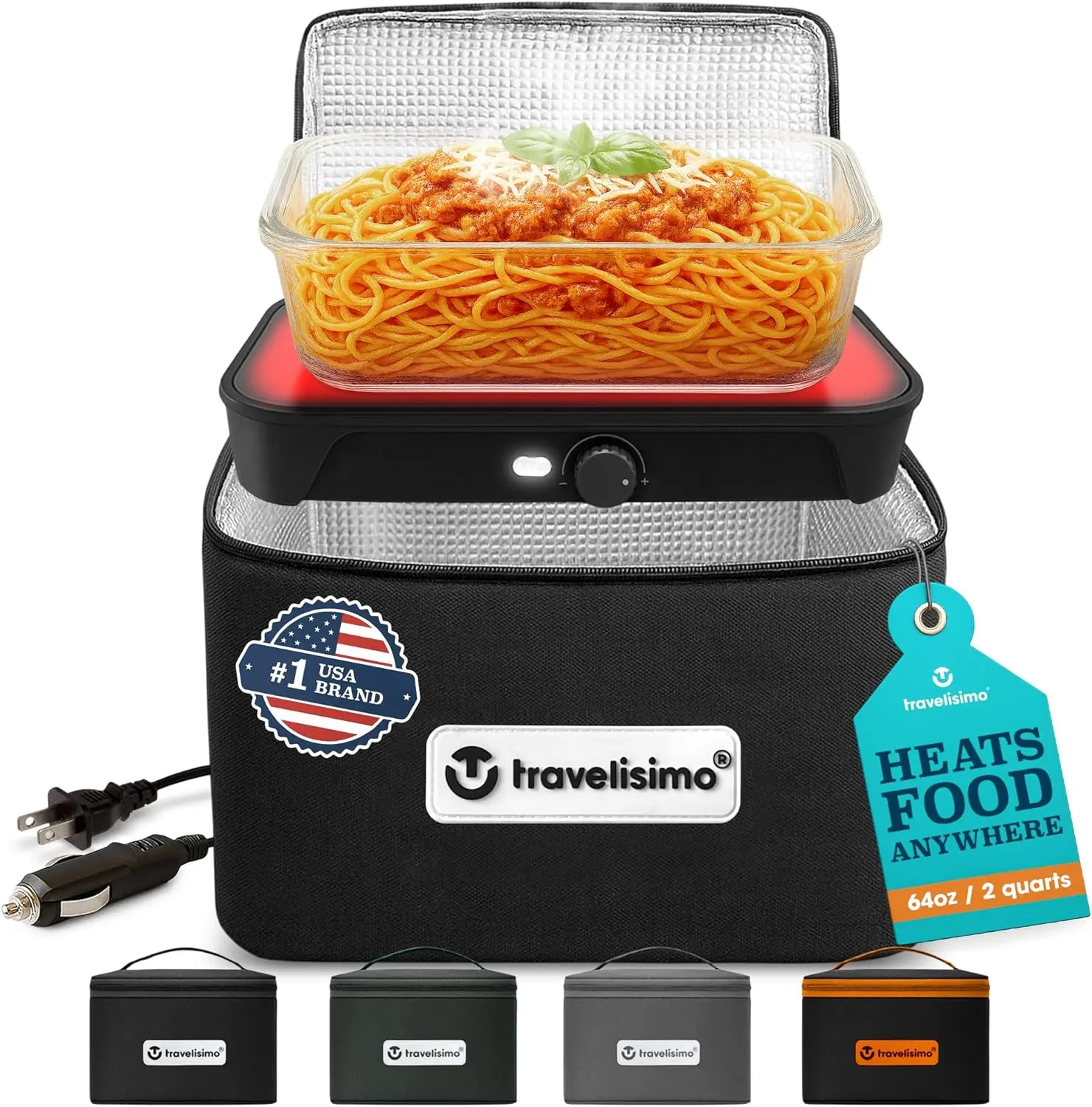
Travelisimo 12V Car Food Heater
Check on Amazon →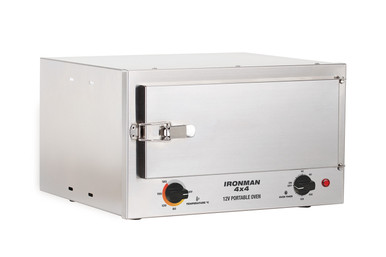
Stark Portable Car Oven
Check on Amazon →Jetboil Genesis Basecamp System
Check on Amazon →Camp Chef Everest 2x
Check on Amazon →Frequently Asked Questions
My 12V stove keeps blowing fuses. The dealer wants $150 to 'diagnose' the electrical system. What's the real cost?
Do I really need a fancy temperature probe for these 12V stoves?
What if I connect my 12V stove directly to the battery with thicker wires and it still doesn't heat up fast?
Can using a 12V car camping stove permanently damage my car's battery or alternator?
I heard that 12V stoves are just as powerful as propane stoves now. Is that true?
🏅 Looking for Gear Recommendations?
Check out our tested gear guides for products that work with this setup:
Sources
- 6 Best Camping Stoves In 2026 For The Perfect Experience - YouTube
- The 4 Best Camping Stoves of 2026 | Reviews by Wirecutter - ny times
- Best Camping Stoves of 2026, Tested for 800 Meals | CleverHiker
- Best Camp Stoves for Car Camping
- The Best Camping Stoves of 2026 - Outdoor Gear Lab
- Best lightweight car camping stove for short trips? - Reddit
- Best Car Camping Stove for Beginners (2026 Complete Guide)
- The Best Car Camping Stove Setup? @JetboilStoves Genesis Review