What You Need to Know
Picking the right size luggage for your baby's stuff is more about strategy than just grabbing the biggest bag you own. Think of it like packing for a weekend camping trip: you don't need your entire garage, just the essentials.
I learned this the hard way with my first kid, trying to stuff a stroller, diaper bag, and a week's worth of outfits into a single, overloaded carry-on for a two-day trip.Babylist breaks down how to consolidate your gear, which is key when you're already juggling a tiny human. The goal is to make travel smoother, not turn your trip into a moving day ordeal.
We're talking about finding that sweet spot between having enough and being buried under your own luggage.
The Core Answer
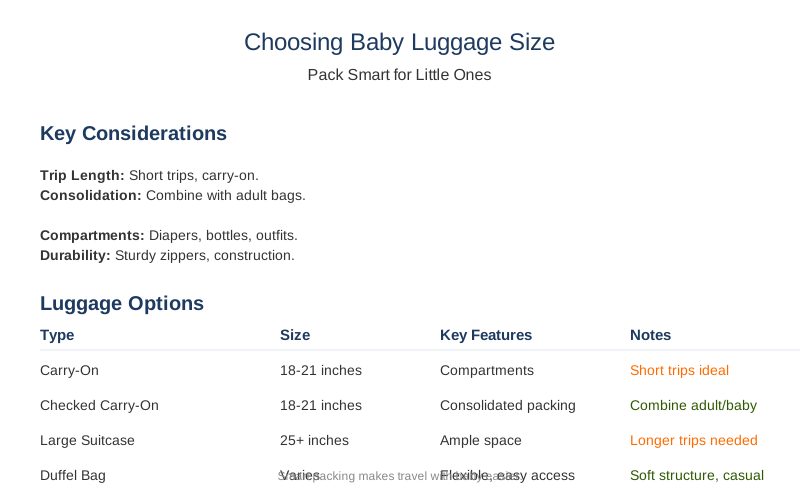
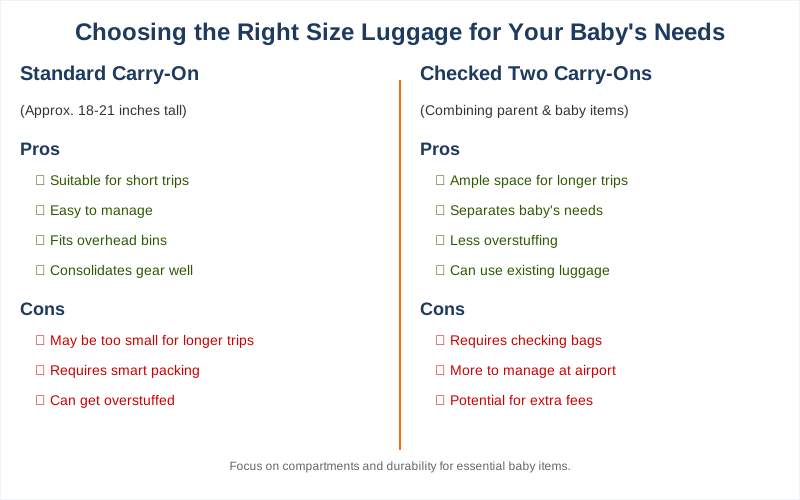
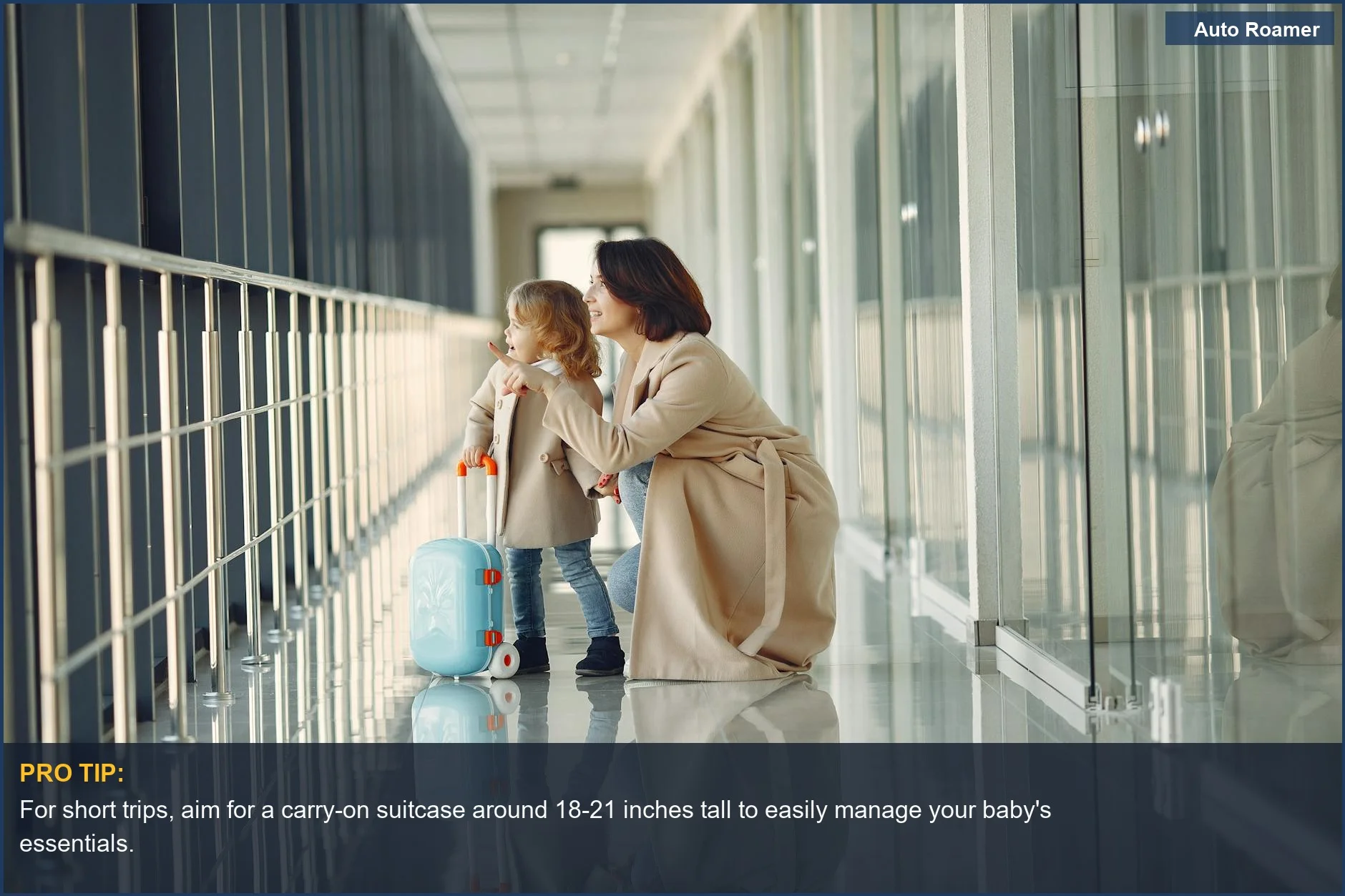
The whole "baby luggage size" debate boils down to this: can you pack what you need without needing a Sherpa? For short trips, a standard carry-on, usually around 18 to 21 inches tall, is often plenty ca.heys.com. I remember my first flight with my daughter, thinking I needed a separate suitcase just for her. Rookie mistake.
I ended up with a bag so stuffed it barely fit in the overhead bin, and I still had to pull out diapers and wipes mid-flight. The real move is to see if you can consolidate. Some parents check two carry-ons that contain both their stuff and the baby's r/travel. It's about smart packing, not just more bags. You don't need a specialized "baby suitcase" that costs $150 when your existing luggage can likely do the job.
Focus on compartments that make sense for diapers, bottles, and spare outfits. Durability is also a big one; I once had a zipper break on a cheaper bag at the worst possible moment, scattering pacifiers across a busy airport terminal. Look for sturdy construction. Prince Lionheart talks about balancing size and weight, which is crucial.
If you're trying to fit a travel crib and a week's worth of clothes, a larger checked bag might be your game-time decision, but for most weekend trips, carry-on size is the way to go. The honest version: most of the time, you can make a standard carry-on work if you're ruthless about what you pack. Don't pack for every possible scenario; pack for the actual trip. I've seen people bring entire nursery setups for a 3-day vacation.
Brilliant engineering, that. You just need the essentials: diapers, wipes, a few changes of clothes, and whatever your baby absolutely can't live without. Think about what you'd pack for a 3-day car camping trip, but for a baby. Less is definitely more when you're navigating airports and rental cars. The New York Times Wirecutter even emphasizes lightweight, easy-to-use gear that packs down small. That's the philosophy you want to apply to your luggage choice.
Don't get sucked into buying a whole new set of "baby luggage" just because it's marketed that way. Your regular suitcase, used wisely, is probably already the $50 version of what you think you need.
Why This Matters for Your Setup
Why does this even matter? Because I've seen parents struggle. I watched a mom at the airport trying to wrestle a massive suitcase, a diaper bag, and a screaming toddler through security. It was a mess.
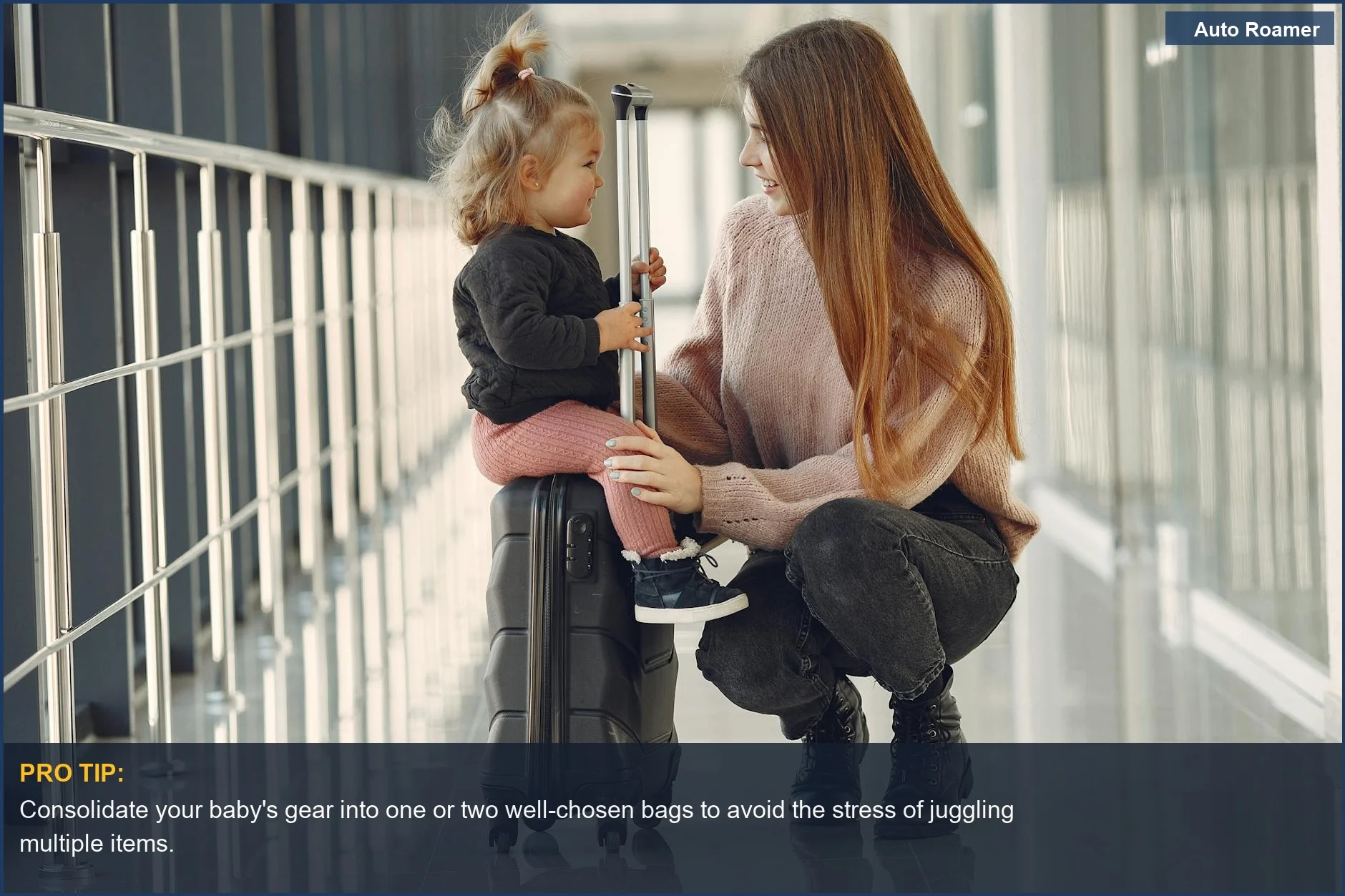
- Consolidating Gear: Trying to cram everything into one or two bags means less to keep track of. I learned to pack my own clothes efficiently to make space for baby essentials, rather than getting a separate, bulky bag for just her stuff. It simplifies the whole process Babylist.
- Overhead Bin Tetris: A bag that's too big means you're fighting for space on the plane.
On a flight to Denver last winter, my carry-on was borderline too large, and I ended up gate-checking it because there was no room. That's a rookie mistake I don't repeat.
- Airport Navigability: Being able to maneuver through crowds, up escalators, and into tight spaces is crucial. A smaller, more manageable suitcase means you're not the person blocking the entire concourse.
HealthyChildren.org emphasizes making travel smoother.
- Cost Savings: Believe it or not, using your existing luggage can save you money. You don't need to buy specialized, often overpriced, "baby travel gear." My first trip cost me $47 for some extra packing cubes, not a new $200 suitcase.
Making the Right Choice
Ultimately, choosing the right size luggage for your baby is about practicality, not just aesthetics. You want something that fits your trip length and your travel style.
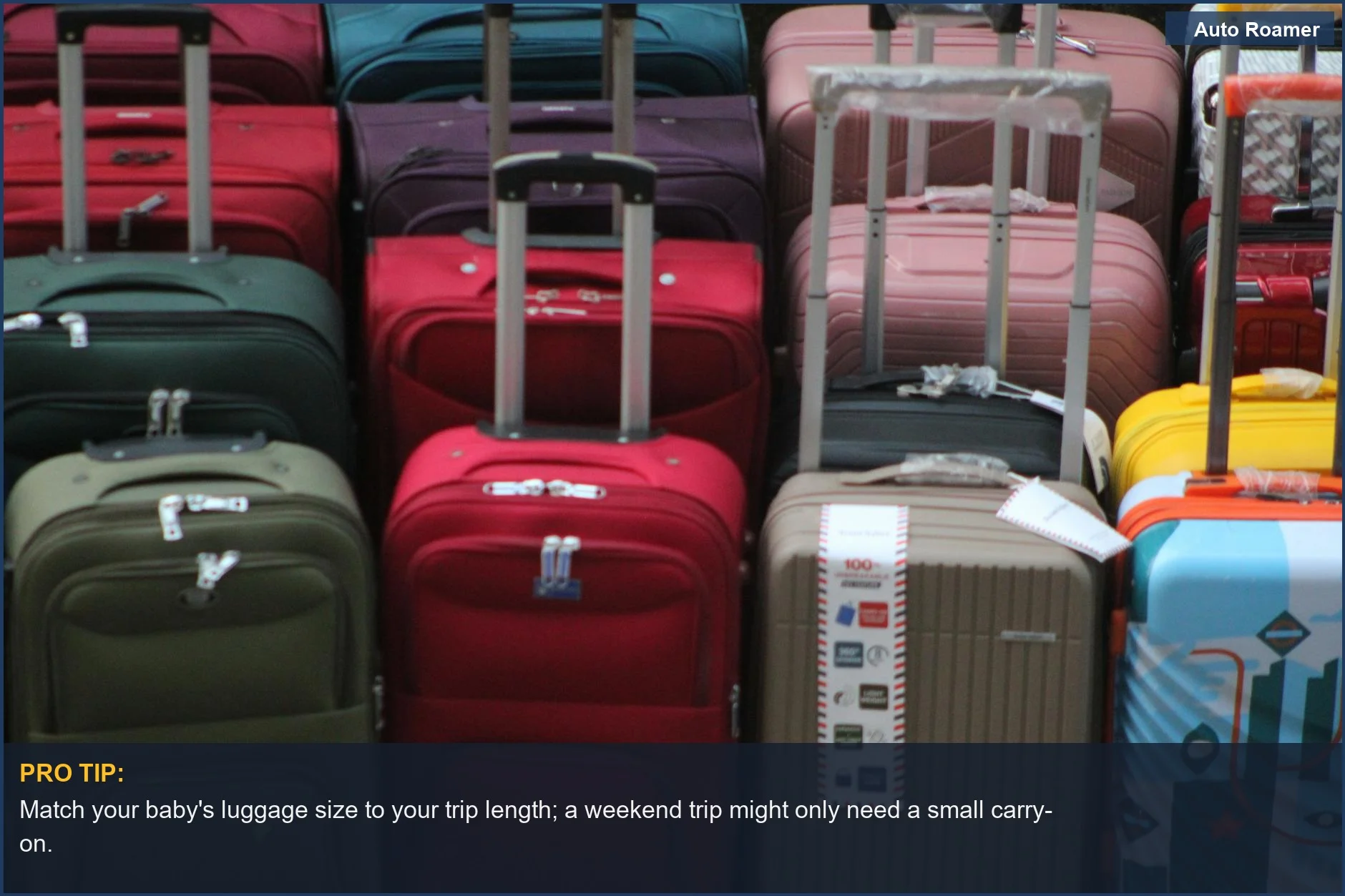
- Match Size to Trip: A weekend getaway might only need a carry-on size bag, while a longer vacation could justify a larger checked bag. Don't overpack for a short trip What to Expect.
- Prioritize Organization: Look for bags with multiple compartments. This makes finding diapers, wipes, or that one specific toy much easier when you're in a pinch.
I learned this the hard way when I had to unpack my entire bag to find a pacifier on a red-eye flight.
- Consider Durability: Travel can be rough on luggage. A bag that can withstand being tossed around will save you headaches in the long run. I've had zippers break and wheels fall off cheaper bags, and it's never at a convenient time.
Prince Lionheart highlights this as a key factor.
- Think About Weight: A lighter bag means less strain on you, especially when you're already carrying a baby. This is crucial for overhead bin space and general ease of movement.