
Vehicle Mounted Awning Materials: Durability and Weather Resistance Explained
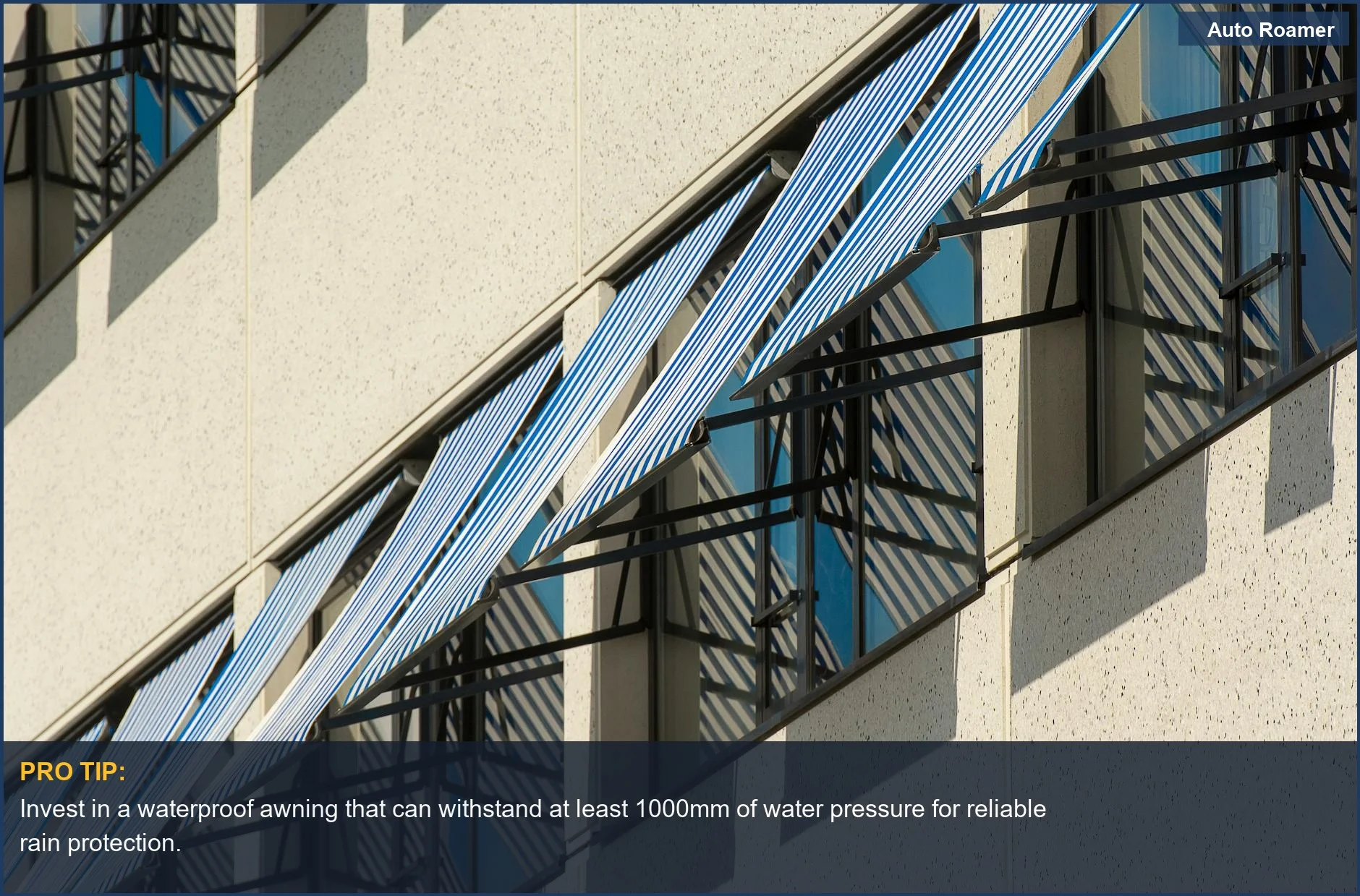
My first car camping awning was a $150 Amazon special, a no-name brand that looked suspiciously like a discount store reject. It was a 6.5-foot model I slapped onto my old Honda CRV in Joshua Tree National Park. The box said 'waterproof,' which, as I learned during a sudden desert downpour at 2 AM, was a bold-faced lie.
My first car camping awning was a $150 Amazon special, a no-name brand that looked suspiciously like a discount store reject. It was a 6.5-foot model I slapped onto my old Honda CRV in Joshua Tree National Park. The box said 'waterproof,' which, as I learned during a sudden desert downpour at 2 AM, was a bold-faced lie. The fabric sagged, pooled water like a kiddie pool, and dripped directly onto my sleeping bag. The real move?
Understanding what 'waterproof' actually means in fabric terms, and how different materials handle sun, rain, and wind. It's not just about looking cool in the campsite Instagram photos; it's about staying dry and not having your weekend ruined by a leaky tarp.RV awning types are designed with purpose, and the fabric is the first line of defense.
The Core Answer
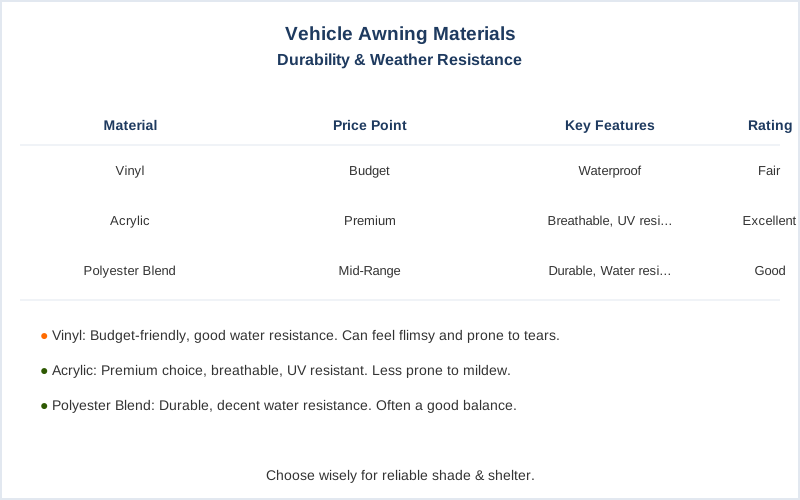
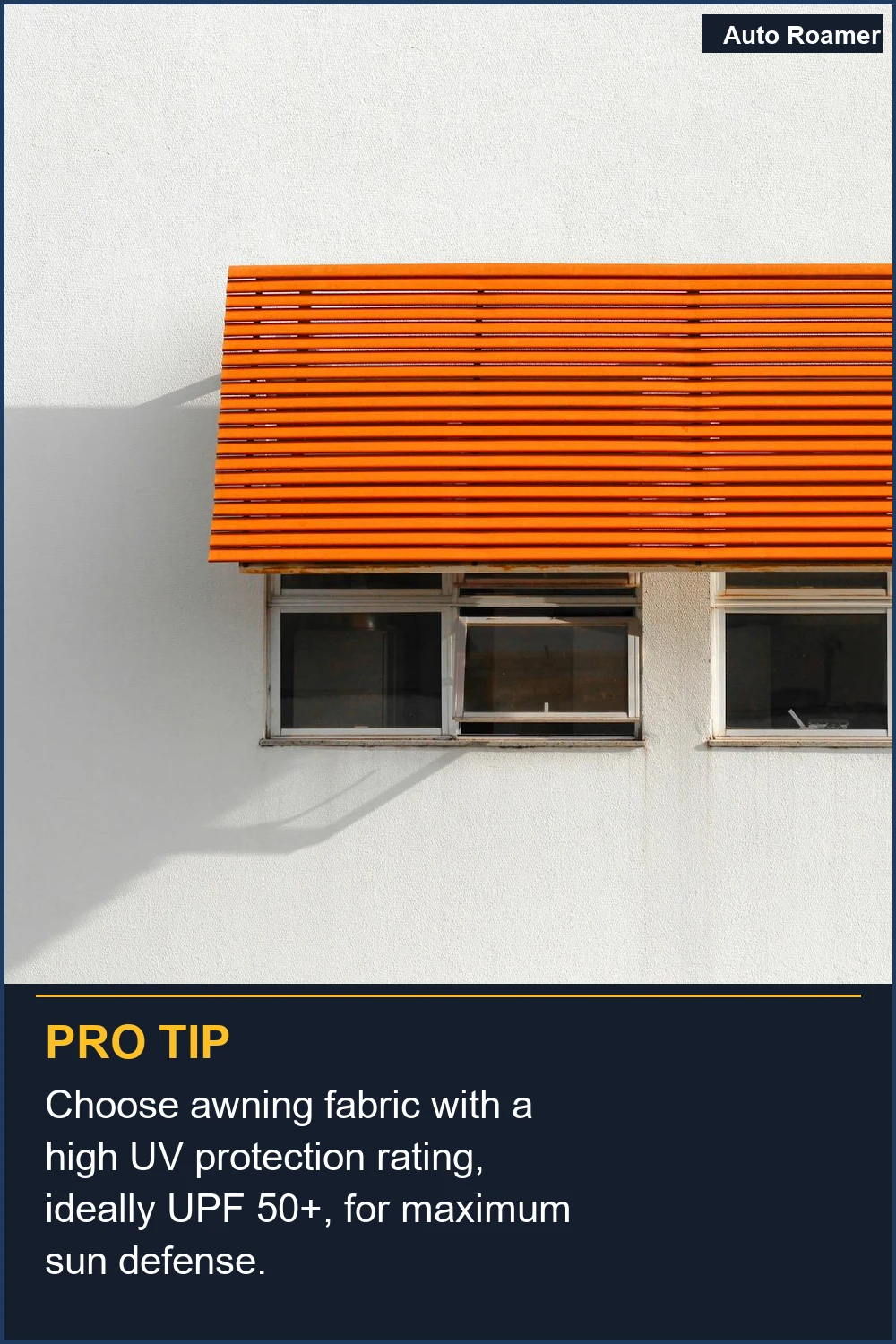
The fabric on your vehicle awning is the most important part, and frankly, most of the cheap ones are garbage. You're basically choosing between vinyl and acrylic, and sometimes fancy-sounding 'polyester' blends that are just vinyl in disguise. Vinyl is the budget option, usually cheaper, and pretty good at being waterproof. I had a vinyl awning on my first truck, and while it kept the direct sun off, it felt flimsy and I worried about it ripping every time the wind picked up. It's like a cheap tarp - functional, but not exactly confidence-inspiring.vinyl and acrylic materials are engineered to withstand the elements. Acrylic fabrics, on the other hand, are the gold standard, but they cost more. Think of them as the premium version. They're woven, not coated, which makes them more breathable and less likely to get that mildew smell if you pack them up wet. They're also typically treated for UV resistance, so they don't fade and crack like vinyl can after a few brutal summers. My current awning is an acrylic blend, and the difference is night and day. It feels tougher, and it's held up way better through rain and intense sun.ripstop canvas are treated with PU coating. When you see terms like 'ripstop polyester' or 'heavy-duty polyester,' it often means a polyester fabric that's been coated with something like polyurethane (PU) to make it waterproof. This is where things get a little murky. A good PU coating on a ripstop polyester can be excellent, offering a balance of durability and water resistance. I saw a buddy's awning made from this material survive a serious hail storm in Colorado, while my cheap vinyl one would have probably shredded. The key is the quality of that coating and the weave of the fabric itself.materials are treated with PU. Don't get too hung up on the fancy names. The real moves are checking for UV resistance, water-repellency ratings (if they even provide them), and how well the fabric feels like it can handle some abuse. I've learned that the $50 version rarely lasts more than a season or two before it starts looking sad and leaky. For something you'll rely on, especially if you camp in unpredictable weather, spending a bit more on an acrylic or a high-quality coated polyester is worth it. It's the difference between a comfortable camp and a soggy mess.heavy-duty polyester, canvas, or ripstop fabric. So, the honest version: vinyl for budget, acrylic for premium, and good quality coated polyester for a solid middle ground. My first awning was a rookie mistake in the fabric department. The $150 vinyl thing looked okay on paper, but in game-time rain, it failed. Now I look for fabrics that feel substantial and have good UV treatment. It's not rocket science, but it's more than just picking a color.Canvas is a plain-woven fabric.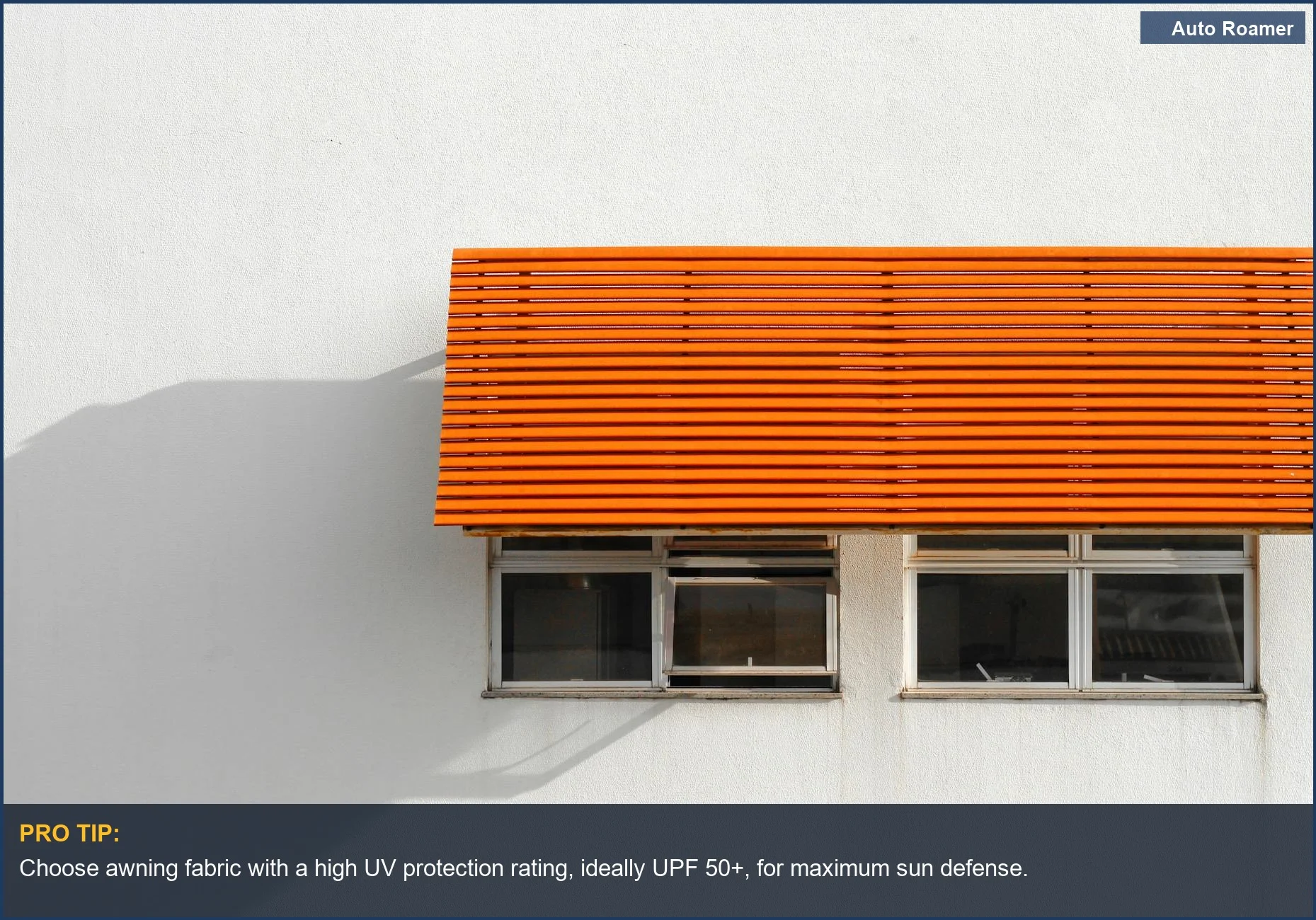
Why This Matters for Your Setup
Making the Right Choice
Frequently Asked Questions
I saw a DIY awning kit online for $100 in parts, but a brand-name awning is $500. Is it worth spending the extra $400 for a name I've never heard of?
Do I really need to worry about the 'denier' rating of the fabric, or is that just marketing jargon?
What if my awning fabric starts to smell musty after a trip? I packed it up a little damp.
Can leaving my awning out in a moderate wind permanently damage the fabric, even if it doesn't rip?
I heard that 'waterproof' fabric actually lets some water through, and that's normal. Is that true?
🏅 Looking for Gear Recommendations?
Check out our tested gear guides for products that work with this setup: