
The advice you keep hearing — and why it is usually wrong
Search how to power a car-camping setup and you will quickly be told to install a second battery. It is presented as the serious, grown-up answer: wire in a deep-cycle auxiliary battery, add an isolator, and never worry about your starting battery again. For a small minority of campers, that is genuinely the right call.
For most people, it is overkill — an expensive, permanent modification solving a problem they do not actually have. The typical car camper heads out for a weekend, runs modest loads (phones, lights, a fan, maybe a small cooler), and would be far better served by a simpler, more flexible solution that requires no wiring and can move between vehicles or even come inside the tent.
This article makes the honest case against the default dual-battery advice. It explains what a second battery really costs and solves, why a portable power station fits most campers better, how to power a weekend without either, and — fairly — the specific cases where a dual battery genuinely does make sense. The goal is not to be contrarian for its own sake, but to match the solution to your actual needs instead of to a forum's reflexive recommendation.
To be clear about the spirit of this: a second battery is not a bad piece of equipment, and the people who install one for heavy daily use are right to. The argument here is narrower and more useful — that the default recommendation is mis-targeted, pointed at weekend campers whose needs it wildly overshoots. The goal is to give you the framework to tell which category you fall into, so you neither under-power a serious off-grid build nor spend hundreds wiring a battery into a car you use for a few trips a year. With that framing set, the rest follows naturally.
What a second battery actually costs and involves
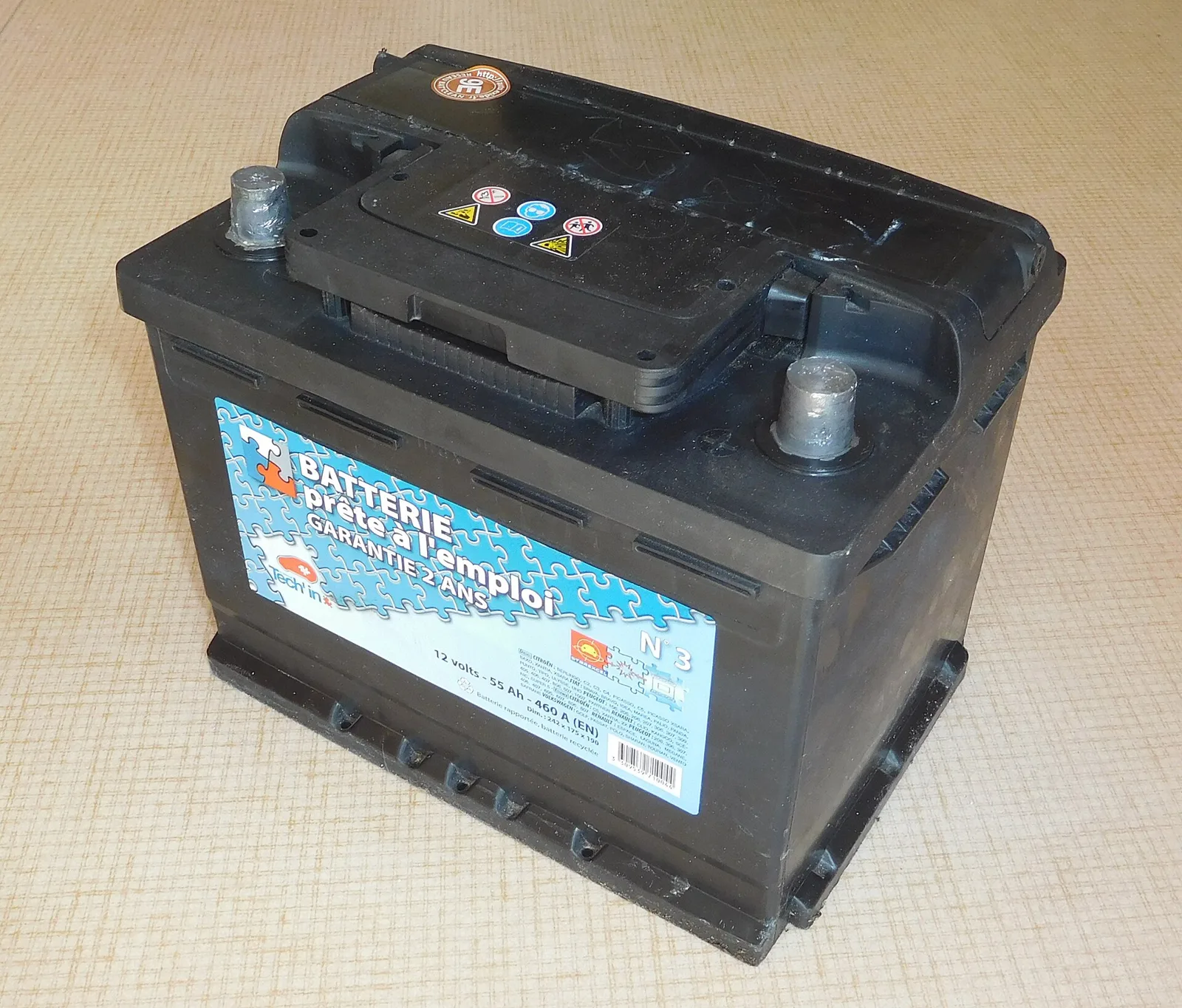
The first thing the standard advice glosses over is the true cost and complexity. A proper dual-battery system is not just 'a spare battery.' It means a deep-cycle auxiliary battery, a battery isolator or DC-DC charger so the alternator charges the second battery without draining your starting battery, a secure mount, plus fuses, cabling and connectors.
Then there is the labor: either a professional installation or the time, tools and electrical know-how to wire it yourself safely, because mistakes with vehicle wiring are a real fire and safety risk. And it is permanent — a modification bolted and wired into one specific vehicle. When you total the parts and the install, a dual-battery system frequently costs as much as, or more than, a capable portable power station that does the same everyday job. The 'serious' solution turns out to be the expensive, inflexible one for most people's needs.
- Hardware: deep-cycle battery, isolator/DC-DC, mount, fuses, wiring
- Labor: professional install or careful, skilled DIY
- Permanence: a fixed modification to one vehicle
What you actually run while car camping
The whole dual-battery argument rests on power needs, so it is worth being honest about what a typical car camper actually runs. For a weekend, the list is modest: charging phones and a tablet, running LED lights or a lantern, maybe a fan for sleeping comfort, and perhaps a small cooler or device or two.
These are low-energy loads. LED lights and phone charging sip power; a rechargeable lantern runs for many hours; a fan draws little. The big draw, if you have one, is a fridge or cooler — and even a modern compressor fridge is efficient enough to run a long time on a modest battery. The point is that the energy budget for typical weekend camping is small, well within what a portable power station handles comfortably. The dual-battery system is sized for continuous, heavy, daily draw — which is simply not what most weekend campers do. Match the solution to this real, modest load and the case for permanent wiring largely evaporates.
The simpler answer: a portable power station
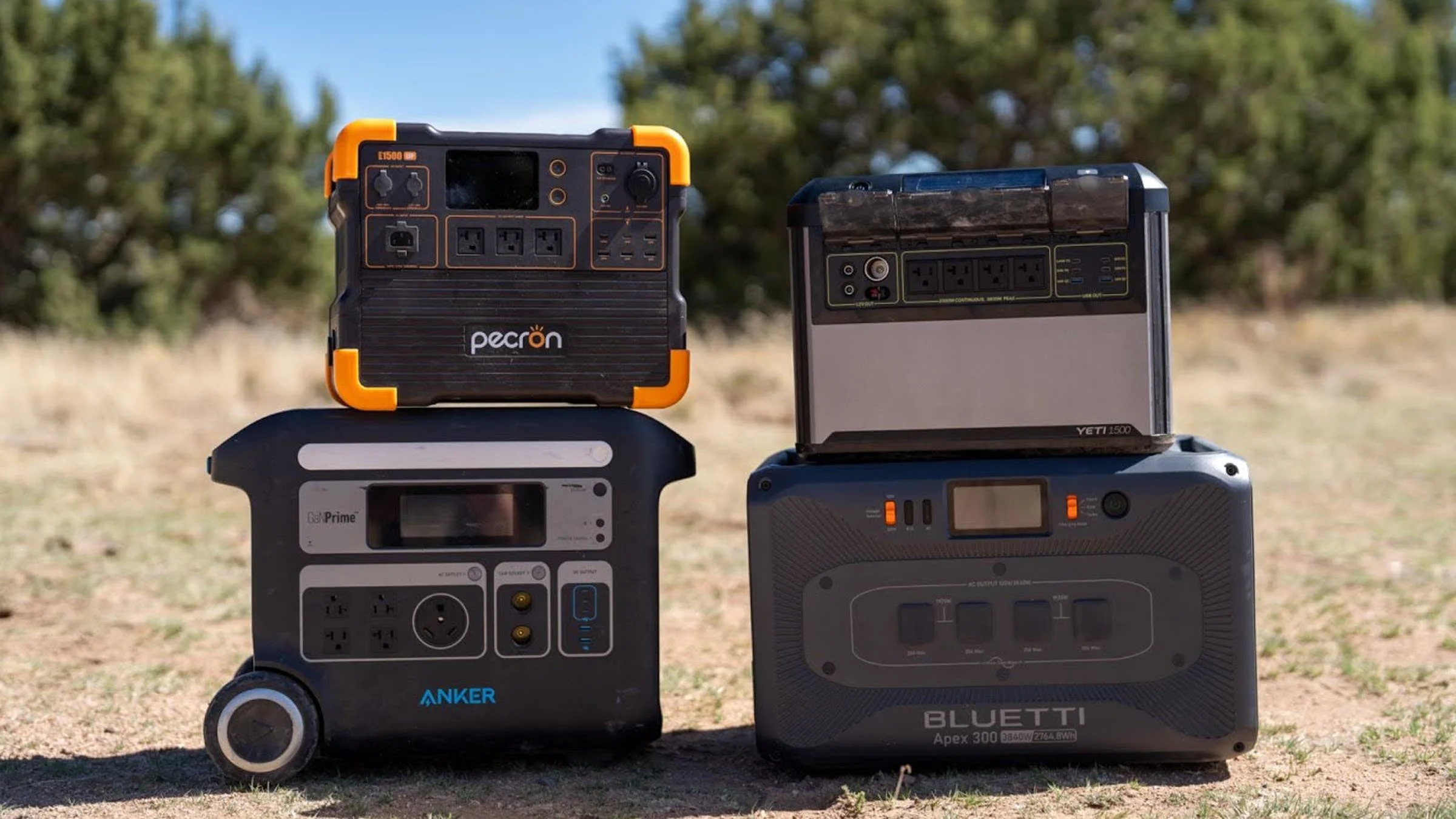
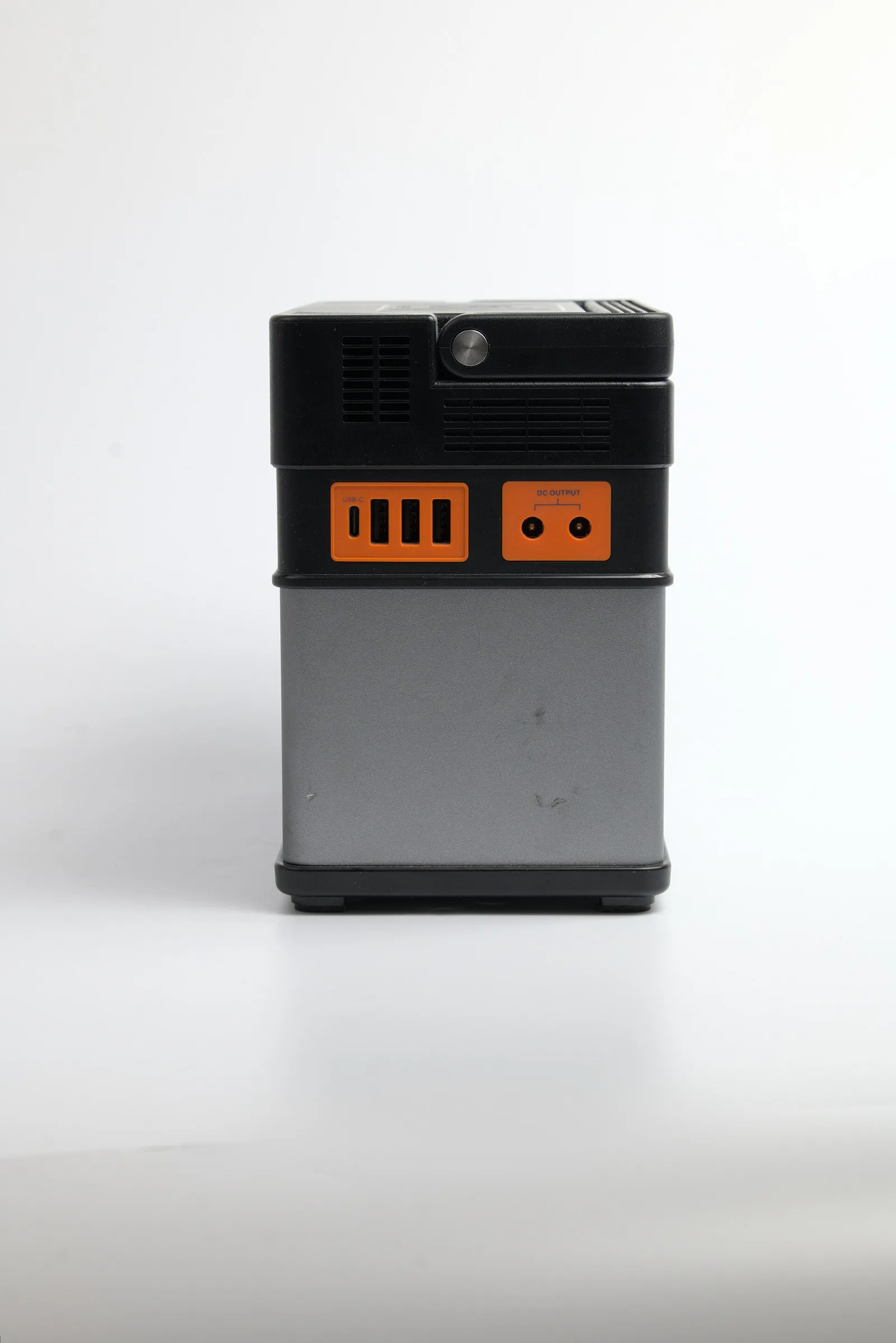
For the loads above, a portable power station is the cleaner solution, and it is worth spelling out why so directly. It is a single self-contained box — battery, inverter, USB ports, 12V outputs and a monitor in one — that you buy, charge, and use immediately with no wiring and no modification to your vehicle.
Its flexibility is the real advantage. You can move it between vehicles, carry it into the tent or the campsite, and recharge it three ways: from the car's 12V socket while you drive, from a folding solar panel, or from a wall outlet at home before you leave. It is renter-friendly because nothing is bolted into the car, and it does not hurt resale. Where a dual battery is fixed to one car and one wiring scheme, a power station goes wherever you and your power needs go. For the typical weekend camper, that combination of simplicity, flexibility and no install is exactly why it beats the second-battery default.
The core trade: a dual battery is a permanent fixture in one vehicle; a power station is a movable, no-install box you can recharge three ways and carry anywhere. For modest, occasional loads, movable and simple wins.
Powering a weekend without any extra battery at all
It is worth going one step further: many car campers do not even need a power station for a simple weekend, let alone a second battery. With a little planning, the car itself and a few small items cover a lot. Charge devices while driving from the USB ports or 12V socket — a typical day's driving tops up phones, a tablet and a power bank easily.
Use rechargeable LED lanterns and headlamps for light, charged at home and topped up from the car. Keep food cold in a good passive cooler with ice, or run a small electric cooler only while the engine is running. Carry a power bank for overnight phone top-ups. This approach handles a surprising amount of weekend camping with zero installed hardware and no power station at all. Step up to a modest power station only when you want to run something bigger — a fan all night, a laptop, or a compressor fridge — and even then, that is a portable box, not a wired-in second battery. Plan around your real, small loads and the 'must-have' second battery turns out to be optional for most trips.
The mental shift that makes this work is to plan power like you plan food: figure out what you will actually use, prepare it before you leave, and top up along the way. Charge everything fully at home the night before, bring a generously sized power bank, and let each drive between campsites recharge your devices and any power station you do carry. Framed that way, the modest energy needs of a weekend become a simple logistics problem, not an engineering project — and the permanent second battery the advice pushes reveals itself as a solution far heavier than the problem requires.
- Charge while driving: phones, tablet and a power bank top up
- Light: rechargeable LED lanterns and headlamps
- Cold food: passive cooler with ice, or run a cooler while driving
When a second battery genuinely DOES make sense
Honesty cuts both ways, and there is a real minority for whom a dual-battery system is exactly right — it is just far smaller than the advice implies. If you run heavy, continuous, daily off-grid loads — a large compressor fridge running around the clock, extensive lighting, a water pump, charging tools — a fixed auxiliary supply with alternator charging earns its place.
It also makes sense in a dedicated build: a converted van or a permanently outfitted overland rig where seamless, integrated, always-available 12V power is the whole point and you want it wired in cleanly rather than carrying a box. And it suits people who genuinely prefer a permanent, hands-off auxiliary supply and are happy to modify the vehicle for it. The common thread is heavy, permanent, daily use in a vehicle dedicated to the task. If that is you, a dual-battery system (or a serious hardwired lithium setup) is a sound investment. If it is not — if you camp occasionally with modest loads — it is solving a problem you do not have.
The real rule: a second battery is for heavy, permanent, daily off-grid loads in a dedicated build. Occasional weekends with light loads are the wrong fit — and the most common case.
The hidden costs of over-building your power
Beyond the upfront price, over-building your camping power carries quieter costs worth naming. A permanent dual-battery install commits you to one vehicle — sell or change cars and the investment largely stays behind or must be re-installed. It adds weight and complexity, and another system that can fail, corrode or need maintenance, in a place that is awkward to access.
There is also an opportunity cost: the money and effort sunk into wiring a second battery could buy a flexible power station that serves you at home during outages, on a friend's vehicle, or on a future trip in a different car. And there is the simple matter of time — hours spent researching isolators and routing cable that most campers would rather spend camping. None of this means a dual battery is wrong for everyone; it means the decision deserves more scrutiny than 'the forum said to install one.' Build for your real needs, not for the most elaborate setup you can imagine wanting someday.
The marketing and forum bias toward over-building
It is worth understanding WHY the second-battery advice is so pervasive, because the reasons have little to do with what most campers need. Much of the loudest advice online comes from dedicated overlanders and van-lifers — people whose heavy, daily, off-grid loads genuinely do justify a dual-battery system. Their setups are impressive and well-documented, and a casual weekend camper reading those forums naturally assumes the same elaborate solution applies to them.
There is also a commercial pull. Dual-battery systems mean selling batteries, isolators, DC-DC chargers, mounts, wiring and installation labor — a far larger ticket than a single power station, and a profitable one for shops and parts sellers. The more elaborate the recommended build, the more there is to sell, so the incentive runs toward over-building, not toward the simplest thing that works.
And there is a human factor: building an elaborate power system is satisfying and impressive, a project people enjoy and like to show off, so it gets over-recommended relative to its real necessity. None of this means the people giving the advice are wrong for themselves — it means their context is different from yours. The antidote is simple: notice when advice comes from someone living in their vehicle or running a business, and weigh it against your own modest, occasional use. The right setup is the one matched to YOUR loads and habits, not the most elaborate build the internet admires.
How to decide what you actually need
Cut through the noise with a short, honest assessment. First, list your real loads for a typical trip and roughly how long each runs — phones, lights, a fan, a cooler. Most people are surprised how modest the total is. Second, ask how often you camp and whether your vehicle is dedicated to it or also a daily driver you might sell or rent.
Third, decide how you will recharge — driving between spots, solar, or a wall outlet at home. If your loads are modest, you camp occasionally, and you value flexibility, a portable power station (or even just smart use of the car and a power bank) is almost certainly the right answer, with no install required. If your loads are heavy and daily, your vehicle is a dedicated build, and you want fixed integrated power, then — and mostly only then — a dual-battery system is worth the cost and permanence. Letting your actual usage drive the decision, rather than a default recommendation, is how you avoid both under-powering a serious build and massively over-building a weekend kit.
- List real loads: what you run and for how long
- How often + which vehicle: occasional daily-driver vs dedicated build
- Recharge plan: driving, solar, or wall outlet
The bottom line
The reflexive advice to install a second battery for car camping is right for a small minority and wrong for most people. For the heavy, continuous, daily loads of a dedicated van or overland build, a dual-battery system or a hardwired lithium setup earns its cost and permanence. For the modest, occasional loads of typical weekend camping, it is an expensive, inflexible solution to a problem you do not have.
A portable power station does the same everyday job more simply: no wiring, no vehicle modification, movable between cars and into the tent, and rechargeable from the car, solar or a wall outlet. Many campers need even less — smart use of the car's outlets, rechargeable lanterns and a power bank. List your real loads, weigh how and how often you camp, and choose the simplest thing that covers them. Do that and you will spend your money and weekends on camping, not on wiring a battery you never needed.