The Mirror Cam Everybody Keeps Recommending
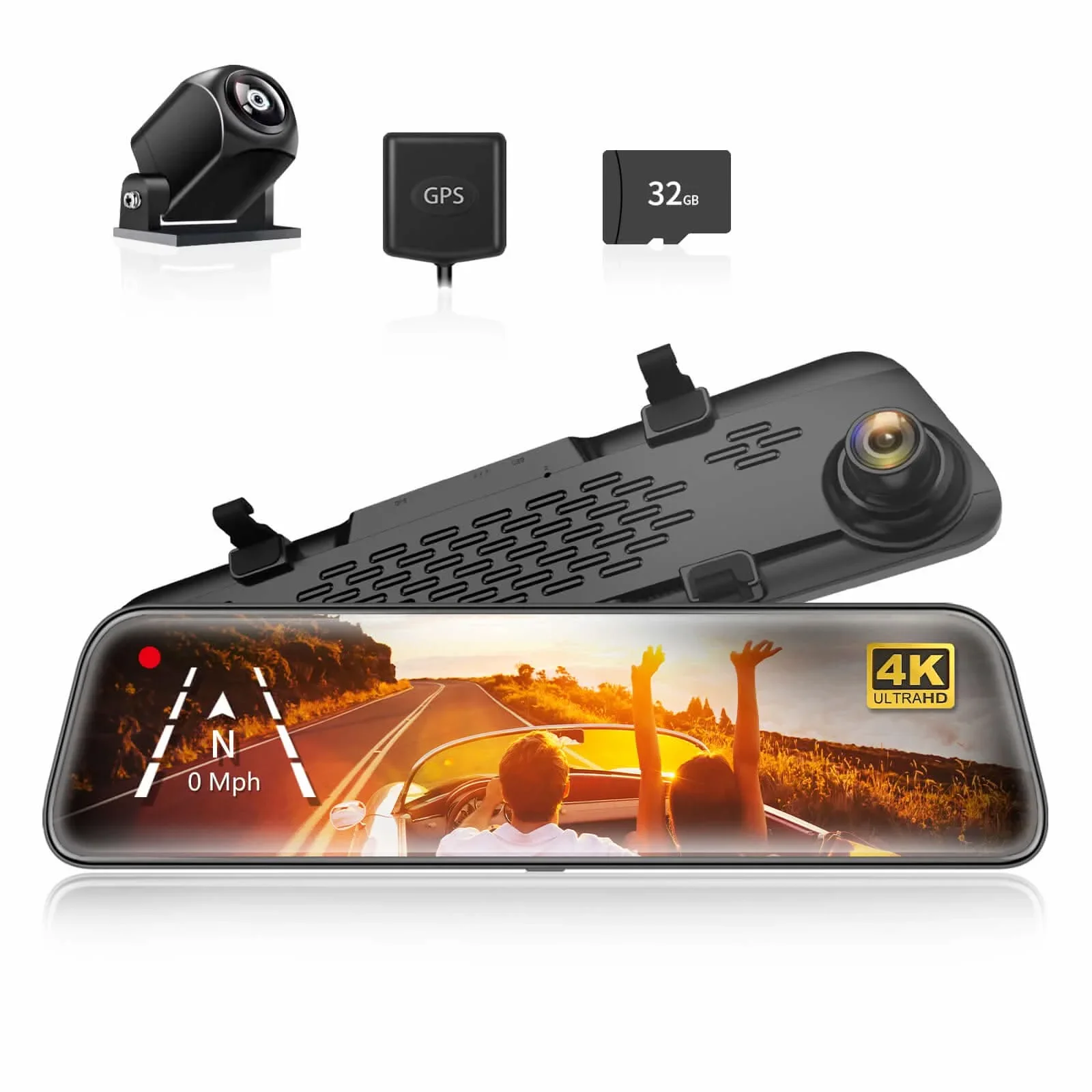
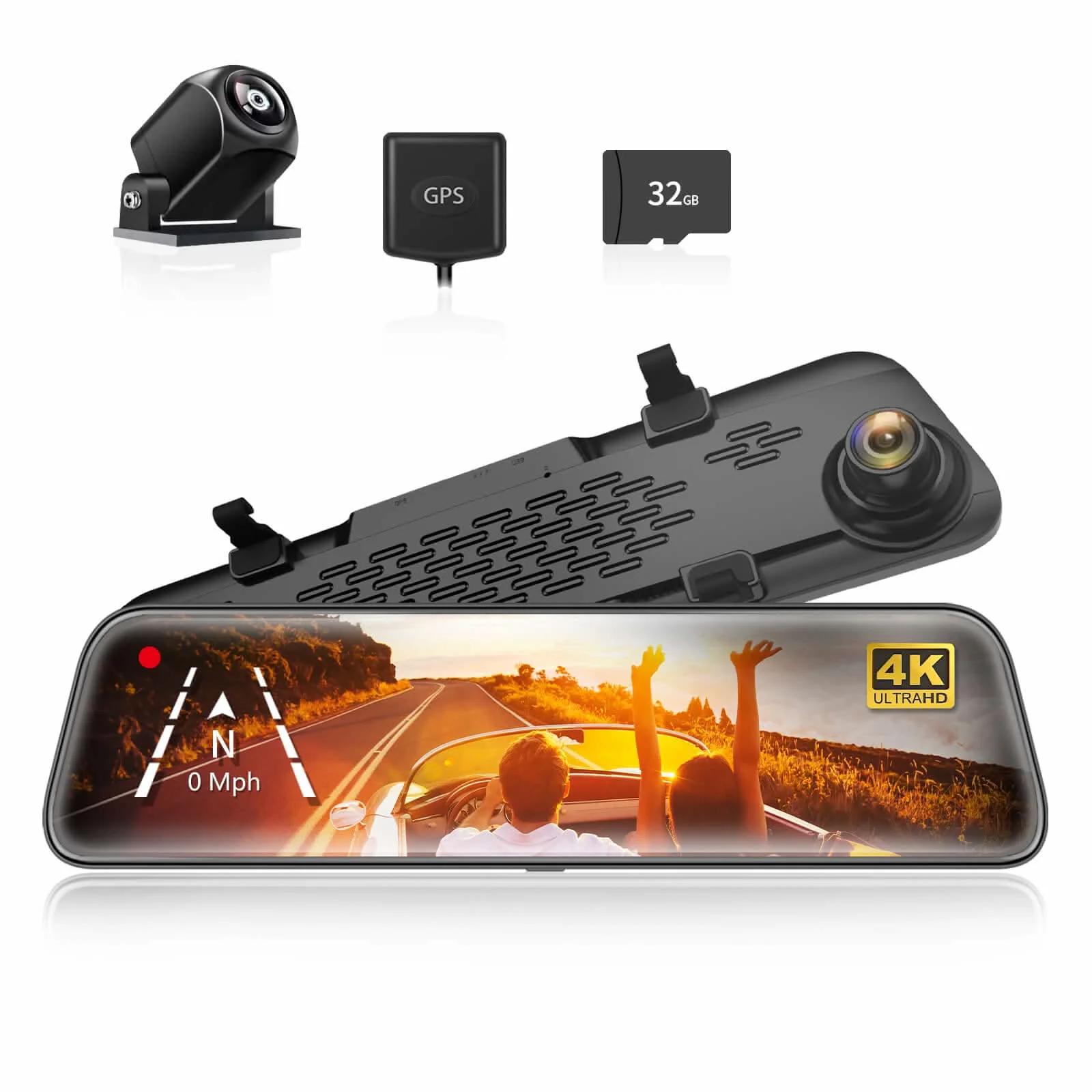
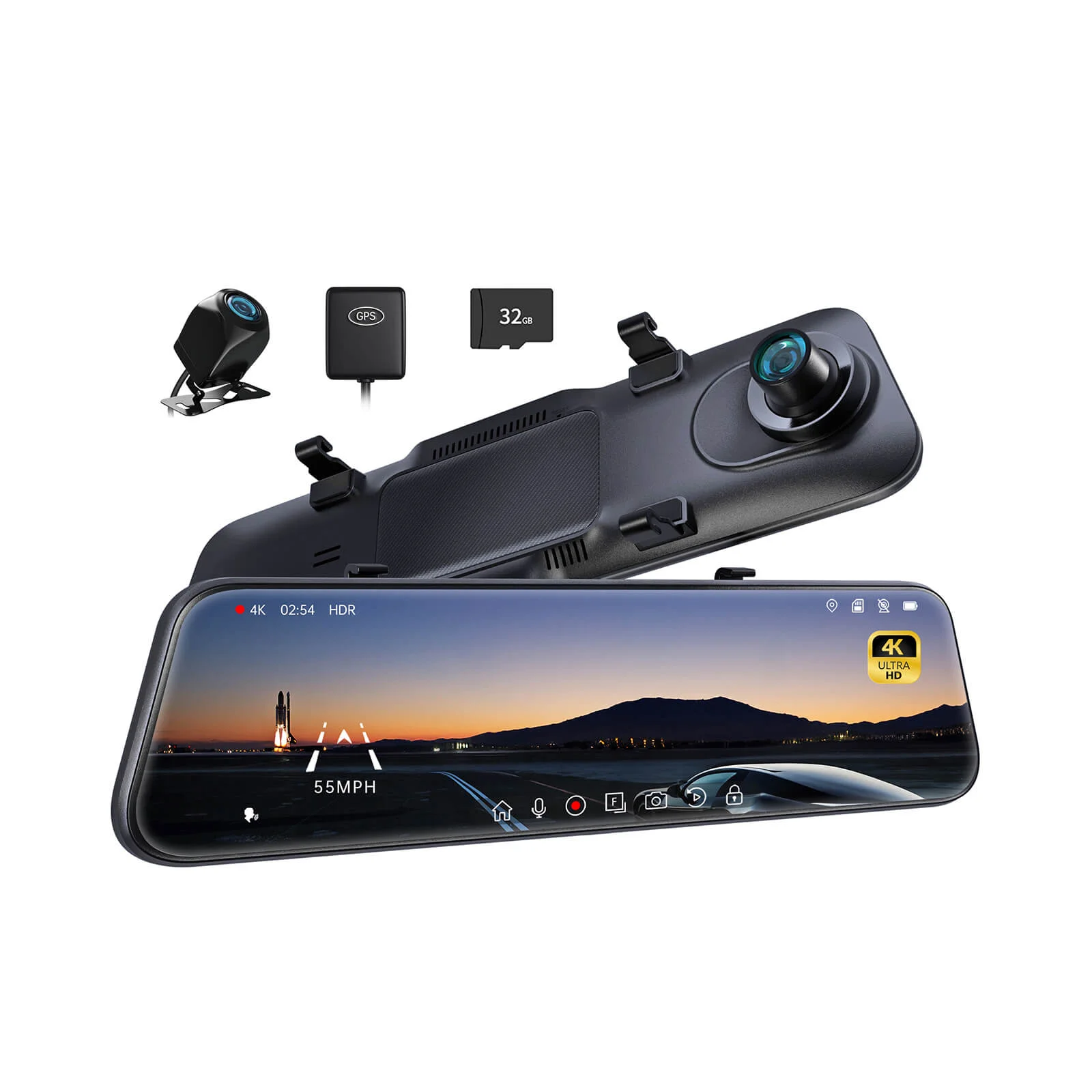
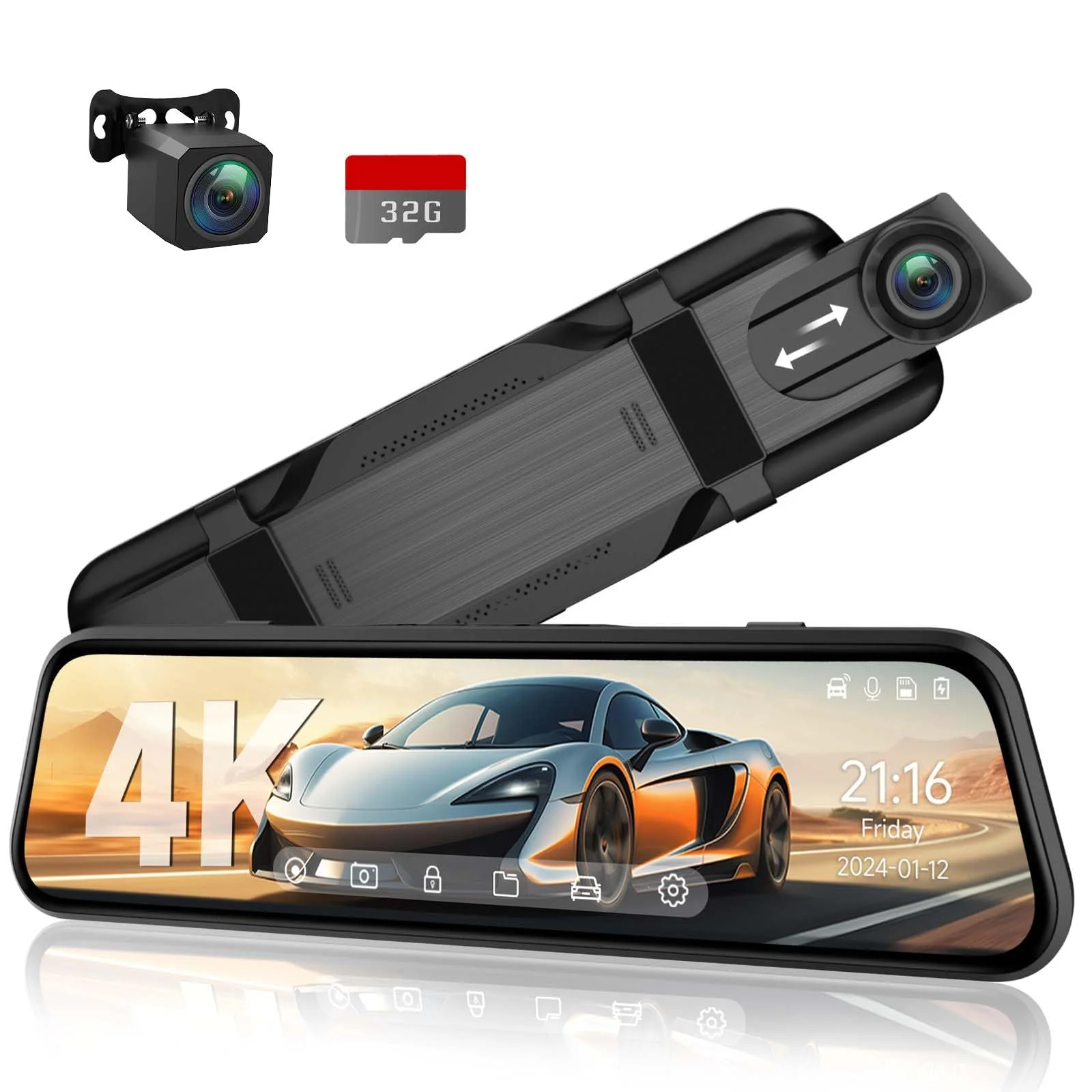
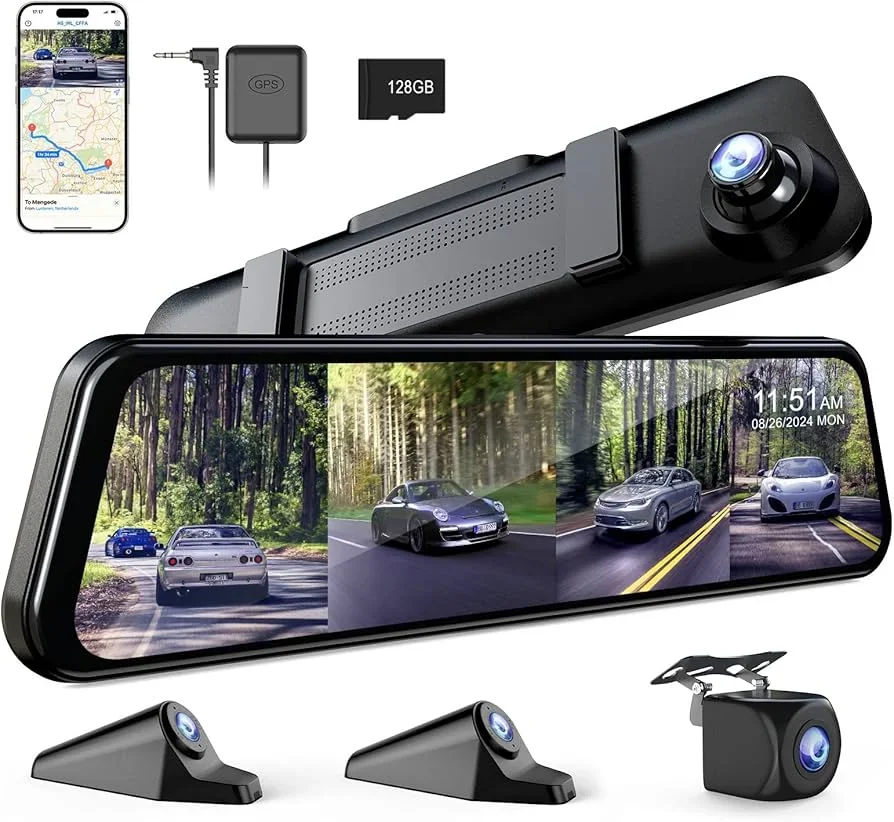
Ask a van owner or anyone who tows what dash cam to buy and the WOLFBOX G840S comes up fast. A 12-inch touchscreen that replaces your rearview mirror, a 4K front camera, a 1080p rear, GPS, voice control — for somewhere around $130.
Marketing says it replaces three gadgets at once: dash cam, backup camera, and the mirror itself. Reviews say mostly the same thing, which is exactly what made me suspicious. Nothing at this price does three jobs without shorting one of them somewhere.
So this review reads the G840S the way I read every brochure: as an opening offer. Does the 4K claim survive a dirty windshield? What does a glowing screen where your mirror used to be cost you at night? And what does the install actually involve once the box is open?
The short version: the G840S earns most of its reputation. The streaming rear view genuinely fixes the packed-cargo and trailer problem, the screen carries a real anti-glare treatment instead of a bare glossy panel, and the price is honest for what's in the box.
But it has catches the listing won't volunteer. Some owners report glare and a focus-distance adjustment that takes days, washout in hard sun shows up in review threads, and the rear camera wants a cable run the full length of your car. We'll go through all of it.
The Spec Sheet, Translated
The listing reads like alphabet soup: 4K UHD front, 1080P rear, 12-inch IPS full-lamination touchscreen, GPS, voice control, super night vision. Does each line actually matter? Run them one at a time.
- 4K front (3840 by 2160): a manufacturer-rated recording, and in practice that's the difference between reading a plate two lanes over and guessing at it — resolution is evidence insurance, and it's the spec that separates this from the $60 mirrors. The numbers don't lie on this one.
- 1080p rear: the camera doing the daily work, because its feed is what the mirror displays. It's weather-sealed for bumper or rear-glass mounting, and 1080p is enough for a usable rear view. Just don't expect rear plates at distance — no mirror cam delivers that.
- 12-inch screen: the whole point of the form factor. It's a full-lamination IPS panel with anti-glare treatment, which matters more than any camera spec here — a glossy mirror screen at night is a starburst generator, and the anti-glare coating is what the cheap units skip.
- GPS: in the box rather than as a $20 add-on dongle, so your footage carries speed and route data without an extra purchase.
- Voice control: real too — useful with a screen mounted past your natural reach.
Two specs the listing underplays: the screen's brightness range and the storage ceiling. The panel dims far enough for night driving, and the card slot is rated to 128GB — both worth confirming on any mirror cam, because the bargain units cheap out on exactly these.
Stack that sheet against the rest of the category in our mirror dash cam roundup and the G840S reads like the template the others copy. The question is what those lines feel like after the novelty wears off, which is where the rest of this review lives.
What $130 Actually Buys
They want $130 for what, exactly? Here's the box inventory:
- the mirror unit
- the rear camera with a long signal cable
- a GPS antenna
- a 12-volt power lead
- the strap mount
That's the complete starter kit — no extra purchase needed to use every headline feature except one.
The exception is parking mode, which needs a hardwire kit sold separately. Budget another twenty dollars or so if you want surveillance while parked. More on that below.
Here's where the money went: the WOLFBOX G840S spends its budget on the two parts you interact with every drive — the anti-glare 12-inch panel and the 4K front sensor. The cheap mirrors spend theirs on the box art.
Compare the math. A decent standalone 4K dash cam runs $100 to $150. A wireless backup camera kit runs $80 to $120. The G840S delivers a serviceable version of both for $130 — not the best version of either, but one install instead of two.
You're paying for consolidation, and consolidation is honest value if the compromises fit your driving. Owners consistently report the unit still earning its spot a year in when the buyer hauled cargo or towed; the returns cluster among sedan drivers who bought it as a gadget.
One more line item the listing glosses: there's no high-endurance microSD card in the standard kit, and a 4K front camera eats storage. Plan on a quality 128GB endurance-rated card — call it $15 — or the cam will be overwriting evidence faster than you'd like.
That's the pattern with this purchase: the more your rear window is blocked, the better the deal gets. An empty hatchback makes it a $130 toy. A packed van makes it the cheapest visibility fix on the page.
The 12-Inch Screen: The Part You'll Live With Every Drive
Marketing says a 12-inch 4K display. Reality: the front camera records 4K; the panel itself is a modest-resolution LCD. The "4K" is doing its work on the wrong noun, which is the oldest trick in the mirror-cam aisle.
What the panel actually has going for it is the anti-glare treatment and full lamination. At night, trailing headlights render as headlights instead of starbursts. That single property is why this screen is livable and the bare glossy $60 panels are not.
Brightness runs adjustable, and you'll use it. Owners consistently report dialing the screen down on the first night drive — at full brightness the panel sits in your peripheral vision like a phone taped to the ceiling.
Now the honest catch: focus distance. A glass mirror shows objects at optical distance; this screen sits two feet from your face. Your eyes refocus on every glance, and owner threads split on it — most adjust within a week, a stubborn minority never does and sends it back.
Does that actually matter for you? If you've used a streaming rearview mirror in a rental and hated it, believe your eyes and skip the category entirely. No spec rescues a display your vision argues with.
Bright sun is the other reported weakness. With a low sun directly behind the car, owners report the rear feed washing out for stretches — the camera meters for the glare and loses the lane detail. It recovers, but if you commute due west at sunset, count on it.
And the touchscreen: it works, with the usual caveat that a touchscreen you operate at arm's length while driving is a feature best used while parked. That's what the voice control is for.
4K Front, 1080p Rear: The Recording, Without the Hype
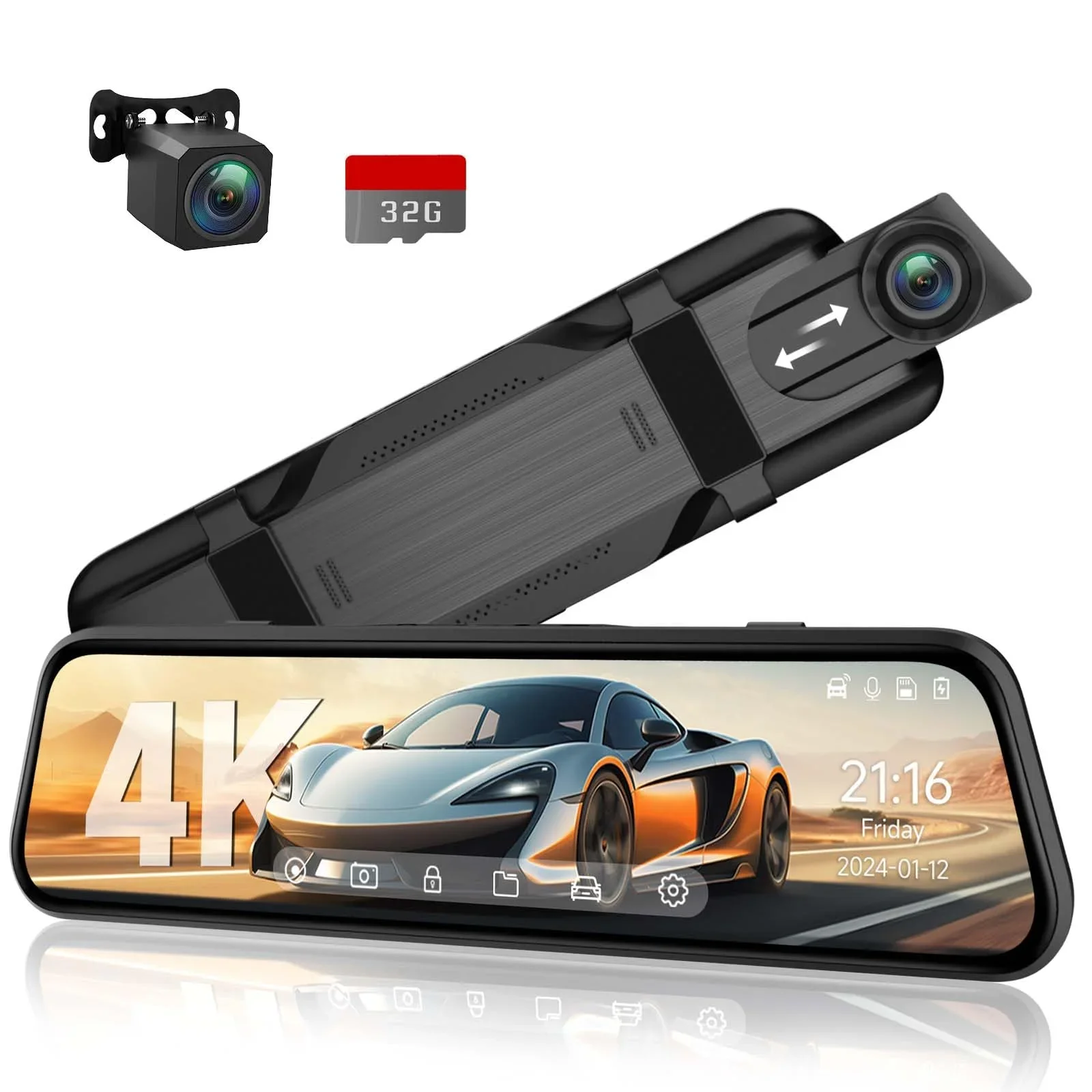
The front camera is the part that has to hold up in a claims dispute, so treat it as the main event. The manufacturer-rated 4K resolution means plate detail survives cropping — pull a frame, zoom on the car that clipped you, and the characters stay characters.
Night performance leans on a Sony low-light sensor, and the spec translates honestly: streetlit roads render usable detail. Unlit rural blackness defeats every dash cam ever sold, this one included. Judge the night sample clips owners post before you set expectations.
The wide front lens is rated around 170 degrees, which means it sees both fenders and the lane beside you. The trade is the usual one — wider means smaller, so distant plates shrink. The 4K resolution is what buys that trade back.
The 1080p rear earns its keep as a view, not as evidence. As the always-on mirror feed it's genuinely sharp; as a recording it identifies vehicles and behavior more reliably than plates. Owners towing report the rear feed alone justified the purchase — a live look past the trailer that glass can't give.
Heat deserves a mention. A screen that's on for the whole drive generates warmth, and budget mirror cams are notorious for summer glitches. Long-term owner reports put the G840S well ahead of the $60 class here, though a windshield in Phoenix in July humbles all consumer electronics equally.
One more recording note: loop recording and the G-sensor lock work the way they should — collisions flag the clip so it doesn't get overwritten. It's table stakes, but the bargain mirrors get even this wrong, so it's worth confirming it's done right here.
Marketing says "super night vision." Reviews say: good for the price, not magic. That's the honest reading of every line on this spec sheet — solid hardware, described at maximum volume.
GPS, Voice Control, and Parking Mode: Sorting the Extras
GPS in the box matters more than it sounds. Speed and location stamp onto the footage, which turns "he was flying" into a number a claims adjuster can read. Rivals charging $20 extra for the dongle are charging for the part that makes footage evidence.
Voice control is the sleeper feature. With a screen mounted at mirror height, "show rear camera" beats leaning across the cabin to stab at glass. Owners report it handling the basic commands reliably — this isn't a conversation, it's a handful of phrases that work.
The GPS antenna also feeds the speed readout on the screen, which owners report running accurate against phone GPS. Whether you want your speed displayed at mirror height is between you and your local constabulary.
Parking mode is where the asterisk lives. The cam supports time-lapse parking surveillance, but it needs constant power, which means the hardwire kit and a fuse-tap install. If that's new territory, our dash cam hardwiring guide walks the whole job.
Is parking mode worth the extra kit? For driveway parkers, probably not. For street parkers and trailhead parkers, the math changes — a parking-lot hit-and-run is exactly the footage you can't get any other way.
The feature you can skip caring about: the app and Wi-Fi transfer. It works for pulling clips, owners rate it serviceable and occasionally cranky, and you'll touch it twice a year. A card reader remains the power move.
None of these extras changes the buy decision on its own. They're the difference between a camera and a finished product — and the fact that they're all included at $130 is most of why this unit, and not a clone, owns the category.
Install Reality: Straps, Trunk Wiring, and the Auto-Dimming Catch
The install pitch is "straps on in five minutes," and the front half of that is true. Two rubber straps over your existing mirror, snug them evenly, done. The unit weighs more than the bare mirror, so on long mirror stalks owners report checking for sag after the first week.
The rear camera is the real afternoon. Its cable run goes, in order:
- from the mirror across the headliner,
- down a pillar behind the trim,
- the length of the car through door jambs,
- to the rear glass or plate area.
Done right it's invisible. Done lazily it's a cable draped across your interior like holiday lights.
Hatchbacks and vans add the rubber boot between body and tailgate, which is a knuckle-skinning twenty minutes on some vehicles. Budget a patient hour or two for the whole job, not five minutes. Or pay an installer the better part of a hundred dollars to route one wire — your call.
Now the catch nobody reads until after: if your factory mirror auto-dims or carries HomeLink garage buttons, strapping a screen over it buries those functions. The auto-dimming loss is partly covered by the G840S's own anti-glare panel; the garage buttons are just gone under there.
Check what your mirror does before ordering. That one minute of looking at your own mirror is the highest-value research in this entire purchase, and it's the step the return reasons say people skip.
One installer's trick from owner threads: mount and aim the rear camera before you hide the cable. Re-aiming after the trim is back on is the kind of mistake you only make once, usually in a parking garage, usually while late.
Power is the easy part — a 12-volt lead to your socket gets you driving-mode recording today, and the hardwire upgrade can wait for a free weekend.
What Owners Praise — and What They Return It Over
Read a few hundred owner reviews and the praise clusters hard around three things:
- The rear view. Van drivers, RV towers, and anyone with a cargo area packed to the headliner describe the streaming mirror as the fix for a blindness they'd accepted as permanent.
- The look. The G840S reads as factory equipment from outside the car — no camera box on the windshield advertising itself to smash-and-grab artists. For people who park in cities, the stealth is a feature with a deductible attached.
- The longevity. Long-term owners report the thing simply continuing to work — the screen surviving summers, the straps holding, the rear feed staying connected. Unglamorous, and exactly what the $60 class fails at.
The complaints cluster just as predictably:
- Focus distance leads the list — the minority whose eyes never settle.
- Sun washout on the rear feed is second.
- Install regret is third, from people who expected five minutes and met the trunk cable run.
Marketing says everyone loves it; the actual distribution says most do, for identifiable reasons, and the rest return it for equally identifiable ones. That's useful. Match yourself to the right column and the purchase is close to risk-free.
What you don't find in the complaint pile matters too: dead units, corrupted cards, and support horror stories appear at background rates, not as a pattern. For a category full of disposable electronics, that's the quiet headline.
Owners consistently report one more pattern worth flagging: the people happiest at the one-year mark hardwired it, aimed it carefully, and bought the good SD card up front. The unhappy ones treated a permanent install like a phone accessory. The unit rewards being taken seriously.
G840S vs. Pelsee P12 Pro vs. the Budget Mirrors
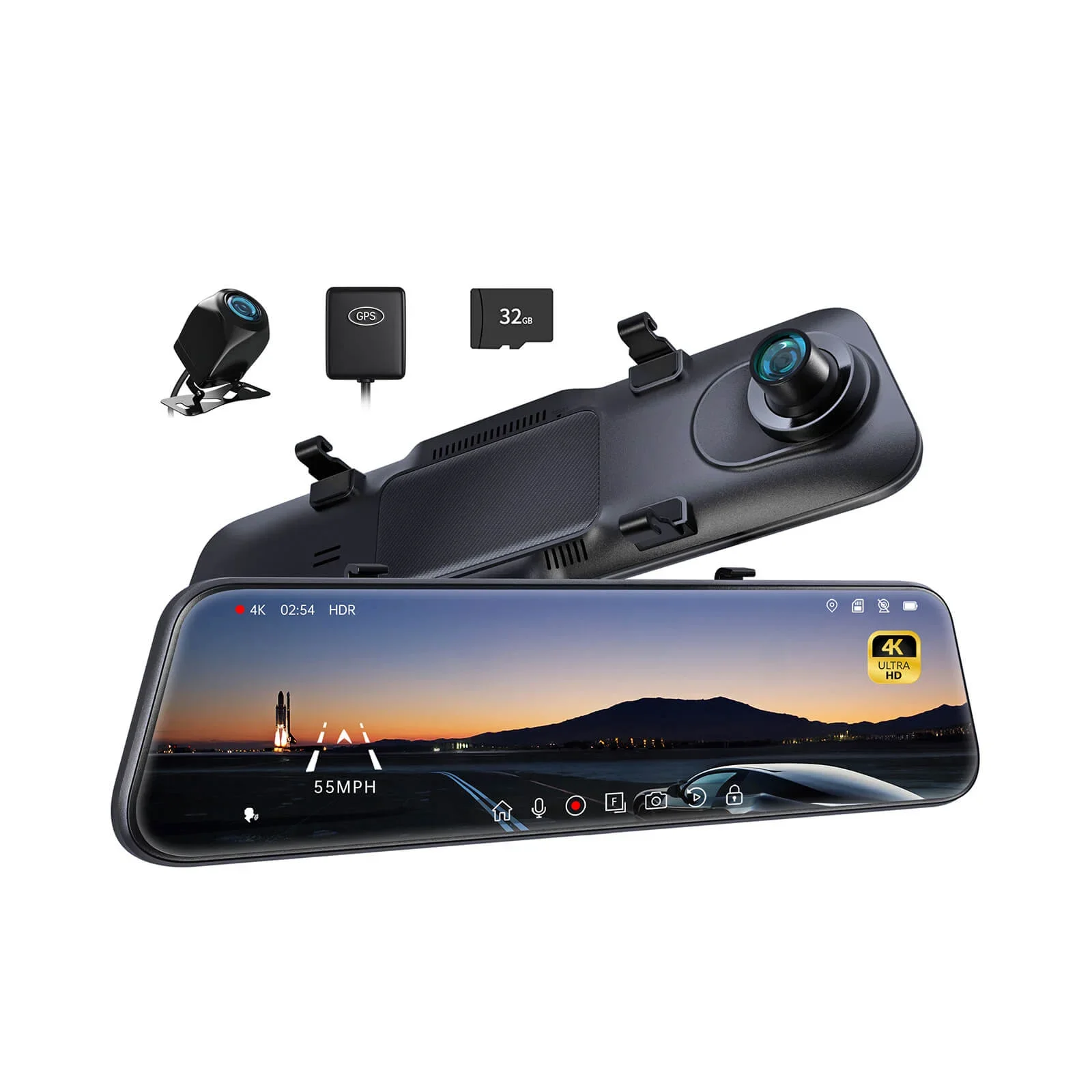
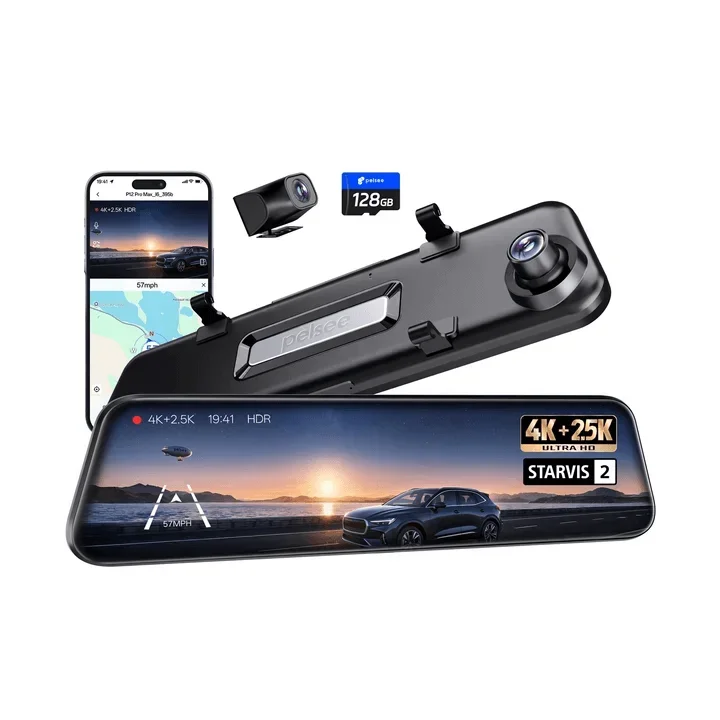
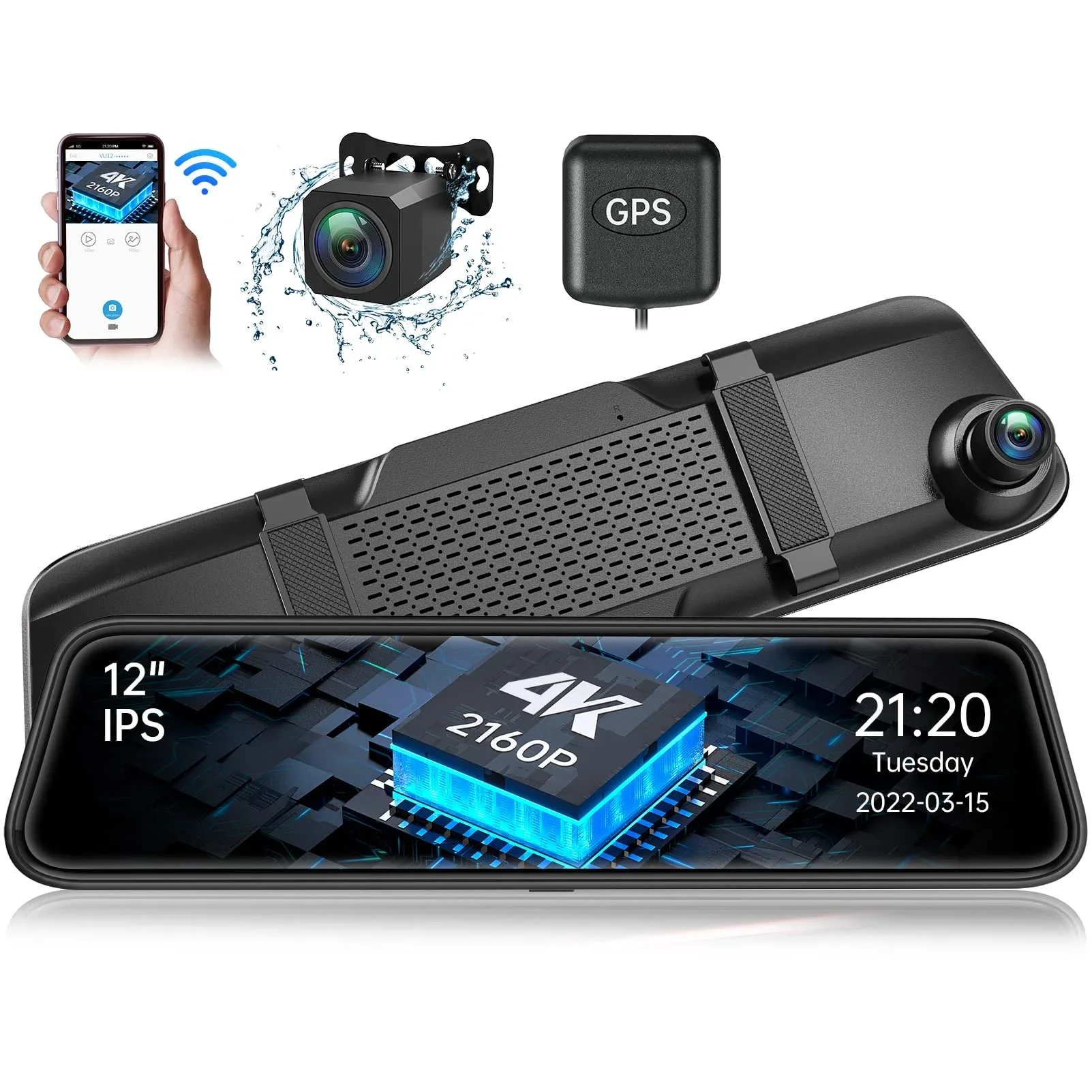
The real shopping decision sits between the G840S at $130, the Pelsee P12 Pro at about $100, and the $60 crowd led by the Veement 4K.
| Model | Price | Where it wins |
|---|---|---|
| WOLFBOX G840S | $130 | Night front footage, more polished rear feed, longest ownership track record |
| Pelsee P12 Pro | ~$100 | Matches the big anti-glare screen and a named sensor for about $30 less |
| Veement 4K | ~$60 | Cheap streaming rear view for a beater — not evidence-grade recording |
The Pelsee is the genuine rival. It matches the big anti-glare screen and a named low-light sensor for roughly $30 less, and side-by-side clips in owner and forum threads put the two within a coin flip on daytime footage. The G840S answers with the more polished rear feed and the longer ownership track record.
Marketing for both says 4K; the owner footage says the G840S's night front recording holds an edge, and the Pelsee's price holds the counter-edge. If $30 matters, the Pelsee is the smart buy. If you want the category's default — the unit every rival gets compared against — that's the WOLFBOX.
The Veement and the rest of the $60 shelf deliver the form factor and not much else: glossier screens, vaguer sensor claims, and the summer-glitch reviews. As a cheap streaming rear view for a beater, fine. As evidence-grade recording you'll trust in a dispute, that's not what's on sale down there.
One spec-sheet footnote on the rivals: the Pelsee bundles vary on GPS and cards by listing, and the budget units often charge for the GPS dongle separately. Price the complete kit you'd actually order, not the headline number — the $30 gap shrinks once the add-ons land in the cart.
And consider the boring alternative: if your rear window is clear and you don't tow, a conventional two-channel cam delivers better pure recording per dollar — our 4K dash cam guide covers that lane. The mirror format wins on visibility, not on camera-per-dollar.
That's the honest matrix: blocked view or trailer, G840S. Same idea for less, Pelsee. Beater car and modest goals, Veement. Clear window and a recording mission, skip mirrors entirely.
Who Should Buy It — and Who Shouldn't
Buy the G840S if your rearview mirror is underemployed: vans, campers, packed SUVs, trailers, tall headrests, dogs in the cargo area. The streaming rear view solves your actual daily problem, and the dash cam comes along for the ride.
Buy it too if your last cam grew legs in a parking lot. The mirror disguise is real security through boredom — there's nothing on the windshield to want.
Skip it if you drive an empty-windowed sedan and want maximum evidence quality per dollar — a conventional cam wins that fight. Skip it if a rental car's camera mirror ever made your eyes complain. And skip it if your factory mirror's auto-dimming and garage buttons are non-negotiable.
The borderline case is the commuter who just thinks the big screen looks cool. It does. It's also $130 for an aesthetic, and the install asks an afternoon. Does that actually matter to you in month three? Be honest before checkout, not after.
And one fit note: measure your mirror. The unit spans twelve inches; a few compact cars carry stubby factory mirrors that leave it overhanging awkwardly. The straps fit nearly everything — elegance is the variable, and owner photos on the listing are the quickest reality check.
If you're in the buy column, order the hardwire kit and a 128GB endurance card in the same cart. Two small add-ons turn it from a gadget into a finished install, and they're the difference between the one-star and five-star ownership stories.
The Verdict on the WOLFBOX G840S
The G840S is that rare product where the hype and the spec sheet mostly agree. The WOLFBOX G840S delivers the mirror-cam promise — a genuine 4K front, an anti-glare screen you can live with at night, a rear view that beats glass in a loaded vehicle — at $130, which is the fair price, not the inflated one.
Score it like a skeptic. Screen: a strong pass, thanks to the anti-glare panel. Front camera: a pass with the usual night-footage caveats. Rear camera: a pass as a view, a shrug as evidence. Extras: unusually complete, with GPS in the box. Install: honest work. Value: real.
The catches are just as real, but narrow: a focus-distance adjustment some eyes refuse, sun washout on the rear feed, an install that's an afternoon rather than five minutes, and a buried auto-dimming mirror. Every one of them is checkable before you order. Check them.
What would make it perfect is a rear sensor a class up and a strap mount that ignores weight — and the moment a rival ships that for $130, this review changes. Today nothing on the shelf does, which is why the G840S keeps the crown by default as much as by merit.
My verdict: for haulers, towers, and city parkers, this is the mirror cam to buy — the rare $130 that competently replaces $230 of separate hardware. For empty sedans chasing footage quality, spend the same money on a conventional two-channel instead. — Tom Reyes
The units compared in this review: WOLFBOX G840S 12" 4K Mirror Dash Cam ($129.99), Pelsee P12 Pro 4K Mirror Dash Cam ($99.99), and Veement 4K Rear View Mirror Camera ($59.99) — judged on the same published specs and owner consensus.