
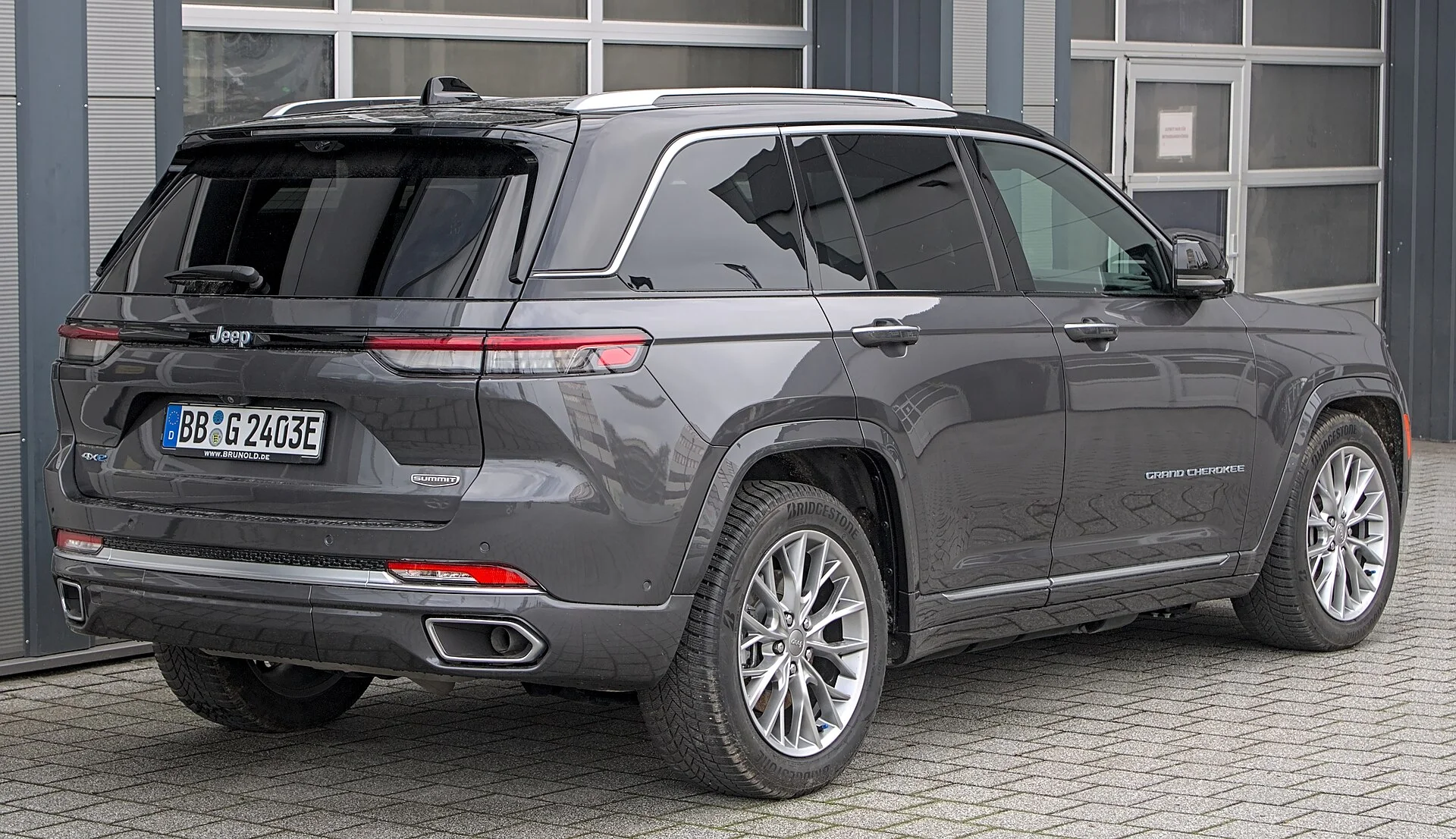
The Short Answer: Yes, and the Scary Number Isn't What It Looks Like
Here's what trips people up before they ever buy a tent: they read that a Jeep Grand Cherokee's roof is rated for about 150 lb, do the math on two adults, and conclude the roof can't take it. That reading is wrong, and it costs people a perfectly good camping setup. The 150 lb figure is a dynamic load rating - the most the roof is rated to hold while the vehicle is moving - and it has almost nothing to do with what the parked roof carries at night.
Owners of the current WL generation report the owner's-manual dynamic roof limit landing in the 150 to 165 lb range. That number governs the drive: the folded, empty tent plus the crossbars, nothing more. The two sleepers you're worried about are never up there while the Jeep is rolling.
Once the Grand Cherokee is parked, a different and much larger rating takes over. So the real answer is yes, a rooftop tent fits, and the whole trick is understanding why a roof rated at 150 lb moving can safely hold roughly 490 lb of tent and people sitting still. That's the mechanic's version of the story, and it's the one that matters.
Why the Grand Cherokee's Roof Says 150 (It's Not Weakness)
The reflex is to assume a 150 lb roof limit means a flimsy roof. It doesn't. The dynamic roof limit is kept low mainly because of the raised center of gravity and rollover risk, not because the roof panel is weak. Put too much weight up high on a tall SUV and you change how it behaves in a hard corner or an emergency lane change - that's the risk the low number is protecting against, not a sheet-metal failure.
This matters because it reframes the whole purchase. You're not shopping for a roof that can hold two people while driving; nobody drives with people on the roof. You're shopping for a tent light enough that the empty, folded package stays under the dynamic limit on the highway, where handling and rollover margin are the real concern.
The Grand Cherokee is a heavy, capable SUV, and its roof structure is built to match. The number that looks limiting is a stability figure. Read it that way and the fear evaporates - you keep the driving weight sensible for handling, and you let the parked roof do the heavy lifting once you stop for the night.
There's a practical upside to a stability-driven limit, too. It means the fix for wanting more capacity isn't reinforcing a weak roof - it's managing the load and, if needed, spreading it across a proper rack so the center of gravity stays controlled. That's a solvable problem with hardware, not a dead end. The Grand Cherokee was never going to fail structurally under a tent; it was only ever going to handle worse with too much weight up high, and that's exactly what a light tent and a sensible driving speed keep in check.
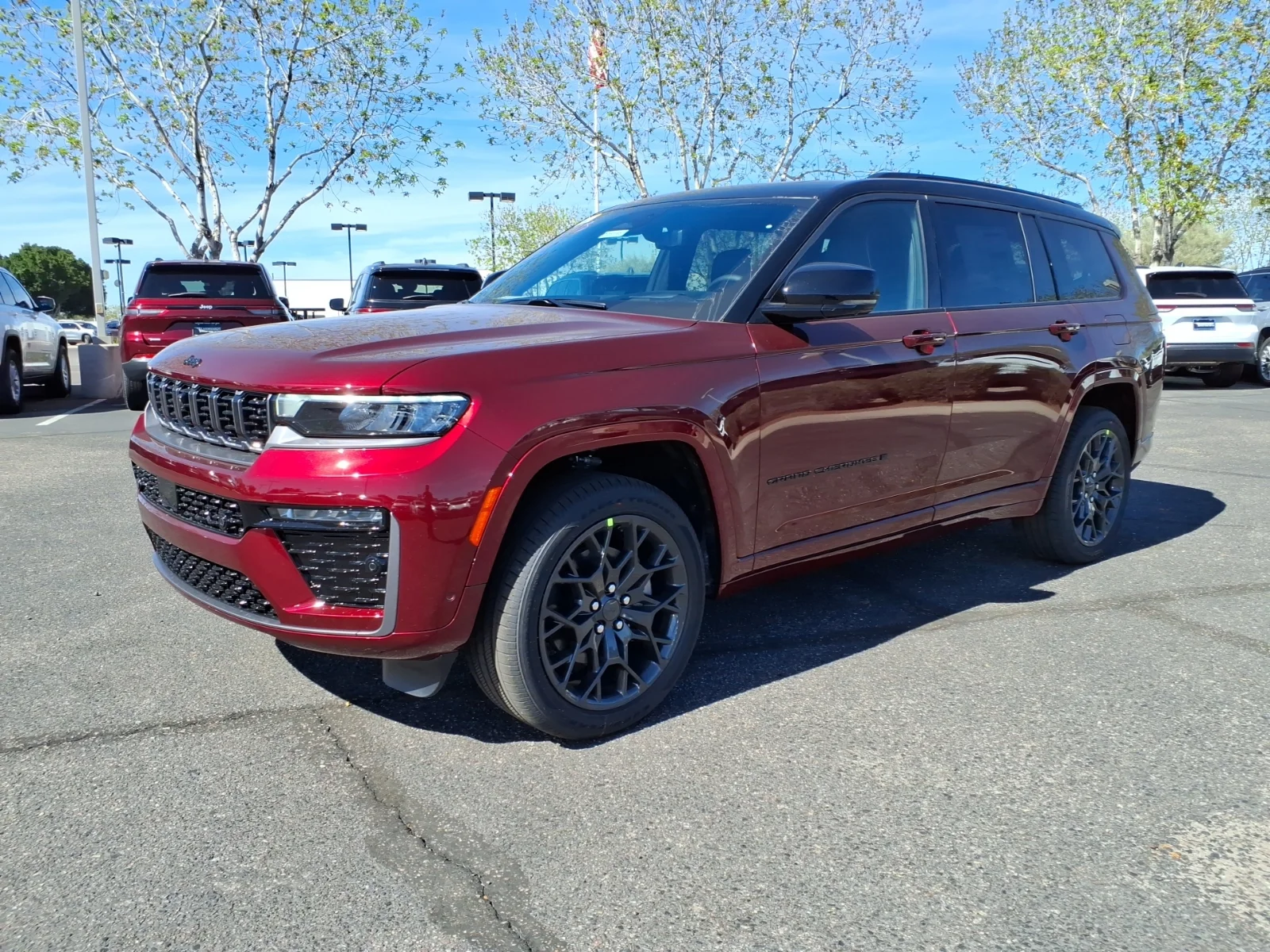
The Static Number Is the One That Holds You Overnight
Here's the number the spec sheet doesn't print big: the static roof capacity, meaning what the parked roof can hold, is far higher than the dynamic number and is what a rooftop tent actually relies on overnight. Forum and vendor guidance for the Grand Cherokee puts usable static roof capacity in the several-hundred-pound range once the load is spread across proper crossbars, commonly cited around 800 lb with good distribution.
Against that, two sleepers stop being a problem. Two adult occupants add roughly 350 to 500 lb of static load, which the parked static capacity is designed to handle even though it exceeds the dynamic number. For a 130 lb tent plus two roughly 180 lb occupants, the parked roof sees about 490 lb - well within typical static capacity but far above the 150 lb dynamic figure that only applies while driving.
That 490 lb versus 150 lb gap is the entire misunderstanding in one line. The people are a parked load, the tent-while-driving is a moving load, and the roof is rated separately for each. Get that straight and a Grand Cherokee looks exactly like what it is: a strong platform for a tent.
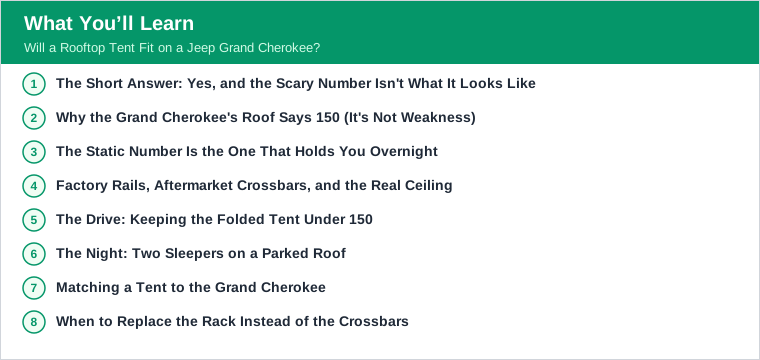
Factory Rails, Aftermarket Crossbars, and the Real Ceiling
Before any tent goes up, there's a hardware step buyers skip. Factory roof rails on the Grand Cherokee are side rails only and require aftermarket crossbars before a rooftop tent can be mounted. The rails run front-to-back; the tent needs bars running side-to-side to clamp onto. No crossbars, no tent - it's that simple.
The good news is the crossbar market for this Jeep is strong. Aftermarket crossbars sold for the 2021 to 2025 Grand Cherokee are commonly rated around 220 lb dynamic load capacity, and across model years and bar designs the ratings generally fall between about 165 lb and 265 lb. Any of those comfortably clears the roof's own 150 lb dynamic limit, which is exactly what you want - the roof, not the bars, becomes the governing number.
This is the one place not to cut corners. A set of properly rated aftermarket crossbars keeps the whole system honest. Buy bars rated well above the roof limit, spread them properly, and confirm the fit kit matches your generation's rails before the tent ever shows up.
The Drive: Keeping the Folded Tent Under 150
All the driving discipline comes down to one sum: the folded, empty tent plus the crossbars must stay under the roughly 150 lb dynamic limit. A 130 lb hardshell tent already approaches that 150 lb factory limit before any gear is added, so on stock-style crossbars the tent must be lightweight or the rack upgraded for highway driving.
Because the tent is folded and empty while the Jeep is moving, a sub-150 lb tent like a Roofnest Sparrow or a Smittybilt Overlander can stay within the factory dynamic limit on the road. That's the target: a tent whose closed weight, plus the bars, doesn't cross 150 lb. Yakima's fit guide lists its Skyrise rooftop tents as compatible with the Grand Cherokee, supporting the idea that a tent-plus-rack under 150 lb works on stock-style crossbars.
The mistake at mile 300 is loading gear into the tent and forgetting it counts. Anything left inside the folded tent - bedding, a pillow, a stray duffel - adds to the driving load. Keep the tent empty on the highway, and you keep the whole system under the number that governs how the Jeep handles.
The Night: Two Sleepers on a Parked Roof
Once you're stopped and set up, the numbers get comfortable fast. A 130 lb tent plus two sleeping adults lands the parked roof around 490 lb, and that figure sits well inside the several-hundred-pound static capacity the Grand Cherokee's roof provides with a good crossbar spread. The rollover concern that shaped the 150 lb driving limit is gone the moment the Jeep is parked and level.
The tent design helps, too. Every Roofnest rooftop tent, for example, is rated to support up to about 650 lb of occupants and gear when deployed, so the tent itself isn't the weak link for two people. Between the tent's own rating and the roof's static capacity, a couple sleeping up top is squarely within spec.
What you don't do is move the vehicle with anyone inside. That's the one hard rule that turns a parked static load back into a moving dynamic load the roof isn't rated for. Park it, level it, climb in - and the overnight math takes care of itself.
Matching a Tent to the Grand Cherokee
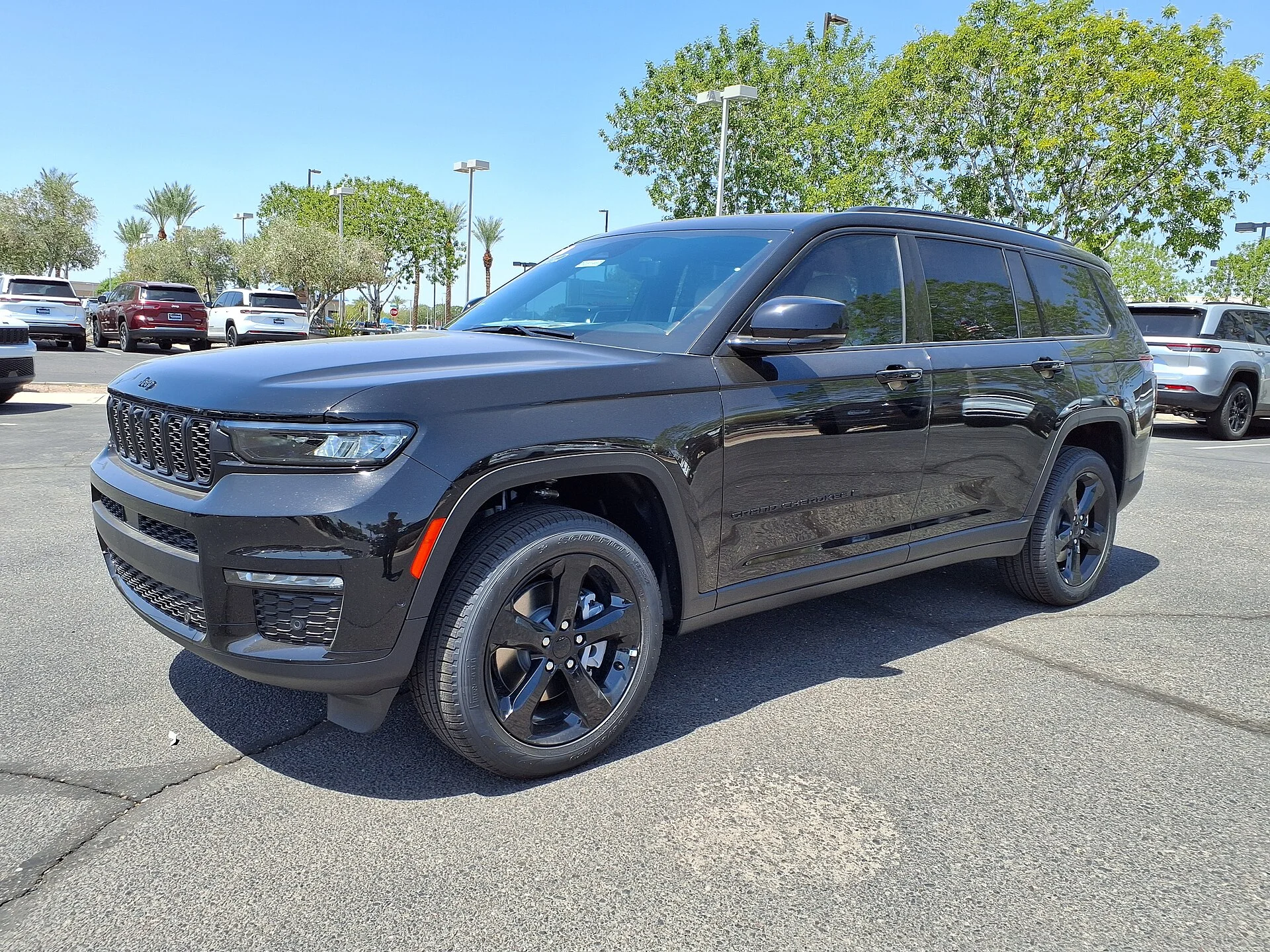
With the two numbers understood, tent selection is straightforward. For staying under the factory dynamic limit on stock-style crossbars, look at lighter hardshells and softshells. The Roofnest Sparrow Adventure hardshell weighs about 130 lb, and the larger Sparrow XL weighs about 155 lb - already at the edge of the factory rating once bars are added.
Softshells offer some of the lightest options. The Smittybilt Overlander Gen 1 softshell weighs about 117 lb, and the Overlander XL Gen 2 comes in around 139 lb net. Both can work within the factory limit, but here's the catch the box doesn't advertise: Smittybilt states the Overlander tent needs a mounting system rated to at least 300 lb dynamic and 661 lb static capacity, which exceeds the factory 150 lb rating and points you toward a stronger rack.
The heavier end of the market is off the table for stock crossbars. Roofnest hardshell models range from roughly 130 lb up to 205 to 240 lb for the larger Condor Overland tents, and anything in that upper band needs a replacement rack, not a set of crossbars. On a Grand Cherokee, the light tents keep the build simple.
When to Replace the Rack Instead of the Crossbars
Sometimes the right move isn't better crossbars - it's a whole new rack. If you want a heavier tent or a full gear platform, an aftermarket rack that bolts to the roof structure changes the equation. An Offroad Animal rack for the Grand Cherokee, for instance, raises the rated roof load to 264 lb dynamic, which is 120 kg, and 528 lb static, which is 240 kg.
That higher dynamic rating is what opens the door to heavier tents. A Smittybilt Overlander, whose maker asks for 300 lb dynamic capacity, exceeds the factory 150 lb rating and is better paired with a replacement rack like a Gobi, Rocky Road, or Offroad Animal unit. The rack becomes the load path, and its published dynamic number - not the factory figure - governs, provided it mounts to the structure properly.
The trade-off is cost, weight, and install complexity. A full replacement rack is a bigger investment than a crossbar set and a heavier permanent fixture on the roof. It's the right call for a committed overlander running a big hardshell; it's overkill for someone who just wants a light tent for weekend trips.
Curb Weight, Trim, and What It Means for the Build
The Grand Cherokee is a heavy vehicle, and that context matters when you're staring at roof numbers. A typical curb weight for a 2022 Grand Cherokee Laredo is about 4,618 lb. The Overland trim runs roughly 4,791 lb, and the Summit Reserve reaches about 5,086 lb. Across trims, the 2022 curb weight spans roughly 4,238 lb to 5,558 lb depending on drivetrain and options.
Why does that matter for a tent? Because it puts the roof load in perspective. A 130 lb tent is a tiny fraction of a vehicle that already weighs well over two tons, so the concern was never total mass - it's where that mass sits and how it affects the handling of a tall, heavy SUV. The dynamic limit is a stability rule for exactly this kind of vehicle.
Trim also affects your rail situation and ride height, so confirm your specific year and trim's roof rails and factory rating before buying bars. The heavier, higher trims don't get a higher roof limit for being heavier - the dynamic figure is about the center of gravity, which the extra curb weight up high only reinforces.
The Verdict: A Strong Tent Platform Once You Read the Two Numbers Right
A Jeep Grand Cherokee makes a strong rooftop-tent platform, and the only thing standing between most buyers and that conclusion is a misread number. The roughly 150 lb dynamic limit is a driving-and-stability figure that covers the empty folded tent and crossbars on the highway. It is not the roof's real strength, and it is not what holds you at night.
The static capacity - several hundred pounds with a good crossbar spread, commonly cited near 800 lb - is what carries the tent plus two sleepers, roughly 490 lb for a 130 lb tent and two adults. Keep the driving weight under 150 lb with a light tent on rated crossbars, or step up to a replacement rack like an Offroad Animal at 264 lb dynamic for a heavier setup.
Do that, and the Grand Cherokee gives you exactly what a mechanic wants from a rig: a strong, predictable platform where the limits are understood and respected. Buy the tent by its closed weight, mount it on bars rated above the roof, and never roll with anyone up top. Confirm your generation's rails and manual figure before ordering any hardware, and the rest is just picking a good campsite for the night.