
What to Do Immediately When Your Car Breaks Down on a Road Trip
When your car decides to take an unscheduled nap on the side of the road, especially miles from anywhere, it's not exactly a fun surprise. Think of it like your car suddenly remembering it's supposed to be a stationary object.
When your car decides to take an unscheduled nap on the side of the road, especially miles from anywhere, it's not exactly a fun surprise. Think of it like your car suddenly remembering it's supposed to be a stationary object. The immediate panic is real, I've been there, but knowing the basic steps can save you a lot of headache and potentially a lot of money.
This isn't about knowing how to fix the alternator with a paperclip, it's about not becoming a roadside hazard or a target for sketchy tow truck operators. It's about getting yourself and your vehicle to a safer spot, pronto. YourMechanic Advice says preparation is key, and I've learned that the hard way.
The Core Answer
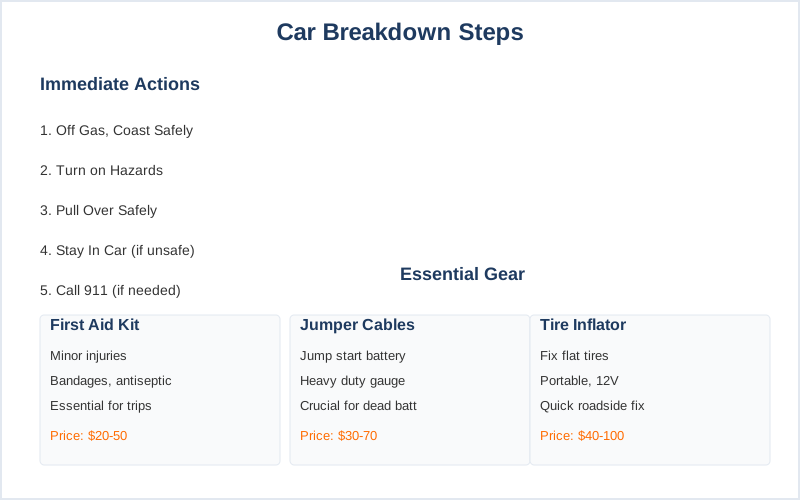
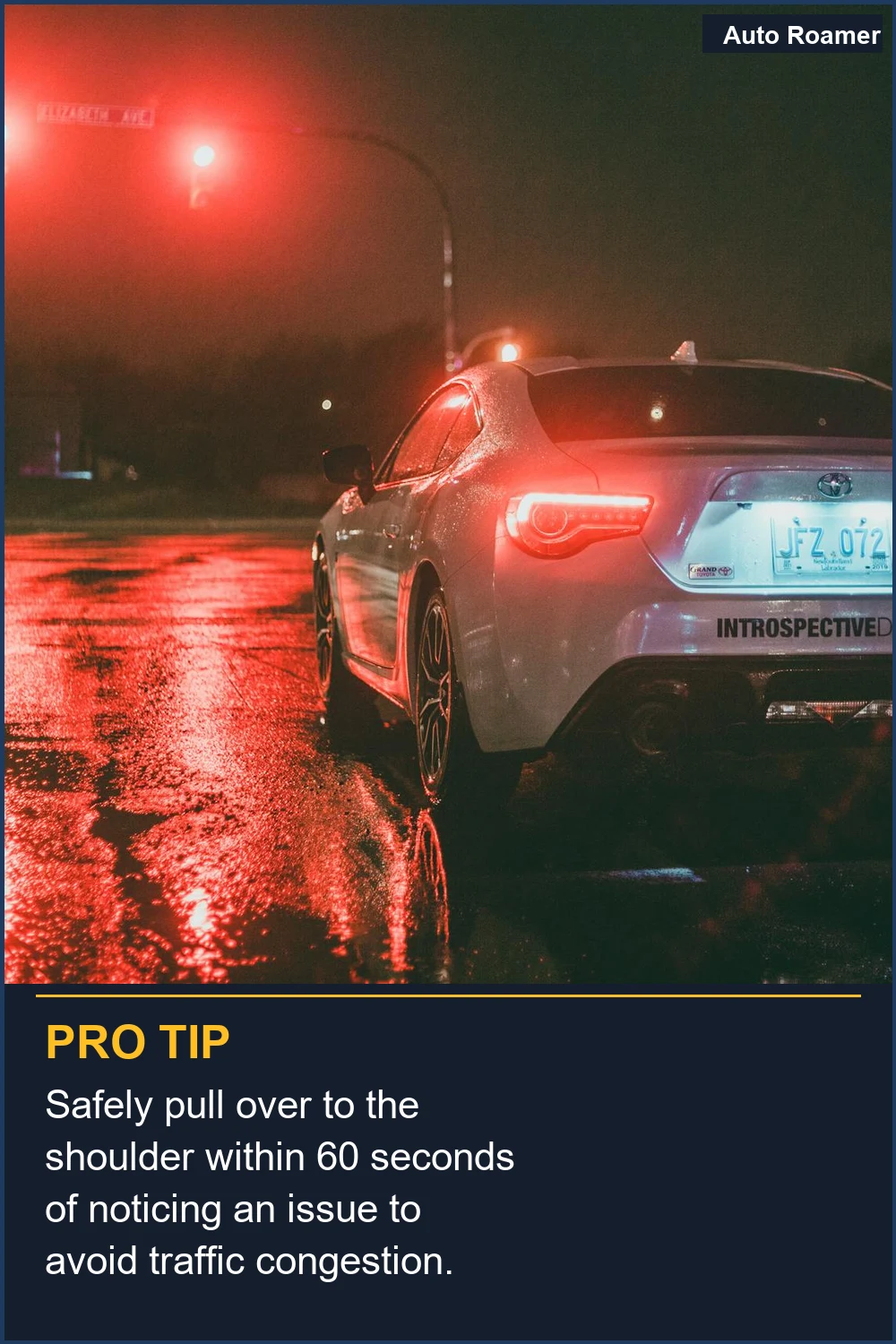
The very first thing you need to do when your car starts making weird noises or the dashboard lights up like a Christmas tree is to get your foot off the gas. Don't slam on the brakes, though. Think smooth coasting. Your goal is to get out of the flow of traffic as quickly and safely as possible Progressive. My first breakdown was on a highway outside of Nashville, and I just let it roll to the shoulder. My heart was pounding, but the car kept moving. Once you've come to a stop, turn on your hazard lights immediately. This is your car's way of screaming for attention, so other drivers know you're in trouble. If you can, try to pull over onto a level surface. Sleeping in your car later is a whole other issue, but for now, just get off the main road. AAA recommends this for obvious safety reasons. If you're on a busy highway and can't safely pull over, stay in your car with your seatbelt on and call 911. Seriously. Let the police handle directing traffic around you. I once had a tire blow out on a rural road, and even though it wasn't a highway, I still felt vulnerable. The police showed up and helped me flag down a tow truck. Reddit users also confirm calling the authorities is a solid move. If you're in a safer spot, like a parking lot or a quiet side street, and you know what the problem is (or suspect it), you can try to assess. But if you're clueless or it looks serious, don't mess with it. Call for roadside assistance. This is where having a membership like AAA or even a credit card with roadside benefits pays off. My dad always told me to have a plan B, and that plan B usually involves someone else fixing my car. If you don't have roadside assistance, you'll need to find a tow truck. This is where things can get dicey. Get a quote over the phone before they hook you up. I've heard horror stories of people getting ripped off by shady tow companies, especially in tourist areas. The honest version: get a recommendation if you can, or at least ask for the company's reputation. Sanderson Auto Repair suggests focusing on getting your people to safety and finding a place to stay, which is smart. When you're stranded, especially overnight, you need to think about where you're going to sleep. Is there a safe place nearby? A well-lit truck stop or a motel? I once got stranded in a small town in Ohio, and the only 'safe' place to sleep was my car in a gas station parking lot. Not ideal, but it beat sleeping under a bridge. The real move is to have a plan for where you'll go if the car is out of commission for a while. Endurance Warranty talks about finding a place to stay, which is crucial.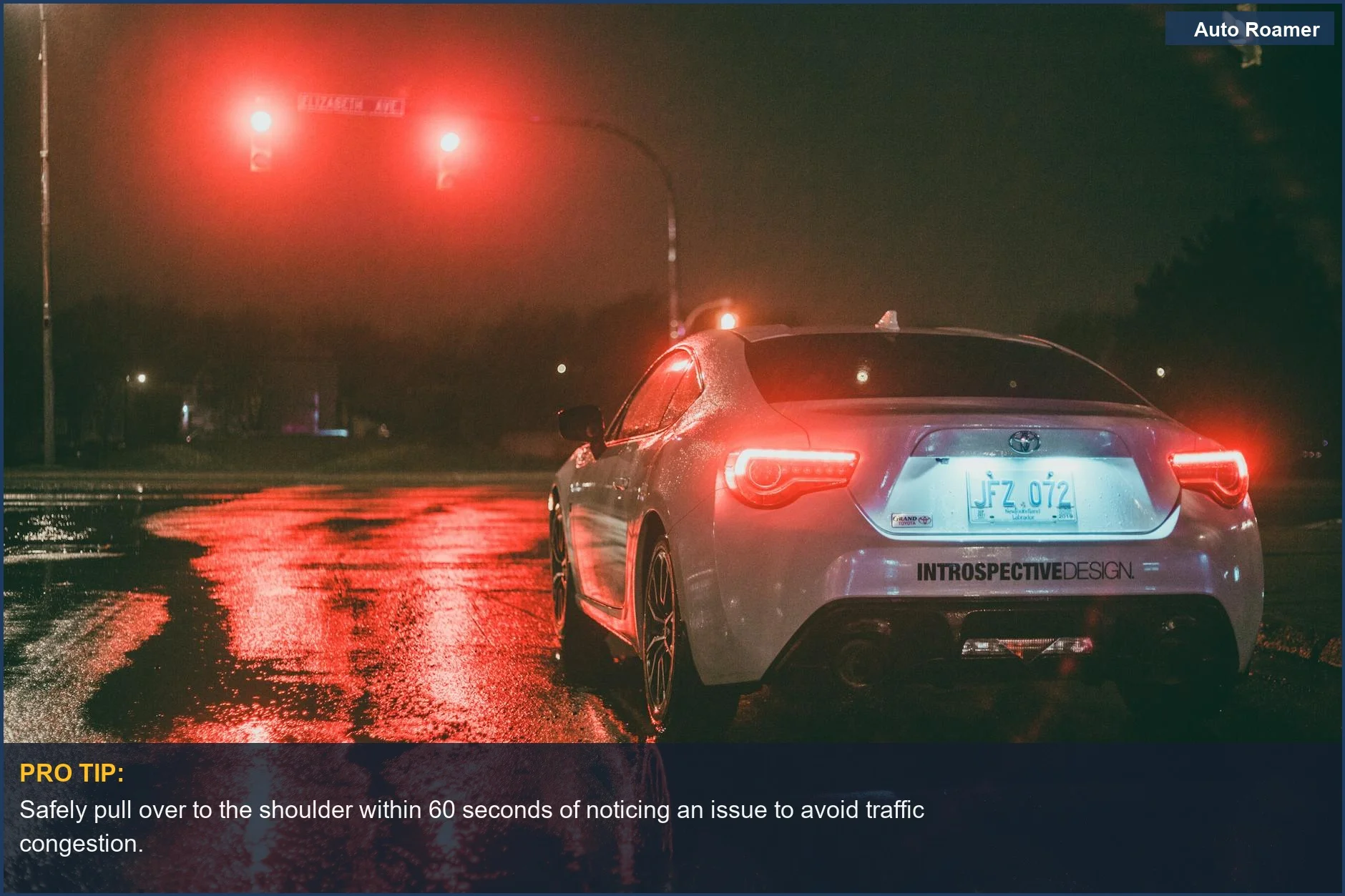
Why This Matters for Your Setup
Why does this matter for your car camping setup? Because sometimes your car IS your setup. If your ride dies, your shelter, your kitchen, and your entire weekend vacation goes with it. It's not just about getting the car fixed; it's about your immediate safety and then figuring out how to salvage your trip.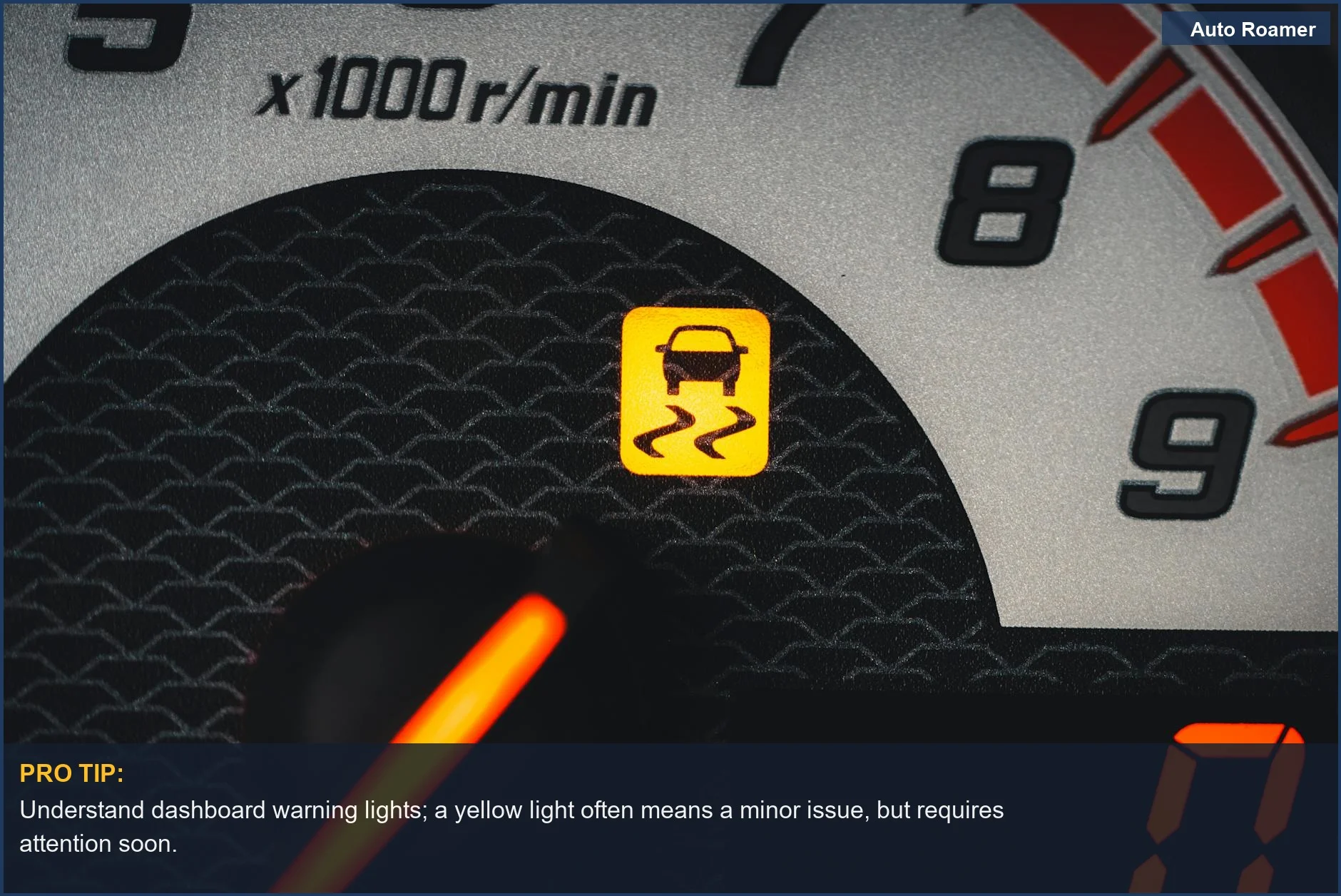
Making the Right Choice
When your car decides to quit on you, remember it's not the end of the world, just a really annoying detour. The core move is always safety first: get off the road and make yourself visible. Then, call for help. It's not glamorous, but it's effective. Quora users suggest getting it fixed, buying a replacement, or abandoning it and calling a taxi - which sounds about right for different levels of desperation.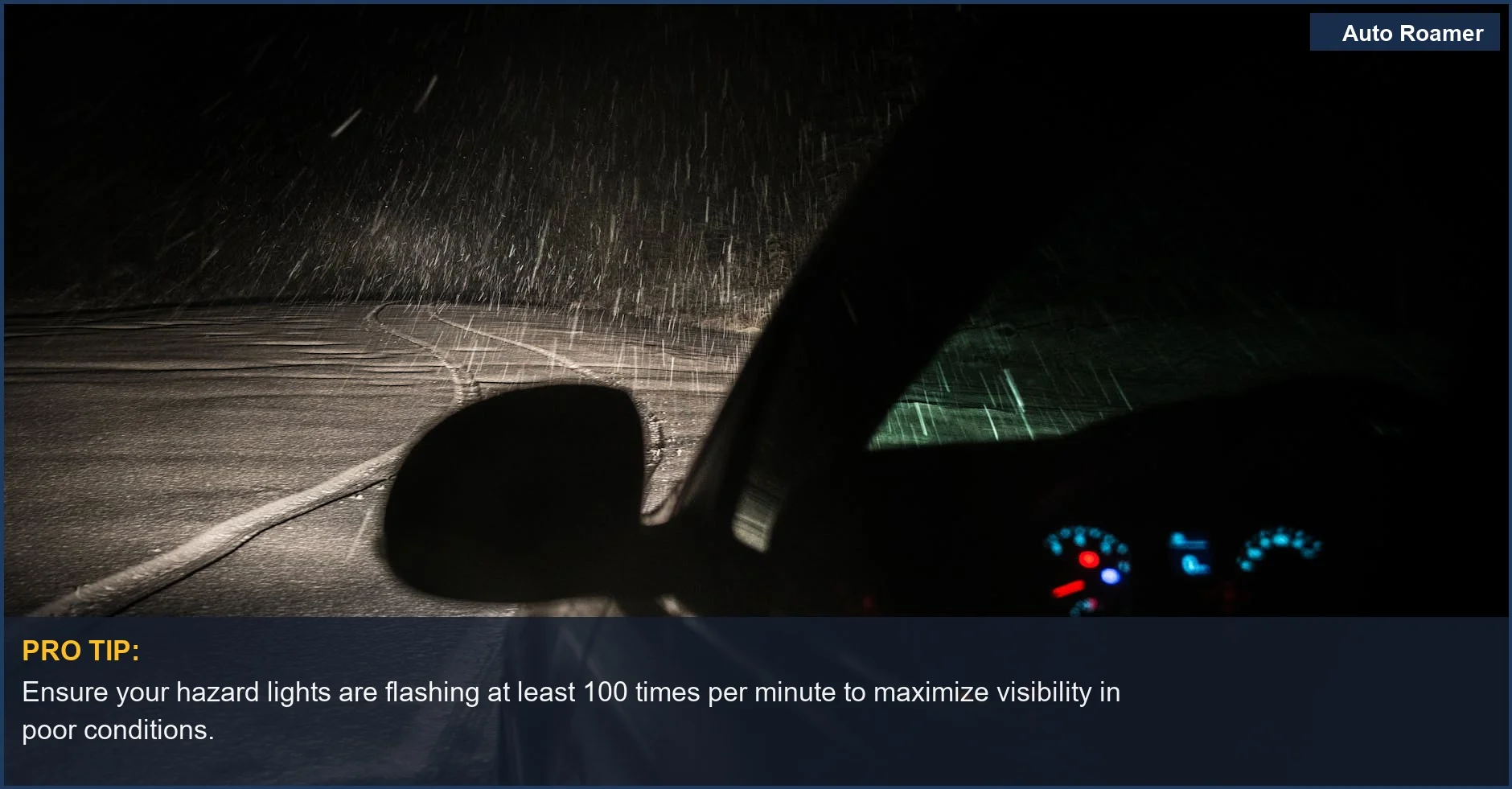
Frequently Asked Questions
If my car breaks down and I need a tow, is it cheaper to just get it fixed at the dealership or a local shop?
Do I really need to carry a bunch of fancy tools if I just do car camping?
What if I pull over and the car just won't start, but it seems okay otherwise?
Can driving on a flat tire for even a mile permanently damage my car?
Is it true that if your car overheats, you should never open the radiator cap?
🏅 Looking for Gear Recommendations?
Check out our tested gear guides for products that work with this setup:
Sources
- My car left me stranded! What to do during road trip breakdowns.
- What To Do If Your Car Breaks Down On A Road Trip
- What to Do When Your Car Breaks Down - Your AAA Network
- What to do if vehicle breaks down far from home : r/Shoestring - Reddit
- What to do if your car breaks down on the highway - Progressive
- How to Handle Out-of-Town Breakdowns | YourMechanic Advice
- What-should-you-do-if-your-car-breaks-down-during-a-road-trip-in-the-U.S
- How to prevent and handle car breakdowns during road trips?