
The Short Answer: A Twin, on a Platform, in the Four-Door
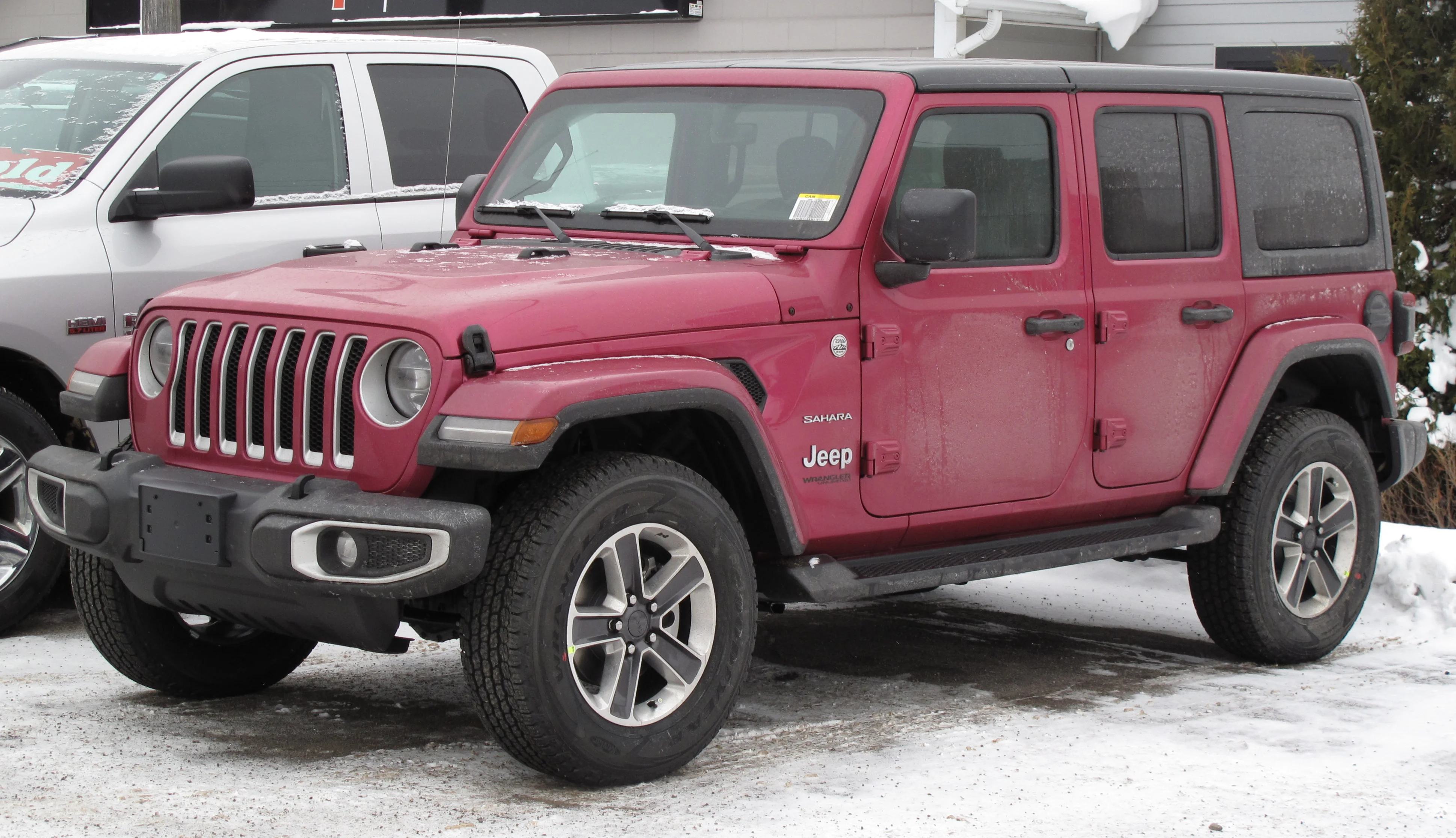
For sleeping inside a Jeep Wrangler, the honest answer has two parts: buy a Twin at 38 by 75 inches, and plan on a raised platform to lie it on. The campable Wrangler is the four-door Wrangler Unlimited of the JL generation; the two-door has almost no flat sleeping floor and is not a realistic in-vehicle sleeper.
An overlander weighs the build before the bedding, and the Wrangler forces that order. Two numbers set the whole plan. Owners tape-measure roughly 42 to 43 inches of width between the rear wheel wells at floor level, which caps you at a 38-inch-wide Twin. And with the rear seats folded, the usable length runs under a full 75 inches, so even a Twin is tight front-to-back.
The third fact is the one the brochure never mentions: the Wrangler's rear seats do not fold truly flat. The folded seatback sits at an angle and higher than the cargo floor, leaving a pronounced step and slope. That is why the platform is not a luxury here; it is what turns a lumpy, sloped, sub-Twin space into a bed. The rest of this guide walks the pinch, the length, and the platform in the order you actually build them.
Two-Door Versus Four-Door: Only One Sleeps
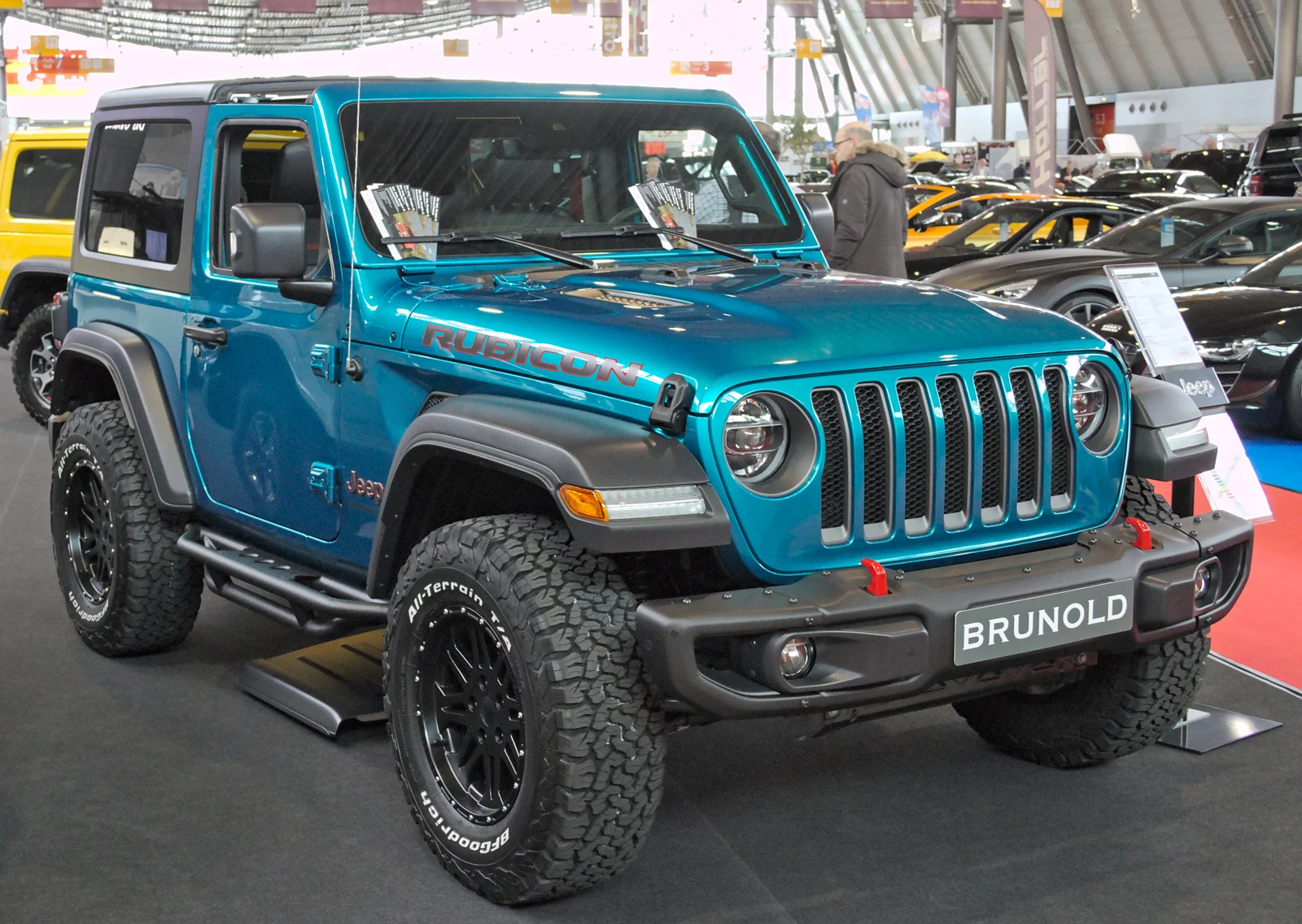
Before any mattress talk, settle which Wrangler you have, because it decides whether sleeping inside is even on the table. The two-door Wrangler has only about 12.9 cubic feet behind the rear seats, and even with the rear seat removed owners report only about 48 inches of floor depth to the front seats. That is far too short to lie flat; a two-door is a gear hauler and a rooftop-tent platform, not an in-vehicle bed.
The four-door Wrangler Unlimited is the one this guide is about. Fold its rear seats and the cargo floor opens into a space owners can actually sleep a single adult in, once it is leveled. It is still tight, but it clears the bar the two-door cannot.
So the first decision is not the mattress size; it is the body style. If you drive a two-door and want to sleep at the trailhead, the realistic path is a rooftop tent or a ground tent, not a floor pad. Everything that follows assumes the four-door Unlimited, where a Twin on a platform is a genuine setup. Match the plan to the Jeep you actually own before you spend on bedding.
An overlander sees this play out at trailheads constantly: someone buys a two-door for the tight wheelbase and the fun, then discovers there is nowhere to lie down inside. The roughly 48 inches of floor in a two-door is a hair over a folded-in-half adult, not a bed, and the short wheelbase that makes the Jeep nimble is exactly what steals the sleeping length. If interior sleeping matters to you and you have not bought yet, the four-door is the version that earns the platform build. If you already own the two-door, plan a tent from the start rather than fighting a floor that was never going to work.
The Roughly 42-to-43-Inch Wheel-Well Pinch
Here is the width wall. On the four-door Wrangler Unlimited, owners tape-measure roughly 42 to 43 inches between the rear wheel wells at floor level, and that pinch is the governing dimension for any mattress laid on the floor or on a platform sized to the floor width.
Run the sizes against it. A Twin at 38 inches wide fits between the wheel wells with a couple of inches to spare. A Full at 54 inches and a Queen at 60 inches are both far too wide to lie flat; there is no angling them in. The Twin is not a compromise here so much as the only floor-level size the sheet metal allows.
One catch the tape reveals, and an overlander plans around it: on Alpine-equipped trims the width narrows to about 36.5 inches at the factory subwoofer hump, tighter than even a 38-inch Twin at that point. Jeep does not publish an official wheel-well pinch, so the 42-to-43-inch figure comes from owner measurements and can vary by trim. Measure your own Wrangler, and check for that subwoofer hump before you size a platform, so the deck clears the narrowest point rather than the average.
Length: The Floor Runs Under 75 Inches
Width rules out everything but a Twin; length makes even the Twin tight. On the four-door Unlimited with the rear seats folded, owners measure roughly 66 inches from the tailgate to the back of the front seats when those seats are fully rearward. That is well short of a 75-inch Twin.
Slide the front seats forward and the usable cargo length grows to roughly 70 to 73 inches, better but still short of a full 75 inches. That gap is why Wrangler sleepers so often end up feet-toward-the-tailgate with toes near the door, or sleeping slightly diagonally, or building a platform that extends over the folded seatbacks to steal back the last few inches.
An overlander reads that as a design constraint, not a dealbreaker. A shorter camp pad, a diagonal layout, or a platform that spans forward over the seat step all recover the length a taller sleeper needs. But go in knowing the floor is under 75 inches with the seats forward, so you plan the length solution before you are lying in it at midnight discovering your feet hit the tailgate.
Why the Seats Do Not Fold Flat
This is the fact that makes the platform mandatory. The Wrangler's rear seats do not fold truly flat; the folded seatback sits at an angle and higher than the cargo floor, leaving a pronounced step and a forward slope. Throw a pad straight onto that and you sleep on a ramp with a ridge across your back.
Owners commonly cite the folded four-door Unlimited floor as roughly a Twin-bed footprint, about 39 by 74 inches, but only after building a level platform over the seat step. The platform is what converts that angled, stepped space into a rectangle you can actually lie flat on. It also creates storage underneath, which an overlander values as much as the flat surface on top.
So the build order is: level first, sleep second. A simple deck that spans from the cargo floor forward over the folded seatbacks gives you both the flat surface and a footprint close to that 39-by-74-inch Twin patch. Size the deck to clear the roughly 42-to-43-inch pinch, and to the height of the folded seatbacks so the top is level end to end. On a Wrangler, the platform is the bed; the mattress just goes on top of it.
Twin Is the Size, on a 39-by-74-Inch Deck
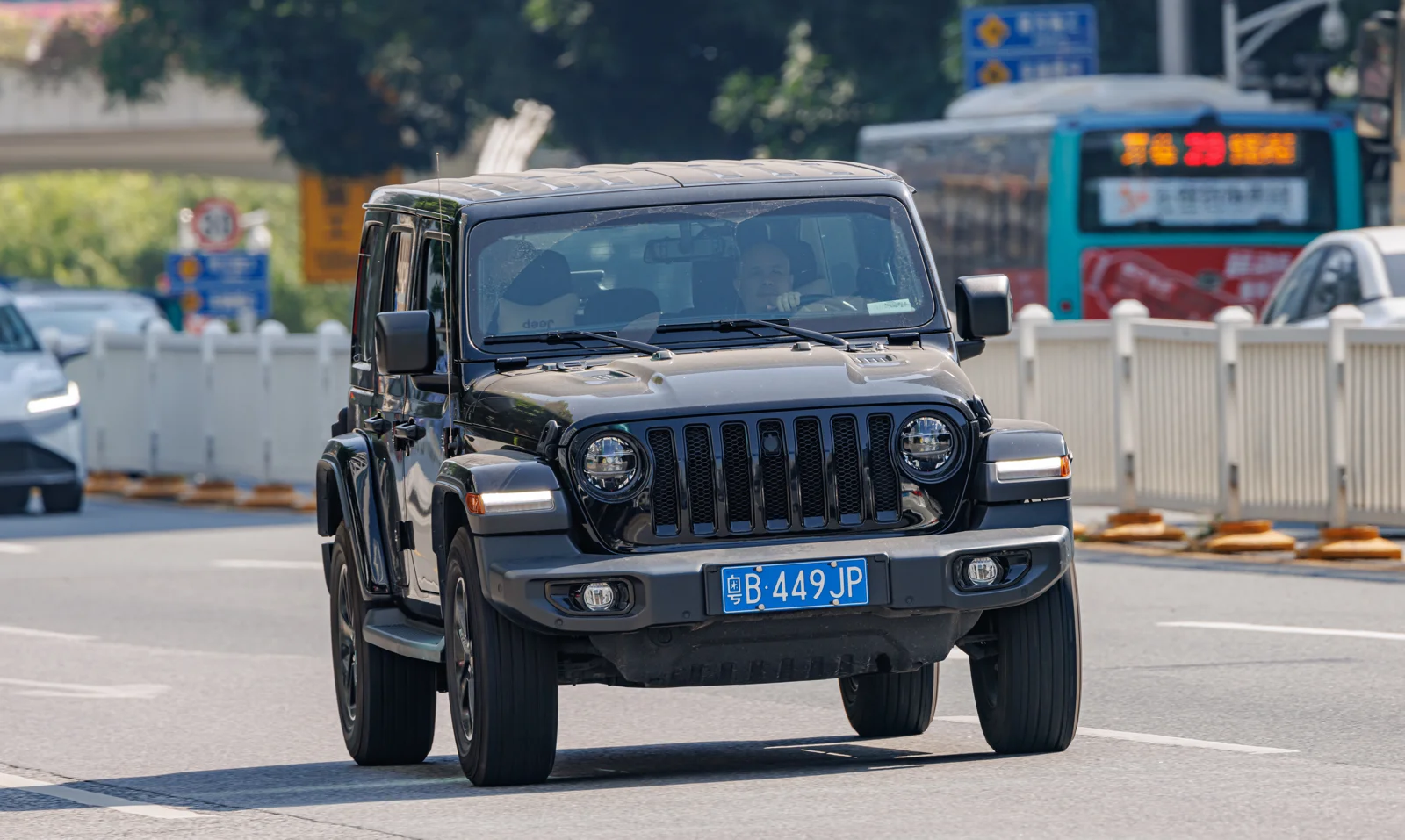
Put the numbers together and the mattress choice is made for you. A Twin at 38 by 75 inches is the only standard size whose 38-inch width clears the roughly 42-to-43-inch pinch, and it lands right on the roughly 39-by-74-inch footprint owners get once the platform is built. The Twin is the Wrangler's mattress, full stop.
A Twin XL at 38 by 80 inches shares the same 38-inch width, so it clears the wheel wells, but its 80-inch length is well past the under-75-inch floor and even past the platform footprint unless your deck extends far forward. For most builds the standard Twin, or a slightly shorter camp pad, is the cleaner match to the length you actually have.
Because the width decision is settled at 38 inches, your real choices are the platform height and how far forward it reaches. Keep the pad modest in thickness so you preserve headroom in a vehicle that is tall but not long, and so it beds evenly on the deck. On a Wrangler you are not really choosing a mattress size; you are building a Twin-sized bed and dropping a Twin pad onto it.
Computed: every standard mattress size run against the Wrangler’s two hard numbers. Nothing here is a spec sheet — it is arithmetic on the figures already established above: the roughly 42-to-43-inch wheel-well pinch, the under-75-inch folded floor (66 inches with the front seats fully rearward, 70 to 73 inches with them forward), and the retail dimensions of each size. The test is the plain one: clearance = pinch width − mattress width, then the same subtraction on length.
| Mattress size | Width | Against the 42–43 in pinch | Length | Against the under-75 in floor | Lies flat? |
|---|---|---|---|---|---|
| Twin | 38 in | Clears — 4 to 5 in spare | 75 in | Right at the ceiling; 70–73 in with the seats forward | Yes — on a platform |
| Twin XL | 38 in | Clears — 4 to 5 in spare | 80 in | 5 in past even a 75 in floor | Width yes, length no |
| Full | 54 in | Over by 11 to 12 in | 75 in | — | No |
| Queen | 60 in | Over by 17 to 18 in | 80 in | — | No |
| King | 76 in | Over by 33 to 34 in | — | — | No |
Read the third column first, because it settles the question before length ever comes up: only the 38-inch sizes are in the conversation at all, and everything above a Twin misses the pinch by nearly a foot or more. Then run the Alpine-trim caveat as its own subtraction — where the factory subwoofer hump narrows the gap to about 36.5 inches, a 38-inch Twin is 1.5 inches too wide at that point, which is why the deck gets sized to the narrowest measurement on your own Jeep rather than to the 42-to-43-inch average.
Full and Queen: The Honest No
A Full is 54 by 75 inches and a Queen is 60 by 80 inches, and neither fits flat in a Wrangler. Both are far wider than the roughly 42-to-43-inch pinch, so they cannot lie flat between the wheel wells at any height near the floor. A King at 76 inches wide is not even a conversation. This is a one-size vehicle, and that size is Twin.
The temptation comes from the boxy interior. Interior width from bedrail to bedrail is roughly 59 inches, and hardtop window-to-window is about 61 inches, which sounds like it should take a Full or a Queen. But those upper widths are measured well above the wheel wells and do not help a floor-level or platform-level mattress, which is still gated by the 42-to-43-inch pinch down where you actually lie.
So if two people want to sleep inside a four-door Wrangler, the honest answer is two narrow pads or a shared setup on a wide platform, not a retail Queen laid on the floor. For most owners the Wrangler is a one-person interior sleeper, and the second person takes a rooftop tent or a ground tent. Sizing to the pinch keeps you from buying a mattress that never lies down.
The Volume Number and the Upper-Width Trap
The Wrangler Unlimited provides about 72.4 cubic feet of cargo volume with the rear seats folded, and like every SUV volume figure it oversells the bed. The Wrangler is tall and boxy, so a large share of that 72.4 cubic feet is headroom above your body rather than flat floor you can lie on. Volume tells you how much gear stacks toward the roof, not how big a mattress fits.
The same trap hides in the width figures. That roughly 59-inch bedrail width and 61-inch window width are real, but they live above the wheel wells, and a mattress does not. An overlander learns to ignore the flattering upper measurements and design to the load-bearing ones down at deck level: the 42-to-43-inch pinch and the under-75-inch length.
Translate every generous-sounding number into a flat floor-level measurement before you build. Do that and the Wrangler stops looking like it should swallow a Queen and reveals itself as the tight, tall, one-Twin space it is. The volume and the upper width are for gear and for sitting up; the pinch and the length are for the bed. Keep them straight and the platform you build will actually fit the pad you buy.
Building the Wrangler Platform Bed
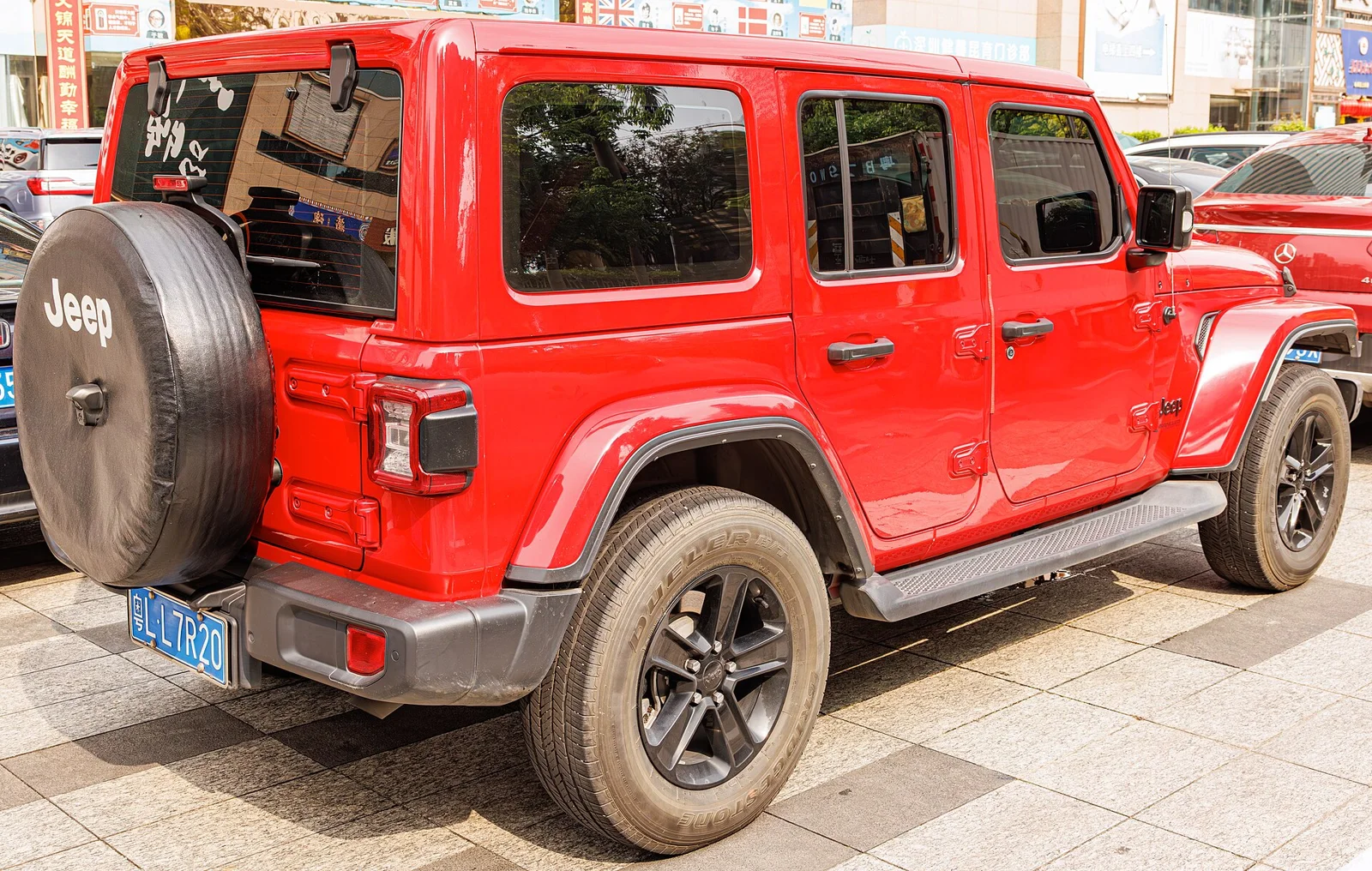
The build is the project here, and it goes in order. Confirm you have the four-door Unlimited, fold the rear seats, and measure the roughly 42-to-43-inch pinch and the folded-seatback height. Build a level deck that spans from the cargo floor forward over the stepped seatbacks, sized to clear the pinch and to reach toward the 70-to-73-inch length you get with the front seats forward. The deck is the bed; the mattress rides on top.
For the pad, a Twin-size self-inflating camping pad sized to a Twin footprint suits a platform better than a tall air mattress, because it beds evenly on a wooden deck and preserves the headroom a tall, short vehicle needs. Keep it modest in thickness and let the platform do the leveling.
Two references round out the plan. The DIY car camping sleeping platform build gives you a starting deck size, and the Wrangler power outlet locations show where to run a light or a fan from.
The Verdict: One Twin, One Platform, Four Doors
The Jeep Wrangler is a one-person interior sleeper and only in the four-door Unlimited. A Twin at 38 by 75 inches is the mattress it takes, because the roughly 42-to-43-inch wheel-well pinch rules out anything wider and the under-75-inch floor rules out anything longer. The two-door, at about 12.9 cubic feet and roughly 48 inches of floor, does not sleep flat at all.
The defining fact is that the seats do not fold flat. That angled, stepped floor is why the platform is mandatory rather than optional, and why owners quote a roughly 39-by-74-inch Twin footprint only after they build a level deck over the seat step. Plan the platform first and the mattress choice makes itself.
Trust the numbers and build to them: about 42 to 43 inches of width, under 75 inches of length, and a deck sized to both. Ignore the 72.4-cubic-foot volume and the 59-to-61-inch upper widths; they are for gear and headroom, not for the bed. Build the platform, lay a Twin on it, and a four-door Wrangler becomes a snug, flat, genuinely usable one-person camp bed. See how the same logic scales in the SUV mattress size guide.