
What is a Bulk Plan for Car Camping?
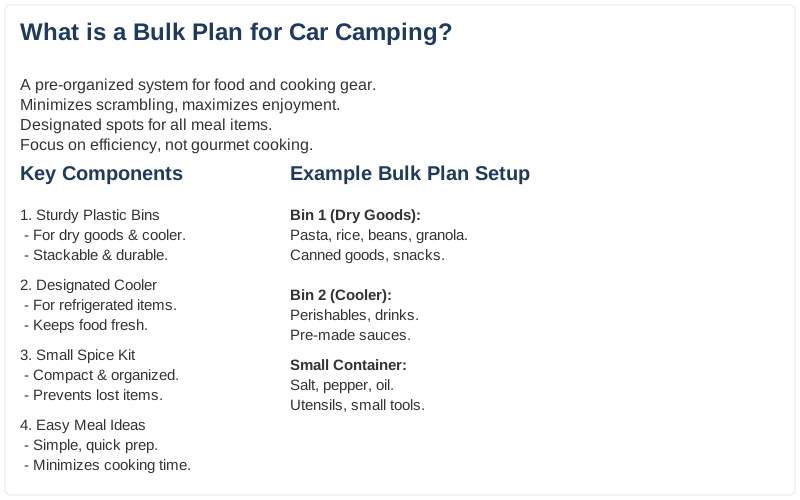
A bulk plan for car camping is essentially a pre-organized system for your food and cooking gear, designed to minimize last-minute scrambling and maximize your time actually enjoying the outdoors. Think of it as your food strategy, laid out before you even load the car.
A bulk plan for car camping is essentially a pre-organized system for your food and cooking gear, designed to minimize last-minute scrambling and maximize your time actually enjoying the outdoors. Think of it as your food strategy, laid out before you even load the car. It's about having a designated spot for everything related to meals, from spices to the cooler, so you aren't digging through a mountain of stuff for a single onion.
This isn't about gourmet cooking; it's about efficiency so you can get to the s'mores faster. I learned this the hard way after a trip where my entire chili dinner ended up on the floor of my trunk because I didn't have a dedicated food bin. camping pantry guides are great, but they don't always tell you how to wrangle it all.
The goal is to have your meals ready to go, not to have a culinary school on wheels.
The Core Answer
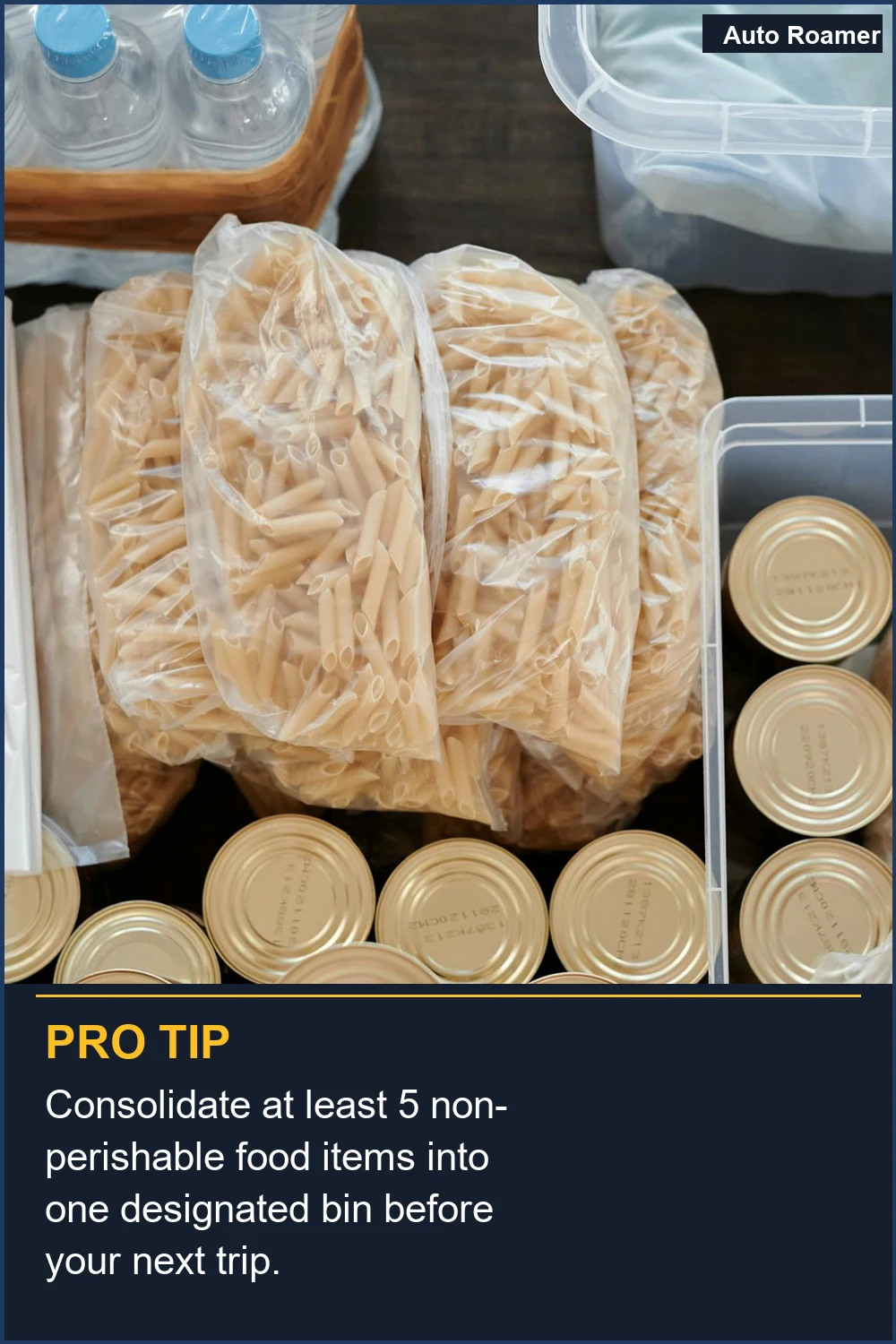
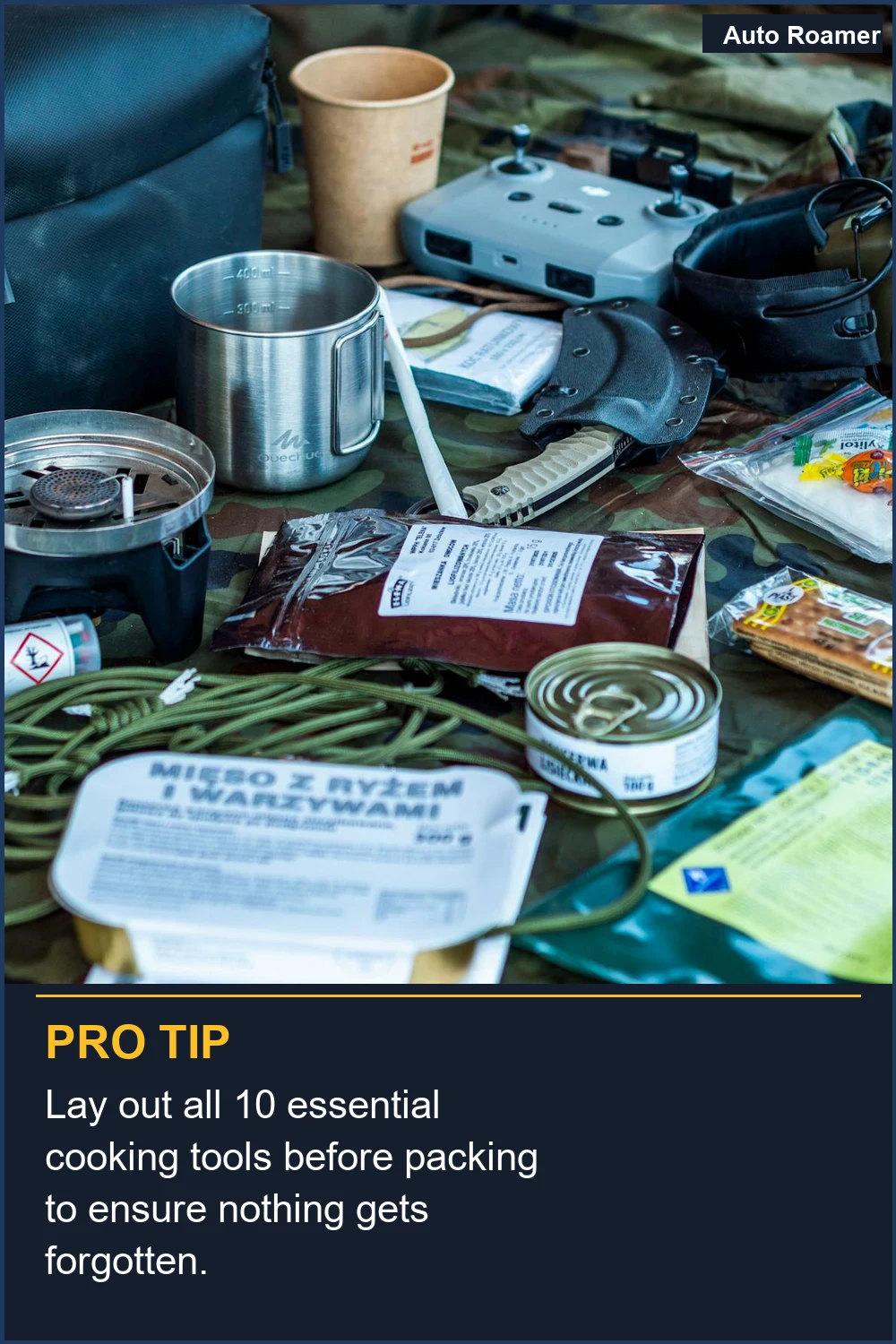
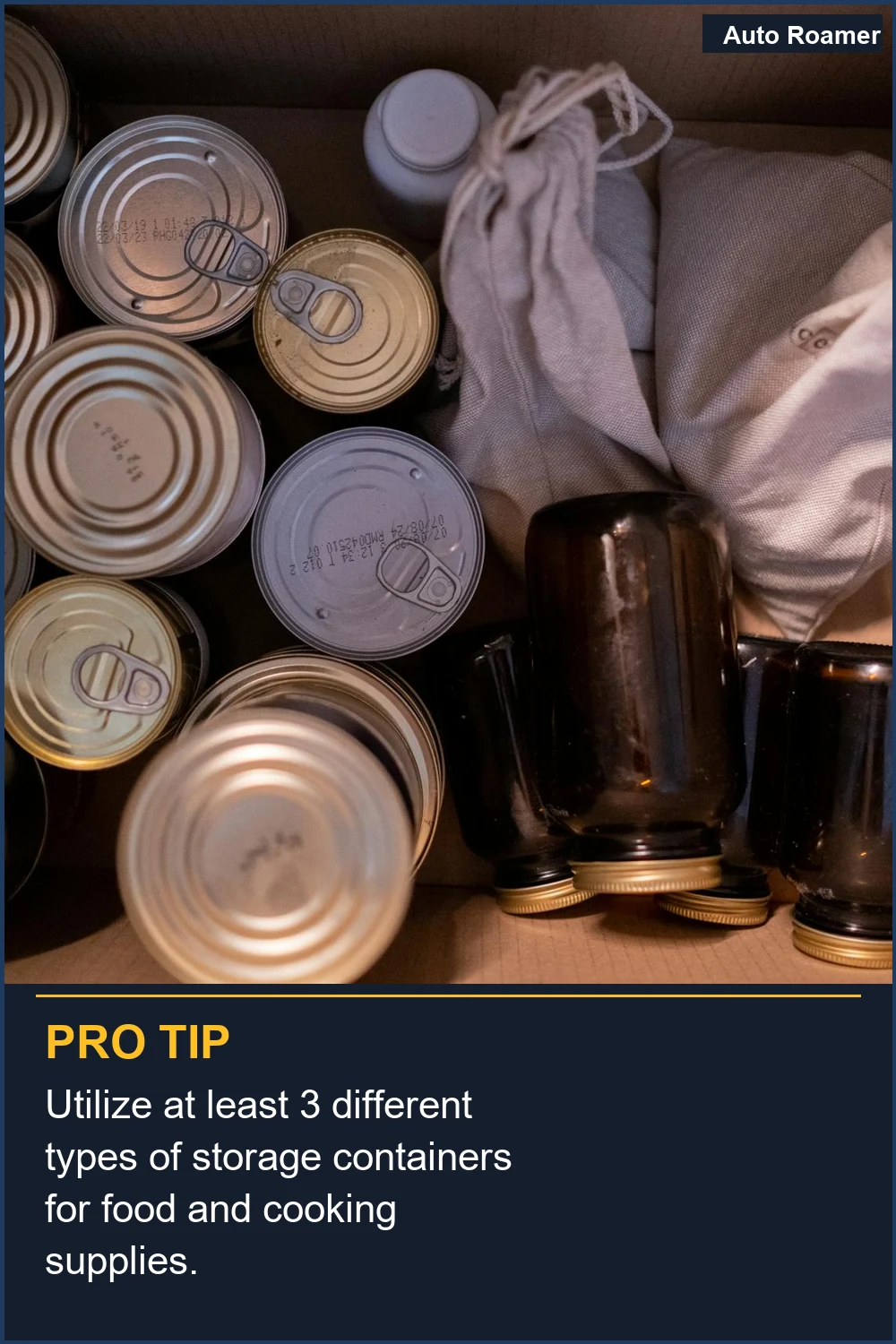
The real move with a bulk plan is to consolidate your food and cooking items into designated containers. My first few trips involved coolers, plastic bags stuffed into every crevice, and a general sense of chaos. I finally wised up and started using sturdy plastic bins, the kind you can stack. For a weekend trip, one or two of these bins are usually enough. I use one for dry goods - pasta, rice, canned beans, granola bars - and another for refrigerated stuff, which is my cooler. cheap meal ideas from forums are gold here; think things like tortillas with hummus, or pasta with pre-made sauce. You don't need a full pantry in the woods. The honest version: you need food that's easy to prepare, and a system to get it from your kitchen to your campsite without a disaster. I once spent 30 minutes at Glacier National Park looking for the salt, only to find it rolling around loose in a grocery bag. Rookie mistake. My bulk plan now includes a small, dedicated spice container. This keeps everything contained and prevents those frantic searches. It's not about packing every possible ingredient; it's about packing the *right* ingredients in an organized fashion. I aim for meals that require minimal prep and cleanup. Things like pre-chopped veggies in Ziploc bags, or pasta that cooks in under 10 minutes. For longer trips, I'll often pre-cook some grains or sauces at home to save time at camp. planning and pack car camping meals is key, but the bulk bin is the execution. It's about having a 'kitchen box' that you can just pull out of the car. This box has your stove, fuel, pot, pan, utensils, and a cutting board. Everything you need for cooking is in one place. This saves so much time and mental energy. Instead of unpacking individual items, you just deploy the whole system. It's the difference between a frustrating mealtime and a relaxed one. I also learned that having a dedicated trash bag system within the bulk plan is crucial. Nobody wants to hunt for a trash bag when they're cleaning up after dinner. My bins have built-in compartments or I use smaller bags within the main bins for organization. This is game-time stuff for keeping your campsite clean and your sanity intact. The cost of a couple of decent plastic bins is maybe $50 total, and it's the best $50 I've spent on camping gear for peace of mind. It prevents that sinking feeling when you realize you forgot a crucial ingredient or can't find your can opener. Your bulk plan is your safety net. It's the difference between enjoying a campfire meal and eating cold beans straight from the can because your stove is buried under a pile of sleeping bags. This organizational approach makes packing and unpacking significantly faster, too. You know exactly where everything goes, so loading and unloading becomes a streamlined process. car camping meal ideas and bulk food preparation often discuss this need for organization, and it's spot on. It's not just about the food itself, but the entire ecosystem of preparing and consuming it at camp.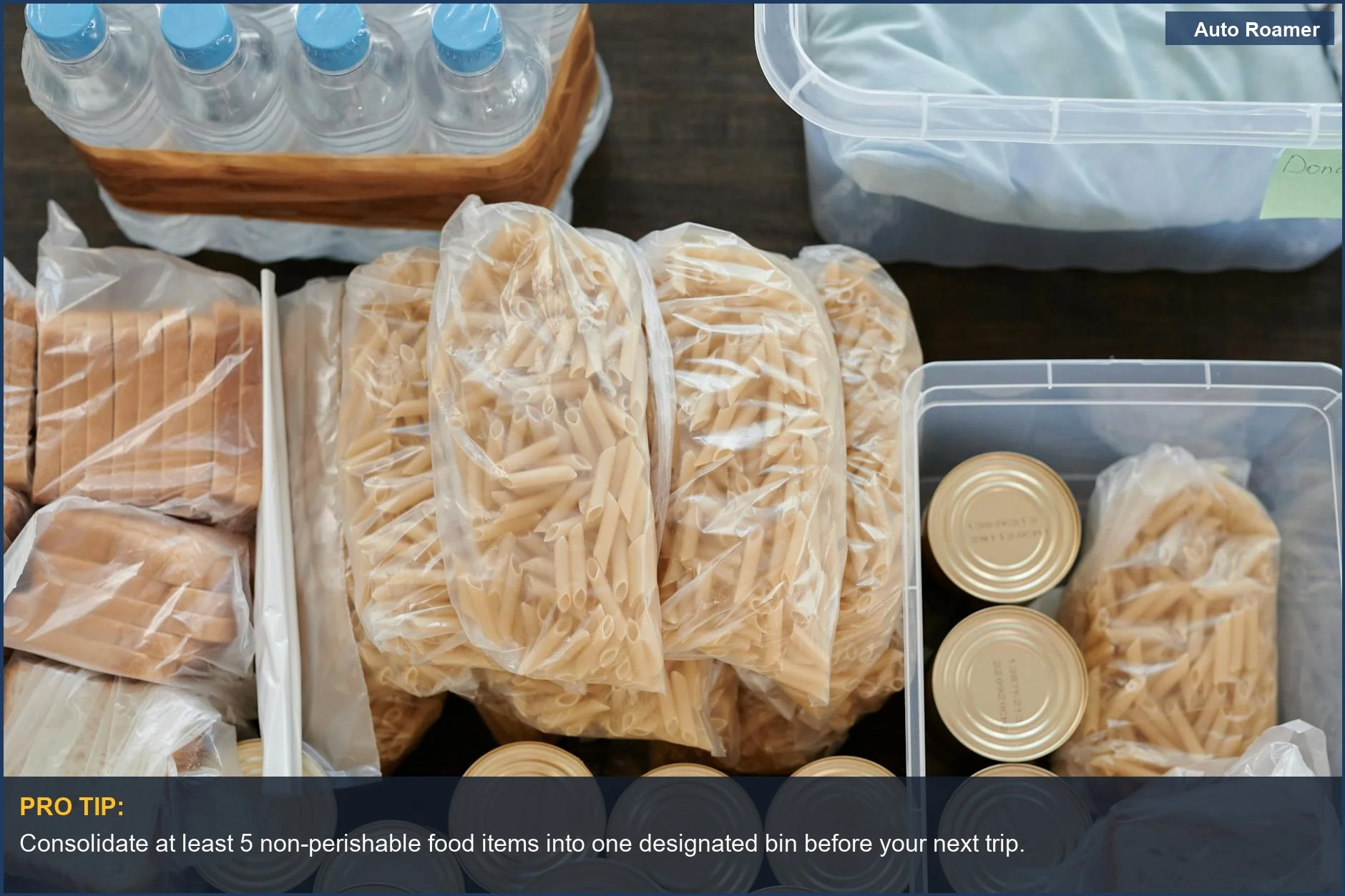
Why This Matters for Your Setup
Having a bulk plan directly impacts how smoothly your trip runs. I remember my first trip to Big Basin Redwoods State Park. I had a cooler, a bag of groceries, and a separate bag for cooking stuff. By the time I found my spatula, the hot dogs were already cold. The real move is to have everything in one or two bins you can just pull out. This is especially true if you're car camping with a group. Instead of everyone bringing their own random collection of pots and pans, designate a 'kitchen bin' that gets shared. Ultimate Group Car Camping Checklist mentions this, and it's critical. It prevents bringing five identical can openers and no pot holders. My friend once showed up with three coolers for a 2-day trip; it was ridiculous and took up half the car. The bulk plan is about efficiency, not excess. It means less time digging, more time hiking or relaxing. It's the difference between a $10 meal that takes 10 minutes to prepare and a $30 meal that takes an hour of searching and frustration. For me, it's worth the upfront effort to have a system. It's about reducing that 'what did I forget?' panic when you're already at the campsite. Reducing the bulk is the goal, and a bulk plan is how you achieve it. It's about smart packing, not just packing a lot.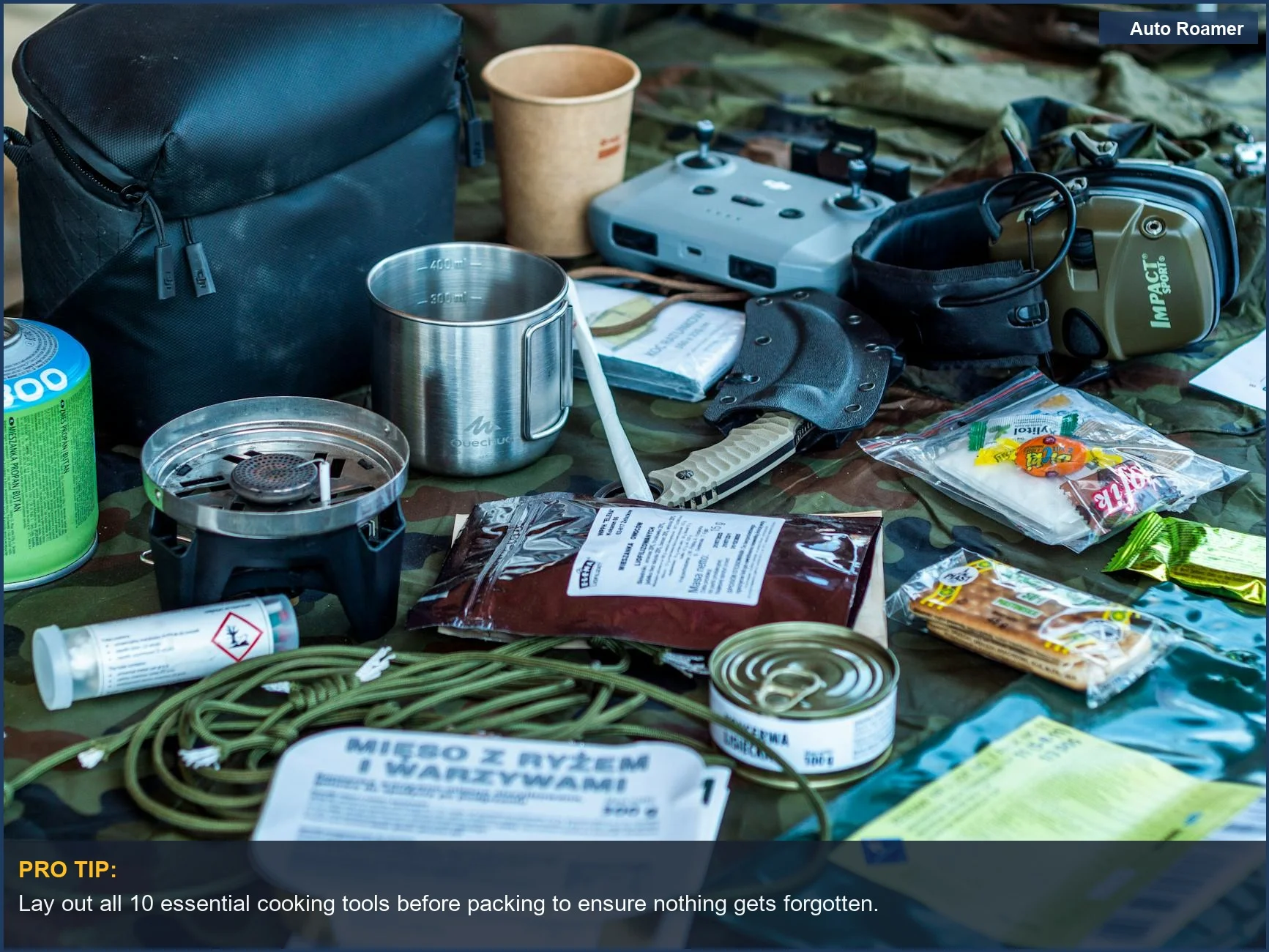
Making the Right Choice
Ultimately, a bulk plan for car camping is about making your life easier. It's about having a system so you don't have to think about where your can opener is when you're starving. My own car camping journey started with a chaotic mess of gear and food, and building a bulk plan was a major step in making trips more enjoyable. It's not about buying expensive gear; it's about smart organization of what you already have. Think about what you *actually* use on trips and dedicate containers for it. Luno Packable Pillow and other items are great, but the food system is foundational. It means less stress, faster setup, and more time spent enjoying the outdoors. My system involves labeled bins, and it's the best $50 I've spent on camping. It's the difference between a trip where you're constantly searching for things and a trip where everything is where it should be. Meal Planning For Group Camping is a good example of how important this organization is, especially when you're not camping solo. It's about building a repeatable process that works for you.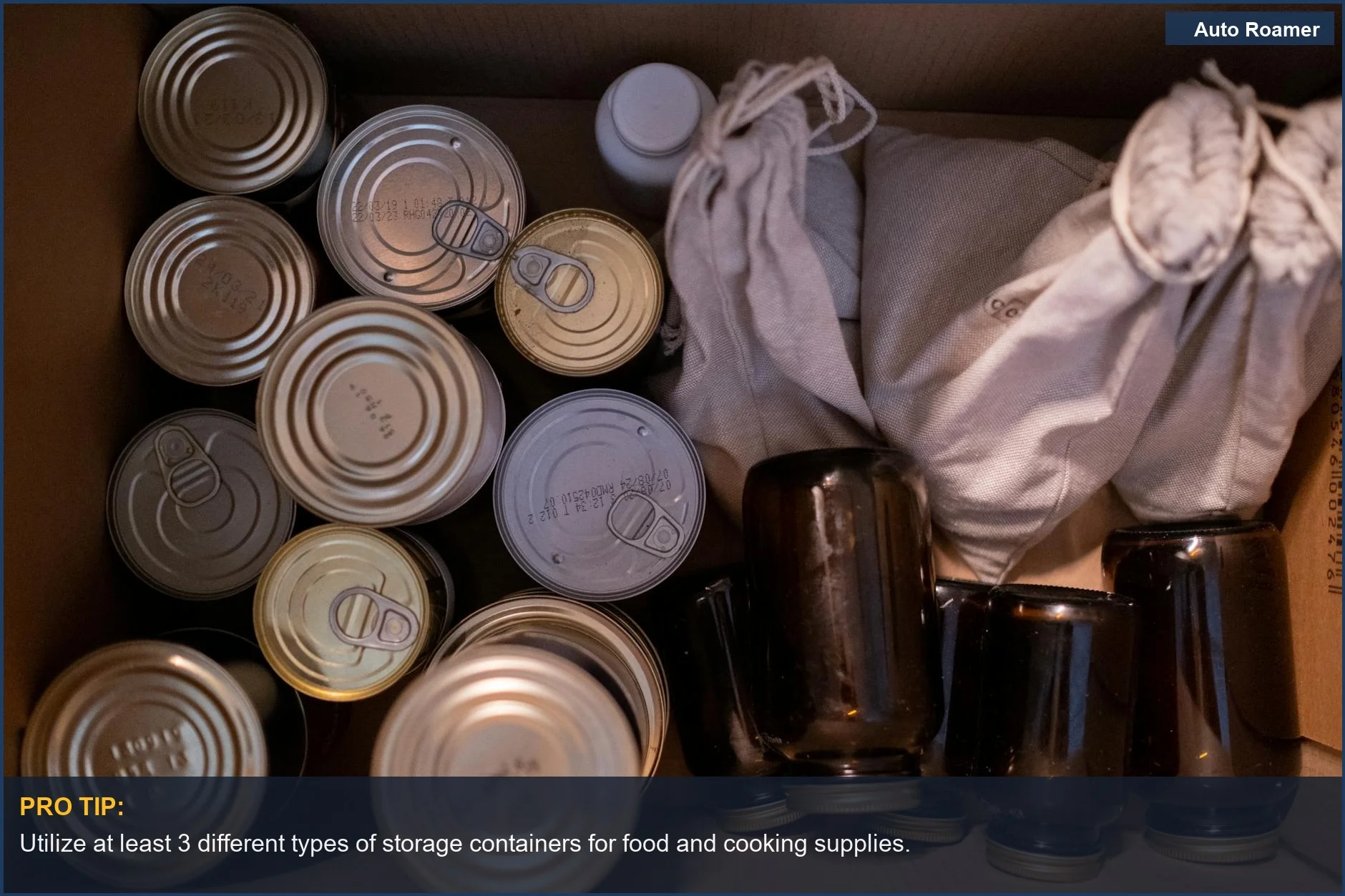
Frequently Asked Questions
My cooler costs $150, and I saw some people just using regular plastic bins for their food. Is that really going to save me that much money?
Do I really need a separate container for spices? Can't I just shove the little shakers in my grocery bag?
What if I organize all my food into bins, but then I forget to buy the actual food to put in them?
Can my food bins permanently damage my car's interior if they shift around too much?
I heard you're supposed to eat all your perishable food first. Is that really a rule, or just some fancy camping advice?
🏅 Looking for Gear Recommendations?
Check out our tested gear guides for products that work with this setup:
Sources
- Reducing the bulk - weekend camping | Page 3 - Expedition Portal
- Car Camping Essentials Packing List & Checklist - Luno
- Ultimate Group Car Camping Checklist | by Linzi Berry - Medium
- Camping Food List and Meal Planning Tips (+ free printable checklist!)
- Favorite cheap meal ideas for month long road trip? : r/carcamping
- How to Plan and Pack Car Camping Meals - Public Lands
- car camping meal ideas and bulk food preparation - Facebook
- Meal Planning For Group Camping - Overland Yukon