
What Dealers Don't Tell You About Extended Warranties: Uncovering the Truth Behind Your Purchase
When you're planning your next epic road trip or rugged car camping adventure, the last thing you want is a breakdown leaving you stranded. That's where the idea of an "extended warranty" for your vehicle comes in. However, what dealers don't tell you about extended warranties is that they aren't usually true warranties at all.
When you're planning your next epic road trip or rugged car camping adventure, the last thing you want is a breakdown leaving you stranded. That's where the idea of an "extended warranty" for your vehicle comes in. However, what dealers don't tell you about extended warranties is that they aren't usually true warranties at all. They're more accurately described as vehicle service contracts, separate purchases designed to cover repairs after your factory warranty expires. Consumer Reports notes that owners often pay more for these contracts than they get back in benefits. This guide will cut through the sales pitch and reveal the realities of these service contracts, covering what they actually are, common pitfalls to avoid, and how to make an informed decision for your peace of mind on the road. We'll help you understand if this purchase truly benefits you or if it's just another profit center for dealerships. Car Talk also warns that many cold calls about expiring warranties are scams.
Key Features to Consider
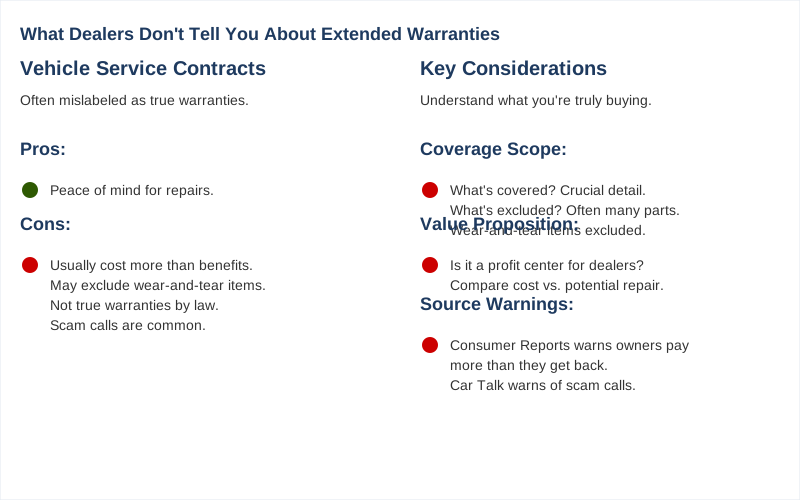
When considering an extended warranty, which are often actually vehicle service contracts, not true warranties as defined by federal law Auto Warranties and Auto Service Contracts | Consumer Advice, it's crucial to dissect what you're buying. These contracts are an investment in peace of mind, but they can be a significant expense where owners often pay more than they get back in benefits Should You Get an Extended Warranty for Your Car?. Coverage Scope: Understand precisely what components are covered and, more importantly, what's excluded. Many contracts exclude wear-and-tear items like brake pads or clutches, and some may even be voided if you don't adhere to a strict maintenance schedule Beware of extended warranties - Facebook. Provider Reputation: Not all providers are created equal. Some are outright scams, especially those that cold-call you Understanding Extended Warranties: An Insider's Guide - Car Talk. Research independent companies and look for those with a proven track record of paying claims. Maximum Payout Limits: Many extended warranty companies cap their payout at the purchase price of the vehicle, rendering them a waste of money if a major repair exceeds that amount What warranties to avoid/ get from the dealership? : r/askcarguys. Contract Fine Print: Read every word. Pay attention to deductible requirements, transferability clauses, and claim procedures. Some dealerships push both manufacturer-backed and third-party plans, and understanding the difference is key What warranties to avoid/ get from the dealership? : r/askcarguys.
Our Top Picks
- Vehicle Service Contracts vs. True Warranties These contracts, often marketed as "extended warranties," are not actual warranties by federal law because they are purchased separately from the vehicle Auto Warranties and Auto Service Contracts | Consumer Advice. A true warranty is a guarantee included with the purchase price of a new car Understanding Extended Warranties: An Insider's Guide - Car Talk. This distinction is crucial, as many third-party contracts can be scams or have significant limitations Understanding Extended Warranties: An Insider's Guide - Car Talk.
- Dealerships Push Contracts Aggressively Expect dealerships to push these service contracts hard, sometimes implying they are mandatory for financing or vehicle pickup Beware of extended warranties - Facebook. They often profit significantly from these sales, which is why they are so persistent Should You Get an Extended Warranty for Your Car?. Always read the fine print, as some contracts may be backed by the manufacturer (OE) while others are from third parties What warranties to avoid/ get from the dealership? : r/askcarguys.
- Coverage Limitations and Voiding Conditions Most service contracts have a maximum payout capped at the vehicle's purchase price, rendering them a poor value for many What warranties to avoid/ get from the dealership? : r/askcarguys. Furthermore, failure to adhere to a strict maintenance schedule can void your coverage entirely, making your purchased protection useless Beware of extended warranties - Facebook. These contracts typically exclude normal wear-and-tear items like brake pads and clutches, and they do not cover damage from accidents Auto Warranties and Auto Service Contracts | Consumer Advice.
- Manufacturer Warranties Offer Real Protection New cars come with factory warranties, such as bumper-to-bumper and powertrain coverage, included in the purchase price Understanding Extended Warranties: An Insider's Guide - Car Talk. These typically last from 3 to 5 years and cover 30 to 60,000 miles Understanding Extended Warranties: An Insider's Guide - Car Talk. Certified pre-owned vehicles often include an extended warranty with an extensive inspection Everything You Need to Know About Extended Warranties - CarEdge. Remember, you have the legal right to use independent repair shops for maintenance and repairs without voiding your factory warranty Auto Warranties and Auto Service Contracts | Consumer Advice.
Budget vs Premium Options
When it comes to extended warranties, think of it as choosing between a basic shield and a full suit of armor. Dealers often push these service contracts as if they're actual warranties, but they're separate purchases that come with their own fine print. Budget Options typically run anywhere from a few hundred to over a thousand dollars. You'll get coverage for major components like the engine and transmission, offering some peace of mind for common, expensive failures. What you sacrifice is comprehensive coverage. These plans often have strict exclusions for electronics, wear-and-tear items, and may require you to use specific repair shops. They are best for drivers with reliable cars who want a safety net for the most catastrophic breakdowns, or those on a tight budget who want to mitigate the risk of a single, massive repair bill. Premium Options can easily cost upwards of two to three thousand dollars, sometimes more. These plans aim to provide near factory-level coverage, often including intricate electronics, seals, and gaskets. You're paying for maximum peace of mind and convenience. The sacrifice? The cost can quickly outweigh the potential benefits, especially if you drive a vehicle known for its reliability. These are best for drivers who plan to keep their car for a very long time, drive extensively, or own a vehicle with a history of complex and expensive repairs, and where the upfront cost is less of a concern than avoiding surprise bills. Remember, many car owners pay more for coverage than they get back.
Setup and Installation Tips
Care and Maintenance Tips
Final Recommendations
- Extended warranties are often mislabeled; they are typically vehicle service contracts sold separately, not true warranties included in the purchase price Car Talk. For the budget-conscious, a solid emergency fund is often a better investment than a service contract, as many owners pay more for coverage than they receive in benefits Consumer Reports.
- For peace of mind without a hefty upfront cost, we recommend setting aside funds consistently. If you prioritize extended protection, research reputable third-party providers known for clear contracts and good customer service, rather than relying solely on dealership offers. Be wary of cold calls; the FTC warns many are scams Car Talk.
- When buying a new car, you already have factory warranties like bumper-to-bumper and powertrain, typically lasting 3 to 5 years or 30,000 to 60,000 miles Consumer Reports. These are included in the price. For those seeking to extend this coverage, we advise comparing quotes meticulously and understanding exactly what is covered, especially wear-and-tear items.
- Our top recommendation for most drivers is to avoid the high-pressure sales tactics at the dealership for extended warranties. Instead, build your own financial buffer. If you are set on a service contract, research independent options and always read the fine print to understand exclusions and claim procedures before committing.
🏅 Looking for Gear Recommendations?
Check out our tested gear guides for products that work with this setup:
Sources
- Auto Warranties and Auto Service Contracts | Consumer Advice
- Beware of extended warranties - Facebook
- Should You Get an Extended Warranty for Your Car?
- What warranties to avoid/ get from the dealership? : r/askcarguys
- Everything You Need to Know About Extended Warranties - CarEdge
- Understanding Extended Warranties: An Insider's Guide - Car Talk
Frequently Asked Questions
What are the common things that aren't covered by these 'extended warranties' that dealers might not emphasize?
How can I figure out if buying an extended warranty is actually worth the money for my car?
When I'm comparing different extended warranty offers, what should I be looking at besides the price?
Are there certain kinds of vehicles or situations where getting an extended warranty makes more sense?
If I need to use my extended warranty for a repair, what's the process like?
Auto Roamer
Experienced car camper and automotive enthusiast sharing practical advice and tested gear recommendations.