
How to Choose the Right Water Source for Your Portable Car Camping Shower
Choosing the right water source for your portable car camping shower is more critical than you might think. Get it wrong and you're either lugging 50-pound jugs or dealing with gritty water that clogs your pump. My first attempt at a car camping shower involved a collapsible bucket and a nearby creek in the Ozarks.
Choosing the right water source for your portable car camping shower is more critical than you might think. Get it wrong and you're either lugging 50-pound jugs or dealing with gritty water that clogs your pump. My first attempt at a car camping shower involved a collapsible bucket and a nearby creek in the Ozarks. Turns out, that creek had more silt than water, and my pump sounded like it was chewing gravel.
That was a rookie mistake I won't repeat. The key is understanding what your pump and your body can handle. It's not just about volume, it's about quality.
The Core Answer
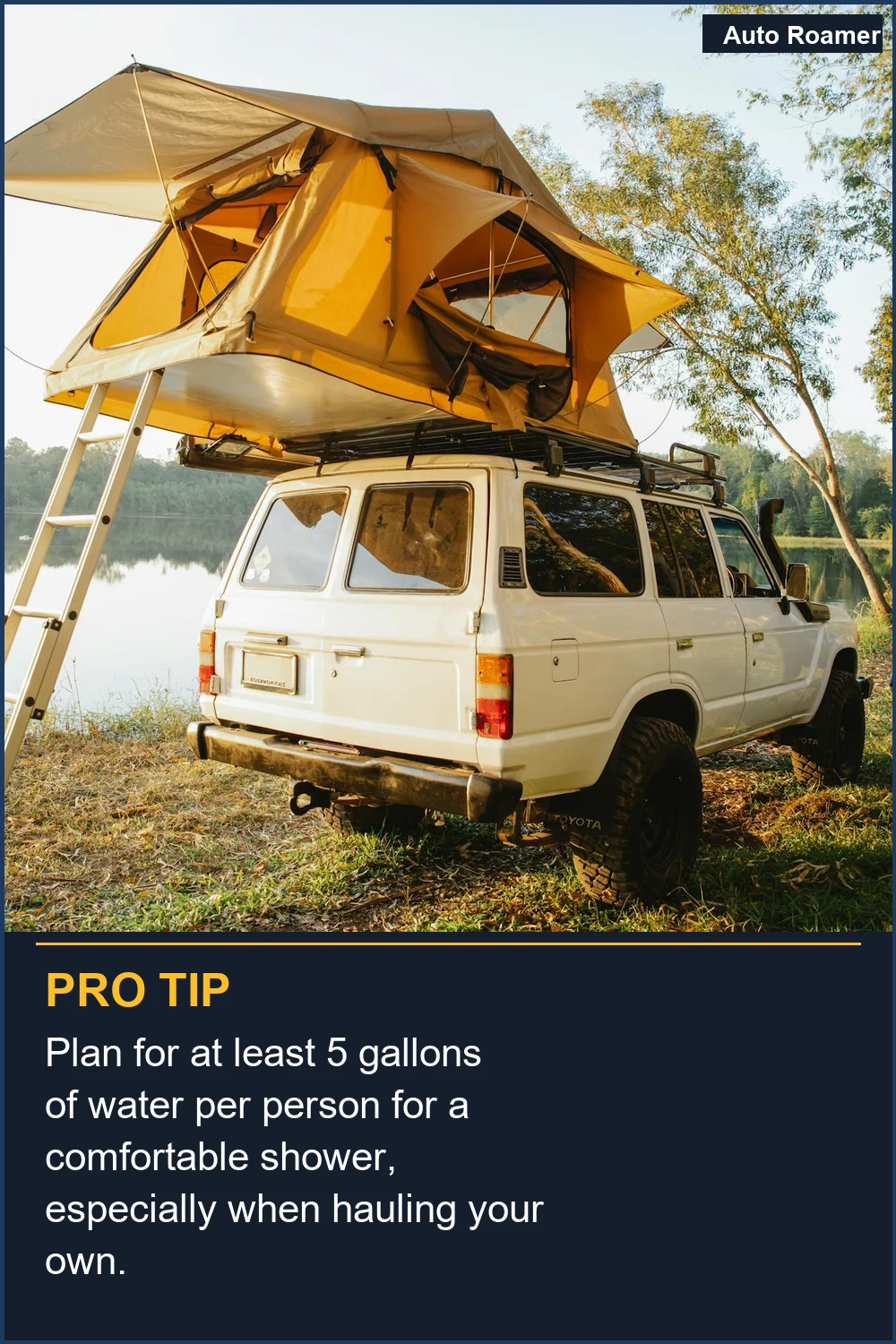
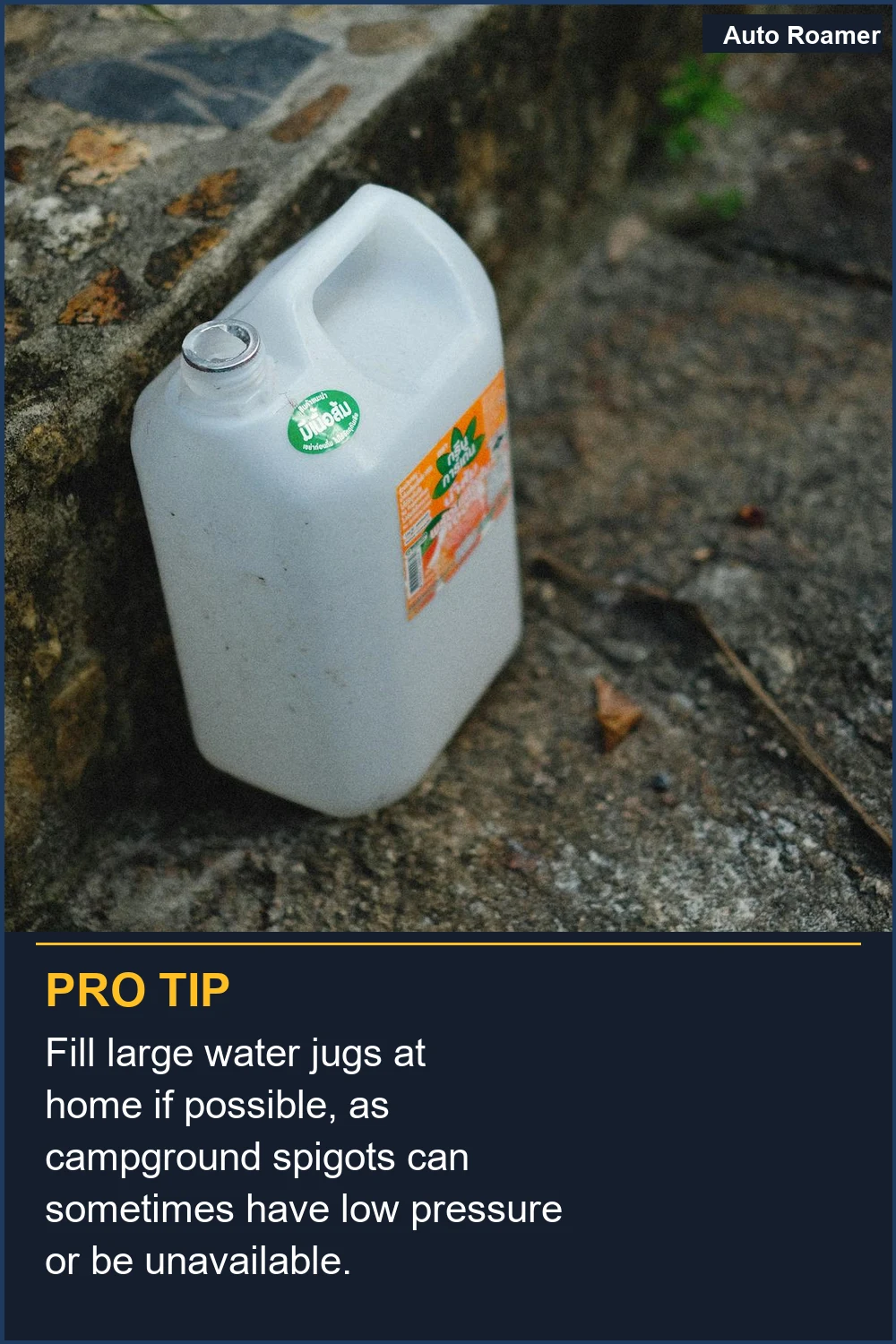
The biggest decision for your portable shower is whether you're hauling your own water or drawing from a natural source. Hauling your own is the safest bet for beginners. I learned this the hard way at a state park in Colorado. I thought I'd be clever and use the spigot near the bathhouse. Turns out, that spigot was only for filling trash cans, and the water pressure was pathetic. My $40 shower pump just sputtered. Buying large water jugs, like the 5-gallon ones from the grocery store, is the easiest way to go. You can submerge your pump directly into these, and you know exactly what you're getting. It's a bit of extra weight to carry, but for a weekend trip, it's totally manageable. This avoids any surprise contaminants. If you're feeling more adventurous, or you're on a longer trip, drawing from natural sources like lakes or rivers is an option. But here's the catch: you absolutely need a filter on the intake hose. I once tried to use water from a beautiful mountain lake in Montana without a filter. Big mistake. My pump sounded like it was trying to ingest sand for the next hour. That filter is non-negotiable. Some portable shower systems come with their own collapsible buckets or tanks. These are great because they're designed to be easy to fill and transport. You can fill them from a campground spigot or even a hose if you're at home before you leave. The honest version: if you're not sure, stick to bottled water or a dedicated portable tank. It's the simplest route for game-time. What nobody tells beginners is that even clear-looking water can have fine silt or algae that will wreck your pump's impeller. I learned that lesson on a trip near Moab, Utah. The water looked pristine, but my shower died after 10 minutes. A cheap inline filter saved the day. When in doubt, bring extra water. A single 5-gallon jug is usually enough for a quick rinse for one person. If you're planning on a longer shower or washing multiple people, you'll need more. I always pack at least two 5-gallon jugs for a weekend trip, just in case. Better to have it and not need it.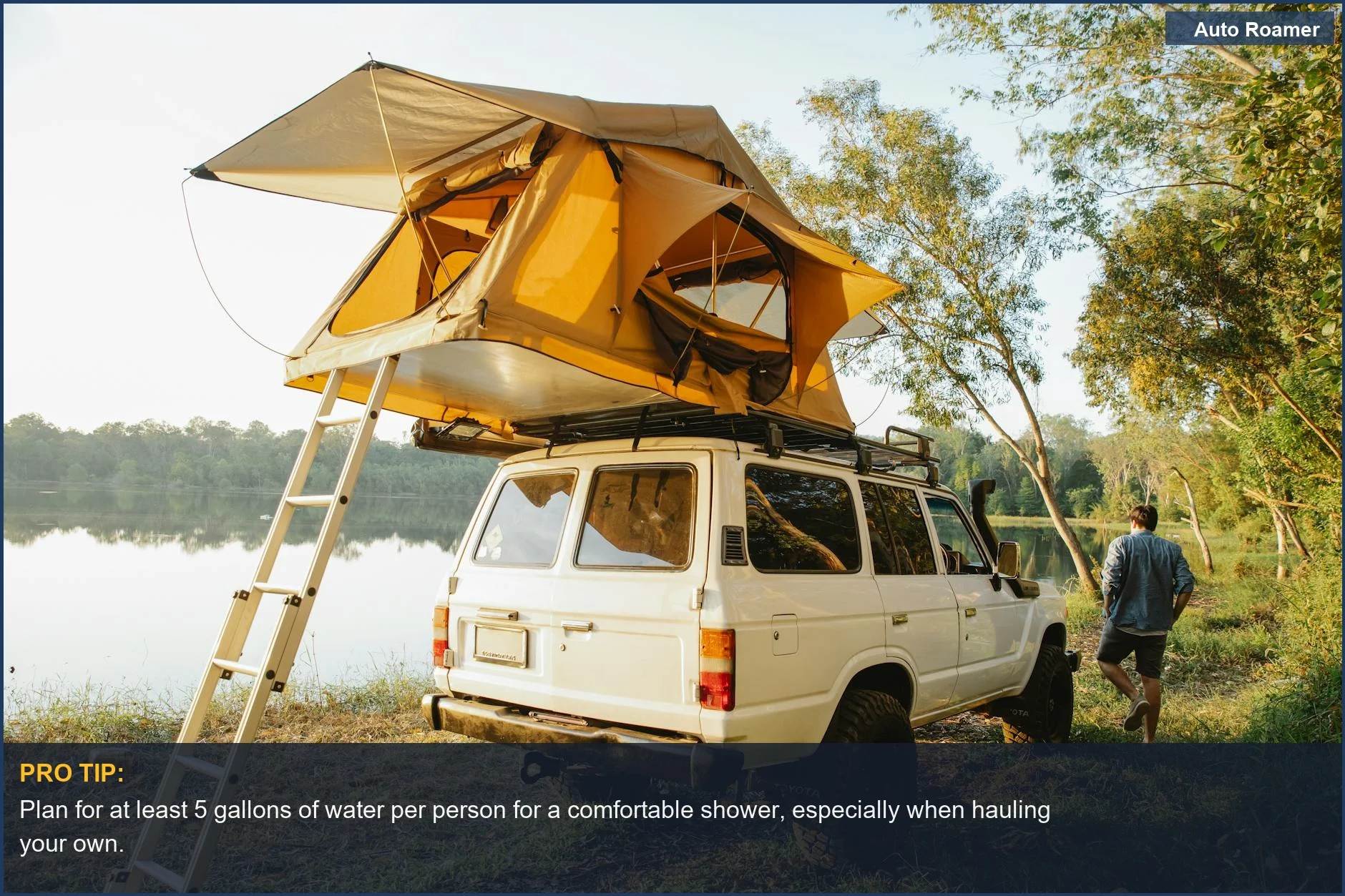
Why This Matters for Your Setup
Imagine this: you're finally at the campsite, ready for that glorious post-hike shower. You've got your portable shower unit, your privacy tent, and you reach for your water source. If you chose poorly, you might be looking at a weak trickle or a pump that sounds like it's gargling rocks. My first car camping trip involved a 3-gallon collapsible bucket filled from a nearby lake. The water looked clean, but it was full of microscopic algae. My pump struggled, and the shower pressure was pathetic. It was less 'refreshing rinse' and more 'sad drizzle'. If you're using a pump that needs to be submerged, a large, sturdy container is your friend. Think of those big translucent water jugs you can buy. They're easy to fill and sturdy enough to handle being moved around. I've seen people use those big blue water barrels too, but those are a pain to lug around. Using a natural water source without a filter is a rookie mistake that can cost you. You might think that clear stream is clean, but it could be full of sediment. That sediment can clog your pump's intake and even damage the motor over time. A simple inline filter is like $15 and saves a lot of headaches. Don't underestimate the power of a good old-fashioned large water jug. I used to think I needed some fancy setup, but honestly, a couple of these jugs and a submersible pump is the $50 version of a great shower. Plus, you control the water quality. It's the real move for simplicity.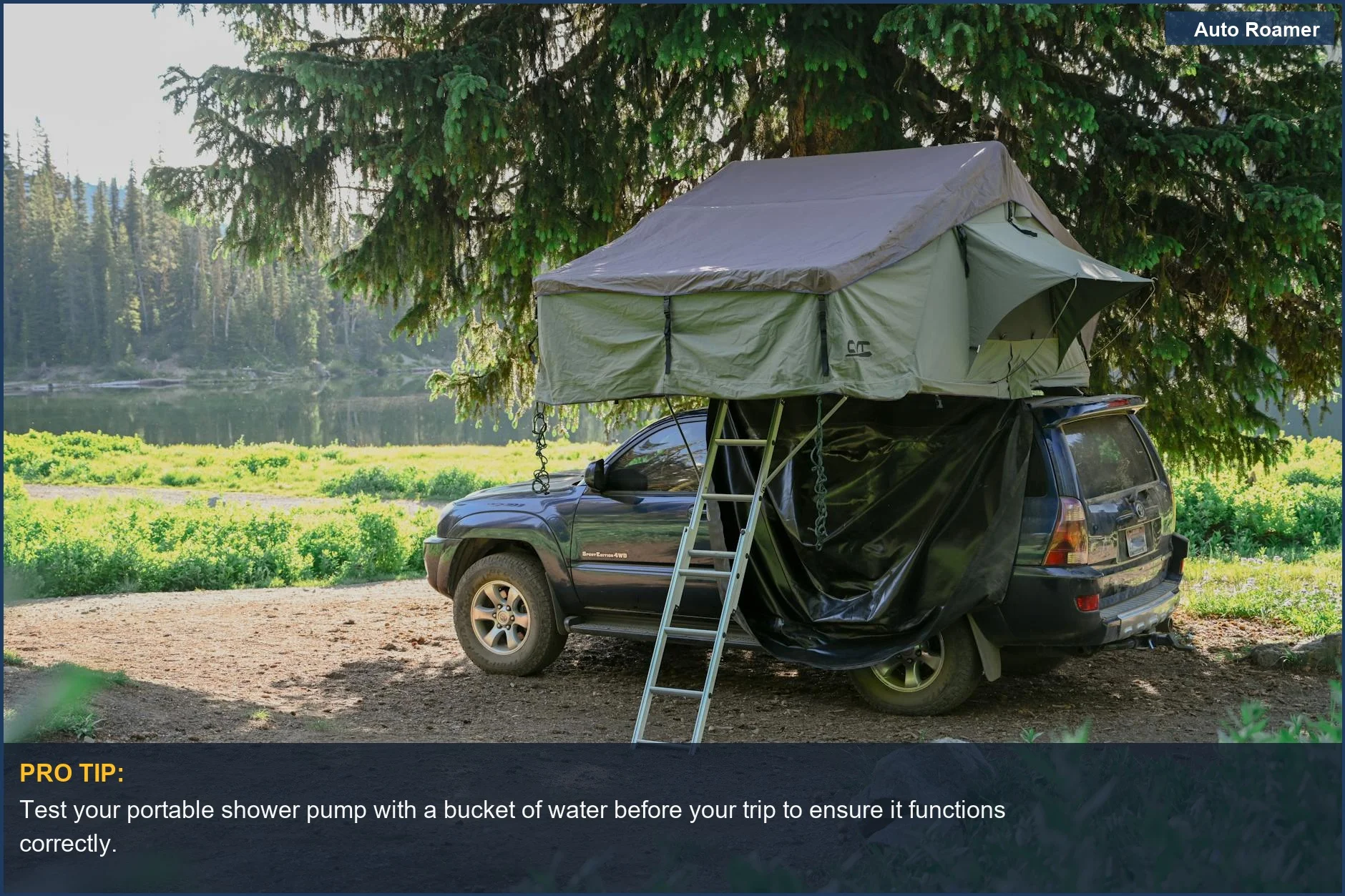
Making the Right Choice
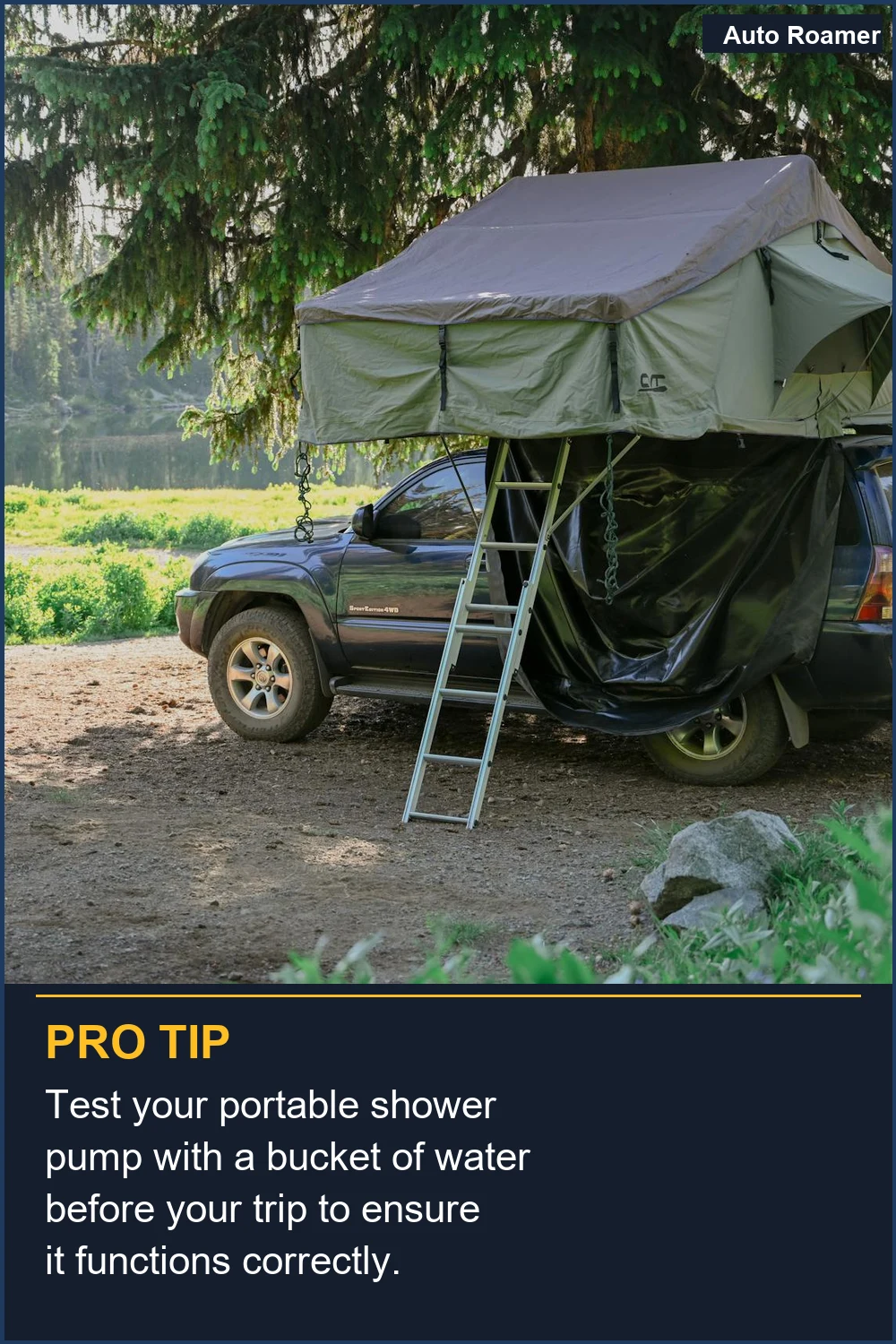
Ultimately, the best water source for your portable car camping shower depends on your trip's length and your tolerance for hassle. For weekend warriors, hauling your own water in large jugs is the most straightforward approach. It guarantees a clean supply and protects your pump. If you're venturing into the backcountry for longer periods, investing in a quality water filter for your pump intake is essential if you plan to use natural sources. I learned this the hard way when my pump died halfway through a week-long trip in the Sierras because I skimped on filtering lake water. That was a cold, gritty experience. Consider the weight and bulk of your water storage. A 5-gallon jug is manageable, but 20 gallons can be a serious undertaking. Plan your water needs realistically; a quick rinse uses less water than a full scrub-down. Don't overpack water if you don't need it. Think about your pump's requirements. Some pumps need a certain water depth to operate effectively. A shallow bucket might not cut it. Always check your pump's manual for its specific needs. It's the little details that make a big difference.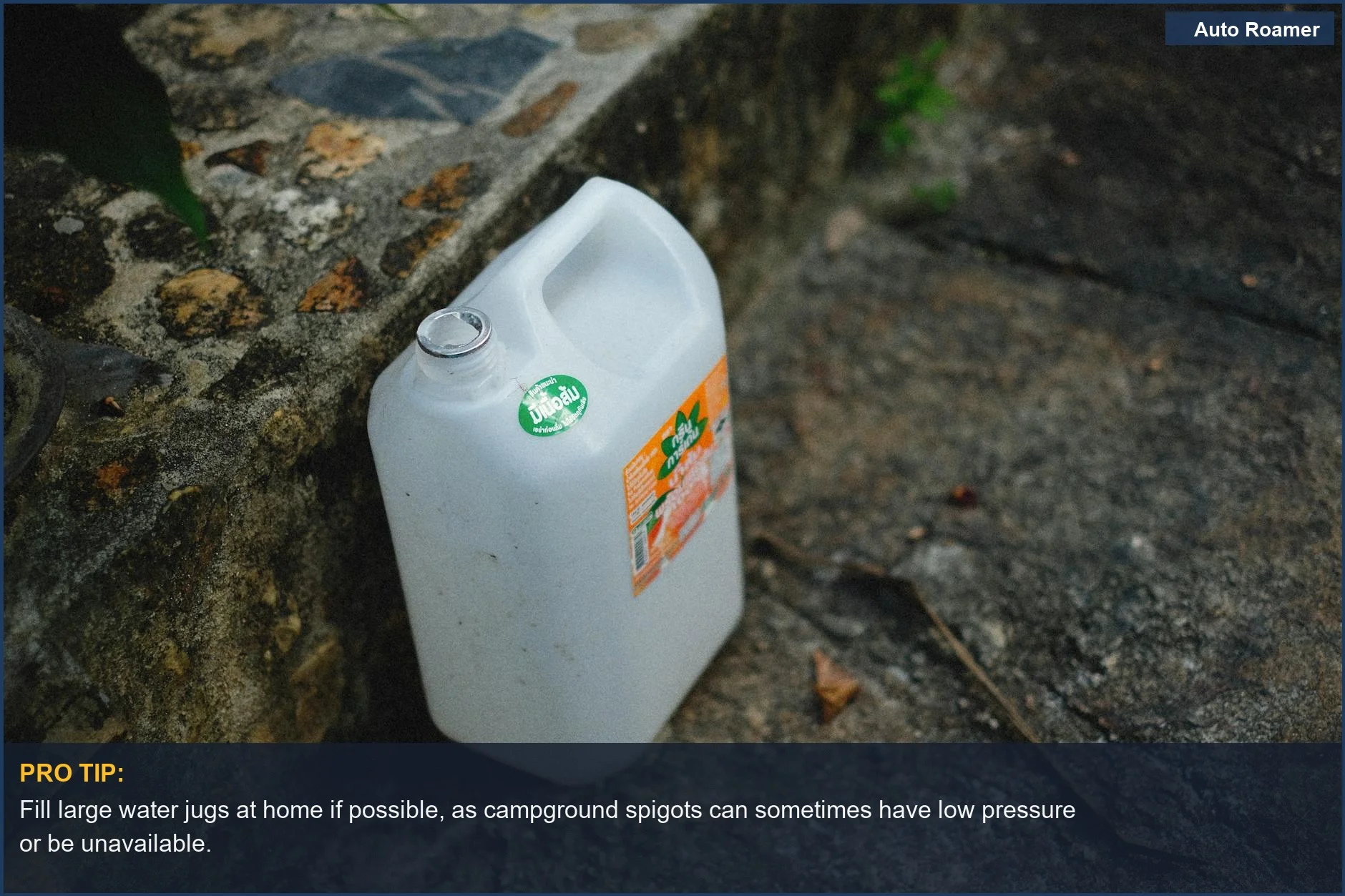
Frequently Asked Questions
If I buy a fancy portable shower system for $300, is it cheaper to just fill up a bunch of 5-gallon jugs from a campground spigot for $2 each, or should I get a water delivery service?
Do I really need a special water filter for my portable shower pump, or can I just use a coffee filter stuffed in the hose?
What if I try to draw water from a lake, and my pump still sounds weird even with a filter?
Can running my portable shower pump with unfiltered water permanently damage the pump motor?
Myth: You need a massive water tank for a portable shower to work well.
🏅 Looking for Gear Recommendations?
Check out our tested gear guides for products that work with this setup:
Sources
- Stay Clean Outdoors: Your Guide to Portable Camping Showers
- What water sources can be used for heated portable showers while ...
- Our Camp Shower System — Portable, HOT & Private! - YouTube
- An Essential Buyer's Guide for Portable Showers - Joolca
- Rinse, Relax, Repeat: Step-by-Step DIY Guide to Your Ideal ...
- Buyers Guide :: Portable Shower Solutions for Overland Travel
- Water for camping showers? : r/LostLandsMusicFest - Reddit
- camping-shower-made-simple-tips-and-tricks-for-a-refreshing-experience?srsltid=AfmBOorIpsTAttbofiT7n87JjuhW4S5cNvaqfpTFn6IGgFvEmHaPTnUM