Where to Start
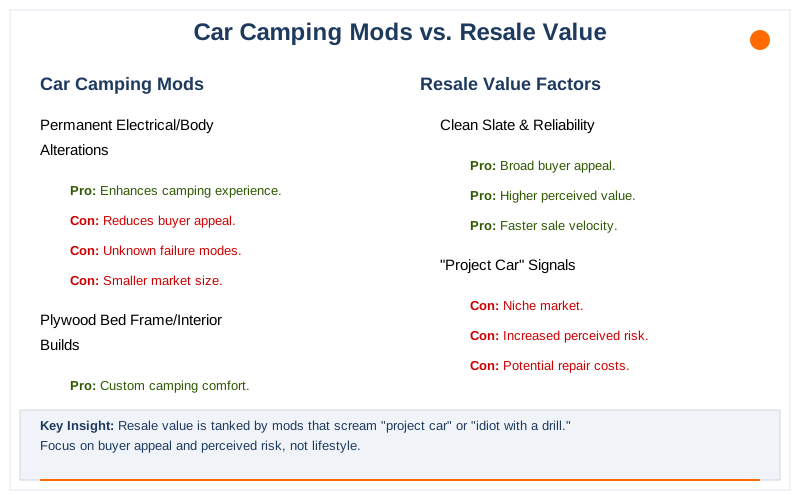
The dealer wanted $300 to remove a roof rack I installed in 43 minutes. Car camping mods are great for hitting the trail, but they're often a liability when you're trying to sell. Most buyers don't want your custom plywood bed frame or the drill holes from your solar panel mounts. You're trying to sell a vehicle, not a lifestyle.
The global car modification market is projected to hit $90.50 billion by 2033, but that doesn't mean every mod adds value according to Breakeryard. Most of it's garbage.
The Short Answer
Modifications for car camping often involve permanent alterations to the vehicle's electrical system, body, or interior. These changes introduce unknown failure modes for the next owner. They see a lifted suspension and think 'worn ball joints,' not 'off-road capability.' The market for a heavily modified vehicle is significantly smaller, reducing your sale velocity, as discussed by Minimalist vs Comfort Seeker.
Buyers want reliability and a clean slate. They don't want to inherit your thermal cycling issues from an improperly wired DC-DC charger or your compromised chassis integrity from a poorly installed roof tent. Every non-factory component is a potential point of failure. This increases their perceived cost-per-fix.
Performance tuning, loud exhausts, and lowered suspension are prime examples, Vista Motors notes. They signal hard use and potential future expenses. Most people buying a used car want a reliable daily driver, not a weekend warrior with questionable maintenance history.
Even seemingly minor aesthetic changes can deter buyers. That custom wrap or unique paint job might be your personality, but it's a niche taste. The broader market wants OEM. Anything that makes a vehicle harder to finance or insure will kill your sale. It's basic economics, not personal preference.
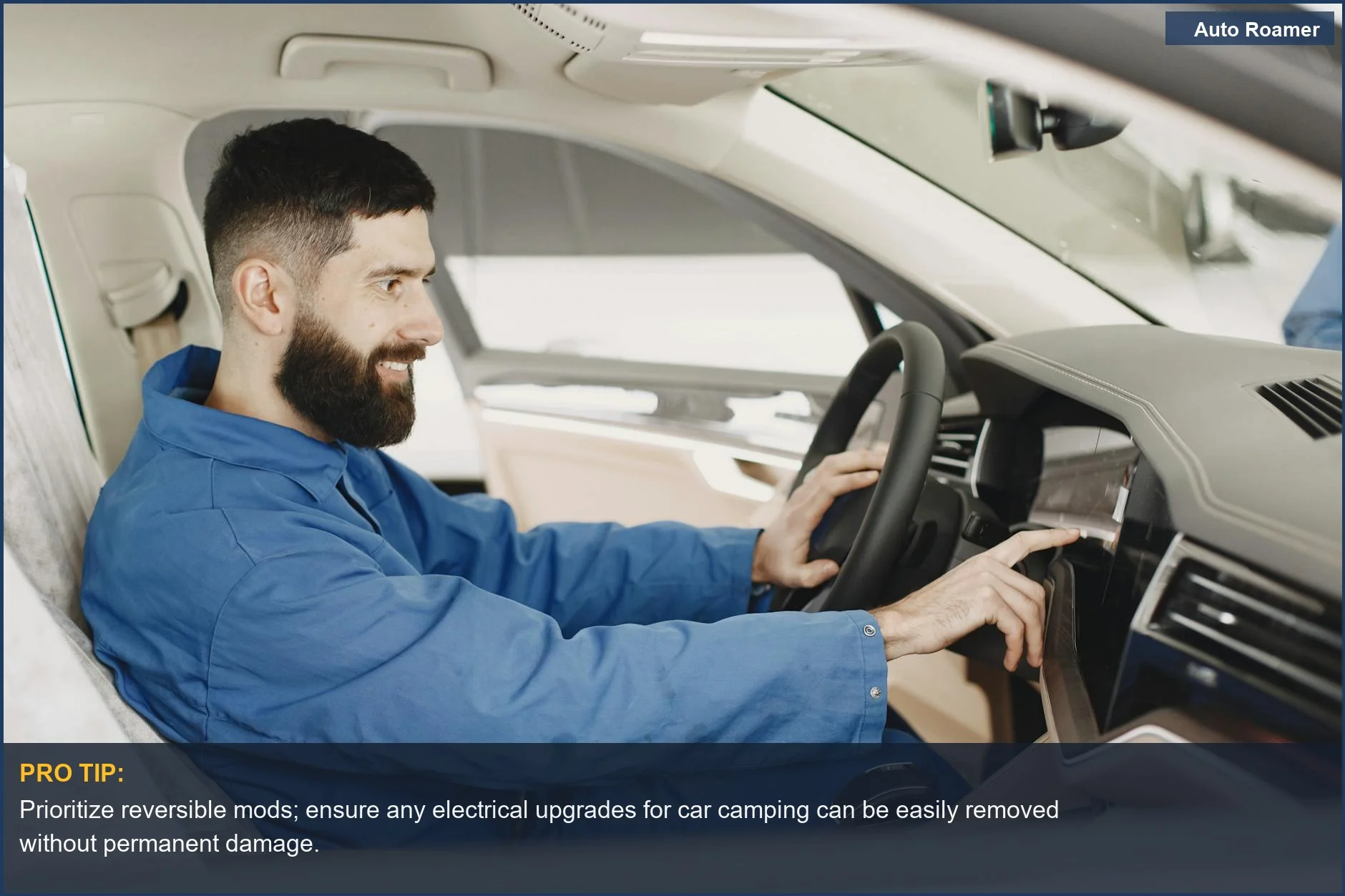
Reversible mods are the smart play. Think temporary cargo solutions or plug-and-play electronics. Anything that doesn't leave a scar. Pedal Commander outlines how these protect resale value. The less evidence you leave behind, the better.
When you introduce non-OEM components, you're also introducing variations in material properties, fastener torque specs, and electrical load characteristics. These can lead to accelerated wear, vibration-induced fatigue, or electrical shorts. The physics is unforgiving; a loose connection will arc, and an overloaded circuit will melt.
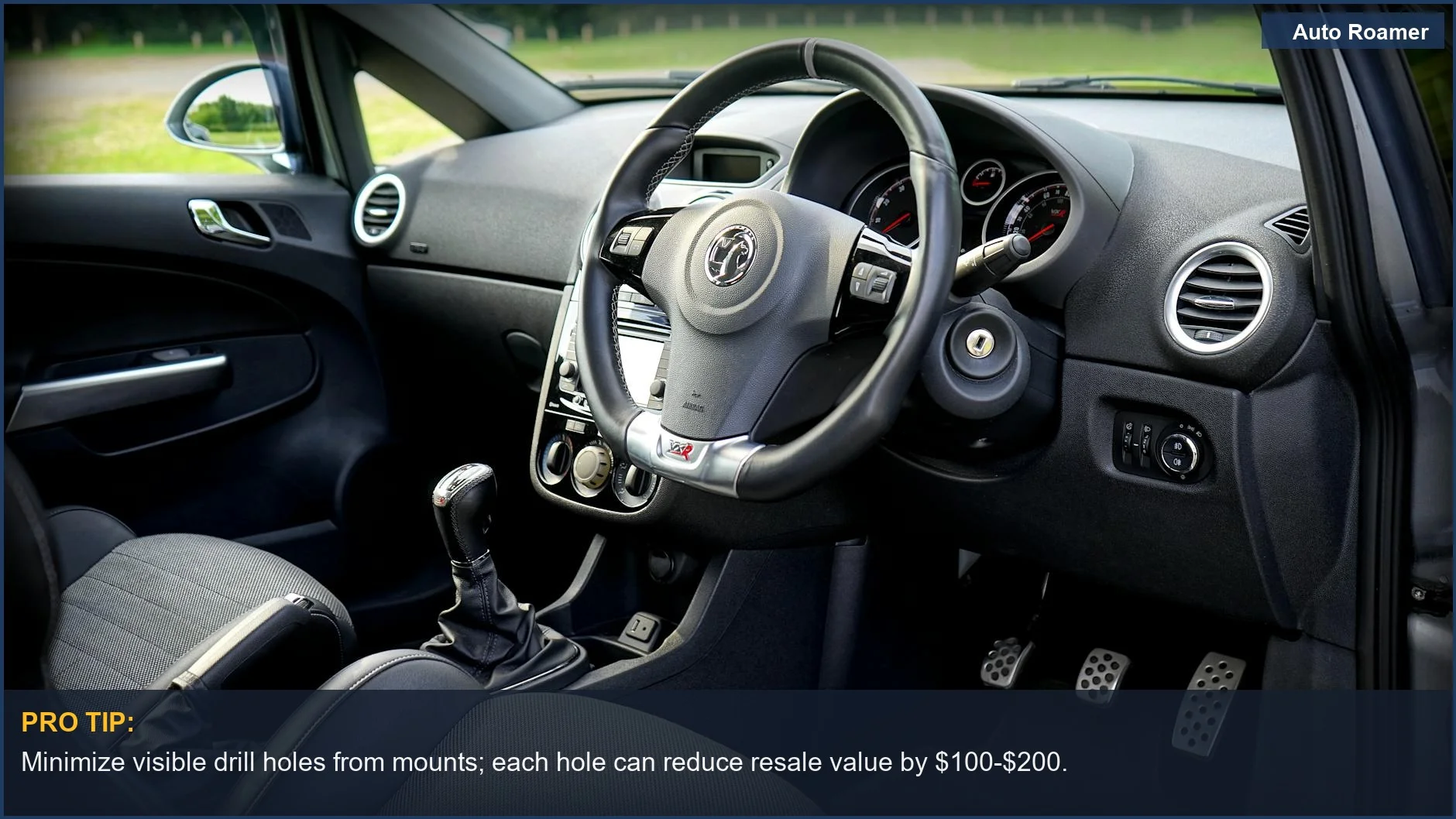
My rule of thumb: if it requires cutting, welding, or drilling into structural components, it's going to hurt resale. If it involves tapping into factory wiring harnesses without proper circuit protection, it's a fire hazard waiting to happen. Buyers smell that fear.
The Reality Check
Most car camping modifications are designed for utility, not long-term market appeal. You're optimizing for a specific, temporary use case. The problem is, that optimization often involves irreversible changes that diminish the vehicle's broad market desirability. Auto4Export highlights popular overlanding vehicles, but doesn't mention their resale after being butchered.
That custom drawer system might be perfect for your gear, but the next buyer sees a compromised cargo area. Your auxiliary battery setup means extra wiring, potential parasitic draws, and unknown load on the alternator. Every added component means more failure points.
Even simple things like roof racks, if not installed correctly, can lead to paint damage from friction or water ingress through compromised seal points. The vibration frequencies transferred from the rack to the roof during highway speeds can cause stress fractures over time. It's not just cosmetic; it's structural integrity.
CarOracle notes that assessing modification impact is complex and subjective. That's code for 'it's a crapshoot.' Most buyers aren't going to appreciate your bespoke solutions.
| Component | How It Fails | Symptoms | Fix Cost |
|---|---|---|---|
| Auxiliary Battery Wiring | Improper gauge wire, poor crimps, no fuse. High current draw causes thermal runaway. | Melted insulation, intermittent power, fire risk. | $400 - $1200 (rewiring, fire damage) |
| Roof Rack Mounts | Over-torqued bolts, missing seals, improper load distribution. Creates stress concentrations, water ingress. | Rust spots, water stains on headliner, wind noise, paint abrasion. | $200 - $800 (paint correction, rust repair, new seals) |
| Suspension Lift Kit | Altered steering geometry, increased CV joint angles, improper spring rates. Accelerates wear on driveline components. | Vibration at speed, premature CV boot failure, wandering steering, harsh ride. | $800 - $2500 (new CV axles, alignment, suspension components) |
| Interior Build-Out | Drill holes in body panels, poorly secured cabinetry, sharp edges. Compromises structural integrity, safety. | Rattles, squeaks, damaged interior trim, visible holes. | $500 - $1500 (panel replacement, upholstery repair, trim pieces) |
My old 4Runner had a custom bed platform. Solid, but it required removing the rear seats. Try selling a family SUV with no back seats. The buyer sees a project, not a solution. The loss in resale value far outweighed the convenience it provided for my camping trips.
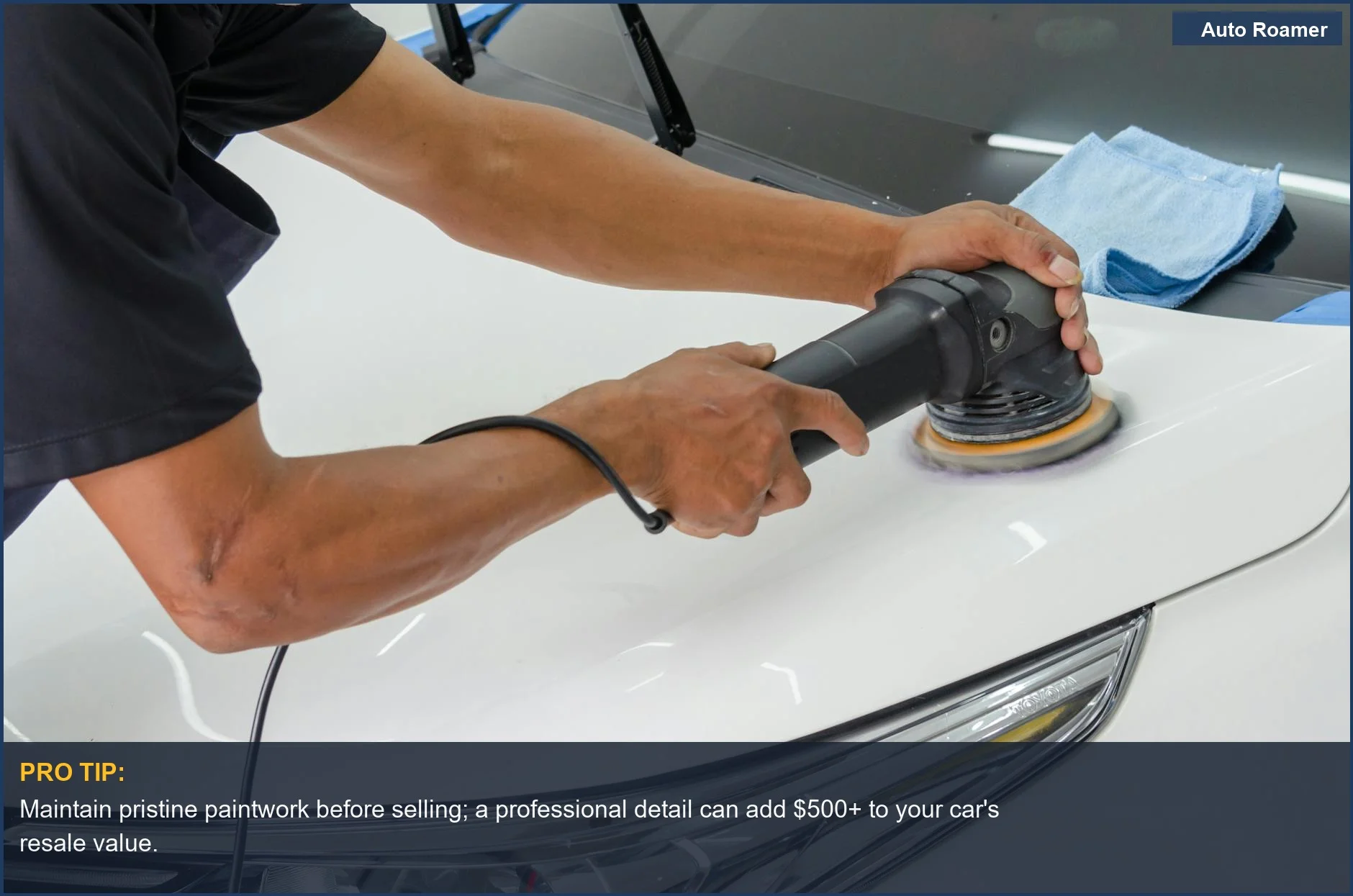
Even minor details, like adhesive residue from temporary mounts, can drop your price. That's a minimum of an hour of detailing work with a solvent like Goo Gone, which can damage certain plastics if not used carefully. Every perceived flaw is leverage for a buyer to knock down the price. Smart buyers look for these things.
How to Handle This
If you're already neck-deep in car camping mods and eyeing a sale, you've got a few options. Don't just dump it as-is and expect a good price. You'll lose 20% value, minimum. You're better off spending a few hundred bucks to recover some of that. YouTube channels offer some good ideas for mods that increase value, but the reverse is true for camping mods.
- Assess Reversibility and Damage: First, grab a flashlight and inspect every mod. Look for drill holes, cut wires, scratched paint, or stretched carpet. Document everything. If you've got a lift kit, check for excessive wear on CV boots or control arm bushings. This is your baseline for potential repair costs.
- Prioritize Removal: Start with the most obvious and easily reversible modifications. Roof racks, auxiliary battery systems, interior build-outs that don't require structural repair. Disconnect battery terminals before touching any wiring. Label every wire you disconnect; you're not a magician. My old F-150 had a solar setup that was a rats nest of 10-gauge wire and cheap butt connectors. Took me 3 hours to trace it all.
- Repair Structural Damage: For drill holes in sheet metal, clean the area, deburr the edges, and apply a rust-inhibiting primer. Then, use a body filler like Bondo for small holes, sanding flush once cured. For larger holes, you might need a patch panel welded in. This isn't a DIY job unless you've got a MIG welder and bodywork experience. Expect $150-$300 per panel for professional repair.
- Address Wiring Issues: If you've tapped into the factory harness, carefully remove the splices. Use heat-shrink butt connectors to repair cut wires, ensuring a waterproof, vibration-resistant connection. If you've cut a connector off, you'll need to source a new one and re-pin it. This requires a specific crimping tool, not just pliers. A cheap crimp will cause high resistance and eventually thermal failure.
- Restore Interior: Remove any custom flooring, bed platforms, or storage solutions. Clean all surfaces thoroughly. If you drilled into plastic trim, you might need to buy replacement panels. Check junkyards; a door panel from a wrecked vehicle is often $50-$100, far cheaper than new OEM at $300+. That's a common trick Sound-Waves mentions for improving ride quality, but it applies here too.
- Professional Assessment (If Selling As-Is): If you've got extensive, irreversible mods, consider selling to a niche buyer or an off-road shop. Get an appraisal from a specialist, not a standard dealer. They understand the market for modified vehicles, even if it's smaller. Be honest about the modifications and their impact on the vehicle's original state. Don't try to hide anything; it always comes back to bite you.
What This Looks Like in Practice
- The Rooftop Tent Mounts: A guy I know sold his Gladiator. He'd drilled 8mm holes through the bed rails to mount a heavy-duty bed rack for his rooftop tent. He removed the rack, but the holes remained. The buyer knocked $1500 off the price immediately, citing potential rust and compromised bed integrity. He figured the cost to properly fill and paint the holes was too high, and they'd always be a weak point for corrosion.
- The Auxiliary Battery System: My buddy's Sprinter van had a 200Ah LiFePO4 auxiliary battery system, wired with a DC-DC charger and inverter. He pulled the batteries and inverter, but left the heavy gauge wiring run through the firewall and under the chassis. The next owner saw exposed, dead-end wires and assumed a potential fire hazard or parasitic draw. He lost $1000 because the buyer didn't want to deal with tracing and removing the old circuit.
- The Lifted Tacoma: A client had a 3-inch lift on his Tacoma, with aftermarket control arms and heavy-duty springs. He thought it added value. The buyer's mechanic noted accelerated wear on the front CV axles and lower ball joints due to the increased operating angles. He had to replace both CVs for $600 each and the ball joints for $300, losing $1500 off the asking price. This YouTube video details how mods can tank resale.
- The Custom Interior Build-Out: I saw a Subaru Outback with a custom plywood platform bolted directly to the cargo area floor. When removed, it left six 1/4-inch bolt holes and significant abrasion marks on the plastic trim. The dealer offered $2000 less than market value, stating the interior was 'damaged beyond normal wear and tear.' The buyer saw structural compromise, not clever storage.
- The Cut Bumper: A Jeep Wrangler owner cut the rear bumper for better departure angle. He used a Sawzall, leaving jagged edges. He tried to sell it to me. I told him he'd need a new OEM bumper ($400) and paint ($200) to make it presentable. He ended up selling it for $800 less than he wanted, to someone who planned to cut it even more. Brilliant engineering.
Mistakes That Cost People
| Mistake | Why It's Bad | Failure Mode | Cost to Fix |
|---|---|---|---|
| Drilling Holes in Body Panels | Compromises structural integrity, invites corrosion. | Stress concentration points, water ingress, galvanic corrosion. | $200 - $1000 (bodywork, paint) |
| Cutting/Splicing Factory Wiring Harnesses | Introduces high resistance, potential shorts, warranty void. | Circuit integrity loss, thermal runaway, intermittent electrical faults. | $300 - $1500 (harness repair/replacement) |
| Removing Interior Trim/Seats Permanently | Reduces seating capacity, safety features, market appeal. | Compromised passenger safety, diminished utility, reduced resale pool. | $500 - $2500 (replacement seats, airbags, trim) |
| Aggressive Suspension Mods (Lifts/Drops) | Alters vehicle dynamics, accelerates wear on driveline. | Premature failure of CV joints, ball joints, bearings, reduced tire life. | $800 - $3000 (driveline components, alignment) |
| Improperly Sealed Roof Penetrations | Allows water ingress, leading to rust and mold. | Water damage to interior, rust on roof structure, electrical shorts. | $500 - $2000 (interior repair, rust treatment, new seals) |
| Leaving Adhesive Residue/Scratches | Aesthetic damage, signals poor care. | Paint abrasion, surface discoloration, perceived neglect. | $100 - $500 (detailing, paint correction) |
People often underestimate the tactile impact of a clean, unmolested interior. Scratches, drill holes, and adhesive marks tell a story of hard use and shortcuts. The perceived value plummets. CarOracle touches on this subjectivity, but it's really about risk aversion.
Don't assume your 'upgrades' are universal. What's functional for your specific camping style is often a liability for the next guy looking for a stock vehicle. You're narrowing your buyer pool to a tiny sliver of enthusiasts, who will then nitpick every detail.
My worst mistake was a homemade auxiliary fuse block. Used cheap spade connectors and no strain relief. The vibration from driving eventually caused intermittent shorts. Cost me an afternoon of troubleshooting and $40 in proper heat-shrink connectors and a new fuse block. Lesson learned: circuit integrity is non-negotiable.
Key Takeaways
Car camping mods are often a financial black hole for resale value. You're optimizing for a niche use case, not broad market appeal. Every drill hole, cut wire, or structural alteration introduces a new failure mode and perceived risk for the next owner.
- Permanent Alterations Kill Value: Anything that requires cutting, drilling, or welding into the vehicle's core structure will significantly hurt resale. Buyers want factory condition, not your project.
- Circuit Integrity Matters: Improperly wired auxiliary systems are a fire hazard and a source of parasitic draws.
Use proper gauge wire, fuses, and crimps, or don't touch it.
- Mechanical Stress is Real: Lift kits, heavy roof racks, and poorly secured interior builds introduce new stress points, accelerating wear on components and compromising chassis integrity.
- Reversible is Key: If you must modify, prioritize reversible solutions. Use existing mounting points, plug-and-play electronics, and temporary storage.
BachrodtonState highlights how some mods can increase value, but they're rarely the ones for camping.
- Cost-Benefit Analysis: Before any mod, consider the cost to install, the benefit during use, and the potential loss in resale. Often, the numbers don't add up.