
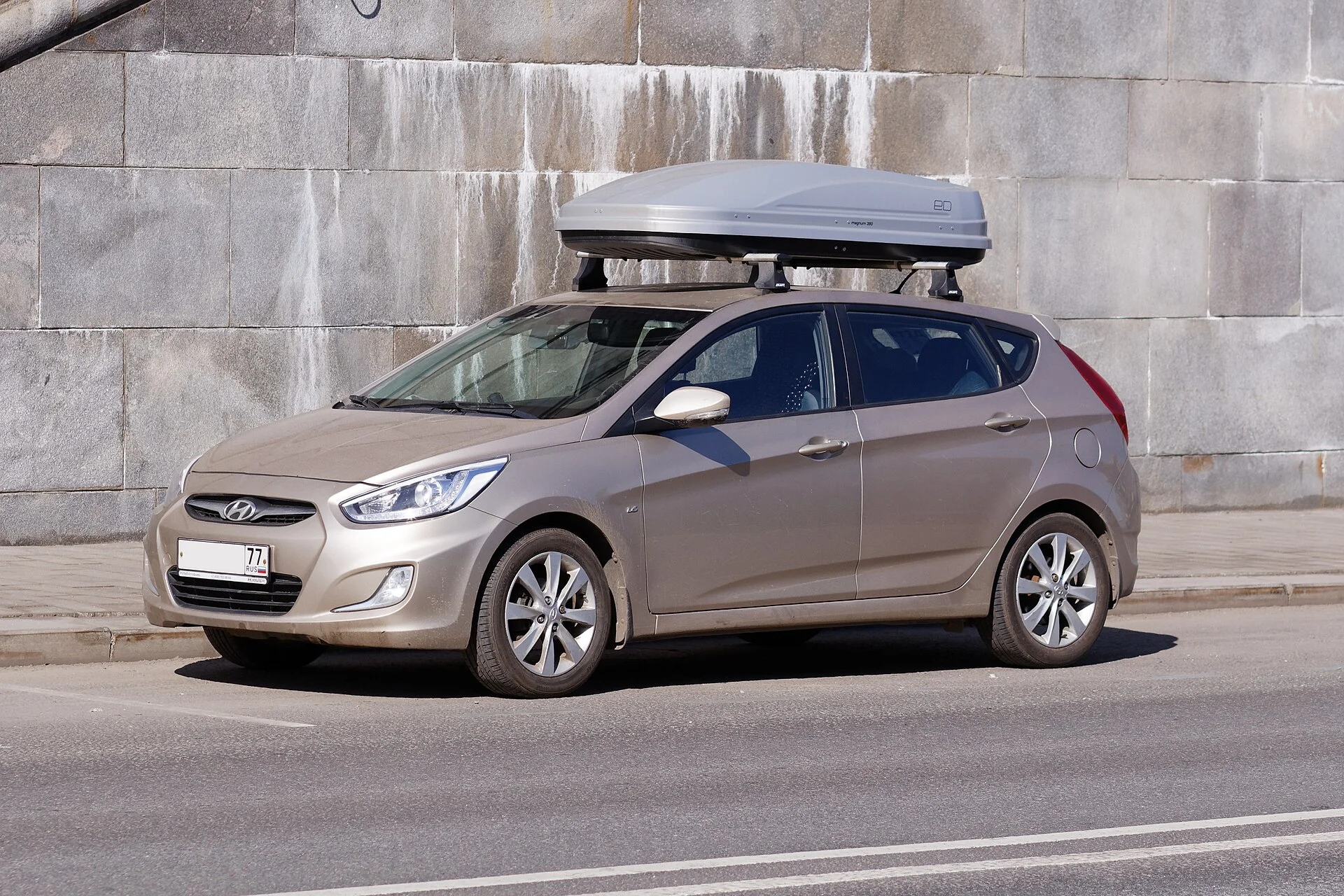
The honest verdict: premium finish vs value and capacity
The Thule Motion 3 XL and the Yakima SkyBox NX are the two boxes most road-trippers and car campers cross-shop, and they are closely matched: both are dual-opening, tool-free, aerodynamic premium boxes that free up your cabin for people and sleeping space. The decision comes down to finish and quiet versus value and capacity options, not to one being clearly better than the other.
The short version: choose the Thule Motion 3 XL if you want the sleeker, more finished, quieter box and are willing to pay for it. Choose the Yakima SkyBox NX if you want to save around $250 for comparable capacity, or want the 22 cu ft option for more gear.
At the matched 18 cubic-foot size, these two are genuine competitors in dimensions, weight, and features — reviewers repeatedly describe them as close. The Thule leans premium in fit and finish; the Yakima leans value and gives you more capacity choices. Neither is a wrong answer, and both do the core job well: getting bulky gear off your lap and out of the sleeping area so the vehicle's interior becomes livable space.
The rest of this guide covers capacity, fit and dimensions, the dual-side opening and mounting, aerodynamics and noise, security and weather sealing, the price gap, what a box does for car campers, crossbar requirements, and a clear recommendation you can act on for your specific vehicle.
The numbers that decide the box
Here is the head-to-head on the specs that decide a roof cargo box — capacity, opening, mounting, and price:
| Spec | Thule Motion 3 XL | Yakima SkyBox NX |
|---|---|---|
| Capacity | 18 cu ft | 16 / 18 (XL) / 22 cu ft |
| Opening | Dual-side | Dual-side |
| Mounting | Tool-free (PowerClick) | Tool-free |
| Security latch | SlideLock | SuperLatch |
| Price (comparable) | Premium | ~$250 less |
They match on the fundamentals — 18 cubic feet, dual-side opening, tool-free mounting. Thule leads on premium finish; Yakima leads on value and offers a larger 22 cu ft option. Both need crossbars rated for the load.
Because the two boxes match on capacity and core features, this comparison really comes down to two rows: finish and price. If a quiet, refined box that looks like part of the vehicle matters most, the Thule row wins; if raw space per dollar matters most, the Yakima row wins, and its larger 22 cubic-foot option extends that lead for big loads. Almost everything else in the table is a practical wash between the two.
Capacity: 18 cu ft head-to-head, plus Yakima's 22
Capacity is where the two lines both meet and diverge. The Thule Motion 3 XL is about 18 cubic feet. The Yakima SkyBox NX comes in 16, 18 (XL), and 22 cubic-foot options, so its 18 cu ft XL is a direct capacity match to the Thule, while the 16 serves shorter vehicles and the 22 offers more room for big hauls.
- Thule Motion 3 XL: ~18 cu ft — a single, well-judged size for most road-trip loads.
- Yakima SkyBox NX: 16 / 18 (XL) / 22 cu ft — a size for tighter roofs, a match for the Thule, and a larger option for big hauls.
Eighteen cubic feet swallows a family's soft bags, sleeping bags, tents, and camp chairs — enough to clear the cabin of the bulky, light stuff that otherwise eats your sleeping space. If you routinely over-pack or travel with a big group, the SkyBox NX 22's extra volume is a real advantage the single-size Thule cannot match, and it is one of Yakima's stronger arguments.
Remember that volume is not the binding limit — weight is. A box holds far more volume than your roof is rated to carry once it is full of dense gear, so pack light, bulky items up top and keep heavy items low in the vehicle. Choose the capacity that matches your gear, then respect the weight ceiling covered later in this guide, because overloading the roof is the one mistake that turns a convenience into a hazard.
Fit and dimensions: will it fit your vehicle and crossbars?
Before capacity, confirm fit. The Thule Motion 3 XL is roughly 80 inches long, 34 inches wide, and 15 inches high in the XL Low form. Length matters for two reasons: it must not overhang your windshield enough to block a sunroof or hit a rear hatch when open, and it needs a crossbar spread that supports its mounting points properly.
The SkyBox NX's range of sizes helps here — a shorter 16 cu ft box suits a compact car or a vehicle with a short roof, while the XL and 22 suit longer SUVs and vans. Both brands publish fit guides; check your specific roof length, sunroof, and rear-hatch clearance before buying, because a box that fits the crossbars can still foul a raised hatch or a moonroof if it is mounted too far forward or too far back on the roof.
Height is the other sleeper detail: a taller box (like the SkyBox NX 22) adds garage and parking-structure clearance concerns, so measure your garage door before choosing the tallest option. If you want help sizing to your needs, our guide on how to choose a roof rack cargo box size walks through matching volume, length, and height to your vehicle and gear, and our overview of the best roof rack cargo box for a road trip covers the broader shortlist beyond just these two premium boxes.
Dual-side opening and mounting
Both boxes open from either side, and once you have owned a dual-opening box you will never go back. The dual-sided opening lets you load and unload from whichever side you are parked on, which is a real convenience in tight campsites, parallel parking, or when the box is mounted slightly off-center to clear a roof antenna or vent on your vehicle.
Mounting is tool-free on both. Thule's quick-mount system and Yakima's clamp the box to your crossbars in minutes without tools, and both let you take the box off seasonally to reclaim fuel economy and garage clearance when you are not traveling. In practice both are straightforward one-person jobs once the crossbars are set, though lifting an empty box onto a tall SUV roof is easier with a second pair of hands to steady it.
- Dual-side opening: load from either side — both boxes.
- Tool-free mounting: quick-attach clamps to your crossbars — both.
- Seasonal removal: take it off to restore MPG and clearance — both.
This category is close to a tie. Both brands have refined their mounting hardware over many generations, and both are genuinely easy to live with day to day. If anything, the difference is in feel — the Thule hardware has a slightly more premium action — but functionally you are well served either way, and this should not be the deciding factor between them.
Aerodynamics, noise, and fuel economy
Any roof box adds drag, height, and wind noise, and that is the real running cost of the extra space. Both the Motion 3 and the SkyBox NX are shaped to be reasonably aerodynamic and to minimize the hit, but this is one area where the Thule's premium positioning tends to show: its refined shape and finish are often praised for being a touch quieter and slipperier at highway speed than the competition.
The practical realities apply to both. Expect some reduction in fuel economy when a box is mounted — the taller and more loaded it is, the bigger the hit — and expect more wind noise than you have without a box, rising with speed. Keeping the box empty when you are not traveling, and removing it entirely for daily driving, restores both MPG and quiet, so a box you can take off easily saves you money the rest of the year.
If highway wind noise genuinely bothers you, the same techniques that quiet a bare rack apply: our guide on how to stop roof rack wind noise covers crossbar positioning and wind fairings. Between these two boxes, the Thule holds a modest edge on quiet and aero refinement, while the Yakima is perfectly competitive — just not the class leader on that specific axis. For most drivers the difference is small next to the price gap, so weigh it accordingly rather than letting it dominate the decision.
Security and weather sealing
A roof box carries gear you cannot watch, sometimes overnight at a campsite or in a parking lot, so security and weather sealing matter more than the spec sheets suggest. Both boxes lock, and both are designed to keep the lid securely closed at highway speed and locked when you walk away. Yakima's SkyBox NX uses a SuperLatch security system, and the Thule Motion 3 uses Thule's locking system; both secure the lid closed and lock the box to the crossbars.
Honest framing: a locked roof box deters casual theft and keeps the lid from popping open, but no plastic box is a safe. Treat the lock as a deterrent, not a vault — do not leave valuables or electronics in the box overnight in a sketchy spot. For gear like tents, sleeping bags, and chairs, the lock is plenty of security for peace of mind.
Weather sealing is strong on both premium boxes — they are built to keep rain and road spray out of your gear across a long wet drive, which is a genuine advantage over a soft roof bag. Both brands have long reputations for keeping contents dry; if you regularly drive through heavy weather, either sealed hard box beats the soft-bag alternative, and the choice between them does not hinge on sealing since both do it well.
Price and value: the ~$250 question
The clearest practical difference between these two is money. The Yakima SkyBox NX XL is typically about $250 cheaper than the comparable Thule Motion 3 XL Low for the same 18 cubic feet of capacity. That is a meaningful sum, and it is the Yakima's central argument for value-focused buyers.
What does the Thule premium buy? A more refined finish, a slightly quieter and more aerodynamic shape, and the brand's polished hardware feel. Those are real, but they are refinements rather than function — both boxes hold the same gear, open from both sides, mount tool-free, lock, and keep your gear dry. If those refinements matter to you and the budget is there, the Thule justifies its price; if you would rather put $250 toward gear or the trip itself, the Yakima gives you the same core capability.
The Yakima also stretches the value further with its 22 cu ft option, which can give you more capacity than the Thule XL for a price that may still land near or below the Thule. So the value question is not only 'cheaper for the same' but 'more capacity options for the money.' For budget-conscious buyers and big packers, that combination is hard to argue with; for finish-first buyers who will notice the Thule's quiet and polish every drive, the premium earns its keep.
What a roof box does for car campers
For a car camper, a roof box is not really about carrying more — it is about carrying differently, so the inside of the vehicle becomes a place to sleep rather than a storage unit. The bulky, light gear that otherwise buries your cargo area — sleeping bags, tents, chairs, duffels — goes up top, and suddenly the back of the SUV is a flat, usable sleeping platform.
That is the whole value proposition for camping: a box converts wasted roof space into storage so the cabin becomes living space. It also keeps gritty, wet, or gear-smelling items out of the space you breathe and sleep in overnight, which matters a lot when the vehicle is your bedroom. Pair a box with a good sleep setup inside and you have a comfortable, uncluttered rig without buying a bigger vehicle.
If your camping is roof-heavy in other ways, it is worth thinking about the whole roof system: our guide to the best roof rack cargo box for a road trip and our take on how to choose a roof rack cargo box size help you plan capacity, while remembering that a box competes with other roof loads like bikes or a rooftop tent for the same weight budget. For most campers, though, the box is the single best way to free up the interior for sleeping, and it is why so many camping SUVs wear one.
Crossbars and the weight limit that actually matters
Here is the safety point that overrides everything else: your roof's dynamic weight limit, not the box's volume, sets what you can carry. Both boxes require crossbars rated to carry the box plus its contents, and both are only as safe as the rack underneath them, so the crossbars are not an afterthought.
Every vehicle has a dynamic roof load rating — the weight it can carry while moving — that is often lower than people expect, frequently in the ballpark of a modest gear load once the box's own weight is subtracted. Add the box's weight to your gear and keep the total under both the crossbar rating and the vehicle's dynamic roof rating, whichever is lower. This is exactly why you pack light, bulky items in the box and keep heavy items low in the cabin.
- Check three numbers: vehicle dynamic roof rating, crossbar rating, box weight.
- Stay under the lowest: that is your real cargo ceiling.
- Pack smart: light and bulky up top, heavy and dense down low.
Both Thule and Yakima publish crossbar fitment guides; confirm your crossbars are compatible and rated before you buy either box. If you are still deciding whether you need a rack setup at all, our take on whether roof racks are necessary is worth a read, and it is worth budgeting for good roof crossbars up front rather than treating them as an afterthought. Get the fundamentals right and the box-versus-box decision is purely about finish, capacity, and price.
Which to buy: finish and quiet, or value and capacity
Both are top-tier roof boxes, and either will serve a road-tripping car camper for years. Decide on the two axes that separate them — refinement versus value, and single size versus capacity options — and let the rest follow from there.
- Buy the Thule Motion 3 XL if you want the sleeker, more finished box with the edge on quiet and aerodynamics, and the premium hardware feel is worth roughly $250 to you.
- Buy the Yakima SkyBox NX if you want to save around $250 for comparable 18 cu ft capacity, or want the 16 cu ft size for a shorter roof or the 22 cu ft for more gear. It is the value and flexibility pick.
Finish-first buyers with mainstream SUVs lean Thule; budget-conscious buyers, big packers, and those with unusual roof lengths lean Yakima. Whichever you choose, confirm your crossbars are rated and compatible, respect your vehicle's dynamic roof limit, and enjoy the real payoff: a cabin freed up for people and sleeping, with the bulky gear riding safely and dryly overhead where it belongs.