
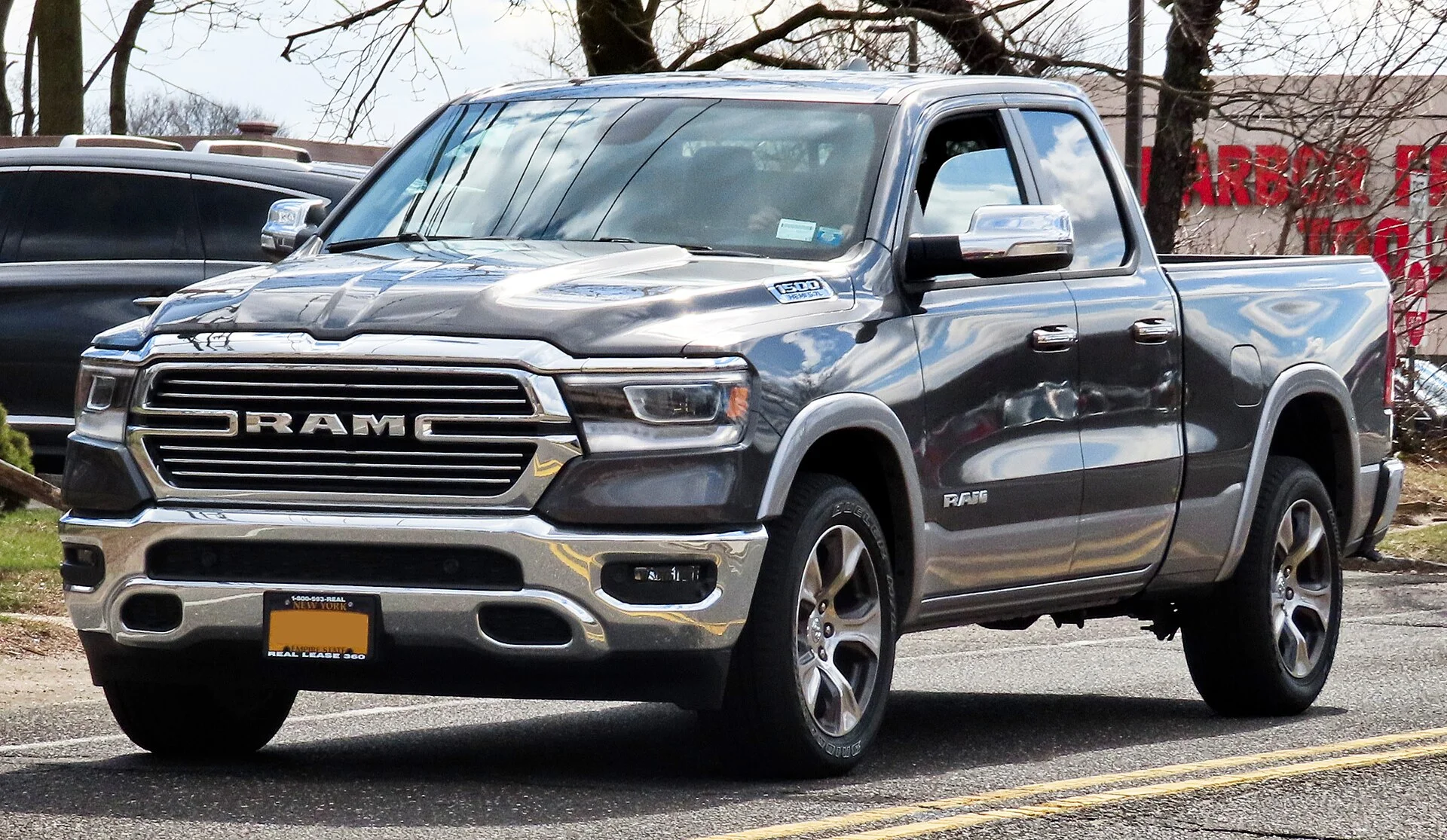
On a Full-Size Truck, Clearance Lies About Capability
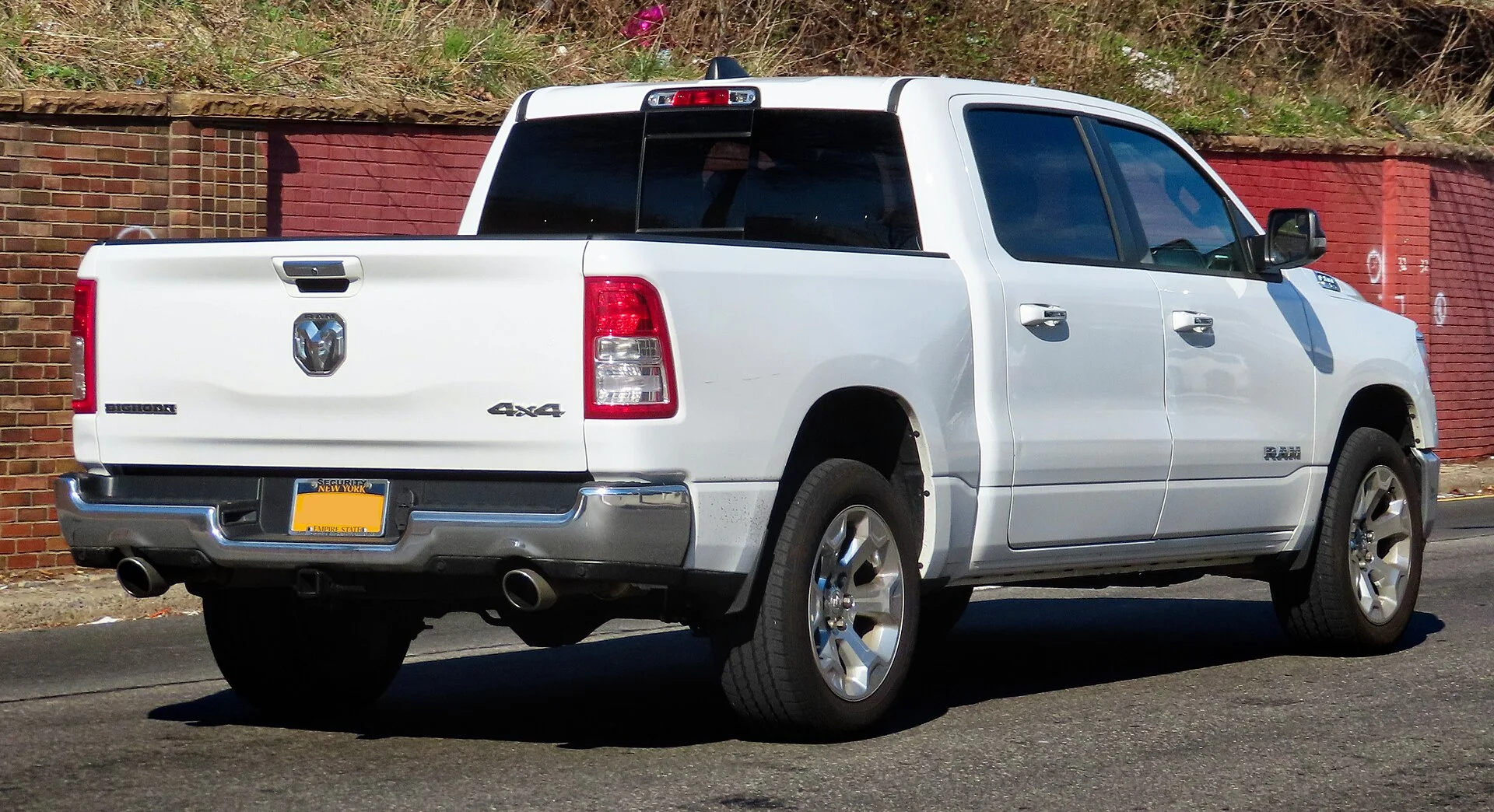
The Ram 1500 Rebel looks like an off-road bargain on paper: a lot of ground clearance for a lot less than the range-topping model. And the clearance is real, the Rebel comes standard with a 1-inch suspension lift and 9.7 inches of ground clearance, more than most SUVs. But clearance alone is a misleading way to judge a full-size truck's off-road capability, and a value-minded buyer needs to see why.
The catch is the approach angle. The Rebel has a 20.9-degree approach angle, which is modest, notably less than many smaller vehicles with far less clearance. A pickup's long front overhang and low-hanging air dam mean the bumper contacts a slope well before the belly does, so all that clearance underneath cannot be used on a steep climb. The truck runs out of approach before it runs out of clearance.
This is the trap of shopping a truck on the clearance number alone. A Rebel with 9.7 or even 10.7 inches of clearance and a 20.9-degree approach angle will scrape its front end on obstacles a shorter, steeper-nosed vehicle with less clearance climbs cleanly. The clearance is a headline; the approach angle is the fine print that governs real climbs.
This guide reads the Ram 1500's off-road geometry the way it actually behaves: the clearance the Rebel's lift options buy, the modest approach angle that limits it, the RHO's very different numbers, and where the value genuinely sits for a camper reaching dispersed sites. The goal is to buy the capability that matters, not the clearance that photographs well.
The Lift Option Is the Clearance Lever, Not the Trim
The most useful thing to understand about Ram 1500 clearance is that the suspension setup, not just the trim badge, sets the number. The Rebel comes standard with a 1-inch lift and 9.7 inches of clearance, and it offers an available 2-inch lift that raises ground clearance to 10.7 inches. That is a full inch of clearance available within the same trim, decided by an option box.
That within-trim range matters for a value shopper because it means clearance is somewhat configurable rather than fixed to the price of the truck. A buyer wanting the higher 10.7-inch figure does not need to jump to a more expensive model; the 2-inch lift on the Rebel gets there. The lift, not the badge, is the lever.
A Ram 1500's clearance is set by its suspension configuration as much as its trim. The Rebel spans 9.7 to 10.7 inches on lift choice alone, so the option sheet, not just the model name, decides how much clearance you get.
The broader lineup confirms how much the setup matters: Ram 1500 ground clearance ranges from about 8.2 inches to 10.9 inches depending on trim and suspension setup. That is a spread of nearly three inches across the range, driven by suspension configuration. Knowing where a specific truck sits in that 8.2-to-10.9-inch band, based on its actual setup, is the first step in judging its clearance honestly.
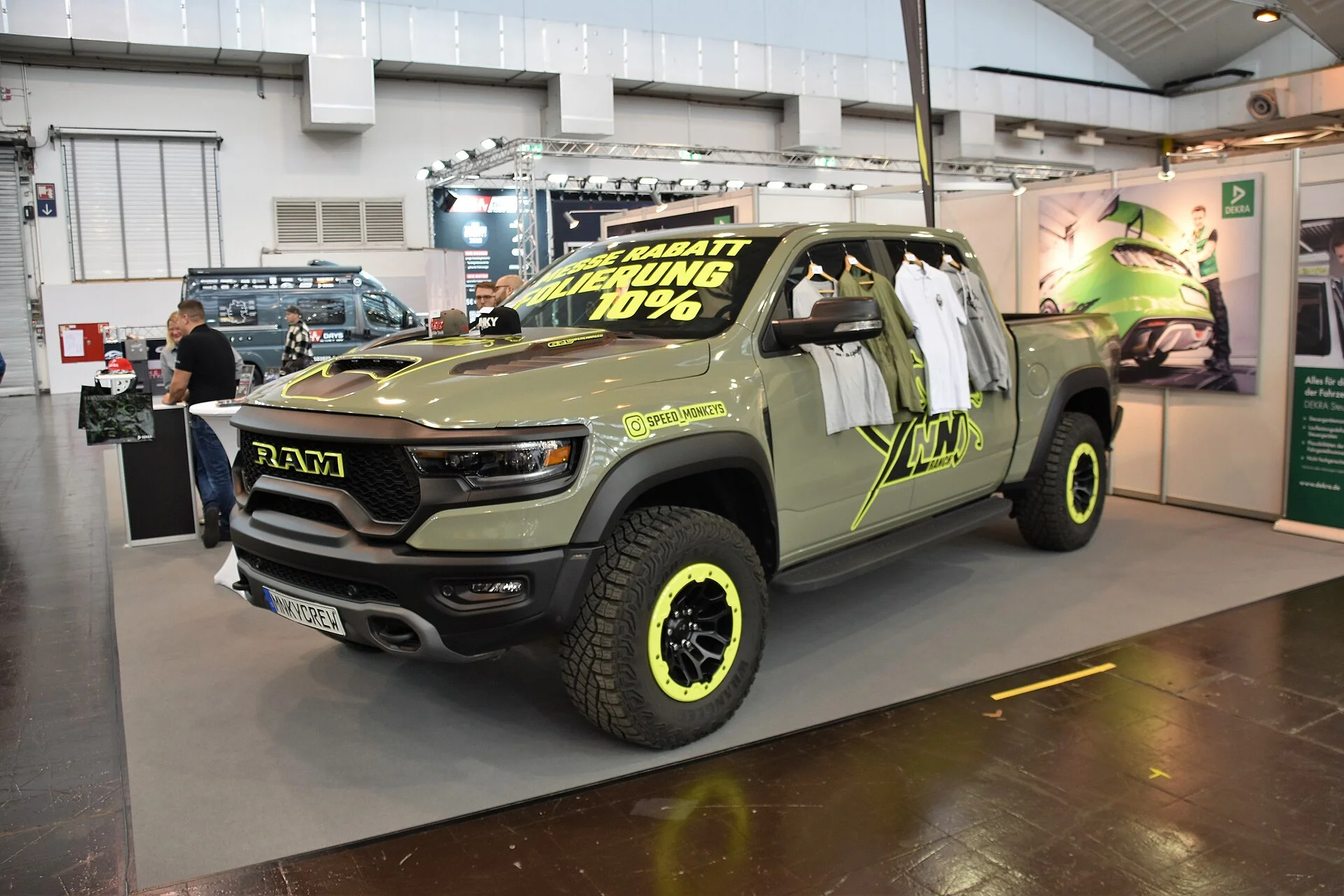
Why the Rebel's Approach Angle Is Only 20.9 Degrees
The number that tempers all that clearance is the approach angle, and on the Rebel it is a modest 20.9 degrees. For a truck with 9.7 to 10.7 inches of clearance, that is a surprisingly shallow figure, and understanding why explains the whole capability picture.
The culprit is geometry that clearance cannot fix. A full-size pickup has a long front overhang, the distance from the front axle to the tip of the bumper, and often a low front air dam for highway aerodynamics. Both hang down and forward, so when the truck noses into a slope, the bumper or air dam contacts the terrain at a shallow angle regardless of how much clearance sits under the middle of the truck.
This is why approach angle, not clearance, is the real off-road limiter on a truck like the Rebel. The 20.9-degree figure means the front end scrapes on moderately steep climbs that the clearance number alone suggests it should handle. The belly has room; the nose does not. That mismatch is the defining trait of a big truck off-road.
For a camper, the practical consequence is that the Rebel handles rough, undulating terrain and moderate obstacles well, thanks to the clearance, but reaches its limit on steep bank climbs and ledges where the 20.9-degree approach runs out. Reading that angle honestly prevents the disappointment of a high-clearance truck stopped by its own bumper on a climb it looked capable of.
Departure and Breakover: The Rest of the Picture
Approach is the headline limit, but the other angles complete the honest picture. The Rebel has a 22.2-degree departure angle, which governs backing off a ledge or descending a steep drop before the rear bumper drags. That figure is slightly better than its approach, reflecting a rear overhang that, while still long, sits a bit higher than the nose.
Departure matters most on exits and descents, and 22.2 degrees is adequate for the moderate terrain the Rebel suits. Like the approach, it is limited by the truck's size, a full-size pickup simply has more body hanging past the axles than a compact off-roader, so its departure angle is naturally shallower despite generous clearance.
Breakover, the angle governing whether the belly high-centers cresting a ridge, is the other size-driven limit. The RHO's breakover is 22 degrees, and a truck's long wheelbase is the main factor here: the distance between the axles determines how sharp a crest the truck can clear without grounding the middle. A long-wheelbase pickup is inherently prone to high-centering on abrupt crests.
Together, the Rebel's angles paint a consistent portrait: a truck with excellent clearance but the moderate approach, departure, and breakover angles that its full-size body dictates. None of these are bad numbers for a big truck, but all of them are the reason clearance alone overstates the Rebel's capability. The angles are where the truck's size shows up as an off-road limit.
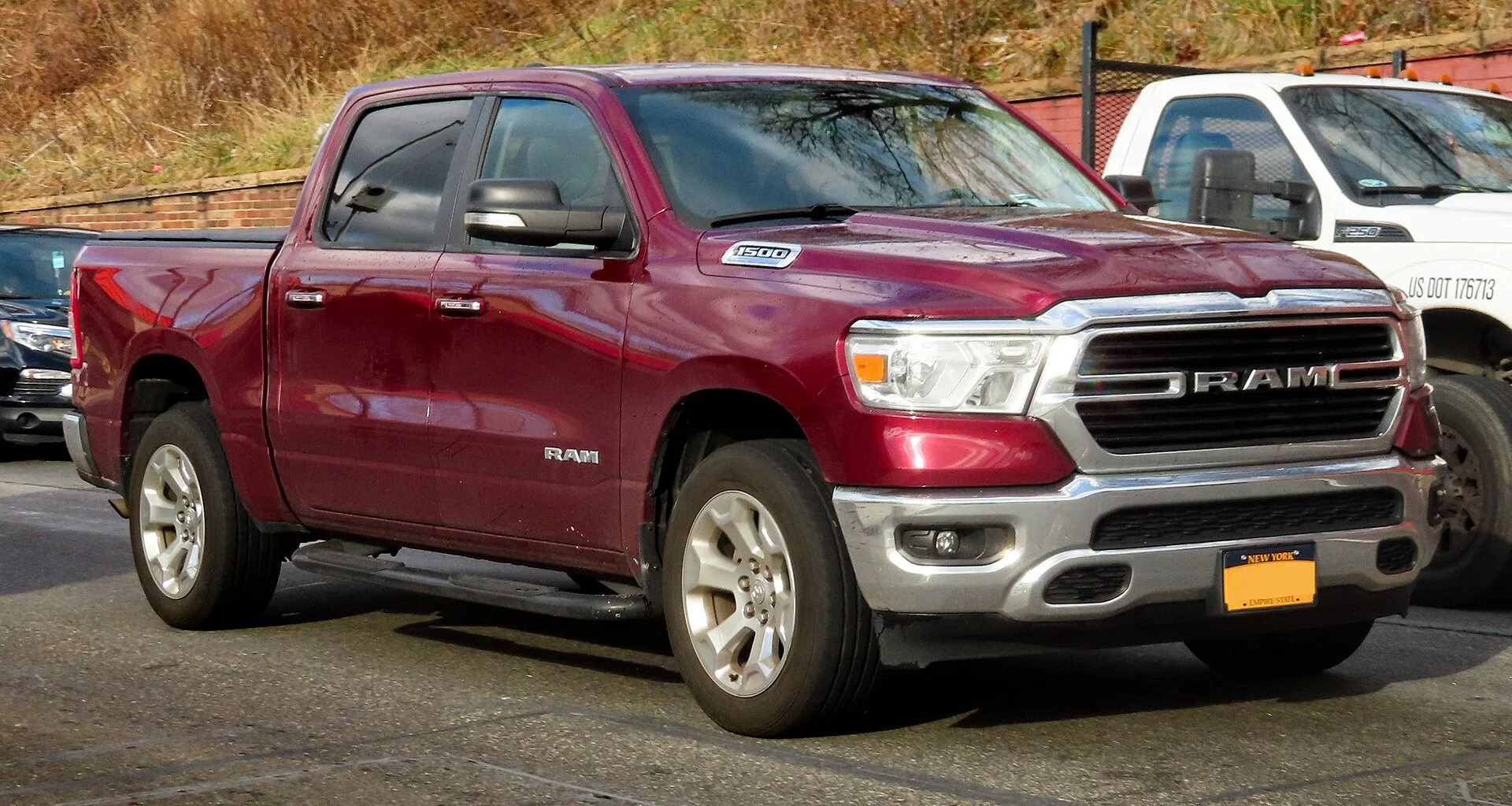
The RHO: What the Premium Actually Buys
To see what the Rebel's modest angles cost, compare them to the range-topping off-road model. The 2026 Ram 1500 RHO, the off-road successor to the TRX, has 11.8 inches of ground clearance and a 31-degree approach angle. That approach figure is the headline: 31 degrees versus the Rebel's 20.9 is a transformation, not an increment.
The RHO earns that approach angle through a purpose-built front end, a raised, trimmed-back nose engineered for high-speed desert running, along with the extra inch-plus of clearance to 11.8 inches. It also carries a 25-degree departure angle and a 22-degree breakover, both improved over the Rebel, so the whole geometry is lifted, not just the ride height.
The point for a value shopper is precise: the RHO's premium buys approach angle above all. Its 31-degree approach clears steep climbs and ledges that stop the Rebel's 20.9-degree nose, which is the capability the Rebel's clearance alone cannot deliver. If the terrain demands steep front-end climbs, the RHO's geometry is what actually meets them.
But that capability is built for terrain, fast desert and serious obstacles, that most camping never involves. The RHO is a specialized, expensive tool, and paying for its 31-degree approach makes sense only if the routes genuinely contain the climbs that need it. For ordinary dispersed-camping access, its extremes go unused, which is exactly the value calculation a camper has to make.
What the Rebel Actually Clears
Cutting through the numbers, the Rebel is a genuinely capable truck for the terrain most campers actually drive. Its 9.7 to 10.7 inches of clearance let it straddle ruts, rocks, and washboard that would drag a stock truck, and that clearance is the strength a rough dirt road most taxes. On undulating, rocky-but-not-steep terrain, the Rebel is in its element.
Where it reaches its limit is the steep front-end climb: a sharp bank up to a campsite, a tall ledge, an eroded pitch. There the 20.9-degree approach angle governs, and the Rebel's nose contacts before its clearance is exhausted. A driver learns to pick lines that avoid presenting the bumper to a steep face, working around the approach limit the clearance cannot overcome.
For dispersed camping, this maps to a clear capability profile. The Rebel confidently handles forest roads, gravel, moderate rock and ruts, and washboard, the great majority of dispersed-site access, while asking for care or a detour on the steepest climbs. That is a lot of capability for a truck that also serves as a comfortable daily driver and hauler.
The honest read is that the Rebel's clearance is not wasted, it does real work on rough terrain, but it is best matched to the moderate off-road use camping involves rather than the steep obstacles the approach angle rules out. A camper who understands that profile buys the Rebel for what it does well and does not expect the steep-climb capability its clearance number falsely implies.
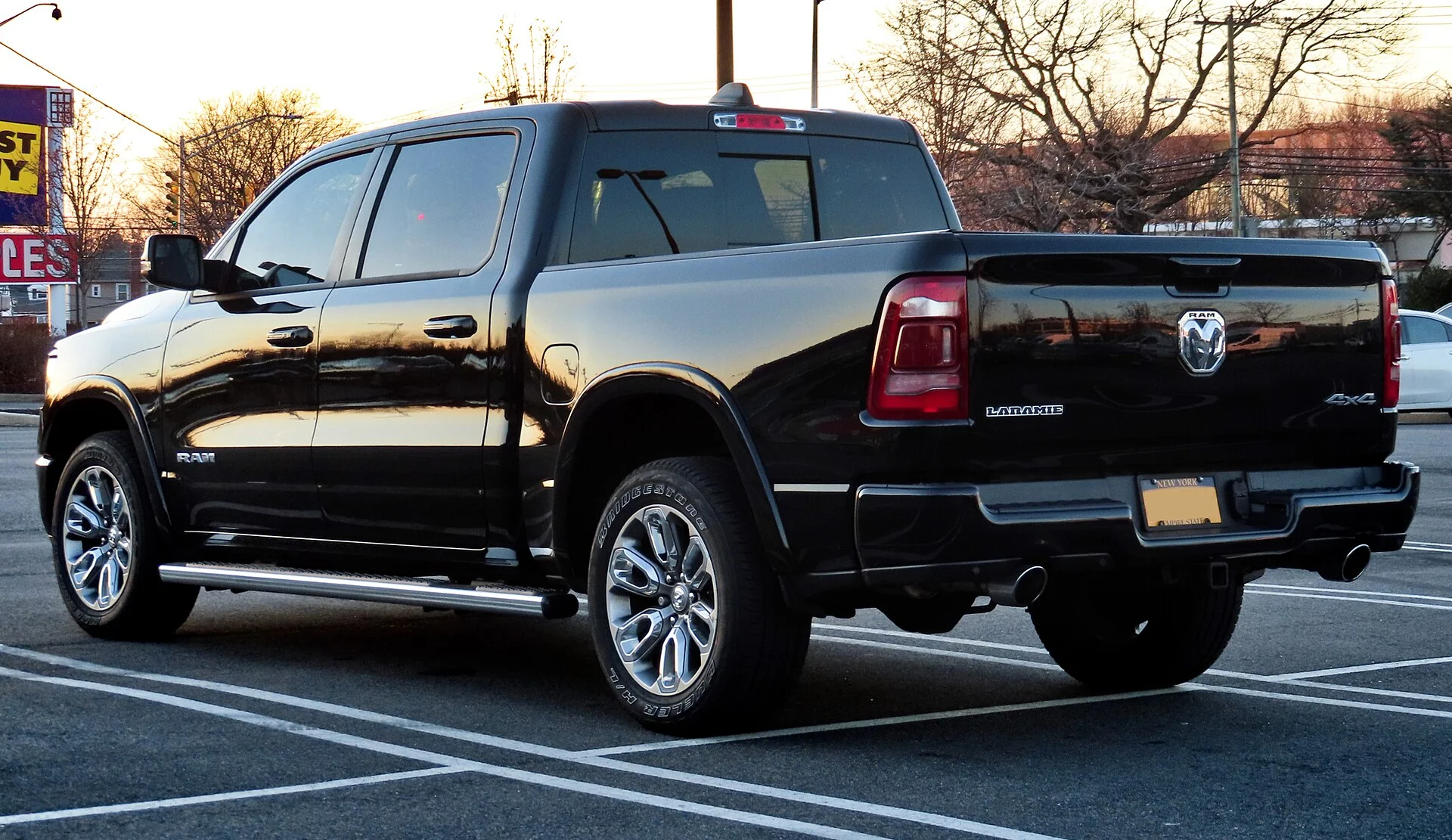
The Value Case: Rebel With the 2-Inch Lift
For a camper weighing the Ram 1500 lineup, the value sweet spot is usually the Rebel, and specifically the Rebel with its available 2-inch lift. That configuration reaches 10.7 inches of ground clearance, within an inch of the RHO's 11.8, at a fraction of the RHO's cost. The clearance gap between the value pick and the premium truck is small.
The honest caveat is the one this whole guide turns on: the 2-inch-lifted Rebel still carries the 20.9-degree approach angle, because a lift raises clearance without fundamentally re-engineering the front overhang. So the value configuration closes the clearance gap to the RHO but not the approach-angle gap, which remains the RHO's real exclusive capability.
That makes the value decision clean. A camper whose terrain is bounded by clearance and moderate obstacles gets nearly all of the RHO's usable capability from a 2-inch-lifted Rebel for far less money, because clearance is where the two trucks are close. A camper whose terrain demands the steep climbs that need 31 degrees of approach is the only one who genuinely needs the RHO.
The budget-wrench verdict is to buy the Rebel, add the 2-inch lift if the clearance is wanted, and spend the RHO savings on the gear that finishes trips. A good set of recovery boards does more for real dispersed-camping capability than the approach angle most routes never test, and it costs a rounding error next to the trim jump.
Loading and Clearance: The Squat Factor
A detail campers miss is that clearance is not a fixed number once the truck is loaded, and on a pickup this matters more than on most vehicles. A bed full of camping gear, a slide-in camper, or a loaded trailer's tongue weight all squat the rear suspension, reducing the rear clearance and departure angle from the published figures.
The published 9.7 or 10.7 inches on the Rebel is the unladen number. Add several hundred pounds of gear or a camper in the bed and the rear sits lower, so the real-world clearance and the 22.2-degree departure angle both shrink under load. A camper planning to run loaded should mentally discount the published figures accordingly.
This interacts with the approach angle honestly, too, since a heavy load in the bed can slightly raise the nose, marginally helping approach while hurting departure. The net effect for a loaded camping truck is that the rear becomes the limiting end on exits and descents, the opposite of the unladen truck where the nose limits climbs.
The practical takeaway is to think about clearance as a loaded number, not a brochure number, for any real camping trip. Airing down tires, distributing load forward, and choosing lines that account for a squatted rear are how a loaded Rebel keeps its usable capability. The clearance that matters is the one under the truck when it is packed for the trip, not empty in the showroom.
Tires and Airing Down: The Cheap Capability the Numbers Miss
The geometry numbers tell only part of the off-road story, and the part they miss is often the cheapest to improve. Ground clearance and approach angle describe the truck's fixed shape, but tires and tire pressure determine whether it can actually put that shape to work on loose or broken terrain, and neither shows up on the clearance spec sheet.
All-terrain or more aggressive tires are the highest-value upgrade a value-minded Ram owner can make, because traction on dirt, mud, and rock is frequently what stops a truck before its clearance or approach angle ever becomes the limit. A capable tire lets the Rebel's 9.7 to 10.7 inches of clearance and its stance do their job instead of spinning helplessly on a slick surface.
Airing down is the free companion to good tires. Lowering tire pressure on a rough trail enlarges the contact patch, improves grip, and softens the ride over rocks and washboard, and it costs nothing but the time to reinflate afterward. For a truck whose modest 20.9-degree approach angle asks the driver to pick careful lines, better traction and a softer footprint make those lines easier to hold.
The budget-wrench point is that a camper chasing capability should spend on tires and a compressor before chasing clearance through a bigger trim. Those upgrades address the traction limit that geometry ignores, and they cost a fraction of stepping up models. The Ram's clearance and approach angle set its ceiling, but tires and pressure decide how much of that ceiling a driver can actually use on the day, which is where real-world capability is won.
The Verdict: Read the Approach Angle, Not Just the Clearance
The Ram 1500's off-road story is a caution against shopping a truck on clearance alone. The Rebel's 9.7 to 10.7 inches of ground clearance are genuinely impressive and do real work on rough terrain, but its 20.9-degree approach angle is the number that actually limits steep climbs, and a full-size truck's long overhang means clearance cannot fix it.
The lineup's clearance spread, 8.2 to 10.9 inches across trims and suspension setups, shows that the lift option is the lever, letting a Rebel reach 10.7 inches without stepping up to a pricier model. But no lift raises the approach angle, so the 2-inch-lifted Rebel closes the clearance gap to the RHO while the approach-angle gap, 20.9 versus 31 degrees, remains the premium truck's real exclusive.
That makes the value decision straightforward. For terrain bounded by clearance and moderate obstacles, which is most dispersed-camping access, the Rebel, optionally with the 2-inch lift, delivers nearly all the usable capability of the RHO for far less. Only terrain that genuinely demands 31 degrees of approach justifies the RHO's premium.
Buy the Rebel, add the lift if you want the clearance, discount the numbers for a loaded bed, and spend the savings on recovery gear and tires. Read the approach angle alongside the clearance and the Ram 1500's capability stops being a mystery: it is an excellent rough-terrain hauler with a truck's honest approach-angle limit, and the value pick is the one that clears your actual routes without paying for a desert racer's nose.