
What Are the Best Portable Cooking Methods for Car Camping?
Car camping cooking boils down to this: you want hot food without hauling half your kitchen. My first few trips involved sad, cold sandwiches because I thought 'cooking' meant a full stove setup. That lasted about 2 trips. The real move is figuring out what gets the job done with minimal fuss.
Car camping cooking boils down to this: you want hot food without hauling half your kitchen. My first few trips involved sad, cold sandwiches because I thought 'cooking' meant a full stove setup. That lasted about 2 trips. The real move is figuring out what gets the job done with minimal fuss. Think less gourmet restaurant, more delicious survival. It's about making sure you don't just survive on trail mix for three days straight.
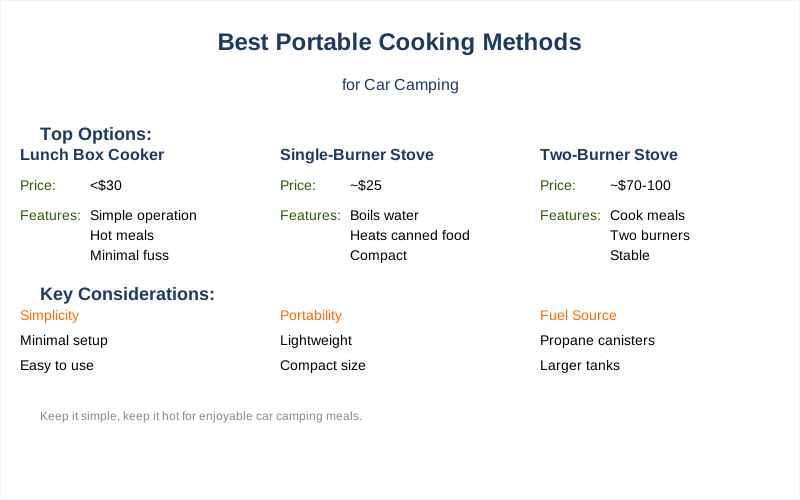
Facebook groups often complain about this exact problem. You can get a basic lunch box cooker for under $30 and have a hot meal with minimal effort. That's a game-changer for morale, trust me. No one wants to shiver over a lukewarm can of beans. My trunk still has nightmares from that first attempt. The honest version: keep it simple, keep it hot.
The Core Answer
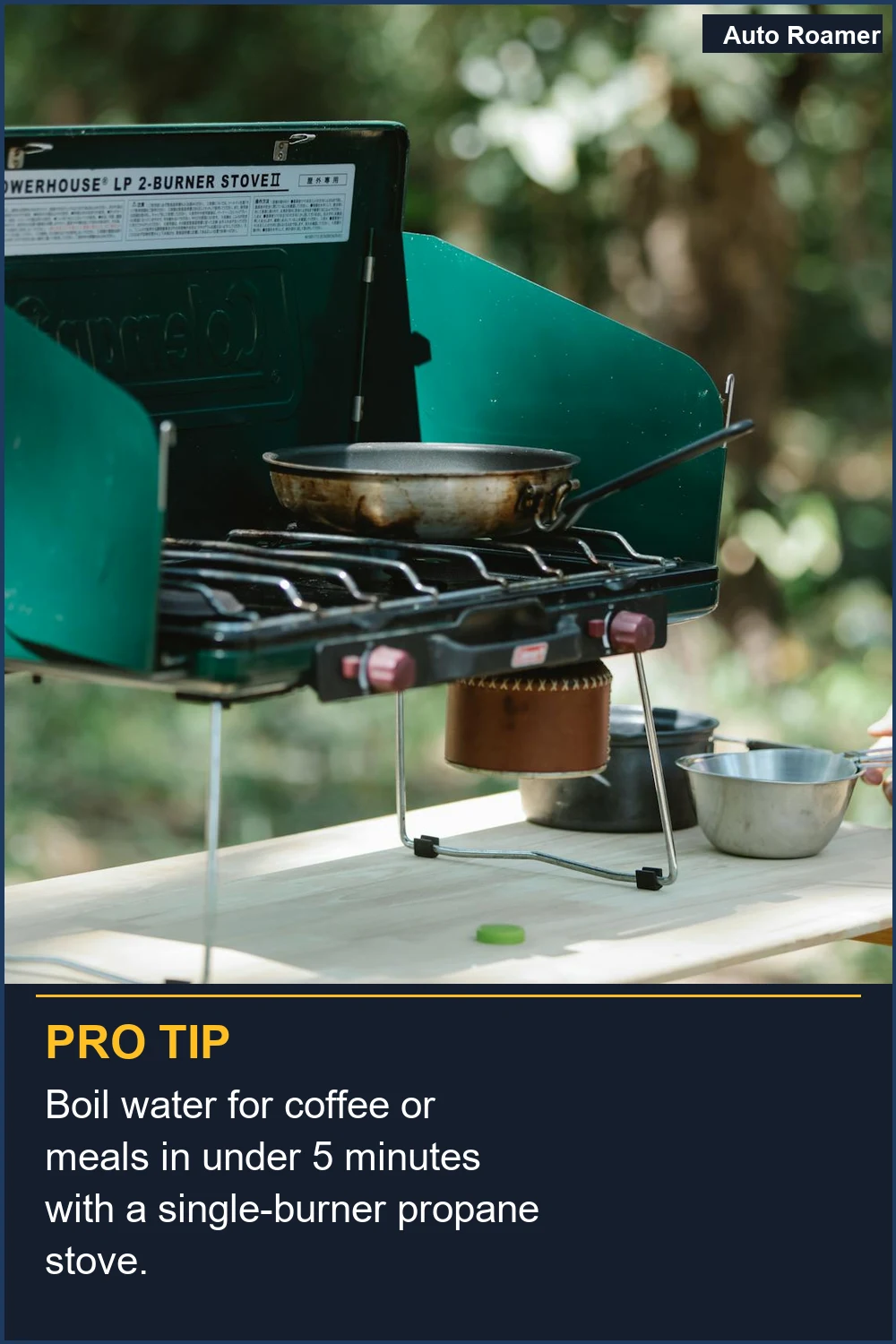
When you're car camping, the easiest cooking method is usually a portable propane stove. I started with a cheap, single-burner propane stove that cost me about $25. It was flimsy, but it boiled water for instant coffee and heated up canned chili. That was enough for me back then. These stoves are everywhere, and they're incredibly straightforward. You just screw on a small propane canister, turn the knob, and hit the igniter. My first one wasn't the most stable, so I learned to prop it up on a flat rock to avoid tipping. Rookie mistake, but easily fixed. A two-burner stove is the next step up. I upgraded to one that cost around $70, and it made cooking actual meals so much easier. Suddenly, I could boil water for pasta on one burner while sautéing veggies on the other. It felt like living in a mansion. These stoves are powered by larger propane tanks, the kind you see at hardware stores. They're more stable and offer more cooking surface. You can get a decent one for around $70-$100. They're ideal for more involved meals. Another option, especially if you're short on space or want something super simple, is an electric hot plate or induction cooktop. These need a power source, like a portable power station or a generator. I tried one with a small power station that cost me $300. It worked, but it drained the battery fast. Check your power needs carefully. For coffee lovers, a portable espresso maker, like a manual press, is fantastic. I got one for $40, and it's way better than instant coffee. It doesn't require power and fits easily in a small bag. These are simple and deliver good results. Don't forget about cookware. Non-stick pots and pans are your friend. I learned that the hard way trying to clean burnt scrambled eggs off a cheap metal pan at 7 AM in the rain. My $30 set of nesting pots and pans has been a lifesaver. Look for sets that pack down small. Finally, simple things like a camp sink or a collapsible wash basin make cleanup so much easier. My first few trips involved washing dishes in a single water bottle. It was... unpleasant. A $15 wash basin changed that entirely. Having a system makes a huge difference.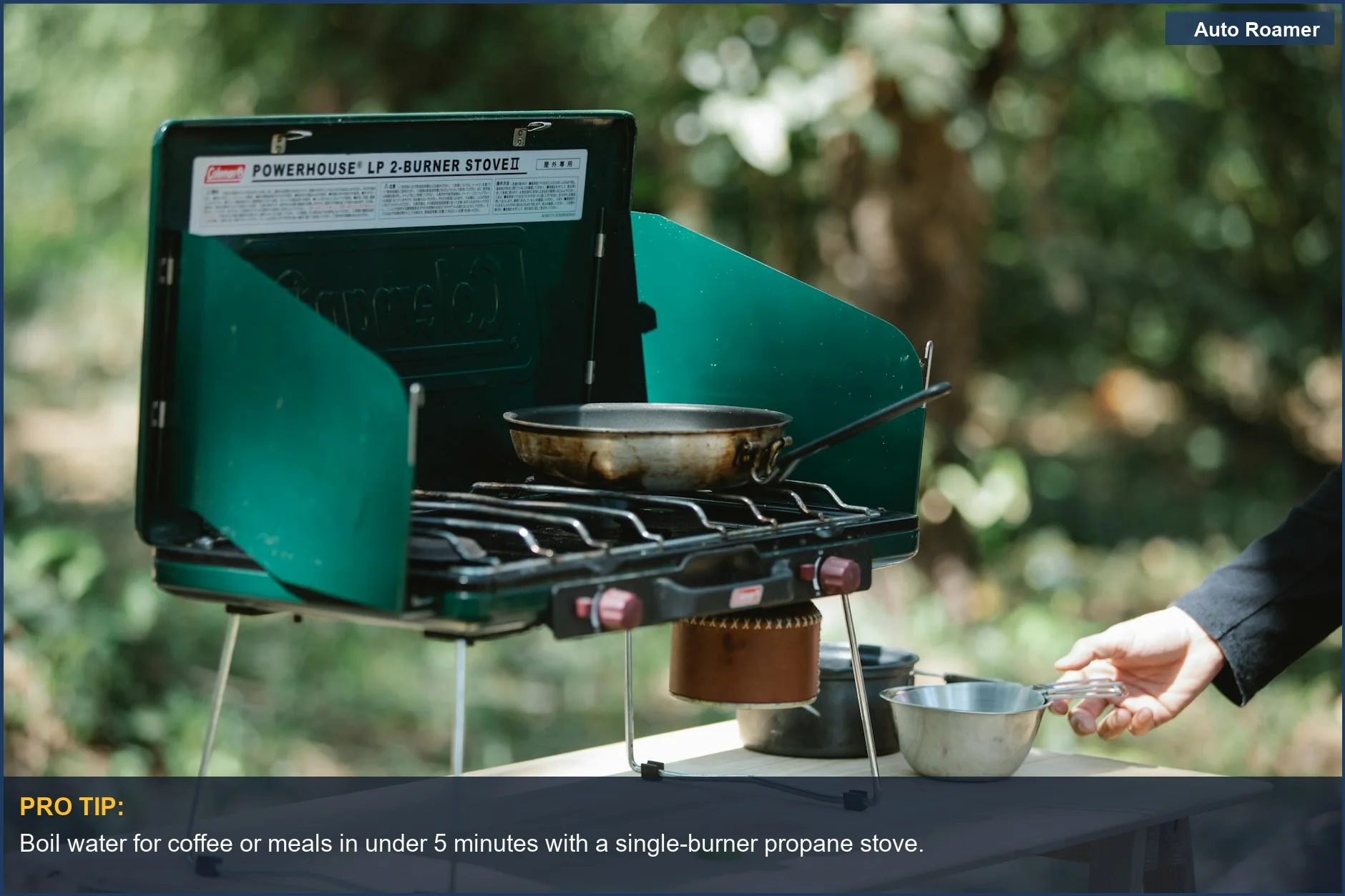
Why This Matters for Your Setup
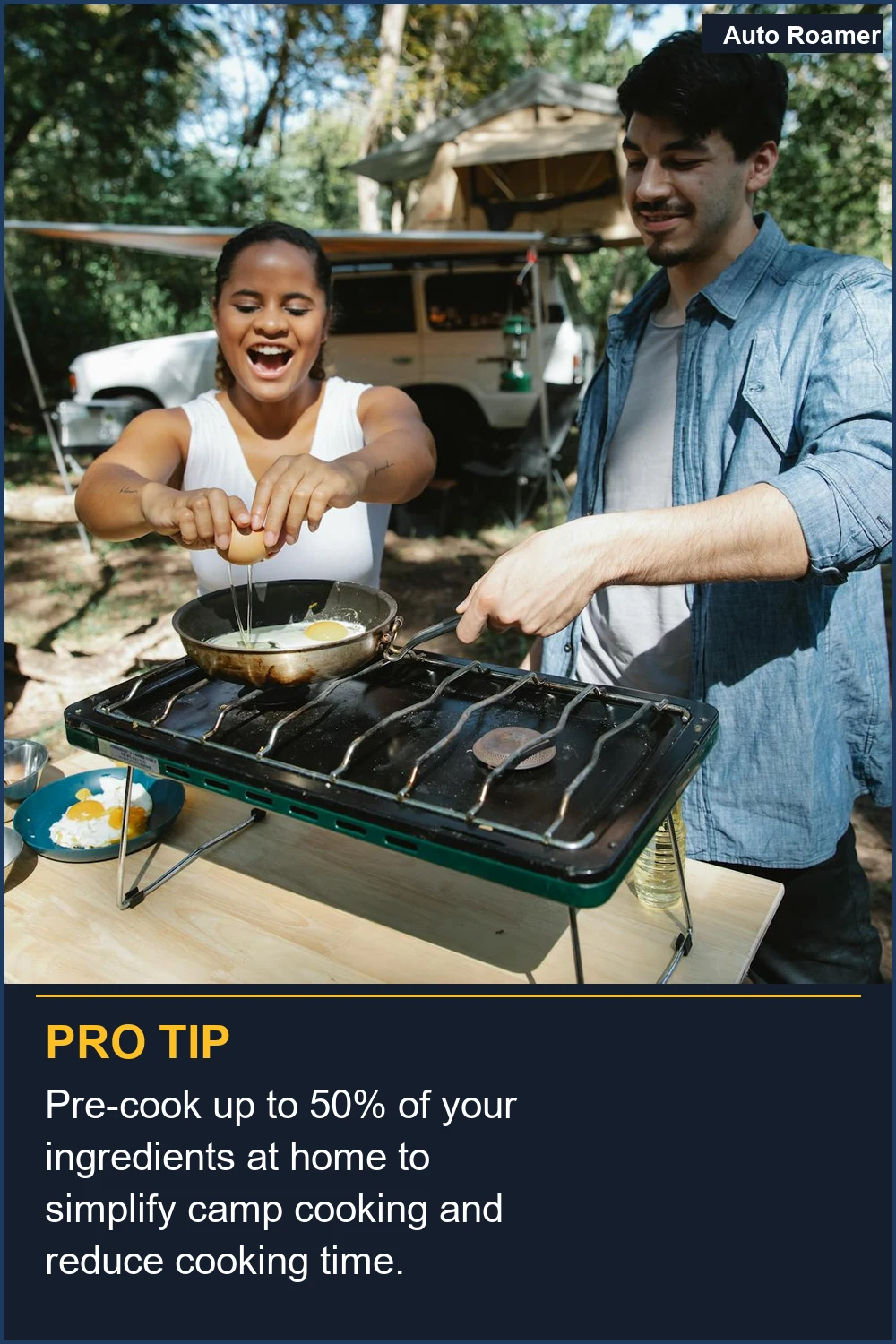
My first car camping trip, I brought a cooler full of raw ingredients and a vague idea of what I wanted to cook. I ended up with a sad, undercooked chicken breast because my single-burner stove just couldn't handle it. The fix? Pre-cooking things at home. Prep is key.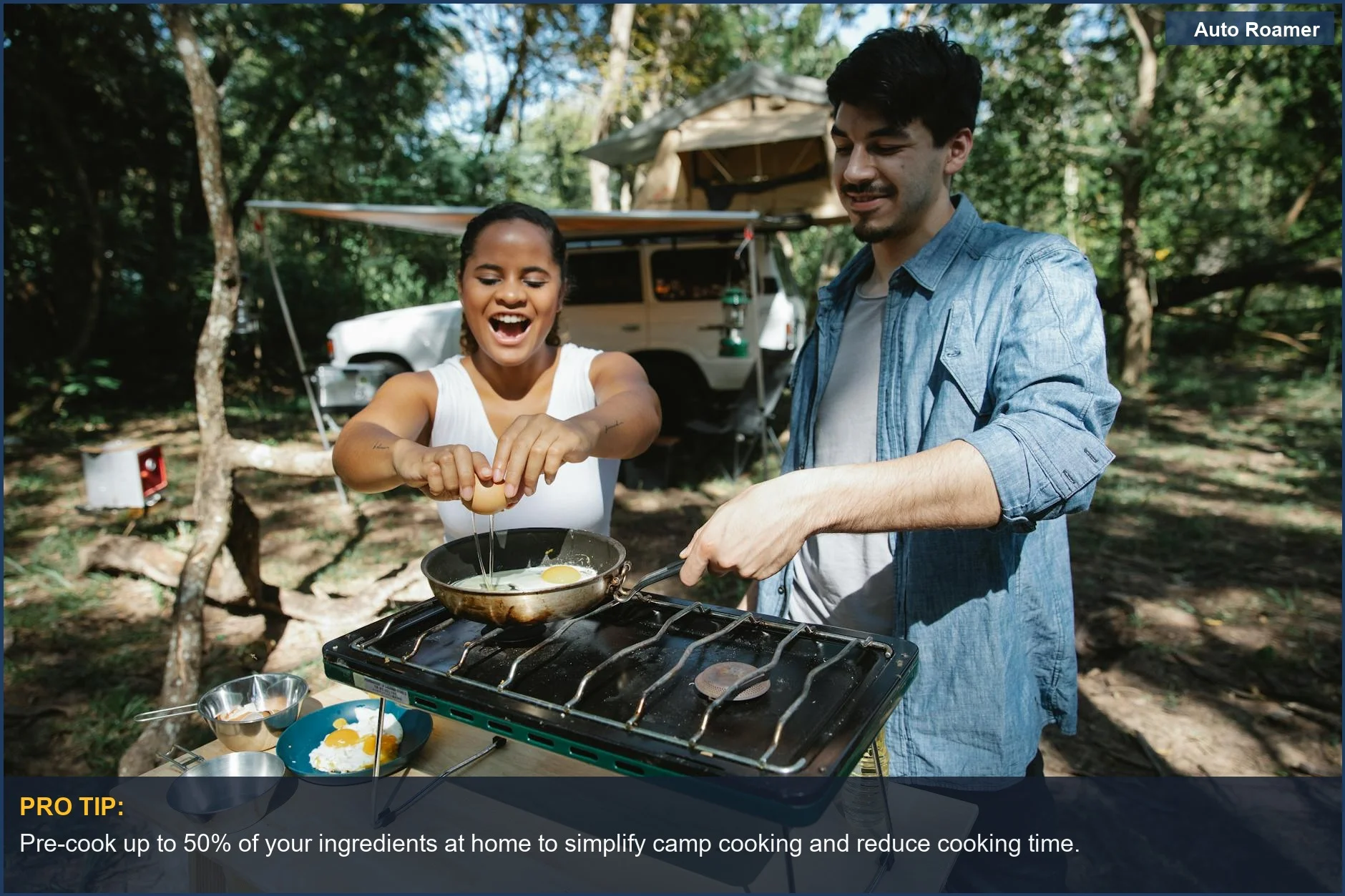
Making the Right Choice
Choosing your car camping cooking method is all about balancing convenience with what you actually want to eat. My $25 single-burner stove was perfect for my first few trips. It boiled water for coffee and heated up canned soup. It's about starting simple. If you're moving beyond instant ramen, a two-burner propane stove, usually around $70, opens up a lot more possibilities. You can actually cook a meal, not just heat something up. I use mine for everything now. Electric options, like induction cooktops, are great if you have a reliable power source. But remember, a decent portable power station can cost $300 or more. Don't underestimate the power needs. Ultimately, the best method is the one that works for you and your budget. Don't feel pressured to buy the fanciest setup right away. Start small, learn what you need, and upgrade as you go. It's a learning process.
Frequently Asked Questions
I saw a fancy portable induction cooktop for $200. Is that cheaper than just buying a $70 propane stove and always having to buy propane canisters?
Do I really need a special camping pot or can I just use a pot from my kitchen?
What if my propane stove runs out of fuel in the middle of cooking dinner?
Can using a cheap, wobbly camp stove permanently damage my car?
Is it true that you can just cook everything over a campfire and don't need a stove at all?
🏅 Looking for Gear Recommendations?
Check out our tested gear guides for products that work with this setup:
Sources
- How to Cook Food You Actually Want to Eat Whil – Camp N Car
- How do you run a small electric skillet or kettle while car camping?
- What's your preferred method of cooking while camping? We usually ...
- What are easy cooking methods for car camping? - Facebook
- cooking simple food in car | Van & RV Living Forum
- Car Camping Essentials: How to Create the Ultimate Kitchen for ...
- Camper Cooking Options. Which Method Of Cooking Is The Best?
- A Guide to the Ultimate Car Camping Kitchen - Luno