
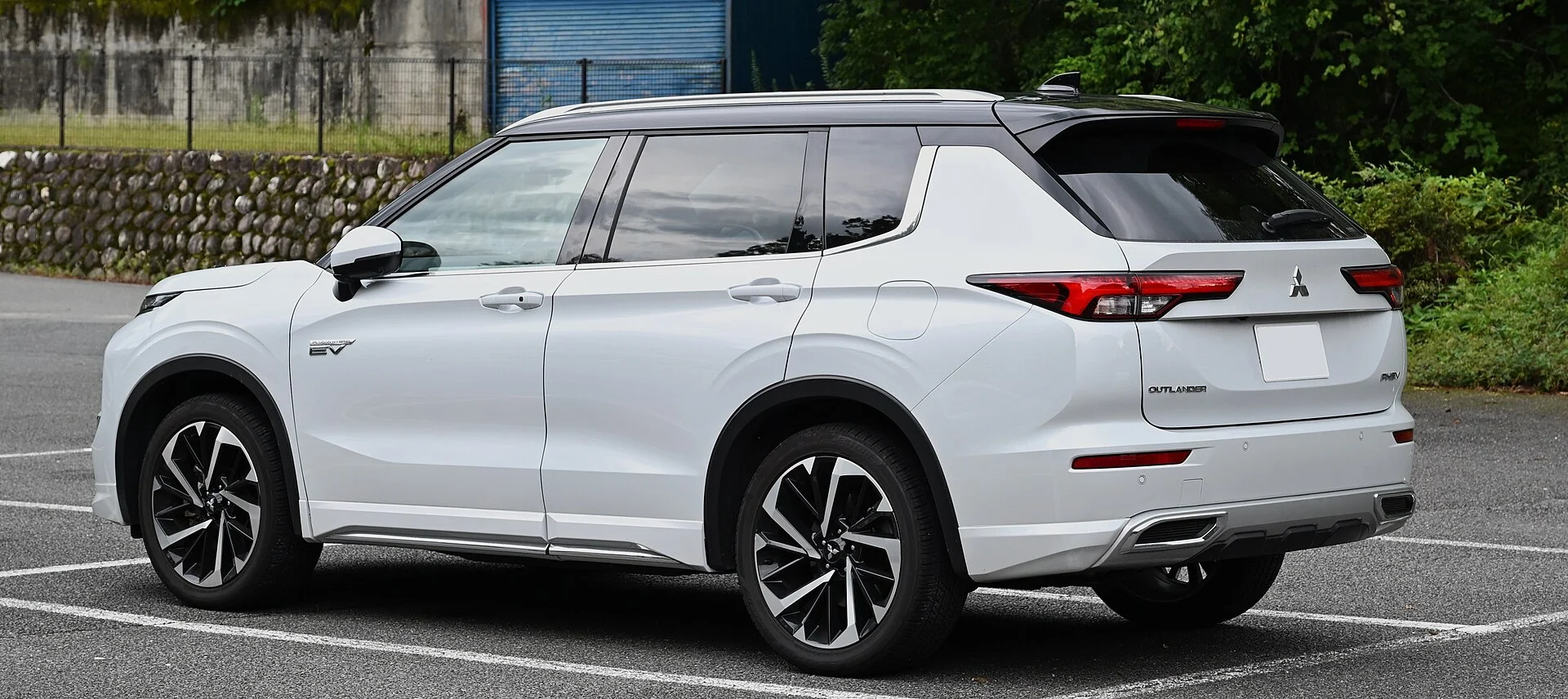
Two popular compacts, two different clever ideas
The Nissan Rogue and the Hyundai Tucson are two of the most cross-shopped compact SUVs, and both make a solid one- or two-night camper once the rear seats fold. Each has a party trick. The Tucson is simply bigger inside, with class-leading cargo room and an available plug-in hybrid. The Rogue counters with its Divide-N-Hide adjustable cargo floor — movable panels that let you raise, lower, and level the load floor, which turns out to be genuinely useful for building a flat bed.
Neither is a van, so both need the usual treatment: seats folded, a mattress cut to the floor, and window shades for privacy. The question is which leaves you a flatter, longer, more usable bed — raw space, or a configurable floor. This comparison walks cargo volume and length, how flat each bed really is, power for your gear, and everyday livability.
Cargo space and sleeping length: the Tucson is roomier
On raw space the Tucson leads clearly; the Rogue's answer is flexibility.
| Spec | Nissan Rogue | Hyundai Tucson |
|---|---|---|
| Cargo behind rear seats | 36.5 cu ft | 41.0 cu ft |
| Cargo, rear seats folded | 74.1 cu ft | 80.3 cu ft |
| Cargo floor | Divide-N-Hide (adjustable) | Fixed, large |
| Rear-seat split | 60/40 | 60/40 |
| Plug-in hybrid option | No | Yes (Tucson PHEV) |
| Household AC outlet | None (12V) | None (12V) |
The Tucson gives you roughly 6 more cubic feet folded (80.3 vs 74.1) and more room behind the seats too — it's one of the roomier compact SUVs you can buy, and that space translates directly into an easier full-length bed and more room for gear. The Rogue trails on raw volume but its Divide-N-Hide floor is the difference-maker for sleeping: the adjustable panels let you set the load floor to sit level with the folded seat backs, closing the step that plagues most SUV beds. Either way, a cargo-area mattress cut to fit is what turns a folded back seat into a real bed.
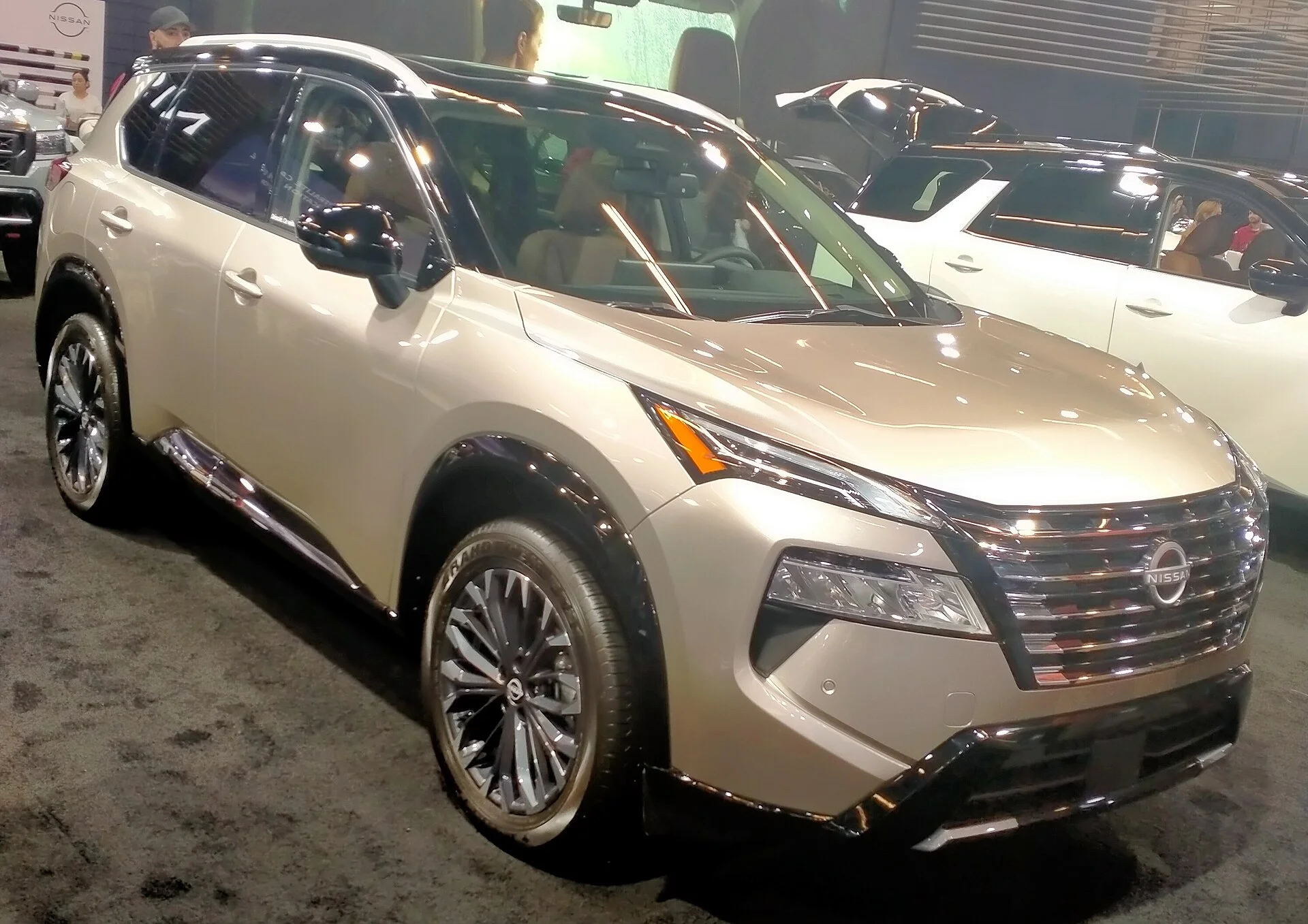
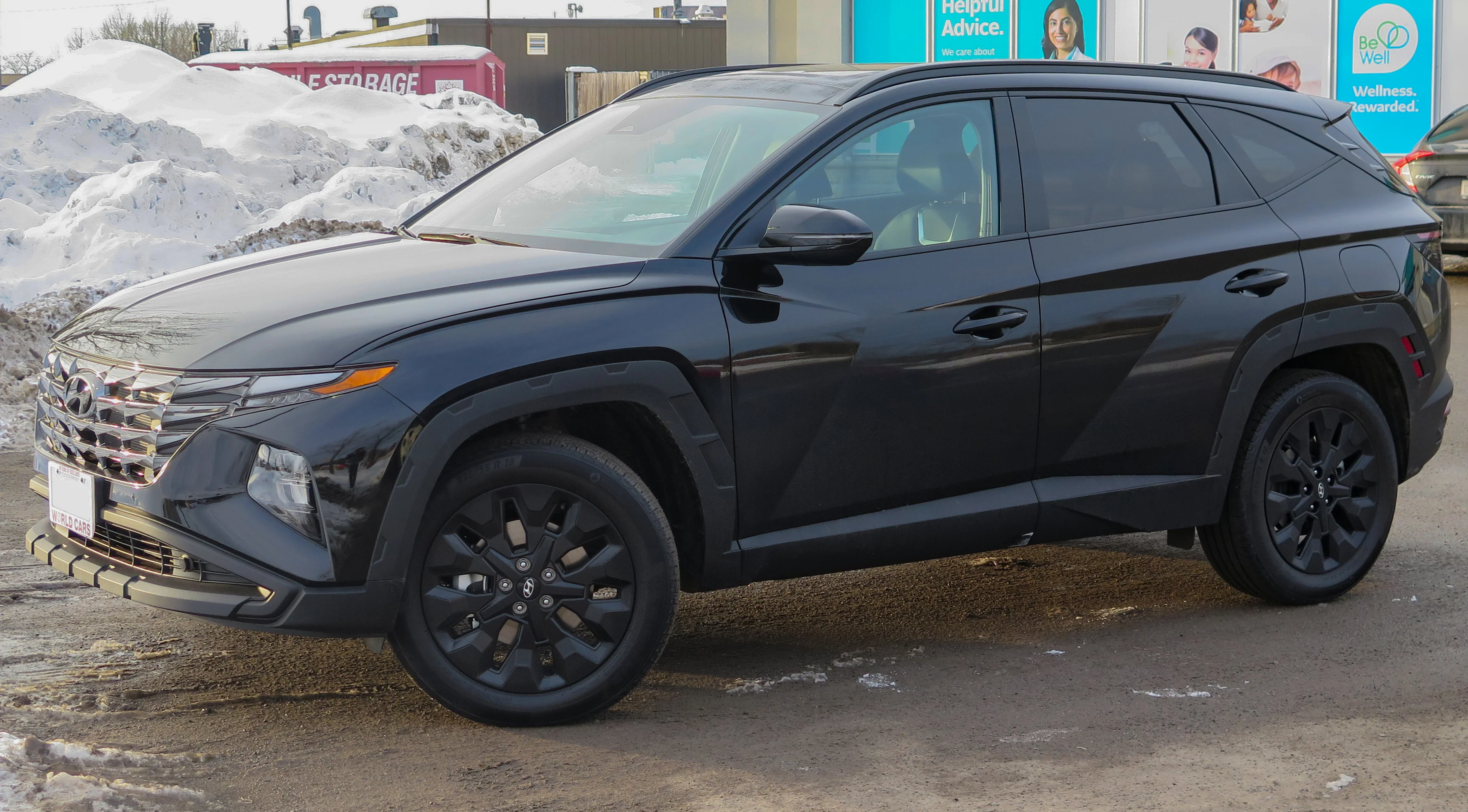
The sleeping platform
The Tucson gives you more raw length and width; the Rogue's adjustable cargo floor makes it easier to close the seat-to-floor step for a flat surface.
Fold the Tucson's 60/40 seats and you get a long, wide bay — the extra space means most adults can stretch out and two can make it work with gear up front. Like most SUVs it leaves a slight step and slope where the seats meet the cargo floor, which a topper or fitted pad bridges. The sheer size is the Tucson's advantage: more room to arrange a bed and still keep a fridge and bins aboard.
The Rogue's Divide-N-Hide floor is the clever counter. By raising the rear cargo panel to match the folded seat height, you can create a more continuous, level platform without stacking as much foam — a real help for a flat night. The trade-off is a little less total volume and a slightly shorter usable length than the Tucson. For both, slide the front seats forward and recline them to reclaim a few inches, and add a foam topper over the seams. The Tucson wins on space; the Rogue wins on how easily it goes flat.
Beyond the floor itself, two habits decide comfort in either SUV. Insulate from below with a pad that has genuine R-value, since a folded cargo floor sits close to the cold air moving under the vehicle. And crack a window a half-inch behind a bug screen to manage the condensation that fogs the glass when people breathe in a sealed cabin overnight. The Tucson's extra volume gives you more room to arrange airflow around a two-person bed, while the Rogue's adjustable floor lets you drop bedding and gear into the lower storage position when it's not in use, keeping the sleeping surface clear.
Power for your gear
Neither of these is a full EV with vehicle-to-load power, so overnight electricity is something you'll plan for in both. Neither the Rogue nor the standard Tucson offers a 120V household outlet — both rely on 12V sockets and USB.
The one power-relevant difference is the Tucson plug-in hybrid, which carries a much larger battery than a standard hybrid. While it isn't marketed as a whole-home power source, its bigger pack and efficient hybrid system make it the more capable electrified platform of the two, and the Rogue has no plug-in equivalent. For the vast majority of trips in either SUV, though, the reliable answer is the same: a portable power station runs a fridge, lights, and chargers all night without touching the starter battery, so you never risk a no-start in the morning. Size it to your fridge's running watts and a long weekend is covered. Both SUVs have room to store a mid-size battery and a fridge alongside the bed with a little planning.
One Rogue-specific note: its Divide-N-Hide panels also create a hidden lower compartment that's handy for keeping a power station and cables out of the way and secure while you sleep, whereas in the Tucson you'll stage that gear in the open cargo area. It's a small organizational win that suits the Rogue's smaller bay and pairs naturally with using the raised panel to level the bed above it.
Living with it: drive, interior, and ownership
Both are comfortable, efficient daily drivers; the differences are about space and features.
- Space: the Tucson is roomier in cargo and rear-seat room, the better hauler and the easier full-length bed.
- Flexibility: the Rogue's Divide-N-Hide floor and easy-folding seats make quick bed setup and gear organization genuinely handy.
- Electrification: the Tucson offers hybrid and plug-in hybrid options for long drives to the trailhead; the Rogue's efficient turbo-three is gas-only in most trims.
- Ownership: both come with strong warranties and competitive pricing; the Tucson's long Hyundai warranty is a notable perk.
Put simply: the Tucson is the roomier, more electrified all-rounder, while the Rogue's adjustable floor makes it punch above its size specifically for sleeping.
Which should you camp in?
Match the SUV to how you camp:
- Choose the Hyundai Tucson if you want the most space, the easiest full-length two-person bed, and hybrid or plug-in options for the drive.
- Choose the Nissan Rogue if you value the Divide-N-Hide adjustable floor for building a flat bed and organizing gear, and you mostly camp solo or as a cozy two.
- Camp as a couple often? The Tucson's extra length and width make two-person sleeping more comfortable.
Pricing and warranty can tip the scales — the Tucson's long warranty and electrified options are real draws, while the Rogue often competes hard on value and that clever floor. If you want the full single-vehicle picture, the deeper guides on sleeping in each cover the layouts and gear that fit best.
The verdict
For car camping, it comes down to space versus cleverness. The Hyundai Tucson is the better tool for most people: about 6 more cubic feet folded (80.3 vs 74.1), more room behind the seats, an easier full-length two-person bed, and hybrid and plug-in options for the long drive to camp. If raw sleeping and gear space is the priority, it's the Tucson.
The Nissan Rogue earns its place with the Divide-N-Hide adjustable cargo floor, which makes it unusually easy to close the seat-to-floor step and build a level bed without stacking as much foam — a genuine, practical advantage that helps it punch above its slightly smaller size, especially for a solo or cozy-two camper.
Pick the Tucson if you want the most space and an electrified option; pick the Rogue if the configurable floor and easy setup appeal more than raw volume. Either way, a fitted pad, window shades, and a power station turn a compact SUV into a capable weekend basecamp.