
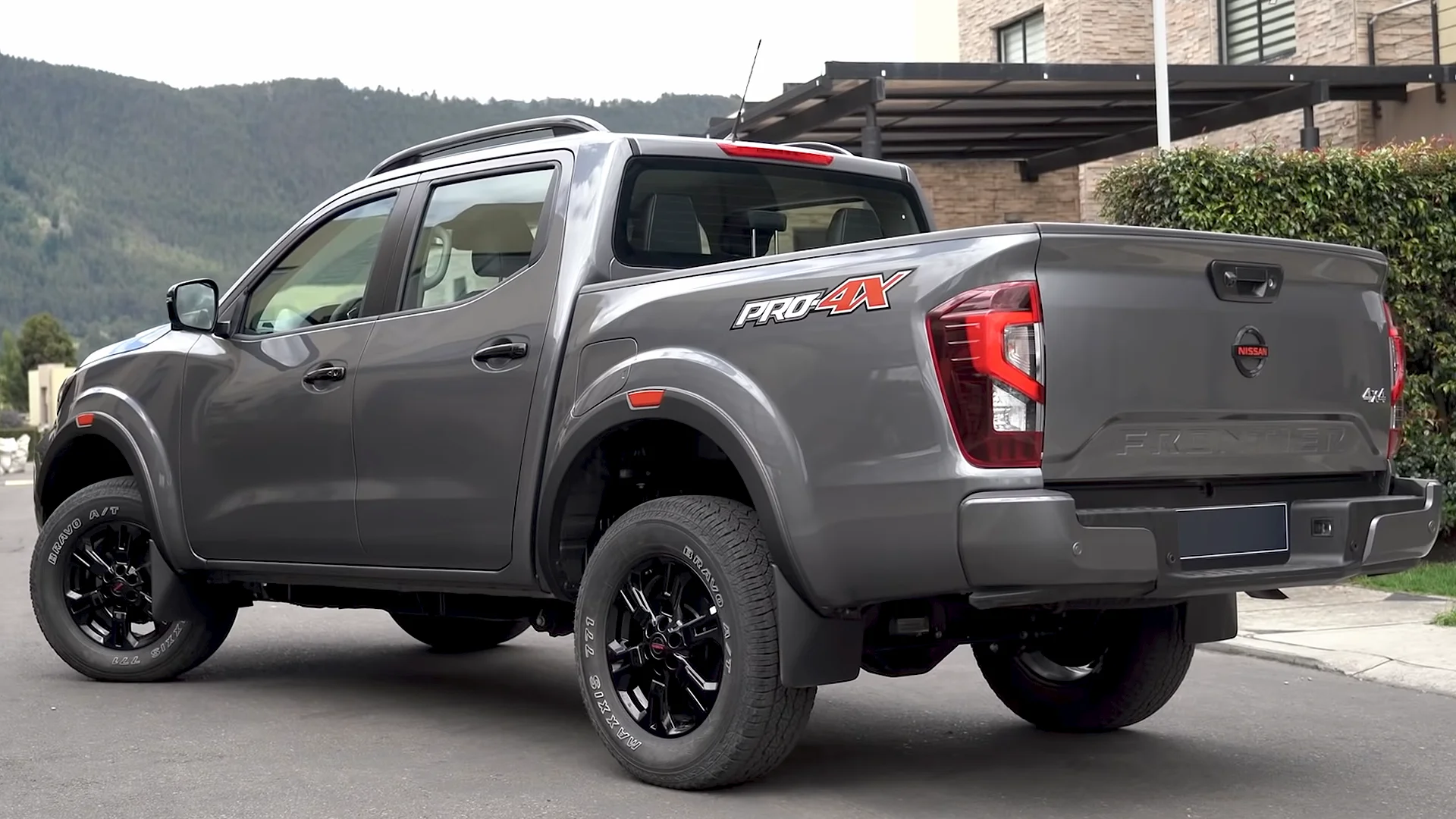
Start Here: The Wider-Bed Myth
Line these two up on a spec sheet and the Frontier looks like the wider truck. Its bed measures 61.4 inches across overall, against the Colorado's 58.8 inches at the floor. That is a 2.6-inch overall advantage, and it is exactly the number that will steer you wrong if you are shopping for a bed to sleep in.
Overall width is measured at the widest point of the tub. You do not sleep at the widest point. You sleep on the flat floor between the wheel wells, and the arches eat into that overall figure by a different amount on each truck. So the honest engineering question is not which bed is wider overall, but which bed is wider where your shoulders land. When you measure there, the Frontier's overall lead evaporates.
This matters because a truck-bed platform is a system with one governing constraint: the flat rectangle you can actually lay a body on. Optimize for the overall number and you can end up with the narrower usable floor. The rest of this comparison sizes both trucks by the constraints that decide a night's sleep - wheel-well width, length, depth, power, and payload - and treats the brochure width as the trap it is.
Between the Wheel Wells: A One-Inch Near-Tie
Here is the number that overturns the myth. Between the wheel wells, the Frontier is 44.5 inches wide and the Colorado is 45.5 inches wide. That is 1.0 inch apart, and it goes to the Colorado - the truck that looked narrower on the overall spec is actually the wider one where it counts. Call it a tie with your eyes open, because a single inch will not change which pads fit.
And neither truck fits a 4-foot pad flat. At 48 inches wide, a standard 4-foot sleeping pad clears neither the Frontier's 44.5 inches nor the Colorado's 45.5 inches, so on both trucks it rides up onto the wheel housings unless you build a platform above the arches. That platform is the real design decision for two-up sleeping in this class, and it is the same build on either truck.
The takeaway an engineer would write on the whiteboard: on the constraint that governs flat sleeping, these two are matched. Do not pay a premium for the Frontier expecting a wider bed, and do not dismiss the Colorado as the narrow one. The overall-width gap is real but irrelevant to sleeping; the wheel-well gap is the relevant one, and it is a rounding error.
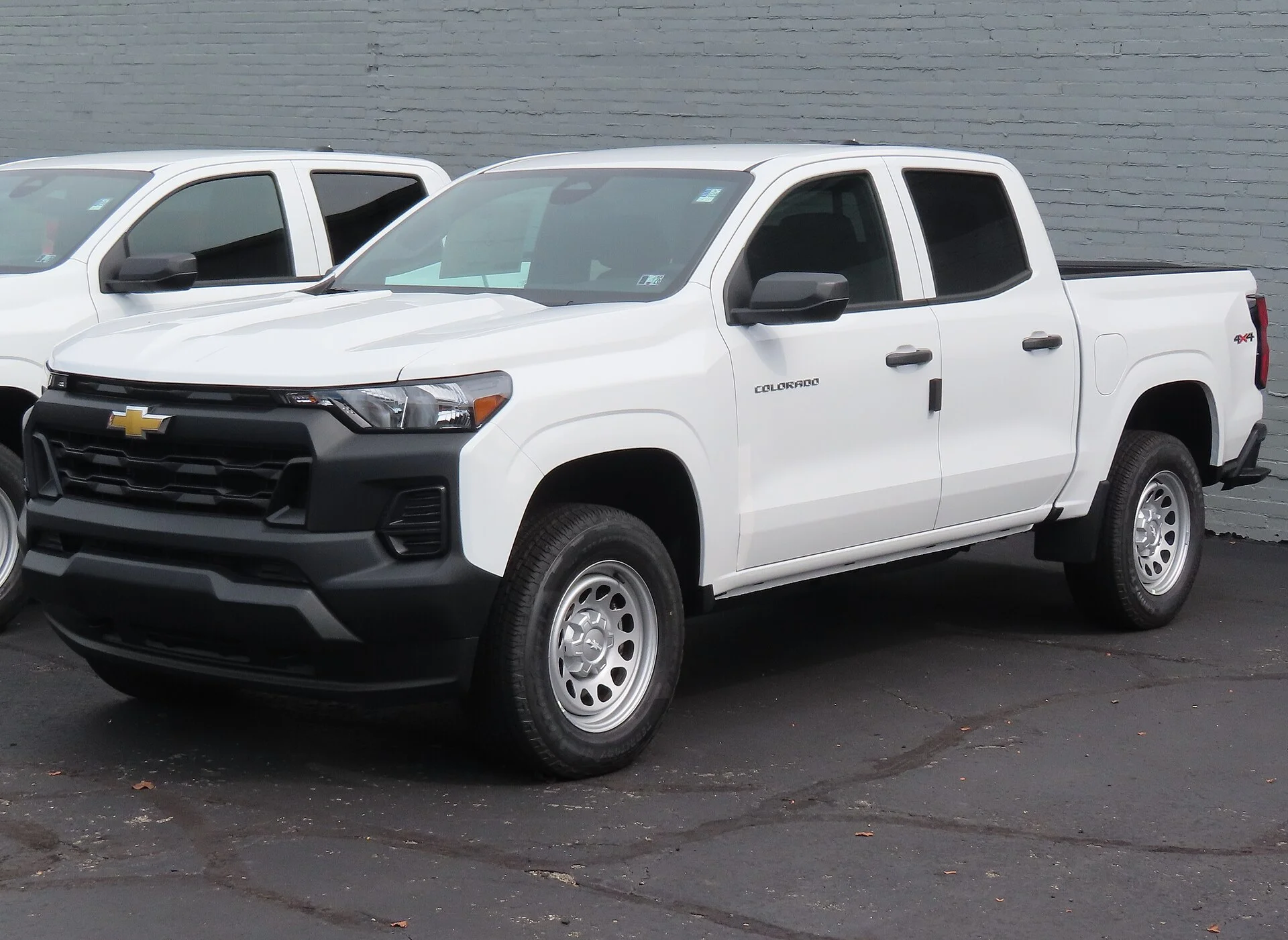
Bed Length by Configuration
Length is where you actually gain sleeping room in this class, and both trucks offer two bed sizes. The Frontier comes in a 5-foot bed at 59.5 inches and a 6-foot bed at 73.3 inches. The Colorado's short bed is 61.7 inches and its long bed is 74.0 inches. Compare like for like and they track each other closely.
At the shorter tier, the Colorado's 61.7-inch bed is about 2.2 inches longer than the Frontier's 59.5-inch bed - a small edge. At the longer tier, they are effectively tied, 74.0 inches on the Colorado versus 73.3 inches on the Frontier. In both cases the difference is inches, not a class apart, so bed length is not the axis that separates these two.
The bigger length decision is which bed you order, not which badge. A 6-foot bed on either truck gets a compact adult close to flat with the tailgate up and fully flat with it down; a 5-foot bed makes the tailgate part of the sleeping plan. If sleeping length is a priority, spend your attention on choosing the long bed rather than agonizing over the roughly one-inch gap between these two makes at the same tier.
Depth and Volume: Where the Colorado Pulls Ahead
Now the trucks start to diverge, and it is the Colorado that gains. Its bed is deeper: 20.9 inches from floor to rail versus the Frontier's 19.4 inches, about 1.5 inches of extra sidewall. Note that the Frontier's depth figure is dealer-aggregated rather than confirmed on Nissan's own sheet, so treat it as approximate - but the direction is clear enough.
Deeper walls translate into volume. The Colorado holds 41.9 cubic feet in its short bed and 49.9 cubic feet in the long bed. The Frontier holds 35.1 cubic feet short and 42.4 cubic feet long. At each tier the Colorado carries meaningfully more, which is exactly what you would expect from the taller sidewalls. For a camper stacking totes, water, and a cooler alongside the sleeper, that is usable capacity.
This is the first genuine separation between the two. It does not change the flat-sleeping floor, but it changes how much gear rides in the same bed as you, and how well the walls contain a loose load on a rough road. If your camp kit is bulky, the Colorado's deeper, higher-volume bed is the more capable hauler of the pair, and the gap is large enough to matter.
Camp Power: The Colorado's 120V Bed Outlet
Power is where the Colorado lands its clearest win. It offers an available bed-mounted 120V outlet rated up to 400 watts, shared with the console outlet, on trims such as the Z71. That is a real camp-power source: enough to charge a device bank, run small accessories, or top up gear without a separate inverter.
The Frontier has no factory 120V or 110V in-bed AC outlet. That is not a knock invented to pad the comparison; it is simply absent from the spec, so camp AC power is not a Frontier bed feature. If you want household-style power out of the bed on the Nissan, you are adding it yourself.
For a camper the engineering call is straightforward. If you lean on truck-supplied AC power, the Colorado's 400-watt bed outlet is a tangible advantage worth trims-shopping for. If you already run a battery bank - and most people building a bed setup eventually do - the difference shrinks, because a portable power station gives either truck far more capacity than a factory outlet, cleanly and off the alternator. Either way, on the factory sheet, power is a Colorado win.
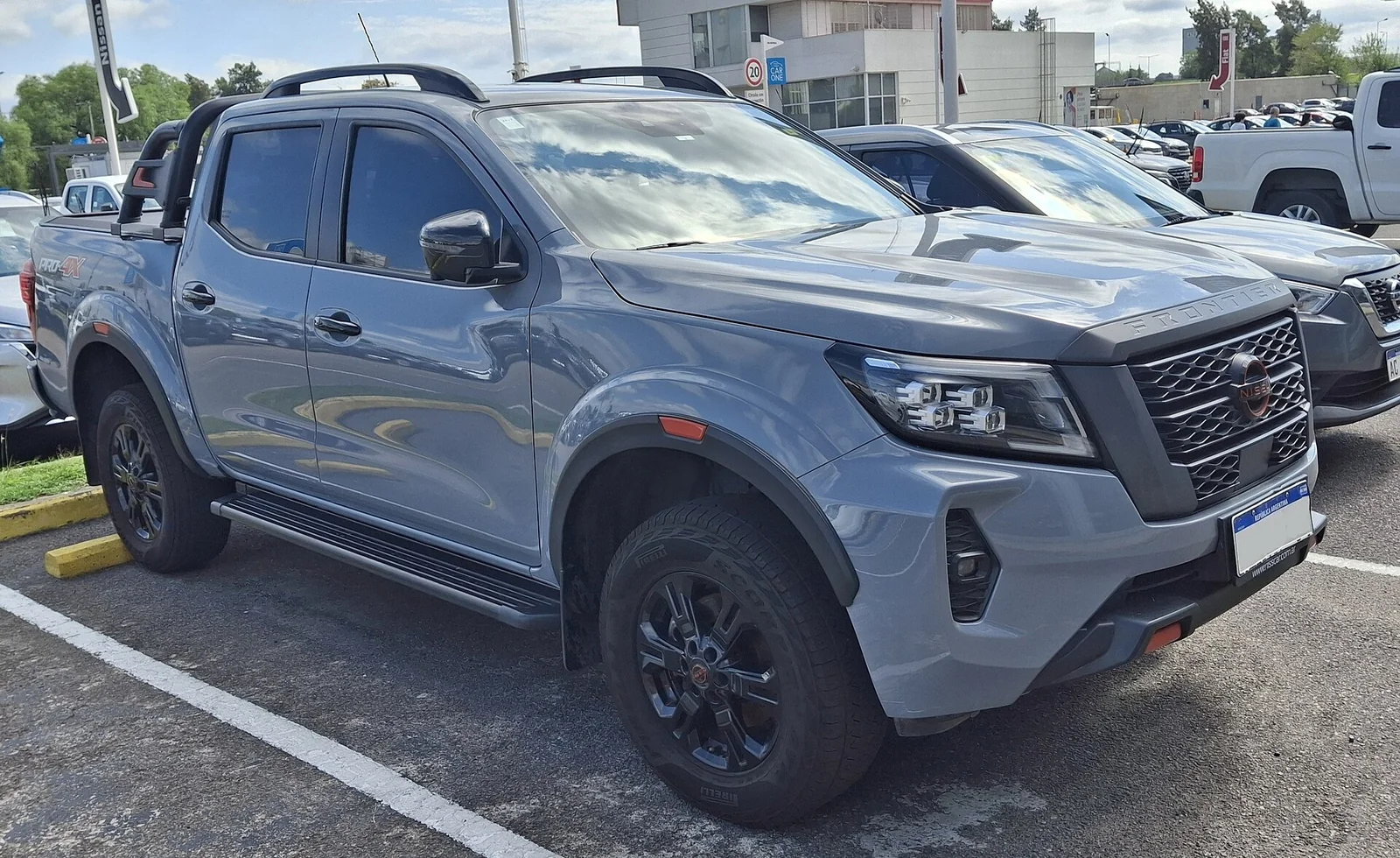
Payload: The Frontier's Counterpunch
The Frontier does not go down without a swing, and it lands on payload. It is rated up to 1,620 pounds depending on configuration, the same figure cited for both bed lengths. The Colorado ranges from about 1,240 pounds on loaded trims up to roughly 1,550 pounds on the base work-truck configuration.
So the Frontier's ceiling edges the Colorado's, and it is the kind of margin a fully loaded camper can actually reach. Two adults, a platform, full water, a fridge, and a week of supplies add up faster than people expect, and the truck with more headroom before the rating is the one you worry about less on a washboard road. This is a real, if narrow, Frontier advantage.
The engineer's caveat applies as always: your door-jamb sticker is the only payload number that governs your specific truck, because a heavier trim with more options eats into the rating. Compare the exact builds you are considering, not the brochure ceilings. But taken at the top of each range, payload is the Frontier's answer to the Colorado's power and volume - the trade that keeps this a genuine contest.
Tie-Downs: Utili-Track vs Fixed Points
Anchoring a sleep platform is a small decision that becomes a big one at 2 a.m. on a rough forest road, and the two trucks take opposite approaches. The Frontier uses the Utili-Track system: adjustable channels with movable cleats you can slide to wherever your platform legs actually land. For a custom build, that adjustability is genuinely useful - you position the anchor to the frame instead of shimming the frame to the anchor.
The Colorado answers with a dense grid of fixed tie-down points - a dozen standard anchors in the bed. You cannot slide them, but there are enough of them that something usually sits close to where you need it, and fixed steel loops are simple and strong. It is the more conventional system, and for most strap-down jobs it is entirely sufficient.
Neither approach is wrong; they optimize for different builders. If you fabricate a bespoke platform and want to tune anchor positions, the Frontier's movable channels are the better tool. If you strap down a cot, a bin, and a pad with off-the-shelf ratchet straps, the Colorado's many fixed points get it done without a second thought. Call tie-downs a wash decided by how custom your setup is.
Tailgate-Open Sleeping: An Honest Approximation
Both trucks use a conventional drop-down tailgate, and dropping it is how a mid-size bed becomes long enough for a full adult. It is also where a lot of online spec-quoting gets sloppy, so here is the honest version: neither Nissan nor Chevrolet publishes an exact tailgate-down sleeping length.
What you can say truthfully is that the usable length with the gate down is roughly the closed-bed figure plus the tailgate's own length. On a 6-foot bed - 73.3 inches on the Frontier, 74.0 inches on the Colorado - dropping the gate comfortably clears a fully stretched adult. On the 5-foot beds, the tailgate is what gets you there. But any specific tailgate-open number you see quoted is an estimate, not a grounded spec, and it is worth treating it that way when you plan.
The design implication is the same on both trucks: build your platform or pad plan around the tailgate-down configuration if you are tall, and add a simple gap filler or extender to bridge the tailgate seam. That is a cheap, standard part of a mid-size bed setup, and it applies equally to the Frontier and the Colorado. Tailgate sleeping is a tie, with a shared asterisk about the missing official number.
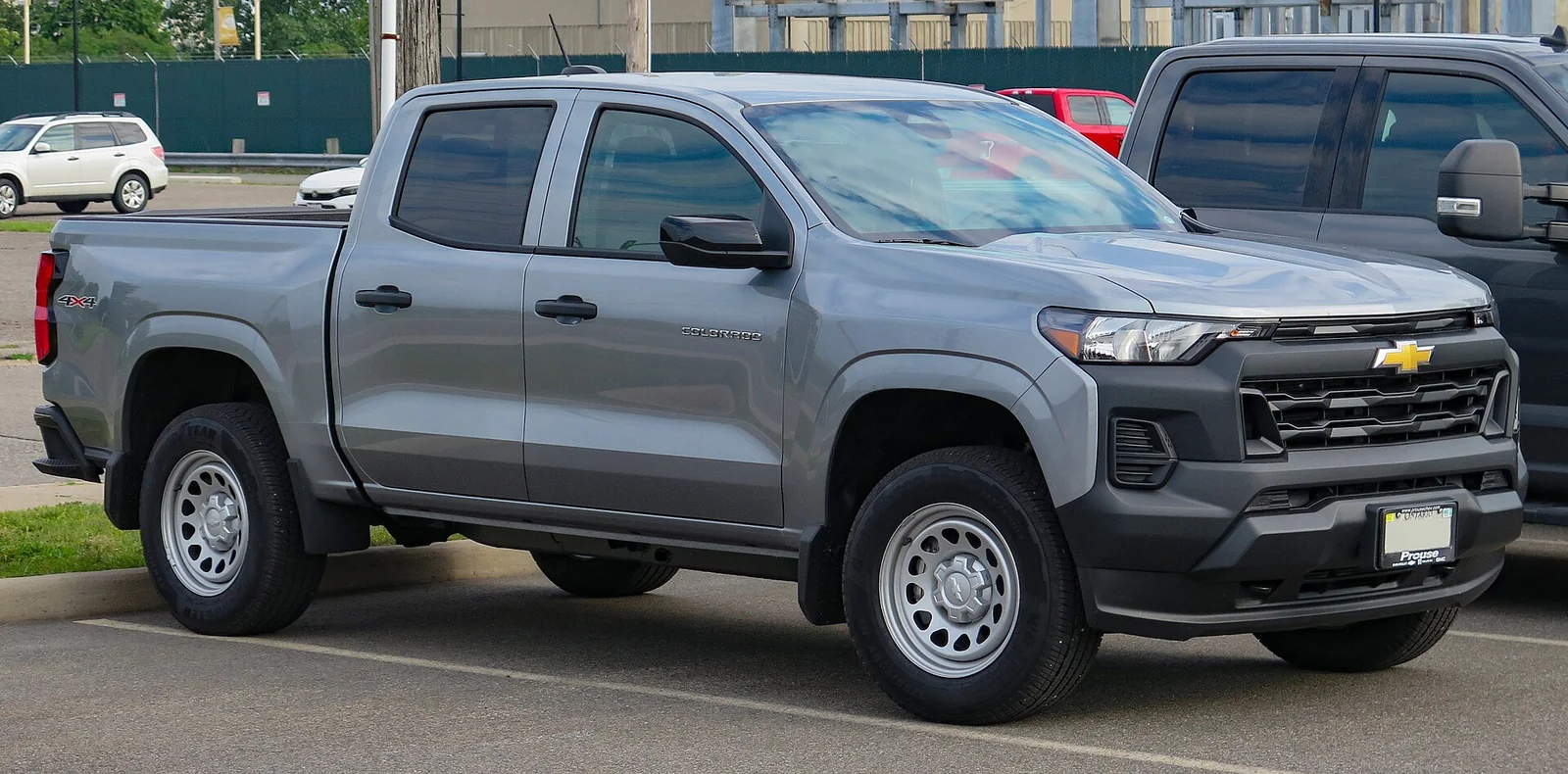
Picking by How You Camp
Reduce it to the way you actually use a truck and the decision clarifies. If you run camp electronics off the truck, haul bulky gear, and want the deeper, higher-volume bed, the Colorado is the pick. Its 120V bed outlet up to 400 watts, its 20.9-inch depth, and its 41.9- and 49.9-cubic-foot volumes are the concrete advantages, and they are the ones a gear-heavy camper feels.
If you load heavy, value the higher payload ceiling, and like the idea of adjustable Utili-Track anchors for a custom platform, the Frontier answers. Its up-to-1,620-pound rating and sliding tie-down channels are its real edges, and for a builder who supplies their own power anyway, the missing bed outlet is a non-issue.
What should not drive the decision is the overall-width number that started this comparison, or the assumption that one bed sleeps meaningfully wider than the other. On the flat-sleeping floor they are matched. Everything that separates them lives in depth, volume, power, and payload - so choose on those, and choose the bed size that fits your body, and you will have optimized the system for the constraints that actually govern a night in the back.
The Verdict: A Near-Tie Decided by Power vs Payload
Sized honestly, the Frontier and Colorado are a genuine near-tie for truck-bed camping, and that is the headline. On the measurement that governs flat sleeping - width between the wheel wells - they sit at 44.5 inches versus 45.5 inches, effectively even, with the Colorado nominally wider despite the Frontier's larger overall-width number. Bed length tracks close at each tier. The flat-sleeping floor is a wash.
The trucks separate on secondary axes. The Colorado wins depth at 20.9 inches, volume at 41.9 and 49.9 cubic feet, and camp power with its available 120V, 400-watt bed outlet. The Frontier counters with a higher payload ceiling near 1,620 pounds and adjustable Utili-Track tie-downs. That is the whole decision: the Colorado is the better-powered, higher-volume hauler; the Frontier is the higher-payload, more-adjustable platform.
So buy the Colorado if camp power and gear volume top your list, and the Frontier if payload and a tunable tie-down system do. Just do not buy either one believing its bed sleeps wider than the other's, because the tape measure between the wheel wells says otherwise. Match the truck to your load and your power plan, order the long bed if length matters, and this near-tie resolves into a clear personal answer.