
How to Maximize Storage Space in Your SUV for Camping
My first attempt at car camping storage involved a $20 duffel bag and a prayer. It ended with my cooler buried under three sleeping bags somewhere in the back of my old Honda Fit. I spent 10 minutes digging around for a water bottle while bugs feasted on my unattended trail mix.
My first attempt at car camping storage involved a $20 duffel bag and a prayer. It ended with my cooler buried under three sleeping bags somewhere in the back of my old Honda Fit. I spent 10 minutes digging around for a water bottle while bugs feasted on my unattended trail mix. Reddit users suggested U-Haul for hitch installation and cargo carriers, which sounded like a whole lot of work.
The honest version: you need a system before you even leave your driveway. Otherwise, you're just playing Tetris with your sanity. I learned this the hard way at a campground in the Poconos, where my entire kitchen was inaccessible for two days. Brilliant engineering, that. The real move is to think about how you'll actually use your gear, not just how to cram it in. Budget options exist, you just gotta know where to look.
The Core Answer
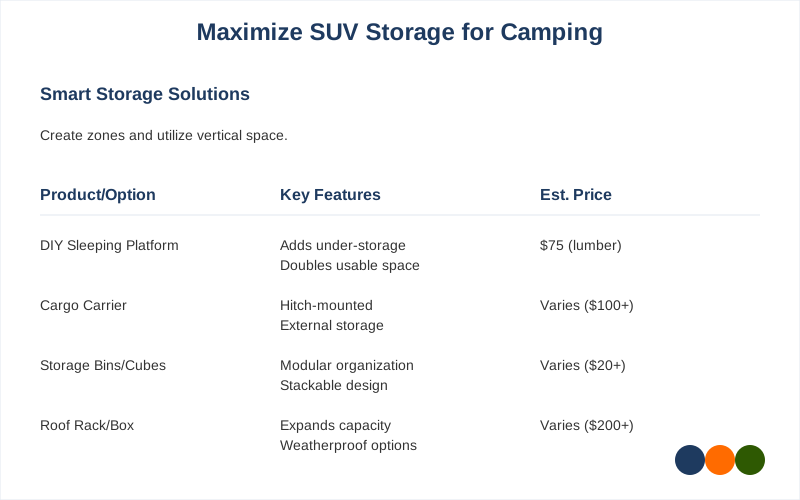
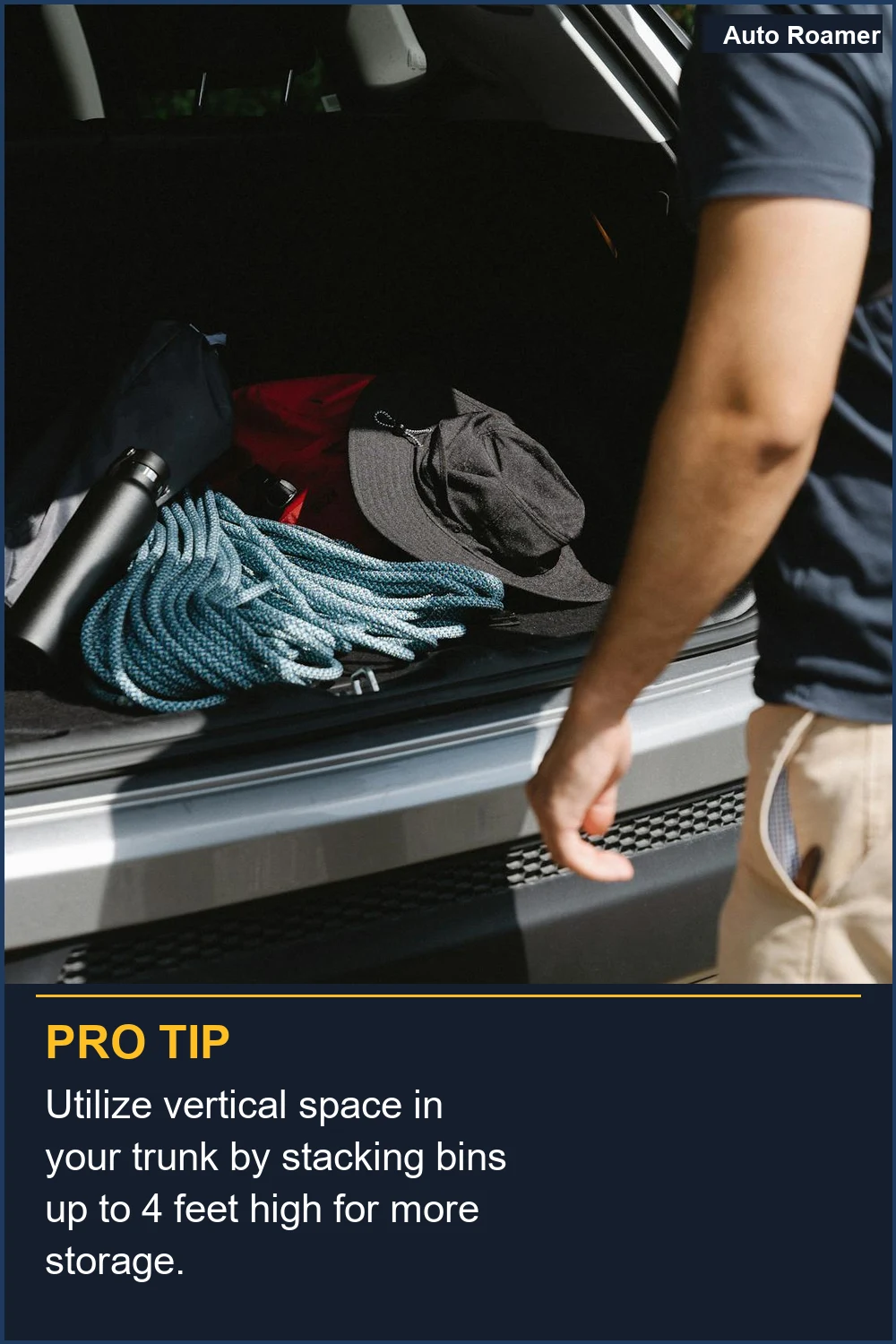
The biggest rookie mistake is thinking your SUV is just a bigger trunk on wheels. It's not. It's a mobile storage unit that requires strategy. The real move is to create different zones for your gear. I finally figured this out after a disastrous trip to Shenandoah where my tent was packed last and took 20 minutes to excavate. Hele Outdoors talks about sleeping platforms, and they're not wrong. Building or buying a simple platform in the back creates a massive amount of storage underneath. I built mine for about $75 in lumber, and it instantly doubled my usable space. Suddenly, my cooler and food bins had a dedicated home, completely out of the way. This freed up the back seats for more comfortable passengers, or in my case, more emergency snacks. Facebook groups often have people selling DIY solutions. Think about what you need access to first. Your sleeping bag and pillow should be easily reachable, not buried under a pile of camp chairs. Use clear bins so you can see what's inside without unpacking everything. The $50 version of this is just getting a few sturdy plastic bins that stack well. I use 17-gallon bins because they fit perfectly in my old Forester and stack three high. Suburbancamping.com swears by them, and I can see why. They're cheap, durable, and don't flex like flimsy bags. If you've got a hitch, a hitch-mounted cargo carrier is gold. I saw one of these on Reddit and it's a game-changer for bulky, dirty items like firewood or camp shoes. It keeps the smell out of your car and frees up interior space. Don't forget vertical space. Roof racks and cargo bags are your friends. I've seen people strap kayaks and bikes up top, but for car camping, a simple roof bag can hold sleeping bags or extra blankets. Just make sure it's rated for highway speeds. This YouTube video shows some affordable ways to do it. The key is modularity. Pack things in modules you can easily pull out and put back. My cooking bin always goes last in, first out. My sleeping gear goes in first, so I can set up camp immediately. It sounds basic, but game-time decisions about where things go make a huge difference. My first few trips were chaos because I just threw stuff in. Now, everything has a home, and packing up takes 30 minutes instead of three hours. It's about efficiency, not just stuffing. Creating a sleeping platform is the most impactful change I made. It turns wasted space under your bed into prime real estate for all your gear. No more sleeping with your head inches from the cooler. It's a simple physics problem: more space equals more comfort. Your car is a tool, treat it like one.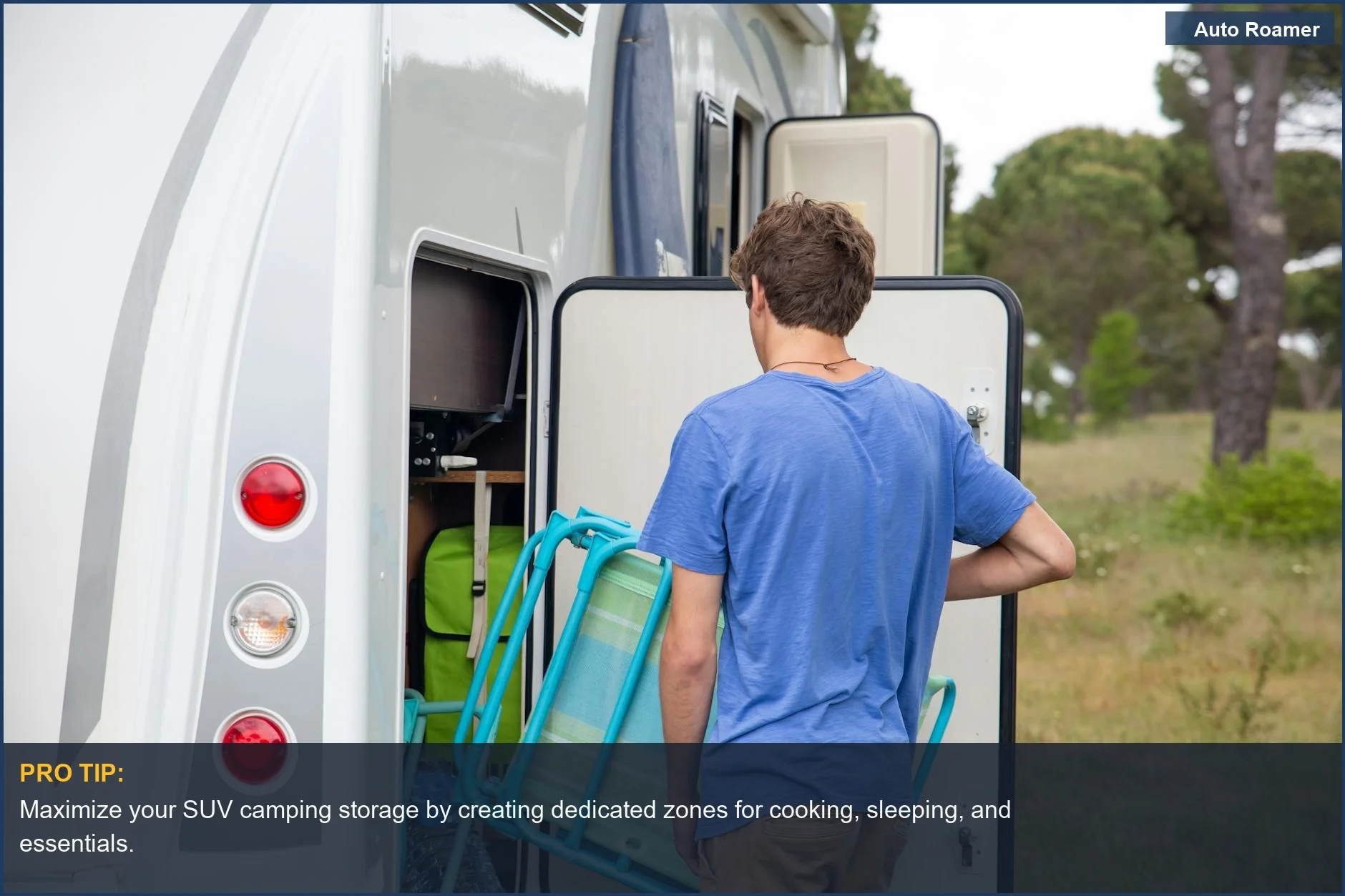
Why This Matters for Your Setup
Why does all this matter? Because nobody wants to spend their first hour at a campsite digging for their headlamp. I learned this at a state park in Vermont where it got dark fast. My headlamp was buried under my tent, my sleeping bag, and a bag of chips I'd forgotten about. It was a dark and miserable 30 minutes. SuburbanCamping.com emphasizes using one type of bin. I tried that with my 17-gallon bins and it was a revelation. Packing became a simple stacking game. Before, I had a random assortment of bags and crates that never fit together. It was like trying to solve a Rubik's cube blindfolded. Black River by Summit suggests pre-packing essential kits. This is huge. My cooking kit has everything I need for meals: stove, fuel, pots, utensils, spices. It pulls out as one unit. Same for my first-aid kit and my 'camp comfort' kit (bug spray, sunscreen, deck of cards). This system means I can set up camp in under an hour, even in the dark. It also makes packing up way faster. No more hunting for that one lost tent stake. It's about minimizing friction, so you can actually enjoy the camping part. This is the honest version. I used to dread packing. Now, it's just part of the ritual. Standardized bins, like the 17-gallon ones, are stackable and water-resistant (mostly). They also make it easy to see what you have at a glance. This is crucial for preventing you from bringing duplicates of things you already own, which happened to me on my second trip. I ended up with two camp stoves. Brilliant.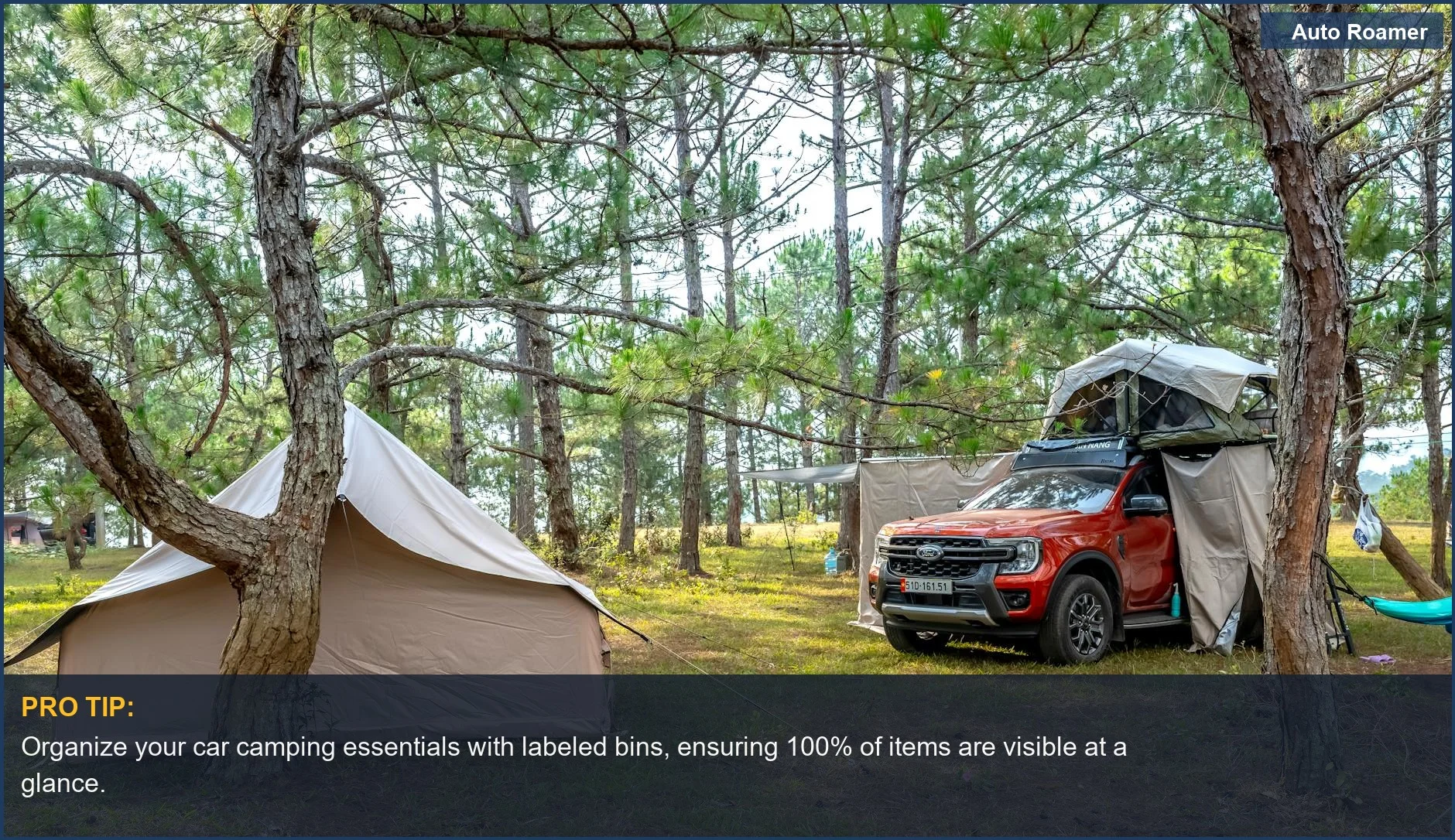
Making the Right Choice
So, how do you make sure you're not the person digging through their trunk for 20 minutes? It boils down to a few key things. First, get a system. Whether it's a DIY sleeping platform or just a set of stackable bins, have a plan. Elevating your sleeping area is probably the single biggest win for storage. Second, think modular. Pack items in kits that can be easily deployed. My cooking kit is a perfect example. Third, utilize external storage if you can. A roof bag or hitch carrier can be a lifesaver for bulky items. Cargo boxes are great for keeping things dry and secure. The goal isn't to pack more stuff, it's to pack smarter. You'll be amazed at how much more comfortable your trips become when you can actually find what you need. My $75 platform and a few cheap bins transformed my car camping experience from a logistical nightmare to pure fun. Affordable solutions are out there, you just need to implement them. Don't be like me on trip one, drowning in gear. Be like me on trip three, relaxed and organized.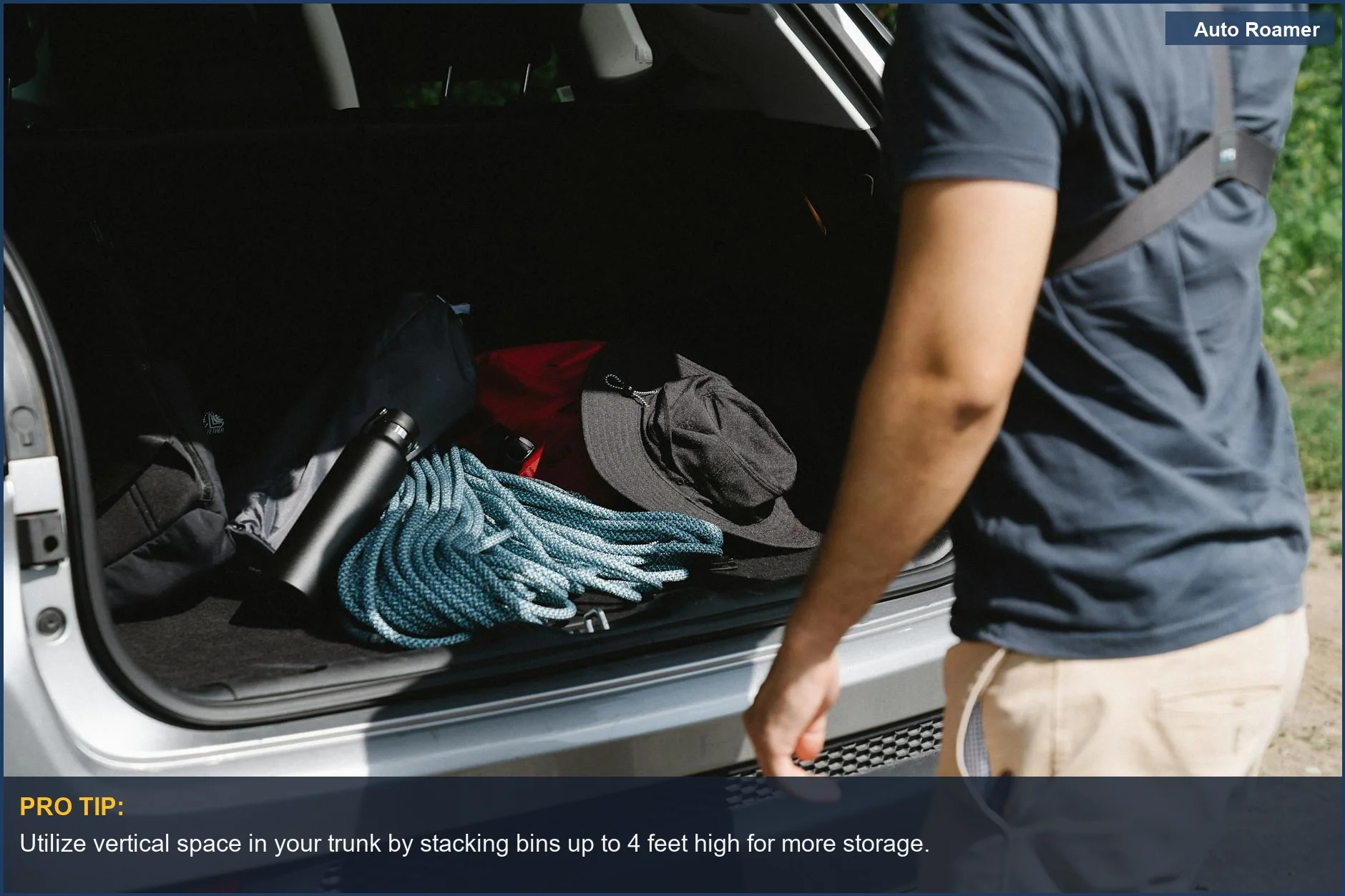
Frequently Asked Questions
I saw you built a sleeping platform for about $75. How much would it cost to get something similar professionally installed or buy one pre-made?
Do I really need a hitch for a cargo carrier, or can I strap one to the roof?
What happens if I just stuff all my gear into the back like I used to, and it's still a mess? Will it ruin my car?
If I build a wooden sleeping platform, will it permanently damage my SUV's interior?
Is it true that you should always pack your heaviest items in the middle of the car for better weight distribution?
🏅 Looking for Gear Recommendations?
Check out our tested gear guides for products that work with this setup:
Sources
- How to Organize Your Car for Camping - Hele Outdoors
- How to pack a larger SUV for a week-long tent camping trip?
- Ways To Increase Your Storage When Camping Out of a Vehicle
- How to get more cargo space for camping - Reddit
- How to organize your camping gear so you can camp for free in a SUV
- Affordable SUV Camping Essentials: Must Have Space Saving Gear!