
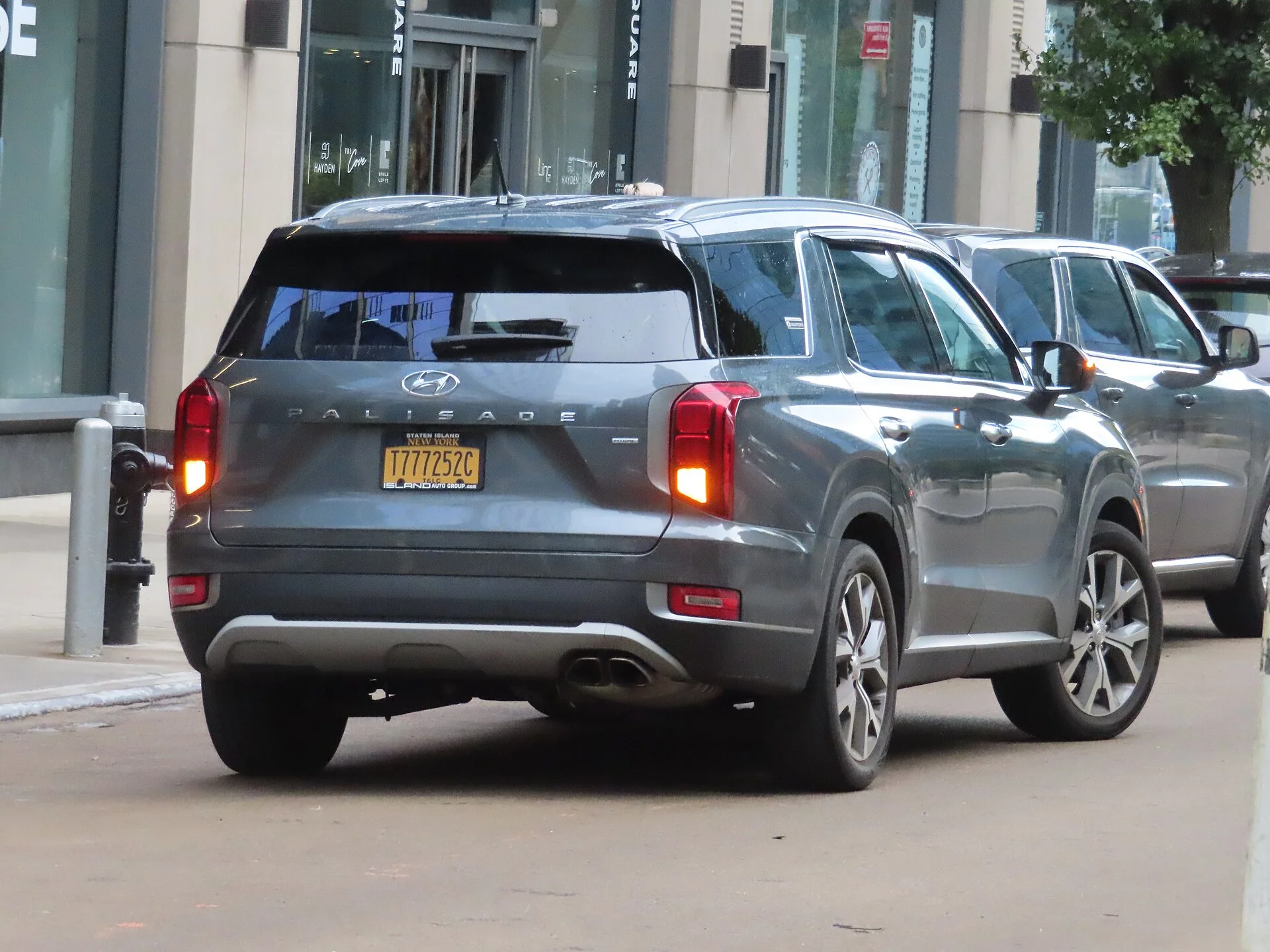
These two are corporate twins - so ignore 90% of the comparison
Let me save you the usual comparison theater with the numbers up front: 89.3 cubic feet folded and 5,500 pounds of towing for the Kia Telluride, 86.7 and 5,000 for the Hyundai Palisade - and that's nearly the whole spec-sheet fight. These two are built by the same company on the same underpinnings - they're corporate twins, per U.S. News, which flatly calls them 'recently redesigned relatives.' They share the mechanical package, the three-row layout, the size, and most of the camping-relevant hardware. So when a comparison spends 2,000 words on differences, most of it is manufactured.
For a camper, that means the honest job isn't 'which is better' - it's 'what actually differs, and does any of it matter for sleeping in the thing?' The answer: a handful of numbers differ, all by whiskers. The Telluride is marginally bigger inside and tows a bit more; the Palisade loads slightly easier and leans a touch plusher. That's basically it on the camping side.
So I'll do the opposite of the padded reviews: show you the three small things that genuinely differ, tell you which way each leans, and then tell you to choose on trim, price, and which face you like better - because for camping, these two are as close to identical as any two vehicles you'll cross-shop.
Difference 1 - Cargo: the Telluride wins every config, barely
The first real difference is cargo volume, and the Telluride edges it in every seating configuration. It offers 22.3 cubic feet with all three rows up, 48.7 with the second row folded, and 89.3 maximum with both rows down; the Palisade counters with 19.1, 46.3, and 86.7, per U.S. News. So the Telluride is bigger everywhere - by about 2.6 cubic feet at max.
What that whisker means for a camper:
- Max cargo (89.3 vs 86.7): a real but small edge - the Telluride's slightly boxier body gives a hair more usable flat floor.
- Seats-up (22.3 vs 19.1): the biggest proportional gap - if you camp with the third row UP for passengers, the Telluride swallows noticeably more gear behind it.
- Honest scope: at max, both sleep two adults in the folded bay; 2.6 cubic feet won't decide whether you fit.
Cargo leans Telluride, most meaningfully with the third row up. But nobody's getting shut out of a good night's sleep by the difference - at these dimensions both bays take two adults on a full-width pad with gear stacked at the sides, and the seats-folded floor in each runs the same near-flat profile with the same mild step to bridge. Treat the cargo gap the way you'd treat a half-inch of legroom: real, measurable, and irrelevant by the second night.
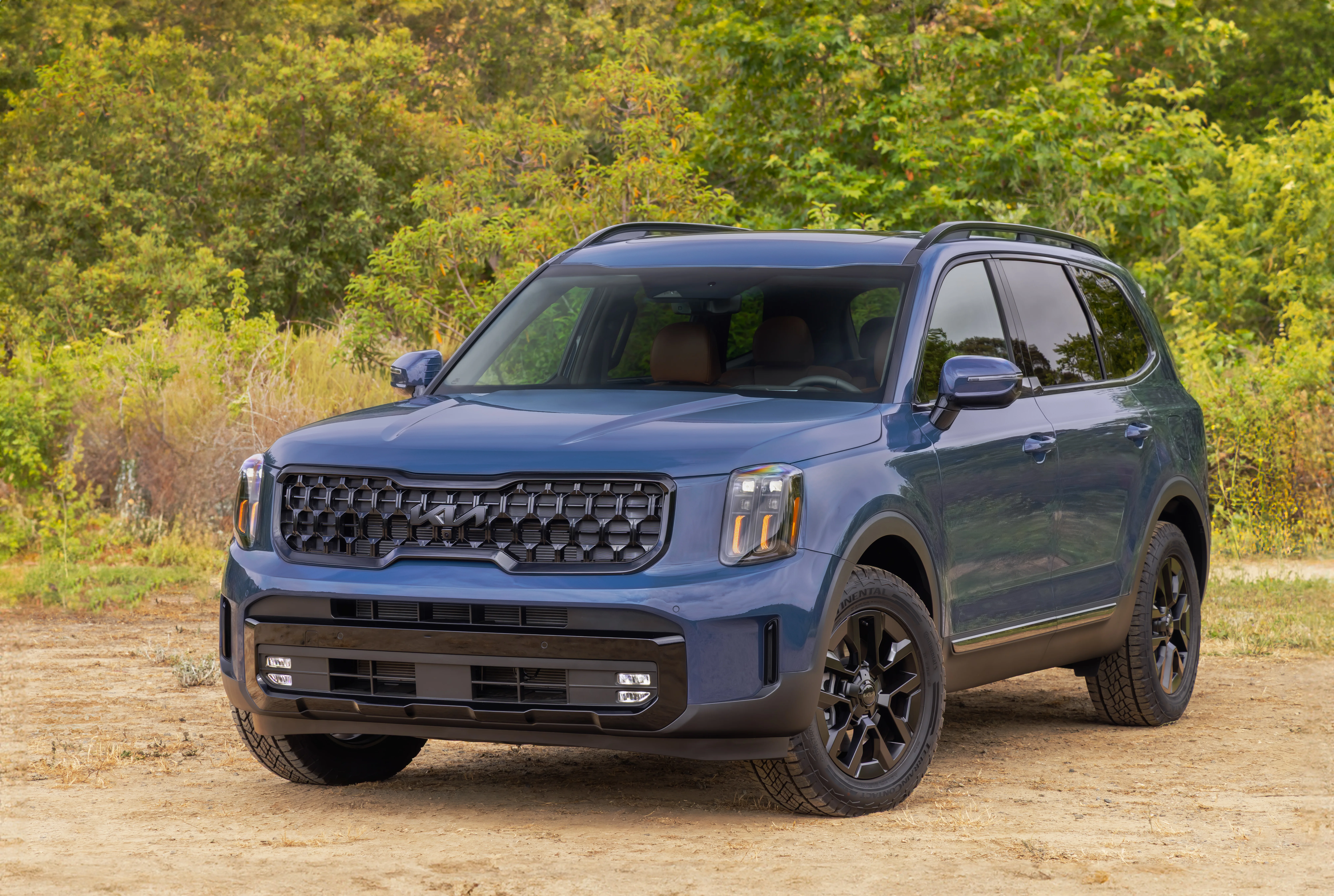
Difference 2 - Towing: Telluride 5,500 vs Palisade 5,000
The second genuine difference, and the one most likely to actually matter, is towing. The Telluride pulls up to 5,500 pounds; the Palisade tops out at 5,000, per U.S. News. That 500-pound gap is small in percentage terms but real if you're near the limit with a loaded trailer.
Five hundred pounds is the margin between comfortably towing a small camper or loaded utility trailer and being maxed out. If you tow anything close to 5,000 pounds, the Telluride's extra headroom is worth having; if you tow little or nothing, ignore this entirely.
The practical read:
- Telluride (5,500 lb): more margin for a teardrop, small boat, or gear trailer on grades.
- Palisade (5,000 lb): still tows a small trailer fine - just with less cushion at the top.
Towing leans Telluride. It's the one difference I'd let sway a trailer-camper's decision; for everyone else it's noise. And a note either way: both ratings assume the factory tow package and honest loading math - a family three-row heading to camp is already carrying people, gear, and a roof box before the trailer hitches on, and payload runs out quieter than towing capacity does. Weigh the whole trip, not just the trailer.
Difference 3 - Loading: the Palisade's tailgate answers back
The Palisade's one camping-relevant win is loading. The Kia has a slightly LOWER roofline at the tailgate, which U.S. News notes can make loading bulky items a little more difficult; the Palisade's marginally taller tailgate opening swallows tall gear - a big cooler, stacked bins, a folded platform - with a hair more clearance.
Why a camper might care:
- Bulky-gear loading: the Palisade's taller aperture is easier to slide a big cooler or storage bin through without angling.
- Roof-height feel inside: the difference is small, but it's the Palisade's answer to the Telluride's cargo-volume edge.
- Honest scope: like the others, this is a whisker - you'll notice it loading, not sleeping.
Loading leans Palisade. Set it against the Telluride's cargo and towing edges and you can see why these two keep trading 'wins' by fractions - they're the same vehicle wearing different clothes. If you regularly load a specific tall item - a big rigid cooler, a dog crate, a folded platform - bring it to the test drive and slide it through both hatches; that 5-minute reality check outranks every decimal in this section.
What doesn't differ: the camping fundamentals
Here's the part the padded reviews skip: nearly everything that makes a three-row SUV a good camper is IDENTICAL between these two. Both give you a big folded floor that sleeps two adults, the same second- and third-row fold flexibility, comparable ground clearance, the same safety and family-hauler credentials, and the same basic sleeping geometry.
When two vehicles share a platform, buy on the things that AREN'T shared: trim contents, price on the lot, warranty, dealer, and which one you'd rather look at for a decade. The camping capability is a wash.
So the real decision factors:
- Price and incentives: whichever is the better deal the day you buy - they're close enough that money should decide.
- Trim and features: compare the specific trims you're considering; contents differ more than the camping hardware does.
- Looks and dealer: genuinely valid tiebreakers when the vehicles are this close.
It's worth pausing on how unusual that identity is. In most vs-comparisons on this site the two vehicles argue - one sleeps longer, one rides higher, one tows double. The twins don't argue; they agree on everything a camper measures and differ only in the jewelry. That's not a boring conclusion, it's a liberating one: you cannot buy the wrong camping vehicle here, only the wrong deal.
For the full three-row camping setup that applies to either, our Palisade camping guide and sleeping in a Telluride guide cover both.
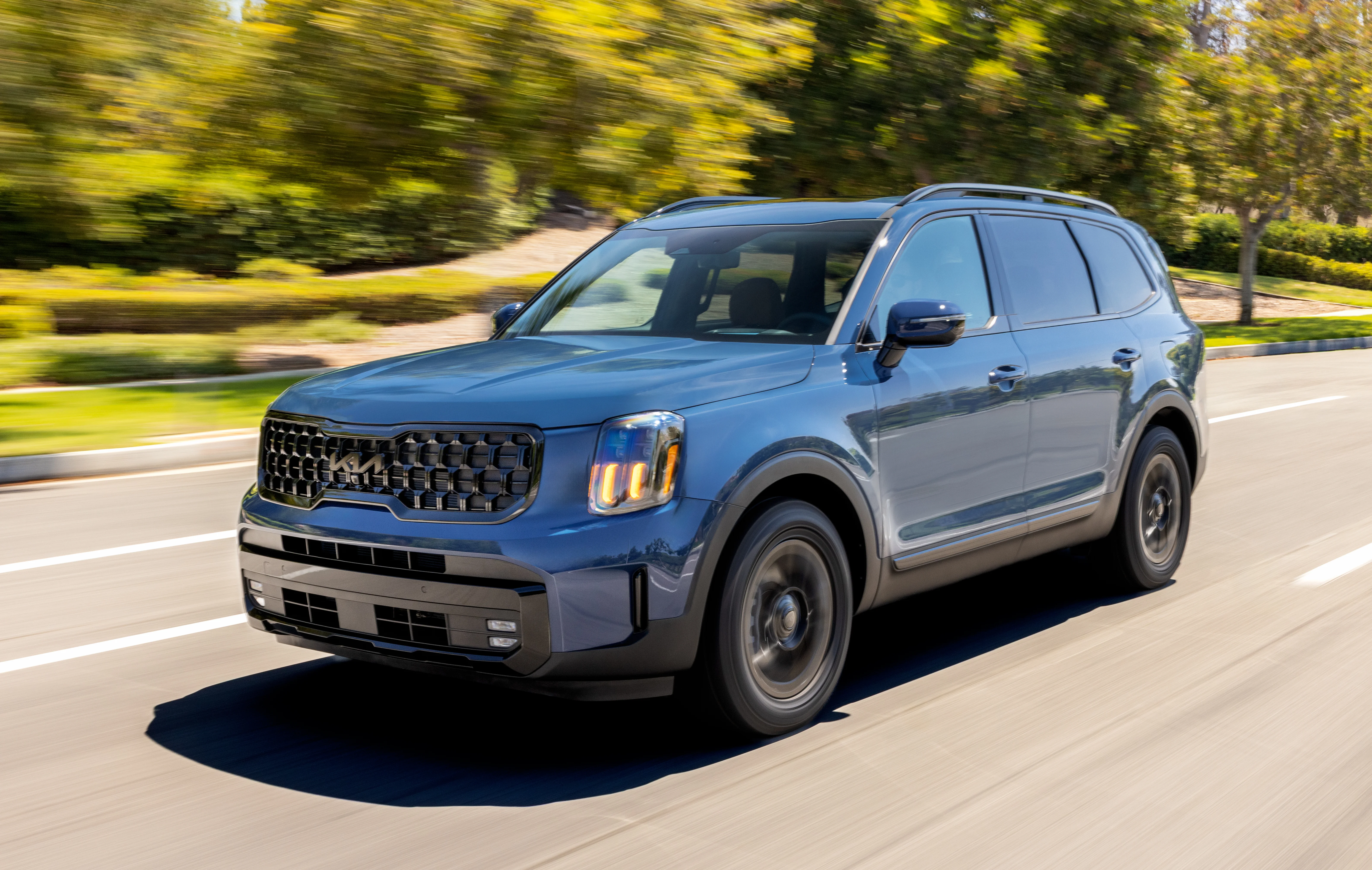
The used-market angle: twins depreciate differently
Here's a genuinely useful wrinkle for the budget-minded camping family: identical vehicles do not carry identical price tags on the used lot. The Telluride launched as the surprise darling of the segment - awards, waiting lists, dealer markups - and that halo still shows up as firmer used pricing. The Palisade, mechanically the same machine, has typically traded at a small discount to its twin at equivalent age and mileage, simply because the badge never caught the same fever.
For a used buyer, that's close to free money. The camping capability - the folded bay, the near-identical dimensions, the balance of the remaining powertrain warranty for a second owner (shorter than the original owner's 10-year term, but real) - transfers at the twin discount. The calculus that favored the Telluride by 2.6 cubic feet new can easily reverse used, when the same money buys a Palisade a model year newer or 20,000 miles fresher.
So add a third fork to the buy-the-deal verdict: shopping new, let the lots compete and take the better price on the trim you want; shopping used, check the Palisade first - the quieter badge is where the value hides. Either way you land in the same excellent campsite.
One sleep kit fits both - literally
Here's the upside of shopping corporate twins: the camping build is genuinely interchangeable, so you can buy the kit before you've picked the badge. Both fold to a comparable two-adult bay with the same mild seatback step, and both take the identical short list. The mattress does the heavy lifting: a back-seat-style SUV air mattress like the Onirii (about 55 by 35 inches) fills either folded bay and levels the step in one move.
The rest of the shared kit:
- Power: a compact power station carries the overnight loads in either SUV; charge it off the 12V socket between camps and the starter battery never meets your fan.
- Mesh + covers: screened openings at opposite corners for cross-flow, reflective panels on the glass for privacy and insulation - the three-row greenhouse is big, so cut the panels once and label them.
- Third-row strategy: in both, fold the third row flat for the bed and use the front footwells as gear closets - the layouts are that similar.
Total interchangeability has one nice side effect: if you switch twins at trade-in time - Telluride to Palisade or back - the whole camping kit moves with you, uncut. Try that between a Bronco and a 4Runner.
Timing note for first-time three-row campers: build and test the kit at home before the maiden trip. Fold the rows, inflate the pad, lie down with the hatch closed, and run the power station through one simulated night of fan and charging in the driveway. Twenty minutes of rehearsal finds the missing tarp clip and the too-short cable while the hardware store is still open - a lesson every camping family learns exactly once.
The warranty: the twins' loudest shared advantage
Step back from the whisker-differences and the biggest ownership fact about BOTH vehicles is one they share: Hyundai and Kia back their powertrains for 10 years or 100,000 miles, per the makers - the longest mainstream coverage in the U.S. market and roughly double what Toyota or Honda offer on paper. For a camping buyer that coverage maps directly onto how the vehicle gets used: high seasonal mileage, loaded-down grades, dusty washboard approaches - the exact duty cycle you'd want a long warranty underneath.
The fine print matters as always - the 10-year powertrain term applies to the original owner, with shorter bumper-to-bumper coverage, and off-pavement abuse beyond 'maintained roads' is the usual gray area - but the practical effect is real: a decade of engine-and-transmission insurance on a vehicle you intend to work hard. It also quietly explains the twins' value proposition against the segment: you're getting three-row space, near-luxury trim, AND the longest safety net, usually at a friendlier price than the Japanese incumbents.
Since both twins carry the identical warranty, it can't break the tie - but it should absolutely factor into whether you shop this pair at all versus a Pilot or Highlander. As a camping-family value package, the twins' warranty is a bigger advantage than any 2.6 cubic feet. Keep the paperwork honest, too: log the oil changes and services on schedule, because a warranty claim at year 8 leans on maintenance records - and a camping vehicle's hard duty cycle makes the receipts worth their weight when the claim actually matters.
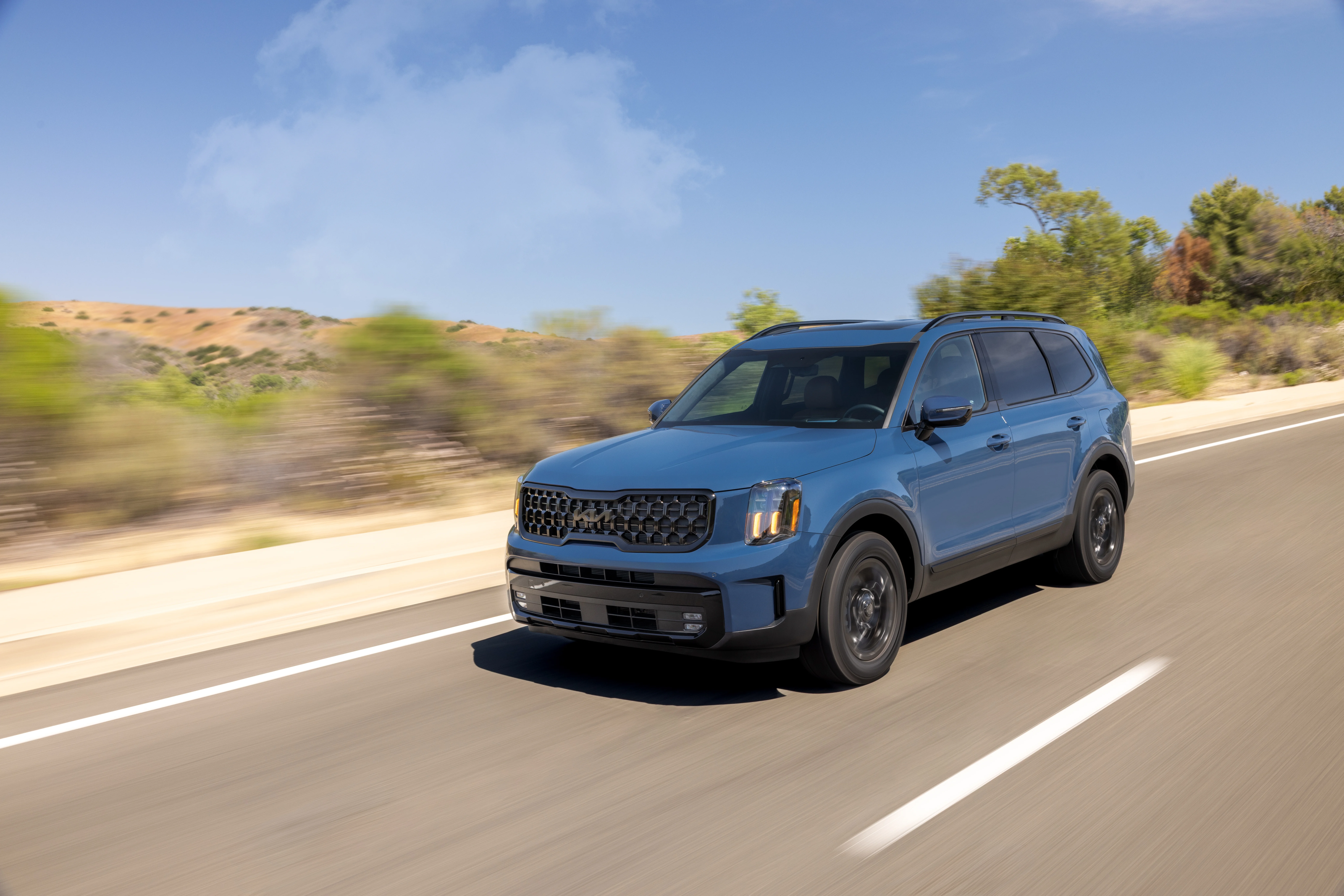
Camp-day logistics: car seats, dogs, and the third row
Three-row family SUVs camp differently than couples' rigs, and the twins' shared layout handles the family circus well - with the same playbook in both. The keystone move is the split third row: fold one side flat for gear or a dog bed, keep the other up for a car seat, and the vehicle carries the whole household plus the camp. At the site, the folded load floor becomes the bed while the upright seats hold the stuff that must stay dry and clean.
The daily rhythms that make it work:
- Car seats stay installed: fold the bed around them rather than re-installing seats daily - a properly-anchored child seat is 20 minutes you don't want to repeat at dusk.
- The dog gets the footwell or the third row, never the bed - sand and claws versus an air mattress is a one-night experiment.
- Pack in layers: night gear on top of the pile, day gear below; the wide hatch openings on both twins make the re-shuffle painless.
If your comparison shopping includes the segment's other three-rows, our Telluride vs Pilot comparison runs this same family-camping lens against Honda's entry - useful for seeing what the twins give up (a TrailSport-style off-road trim) and what they don't (space, warranty, value).
The verdict: buy the deal - but the Telluride edges it on paper
Skeptic's honest verdict: for camping, these two are close enough that the right answer is 'buy whichever is the better deal on the trim you want.' But if you're forcing me to break the tie on the numbers alone, the Kia Telluride edges it - more cargo in every configuration (89.3 vs 86.7 cu ft), more towing headroom (5,500 vs 5,000 lb), and a marginally boxier load bay.
Lean Telluride if you want the last few cubic feet of cargo and the extra 500 pounds of towing. Lean Palisade if its taller tailgate opening, its trim contents, or its price on the lot suit you better. Either way you get the same excellent three-row camper.
Don't let anyone tell you this is a lopsided fight - it isn't. Two corporate twins, a handful of whisker-thin differences, and a camping verdict that mostly comes down to the price tag and the badge you prefer. The Telluride wins the spec sheet by inches; the Palisade wins if the deal or the details fall its way. Buy the one in front of you at the better price and go camping.
And keep the meta-lesson for the rest of your shopping: when two vehicles share a platform, the reviews that manufacture drama are selling clicks, not clarity. The honest comparison here fits in three sentences - Telluride carries and tows a little more, Palisade loads a little easier, everything that matters for camping is shared, warranty included. Spend your energy on the deal and your weekends at the campsite.