The honest verdict: the third row decides the night
The Kia Sorento and the Kia Sportage look like close cousins on a spec sheet - within a couple of cubic feet of each other on cargo volume, per KiaMedia - but they sleep very differently, and the reason is one feature: the Sorento's third row. Fold it away and the Sorento opens a genuinely long, roughly 88-to-91-inch flat floor; the two-row Sportage caps near 72 to 75 inches. As a platform builder, that length gap is the first and biggest thing I look at, because length is what a body actually lies on.
The short version: the Sorento is the better sleeper for anyone near or over six feet tall, because folding its third row buys roughly sixteen to nineteen extra inches of bed. The Sportage is an excellent compact camper for shorter sleepers or with a small platform, and it has a surprising trump card of its own on ground clearance. Below I take cargo volume, sleeping length, width, flatness, power, and clearance one at a time, measured rather than bragged, so you can match the right Kia to your body and your trips.
Cargo volume: nearly a tie on paper
Start with the number the brochures lead with, because it is the one that misleads. With the rear seats folded the Sorento offers about 75.5 cubic feet of cargo space and the Sportage about 74.1, per KiaMedia - a gap of only 1.4 cubic feet, which is nothing. Behind the second row the Sorento holds roughly 38.5 to 45 cubic feet across its trims and the Sportage about 36.6 to 39.6, again close.
Volume does not lie down. Two SUVs can post nearly identical cubic-foot numbers and still offer very different beds, because a bed is about flat length and width, not the total air inside.
So if you shop these two on cargo volume alone, you would call it a coin flip - and you would be wrong about the camping. The Sorento converts its space into a much longer sleeping surface because it has a third row that folds forward and extends the flat floor. That is the difference the volume number hides, and it is the whole story of the next section.
It is worth understanding why the cubic-foot figures land so close despite the size difference. The Sportage is a genuinely roomy compact - the fifth generation grew notably over its predecessor - so it posts a big number for its class, while the Sorento spreads its volume across three rows and a longer body. Fold everything flat and the totals nearly match, but the shape of that space differs completely: the Sorento's is long, the Sportage's is tall and short. For carrying gear the two feel similar; for lying down they do not, which is exactly the trap of shopping a camper on volume alone.
Sleeping length: the Sorento's fold-flat third row
Length is the make-or-break dimension for sleeping in any vehicle, and it is where these two Kias truly separate. Fold both rear rows in the Sorento and the load floor runs roughly 88 to 91 inches from the tailgate to the front seatbacks by direct tape measurement - well over seven feet, enough for a six-foot adult to lie flat with room to spare. The Sportage, with only one rear row to fold, tops out around 72 to 75 inches, right at the limit for a six-footer.
What that ~16-to-19-inch gap means for real bodies:
- Under 5 foot 10: both Kias let you lie flat, the Sportage included.
- Six feet: the Sorento fits you flat with the third row folded; the Sportage needs the front seats slid forward and often a platform to stretch out.
- Over 6 foot 1: the Sorento is comfortable; the Sportage becomes a diagonal-sleep or build-a-platform proposition.
This is the single most important line in the comparison. If you are tall, the Sorento's fold-flat third row is the reason to choose it, full stop - no amount of clever packing buys the Sportage those inches. Our Kia Sorento camping guide walks the full fit chart by height.
Width and height: both narrow, plan for one
Length favors the Sorento, but on width the two are similarly tight, and that caps how many people either sleeps. The Sorento's cargo floor runs roughly 42 to 44 inches between the wheel wells at its narrowest by direct measurement, widening higher up; the compact Sportage is narrower still. Two adults side by side want about 48 inches of usable width, so neither Kia is a comfortable two-person bed at the floor - both are excellent one-person beds and a squeeze for two.
On height, both give you enough room to sit up partway and change clothes seated, with the Sorento's taller body offering a little more headroom in the cargo area. The practical takeaways:
- Solo sleeper: either Kia is plenty wide; the Sorento just adds length.
- Two adults: plan narrow pads and no gear beside you in either, or accept a snug fit - the Sorento's extra length helps more than its width.
- Sitting up: both let you prop on an elbow and dress seated; neither lets you kneel fully upright.
If two-person sleeping is a firm requirement, be realistic that neither Kia is built for it at the floor - the wheel-well pinch is the wall the numbers will not move in either. The honest options are to sleep one person in the vehicle and one in a ground tent, to accept a snug fit with narrow pads and no gear between you, or to size up to a wider platform vehicle entirely. Where the Sorento genuinely helps a couple is length: two shorter people can lie head-to-toe along its 88-plus inches in a way the Sportage's 72 to 75 simply cannot accommodate.
Flatness and the platform question
Raw length only helps if the floor is flat, and here both Kias ask for a little work. The Sorento's folded floor is long but has a step between the folded seatbacks and the cargo floor, so you bridge it with a four-inch pad or a fill to get a level surface. The Sportage's folded floor is not perfectly flat either - the seat mechanisms and slightly reclined seatbacks leave humps - which is why our Sportage setup guide recommends a simple plywood platform, roughly 51 by 42 inches, and removing the rear headrests to true it up.
How to level each one:
- Sorento: fold both rows, bridge the seatback step with a thick pad or an SUV mattress, and you have a long flat bed.
- Sportage: remove the headrests, add a low platform or a shaped mattress to flatten the humps, and slide the front seats forward for length.
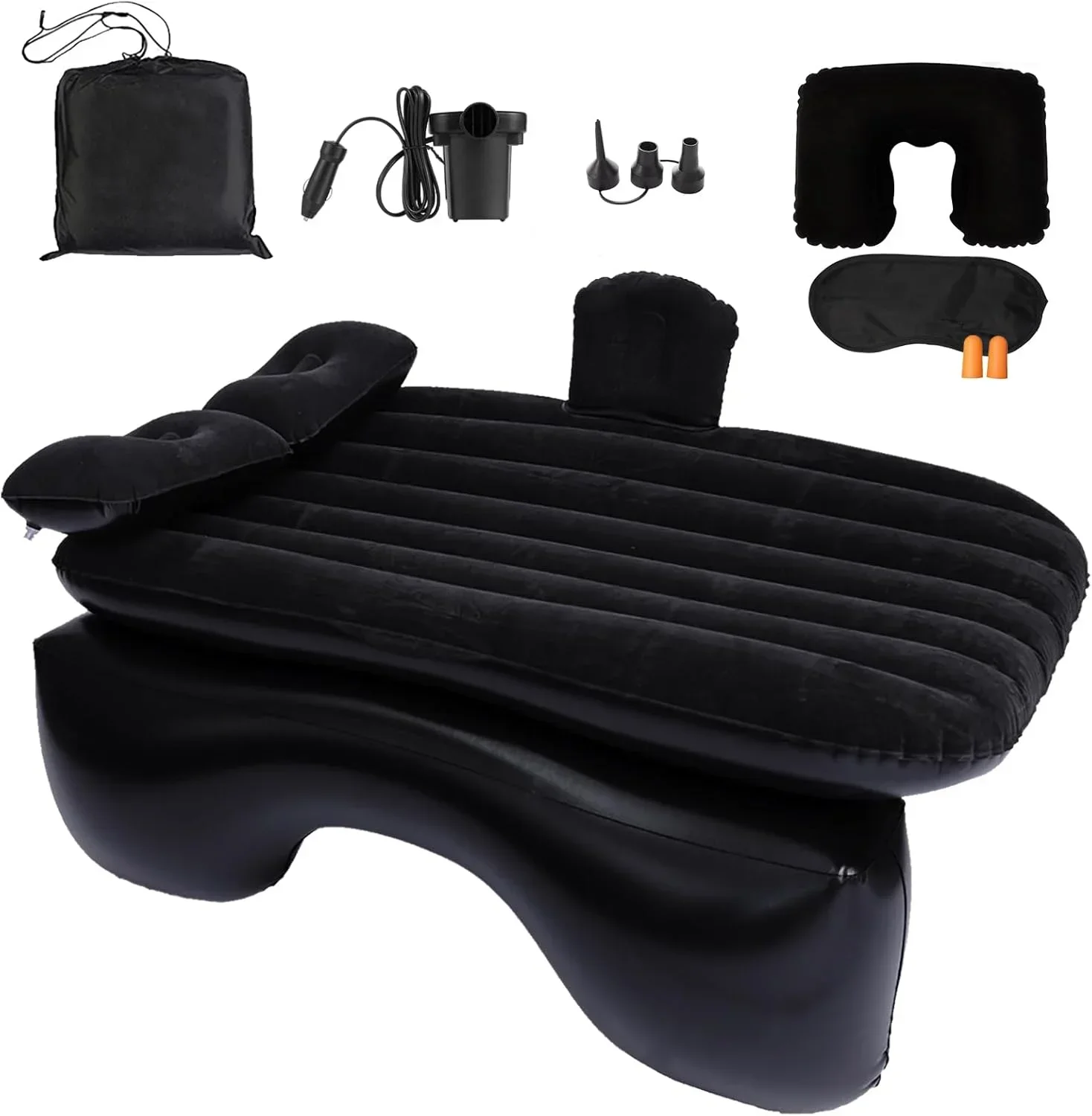
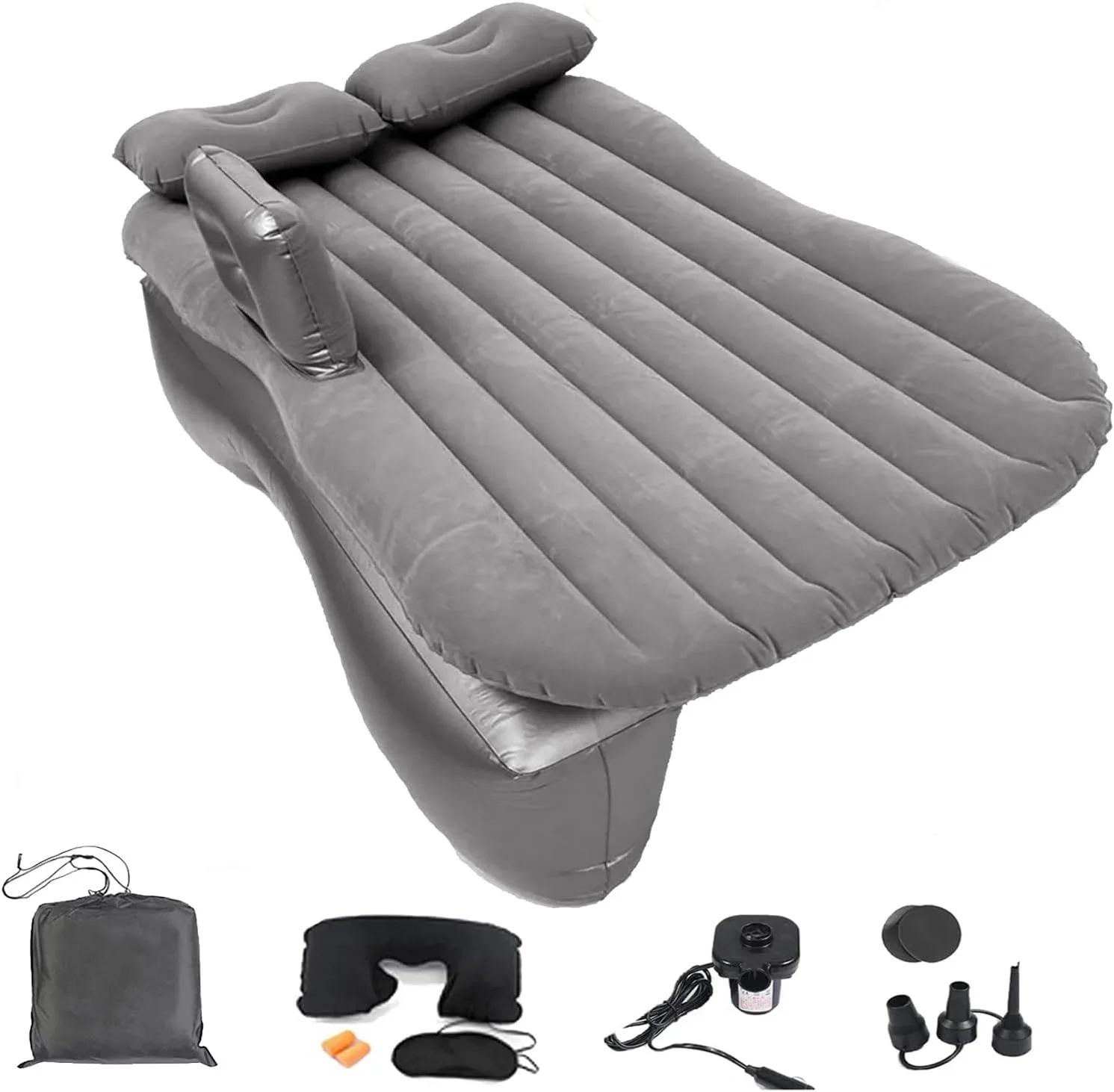
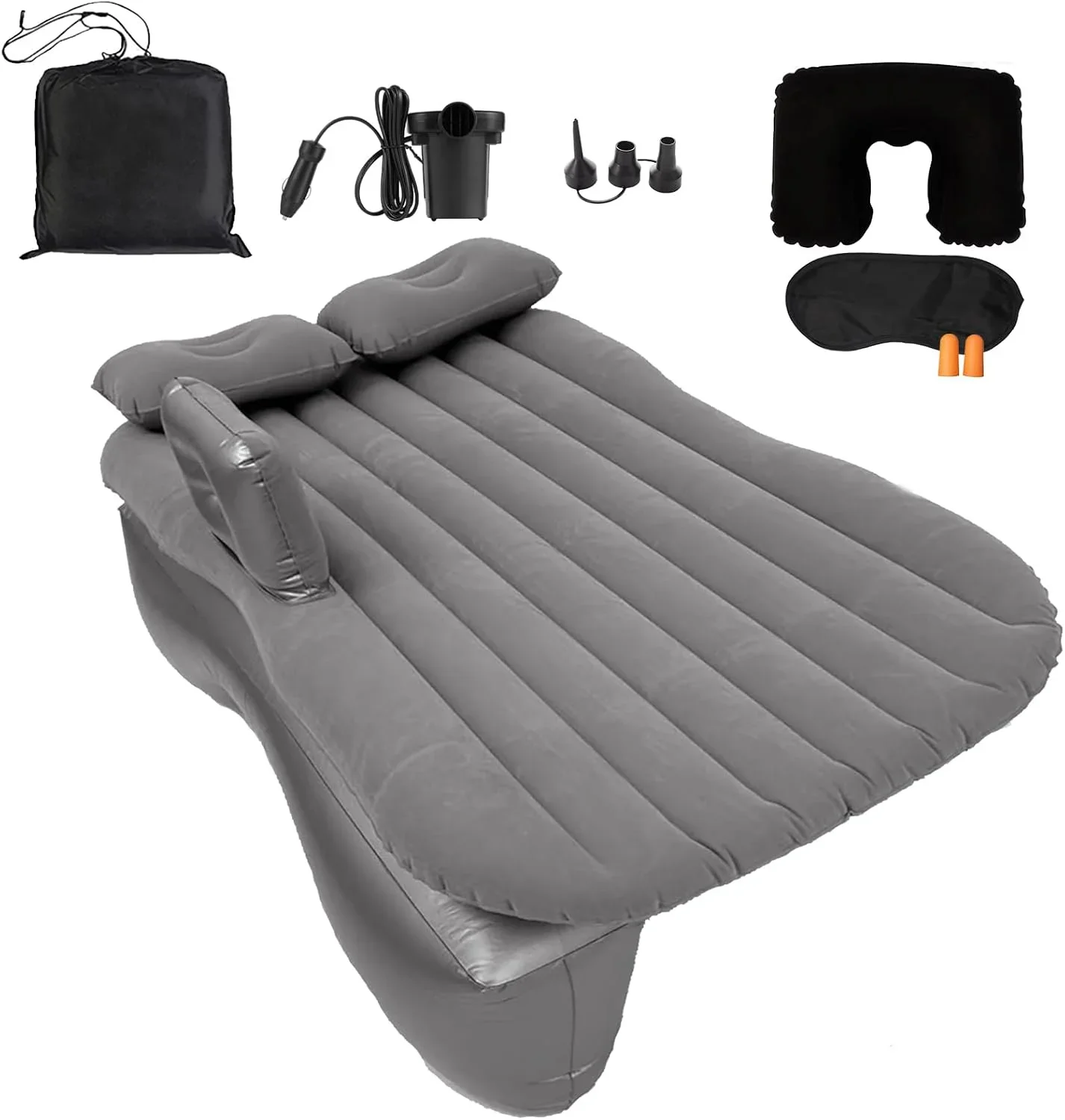
An SUV air mattress shaped for the job saves the carpentry on either. The Onirii SUV air mattress is built to span the seatback step so the surface sits flat, which is the fastest fix for the Sorento's step and the Sportage's humps alike. Our Kia Sportage car-camping setup covers the platform build in detail.
Power: the Sorento's outlet, and why it's not enough
Overnight power is where both Kias fall short of a camper's hopes, though the Sorento is the better of the two. From 2023 the Sorento offers a 110-volt AC inverter outlet rated at about 150 watts on higher and plug-in-hybrid trims, per KiaMedia and Kia owner documentation - enough to charge a laptop or phone, but not a 12V fridge or an induction burner. The Sportage's 110-volt availability is not clearly confirmed by trim, so treat it as USB and 12V only unless your specific trim lists an inverter.
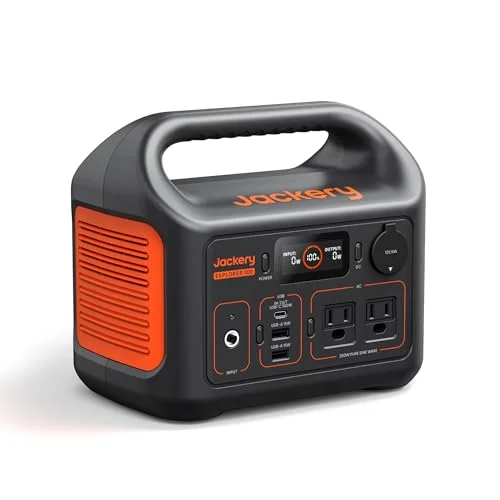
The honest read is that neither Kia's built-in power runs a real camp setup, so plan around a portable station regardless of which you buy. A Jackery Explorer 300 runs a fan and device charging through a night and recharges off the 12V socket between camps, and it scales up if you add a fridge. For the fuller range of options, our best portable power stations for car camping guide matches a station to your loads. Match the power to your gear and the outlet gap between these two stops mattering.
Ground clearance and AWD: the Sportage's surprise
Here is the twist that upends the bigger-is-more-capable assumption. Despite being the smaller SUV, the Sportage in its rugged X-Line and X-Pro all-wheel-drive trims sits higher off the ground - up to about 8.3 inches of clearance - than the Sorento's roughly 6.9 inches, per KiaMedia. For reaching a rough forest-road campsite, the Sportage X-Pro is arguably the more capable trailhead vehicle of the two.
What that means for where you can camp:
- Rougher access roads: a Sportage X-Pro clears obstacles the Sorento might scrape.
- Both offer AWD: the Sorento across its range, the Sportage on most trims, so either handles wet grass and gravel fine.
- Pavement and campgrounds: clearance is a non-issue, and the Sorento's sleeping length wins.
So the choice is not simply 'the bigger Kia is better.' If your camping leans toward rough two-track access more than sleeping length, the compact Sportage's extra clearance is a real and counterintuitive point in its favor.
Hybrid and plug-in trims: how the battery plays in
Both Kias offer hybrid and plug-in-hybrid versions, and they matter for camping in two ways worth knowing before you shop. The plug-in Sorento is the trim most likely to carry that 110-volt inverter outlet, so if a household plug matters to you, the PHEV Sorento is the one to look at, per KiaMedia. The trade is that hybrid and plug-in drivetrains can slightly raise or reduce the load floor versus the gas models, though Kia's published cargo volumes stay close across trims.
My advice as a builder is to measure the exact trim you are considering rather than trust a brochure average, because a raised battery floor changes your platform math. If you want the outlet and the efficiency, the plug-in Sorento is a strong camping choice; if you want the simplest, flattest floor, a gas Sorento with both rows folded is the most predictable bed. Either way, the drivetrain does not change the headline - the Sorento's third row is still what opens the long floor.
One practical camping upside of the hybrids on either model is quiet, efficient idling and, on the plug-ins, a usable battery buffer - but do not mistake that for a house-power system. Even the plug-in Sorento's 150-watt outlet will not run a fridge, so the drivetrain choice is really about fuel economy and that small inverter, not about solving camp power. Buy the hybrid for the miles-per-gallon and the outlet if you want them; keep planning your real overnight power around a portable station regardless.
Gear that makes either Kia a real bed
Whichever Kia you land on, two pieces of gear turn its honest dimensions into a comfortable night, and they are the same for both. The first is a shaped sleeping surface to beat the floor step: an SUV air mattress like the Onirii SUV air mattress spans the seatback step in the Sorento and flattens the Sportage's humps, so you are not cutting plywood on your first trip. The second is portable power, because neither Kia's outlet runs a fridge.
The short kit list that works in either Kia:
- A bridging pad or SUV mattress sized to your cargo floor to level the sleeping surface.
- A portable power station like the Jackery Explorer 300 for a fan, lights, and charging - scaled up if you add a fridge.
- Window shades and a cracked-window vent plan for privacy and to beat condensation on the big glass.
None of this is Kia-specific, which is the point: the vehicle sets your length and width, and the gear does the rest. Get the bed and the power sorted and both Kias become genuinely comfortable campers within their size class.
Who each Kia is for
Stepping back, the two sort cleanly by camper. The Sorento is the pick for tall sleepers, couples who want the longest flat floor, and anyone who values that fold-flat third row and the available inverter outlet. It sleeps a six-foot adult flat, holds a hair more cargo, and rides a longer wheelbase for a roomier interior - the more complete camping platform of the two.
The Sportage is the pick for shorter sleepers, solo campers, and anyone whose access roads are rougher than their sleepers are tall. It gives up sleeping length but answers with more ground clearance in its X-Pro trim, a smaller easier-to-park footprint, and strong value. With a simple platform it sleeps one person well and reaches campsites the Sorento would scrape getting to. For a look at how the Sorento stacks up against a rival three-row, our Kia Sorento vs Toyota Highlander comparison runs that matchup.
Which to buy: match the Kia to your body and your roads
Both Kias make good car campers, and the decision is refreshingly clear because it rests on two things you already know about yourself: how tall you are and how rough your roads get.
Buy the Kia Sorento if you are near or over six feet, want the longest flat bed from its fold-flat third row (about 88 to 91 inches), and value the available 110V outlet. Buy the Kia Sportage if you are a shorter or solo sleeper, want more ground clearance for rough access, and prefer a smaller, cheaper SUV.
My default for most campers who want to sleep flat is the Sorento - the third row is the single feature that turns a mid-size SUV into a genuine bed, and no amount of platform work buys the Sportage those inches. Choose the Sportage when clearance and size matter more than length, and build it a simple platform. Whichever you pick, measure your own vehicle, level the floor, and plan portable power - do that, and our guide to sleeping in your car safely and legally covers the rest of a good night.