
Jeep Wrangler Camping Guide: Setup Tips for Camping in Your Wrangler
Auto Roamer
8 min read
★ Best Overall
Editor picks below — verified, expert-reviewed.
Introduction: The Wrangler's Unique Camping Appeal
The Jeep Wrangler is built for adventure—and that includes camping. Its legendary off-road capability means you can reach campsites other vehicles can only dream about. The removable top and doors create an open-air experience unlike any other vehicle. And the Wrangler community's camping culture means excellent aftermarket support for overlanding accessories. But let's be honest: the Wrangler isn't the most spacious sleeping platform. The 2-door is especially tight, and even the 4-door Unlimited requires creative setup. Most serious Wrangler campers opt for rooftop tents, ground tents (using the Wrangler as base camp), or accept cozy quarters inside. The Wrangler's strength is getting you there, not necessarily being your bedroom. This guide covers realistic Wrangler camping options: inside sleeping (both 2-door and Unlimited), rooftop tent solutions, ground tent strategies, and essential overlanding gear. Let's make the most of your Jeep's camping potential. Advanced camping strategies for experienced adventurers include integrating solar charging systems for off-grid trips, installing auxiliary battery setups for extended camping without external power, and implementing sophisticated water management systems combining fresh water storage with greywater processing. Many campers invest in insulation upgrades including thermal window coverings (approximately 100-200 dollars per window) and reflective barriers reducing interior temperature fluctuations. Understanding weight distribution across the vehicle's suspension prevents premature tire wear and improves fuel economy during fully loaded camping trips. Pre-trip vehicle maintenance including oil changes, fluid level verification, tire pressure assessment, and battery condition checking ensures reliable performance in remote areas. Professional detailing after muddy camping trips extends vehicle longevity by removing corrosive materials from undercarriage areas. These sophisticated approaches transform basic vehicle camping into genuine expedition capability, enabling extended remote camping where self-sufficiency becomes essential. Professional vehicle camping represents a distinct skillset combining mechanical knowledge, emergency preparedness, and comfort optimization. Understanding your specific vehicle's capabilities enables confident off-grid camping in remote locations. Weight distribution across suspension components affects fuel economy, tire wear, and handling characteristics during mountain driving or technical off-road terrain. Proper cargo securing using roof racks, roof boxes, and cargo nets prevents shifting during rough roads and improves safety significantly. Extended camping trips require contingency planning for vehicle failures: carrying spare belts, hoses, diagnostic tools, and knowing basic repair procedures transforms potential disasters into manageable inconveniences. Communication devices including satellite messengers or personal locator beacons provide emergency connectivity in areas without cellular coverage. Vehicle camping represents genuine freedom: the ability to follow weather patterns, chase wildlife photography opportunities, or spontaneously extend trips when conditions align perfectly. This flexibility transforms traditional vacation patterns into authentic adventure. Experienced campers emphasize the value of overnight testing at home before extended remote camping, identifying equipment issues and optimization opportunities in low-risk environments. Pre-dawn departures on camping trips enable arriving at destinations during optimal daylight hours. Evening camp setup becomes significantly easier with remaining sunlight. Weather monitoring using reliable weather applications prevents arriving at destinations during storms. These seemingly minor planning details dramatically improve camping experience satisfaction and safety margins during extended adventures. The camping vehicle serves as your foundation for exploration: treat it with respect and maintenance diligence ensuring reliability when most critical.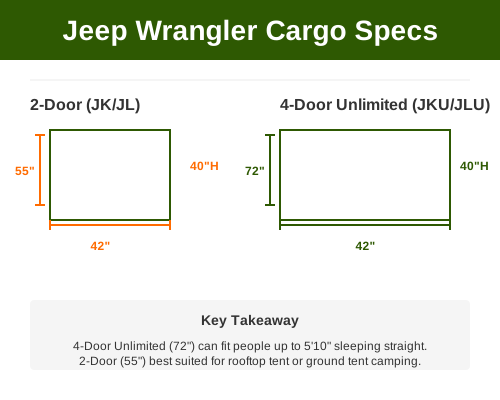
What You'll Learn
If you're considering a compact option for your next adventure, explore the Jeep Renegade Camping Guide.
Wrangler Dimensions for Sleeping
Wrangler 2-Door (JK/JL)
Cargo area (rear seats folded):Wrangler Unlimited 4-Door (JKU/JLU)
Cargo area (rear seats folded):Gladiator Truck
The Gladiator offers truck bed camping:Wrangler Sleeping Summary
| Model | Inside Sleeping | Best Alternative | |-------|-----------------|------------------| | 2-Door | Very difficult | Rooftop tent, ground tent | | 4-Door | Possible for 1-2 (under 5'10") | Rooftop tent | | Gladiator | Bed camping with shell | Camper shell or truck tent |
If you need more space for a comfortable sleeping setup, consider our tips in the Grand Cherokee camping guide.
Rooftop Tents for Wranglers
Most serious Wrangler campers choose rooftop tents (RTTs). They're the practical solution to the Wrangler's space limitations.Why RTTs Make Sense for Wranglers
RTT Types
Fold-out (clamshell):Wrangler RTT Considerations
Weight capacity: Wrangler roofs handle most RTTs (check specific model ratings) Height increase: Adds 8-14" to vehicle height—affects garage fit, clearance Fuel economy: Expect 2-5 mpg reduction (aerodynamic drag) Rack requirements: Most RTTs mount to crossbars on roof rackPopular Wrangler RTT Setups
Budget: Smittybilt Overlander ($800-1,000) Mid-range: Tepui Kukenam ($1,500-2,000) Premium: iKamper Skycamp ($3,500-4,500)
For those seeking a more spacious camping experience, the Jeep Wagoneer camping guide offers luxury SUV setup tips.
Sleeping Inside the Wrangler Unlimited
If you want to sleep inside your Wrangler Unlimited (4-door), here's how to make it work:Setup Process
1. Fold or remove rear seats: Fold flat or unbolt for maximum space 2. Create level surface: Fill gaps with bags, foam inserts 3. Add mattress: See recommendations below 4. Remove top (optional): Provides ventilation, star views 5. Add window covers: Privacy and insulation if top onMattress Options
Wrangler-specific air mattresses:Making It Work for Two People
Top On vs Top Off
Top off:
For those considering a more spacious option, the Jeep Wagoneer camping guide offers luxurious setup tips.
Ground Tent Approach
Many Wrangler owners use the Jeep as base camp with traditional ground tent:Advantages
Awning + Ground Setup
Popular Wrangler camping setup: 1. Mount awning to roof rack or roll bar 2. Set up tent under awning's protected area 3. Create outdoor living space between Jeep and tent 4. Use Jeep cargo for gear storageTailgate Tent Option
Some tents connect to Wrangler's tailgate:Ground Tent Tips
For those interested in maximizing space and comfort, the Jeep Cherokee camping guide offers great insights on setup options.
Wrangler Overlanding Essentials
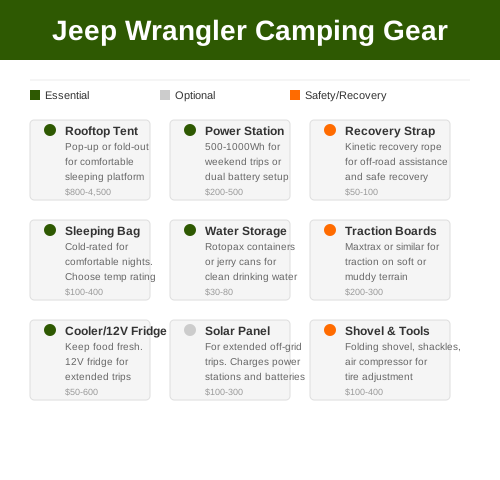
Recovery Gear
The Wrangler's off-road capability means you might need recovery:Roof Rack Accessories
Lighting
Power
Water and Kitchen
If you're looking for more vehicle camping ideas, consider how a Jeep Grand Cherokee can enhance your car camping experience.
Frequently Asked Questions
Can you sleep in a Jeep Wrangler? In a 2-door, barely—only very short people fit. In a 4-door Unlimited, yes—people up to ~5'10" can sleep inside with proper setup. Most Wrangler campers use rooftop tents or ground tents. What's the best Wrangler for camping? The 4-door Unlimited (JKU/JLU) offers the most interior sleeping space. The Gladiator offers truck bed camping with shell. The 2-door is best paired with a rooftop tent. Do I need a rooftop tent for Wrangler camping? Not required, but it's the most practical solution for comfortable sleeping. RTTs eliminate the Wrangler's interior space limitations and keep you off the ground on uneven terrain. How do you stay cool sleeping in a Wrangler? Remove the top for maximum airflow. With top on, crack windows and use a fan. The Wrangler's removable top is a unique ventilation advantage. What size mattress fits in a Wrangler Unlimited? Narrow/cot size (28" × 75") fits best between wheel wells. Wrangler-specific air mattresses provide custom fit. A full-size mattress is too wide. Is the Wrangler good for overlanding? Excellent for reaching remote locations—legendary off-road capability. Less ideal for sleeping inside, which is why most overlanders add RTTs or ground tents. Can two people sleep in a Wrangler? In a 2-door, no. In a 4-door Unlimited, very tight—it's workable but not comfortable long-term. RTT or ground tent is better for couples. Should I get hard top or soft top for camping? Soft top offers more ventilation options (remove panels) and lighter weight. Hard top provides better insulation and security. Many campers prefer soft top for warm-weather camping. What's the best Wrangler rooftop tent? Budget: Smittybilt Overlander (~$1,000). Mid-range: Tepui Kukenam (~$1,700). Premium: iKamper Skycamp (~$4,000). All work well on Wranglers. Can you camp in winter in a Wrangler? Yes, with proper gear. RTT with insulated liner, cold-rated sleeping bag, and heated blanket (powered by portable power station). The Wrangler's insulation is minimal, so gear matters more than vehicle.
For those considering a larger vehicle for camping, the Jeep Gladiator offers a unique truck bed setup.
🏅 Looking for Gear Recommendations?
Check out our tested gear guides for products that work with this setup:
Frequently Asked Questions
What makes a Jeep Wrangler good for camping?
Its legendary off-road capability allows access to remote campsites, and its removable top and doors offer a unique open-air camping experience.
Is the Jeep Wrangler spacious for camping?
While not the most spacious vehicle, the Wrangler can be adapted for camping with the right setup and accessories.
What kind of camping accessories are available for a Jeep Wrangler?
The strong Wrangler community offers excellent aftermarket support for overlanding accessories specifically designed for camping.
A
Auto Roamer
Experienced car camper and automotive enthusiast sharing practical advice and tested gear recommendations.