The Gladiator bed number every dealer gets wrong
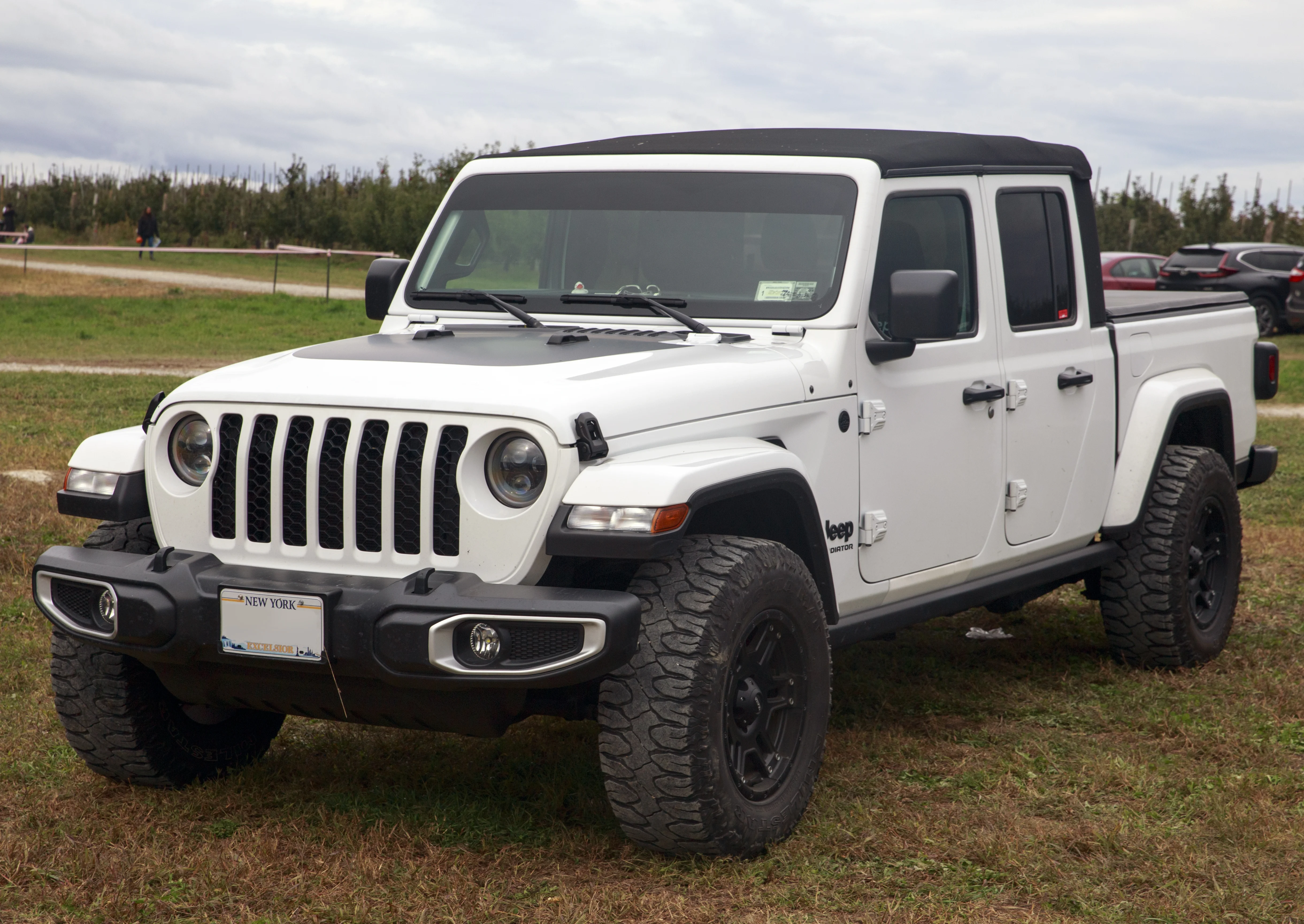
Start with a correction, because a wrong number is worse than a missing one when you're building a bed. Search the Jeep Gladiator's bed depth and nearly every dealer page tells you 33.9 inches. That figure is wrong. The real interior depth of the Gladiator's steel bed is about 17.5 inches - owners measure it with a tape, and the math proves it: a 60.3-inch by 56.8-inch bed that was 33.9 inches deep would hold roughly 67 cubic feet, not the 35.5 cubic feet Jeep officially publishes. The 33.9 figure is almost certainly an exterior or ground-to-rail height mislabeled as depth, and it's been copied across the internet. I read a number like that as a unit or reference-point mix-up that one page published and a hundred others reprinted without checking it against the volume - the kind of error that hardens into fact through sheer repetition. Once a spec is wrong on enough pages, the correct figure starts to look like the outlier.
I read spec sheets for a living and flag the ones that don't add up, so this page works from the corrected, cross-checked numbers - about 17.5 inches deep, a 60.3-inch floor, 44.8 inches between the wheel wells - plus the two features that genuinely make the Gladiator a strong bed sleeper: a three-position tailgate and a verified 81.3-inch tailgate-down length. And because it's an open steel bed, it closes on the safety points most guides skip. Every figure below is either published by Jeep and its dealers or measured by owners and cross-checked against the official volume, and I've labeled which is which so you can weigh the source yourself rather than trust a single page.
What Jeep actually publishes: 60.3 inches and 5 feet
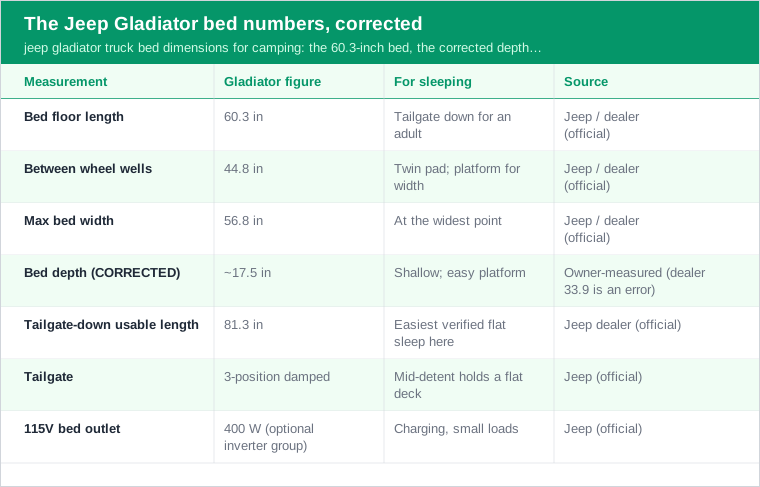
Here's the official, corroborated set. Jeep publishes the Gladiator's bed floor at 60.3 inches, 44.8 inches between the wheel wells, and 56.8 inches at its widest, with 35.5 cubic feet of volume - the number that anchors the depth correction above.
- 60.3 inches of floor: a five-foot bed - like the Tacoma's short bed and the Colorado, too short for an adult flat with the tailgate closed.
- 44.8 inches between the wells: mid-pack for the class, enough for a twin pad on the floor.
- 56.8 inches at the widest: what a wheel-well-height platform can use.
On the raw floor, the Gladiator is a typical 5-foot steel bed. What elevates it for camping isn't the floor - it's how the tailgate extends it, and that's where the Gladiator quietly leads the group. But first, the depth, because the shallow steel bed is actually a feature. Hold on to these four numbers - 60.3, 44.8, 56.8, and 35.5 - because the volume figure is the one that lets you catch the depth error, and the floor and width figures are what you'll actually cut a platform to. The 35.5-cubic-foot volume is the anchor; a bed can't be both that small in volume and 33.9 inches deep.
The depth error you'll see everywhere
Let me be precise about the correction, because you'll keep seeing the wrong number and I want you to trust the right one. The claim is 33.9 inches of bed depth. The evidence against it is threefold: owners measure about 17.5 inches from the floor to the top of the rail (roughly 17 to 17-7/8 inches by tape); the official 35.5-cubic-foot volume only works out with a depth near 17.5 inches; and 33.9 inches is close to the truck's ground-to-rail loading height, which is likely the number that got mislabeled.
The Gladiator's bed is about 17.5 inches deep, not 33.9. When a figure contradicts the published volume by a factor of nearly two, the figure is wrong - build to the number the volume confirms, not the one the dealer pages repeat.
Why it matters for a build: if you believed 33.9 inches you'd plan for a deep bed you don't have - taller platform legs, a longer climb, wrong expectations for how sheltered you are. Knowing it's a shallow 17.5-inch bed changes the whole plan, and mostly for the better, as the next section explains. To make the math explicit: 60.3 by 56.8 by 17.5 inches is roughly 34.7 cubic feet, within a whisker of the published 35.5 once you account for the wheel-well intrusions - a clean confirmation. The same box at 33.9 inches deep computes to about 67 cubic feet, a figure Jeep never claims anywhere. When one candidate depth matches the official volume and the other nearly doubles it, the choice isn't close.
The shallow steel bed: 17.5 inches, and why it helps
A 17.5-inch bed is shallow for a truck, and for sleeping that's largely a good thing once you stop expecting deep walls. The Gladiator's low steel sides make it one of the easiest beds in the class to build a full-width platform in and to climb into.
- Easy platform: low walls mean a deck built level with the wheel wells sits low, leaving plenty of sitting height above it - no cramped crawlspace.
- Easy in and out: a shallow bed is a lower climb, which matters at 2 a.m. and for anyone with a bad knee.
- The trade-off: less wall means less wind shelter than a deep bed, so weather management (below) matters a bit more.
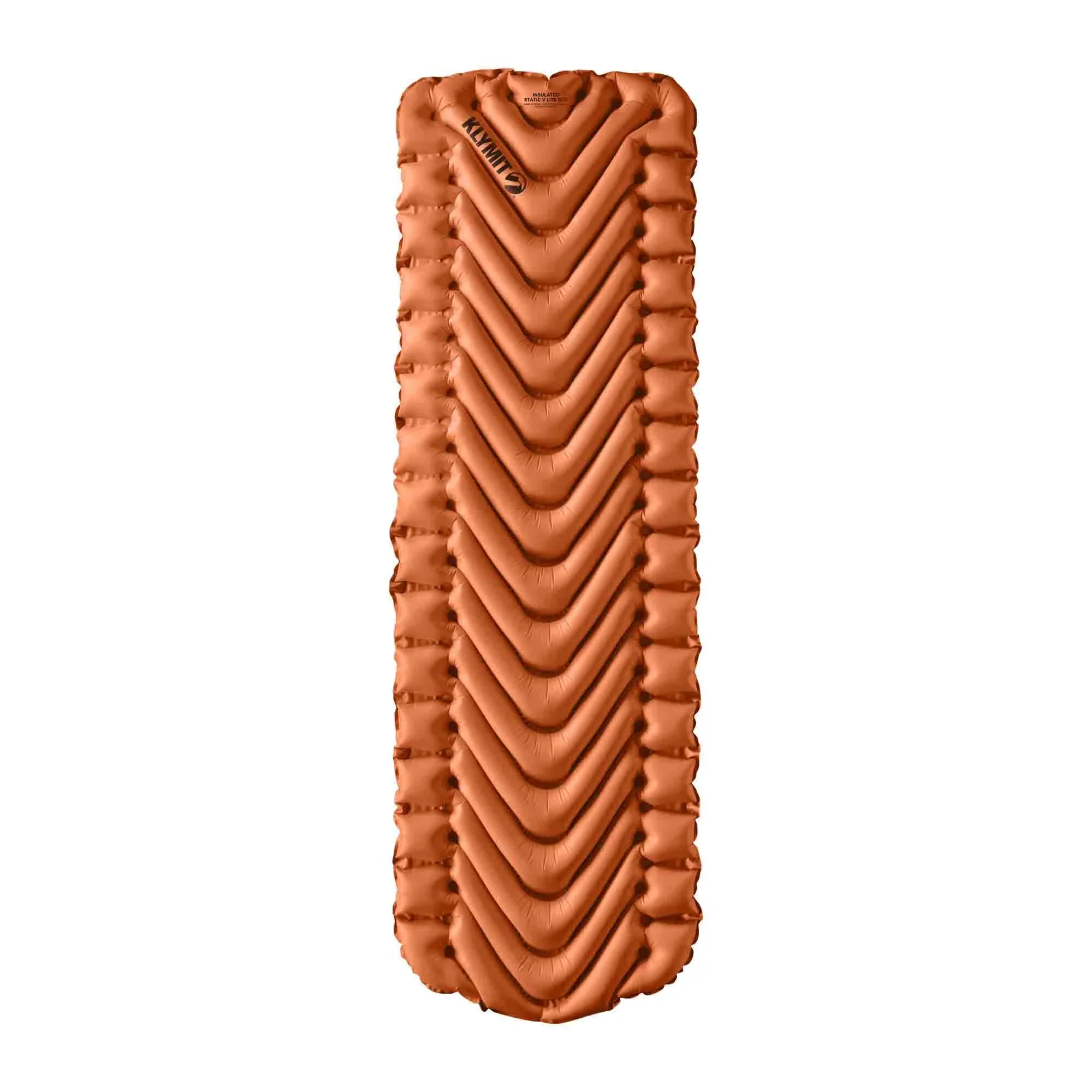
The safety-minded note on the steel: an all-steel bed is durable and grippy for tie-downs, but bare metal conducts cold aggressively - you will lose heat straight down into it on a clear night unless you insulate. Steel has essentially no thermal resistance of its own, so on a cold night the bed floor sits at ambient temperature and draws body heat out through conduction faster than the air around you ever could. A non-insulated foam or air pad does little against that; what you want is a pad with a rated R-value between you and the metal. The shallow depth is a feature; the cold steel is the thing you plan around, and an insulated pad is non-negotiable, not optional.
Between the wheel wells and the widths that count
The Gladiator's width story is the standard truck one, and knowing which number is which keeps you from ordering the wrong mattress. You have 44.8 inches between the wheel wells on the floor and 56.8 inches at the widest point up top.
- 44.8 inches on the floor takes a twin pad (about 38 inches) with room, but not a full-size flat between the wells.
- 56.8 inches up top is what a platform built level with the low wheel wells reclaims for a wider pad.
- No crosswise sleeping - like every truck here, the Gladiator is a lie-lengthwise bed.
Because the walls are only about 17.5 inches tall, the platform-over-the-wells build is especially painless here - you're not raising the deck far, and you keep good sitting height. For one sleeper on the floor, 44.8 inches is plenty; for width or two, the low bed makes the platform the easy answer. On mattress sizing, I'd read 44.8 inches as a comfortable fit for a standard twin pad and nothing wider on the floor itself - a 54-inch full will not drop between the wells, so plan a deck over the wells if two people need to lie side by side. Measure your chosen pad's actual width before you commit, since 'twin' inflatables vary an inch or two between brands.
The three-position tailgate: the Gladiator's best trick
Here's the feature that makes the Gladiator a genuinely good bed sleeper, and it's one Jeep actually engineered for utility. The Gladiator has a damped, three-position tailgate - it locks at a mid-detent, level with the wheel-well tops, which holds a sheet of plywood or a platform flat across the bed and out over the gate. That mid-position is the key to both a flat deck and the extended sleeping length.
The three-position tailgate is what turns a 5-foot Gladiator bed into a real bed. Locked at its mid-detent, it carries a flat deck level with the wheel wells - the same trick the Maverick uses, on a bigger truck.
Combined with the low walls, the mid-position tailgate makes the Gladiator's platform build one of the most natural in the class: the deck sits low, spans the full width, and extends out over the supported gate. It's a deliberate, useful design, and it sets up the length number that genuinely leads the group. The damped hinge matters here for a practical reason - it means the gate doesn't slam down or spring up under load, so a deck resting on the mid-detent stays put rather than teetering. The standard utility spec treats that mid-position as a load-bearing stop, which is why it can carry a flat four-by-eight sheet level with the wheel wells.
Tailgate down: 81.3 inches, the easiest flat sleep here
This is the number that puts the Gladiator ahead for sleeping, and it's officially published rather than a measure-your-own. With the tailgate down, Jeep's dealer specs cite about 81.3 inches of usable length - just under seven feet. That's the easiest verified flat sleep in this whole group.
- 81.3 inches clears any adult with room to spare - drop the gate and even a tall sleeper stretches out fully.
- Verified, not estimated: unlike the Tacoma and Ranger, whose tailgate-down lengths aren't published, the Gladiator's is a dealer-published figure you can plan on.
- Bridge the gate: your platform or pad should carry across to the down tailgate so nothing sags at the feet.
Between the low steel bed, the three-position tailgate, and a published 81.3-inch down length, the Gladiator is arguably the most build-friendly bed here - it hands you a long, supported, easy-to-platform surface with the fewest unknowns. The only spec it fumbled was the depth, and that was the dealers' mistake, not the truck's. Worth flagging the contrast: the Tacoma and Ranger sections in this series have to tell you to measure your own tailgate-down length because neither maker publishes it, so the Gladiator's 81.3-inch figure is a rare case of the number you need already being on record. Treat it as a planning length, not a hard interior limit - the usable flat surface still depends on how far your pad or deck bridges the hinge gap.
Building a platform over the low walls
Here's the build the Gladiator makes easy. With low walls and a helpful tailgate, the platform-over-the-wells deck is the natural setup.
- Deck at wheel-well height: a low frame level with the 17.5-inch walls gives a flat 56.8-inch-wide surface with storage underneath and generous sitting room above.
- Anchor to the Trail Rail: the Gladiator's factory tie-down system on the front wall and sides secures a frame without drilling steel.
- Insulate the metal: a Klymit Static V insulated pad on the deck stops the cold radiating up through the all-steel bed - the single most important comfort and safety piece in a metal bed.
Drop the tailgate to its mid-detent, run the deck out to it, and you have a flat, supported, roughly 81-inch surface. The Gladiator's low bed means you do all this without raising yourself into the roofline - one of the easier truck platforms to live with. Because the factory anchors are reusable sliding cleats rather than fixed holes, the whole deck stays removable and the bed metal never gets drilled, which protects both the steel and the resale. If your deck cantilevers onto the gate, add a folding leg or a support strap at the hinge so the sleeping load rides on the detent, not on the unsupported edge of the platform.
Power and the optional 115-volt outlet
The Gladiator can carry a 115-volt bed outlet, and the word to weigh is 'optional.' It's a 115-volt, 400-watt outlet on the rear passenger side of the bed, but only if the truck was ordered with the factory inverter group - it's not standard, and base trims go without.
- What 400 watts runs: charging, a laptop, a fan, lights.
- Verify it's fitted: confirm your specific truck has the inverter option before counting on the outlet; OEM retrofit kits exist if it doesn't.
- Not an appliance outlet: at 400 watts, heating-element gear is out.
Like the other midsize trucks here (except the Tacoma i-FORCE MAX), the Gladiator's outlet is a charging convenience, not a camp-power solution. For dependable overnight power on any Gladiator, a portable power station is the reliable answer and doesn't depend on which options the truck was built with. I'd verify the option the honest way rather than trust a listing: look for the physical 115-volt receptacle in the rear passenger-side bed wall, since a truck without the inverter group simply won't have the socket there. And even when it's fitted, remember the 400-watt ceiling is a continuous limit - a device that briefly spikes above it on startup can trip the inverter, so size your loads with headroom rather than right at the rating.
Weather, carbon monoxide, and sleeping safe in steel
An open steel bed is a fine place to sleep if you respect a few safety points the fun guides skip. The shallower 17.5-inch walls give less wind shelter than a deep bed, and steel is cold, so plan the envelope.
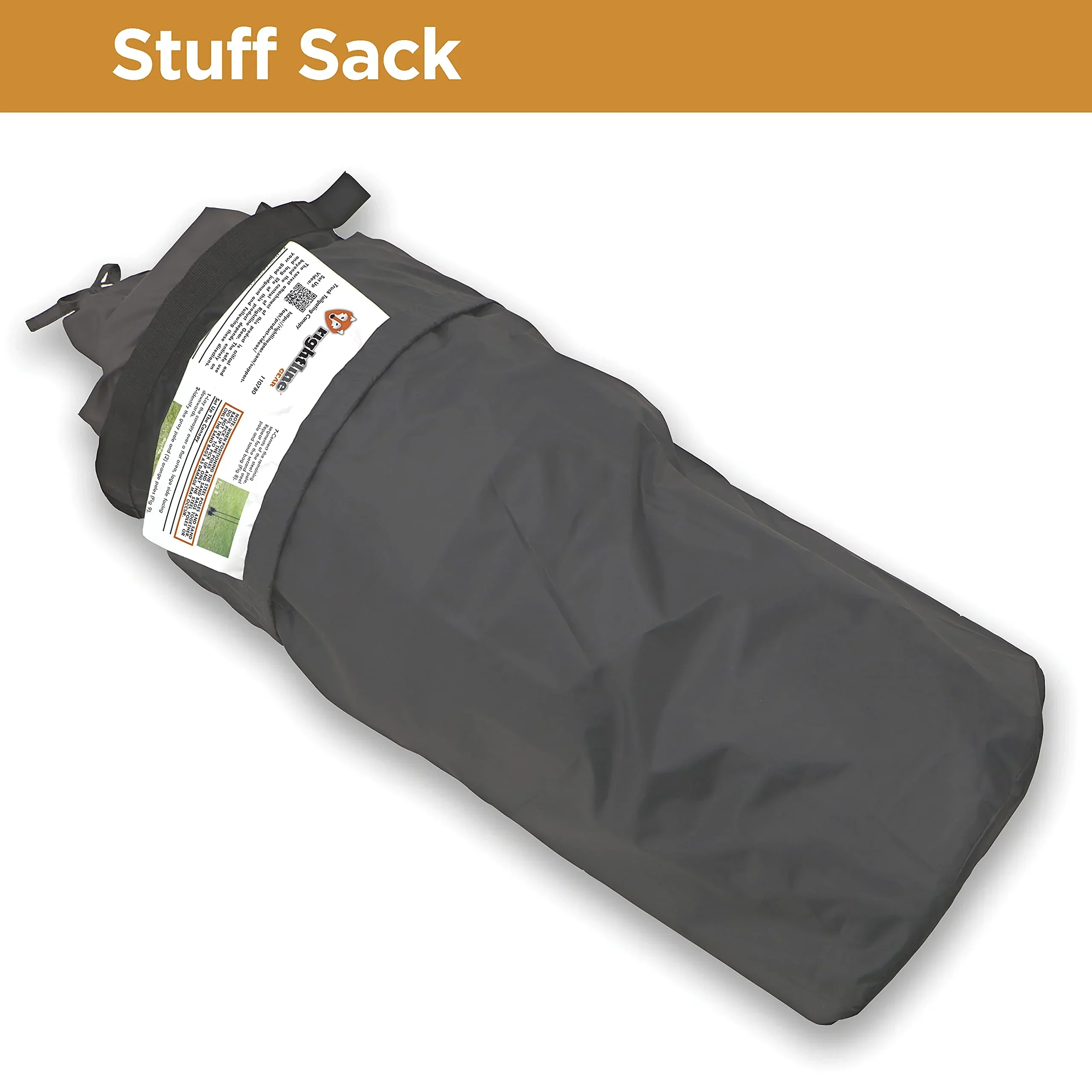
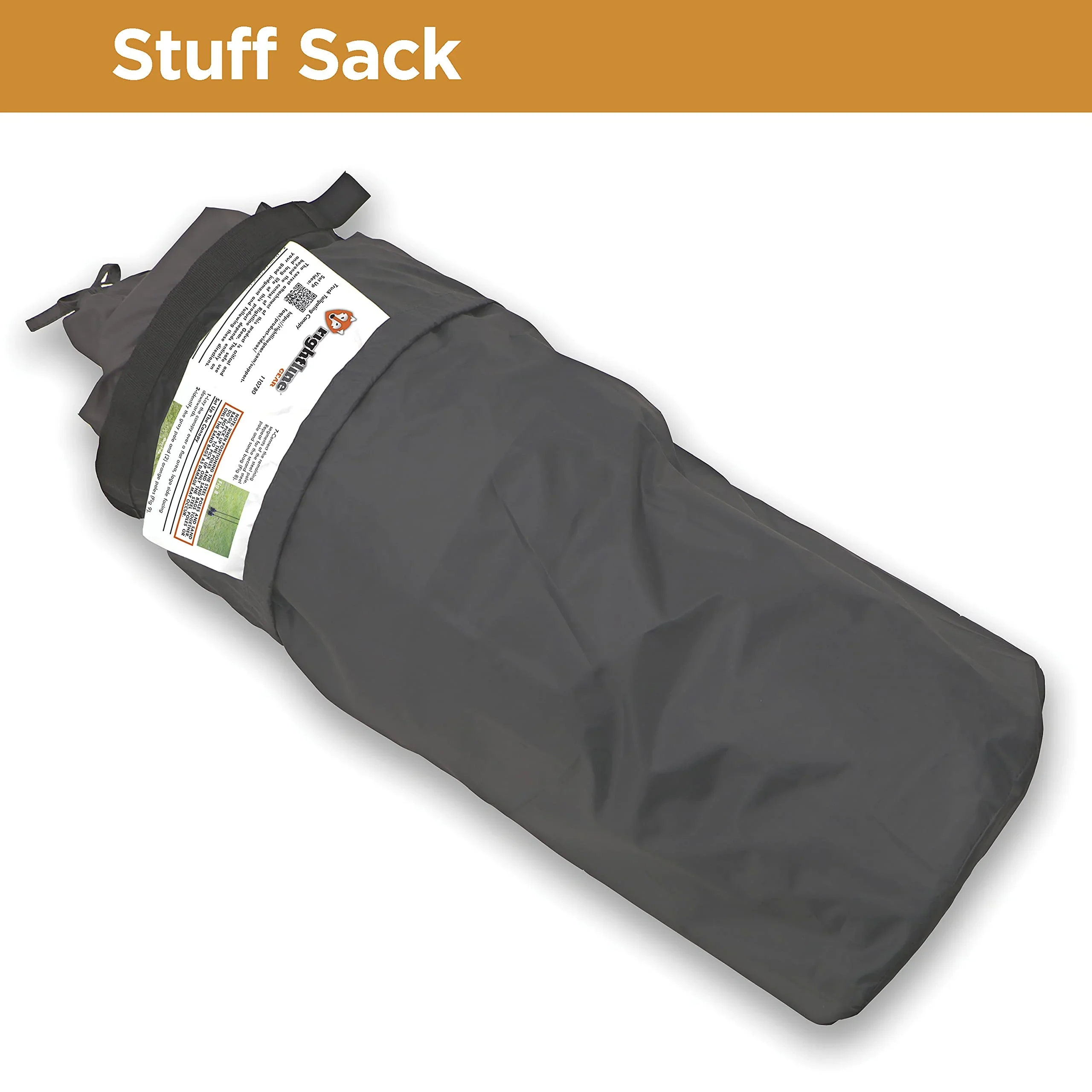
- Cover the top: a Rightline Gear tailgate canopy keeps rain and dew off an open or tailgate-down sleeper without a full topper.
- Never run a fuel heater in an enclosed bed: if you tent or topper the bed, a propane or gas heater in that sealed space is a carbon-monoxide risk - use a rated battery heater or a warmer bag, and keep ventilation.
- Insulate against the steel: the metal pulls heat out of you all night; the insulated pad is a warmth-and-safety item, not a comfort upgrade.
The safety read: the Gladiator's open steel bed is genuinely comfortable with a cover, an insulated pad, and airflow - and genuinely risky only if you seal a combustion heater into a toppered bed. Manage the cold with insulation and the air with ventilation, and it's a sound place to sleep. To be concrete about the carbon-monoxide point, since it's the one that actually hurts people: any fuel-burning heater - propane, gasoline, or a portable catalytic unit - produces carbon monoxide, and a toppered or tented Gladiator bed is a small, sealable space where it can accumulate to lethal levels while you sleep and never wake. The gas is odorless, so you get no warning. The safe answers are a battery-powered heater, a warmer sleeping bag, or the insulated pad doing the work, and I'd add a small battery carbon-monoxide alarm inside any enclosed bed as a cheap last line of defense. On the moisture side, closing the bed up to trap warmth also traps the water vapor you exhale, so crack a vent even in the cold - the same airflow that clears any stray combustion gas also keeps condensation from raining back down on you.
The verdict on the Gladiator bed
The Jeep Gladiator is one of the most build-friendly truck beds to sleep in, once you throw out the wrong number. Ignore the 33.9-inch depth on every dealer page - the bed is a shallow, easy-to-platform 17.5 inches. The floor is a 5-foot 60.3 inches, 44.8 between the wells, but the three-position tailgate and a published 81.3-inch tailgate-down length give it the easiest verified flat sleep in the class. If you take one thing from this page, let it be that the depth number on the dealer sheet is the outlier, not the truth - the volume math settles it at about 17.5 inches, and everything you build should follow that figure.
The Gladiator's low steel bed, three-position tailgate, and 81.3-inch down length make it the easiest truck here to build a real bed in - just insulate the cold steel and never seal a fuel heater into a toppered bed.
Build to the corrected 17.5-inch depth, use the mid-position tailgate for a flat deck, drop the gate for the 81.3-inch length, insulate the steel, and keep the air moving, and the Gladiator is a comfortable, safe, remarkably buildable bed. The full setup lives in our Jeep Gladiator camping guide, and our Tacoma vs Gladiator matchup weighs it against the Toyota.
Related on Auto Roamer: Chevy Colorado truck bed dimensions; truck bed tent vs rooftop vs ground tent.