
The Answer: Safe on Fumes, Costly on Range
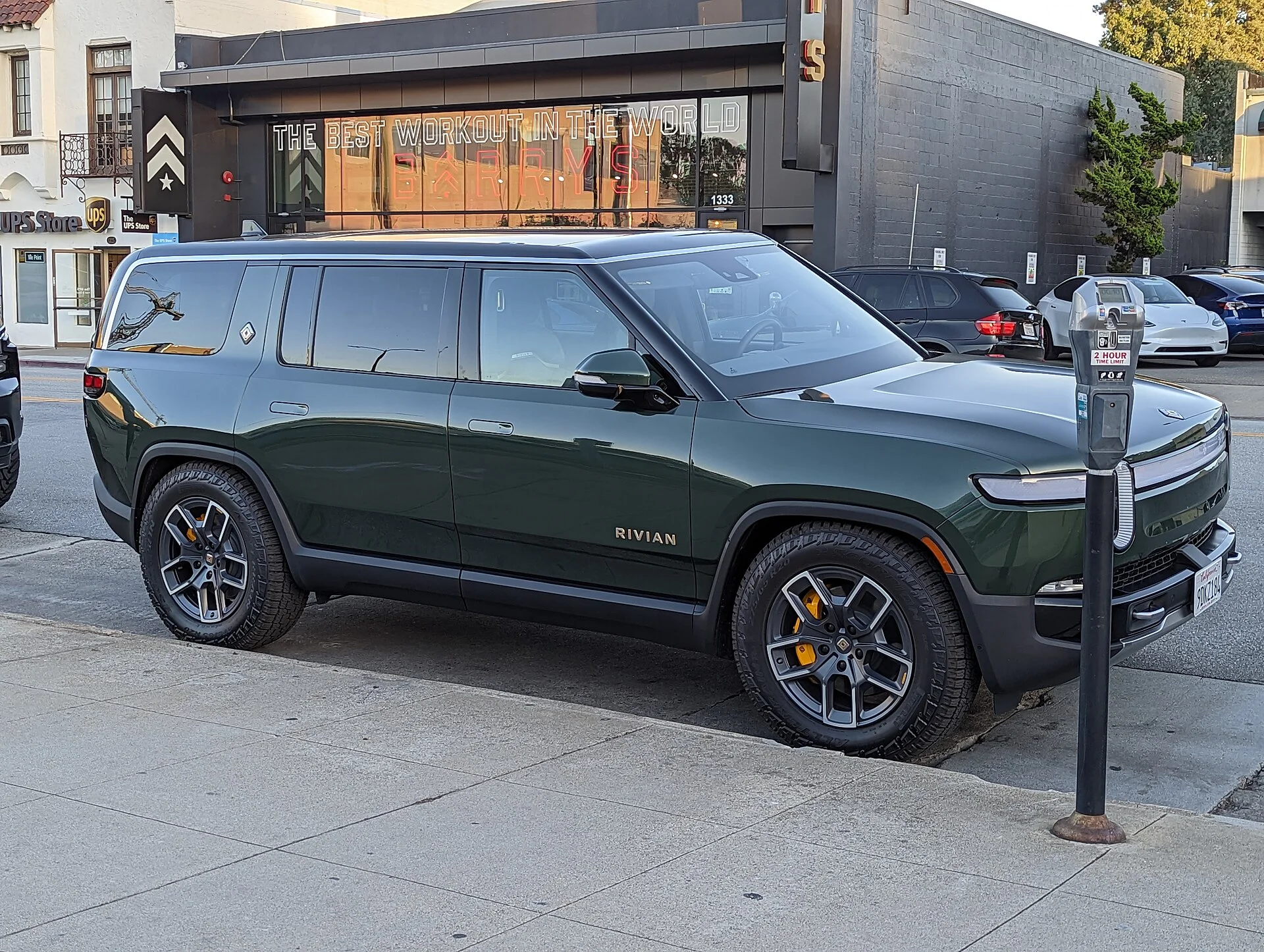
Ask whether it is safe to run Camp Mode in a Rivian R1S overnight and you have to separate two questions the marketing tends to blur into one. On the safety question - the carbon monoxide question that makes idling a gas car deadly - the answer is a clean yes. The R1S is fully electric, with no internal combustion engine, so it produces zero carbon monoxide even when climate control runs all night.
That is not a small point. The reason you cannot sleep with a gas engine running is CO poisoning, and an electric vehicle removes that failure mode entirely because there is no combustion and no exhaust. Camp Mode running the climate overnight simply does not create the poisoning risk. On safety, the R1S earns the yes the brochure implies.
The quieter question - the one the spec sheet does not put in big print - is what it costs. And here the honest answer is battery. Every hour of overnight climate is energy pulled from the same pack that drives the wheels, so the real risk is not your health, it is waking up with meaningfully less range than you went to sleep with. This guide is both halves of that answer.
Why the CO Risk Simply Does Not Exist
Let's be precise about why the safety answer is yes, because it is the whole reason an EV changes this question. Carbon monoxide comes from burning fuel. The R1S burns nothing - there is no engine, no combustion, no tailpipe - so there is no source of CO no matter how long the climate system runs. The hazard that kills gas-car sleepers is absent by design, not by precaution.
Contrast that with an internal-combustion vehicle, which risks CO poisoning any time it is idled for heat, and the difference is decisive. In a gas car you are managing a poison you cannot see or smell; in the R1S there is no poison to manage. That is the one genuine, structural safety advantage of camping in an EV, and it is real rather than marketing.
So the usual overnight-safety checklist for a combustion vehicle - clear the tailpipe, never sleep in an enclosed space, do not trust a cracked window - does not apply to the R1S climate system. You are not skirting a danger; the danger is not present. That frees you to focus entirely on the thing that actually varies overnight in an EV, which is the state of charge.
What Camp Mode Actually Does
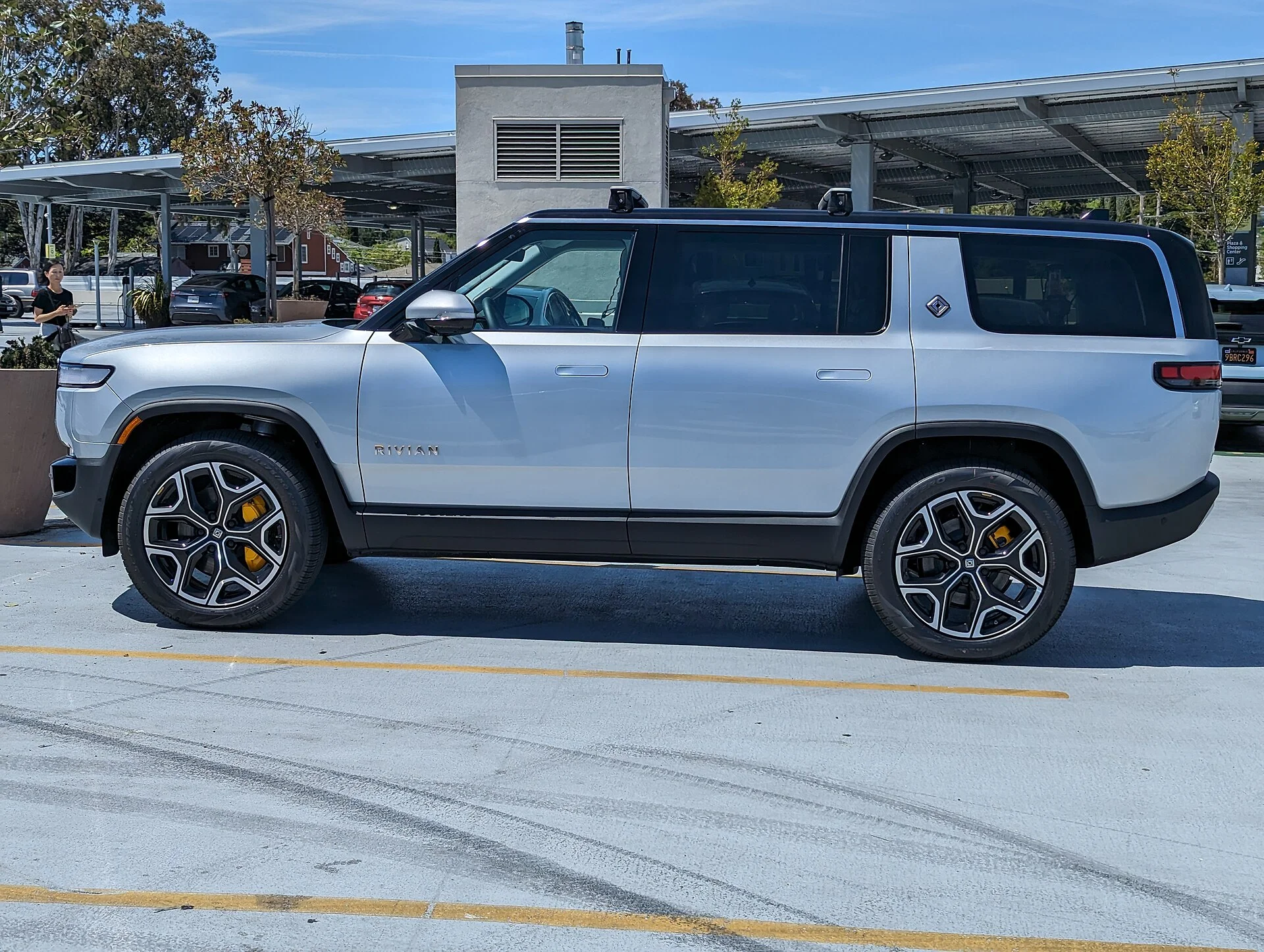
Since the name gets used loosely, it is worth pinning down what Camp Mode is. It is a built-in R1S feature that keeps the cabin powered so climate control, interior lights, and the 120-volt outlets stay available while you sleep. Instead of the vehicle powering down as it normally would, Camp Mode keeps the systems you want overnight alive.
It does one more genuinely useful thing: it uses the R1S's air suspension to automatically level the vehicle on uneven ground. Park on a slope and Camp Mode settles the truck flat, which is the difference between a decent night's sleep and slowly sliding toward the tailgate. That leveling is a real feature, not a gimmick - it solves a problem every car camper on uneven ground knows.
What Camp Mode does not do is change the physics of energy use. Keeping climate, lights, and outlets on steadily draws down the traction battery, and that draw is the entire cost of the feature. The convenience is real; so is the drain. Understanding that trade is the whole job of planning an R1S overnight, because the comfort and the range come out of the same account.
The Real Cost Is Battery, Not Fumes
Here is the reframe that matters: the real overnight cost of Camp Mode is battery energy, not fumes. Because the R1S powers climate from the same battery that drives the wheels, every percent you spend on comfort overnight is a percent less driving range the next morning. That is the trade the marketing does not lead with, and it is the one you actually have to manage.
The R1S has a large pack to draw from, which is what makes overnight camping viable in the first place. The Gen 1 Large pack is roughly 131 to 135 kilowatt-hours and the Max pack is roughly 140 to 149 kilowatt-hours. The Max pack is rated up to about 400 miles of range and the Large pack up to roughly 330 to 352 miles depending on model year - a big reservoir, but a finite one.
Overnight climate draw is often in the ballpark of 1 to 3 kilowatt-hours per hour depending on how hard the system works against the outside temperature. Multiply that across a night and you are spending real energy. The question is not whether it is safe to spend - it is - but whether you have budgeted enough to still reach your next charger. That is a planning problem, and planning problems are solvable.
The Numbers Vary More Than You'd Think
Do not trust a single overnight-drain figure, because the real-world numbers scatter widely with conditions. On the efficient end, one owner measured about 5.4 kilowatt-hours - roughly 4 percent of the pack - used over 13 hours at 25 degrees Fahrenheit. That is a genuinely small hit for a cold night, and it is the number optimists quote.
Then look at the other end. In milder weather, another owner reported using about 24 percent of the battery overnight with the air conditioning set to 67 degrees and outside temperatures in the low 60s. Same vehicle, far bigger drain - because running the climate hard against a set point, even a comfortable one, is energy-intensive regardless of how cold it is outside. Running heat overnight can use up to about 10 percent even when it is not very cold, since cabin heating takes a lot of energy.
The lesson from the spread is to plan for the pessimistic case, not the marketing case. The realistic planning rule is that an overnight in Camp Mode with climate on can consume anywhere from roughly 10 to 30 percent of the pack depending on temperature and settings. Budget for the top of that range and a surprisingly warm or cold night will not strand you.
Vampire Drain and the Outlets
Two smaller draws deserve a mention because they add up. Even with no climate and nothing plugged in, R1S owners should expect to lose at least 3 to 4 percent of charge per day to standby and vampire drain - the energy the vehicle uses just being awake and connected. That baseline exists whether or not you use Camp Mode, so it is part of any overnight math.
The 120-volt outlets are the other draw, and they are usually a feature you want, not a leak to plug. Leaving the outlets powered adds to the overnight drain, but that is often necessary - running a fridge, charging devices, or powering a CPAP machine through the night is exactly why you wanted an EV with real outlets. The draw is the cost of a genuine convenience.
The point is not to avoid these draws but to count them. Vampire loss plus the outlets plus climate is the full overnight bill, and the climate is the biggest and most variable line item. Add the steady 3-to-4-percent baseline to your climate estimate and whatever the outlets are running, and you have the real number to buffer against - not the optimistic climate-only figure.
How to Cut the Overnight Drain
The good news is that the drain is highly controllable, and a few habits cut it substantially. The most effective is pre-conditioning: warm or cool the cabin while still plugged in, then let Camp Mode hold a moderate temperature overnight. You spend grid energy on the big initial swing and ask the battery only to maintain, which is far cheaper than heating or cooling from the battery all night.
Setting a moderate hold temperature rather than an aggressive one is the next lever, and it is where that 24-percent night could have been a lot less. Ask the system to hold a reasonable temperature and lean on blankets and layers for the rest, and you meaningfully extend how long a charge lasts. A plug-in heated blanket is the classic EV-camper trick here - a plug-in heated blanket warms you directly for a tiny fraction of the energy it takes to heat the whole cabin, letting you set the climate lower.
The rest is buffer discipline. Cold weather increases both climate load and battery inefficiency, so plan for higher consumption when temperatures drop, and start the night at a high state of charge - ideally near full - which is the simplest way to camp comfortably without range anxiety. Manage the inputs and a comfortable R1S night costs far less range than a worst-case one.
The Planning Rule That Keeps You Safe
Strip it down and R1S overnight camping has one real rule, and it is a range rule, not a safety rule: camp with enough charge buffer to reach your next charger after the overnight drain. The main risk with the R1S overnight is not harm - it is waking up with meaningfully less range than you expected and being short of the next plug.
So do the arithmetic before you sleep, not after. Take your current range, subtract a pessimistic overnight estimate - budget the top of that 10-to-30-percent band in cold weather - and confirm what is left comfortably reaches your next charging stop with margin to spare. If it does not, you either charge before camping, dial the climate back, or pick a site closer to a charger.
This is the whole discipline, and it is a familiar one to anyone who plans fuel on a road trip - just measured in charge instead of gallons. The R1S removes the carbon monoxide danger that makes gas-car camping risky and replaces it with a straightforward energy-budgeting task. Treat the state of charge the way a careful driver treats a fuel gauge in the backcountry, and the overnight is genuinely worry-free.
Why Cold Weather Doubles the Homework
Cold nights deserve their own note, because they hit the R1S overnight budget twice. First, the obvious way: cabin heating is energy-intensive, and the colder it is outside, the harder the system works to hold a set point, so climate draw climbs. Running heat can use up to about 10 percent of the pack even when it is not very cold, and a genuine freeze pushes it higher.
Second, and less obvious, cold weather reduces battery efficiency itself. A lithium pack simply delivers less usable energy when it is cold, independent of what you are running, so you lose ground on both the supply and the demand side at once. That is why the same climate setting costs more range in winter than in spring - the battery is working against the cold too.
The practical response is to treat a cold night as a bigger-buffer night, not a normal one. Pre-condition while plugged in so the pack starts warm and topped off, hold a conservative temperature, and lean harder on blankets. And when you do the range arithmetic, budget the high end of the overnight drain and then add margin for the cold-weather inefficiency the number alone does not capture. Winter camping in the R1S is fine; it just asks for a fatter buffer.
The Verdict: Yes, With a Charge Buffer
The verdict on Camp Mode in a Rivian R1S overnight splits cleanly, and both halves land in a good place. On safety, it is yes without qualification: the R1S is electric, produces zero carbon monoxide, and carries none of the poisoning risk that makes idling a gas vehicle for heat dangerous. The single biggest hazard of overnight car camping is simply absent in an EV, and Camp Mode's air-suspension leveling makes it more comfortable on top of that.
The catch is entirely about energy. Camp Mode with climate on can use roughly 10 to 30 percent of the pack overnight depending on temperature and settings, on top of a 3-to-4-percent daily vampire drain and whatever the outlets are running. The real-world numbers scatter from about 4 percent on an efficient cold night to 24 percent on a hard-working mild one, so plan for the high end.
Do that and the R1S is one of the better vehicles to sleep in. Pre-condition while plugged in, hold a moderate temperature, use blankets to lean on the climate less, start near full, and keep a charge buffer to reach your next charger. Manage the battery like a fuel gauge and the only thing you have to worry about overnight is a problem with a clear, arithmetic solution - which is exactly the kind of worry worth having.